
REVIEW · COSTA DA CAPARICA
Lisbon: Surfing Lesson on Costa de Caparica Beach
Book on GetYourGuide →Operated by SurfChamp SurfSchool · Bookable on GetYourGuide
Surfing in Portugal starts with smart coaching. This 3-hour Costa de Caparica lesson near Lisbon focuses on safety, technique, and catching waves without the usual chaos. I especially like the small group (max 6) and the hands-on instruction from Sandro, plus the premium gear and the sweet reward at the end. The one catch: transportation isn’t included, so you’ll need to handle getting to the Estacionamento meeting point yourself.
Costa de Caparica is one of those Lisbon-area beaches where first-time surfers can actually learn, not just get splashed around. You’ll go from basics on the sand to time in the water, then finish with stretching to help you walk like a functional human afterward.
At $34 per person for a short, well-run session, this is a strong value if you’re new to surfing or want a quick technique boost. Just note it’s not suitable for children under 12 or pregnant women, and the lesson timing means you’ll want to plan the rest of your day around returning back on time.
In This Review
- Key things to know before you book
- Why Costa de Caparica is a smart pick for first-timers
- Meeting at Estacionamento: the grey Peugeot van detail that prevents stress
- The 3-hour flow: safety briefing, gear-up, and getting your balance
- Sand basics that actually translate to wave time
- Hitting the water: coaching that keeps you safe and learning
- Stretching and the end-of-lesson sweet reward
- Small group surfing is the real value (not just a nicer marketing line)
- Price, included extras, and what you should compare
- Who this Lisbon surf lesson suits best
- What to bring so you feel comfortable from minute one
- Should you book this SurfChamp Costa de Caparica lesson?
- FAQ
- How long is the Lisbon surfing lesson?
- Where is the meeting point?
- What’s included in the lesson?
- Do I need to bring my own surfboard or wetsuit?
- What group size should I expect?
- What languages does the instructor speak?
- Is transportation provided from Lisbon?
- What should I bring with me?
- Is this lesson suitable for kids?
- Can I request a private lesson?
Key things to know before you book
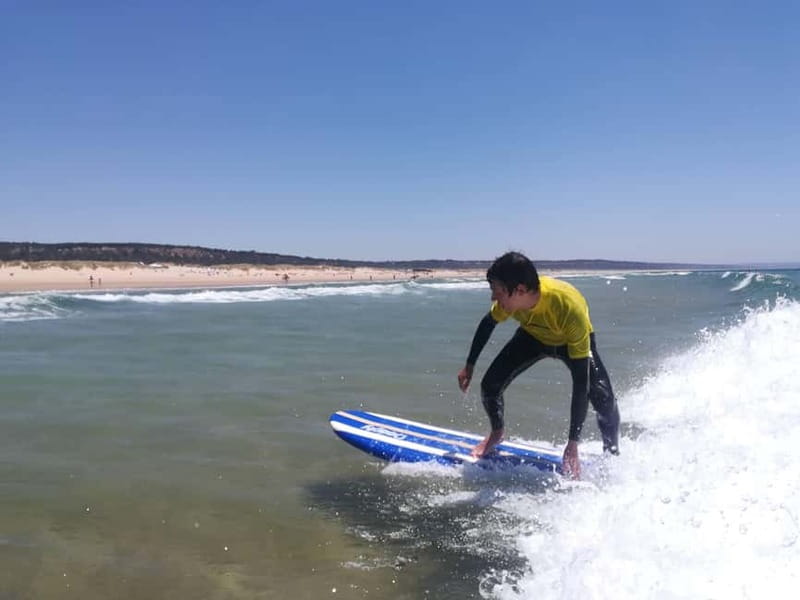
- Small group of up to 6 means more personal attention and less waiting around
- Sandro-style coaching is patient, correction-focused, and beginner-safe
- Sand practice first, then ocean time, so you’re not guessing once you paddle out
- Premium equipment + wetsuit makes the physical side easier from minute one
- Portuguese Surfing Federation certificate + insurance add peace of mind
- Sweet treat at the end, often pastéis de nata, turns the lesson into a mini celebration
Why Costa de Caparica is a smart pick for first-timers
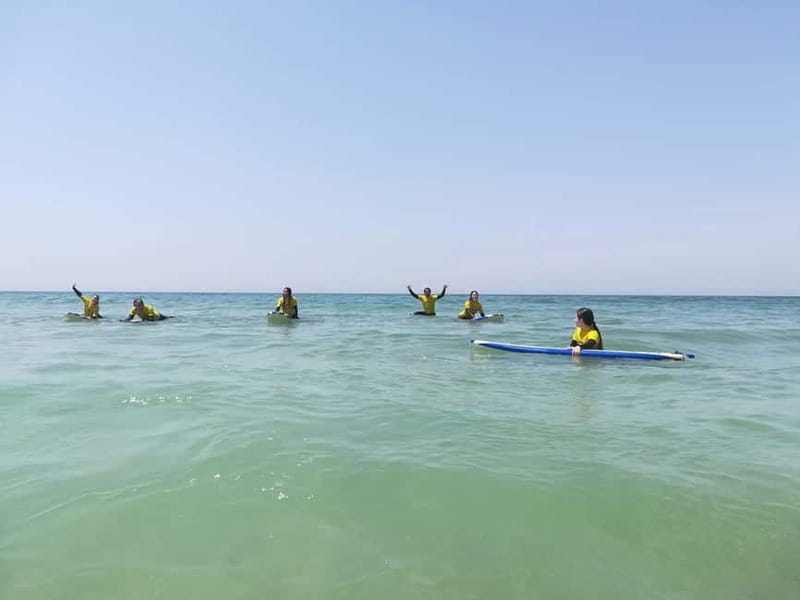
If you’re learning to surf, you want two things: a beach that’s beginner-friendly and an instructor who can teach fundamentals fast. Costa de Caparica hits both. It’s close enough to Lisbon that it fits into a half-day plan, but it still feels like a real ocean experience.
What I like most is the way this lesson is structured around learning, not showing off. The school uses a safety-first approach, keeps the group small, and runs the session so you’re not stuck in a long line waiting your turn. That matters when you’re new—confidence grows when you get repeated chances to try.
The other advantage is that the experience is designed around controlled progress. You’ll start with basics on the sand using your board setup, then transition to the water with the instructor right there with you. That pacing is exactly what helps beginners stand up sooner rather than later.
You can also read our reviews of more tours and experiences in Costa Da Caparica

Meeting at Estacionamento: the grey Peugeot van detail that prevents stress
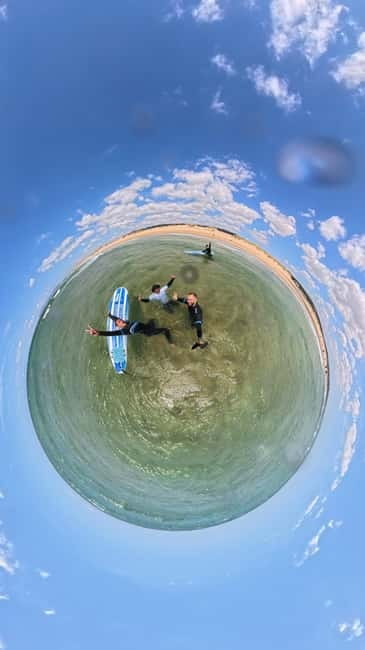
This lesson starts at Estacionamento, in the parking lot. When you arrive, look for a grey Peugeot van and you’ll be in the right place.
Because transportation isn’t included, this is the one logistics detail you should plan for. If you’re relying on public transport, build in extra buffer time so you don’t sprint through wet sand stress. If you’re driving, parking is usually the bigger headache than the surf itself—so check your plan before you commit.
In practical terms, arriving 10–15 minutes early gives you time to meet the group, get oriented, and get your wetsuit-and-board setup underway without rushing. For a first lesson, calm beats speed.
The 3-hour flow: safety briefing, gear-up, and getting your balance
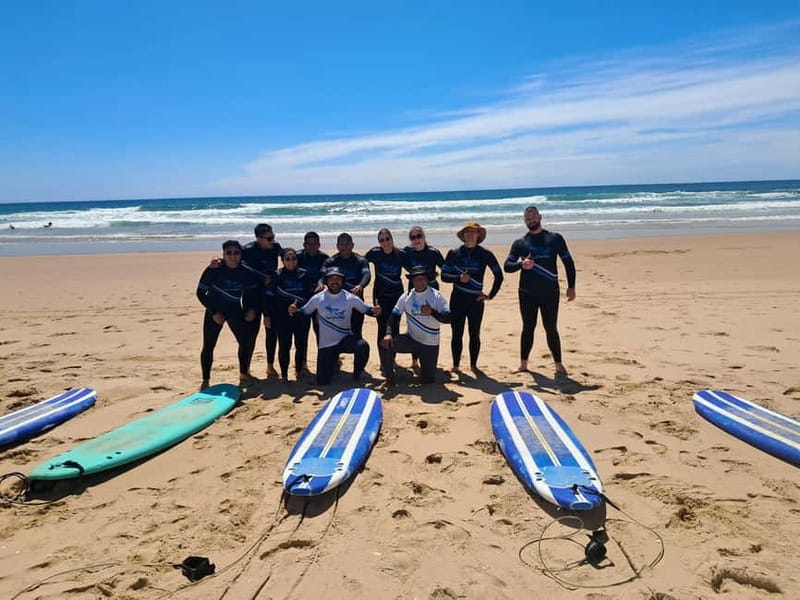
Once you meet your instructor at the parking lot, the session moves quickly but not chaotically. You’ll head to SurfChamp SurfSchool for the start of the lesson: swimming and a safety briefing, then the gear-up.
The equipment part is more than a convenience. A proper surfboard fit and a wetsuit that works for the conditions help your body do the right things instead of fighting discomfort. You’ll be kitted out with the surf essentials so you can focus on technique.
You’ll also get a structured warm-up and fundamentals before heading into the water. The goal is simple: you should understand what to do with your board, how to position yourself, and what to expect once you’re in the ocean.
Another useful detail is language support. The instructor can teach in English, Portuguese, Spanish, or Italian, which helps if you want clear, direct explanations rather than guessing at surf jargon.
Sand basics that actually translate to wave time
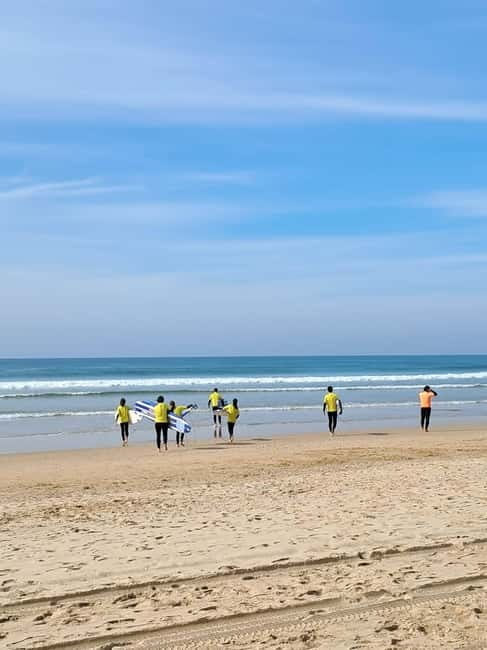
Before you paddle out, you’ll practice on the sand. That’s not just a filler step—it’s the fastest way to build muscle memory without getting dragged around by currents and timing.
You’ll learn the basics of surfing mechanics while you’re still on land. Think of it as learning the board’s behavior and your body position first, so when you reach the water you can focus on reading waves and executing the move you practiced.
From the feedback on this school’s lessons, Sandro in particular is known for being patient and very specific with corrections. Beginners often improve quickly when they get real-time feedback and don’t feel rushed. In a small group, it’s easier for the instructor to see exactly where your feet are going and adjust your technique.
The sand session also builds confidence. You’re not walking into the ocean hoping it all magically works out. You’re showing up with a plan.
Hitting the water: coaching that keeps you safe and learning
Once it’s time for the ocean, the instructor shifts from teaching fundamentals on land to coaching in motion. This is where the small group size matters. With up to 6 participants, you’re not competing for attention, and you get more chances to reset, try again, and improve.
A key promise here is that it’s designed to be safe and exciting without the pressure of fighting for waves. For first-timers, that’s huge. When the vibe is supportive, you can concentrate on standing, balance, and timing instead of fear.
The instructor’s approach is hands-on. You’ll get corrections while you’re paddling and as you’re working toward your stance. Many learners pick up enough technique to stand on the board within one session, especially when coaching is patient and consistent.
The water time also includes relaxation and guidance, so you’re not just thrown into chaos. The lesson is paced to keep energy up while still respecting safety and physical limits.
Stretching and the end-of-lesson sweet reward
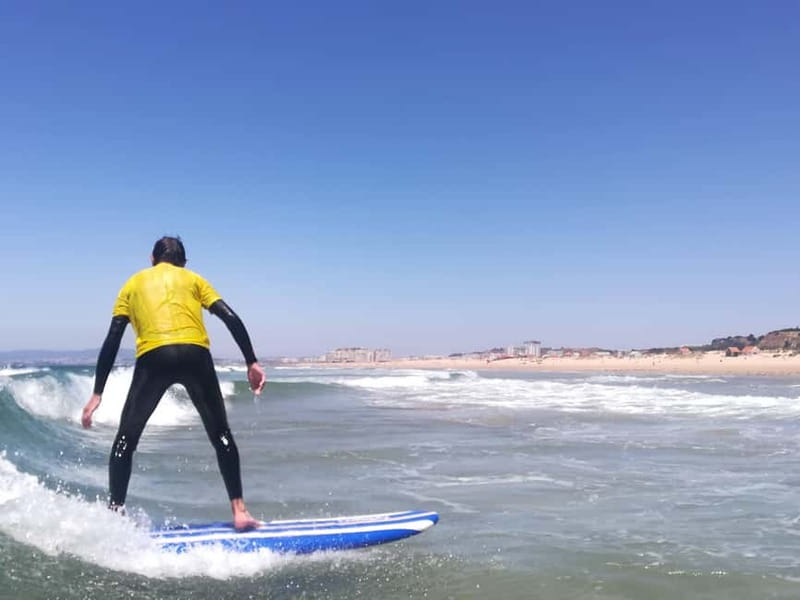
After the wave time, you’ll finish with stretching exercises. That might sound small, but it’s practical. Surfing uses your legs, core, and upper body, and stretching helps you recover so you’re less likely to feel like your body turned into one giant bruise.
Then comes the fun part: a sweet reward at the end. Pastéis de nata show up in many people’s experiences, and the “special gift” element makes the wrap-up feel thoughtful rather than transactional.
This ending matters because it turns the session into a memory. A first surf lesson can be surprisingly intense—then the reward and the relaxed finish make the whole thing feel like you actually got something special, not just a workout.
Small group surfing is the real value (not just a nicer marketing line)
A lot of surf lessons claim they’re good for beginners. Fewer actually deliver the coaching rhythm beginners need. Here, the limit of 6 people changes what the lesson feels like.
With a tiny group:
- You get more frequent technique checks
- You waste less time waiting
- Your instructor can correct small errors before they become habits
That’s what you’re paying for at $34. You’re not paying mainly for a board and a wetsuit. You’re paying for feedback, structure, and a safe environment where you can learn quickly.
In other words, the “value” isn’t the discount—it’s the efficiency. You’re spending your time learning the right things instead of just collecting time in the water.
Price, included extras, and what you should compare
This lesson costs $34 per person and lasts 3 hours. For Lisbon and the coastal setting, that’s a fair price if you’re optimizing for coaching quality and beginner success.
What makes it feel like real value is what’s included:
- surfing lesson with a certified instructor
- surfing equipment (including wetsuit and board setup)
- Portuguese Surfing Federation certificate
- insurance
- a special gift
The inclusion of insurance and a formal certificate is also a confidence boost. It signals the school treats lessons as a structured activity, not a casual rental.
The one thing you should compare is transportation. Since transportation isn’t included, your total cost depends on how you plan to get to Estacionamento. If you already have a car, the price stays very straightforward. If you don’t, budget time and transit costs so the overall value still makes sense.
If you want more attention than a small group gives, there’s also the option of a private lesson on request. If you’re willing to pay for extra coaching time, it can be a good match for nervous beginners or anyone aiming to progress faster.
Who this Lisbon surf lesson suits best
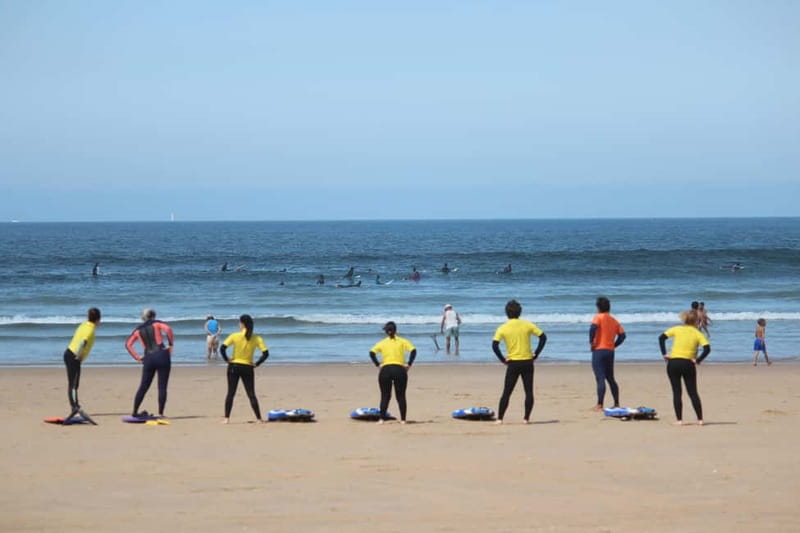
This is a great fit if you:
- are trying surfing for the first time
- want a structured beginner lesson with safety built in
- prefer patient instruction over intimidation
- want a short, efficient activity near Lisbon
The lesson isn’t suitable for children under 12 and pregnant women, so plan accordingly.
If you’ve surfed before and want practice, you might still enjoy it because the instructor is described as attentive to technique and corrections. That kind of feedback can help you refine basics quickly, especially if you’re working on stance and balance.
What to bring so you feel comfortable from minute one
You don’t need a lot, but you do need the essentials. Bring:
- Swimwear
- Sunscreen
- Water
Optional, but smart: wear gear that dries fast and helps you move comfortably after your wetsuit comes off. The session is outdoors, and you’ll be in the sun and on sand, so basic comfort prep goes a long way.
You’ll also likely want to plan for hot sand if the weather is warm. Even with wetsuits, the walk and setup time can get toasty.
Should you book this SurfChamp Costa de Caparica lesson?
If you want a beginner surfing lesson that’s organized, supportive, and built for actual learning, this is an easy yes. The small group limit, the patient coaching style linked to Sandro, and the step-by-step progression from sand to waves are exactly what new surfers need.
Book it especially if you care about:
- getting corrected (not just getting sent into the water)
- safety and a calm learning vibe
- an included certificate and insurance
Hold off only if you don’t want to handle the logistics of getting to Estacionamento on your own. Otherwise, at $34 for 3 hours with equipment, instruction, and a sweet end-of-lesson reward, it’s a strong way to spend part of your Lisbon time on real ocean waves.
FAQ
How long is the Lisbon surfing lesson?
It lasts 3 hours.
Where is the meeting point?
The meeting point is in the parking lot at Estacionamento. Look for a grey Peugeot van.
What’s included in the lesson?
You get a surfing lesson, a certified instructor, surfing equipment, a Portuguese Surfing Federation certificate, insurance, and a special gift.
Do I need to bring my own surfboard or wetsuit?
No. Surfing equipment is provided, including the wetsuit and surfboard setup.
What group size should I expect?
It’s a small group, limited to 6 participants.
What languages does the instructor speak?
The instructor can teach in English, Portuguese, Spanish, and Italian.
Is transportation provided from Lisbon?
No. Transportation is not included.
What should I bring with me?
Bring swimwear, sunscreen, and water.
Is this lesson suitable for kids?
It’s not suitable for children under 12.
Can I request a private lesson?
Yes. A private lesson is available on request.