REVIEW · ERICEIRA
Lisbon: Wellington’s Defensive Lines Tour
Book on GetYourGuide →Operated by Lisbon Van Tours · Bookable on GetYourGuide
Gunpowder-era Portugal, minus the tour crowds. This private tour is a smart way to understand how Wellington’s Lines of Torres Vedras helped protect Lisbon during the Peninsular War, and it pairs that with a serious architectural payoff at Mafra National Palace. I like how the day uses on-site interpretation tools (photos, videos, brochures, models, and books) so the strategy doesn’t stay theoretical. One drawback: expect real walking and uneven ground, so it’s not a match for people with mobility impairments.
You’ll ride in a 7-seat air-conditioned van with included bottled water, and you’ll get clear, guided context as you travel. Pickup and drop-off are designed to work around Lisbon traffic rules, so you’ll meet at set points near Praça dos Restauradores (central) or Estação do Oriente / Parque da Nações, with other airport-style options available if needed.
In This Review
- Key things to look forward to
- Wellington’s Defensive Lines: Why this day trip feels different
- Getting out of Lisbon: pickup, van comfort, and realistic timing
- Alhandra Fort and the Defensive Lines Memorial: your “big picture” start
- Zambujal Fort near the ocean: Peninsular War details in open air
- Torres Vedras’ Fort of St. Vincent and the Interpretation Center
- Mafra National Palace complex: the basilica, the baroque drama, and gold from Brazil
- Socorro Hill and the optic communication system: views with a purpose
- The guide really drives the day: what you’ll notice with Henrique
- Private-group comfort: the value behind the $542 price tag
- Who this tour suits best (and who should skip it)
- Should you book Lisbon: Wellington’s Defensive Lines Tour?
- FAQ
- How long is the Wellington’s Defensive Lines tour from Lisbon?
- What’s the price for this private group tour?
- Where do pickup and drop-off happen in Lisbon?
- Which sites are included in the tour?
- What entry tickets are included?
- Is lunch included?
- Is the tour suitable for people with mobility impairments?
Key things to look forward to
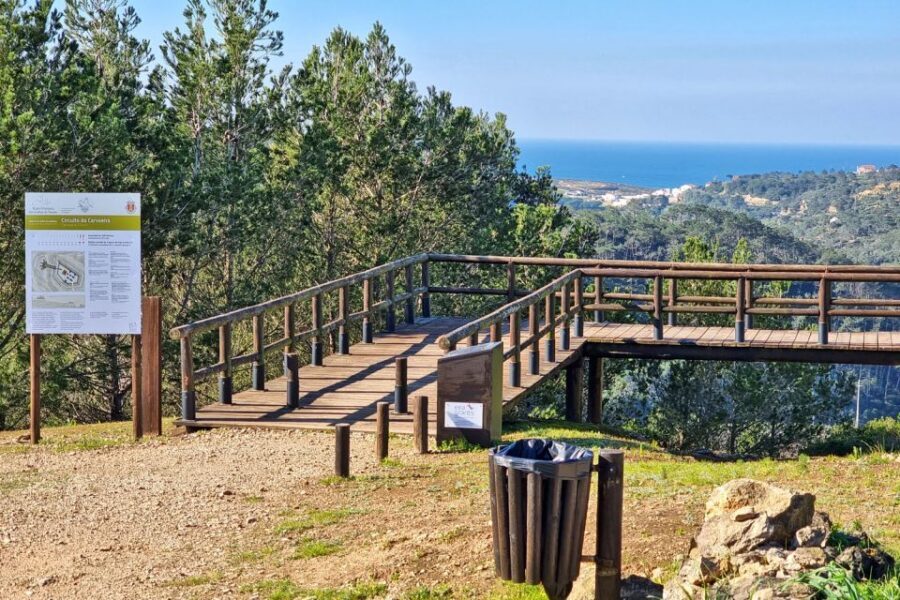
- Wellington’s defensive plan, explained with visuals at fort interpretation stops
- Three major fortifications: Alhandra, Zambujal, and St. Vincent
- Mafra’s basilica and palace complex with the Brazil-gold building story
- Torres Vedras countryside views, plus a stop on Socorro Hill near the optic communication system
- Private van day trip efficiency, not a slow-moving group shuffle
- Optional lunch reservation in a local, non-touristy setting
Wellington’s Defensive Lines: Why this day trip feels different

Most Lisbon day trips pull you toward the obvious classics. This one does something smarter: it takes you to the ring of defenses around Torres Vedras, then shows you why it mattered when Napoleon was pressing into Portugal.
The core idea is simple. The Lines of Torres Vedras were built as a defensive system, not just one fort on a hill. Your guide’s job is to help you see the whole logic at once: where people could move, where attackers could get slowed down, and how the defenses used terrain and fort spacing to create trouble for a powerful army.
What I like is that you don’t just hear dates and names. You get context first—then you walk to the key points and watch the story “lock in.” The interpretation centers at some sites use audiovisual aids, printed brochures, models, photos, videos, and books, which helps if you prefer to learn with more than one kind of input.
You can also read our reviews of more tours and experiences in Ericeira.


Getting out of Lisbon: pickup, van comfort, and realistic timing
This is a 7-hour private tour with transportation in a 7-seat air-conditioned van. That timing matters because Wellington’s Lines aren’t all clustered on one street. You’re moving between Lisbon-area fort sites and Mafra, so comfort and route planning help a lot.
Pickup options include Lisbon Portela Airport, Parque das Nações, and Estação do Oriente, plus a central Lisbon meeting point if you coordinate in advance. Because city hall traffic restrictions make some central pick-ups tricky, the fixed meeting points are typically:
- Praça dos Restauradores near the Tourism Office (center)
- Oriente Station in Parque da Nações (train/subway hub)
Drop-offs follow similar areas: Estação do Oriente, Lisbon Portela Airport, and Parque da Nações.
Practical tip: if you have the choice, plan to meet at a station area (Oriente/Parque da Nações). It’s usually the easiest place to get to and back from when your day ends.
Alhandra Fort and the Defensive Lines Memorial: your “big picture” start
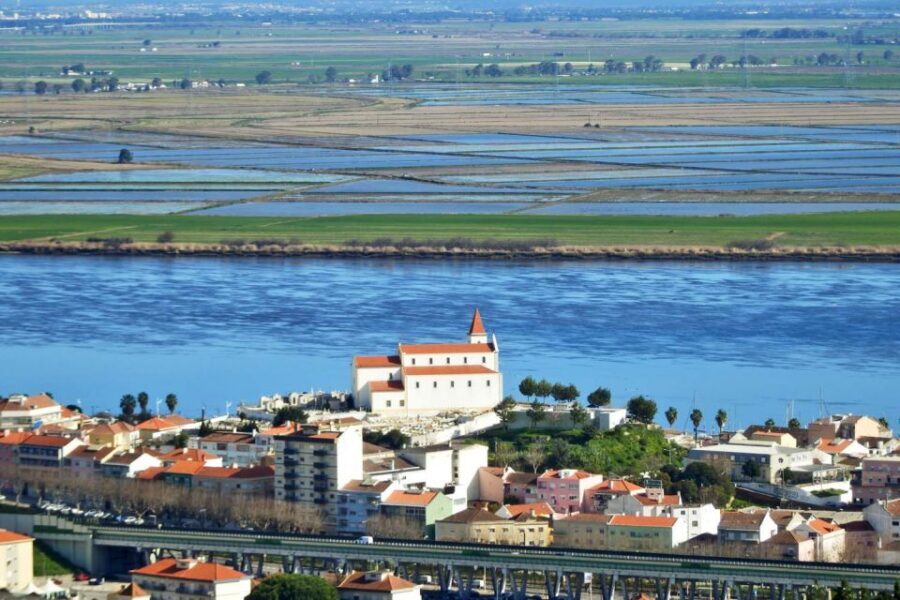
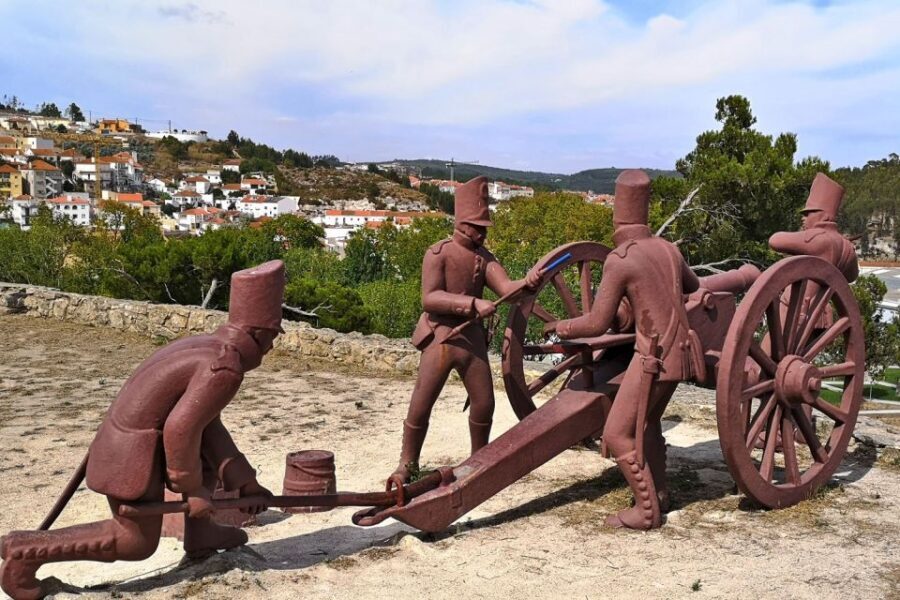
You begin with the first fortification focus—Alhandra Fort and the Defensive Lines Memorial. This is where you get oriented. Before you head deeper into Torres Vedras, you should aim to understand the system as a whole: what the Lines were, why Wellington’s approach worked, and how the Peninsular War context shaped Lisbon’s defenses.
This stop sets your mental map. You’ll also have time for a scenic photo pause on the way, which is important because some of the best viewpoints come from short roadside moments, not just from the forts themselves.
Look for how the memorial and fort framing teach you to read the ground. Once you see what you’re looking for, later stops make more sense fast.
Zambujal Fort near the ocean: Peninsular War details in open air
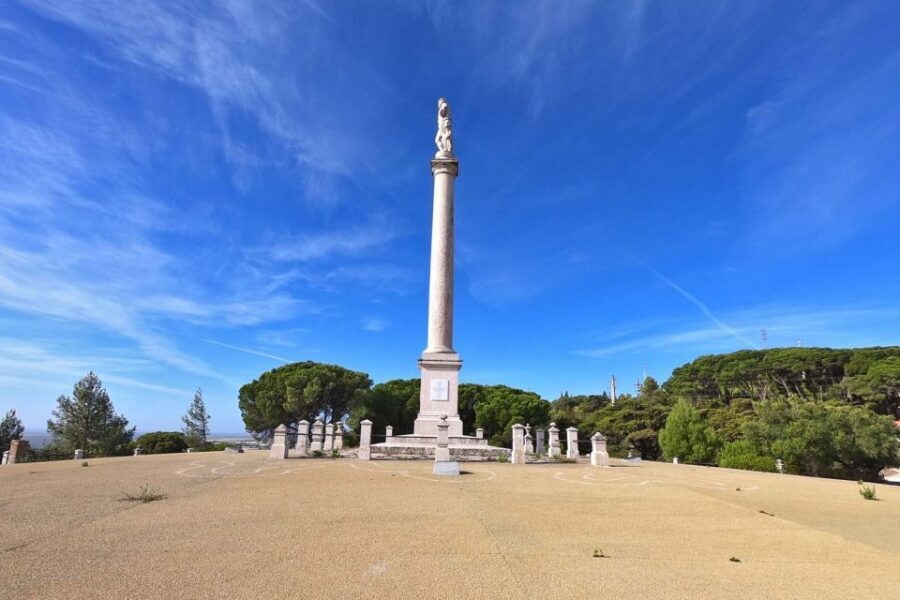
Next comes Zambujal Fort in the Mafra area. The key appeal here is the combination of history and location. Zambujal is close to the ocean, and you can feel how exposed this area could be in the context of military movement.
This is also where the Peninsular War context stays practical. Instead of long lectures in one room, you’re learning about the conflict while standing near fortifications that were designed to control access and slow down an advancing force. The ocean proximity adds a layer too: it helps you visualize how geography shaped routes, logistics, and where defenses could be positioned effectively.
If you like military history but get bored by pure strategy talk, this part is often the sweet spot. It turns theory into something you can physically locate.
Torres Vedras’ Fort of St. Vincent and the Interpretation Center

Torres Vedras is where the tour earns its main title. You visit the Fort of St. Vincent and the Interpretation Center (entry included). This is one of those stops where the learning tools are doing real work—photos, videos, brochures, models, and printed material help you piece together how the system functioned.
The fort setting gives you a strong sense of why these locations were chosen. Forts weren’t only about walls; they were about observation, communication, and control. When you stand in a spot where defenders could see and coordinate, Wellington’s defensive genius stops sounding like a slogan and starts sounding like an engineering problem solved with brains.
And yes, you’ll have walking time here. Wear comfortable shoes and pace yourself. It’s a history tour, not a museum shuttle.
Mafra National Palace complex: the basilica, the baroque drama, and gold from Brazil
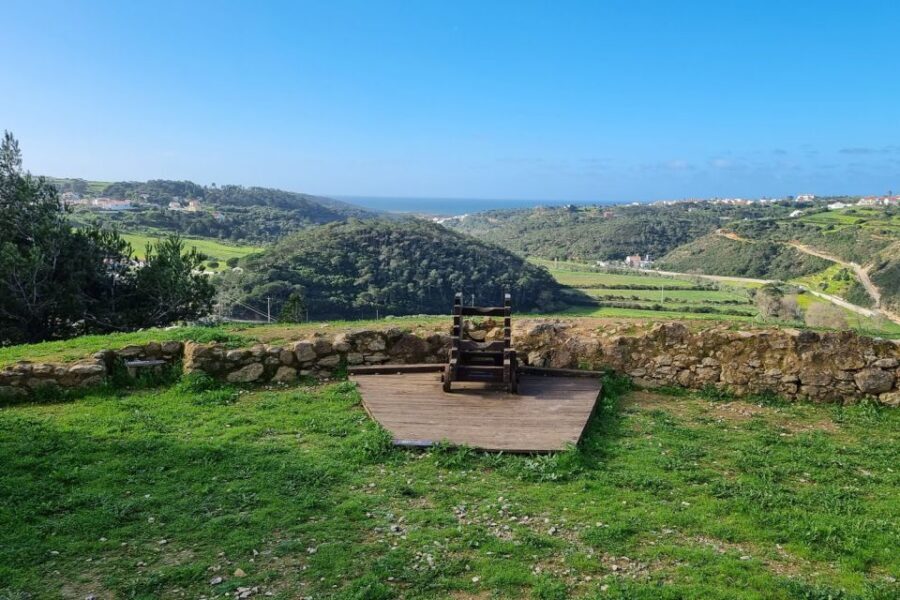
Then you move into Mafra, with about 2.5 hours there. This is the baroque counterweight to military fortifications—big, ornate, and very human in its scale.
You’ll visit the basilica of the Mafra Palace (entry included). The basilica and convent are part of the larger Mafra National Palace complex, and it’s a place where Portuguese power and European style collide.
One of the most memorable details you’ll hear: in the 18th century, the palace was built with gold brought from Brazil. That story is more than trivia. It explains why Mafra feels like a statement project, tied to empire, wealth, and royal image-making.
Another detail you’ll want to keep in mind while you’re there: Mafra was the last residence of King João VI before it became headquarters of the French army. That “who used it next” thread connects the architecture back to the military theme of the day.
Socorro Hill and the optic communication system: views with a purpose
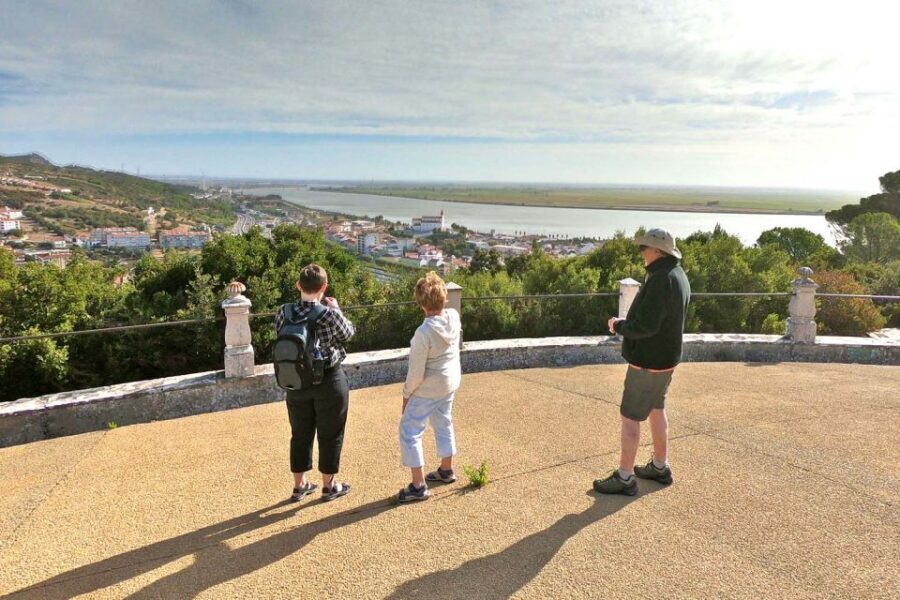
One of the tour highlights is Socorro Hill near the Optic Communication System. This is the kind of viewpoint stop that can feel like a scenic bonus—until your guide ties it back to communication and coordination.
When you connect hills, lines of sight, and rapid signaling to the defensive network, the area stops looking like just another lookout point. You start seeing it as part of how information could travel during tense moments.
Expect breathtaking views, and expect you’ll want photos. Just don’t forget to look up and around before you raise your camera—standing still for 10 seconds often gives you a better sense of the terrain than sprinting for the perfect angle.
The guide really drives the day: what you’ll notice with Henrique

A big reason this tour works is the guide. English live guiding is available (and the tour also runs in French, Italian, and Portuguese), but what matters most is the teaching style.
Henrique, in particular, is known for setting the stage first. He doesn’t jump straight to Wellington and the Lines of Torres Vedras. He gives the broader European context of that era, then tightens the focus onto the Napoleonic Wars and specifically the Peninsular War in Portugal.
The payoff is clarity. You can follow the thread from general causes to local decisions. You also get practical attention to detail—how each fort ties into the bigger defensive strategy, and how Lisbon’s story connects to Torres Vedras and Mafra.
On top of the military content, the guide can add wider information on Portugal’s history and culture, which keeps the day from becoming one-topic-only.
Private-group comfort: the value behind the $542 price tag
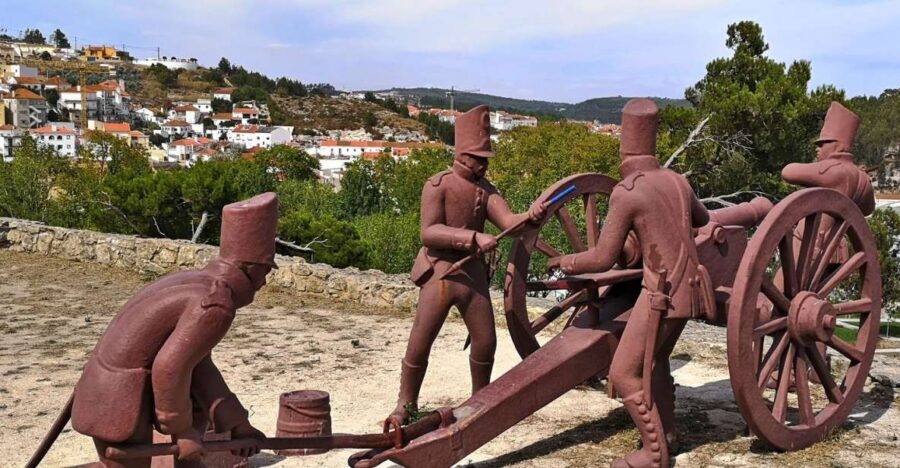
The price is $542 per group (up to 2 people) for a 7-hour private tour. That sounds high if you think in per-person terms, but it’s easier to judge when you break down what’s included.
Included in the tour:
- Transportation in a 7-seat air-conditioned van
- Bottled water
- Entry ticket to the Interpretation Center of the Fort of São Vicente
- Entry to the Basilica of the Mafra Palace
- Optional lunch reservation at a local non-tourist restaurant
- Live tour guide
What you’re really buying is the private pacing and access to multiple key sites in one day, with interpretation support at fort stops that can be hard to appreciate on your own. If you’re two people splitting the total, the effective cost per person becomes much more reasonable for a full-day program that combines several major destinations plus entry fees.
If you’re traveling solo, the cost per person is higher because the price is set per group. In that case, I’d only book if you strongly care about military history and want a guided structure that takes you beyond “look at a fort” sightseeing.
Who this tour suits best (and who should skip it)
This is ideal if you:
- Like military history, especially Wellington and the Peninsular War era
- Want fewer typical city-center distractions and more time in real-world sites and viewpoints
- Enjoy a day that mixes fortifications with a major cultural stop like Mafra
- Appreciate clear guidance that connects context to place
It’s not a good fit if you:
- Have mobility impairments (the tour isn’t suitable)
- Need very minimal walking or mostly flat surfaces
Bring comfortable shoes. That’s not optional here—it’s how you’ll enjoy the forts and interpretation grounds without turning the day into a sore-foot contest.
Should you book Lisbon: Wellington’s Defensive Lines Tour?
Book it if you want a guided “systems” view of history. The day makes connections—between Lisbon’s safety, the defensive engineering around Torres Vedras, and the way Mafra’s story ties back to the French presence during the conflicts.
Consider skipping it if:
- You only want one big attraction and don’t care about fortifications
- You’re not up for a day that includes walking and viewpoints
- You already plan to spend a full day in Mafra and don’t want to pair it with military sites
If you like learning in context—standing where decisions were made and seeing why it mattered—this tour is a strong use of your time in the Lisbon area.
FAQ
How long is the Wellington’s Defensive Lines tour from Lisbon?
The tour lasts 7 hours.
What’s the price for this private group tour?
It costs $542 per group for up to 2 people.
Where do pickup and drop-off happen in Lisbon?
Pickup and drop-off include Lisbon Portela Airport, Parque das Nações, and Estação do Oriente. There are also fixed meeting points in Praça dos Restauradores near the Tourism Office and at Oriente Station in Parque da Nações, depending on traffic restrictions.
Which sites are included in the tour?
You visit key fortifications including Alhandra Fort and Memorial, Zambujal Fort in the Mafra area, and the Fort of St. Vincent with its Interpretation Center in Torres Vedras. You also visit the Basilica of the Mafra Palace, and you’ll stop for views at Socorro Hill near the Optic Communication System.
What entry tickets are included?
Entry to the Interpretation Center of the Fort of São Vicente is included, as is entry to the Basilica of the Mafra Palace.
Is lunch included?
Lunch is not included, but the tour offers an optional lunch reservation at a local non-tourist restaurant.
Is the tour suitable for people with mobility impairments?
No. The tour is not suitable for people with mobility impairments.