REVIEW · MAFRA
Mafra: National Palace of Mafra Entry Ticket
Book on GetYourGuide →Operated by Distributor: GetYourGuide Tours & Tickets GmbH · Bookable on GetYourGuide
Six organs make the palace sing. Mafra is a UNESCO World Heritage site that mixes royal power with seriously specific details you’ll remember long after. I love how the complex doesn’t feel like a museum of labels; it feels like a place built for ceremony.
Two rooms do most of the work: the basilica with its historic organs, and the library, which holds over 36,000 volumes. Add Italian sculptures and Portuguese paintings, and you’ve got art and architecture in the same walk.
One thing to watch: parts of the visit may be unavailable if spaces are closed for works, including big-ticket areas like the library or basilica. That can shrink the time you get to spend inside.
In This Review
- Key things to know before you go
- Why the Palace of Mafra feels bigger than Lisbon promises
- Your Mafra timing: how long it really takes
- Getting in fast: QR code and the basilica-side entrance
- The basilica and its six historic organs: the highlight most people remember
- The palace rooms and convent side: royal scale without feeling chaotic
- Portugal’s largest library (36,000+ volumes): plan your focus
- Art and sculpture: Italian works plus Portuguese paintings
- Carillons and the sound of power
- The 18th-century hospital: history that isn’t only royal
- Price and value: is $17 a fair deal?
- Who should book this ticket (and who might feel disappointed)
- Quick practical checklist before you go
- Should you book the Mafra ticket?
Key things to know before you go
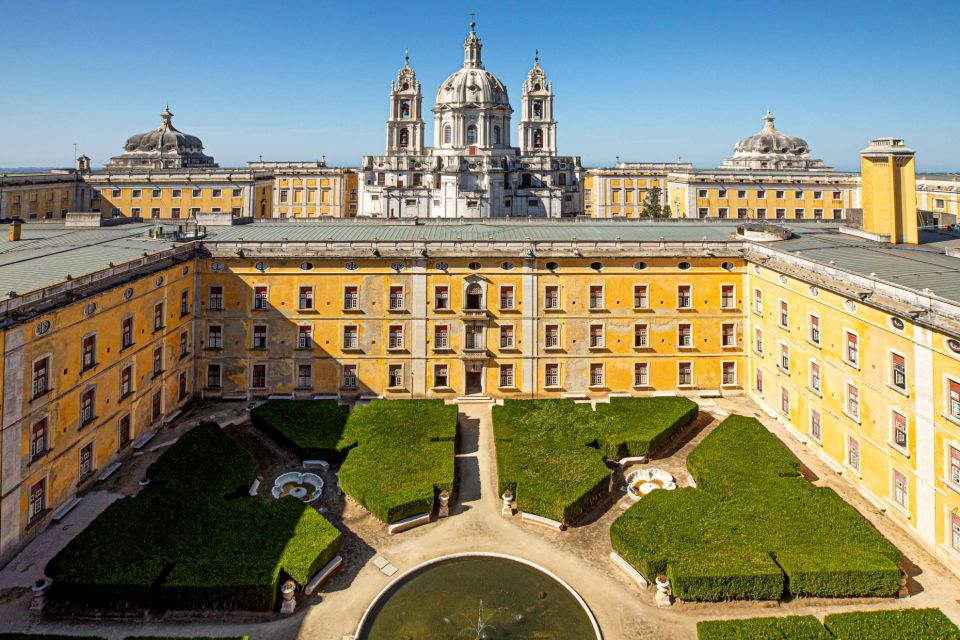
- UNESCO since 2019: You’re visiting one of Portugal’s major heritage sites with Neoclassical and Baroque impact.
- Basilica highlight: Look for the set of six historical organs during your time in the church space.
- Library scale: The palace’s library has 36,000+ book volumes, and it’s a major reason many people choose Mafra.
- Art collections inside: Expect Italian sculptures plus both Italian and Portuguese painting works.
- Royal-era setting: The palace complex was tied to royal events, religious feasts, and hunting in the game reserve.
- Plan for closures: If the library/basilica areas are shut for maintenance, your route will change fast.
Why the Palace of Mafra feels bigger than Lisbon promises
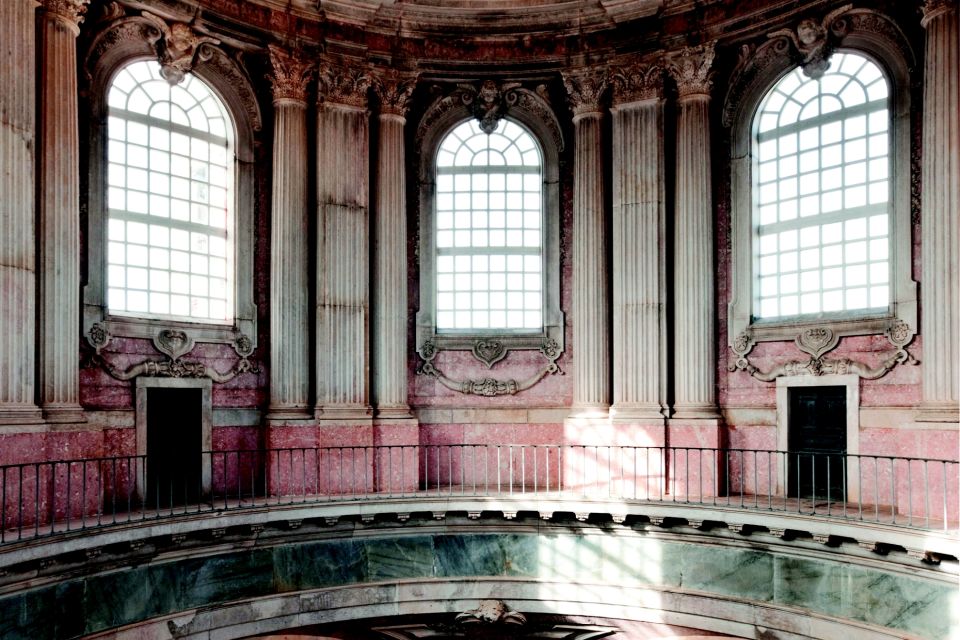
Mafra is in the Lisbon district, but the mood is totally different from the city. This is royal architecture on a scale that feels almost too confident for its own good—in the best way. You’ll walk into a complex shaped by 18th-century ceremony, then bounce from church to palace rooms to an eye-catching library space.
What makes it worth your time is the mix. It’s not just big walls and a pretty façade. The palace complex was built to function: to host high-status religious moments, to stage events, and to house collections that mattered to the royal household.
And since your entry ticket covers the palace, convent, and basilica, you can keep it flexible. If you’re tired, you can slow down. If you love art or architecture, you can spend more time in the rooms that match your interests.
Your Mafra timing: how long it really takes
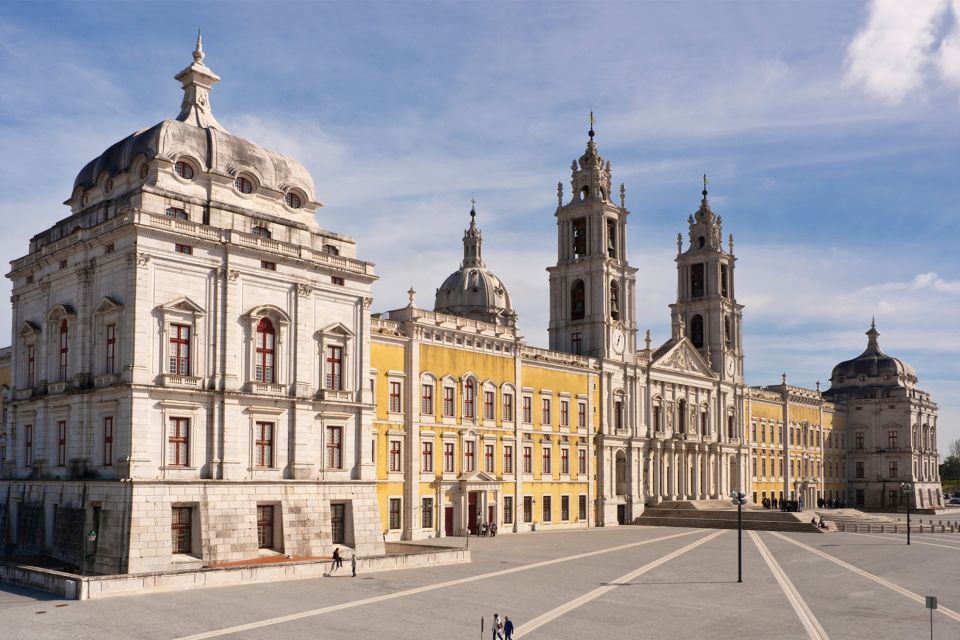
The average visit runs 1 to 2 hours. That’s a useful range because the complex includes several “heavy” stops. If you move briskly, you can cover palace spaces and the highlights. If you stop often—especially to look at sculptures, paintings, and the library—you’ll naturally drift toward the upper end.
Opening hours are 9:30 AM to 5:30 PM every day except Tuesday (Tuesday is closed). Last entry is 4:30 PM. So if you’re doing Mafra on a sightseeing day, aim to arrive with enough buffer so you’re not rushing the basilica and the library.
Also note the holiday closures: January 1, Easter Sunday, May 1, Ascension Thursday, and December 25. If you’re traveling around those dates, your plan needs a backup.
Getting in fast: QR code and the basilica-side entrance
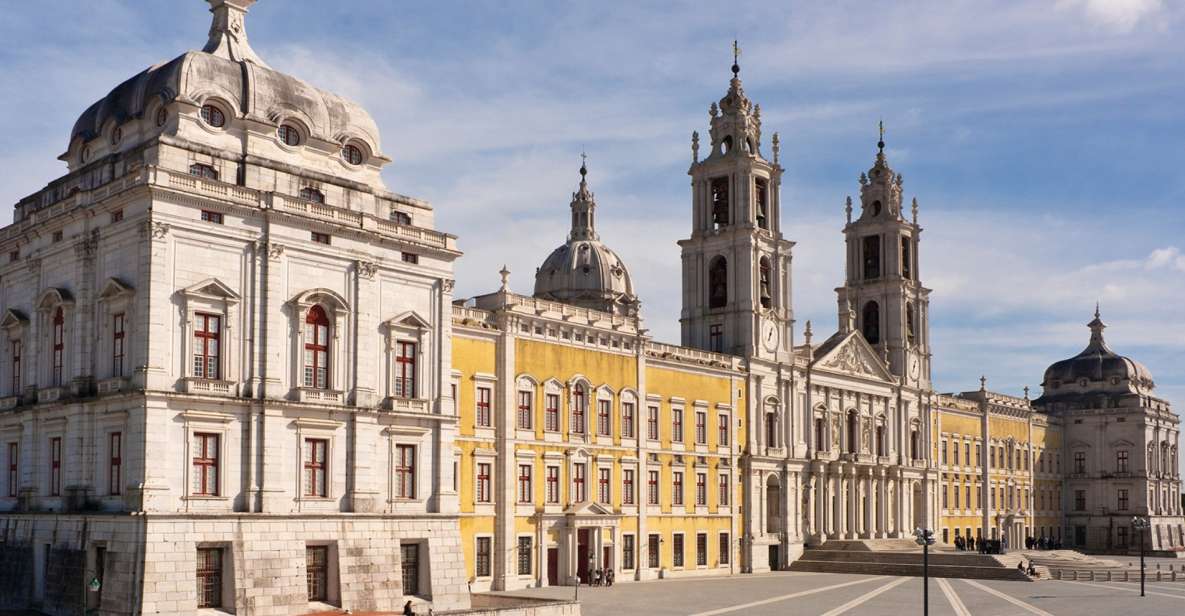
Your ticket entry is straightforward. When you arrive, present your QR code at the entrance to the left of the basilica’s main entrance. This matters because Mafra is a large site—you don’t want to wander around for five minutes when you could already be inside.
If you’re doing Mafra early in the day, keep your route in your head. Start with the basilica areas first, then work outward into the palace and library spaces. That way, if something is closed for works, you still get the core experience.
The basilica and its six historic organs: the highlight most people remember
The basilica is where Mafra turns from impressive architecture into something you can feel. This is the place to focus, even if you only have a short visit.
Here’s what makes it special: the complex includes a unique set of six historic organs. When you’re looking around, give your attention to how the church space is arranged for performance and ceremony. Even if you don’t know anything about organs, the idea is clear—this building was designed to project sound and presence.
This is also one of the spaces that may be affected if areas are closed for maintenance. If you reach the basilica and notice restrictions, don’t assume you’re stuck. Ask what’s open and adjust your order, so you still spend time on the most important rooms.
The palace rooms and convent side: royal scale without feeling chaotic
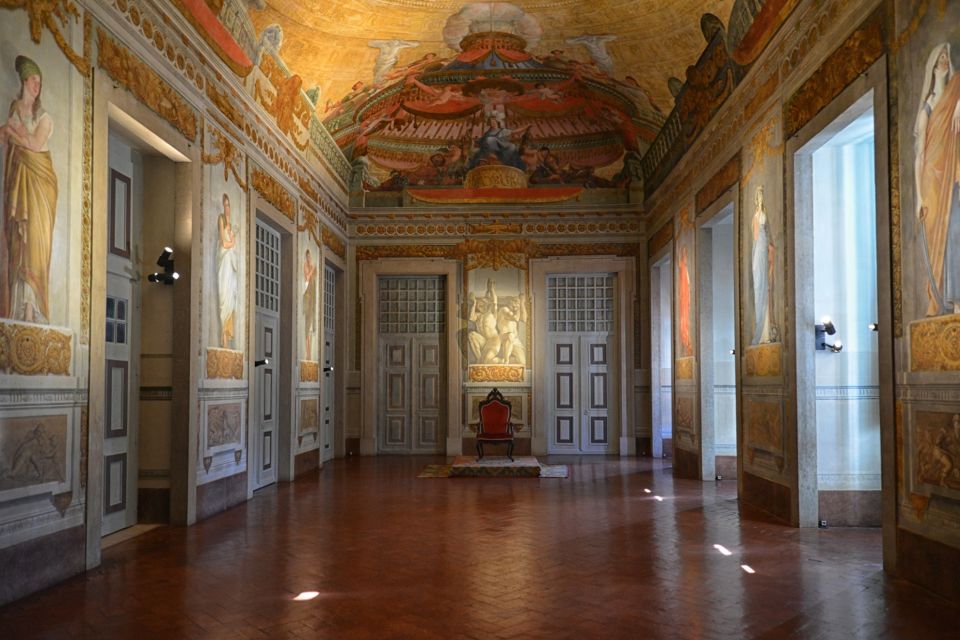
Your ticket grants access to the royal palace plus the convent and basilica. That means you’ll get different “moods” as you walk. Palace areas tend to emphasize power and ceremony. Convent-linked spaces can feel more grounded, even when the architecture is still grand.
What I like about this part of the visit is how it helps you understand the purpose of the building. Mafra wasn’t created just to look impressive from the outside. It was used for royal events, including religious feasts, and it also connected to hunting in the game reserve. That context gives the rooms more meaning than just decoration.
Tip for your route: treat the palace and convent areas as your “move and reorient” time. You’re not only sightseeing—you’re learning how the complex is organized. If you rush straight to the library, you can miss how the palace rooms set up the whole experience.
Portugal’s largest library (36,000+ volumes): plan your focus
The library is one of Mafra’s biggest draws. It’s listed as Portugal’s largest library, with over 36,000 different book volumes. That number is so large it almost becomes a stat instead of a sensory experience—until you’re standing in the space.
When you’re in the library, don’t just glance. Slow down for one or two specific moments:
- Look for how the library’s architecture frames the space.
- Take in how the collections are presented (even if you’re not reading titles, the display style matters).
This is also a place you should treat as “priority but not guaranteed.” One real-world issue: the library has been reported as closed during works. If that happens on your day, you’ll want to shift attention to other highlights like art collections and the basilica organs.
If you hate losing time, arrive earlier and keep your day unbooked right after Mafra. That gives you room to adapt if you encounter closures.
Art and sculpture: Italian works plus Portuguese paintings
Mafra isn’t only architecture and books. The complex includes an important collection of Italian sculptures and a mix of Italian and Portuguese paintings.
This is where the visit can become personal. If you’re the type who likes to connect art to place, Mafra gives you that chance. The collections aren’t random—inside a royal setting, the artworks feel chosen for status, taste, and cultural identity.
Practical way to enjoy this: don’t try to see everything. Pick a few rooms or works and actually look. When time is short, depth beats checking boxes.
Carillons and the sound of power
You’ll also find two carillons as part of the palace complex. Carillons are the kind of feature that makes a site feel alive, even when you’re standing still. They hint at a daily rhythm tied to the complex rather than the outside world.
Since your experience is self-paced, you can’t count on any specific performance. But you can still use the carillons as a mental landmark. When you spot them, pause and take in the surrounding architecture. This is one of those details that turns Mafra from a visual stop into a fuller sense of how the place operated.
The 18th-century hospital: history that isn’t only royal
Mafra includes an 18th-century hospital within the complex. This is a great surprise if your expectations are purely palace-and-church. It shifts your understanding of the whole site.
Why it matters: it reminds you that big royal buildings had responsibilities beyond ceremony. A hospital section makes the story more human, and it adds variety to your route so you’re not stuck in only the most decorative spaces.
If you’re walking with energy, spend a little time here even if you’re not a history person. It’s one of the few parts that automatically gives the visit balance.
Price and value: is $17 a fair deal?
At about $17 per person, the ticket pricing can feel either reasonable or too steep depending on what you expect to get. Here’s the honest value math: Mafra’s entrance covers multiple parts of a UNESCO-listed complex—royal palace, convent, and basilica—and includes the big signature attractions like the library with 36,000+ volumes, the basilica’s six historic organs, plus sculpture and painting collections.
For many people, that’s a strong value because you’re paying for a full heritage “package” rather than one room.
But two realities can affect perceived value:
- No included guide experience is stated in the ticket details. If you were hoping for narration or organized commentary, plan to enjoy the site by reading what you can on-site.
- Closures for works can reduce what you can access, including major areas like the library or basilica.
My advice: if Mafra is a key stop on your day, treat it as a must-see and make sure you have enough time to see the highlights even if one section is limited.
Who should book this ticket (and who might feel disappointed)
Book Mafra if you:
- Love UNESCO heritage sites that mix church architecture and royal palace rooms.
- Want a site where the highlights are physical and specific: six organs, a library with 36,000+ volumes, and major art collections.
- Prefer self-paced sightseeing with a clear entry focus.
You might feel less satisfied if you:
- Want a fully guided, narrated experience included in the ticket price.
- Need every single area to be open. If works closures happen, your route will shrink.
If you’re traveling with kids, the site can still work, but you’ll want to keep the pace light. The organs and library scale are the easiest sell.
Quick practical checklist before you go
- Plan around 1–2 hours and arrive with time to spare for last entry at 4:30 PM.
- Remember it’s closed Tuesdays, plus holiday shutdowns like Jan 1, Easter Sunday, May 1, Ascension Thursday, Dec 25.
- Use the left entrance of the basilica main entrance for QR code scanning.
- Keep your expectations flexible for works closures, especially for the library and basilica.
Should you book the Mafra ticket?
Yes, if you want a high-impact heritage visit with standout features that are rare: six historic organs and a massive library inside a UNESCO royal complex. The $17 price makes sense when the key areas are open and you can spend at least an hour or two taking it in properly.
If you’re the kind of traveler who needs commentary, or you absolutely must see every single space in one go, be strategic: build extra time in your schedule so you can adapt if one area is closed. Mafra is best when you treat it like a walk-through experience, not a quick photo stop.