REVIEW · OBIDOS
Óbidos: Explore The Queen’s jewel with a local guide
Book on GetYourGuide →Operated by Open Roads Portugal · Bookable on GetYourGuide
Óbidos hits fast. One walk starts at the Porta da Vila and quickly turns into a story you can feel in the stones, with a proper local guide to connect every stop. I really like two things here: the Ginja tasting that feels local (not a souvenir pit stop), and how the guide points out details you’d miss on your own, like the 18th-century tiles at the gate and the meaning behind key medieval landmarks. The main drawback is simple: it’s a lot of walking on cobblestones, so if you hate uneven ground, plan accordingly.
In a town this small, the difference between a “quick photo tour” and a guided experience is huge. You get the why behind what you see: the layout of the old defenses, what the walls were built to do, and how places like the castle area fit into the town’s identity. If you’re the type who enjoys explanations as much as views, this is a smart way to spend a half day.
I also like that this tour has an easy pairing option. If you add the optional birdwatching, you can go from medieval stones to living nature with a local biologist, without needing a new base or a major schedule shuffle.
In This Review
- Key highlights that matter
- Porta da Vila: the perfect place to begin
- Ginja tasting: more than a sugary stop
- Old streets and the Cerca Velha: where the town explains itself
- Castle views and the Paço dos Alcaides: the iconic center
- The guide experience: what makes it work in practice
- Add-on idea: the 2-hour birdwatching with a local biologist
- How long it really takes, and what to wear
- Price and value: what $33 buys you
- Should you book Óbidos with a local guide?
- FAQ
- Where does the tour start?
- How long does the Óbidos guided tour last?
- What languages are the guides available in?
- Is ginja tasting included?
- Do I need to arrange hotel pickup?
- Is the tour suitable for wheelchair users or mobility impairments?
- What should I bring for the walking and weather?
Key highlights that matter
- Start at Porta da Vila and look closely at the 18th-century tiled façade
- Taste Óbidos ginja the traditional way, cherry liqueur served in a chocolate cup
- See the medieval castle complex and the nearby iconic Paço dos Alcaides area
- Learn the town’s defensive layout, including the Cerca Velha area
- Get a real 2-hour birdwatching add-on with a local biologist (optional)
- Expect strong guiding and flexibility, including guides such as Francisco, Marilde, and Xavier who are known for detailed storytelling and good pacing
Porta da Vila: the perfect place to begin
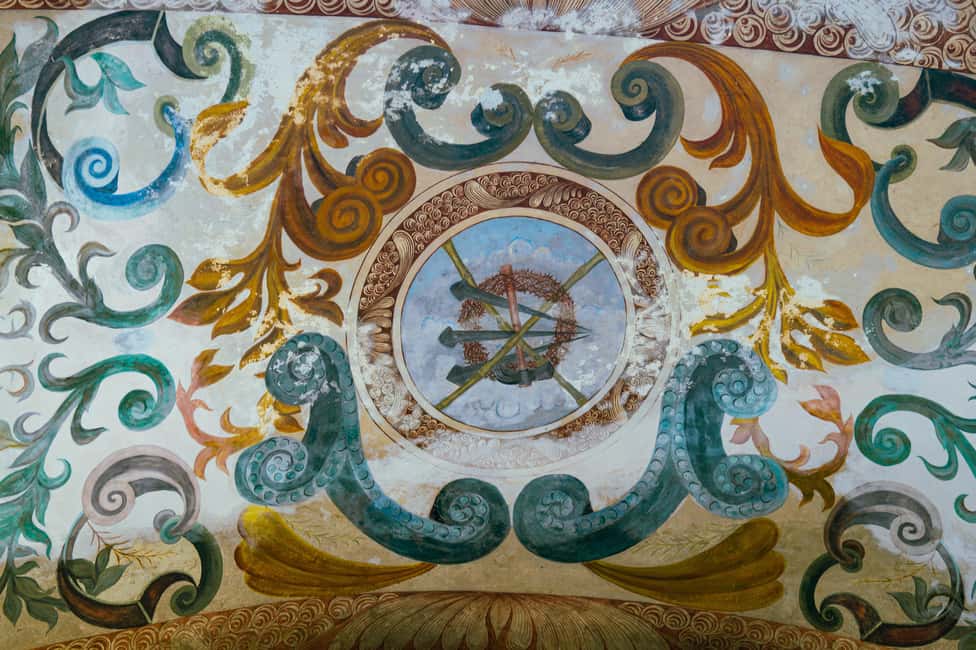
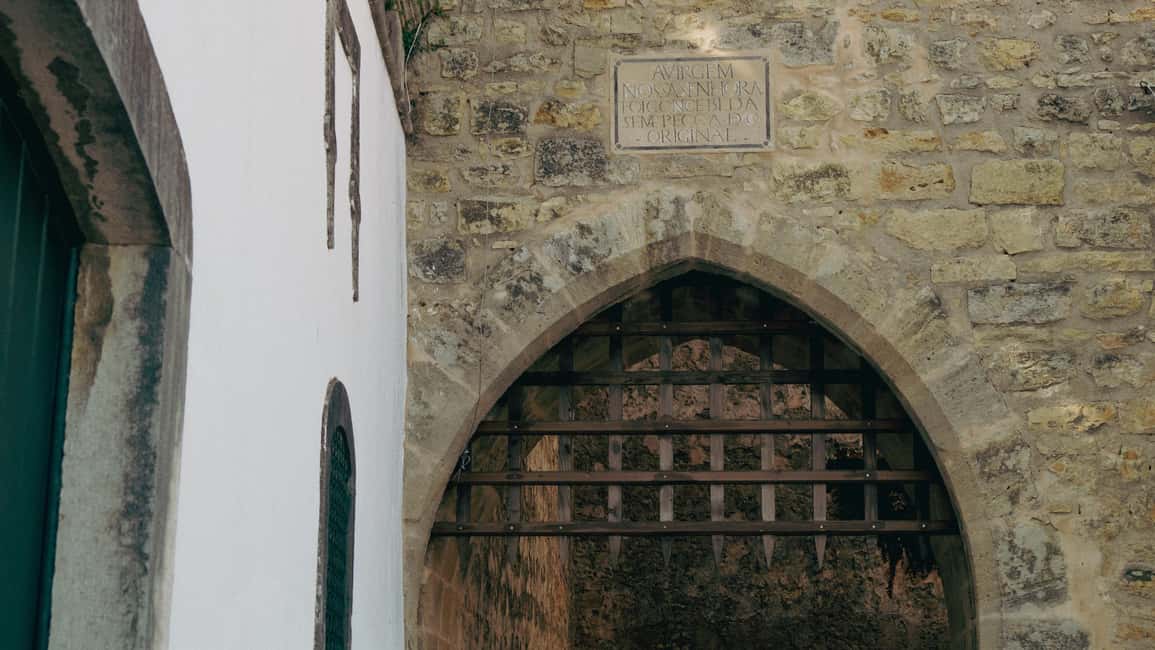
The tour starts at the Porta da Vila, and that’s exactly where you want to begin. This is one of the town’s major entry points, and it sets the tone immediately. Before you even get deep into the streets, you’re already looking at the kinds of details that make Óbidos feel cared for and historically grounded.
What I’d pay attention to first is the tiled décor. The gate is known for 18th-century tiles, and your guide will help you look like a local. Instead of treating them as “pretty walls,” you’ll understand how these decorative elements fit into the broader look and identity of Portuguese historic towns. Even if you’re not a tile-nerd, this stop gives you an easy mental map for the rest of the walk.
The other reason this start works: it gives you momentum. You’re not wasting your first 30 minutes trying to figure out where to go or what to look for. You step in, you orient, and you move.
You can also read our reviews of more guided tours in Obidos
Ginja tasting: more than a sugary stop
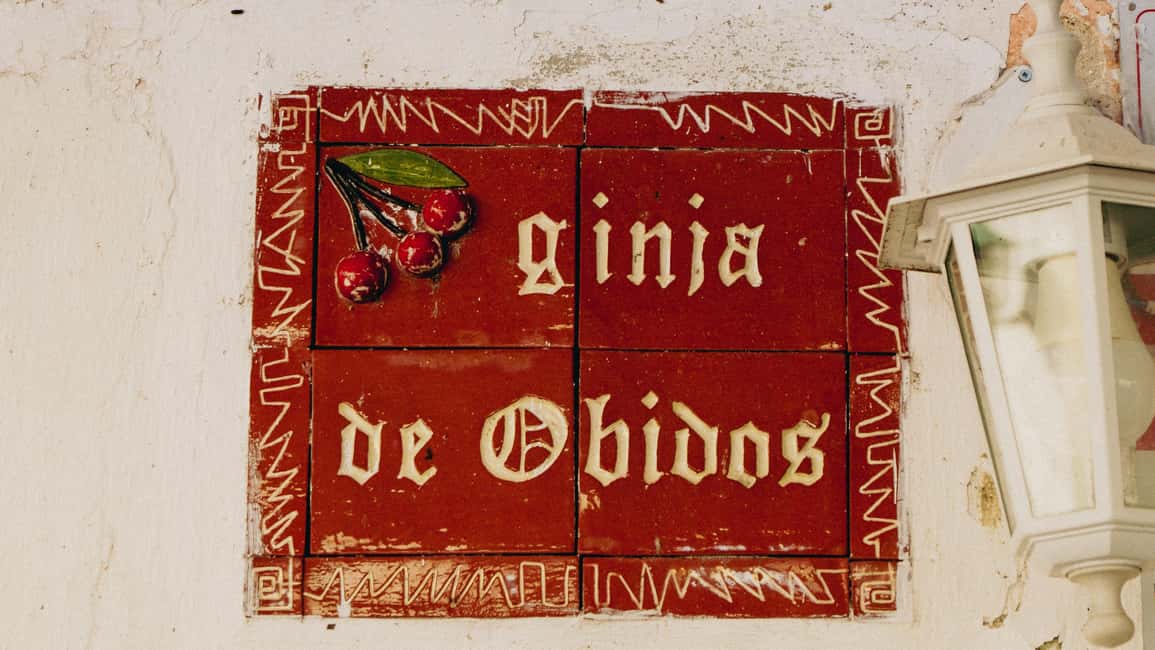
Óbidos ginja is one of those food traditions that’s easy to over-simplify until you experience it the right way. Here, you’re not just tasting cherry liqueur. You’re tasting a local custom served in the traditional form: cherry liqueur on a chocolate cup.
The chocolate matters. It changes the flavor rhythm, and it also makes the whole thing feel like an edible souvenir of the moment rather than just an alcoholic sip. Your guide will set it up so you know what you’re tasting and why it’s tied to Óbidos. That makes it feel like culture, not a gimmick.
Also, this tasting usually comes at a point in the tour when it’s practical. You’re walking, you’re learning, and then you get a short pause that feels celebratory. It’s the kind of break that keeps you energized for what comes next.
Old streets and the Cerca Velha: where the town explains itself
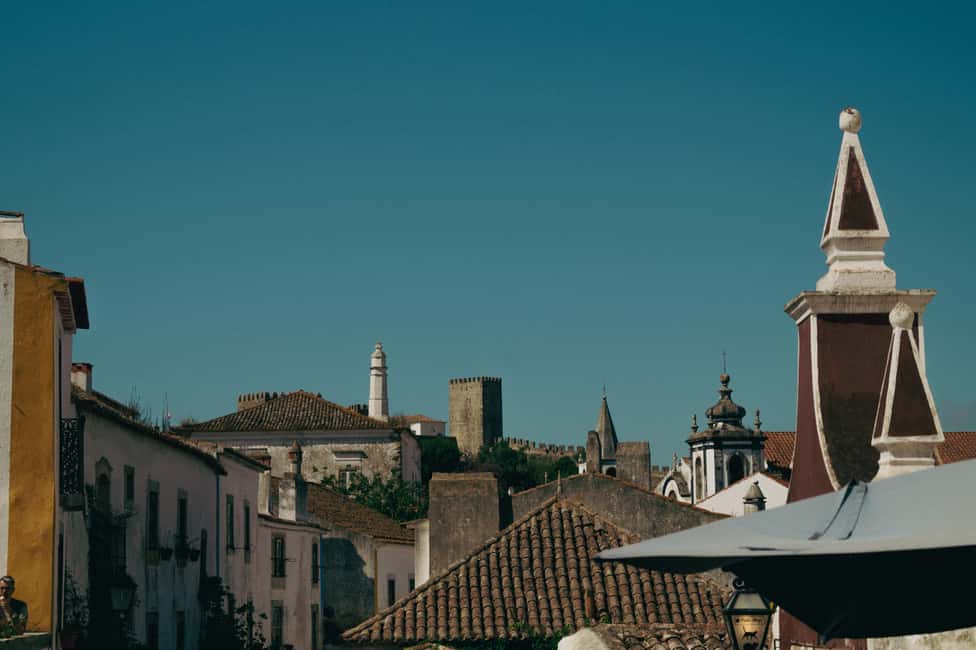
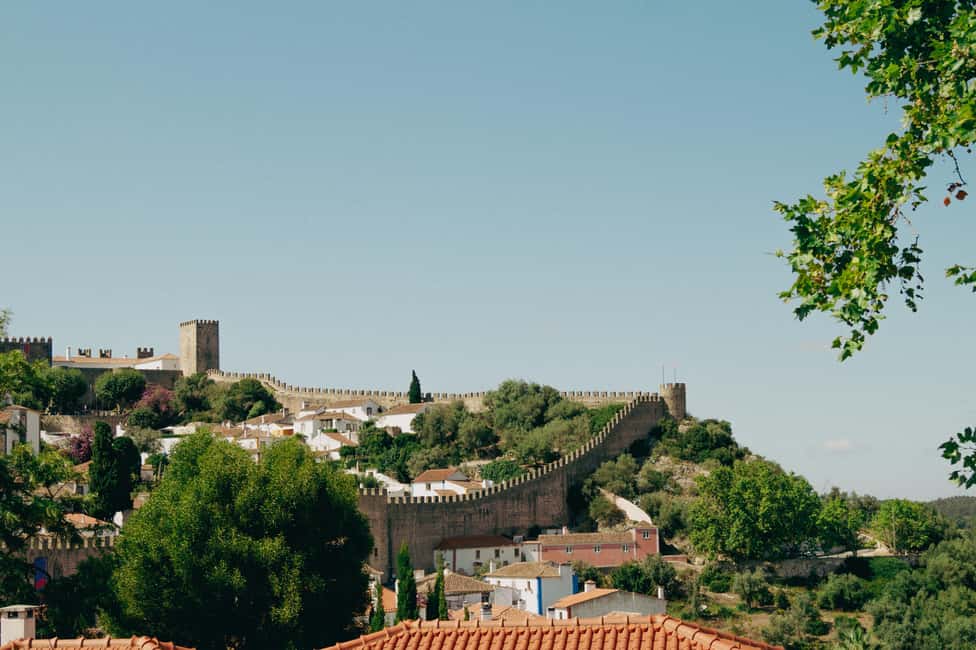
Once you leave the gate area, Óbidos starts doing something rare: it teaches you through layout. The streets tighten. The walls become more obvious. You can start to see how a medieval town functioned as a protective system, not just a pretty place for postcards.
A big part of this experience is the focus on the Cerca Velha area. Even if you don’t know medieval terminology, your guide will translate it into plain language: what these defense sections were meant to handle, how movement through the town would have worked, and why certain parts of Óbidos feel more “fortress-like” than others.
This is where a guide really earns their fee. Without one, you might admire the stonework and move on. With one, you connect dots: why the route feels certain ways, why views open at specific spots, and what the town likely prioritized when it was built and rebuilt over time.
One note: this part of the walk can feel slower if you’re a fast walker, because your guide will stop often enough to point out meaningful details. That’s good, but you should expect the pacing to be intentional, not just “walk and talk.”
Castle views and the Paço dos Alcaides: the iconic center
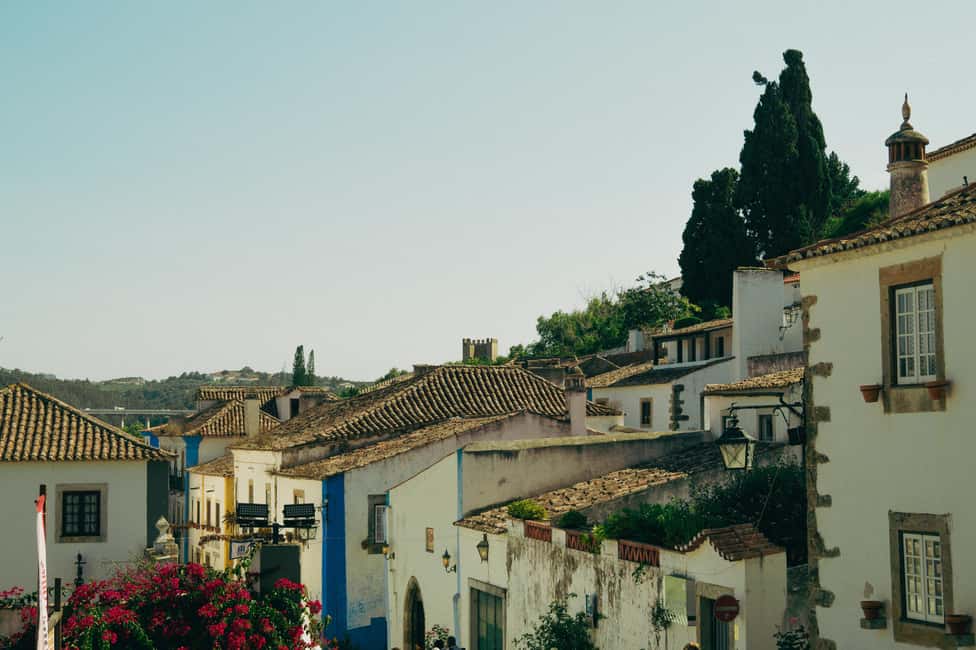
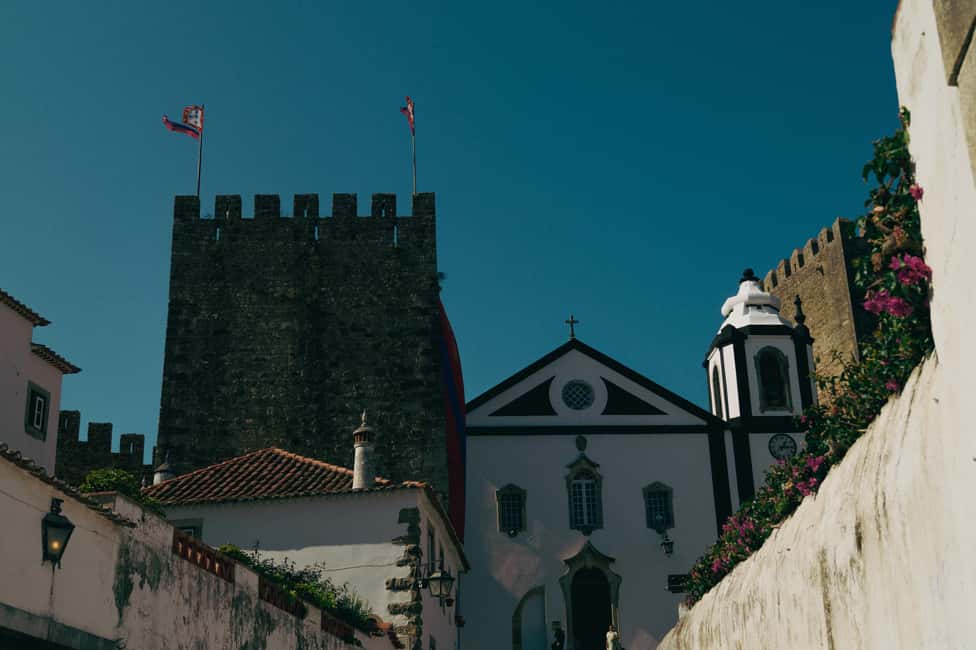
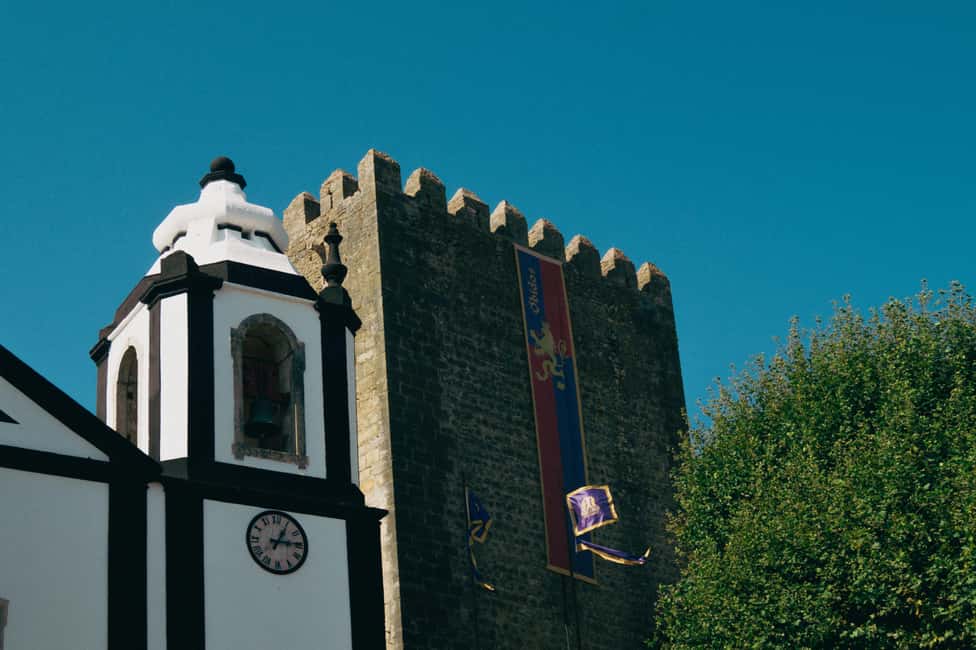
The medieval castle area is the heart of the visual payoff. Óbidos feels like a place built to be looked at from within the walls and also from key vantage points. Here, you’ll see the imposing castle and the iconic Paço dos Alcaides area, both of which anchor the town’s identity.
This isn’t just about looking up at stone towers. Your guide will help you understand how these buildings relate to power and town organization. Even if you’re not a fan of long explanations, you’ll likely appreciate how the story changes depending on where you stand. Certain angles make the complex feel bigger and more dramatic, while other viewpoints highlight the way the town wraps around the fortress spaces.
If you like photos, you’ll get better results here because the guide tells you where to stand and what direction to face. More importantly, you’ll know what you’re seeing. That turns the castle from a “wow wall” into an “ah, so that’s what this was for.”
The guide experience: what makes it work in practice
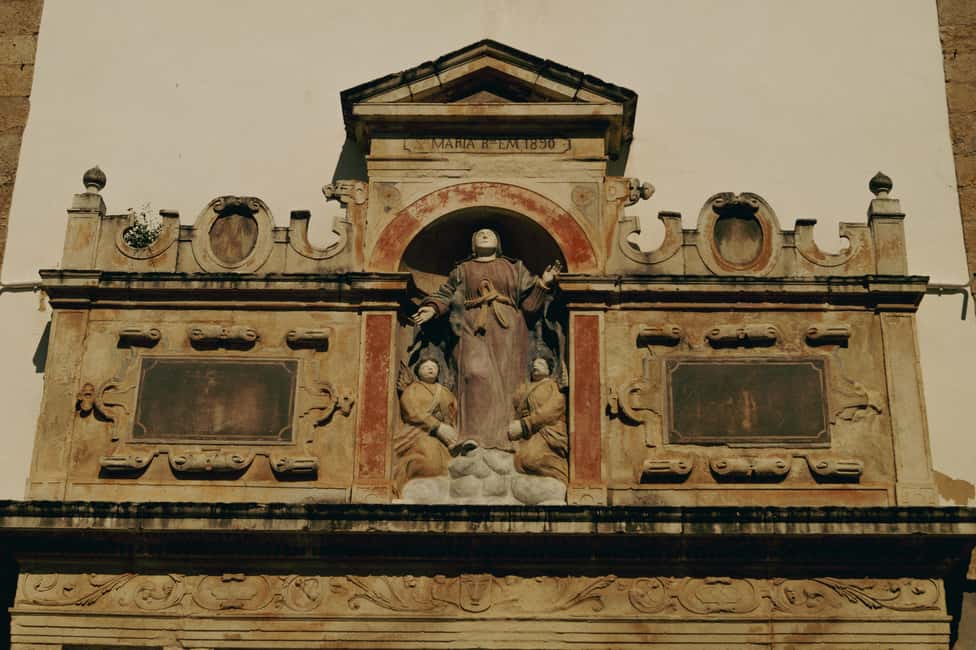
You’re choosing a guided tour for a reason, and the best tours are the ones where the guide controls the pace, the stories, and the practical stops. In this case, there’s a clear pattern in how guides are described: friendly energy, strong command of local history, and a willingness to explain details thoroughly.
Some guides named in the experience include Francisco, who’s praised for being gentle, helpful, and focused on explaining each detail, and Marilde, who has a background in History. Another guide mentioned is Xavier, with great English and solid knowledge.
What that means for you, practically: you’re less likely to feel like you’re walking through a list of landmarks. Instead, you’ll get a coherent narrative—why the town looks the way it does, how the defensive sections connect, and what the major buildings signal.
Also, the group option matters. There’s private group availability, which can be a big deal in a place like Óbidos. Smaller groups usually mean more flexibility for questions and better time for the stops that interest you most.



Add-on idea: the 2-hour birdwatching with a local biologist
If you want to change gears after medieval streets, this is a great option. You can pair the Óbidos walk with a 2-hour birdwatching experience led by a local biologist.
It’s a nice contrast: stone defenses and human history on one hand, and living wildlife patterns on the other. You also get a “Portugal beyond monuments” feel, which makes the whole day feel less like a checklist.
The only practical thing to plan: birdwatching tends to work best when you’re dressed for weather and willing to slow down. If you love nature, it’ll feel rewarding. If you only want quick highlights, you might find the birdwatching a different pace than the town walking.
How long it really takes, and what to wear
The tour runs about 2 to 4 hours, depending on starting times and how the route unfolds in your group. Since Óbidos is a medieval town, you should assume you’ll be walking continuously on cobblestone streets.
Bring comfortable shoes. Not fancy shoes. Comfortable, grippy soles. Cobblestones can look charming and still be a pain if your feet aren’t prepared. This is the biggest “do this or regret it” tip for the whole experience.
Weather is another factor. The tour operates in all weather conditions, so bring an umbrella or raincoat if rain is possible. If it’s sunny, you’ll still want some basic sun protection, because cobbled streets can feel hotter than you expect once you’re moving.
One more reality check: this experience is not suitable for people with mobility impairments or for wheelchair users. That’s not a maybe. Plan a different option if you need step-free access.
Price and value: what $33 buys you
At about $33 per person, this tour sits in the reasonable mid-range for guided experiences in historic towns. But the value depends on what you’re trying to get.
Here’s what you’re paying for that matters:
- A live guide in English or Portuguese
- Guided walking through major Óbidos landmarks (so you’re not guessing where the important bits are)
- The traditional ginja tasting (a built-in cultural moment, not an extra purchase)
- Time to ask questions and get context, not just a photo stop route
If you’re comfortable wandering on your own, you could technically piece together Óbidos using maps. But you’d miss the “why” behind the walls, the castle area, and the key landmarks. In a town where everything is close together, explanations don’t feel extra—they make your time more efficient.
One more value detail: guides often run close to the longer end when the story is clicking. Some experiences have lasted nearly 3 hours with the guide, and that extra time tends to happen when the guide is actively tailoring the pacing to your group.
So if you like guided storytelling, $33 makes sense. If you only want a fast glance and you hate slow walking, you might feel it’s too long for what you want.
Should you book Óbidos with a local guide?
I’d book this tour if you want Óbidos to feel like a real place with real meaning, not just a background for photos. You’ll get:
- A focused route that starts at Porta da Vila and moves through the castle-centered heart of town
- A memorable traditional ginja tasting that fits the culture
- Clear guidance on what you’re seeing—especially the walls and key landmarks
I’d skip or reconsider if:
- You can’t manage cobblestones for a couple of hours
- You want an ultra-fast, self-directed “see everything” sprint
- Birdwatching isn’t your thing and you don’t want the option of changing pace afterward
If your goal is a half-day in Óbidos that feels thoughtful and well-paced, this is a solid bet. Start at the gate, taste the ginja, and let the town’s history show up in the details.
FAQ
Where does the tour start?
It starts at Porta da Vila.
How long does the Óbidos guided tour last?
The duration is typically 2 to 4 hours.
What languages are the guides available in?
The live tour guide is available in English and Portuguese.
Is ginja tasting included?
Yes. Traditional Óbidos cherry liqueur (Ginjinha) tasting is included.
Do I need to arrange hotel pickup?
No. Hotel pickup and drop-off are not included.
Is the tour suitable for wheelchair users or mobility impairments?
No. It is not suitable for people with mobility impairments or wheelchair users.
What should I bring for the walking and weather?
Wear comfortable shoes for cobblestone streets, and check the weather forecast. Bring an umbrella or raincoat if needed, since the tour operates in all weather conditions.