REVIEW · CASCAIS
Cascais 3.5-Hour Rock Climbing Experience
Book on GetYourGuide →Operated by Life OUTSIDE · Bookable on GetYourGuide
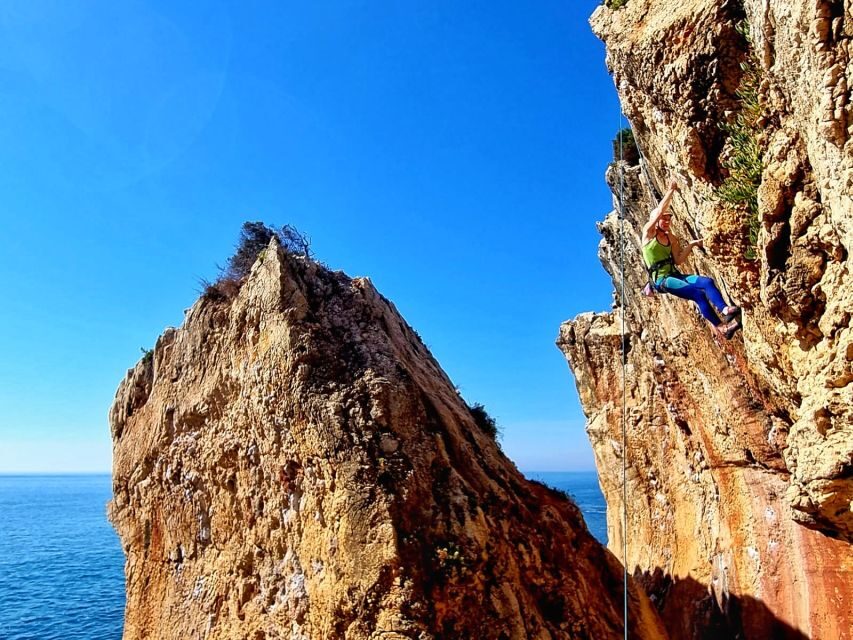
Climb where the ocean is below you. This Cascais 3.5-hour rock climbing experience pairs real outdoor climbing with the kind of sea views that make the wall feel like a postcard. You’ll tackle a well-known cliff in the Lisbon area, and you’ll learn enough technique to feel safer on rock—without needing to be a seasoned climber. One part of the fun is seeing the coastline and the crag from a totally different angle, with the water right there.
What I really like about this outing is the small group size (up to 10) and the hands-on coaching that comes right at the start. You get a quick introduction to climbing equipment and basic safety rules before you start moving on the rock. The main drawback to consider is transport: the experience doesn’t include rides from your hotel, and you meet at a gas station near Farol da Guia in Cascais, so you’ll want a plan for getting there on time.
In This Review
- Quick hits for your Cascais cliff session
- Why Cascais rock feels so different from typical sightseeing
- Getting to the meeting point (Farol da Guia) and what to bring
- The 3.5-hour flow: instruction first, then real climbing time
- The guides: Mario and Jose make the session click
- Gear and insurance: included, so you can pack lighter
- Is $111 per person a good value for a 3.5-hour climb?
- Who should book this (and who might rethink it)
- Should you book the Cascais 3.5-Hour Rock Climbing Experience?
- FAQ
- What time does the climbing experience run?
- Where is the meeting point in Cascais?
- Is rock climbing gear included?
- Does the price include insurance?
- Do I need prior climbing experience?
- What languages are the instructors?
- What should I bring?
- How large is the group?
Quick hits for your Cascais cliff session
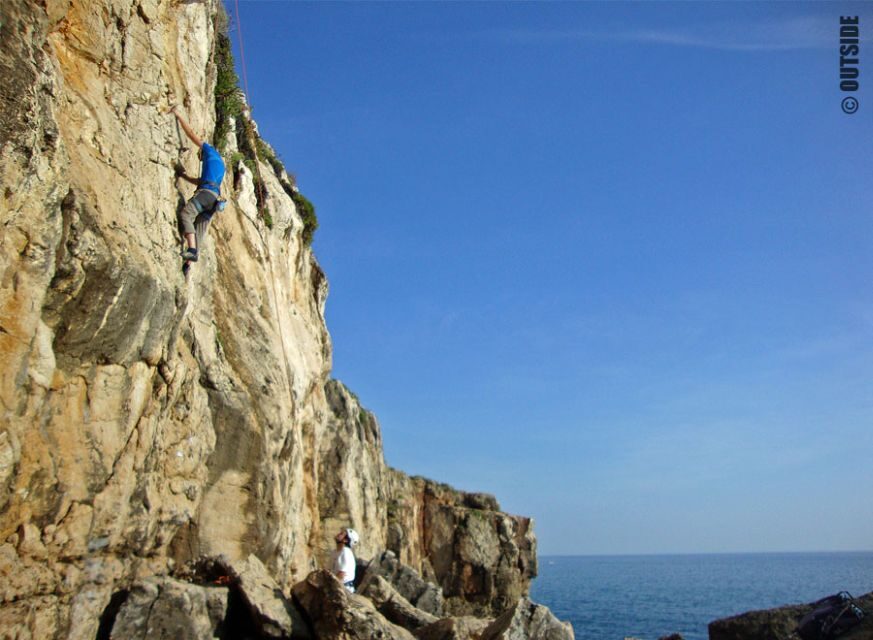
- Coastal climbing with sea views: limestone-style routes with the ocean close enough to feel part of the climb.
- Beginner-to-higher-level options: you can find pitches that fit where you are, not just one fixed route.
- Short, focused 3.5 hours: a half-day format with time to learn and actually climb.
- Guides who teach in plain language: guides like Mario and Jose are repeatedly praised for making people feel welcome and capable.
- Gear and insurance included: you show up with the basics, and the rest is taken care of.
- Morning or afternoon slots: either 9:00–12:30 or 14:00–17:30 so you can match your day.
Why Cascais rock feels so different from typical sightseeing
Cascais is already a great place to wander—beach lanes, viewpoints, and that Atlantic light you only seem to get along the Portuguese coast. This experience adds a big missing ingredient: vertical scale. You’re not just looking at the coastline. You’re climbing alongside it, with the ocean at or below your feet depending on the route.
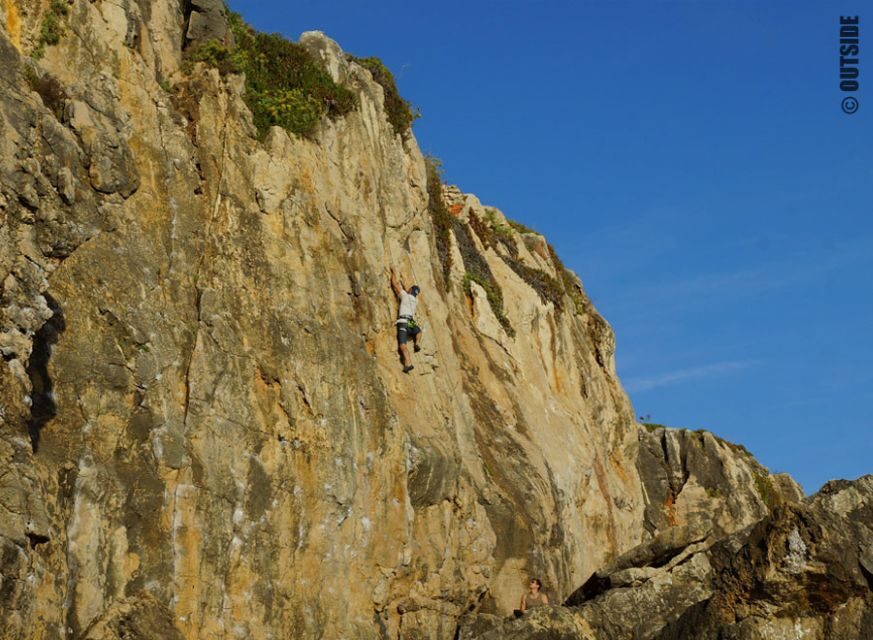
One of the most useful things about this kind of setting is how motivating it is for beginners. Even when your legs are tired or your grip feels awkward, the view helps you keep going. The rock itself is described by people who did the experience as limestone set against the sea. That combination tends to create climbs that feel engaging and varied, and it also explains why this area is popular with climbers around Lisbon.
It’s also a good reminder that outdoor climbing isn’t only about fitness. It’s about reading the wall—using the right holds, staying balanced, and moving in a controlled way. This outing is built around that learning curve, not just a “show up and try one route” approach.
You can also read our reviews of more tours and experiences in Cascais.



Getting to the meeting point (Farol da Guia) and what to bring
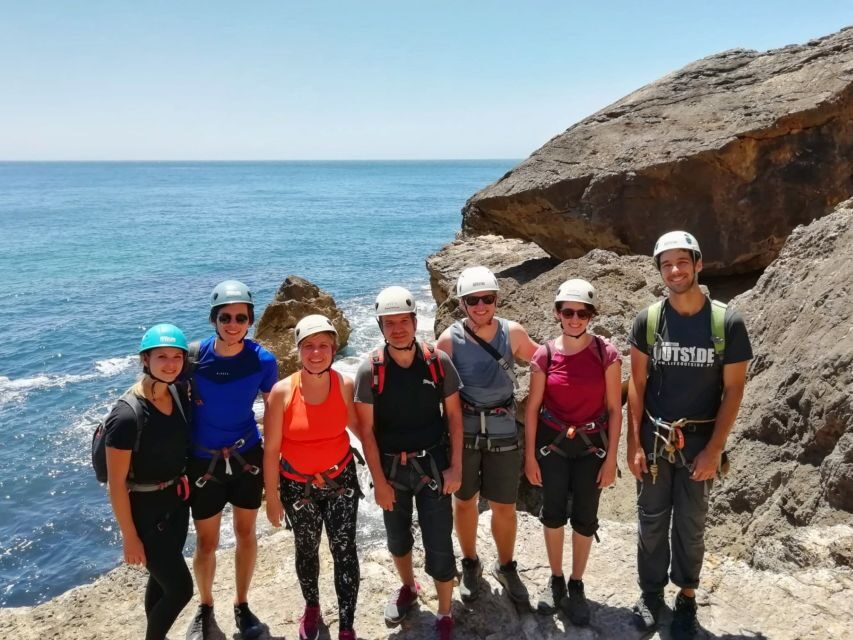
You meet at a gas station near Farol da Guia, Cascais. That’s close to the action, but it still means you’ll want to think ahead about timing and getting there without stress. The good news: once you’re there, the experience runs as a tight half-day block.
Here’s what you should bring so your day goes smoothly:
- Comfortable shoes with rubber soles (tennis or hiking shoes work)
- Socks
- Water
- Snacks (and a simple food plan for the day)
- Comfortable, sporty clothing
That socks detail matters more than most people expect. Climbing gear can create friction points, and socks help keep things comfortable when you’re wearing the climbing system and spending time close to the wall. Also, rubber soles on your shoes help you walk safely on rocky or uneven surfaces when you’re approaching and leaving the routes.
If you’re deciding what to wear, keep it simple. You want something you can move in, not stiff or overly warm layers. And since your half-day includes learning, your body will warm up as the session progresses—so you’ll likely prefer breathable clothing over heavy gear.
The 3.5-hour flow: instruction first, then real climbing time
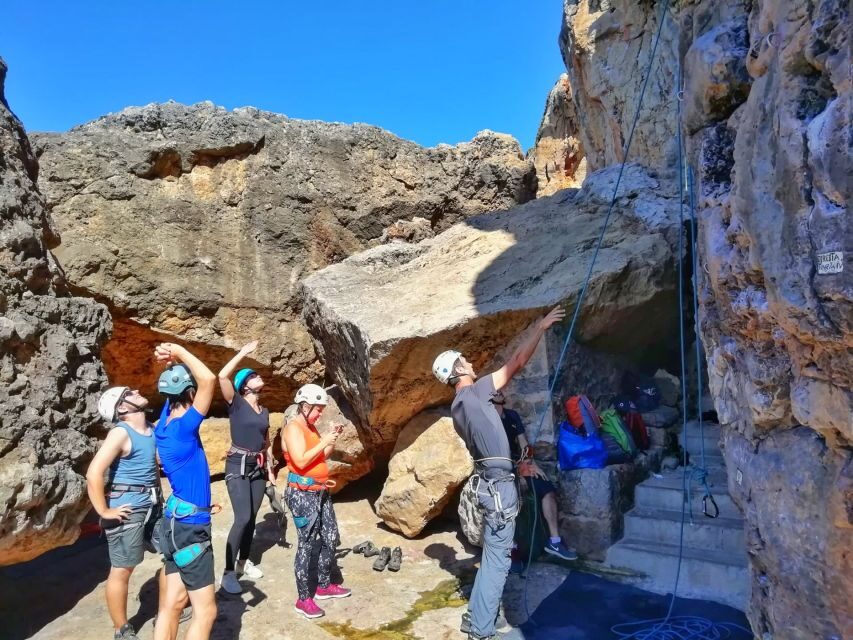
This is a 3.5-hour experience, either 9:00–12:30 or 14:00–17:30. The day starts with a quick intro, then you get moving.
At the start, the instructor covers:
- a basic introduction to rock climbing
- how your climbing equipment works (and how to use it safely)
- the main safety rules you need before you climb
This pacing is smart. You’re not thrown directly onto the rock without context. Instead, you get the minimum you need to start climbing with confidence. For new climbers, that reduces the “what am I supposed to do with my hands” panic. For more experienced climbers, it keeps things structured and focused.
Once you begin, the big value is variety. The climbing area allows for different possibilities, so you’re not forced to repeat the same short sequence. People also highlight that routes are challenging but doable for both kids and adults, and that the group isn’t rushed. That matters because learning outdoors takes time. You need a chance to try a pitch, reset, and then apply what you just learned on the next attempt.
Even if your goal is just to enjoy the coast, you still get the core payoff: you practice basic technique under supervision. That’s the difference between taking a scenic photo at the top and actually becoming more comfortable on the wall.
The guides: Mario and Jose make the session click
The climbing experience isn’t only about the cliff. It’s about the person teaching you how to move on it. In the feedback for this outing, Mario and Jose show up again and again, and what they’re praised for is consistent: they’re prompt, friendly, and good at explaining things in a way that helps people progress.
Here’s what that looks like in practice:
- Mario is described as prompt, kind, and very knowledgeable about both the area and climbing.
- Jose is highlighted as friendly and welcoming.
- Both guides are praised for engagement—so you’re not just standing in the background while other people climb.
- The tone is encouraging, which helps if you’re trying outdoor climbing for the first time.
The practical takeaway for you: if you’re new to climbing outdoors, ask questions during the instruction part. It’s the easiest time to clarify how you should move and what the safety rules mean in real body terms. With a guide like Mario or Jose, you’ll likely get clear, direct answers rather than vague advice.
If you’re more experienced, don’t feel like you have to hold back. The setup supports different levels, and people mention that both beginners and professionals can attend. You’ll still benefit from fresh eyes on technique and the local rhythm of climbing these routes.
Gear and insurance: included, so you can pack lighter
Good climbing days start with proper support. This experience includes rock climbing gear and insurance. That’s a big part of the value, because climbing gear rental can add up fast, and insurance coverage is one of those details you’re glad exists when you’re far from home.
What you should plan around:
- You’re responsible for your clothing and footwear choices (especially rubber-soled shoes and socks).
- The gear is handled for you, which means you can focus on learning and enjoying the climb instead of running errands or figuring out rentals.
Even though the specific gear list isn’t spelled out in the details here, the key idea for you is simple: you’ll be outfitted for climbing, and the instructor will cover how safety rules apply from the beginning.


Is $111 per person a good value for a 3.5-hour climb?
At $111 per person for a 3.5-hour half-day, you’re paying for three things you usually can’t get together: a small-group guided experience, on-site instruction, and included equipment plus insurance.
Let’s break down the value in plain terms:
- Time: 3.5 hours is long enough to learn and climb multiple pitches, not just try one short route.
- Guidance: you get basic technique instruction plus coaching while you’re on the rock.
- Included gear and insurance: that reduces extra costs and worry.
- Group size: limited to 10 participants, which tends to mean more attention from the guide.
The catch is transportation. The experience doesn’t include travel to and from your hotel. Since you meet near Farol da Guia, your total cost depends on how you plan to get there.
My practical advice: treat the $111 as a full activity package, not just a rental. If you’d otherwise pay for gear and a standalone lesson, this tends to make sense. And if your schedule is flexible, you can typically book without immediate payment in a reserve-and-pay-later style, which helps if you’re juggling multiple plans in Lisbon and Cascais.
Who should book this (and who might rethink it)
This is best for you if:
- you want an active, outdoorsy half day rather than another viewpoint-and-coffee routine
- you’re curious about climbing and want a straightforward introduction
- you like learning by doing, with safety rules explained before you start
It’s also a solid option for mixed groups. The routes are described as doable by both kids and adults, and the session isn’t framed as a one-size-fits-all test. If your group includes someone who’s brand new, that balance matters.
You might consider a different experience if:
- you’re not comfortable with heights or the mental side of being on rock
- you don’t want to handle getting yourself to Farol da Guia on your own
In most cases, climbing outdoors is as much about attitude as ability. If you can listen, try, and keep going when it feels tricky, you’ll likely enjoy the day.
Should you book the Cascais 3.5-Hour Rock Climbing Experience?
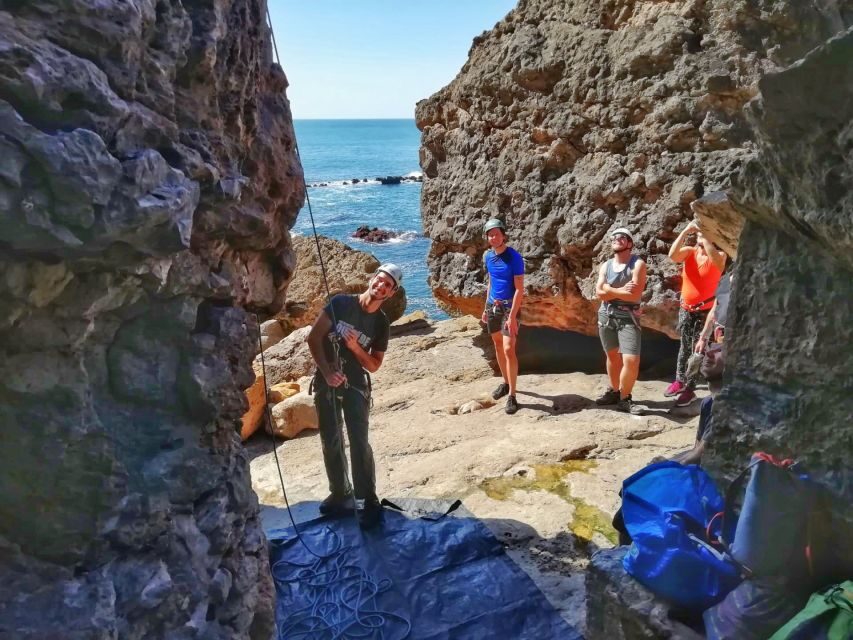
I’d book this if you want something genuinely different in Cascais: real climbing with ocean views, taught in a way that doesn’t require prior outdoor experience. The included gear and insurance are meaningful value, and the fact that the session isn’t rushed helps new climbers learn instead of just “survive the wall.”
Before you commit, make sure you can handle the practical bits: comfortable rubber-soled shoes, socks, water, snacks, and getting to the meeting point near Farol da Guia without relying on included hotel pickup. If that works for you, this is a great half-day plan—one that adds perspective to the coastline and gives you actual skills, not just photos.
FAQ
What time does the climbing experience run?
The session runs for 3.5 hours either in the morning from 9:00 to 12:30 or in the afternoon from 14:00 to 17:30.
Where is the meeting point in Cascais?
You meet at a gas station near Farol da Guia, Cascais.
Is rock climbing gear included?
Yes. The experience includes rock climbing gear.
Does the price include insurance?
Yes. Insurance is included.
Do I need prior climbing experience?
No prior experience is required to participate. The activity is described as suitable for different levels, with an introduction at the start.
What languages are the instructors?
The instructor speaks English and Portuguese.
What should I bring?
Bring snacks, socks, and water. Also plan on comfortable shoes with rubber soles and comfortable sporty clothes.
How large is the group?
The group is small, limited to 10 participants.