REVIEW · FATIMA
FATIMA FULL DAY PRIVATE TOUR FROM LISBOA
Book on GetYourGuide →Operated by Triple V Tours - Veni Vidi Vacations · Bookable on GetYourGuide
Fátima can feel both plain and unreal. On this private full-day tour from Lisbon, I like how the day mixes big spiritual moments with smart, guided museum time—so you walk away understanding what people come for. Two things I really like are the guided pace inside the Sanctuary complex and the way the Fátima Luz e Paz exhibition uses artifacts and storytelling to explain the 1917 events. One possible drawback: you’re moving on a tight 8-hour schedule, so the guided stops (like the museum and Aljustrel) are short and you’ll want to be ready to keep going.
You’ll get a certified live guide in English, French, Portuguese, or Spanish, and the whole experience is designed to be welcoming even if faith isn’t your thing. The day also starts with a real comfort-friendly pickup routine from Lisbon, plus a chance to bring items to be blessed later at the Sanctuary—handy if you want that extra layer of meaning. If you’re coming during the busiest months, keep expectations realistic: the square can get very crowded around 12 and 13 May and again from May to October.
In This Review
- Key things you’ll notice on this Fátima private day
- From Lisbon to Fátima: private car and a smart start
- The Sanctuary of Our Lady of Fátima: why this place draws crowds
- Fátima Luz e Paz museum: tunnel, film, and real objects
- Aljustrel and Valinhos homes: seeing where the story was lived
- Lunch in Fátima and keeping the pace right
- The olive oil museum finish: a local note after the sacred sites
- Price and value at about $412 per person
- Should you book this Fátima private tour from Lisbon?
- FAQ
- FAQ
- How long is the Fátima full day private tour from Lisboa?
- Where do you get picked up for the tour?
- Is this tour private or shared?
- Which languages are the live guides available in?
- What’s included in the price besides transportation?
- Is lunch included, and how long do you get for it?
- What main sites are visited during the day?
- Are entrance tickets included for the museums and Sanctuary?
- Can I reserve now and pay later?
- Is free cancellation available?
Key things you’ll notice on this Fátima private day
- Private car transport with pickup and drop-off so you don’t waste the morning sorting buses or meeting points.
- Two-hour guided focus in the Sanctuary (not just a quick walk-through).
- Fátima Luz e Paz museum experience with a dark-tunnel start, a film with subtitles, and Sister Lúcia’s recorded voice.
- The houses at Aljustrel (Valinhos area) where you can visit the homes connected to Jacinta, Francis, and Sister Lúcia.
- Curated holy artifacts and gifts including items tied to popes and major Portuguese cultural figures.
- A practical lunch stop plus an olive oil museum finish so the day feels complete, not only ceremonial.
From Lisbon to Fátima: private car and a smart start
This is built for a smooth door-to-door day. You’re picked up in Lisbon (and the tour can also start from Porto), then you drive in a private car with your guide. That matters more than it sounds, because Fátima isn’t exactly next door, and you’ll want to arrive rested enough to handle churches, museums, and a lot of walking on stone floors.
Early on, you’ll arrive at the Sanctuary welcoming area for a comfort stop. It also doubles as a chance to handle one small but meaningful task: you can bring items you want to have blessed later. If that’s part of your personal plan—religious or purely cultural—you won’t have to scramble to figure out how it works once you’re already deep inside the complex.
The guide is part of the value here. A private format means you’re not stuck listening to someone else’s pacing. You can ask questions while the story is fresh, especially about the 1917 apparitions and the message centered on peace. Guides also bring language flexibility—English, French, Portuguese, and Spanish—so the day doesn’t become a silent sightseeing exercise.
One practical note I’d plan for: an 8-hour total duration. This tour is efficient by design. If you love lingering, you’ll enjoy the guided time, but you may wish you had extra hours to wander the square or revisit museum rooms at your own speed.
You can also read our reviews of more private tours in Fatima

The Sanctuary of Our Lady of Fátima: why this place draws crowds
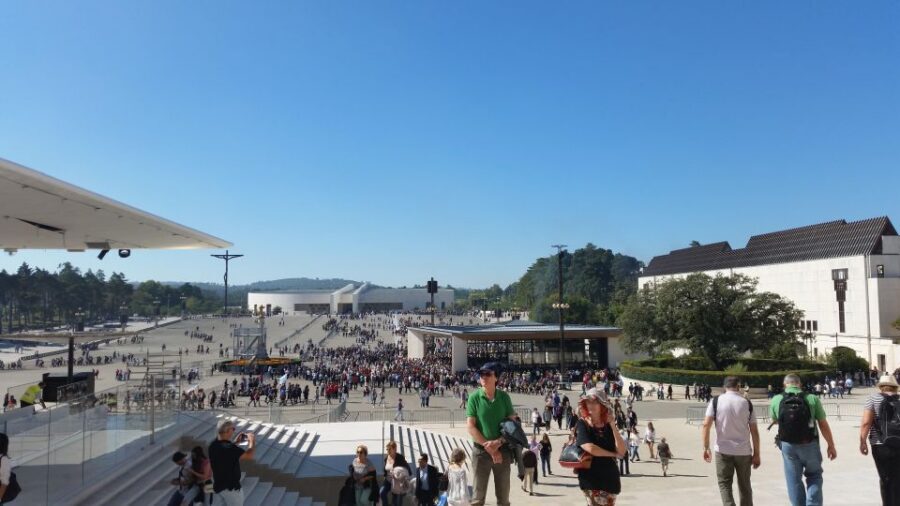
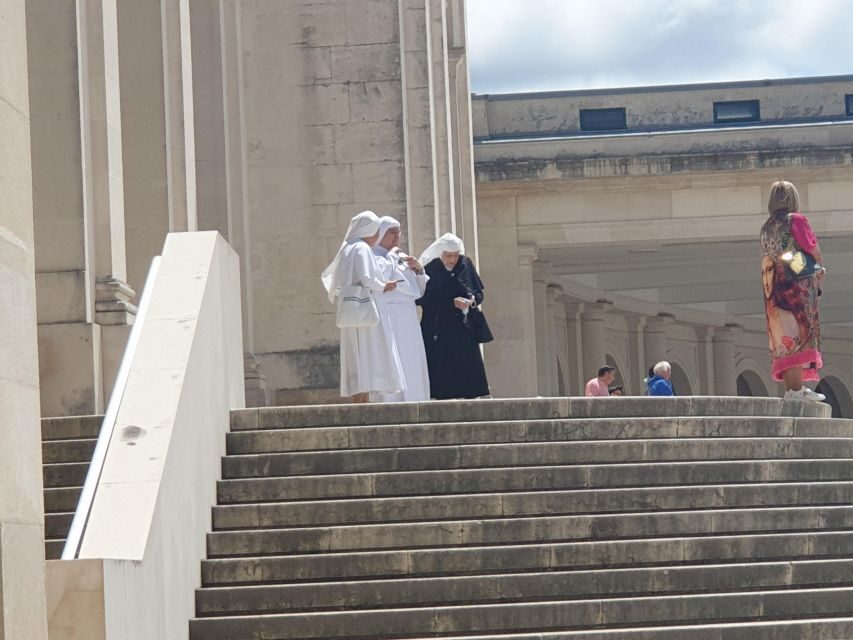
The Sanctuary of Our Lady of Fátima sits in central Portugal, in a corner that feels dramatically different from big-city travel. And that contrast is part of the draw. The story goes back to May 13, 1917, when three children were tending sheep and, according to the belief, Mary appeared with a message about peace. From there, the site became one of Europe’s most visited pilgrimage destinations.
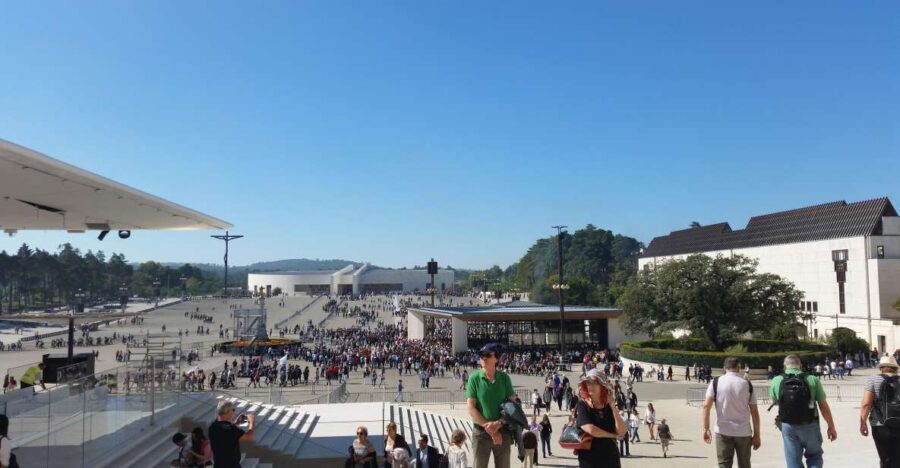
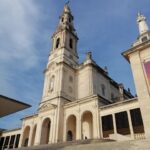
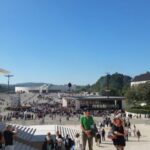
During your guided time, you’ll see the physical scale of the place. The Sanctuary complex includes two large churches that enclose a massive square—about 72,000 square meters. That size helps you understand how millions of people can move through the same space and still feel like a unified ritual. When you walk through, it’s clear why pilgrims come not only from Portugal, but also from across the world.
You’ll also notice how the Sanctuary works as both sacred place and functioning town. There are restaurants, picnic areas, and lots of stalls for religious souvenirs. You’ll see the modern version of pilgrimage infrastructure: a place built for repeat visits at predictable peak times. The months of May through October bring especially heavy foot traffic, with particularly intense days around the 12th and 13th.
Is it religious-only? Not at all. I like that this tour frames the day as meaningful even for curious visitors who don’t profess faith. If you’re into history, human behavior, or how belief shapes architecture and community, the Sanctuary can still be compelling—because it’s a real example of belief made visible in space.
The main consideration is energy. The guided portion helps you get your bearings fast, but you’ll still be on your feet. Dress for comfort, especially if you’re visiting in warm months or on crowded days.
Fátima Luz e Paz museum: tunnel, film, and real objects
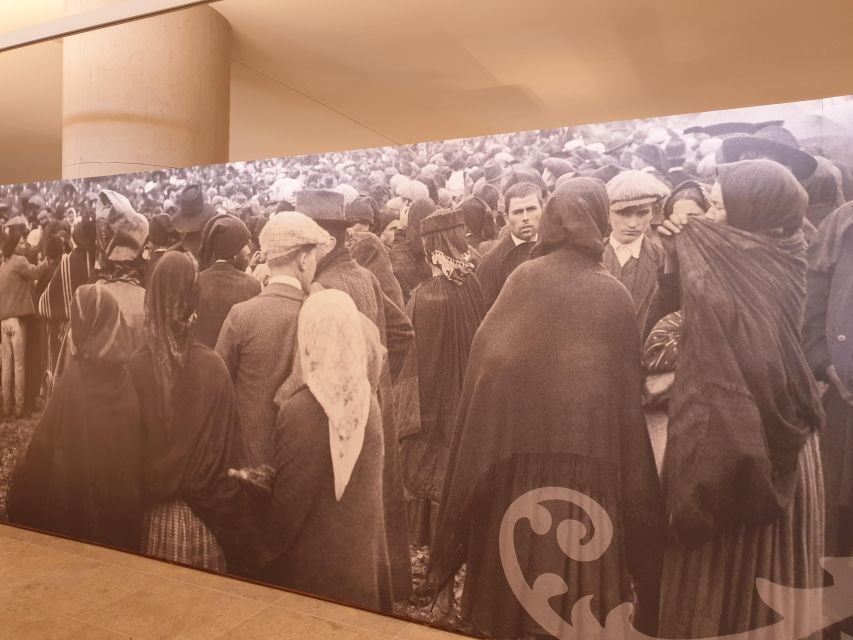
After the Sanctuary walk, the tour moves into the Permanent exhibition Fátima Luz e Paz. This is one of the most distinctive parts of the day because it turns belief and memory into a museum-style experience you can process, even if you’re not Catholic.
The experience starts with a dark tunnel, a symbolic setup for the darkness people associate with the 1917 events. Then you enter a film screening that explains the phenomenon, with subtitles in several languages. You’ll also hear a recording of Sister Lúcia’s voice, which adds a very direct human thread to the story.
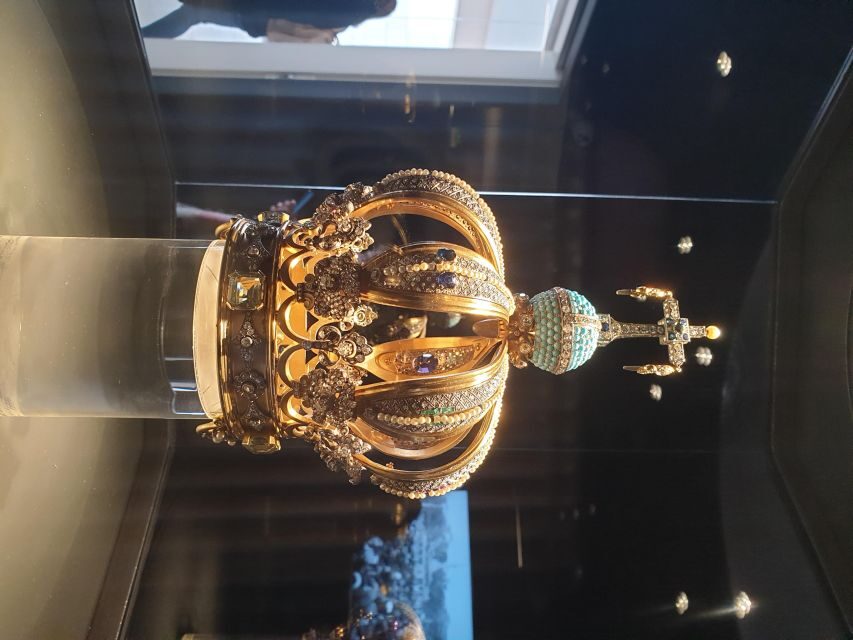
What I really liked here is the blend of interpretation and tangible artifacts. In the museum rooms, you can see vestments and gifts linked to popes who visited the Sanctuary. There’s also the crown of Our Lady of Fátima, where the bullet that almost killed John Paul II in 1981 is housed. That detail is often the kind of thing that gets repeated because it’s so specific, and it’s exactly the kind of object that makes abstract devotion feel concrete.
The museum also includes thousands of private offerings. You’ll see items like gold pieces, a wedding dress, and gifts connected to Portuguese cultural icons—such as a shawl by Amália Rodrigues (the fado singer) and a sweater by Joaquim Agostinho (cyclist). These details broaden the story. The apparitions aren’t just religious narratives; they become part of how people mark life events, gratitude, and hope.
One small drawback to keep in mind: the guided museum portion in the day plan is timed. That means you’ll get the main rooms and the story arc, but you won’t have unlimited time to linger on each artifact. If you’re the type who reads every label and wants to photograph everything, consider arriving with the mindset that the guide’s interpretation will help you prioritize.
Aljustrel and Valinhos homes: seeing where the story was lived
Next comes the visit to the small village area of Valinhos, including the houses of the children who witnessed the 1917 apparitions. This stop shifts the tone from museum artifacts to everyday space—homes instead of exhibits—which changes how you feel about the story.
In Aljustrel (Valinhos area), the tour is guided through the homes connected to Saint Jacinta, Saint Francis, and the Venerable Sister Lúcia. The experience is described as those figures welcoming you in their abodes, and the emotional point is clear: you’re not only viewing history, you’re stepping into places tied to intimate childhood routines.
This is also where the “even if you don’t practice faith” idea becomes real. If you’re interested in narrative places—locations that people believe matter—you’ll appreciate how the day includes both the public Sanctuary and the more personal, domestic settings tied to the children.
The guided time here is short, around 30 minutes, so I’d use that time to ask the guide what stands out and why. Even basic context—what you’re seeing, how the spaces relate to the story—helps a lot in making the visit feel meaningful rather than just scenic.
A practical consideration: these village-area stops can involve uneven paths and door thresholds. Wear shoes you don’t mind walking in for a full day. Also, with the overall 8-hour schedule, you’ll want to keep your attention on the guided route rather than planning to wander off.
Lunch in Fátima and keeping the pace right
After your time in the Sanctuary area, you’ll have lunch at a local restaurant. The day gives you about an hour for this meal, which is generally enough to eat without rushing so hard that you forget to taste Portugal.
I like that lunch is placed in the middle rather than at the very start or end. You’ll have enough momentum to enjoy the food, and you’ll avoid the situation where you’re too hungry to appreciate the later museum and village stops.
This is also a smart moment for practical hydration and rest. Fátima can involve a lot of walking and indoor time back-to-back. An hour at the table helps you reset your energy for the afternoon, when the itinerary continues with guided museum and village home visits.
One timing consideration: because this is a private tour, your guide can keep the flow efficient for your group. That’s helpful if your party has different interests—someone might want more explanation in the museum, while someone else might focus on the Sanctuary architecture. The itinerary is structured, but the private format gives your guide room to keep the day balanced for your preferences.
You can also read our reviews of more tours and experiences in Fatima


The olive oil museum finish: a local note after the sacred sites
To close the day, you’ll visit a local olive oil Museum. It might sound like a random add-on, but it actually works well as a finale. After hours of sacred storytelling, you get a shift to something tied to everyday Portuguese life.
Olive oil is a big part of regional culture, and museums focused on it usually do a straightforward job: showing how the product fits into local traditions and how the process connects to place. You also get a change of pace—less crowd management, less religious symbolism, more a chance to slow down and learn in a calmer setting.
Then it’s back to Lisbon. The ride home is where the day’s themes start to connect in your mind: how a single narrative from 1917 became a full pilgrimage ecosystem, how museums turn belief into visible objects, and how local culture shows up once the visit shifts back to Portugal instead of strictly to religion.
Price and value at about $412 per person
At around $412 per person for an 8-hour private day, this is not the cheapest way to do Fátima. You’re paying for three big value drivers:
First, private transportation. You’re not sharing a vehicle with strangers, and you get pickup and drop-off from Lisbon (or Porto depending on the start point). That saves you time and stress, especially on a day where you’ll already be spending a lot of energy moving between sites.
Second, the guided structure. You’re not just buying entrance tickets. You’re getting certified guides and guided time at the key stops: the Sanctuary and the museum exhibition, plus time for Aljustrel (Valinhos) and the village visit, with lunch included.
Third, the museum level of detail. Fátima Luz e Paz includes specific artifacts—vestments and gifts linked to popes, plus the crown connected to the bullet from 1981 tied to John Paul II—plus offerings from around the world, even including items associated with Portuguese cultural names. That kind of museum access is part of what makes the day worth paying for rather than self-guiding.
If you’re traveling with someone who wants the religious story explained clearly—or if you’re curious about how modern pilgrimage spaces operate—this private format tends to be worth it. If your group prefers open-ended wandering and you love doing everything at your own speed, you might feel the scheduled timing more than you’d like.
Should you book this Fátima private tour from Lisbon?
If you want a single, guided day that covers the Sanctuary, the Luz e Paz exhibition, and the child-home area without turning your itinerary into a puzzle, I think booking makes sense. This is especially good if you appreciate museums and storytelling, because the day is built around interpretation, not just sightseeing.
Book it if:
- You want a private guide with a focused route and enough structure to understand the 1917 narrative.
- You like mixing sacred sites with museum artifacts that explain why people connect emotionally to specific objects.
- You prefer comfort and efficiency from Lisbon with a direct pickup-and-drop-off plan.
Skip it (or at least consider a more flexible option) if:
- You hate time limits and would rather spend much longer in the museum rooms or just roam the square on your own.
- Your group wants a slower, more wandering day rather than a packed guided route.
One last nudge: the flexibility features are worth noting for planning sanity, since you can cancel up to 24 hours in advance for a full refund and there’s an option to reserve now and pay later.
FAQ
FAQ
How long is the Fátima full day private tour from Lisboa?
The tour lasts 8 hours.
Where do you get picked up for the tour?
Pickup and drop-off are available from Lisbon or Porto. In Lisbon, pickup is included at any address in the city.
Is this tour private or shared?
It’s a full private tour, meaning it’s only for your party.
Which languages are the live guides available in?
The live tour guide is available in English, French, Portuguese, and Spanish.
What’s included in the price besides transportation?
The tour includes transportation by private car, all tickets for paid entrances, a guided visit plan, and lunch (with terms that apply).
Is lunch included, and how long do you get for it?
Yes, lunch is included, and you’ll have about 1 hour for the meal.
What main sites are visited during the day?
The day includes the Sanctuary of Our Lady of Fátima, the Permanent exhibition Fátima Luz e Paz, the House-Museum of Aljustrel, the Valinhos homes connected to the children, and a local olive oil Museum.
Are entrance tickets included for the museums and Sanctuary?
Yes, all tickets for paid entrances are included.
Can I reserve now and pay later?
Yes, you can reserve now and pay later.
Is free cancellation available?
Yes. You can cancel up to 24 hours in advance for a full refund.