REVIEW · FATIMA
Fátima, Batalha, Alcobaça, Nazaré and Óbidos Private Tour
Book on GetYourGuide →Operated by Windland tours · Bookable on GetYourGuide
Five historic stops, one smoothly guided day. I love how the Fátima shrine is explained in plain, human terms by a private guide, so the apparitions story lands before you even walk into the basilicas.
You’ll also enjoy the time-machine feeling in Óbidos, where medieval streets and the castle make the last hours feel like a movie set. One consideration: it’s a full day packed with big sights, so you’ll want comfortable shoes and a good attitude about moving from place to place.
In This Review
- Key Highlights at a Glance
- A Private One-Day Circuit Through Portugal’s Faith and Kingdoms
- Getting Picked Up and Setting the Pace Across Five Towns
- Fátima Shrine: Apparitions, Basilica Time, and Space to Wander
- Batalha Monastery: Portugal’s Biggest Gothic Monument Up Close
- Alcobaça Monastery: The 12th-Century Power Story and Inês de Castro
- Nazaré and Sítio: Clifftop Views, the Black Madonna, and Sea-Air Drama
- Óbidos Castle-Town: Medieval Streets and Cherry Liqueur Finish
- Price and Value: What $176 per Person Really Buys
- Who This Tour Fits Best (and Who Might Find It a Lot)
- Should You Book This Fátima Batalha Alcobaça Nazaré Óbidos Private Tour?
- FAQ
- What’s the duration of the private tour?
- Where does pickup happen?
- Are meals included in the price?
- Are entrance fees included?
- What languages is the guide available in?
- Is it suitable for wheelchair users?
Key Highlights at a Glance
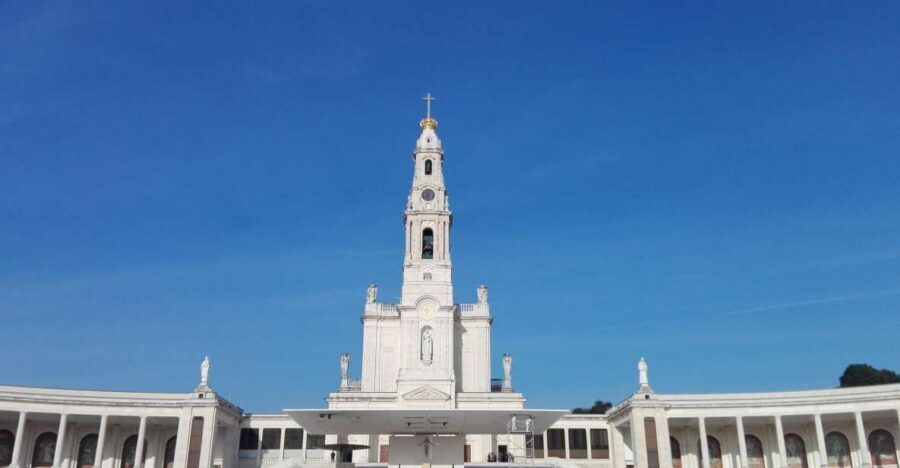
- Fátima, explained then explored: learn the apparitions story, then get your own free time in the basilica area
- Portugal’s Gothic peak at Batalha: see why this monastery is called the country’s largest Gothic monument
- Alcobaça’s medieval power story: connect the monastery to Portugal’s formation in the 12th century
- Nazaré views from Sítio: get the clifftop perspective before you step into the basilica of Our Lady of Nazaré
- Óbidos in medieval mode: wander the walled town, then taste a typical cherry liqueur
- Private pacing that can fit you: guides like Vera or Gonçalo are known for being flexible and responsive to your interests
A Private One-Day Circuit Through Portugal’s Faith and Kingdoms
This is the kind of day trip that works because it’s guided, not just transported. You start with Fátima, where Portugal’s religious history is more than an old story—it’s a lived tradition. Then the tour shifts gears into monasteries tied to kings, exploration, and national identity, before ending with the seaside drama of Nazaré and the storybook streets of Óbidos.
What makes it click is the flow. You’re not just ticking boxes; you’re building context in the car, then using that context on site. The pace is also built to include real free time, especially at Fátima, so the day doesn’t feel like a nonstop lecture.
The result: you leave with a clearer sense of how Portugal’s faith, monarchy, and maritime ambition connect—while still getting the fun part, like the viewpoints and the cherry liqueur in Óbidos.
You can also read our reviews of more private tours in Fatima

Getting Picked Up and Setting the Pace Across Five Towns
You get private transportation and pickup/drop-off from your hotel, or from a bus or train station in the Fátima, Batalha, Alcobaça, Nazaré, or Óbidos area. That matters more than it sounds. Without transfers and waiting time, you lose less of the day to logistics and more of it to actually seeing things.
Because it’s a private group, the day can be run with more breathing room than a big coach tour. In particular, guides such as Vera and Gonçalo have been praised for tailoring priorities and keeping a slower pace when that’s what the group wants. Even if your interests are simple—views, photos, or history—you’re not forced into one strict script.
One practical note: there are multiple stops in one day. So yes, you’ll be on the move, and you should plan for some walking and standing around major monuments. Bring water, dress for comfort, and keep your camera charged early.
Fátima Shrine: Apparitions, Basilica Time, and Space to Wander
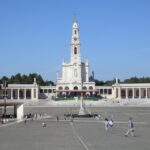
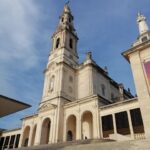
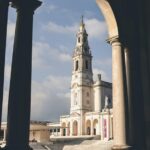
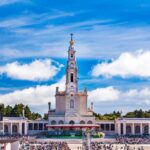
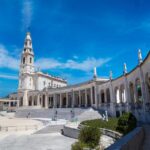
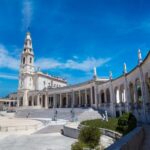
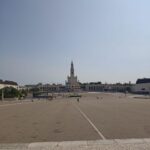
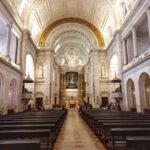
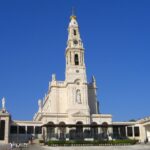
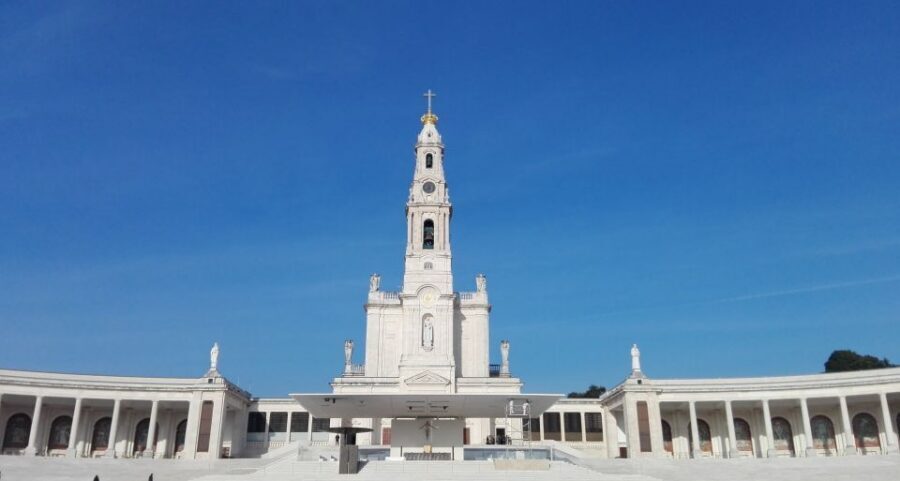
Fátima is the emotional center of the itinerary, and you start there for a reason. The tour is set up to help you understand the story of the apparitions, including the miracle context the site is built on. You’ll hear the background before you go into the main religious spaces.
Then comes the best part for many people: free time to explore the basilicas and chapel on your own. That self-guided stretch is important. Even if you’re not religious, you’ll likely appreciate the way the place is organized for reflection, visiting, and quiet time. You’re not stuck in a hurry behind someone’s microphone.
Dress and behavior are always worth treating respectfully at major religious sites, but the tour itself doesn’t list specific rules beyond the general “be considerate” expectation. Still, come prepared to act like you’re inside a place people deeply care about.
If you like learning through a mix of story and sight, Fátima hits the sweet spot: you get explanation first, then room to process what you’re seeing.
Batalha Monastery: Portugal’s Biggest Gothic Monument Up Close
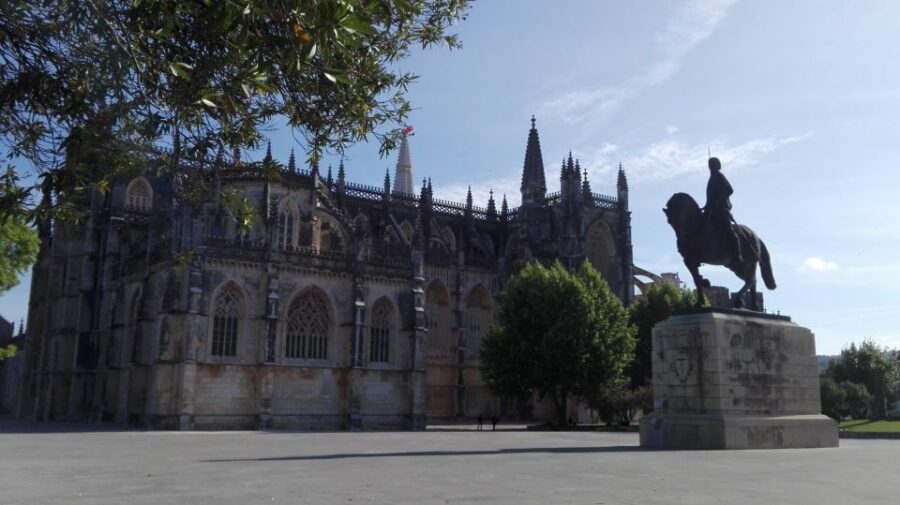
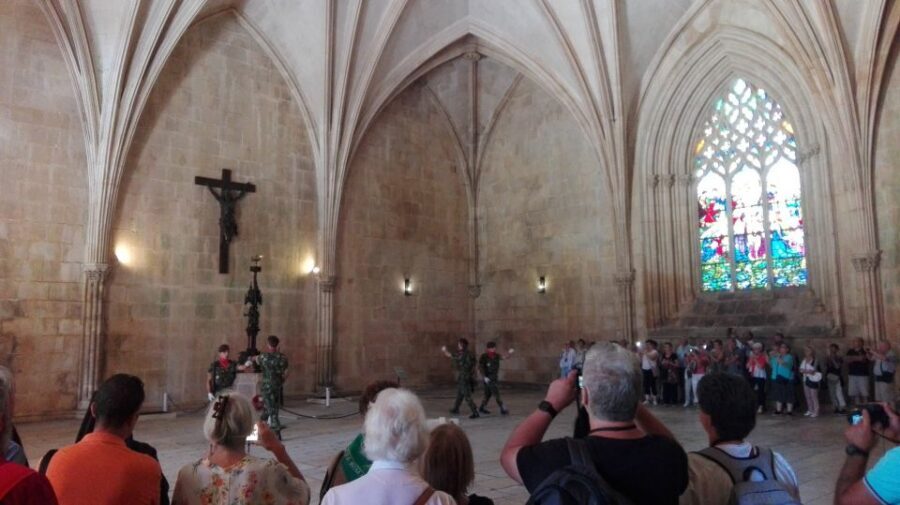
Next you head to Batalha Monastery, where the main draw is scale and style. It’s described as the largest Gothic monument in Portugal, so you’re going to feel the size quickly—before you even start reading plaques or staring up at details.
The guide won’t just point out architecture. You’ll also hear the monastery’s historical significance, including the way major figures connected to the Age of Discoveries helped shape the nation. Henry the Navigator is explicitly mentioned as part of that bigger national story, along with other key figures. That gives you a useful frame: this is not only about church design, it’s about a Portugal that was looking outward.
What I like about this stop is that it connects beauty to meaning. Gothic buildings can turn into “pretty stones” if the explanation is thin. Here, the story is geared toward showing why these monuments matter for Portugal’s development.
If you’re short on patience for long stops, Batalha might feel like more than you expect—this place rewards time. But if you enjoy architecture, you’ll likely be glad you didn’t rush.
Alcobaça Monastery: The 12th-Century Power Story and Inês de Castro
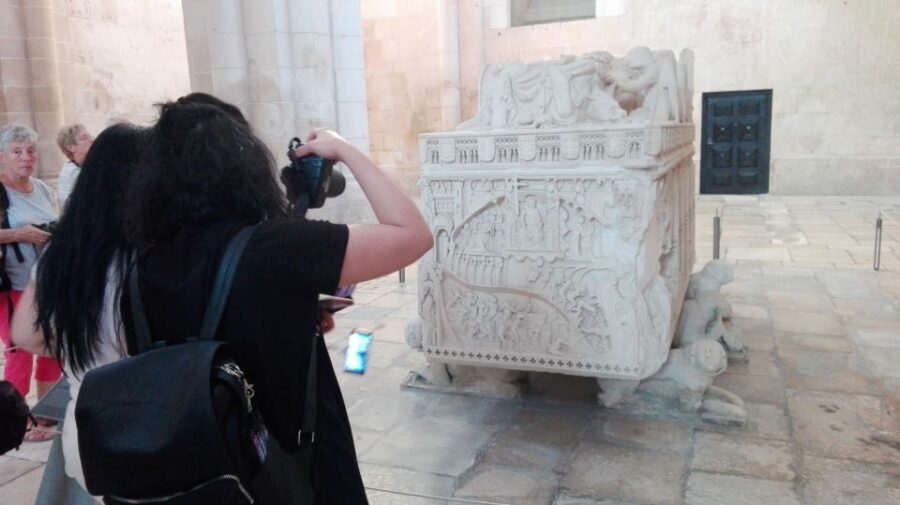
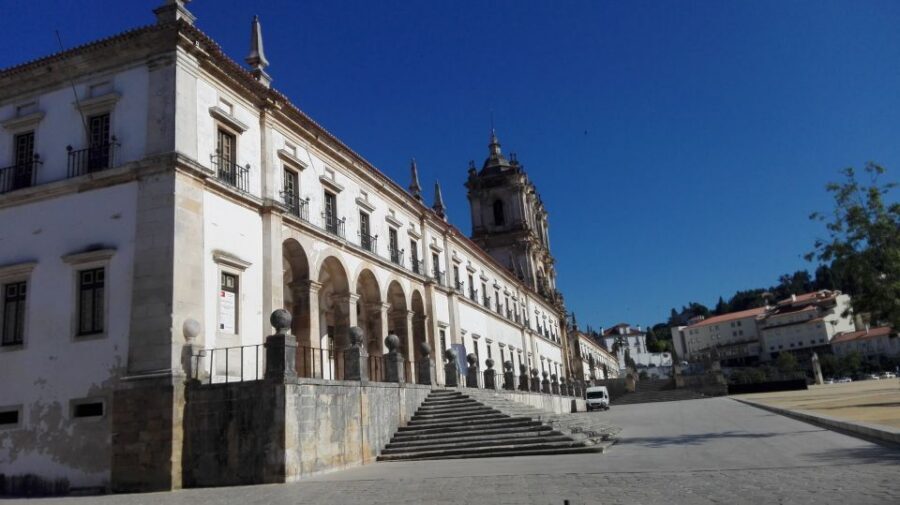
After Batalha, the tour moves to Alcobaça Monastery, another heavyweight stop. You’ll hear why the monastery mattered so much to Portugal’s creation in the 12th century. That’s a big claim, and the guide’s job is to make it feel real, not abstract.
Then the emotional history shows up through the tragic love story of King Pedro I and Inês de Castro. The story is delivered as a turning point—Inês murdered on the orders of his father. It’s the kind of tale that explains why some places feel haunted even when they look calm and still.
This stop is valuable because it turns a medieval building into a human story. If you’ve ever wondered why people get emotional about royal history, this is where the answer shows up: politics crushed a relationship, and the memory stayed.
Practical tip: you’ll likely be standing and walking through large spaces. If your feet get cranky easily, plan a slower pace here and take short breaks. The private format helps you do that without feeling rude.

Nazaré and Sítio: Clifftop Views, the Black Madonna, and Sea-Air Drama
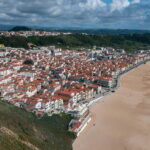
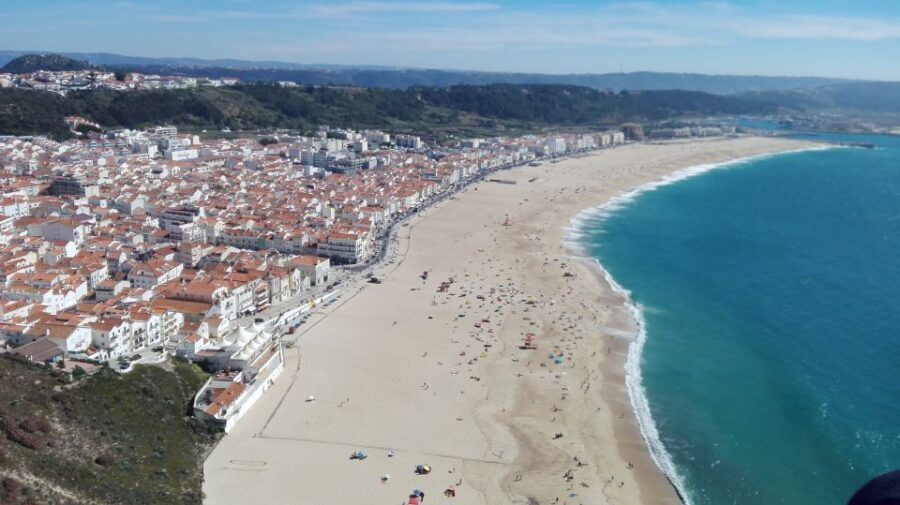
Now you shift from monasteries to the Atlantic mood. At Nazaré, the itinerary includes time at the beach, plus a trip up to Sítio, the clifftop area known for stunning views. Even if you’re not a beach person, the payoff here is the perspective: the coast looks different when you view it from above.
The tour then takes you into the basilica of Our Lady of Nazaré. Inside, you’ll look at the famous black statue of the Virgin. This is a key cultural moment in the itinerary, and it pairs well with everything you learned earlier at Fátima. You see the same broader theme—faith as identity—played out in a new way.
One thing to remember: coastal light changes fast. If you care about photos, you’ll probably want to spend a little time just watching the view shift before you rush to the next stop.
If you’re sensitive to wind or cold, bring a light layer. Sítio can feel breezy compared to the beach level, and comfort helps you actually enjoy the scenery.
Óbidos Castle-Town: Medieval Streets and Cherry Liqueur Finish
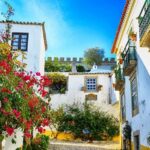
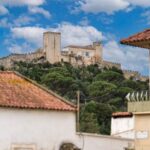
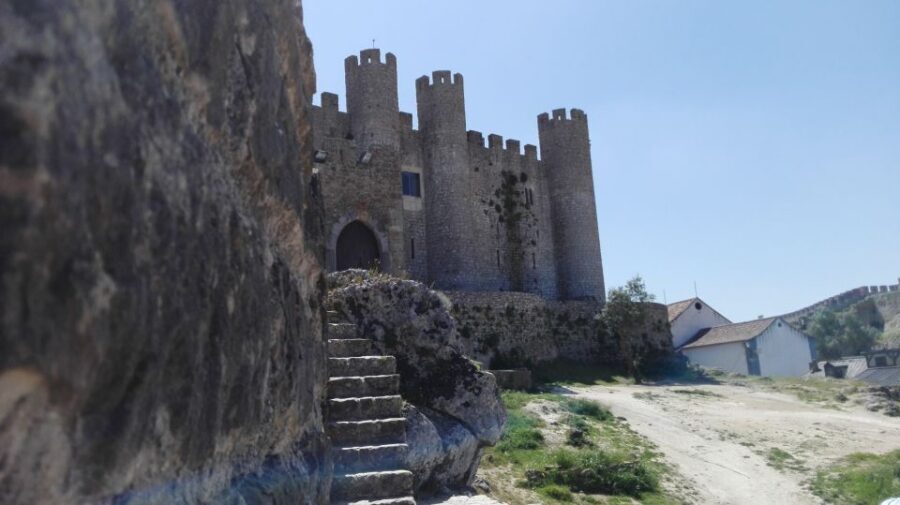
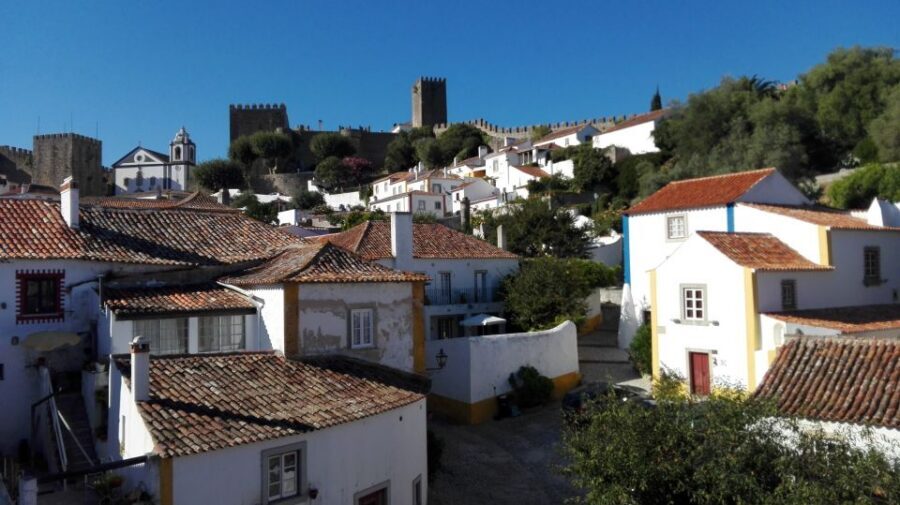
The final stop is Óbidos, and it’s designed to end the day on a fun high. You get medieval streets to stroll and the option to walk up toward the historical castle. The town has that enclosed-walls feeling, like you’ve stepped into a different century without leaving Portugal.
Then there’s the edible souvenir: you’ll taste a typical cherry liqueur. It’s a small moment, but it’s memorable. It also gives you a clear “we did it” ending that doesn’t depend on museums or ticket halls.
What works here is that Óbidos is visually satisfying even if you’re history’d out. You can choose your level of effort: wander gently, or climb more if you want the castle views. The private setup makes it easier to match your energy level.
Also, this is a great place to slow down. After days of big monuments, the small lanes and castle framing help you reset and get some good photos without the pressure of a tight schedule.
Price and Value: What $176 per Person Really Buys
At $176 per person, this tour is priced like a true private day, not a bargain-bus situation. What you’re paying for is the full package: private transportation, a private guide, and pickup/drop-off from the local area. That reduces the headache cost of self-guided travel—especially when you’re juggling multiple towns in one day.
Entrance fees aren’t included, so you’ll want to budget for that separately. Still, the tour does offer skip-the-ticket line, which can save time when you’re working with limited hours.
The big value signal is how the guide’s job goes beyond reading signage. The day is structured so the story comes first (like Fátima’s apparitions and Alcobaça’s Pedro and Inês), then you see the places where those stories live. In practical terms, that means you don’t leave each stop feeling like you just saw buildings without understanding why they matter.
For groups who want comfort and flexibility, the private format makes a noticeable difference. For solo travelers or couples who like being able to ask questions and change priorities, it’s often the best way to get a fuller day without extra planning stress.
Who This Tour Fits Best (and Who Might Find It a Lot)
This tour is a strong match if you want a single day that covers faith, medieval power, monarchy tragedy, and coastal viewpoints in one smooth circuit. You don’t have to be an architecture nerd, either. The key is that the guide ties the sites to stories you can actually remember.
It’s also a good fit if you like flexibility. Guides such as Vera and Gonçalo have been noted for being patient, asking what you care about, and adjusting priorities. If you’re the type who wants slower pacing or more time at one stop, this private setup is made for that.
Now the honest considerations. It’s not suitable for wheelchair users, and the itinerary involves multiple sites where you’ll be moving around. Also, because it’s five major stops in one day, it can feel like a lot if you prefer long unstructured breaks.
If you’re traveling with mobility limits, you’ll want to think carefully before booking. And if you hate rushing, tell the guide early where you want the most time—so the schedule can flex around your needs.
Should You Book This Fátima Batalha Alcobaça Nazaré Óbidos Private Tour?
Book it if you want one day that feels like Portugal in layers: devotion at Fátima, Gothic monument at Batalha, medieval politics and heartbreak at Alcobaça, clifftop drama at Nazaré/Sítio, and a charming medieval finale at Óbidos. The price makes sense when you factor in private transport, pickup/drop-off, and a guide who explains the stories before you walk into the sites.
Skip it or look for a slower alternative if you know you won’t enjoy a day packed with major landmarks, or if your mobility needs can’t handle the walking involved. Also, if you’re mainly chasing one theme—only beaches, only castles, only churches—you might find the mix less satisfying.
If you do book, I’d start your day with comfortable shoes and a clear priority. Tell the guide what you care about most—views, specific stories, or photography—and you’ll get more out of every stop.
FAQ
What’s the duration of the private tour?
It runs for 1 day.
Where does pickup happen?
Pickup is included from any hotel, bus station, or train station in the region of Fátima, Batalha, Alcobaça, Nazaré, or Óbidos.
Are meals included in the price?
Meals and drinks are not included.
Are entrance fees included?
Entrance fees are not included.
What languages is the guide available in?
The live tour guide is available in English, Portuguese, and Spanish.
Is it suitable for wheelchair users?
No, it is not suitable for wheelchair users.