REVIEW · LISBON
Lisbon: Pastel de Nata Baking Class
Book on GetYourGuide →Operated by Homecooking Lisbon · Bookable on GetYourGuide
Pastel de nata is the reason to linger in Lisbon. This 2-hour, hands-on baking class at Homecooking Lisbon HUB walks you through the whole process and ends with you eating what you made. I particularly like that the chefs keep it practical (you’re doing real prep) and that the class adds Portuguese flavor beyond pastry with drinks like Porto wine and a ginginha tasting.
One thing to plan for: there’s no hotel pickup, and the meeting spot isn’t in the absolute center, so you’ll want a taxi or bus plan to stay on time.
In This Review
- Key things I’d zero in on
- Pastel de Nata 101: What You’ll Make in 2 Hours
- Homecooking Lisbon HUB: The Kitchen Setup and Group Feel
- How the Class Unfolds: Dough, Custard, and the Oven Finish
- 1) Getting started with the dough
- 2) Filling and shaping
- 3) Baking and timing
- 4) Eating your own pastéis de nata
- Portuguese Drinks With Your Pastry: Porto Wine and Ginginha
- Price and Value: Is $64 Worth It?
- Who This Class Fits Best (and Who Might Not)
- Timing and Getting There: No Hotel Pickup, Plan Your Route
- Tips That Actually Help You Make Better Pastel de Nata
- The Verdict: Should You Book This Pastel de Nata Class?
Key things I’d zero in on
- Step-by-step pastéis de nata baking, with you actually preparing and shaping the batch
- Portuguese drink pairing, including Porto wine and ginginha tasting
- Clean, well-prepped kitchen setup, designed for short classes and repeatable results
- Small-ish group feel (often around 12 people), so you’re not stuck watching only
- English instruction, plus lots of patience for first-timers
- Optional social bonus: you may work in pairs and meet other visitors
Pastel de Nata 101: What You’ll Make in 2 Hours
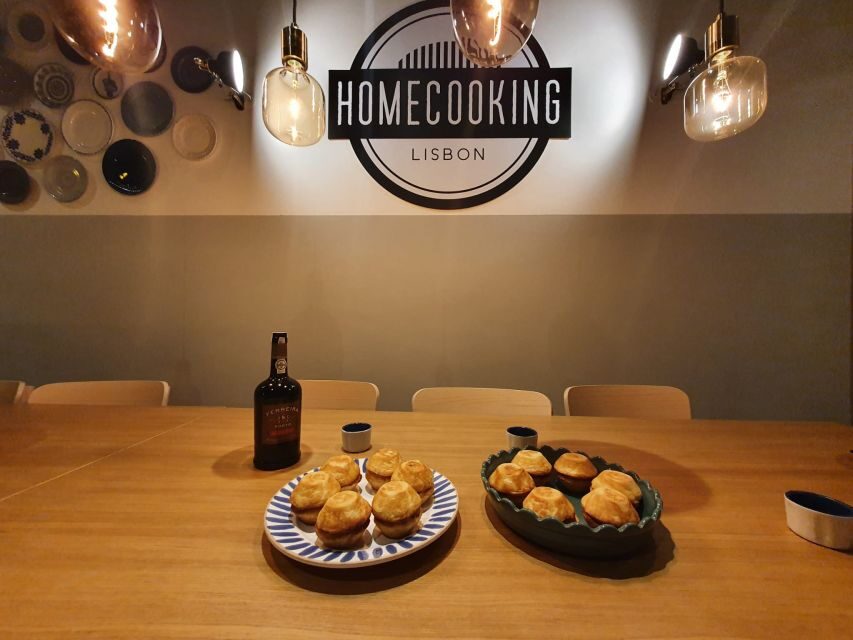
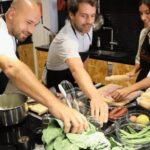
Pastel de nata looks fancy in photos, but the class approach is refreshingly direct. You’ll be walked through making pastéis de nata from start to finish, and you’ll feel the process in your hands: working dough, filling it, then watching your pastries go into the oven.
For me, the best part is that the class treats it like a skill, not a magic trick. The instructors focus on the method—how to handle the dough, how the custard should go in, and what to watch while baking—so you’re not just copying a recipe. People in the feedback also call out that the results are consistently good right out of the oven, which matters when you only have 2 hours.
You should come in expecting a real cooking session, not just a demo. Yes, some ingredients may be pre-measured ahead of time, and some oven work may be supported, but you still do the hands-on prep. That’s exactly why this works for first-timers: you get help where you need it and autonomy where it counts.
You can also read our reviews of more cooking classes in Lisbon



Homecooking Lisbon HUB: The Kitchen Setup and Group Feel
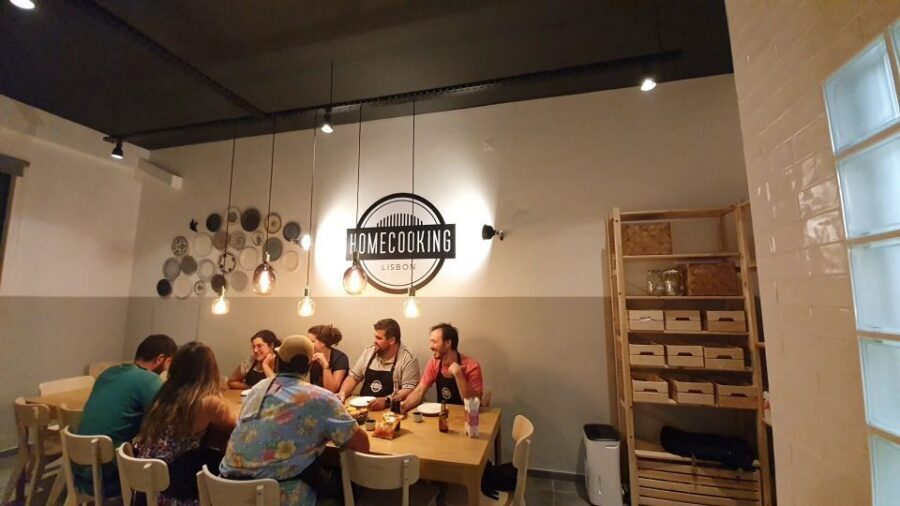
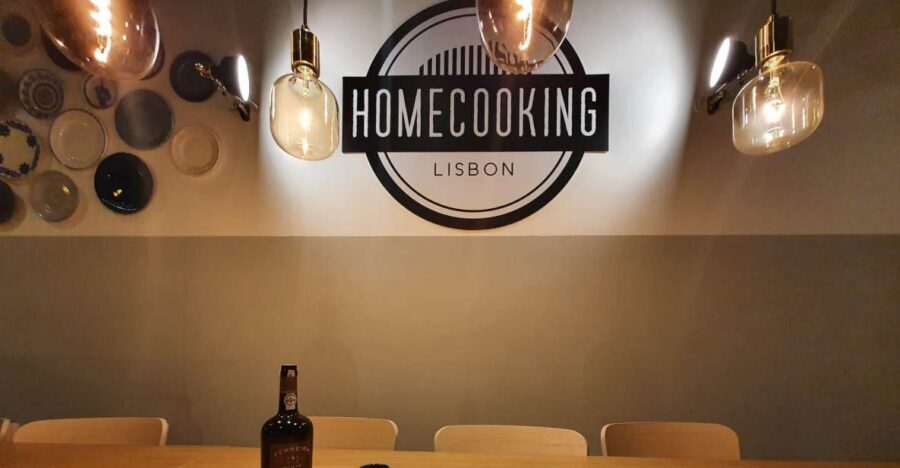
This class is held at the Homecooking Lisbon HUB meeting point, in a dedicated cooking space rather than a cramped studio. Reviews repeatedly point to a kitchen that’s clean, organized, and set up so you can move without feeling in the way. That might sound minor, but it’s huge when you’re making pastry and trying to keep everything at the right stage.
The group experience tends to be friendly and active. I’ve seen mentions of groups around 12 people, which is big enough for variety but small enough that the chef can still check on individuals. If you’re traveling solo, you may be paired with someone else, and that can actually be a plus: you’ll get another perspective and you’re not left standing around.
In terms of instructors, you’ll likely work with an English-speaking chef, and names that pop up in recent feedback include Marta, Beatrice/Bea/Beatriz, Miyuki/Moyuki, Miguel, Pedro, Rachel, and Cynthia. The common thread: upbeat teaching, clear direction, and a willingness to repeat things in plain language until you’ve got it.
How the Class Unfolds: Dough, Custard, and the Oven Finish
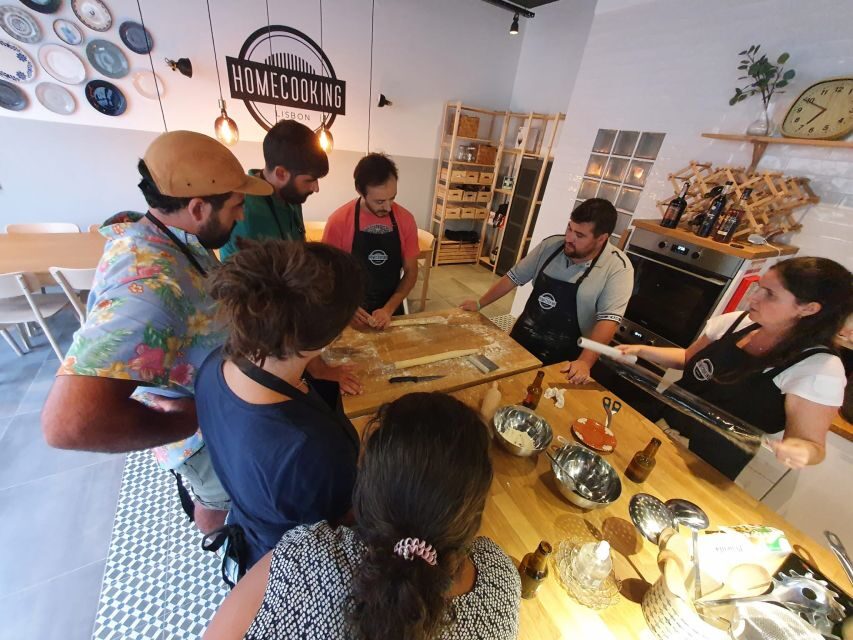
Think of the class like four phases, with constant coaching in between.
1) Getting started with the dough
You’ll begin with dough prep and learn the feel of it. Several reviews mention how the instructors make the steps approachable, including people with little or no baking experience. You’ll also be taught the traditional way to handle the pastry dough—especially the part that determines whether you get that flaky, crisp result on the edges.
A small practical note: because time is tight, you may see some ingredients staged or measured in advance. That’s not cheating; it’s how the class stays smooth. It also frees up the instructor’s time for the technique parts you actually need to practice.
2) Filling and shaping
Next comes the shaping and filling. Reviews emphasize that you’re not just watching the custard go in—you’re doing it. This is where a good teacher earns their pay. When you get the dough into the right form and the filling added correctly, the pastry bakes into the classic look and texture people associate with Lisbon.
If you’ve never worked with pastry tins or laminated-style dough, don’t panic. The instructors repeatedly show up in reviews as patient and hands-on, and that “guided prep” is exactly what you’re paying for.
You can also read our reviews of more tours and experiences in Lisbon





3) Baking and timing
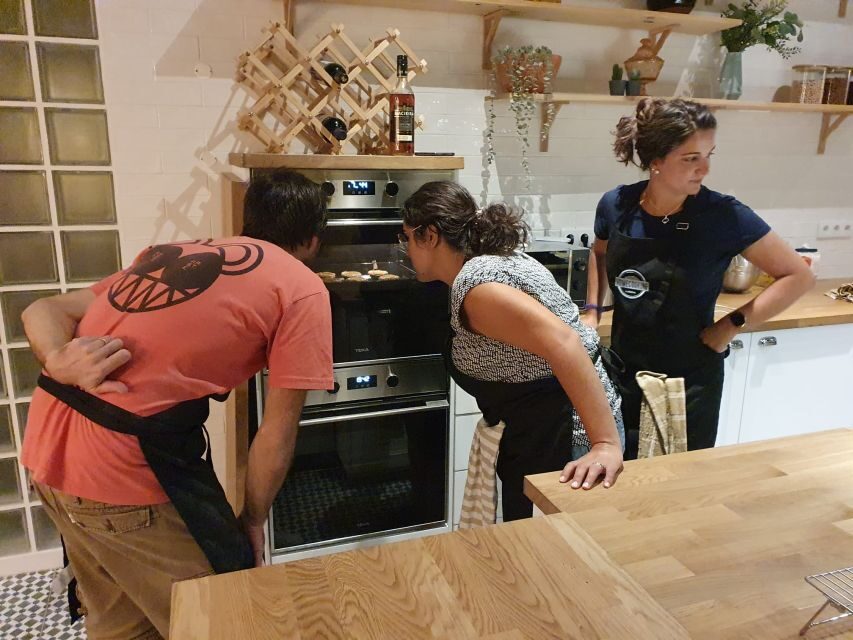
Then your pastries go into the oven. You’ll smell them start to bake, and the aroma is the little preview of why this dessert is so famous. Pastel de nata is best when it’s fresh from the oven, so the class timing is built around getting you to that moment.
Some feedback notes you’ll still be learning while support is offered with the oven stage. Translation: you get to stay involved, but you’re not left guessing about hot equipment.
4) Eating your own pastéis de nata
Finally, you eat what you made. And not the “we sampled one each” version. The class is designed so you can enjoy your batch hot, and multiple reviews say people brought some pastries away for later. That’s a nice bonus if you want to walk around Lisbon with dessert in your pocket.
Portuguese Drinks With Your Pastry: Porto Wine and Ginginha
This is one of those experiences where the food lesson doesn’t end when the oven shuts. The class includes drinks such as homemade juice, coffee, water, Porto wine, and a ginginha tasting.
Why that matters: pastel de nata is sweet and creamy, and Portuguese drinks help reset your palate. Coffee is the safe pairing. Juice keeps it light. Porto wine brings a richer note that works when you want something more grown-up after the baking.
A quick heads-up from a review: one person wrote that they got no wine, even though the drink list includes it. That could mean serving choices vary by timing, group, or day, so don’t treat Porto wine as guaranteed every single time. Still, you can count on drinks being part of the experience, and the ginginha tasting shows the class is aiming for more than a sugar-only finish.
Price and Value: Is $64 Worth It?
$64 per person sounds like a “nice add-on,” until you look at what’s included. This isn’t a bare bones demo. You get ingredients, cooking utensils, instructor support, and a drink lineup that includes Portuguese specialties. You’re also getting an insurance component included with the activity.
More importantly, you’re paying for technique you can repeat at home. Reviews underline that you learn how to make pastel de nata beyond just taste testing. People say they left confident they could try again, and that’s the real value in a pastry class: you’re not buying dessert; you’re buying process.
Could you buy a pastel de nata for way less in Lisbon? Sure. But a bakery purchase doesn’t teach you how to shape, fill, and bake for that texture. If you want a Lisbon story you can carry home—plus the ability to replicate the dessert later—this price starts to look reasonable.
Who This Class Fits Best (and Who Might Not)
This activity is best for people who enjoy cooking and don’t mind getting a little hands-on. The feedback is loaded with first-timers, couples, and families with older kids.
If you’re traveling with teens, it can work surprisingly well. Multiple reviews mention teens enjoying the history and the pacing. One person even suggested doing the class before you go hunting for the best pastéis de nata in Lisbon, because you’ll understand what you’re looking for.
If you’re a couple, the small group setting and pair-work can feel like a fun shared project. Solo travelers often get paired up without feeling singled out, and at least one review notes that the instructor made solo participants still feel included.
On the other hand, it’s not suitable for children under 6. It also isn’t a good match for people with mobility impairments. That’s not a “maybe with accommodations” situation—this one is set up for able-bodied participation with hands-on cooking.
Timing and Getting There: No Hotel Pickup, Plan Your Route
There’s no hotel pickup and drop-off, so you’ll need to get yourself to the Homecooking Lisbon HUB meeting point.
Location notes from reviews are mixed but helpful. One review says it’s not near central Lisbon and suggests a taxi as a convenient, low-stress option. Another mentions a bus stop right outside, which is encouraging if you like public transit.
Either way, I’d treat timing seriously. With a 2-hour class, being 15 minutes late usually means you miss a technique step—and pastry hates rushed steps. Arrive early enough to settle in, meet the chef, and get your bearings in the kitchen.
Tips That Actually Help You Make Better Pastel de Nata
You don’t need to be a pastry genius to get good results here, but you do need to pay attention to the parts that instructors emphasize.
Here are the practical habits I’d copy from how the class is described:
- Follow the method, not just the recipe. Reviews call out that traditional technique matters more than fancy shortcuts.
- Work at the chef’s pace. The class is paced so you’re not rushing the dough and filling stages.
- Ask quick questions mid-step. Several reviews mention patient instruction and teachers checking that everyone is on track.
- Expect pair-work. If you’re placed with someone else, treat it like a duet. It keeps momentum moving.
- Focus on the fresh-from-oven bite. This dessert shines when warm, and the class is built around that moment.
- If you want to bake again at home, plan for extra supplies. One review mentioned buying tins on-site might be cash only—so if you want that option, bring cash just in case.
The Verdict: Should You Book This Pastel de Nata Class?
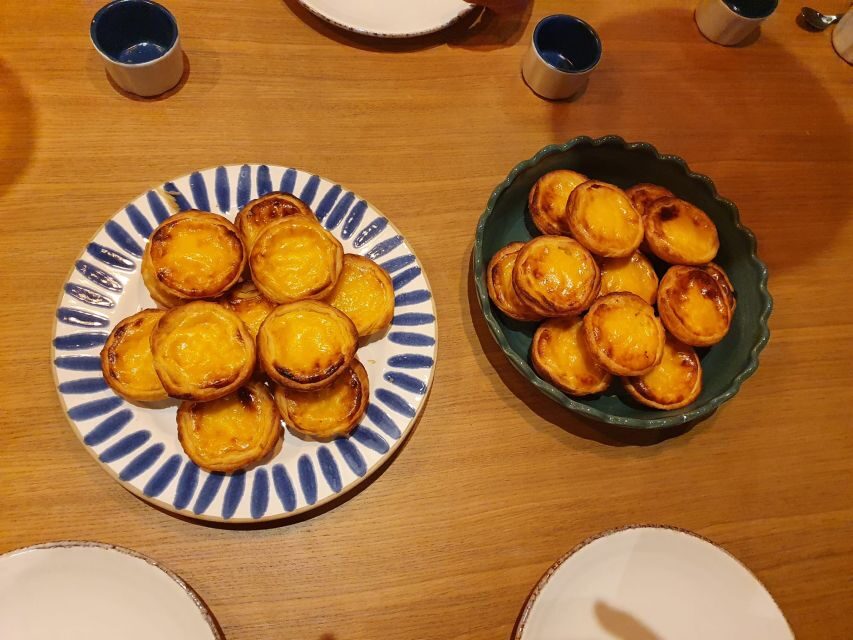
Book it if you want a hands-on Lisbon experience with real payoff: you’ll learn a classic Portuguese pastry method, eat what you make hot, and enjoy Portuguese drinks that go beyond soda and water. At $64 for 2 hours, the value is strongest when you care about technique and want something more memorable than a standard meal.
Skip it if you’re looking for a passive tour, or if mobility needs make hands-on cooking a challenge. And if you hate planning transport, remember there’s no pickup and the meeting point may require a taxi or bus depending on where you’re staying.
If you’re the type who likes to bring home a skill (and not just a souvenir), this is a very sensible way to spend an afternoon in Lisbon.