REVIEW · LISBON
Lisbon: National Tile Museum Entry Ticket
Book on GetYourGuide →Operated by GetYourGuide Tours & Tickets GmbH · Bookable on GetYourGuide
A tile museum sounds niche. But the National Tile Museum in Lisbon turns Portuguese azulejos into a real story you can walk through fast.
I love two things most: the chronological layout (so you actually understand how styles and techniques changed) and the museum’s setting inside the former Convento Madre Deus. One consideration: it is not a skip-the-line ticket, so if you show up at a busy time, you may still wait.
In This Review
- The Portuguese Azulejo Story You Can See in One Visit
- Key Takeaways Before You Go
- National Tile Museum in the Convento Madre Deus
- What You’ll Actually See: Azulejos, Ceramics, and the Timeline
- Start Smart: Materials and Techniques Before the Pretty Stuff
- The Convent Spaces Are Part of the Show
- A Walk That Feels Like a Story, Not a Checklist
- Lisbon Tile Museum Café: Don’t Skip the Break
- Price and Value: Why 11 USD Works Here
- Timing: Opening Hours and Last Entry That Matter
- Logistics You Should Know: Ticket Timing and Entry
- Who This Museum Is For (and Who Might Not Love It)
- Should You Book the National Tile Museum Entry Ticket?
- FAQ
- How long can I use the Lisbon National Tile Museum entry ticket?
- Does this ticket skip the line at the National Tile Museum?
- How long should I plan to spend inside?
- What are the opening hours and last entry time?
- Where do I enter and what do I show?
- Is the museum wheelchair accessible?
- What should I bring for the visit?
The Portuguese Azulejo Story You Can See in One Visit
If you want Lisbon to feel less like postcard sightseeing and more like culture, this is a smart stop. You’ll spend your time with decorative ceramic tiles that start in the second half of the 15th century and run forward to the present day, plus related ceramic works from the 17th through the 21st centuries. The museum layout is designed so you don’t just stare at patterns. You learn how tiles were made and how the look of Lisbon and Portugal shifted over time.
The site matters too. The museum sits in the former Convent of Madre Deus, founded by Queen D. Leonor in 1509. That means you’re not only viewing tiles behind glass—you’re walking through rooms that once belonged to a living religious complex, including church and chapel spaces with their own painted and tiled splendor.
Key Takeaways Before You Go
- Walk a timeline of Portuguese tilework, from the late 1400s to modern ceramic design.
- Learn the manufacturing process first, so the later displays make more sense.
- See major convent spaces, including cloister areas, a decorated church, sacristy details, and chapel decoration.
- Plan for about 1.5 hours on site if you want a relaxed pace (this matches how many people report enjoying the visit).
- Add a café stop—the on-site coffee shop is part of the experience, especially when lines form later.
You can also read our reviews of more tours and experiences in Lisbon



National Tile Museum in the Convento Madre Deus
The National Tile Museum is one of those Lisbon attractions that feels more rewarding the longer you stay. It’s easy to assume it will be small—tiles are small, right? But this collection lives in multiple former convent spaces, and the result is surprisingly spacious. You get to move room to room: exhibition halls, convent architecture, and religious interiors where tiles are part of the visual language, not just the subject.
The museum was established in 1965 and became a National Museum in 1980. That history shows up in the way the collection is presented: it’s organized to teach, not just to display. You can feel the curatorial goal—help you understand Portuguese tile culture as an art form and a craft.
What You’ll Actually See: Azulejos, Ceramics, and the Timeline
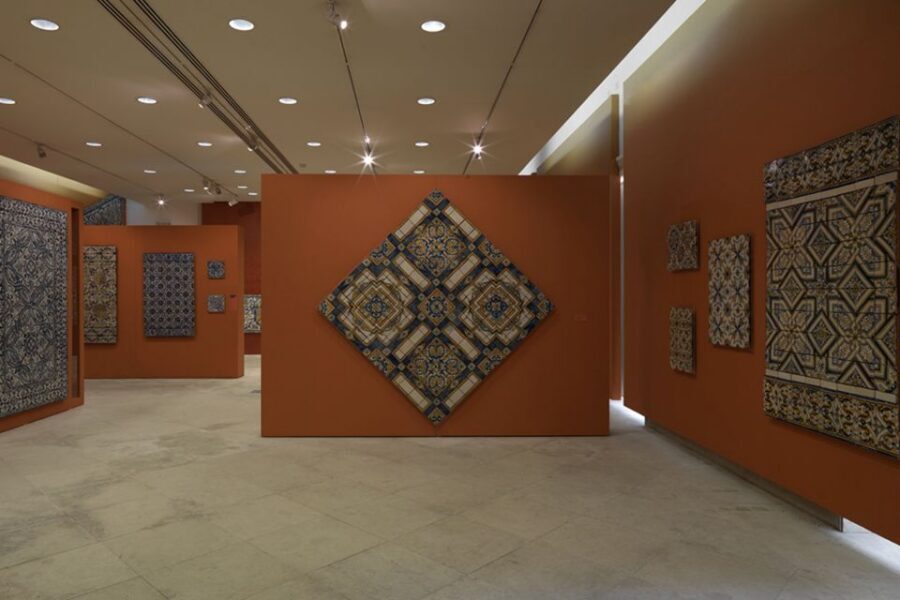
The permanent exhibition covers decorative ceramic tiles or azulejos from the second half of the 15th century to today. After an initial introduction to the materials and techniques used for manufacturing tiles, the exhibition route follows a chronological order.
That chronological setup is a big deal. Tile styles in Portugal didn’t appear out of thin air. They respond to changing tastes, influences, and available materials. When you view the collection as a sequence—older looks, then newer ones—you start noticing patterns you would miss if everything were mixed together.
The museum doesn’t stop at tiles, either. Alongside tile-focused displays, you’ll find ceramics, porcelain, and faience from the 17th to the 21st century. For me, that broader ceramic range makes the visit less one-note. Even if you mainly came for azulejos, you’ll leave with a wider sense of how Portuguese artisans worked with different finishes and materials.
Start Smart: Materials and Techniques Before the Pretty Stuff
One of the most useful parts of the museum is the opening section that explains the manufacturing materials and techniques used for tile production. If you’ve ever wondered why some tiles look crisp and detailed while others feel softer or more graphic, this section helps you connect the visual differences to the craft behind them.
Then the museum route becomes easier to follow. You’re not just looking at artwork. You’re seeing how methods and design conventions evolved.
The Convent Spaces Are Part of the Show
The museum’s location in the Convent of Madre Deus isn’t a backdrop. It shapes your experience. Instead of a generic gallery, you’re walking through spaces created for prayer, ceremony, and daily life. That changes the way the tiles and painted surfaces hit you—tiles feel more integrated into architecture, not just hung on walls like decorations.
Here are the standout areas to look for as you move through:
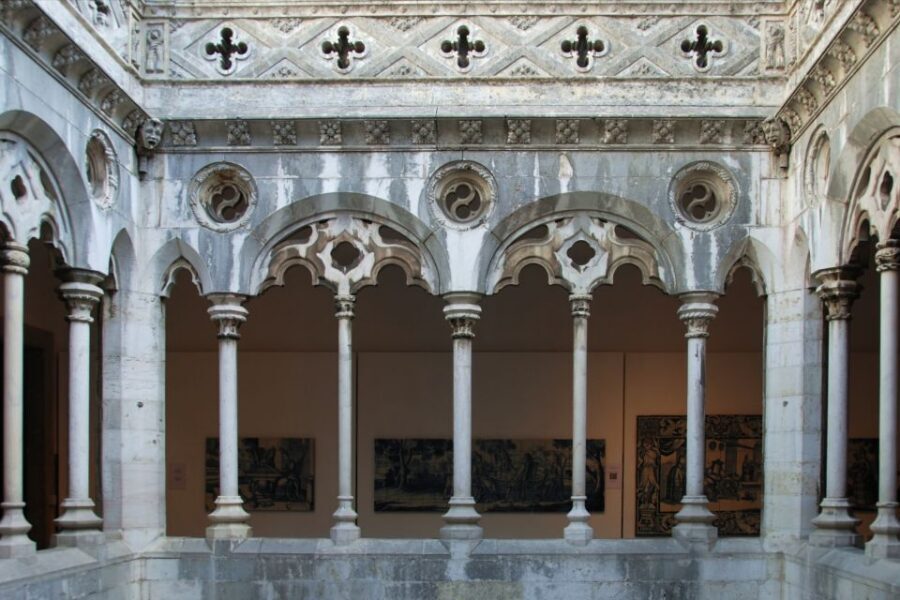
- The 16th-century mannerist cloister: this is where you notice the scale of the building campaign and how the convent grew and transformed over time.
- The church decorated with paintings and tiles: the mix of painted surfaces and tiled decoration gives you a full visual environment rather than isolated tile panels.
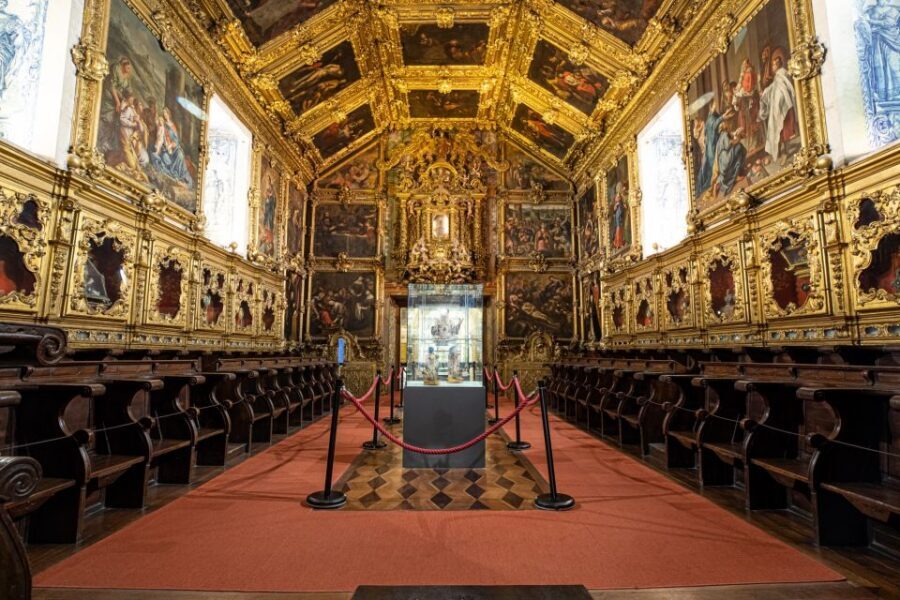
- The sacristy details: there’s a Brazilian wood display cabinet, plus carved wood frames with paintings. Even if you’re focused on azulejos, this area widens the lens to show the broader decorative arts happening in the same place.
- The high choir: look for the rich carved giltwood embellishments. It’s a reminder that Portuguese artistry wasn’t only about ceramics.
- The Chapel of Saint Anthony: the chapel features an 18th-century Baroque decoration and a significant number of canvases by painter André Gonçalves.
If you like religious art, Portuguese craft, or both, this part can become the most memorable. The tiles you came for are still the headline—but the architecture helps you see why tiles mattered so much in Portugal.
You can also read our reviews of more museum experiences in Lisbon






A Walk That Feels Like a Story, Not a Checklist
The museum is set up for a chronological route, so your visit naturally has momentum. You start with techniques, then move forward through changing tile styles and ceramic-related works. As the timeline progresses, you’ll likely find yourself pausing more often. That’s because the comparisons get more interesting. Similar motifs show up in different ways across eras, and you start to understand what changed: color palettes, detailing, composition style, and how scenes were arranged.
One practical note: tile displays don’t always come with super-dense text. Some pieces may not have detailed labels you’d expect. If you want extra context, you might consider using the audio option if it’s available onsite. One report specifically mentioned an audio tour that requires downloading an app and bringing your own headphones—so plan accordingly if you like guided explanations.
Lisbon Tile Museum Café: Don’t Skip the Break
You can make this visit more comfortable by building in time to eat. There’s a reasonable café on site, and many people treat it as part of the day rather than an afterthought. The café tends to get busier, so if you want a calmer stop, it helps to eat early, before lines build up.
If you’re pairing this ticket with another activity nearby, this café break also works as a natural reset. The museum is also close to the Lisbon aquarium, and people often combine the two in the same day with a short ride between them.
Price and Value: Why 11 USD Works Here
At about $11 per person, this is good value for what you get. You’re paying for:
- a well-designed museum route
- Portuguese tilework spanning centuries
- multiple convent-era interiors (not just one hallway of exhibits)
- access to a permanent collection that’s bigger than many first-time visitors expect
This ticket price makes the museum an easy add-on for a half-day or rainy-day plan, especially if you’re already in central Lisbon. And if you end up falling a bit in love with azulejos—totally possible—you’ll feel like you did more than just check a box.
Timing: Opening Hours and Last Entry That Matter
Know the schedule so you don’t rush. The museum opens Tuesday to Sunday with hours split into two blocks:
- 10:00 am to 1:00 pm
- 2:00 pm to 6:00 pm
Last entry is at 5:30 pm.
It’s closed on January 1, Easter Sunday, May 1, June 13, and December 25. If your trip overlaps one of those days, pick another museum day or build a Plan B.
You’ll also see time slots tied to availability since your entry ticket is valid for 1 day, with starting times depending on what’s available when you book.
Logistics You Should Know: Ticket Timing and Entry
Your ticket covers entry, but it’s not described as a skip-the-line ticket. That means you should still expect normal arrival traffic at the main entrance. Your best move is simple: arrive with enough buffer so you can settle in, not sprint through rooms.
Meeting point is straightforward: go to the museum and show your ticket at arrival at the main entrance. Then you explore at your own pace and you end back at the meeting point when you’re done.
Who This Museum Is For (and Who Might Not Love It)
This works especially well if you:
- like art that has a craft side, not just a gallery side
- want a clear, learn-as-you-go museum visit
- enjoy architecture settings with built-in atmosphere
- are curious about Portuguese identity through design
You might not love it as much if you need museum labels to be extremely text-heavy or if you only want fast, broad sightseeing. This is a sit-with-it place, even if the total time on site is often around 1.5 hours.
Should You Book the National Tile Museum Entry Ticket?
Yes—this is a strong booking for most Lisbon plans. For the price, you get a multi-space museum in the former Convento Madre Deus, a real chronological walk through Portuguese tile styles, and some memorable church-and-chapel interiors. If you’ll be in Lisbon during open days and you’re open to learning how tiles are made and why they look the way they do, it’s an easy yes.
If you prefer to avoid waiting, consider arriving early in the opening window and plan to pair it with nearby activities like the aquarium.
FAQ
How long can I use the Lisbon National Tile Museum entry ticket?
The ticket is valid for 1 day. Starting times depend on availability.
Does this ticket skip the line at the National Tile Museum?
No. This is not described as a skip-the-line entry ticket.
How long should I plan to spend inside?
Many visits are around 1 hour 30 minutes, though your pace will depend on how long you linger in the convent spaces and chapel areas.
What are the opening hours and last entry time?
Tuesday to Sunday, 10:00 am to 1:00 pm and 2:00 pm to 6:00 pm. Last entry is at 5:30 pm. Closed on January 1, Easter Sunday, May 1, June 13, and December 25.
Where do I enter and what do I show?
Enter at the National Tile Museum main entrance and show your ticket on arrival.
Is the museum wheelchair accessible?
Yes, the activity is wheelchair accessible.
What should I bring for the visit?
Bring a passport or ID card, comfortable shoes, a camera, water, and comfortable clothes.