REVIEW · LISBON
Lisbon: Portuguese street food cooking class with Drinks
Book on GetYourGuide →Operated by Compadre Cooking School · Bookable on GetYourGuide
In This Review
- Lisbon Street Food Class: Three Snacks, One Great Meal
- Key Things I’d Prioritize Before You Book
- A 2-Hour Street Food Reset at Compadre Cooking School
- Meet the Menu: Bifana, Caldo Verde, and Peixinhos da Horta
- What You’ll Actually Cook (and Why It Matters)
- Bifana: The Sandwich That Packs Flavor
- Caldo Verde: Collard Greens Soup Without the Guesswork
- Peixinhos da horta: Light Frying With a Portuguese Twist
- How the Class Feels: Teaching, Teamwork, and Clear Steps
- Drinks, Ginja, and the Shared Table Finish
- Wine
- Ginja
- Price and Value: What $55 Actually Buys You
- Practical Tips Before You Show Up
- Wear comfortable shoes and clothing
- Arrive about five minutes early
- Smoking and outside substances
- Dietary needs
- Who This Class Is For (and Who Should Skip It)
- Should You Book This Lisbon Street Food Cooking Class?
- FAQ
- How long is the cooking class?
- Where is the meeting point?
- What dishes will I cook?
- Is the class taught in English?
- Do I need prior cooking experience?
- What drinks are included?
- What should I bring or wear?
- Is it wheelchair accessible?
Lisbon Street Food Class: Three Snacks, One Great Meal
Three Portuguese snacks, one shared table, no stress. I like this kind of experience because it turns famous local comfort food into something you can actually make again at home, fast. You’ll be working at Compadre Cooking School in Lisbon with an English-speaking chef, learning the why behind the flavors, not just the how. Expect hands-on cooking and stories that connect Bifana and soup to everyday Portuguese life.
What I really like is the practical menu. You’ll prepare classic street favorites like Bifana (pork sandwich), Caldo verde (collard greens soup), and Peixinhos da horta, the dish that helped inspire the world-famous idea of tempura. Second, I appreciate the full meal payoff: you cook together, then sit down with wine and end with Ginja (Portuguese cherry liqueur), so the class feels like a real evening out, not a demo.
One consideration: this is hands-on throughout, and if you prefer lots of stand-and-watch explanation, you may feel the instruction sometimes moves quickly into doing. Also, it is not suitable for wheelchair users, so plan accordingly.
Key Things I’d Prioritize Before You Book
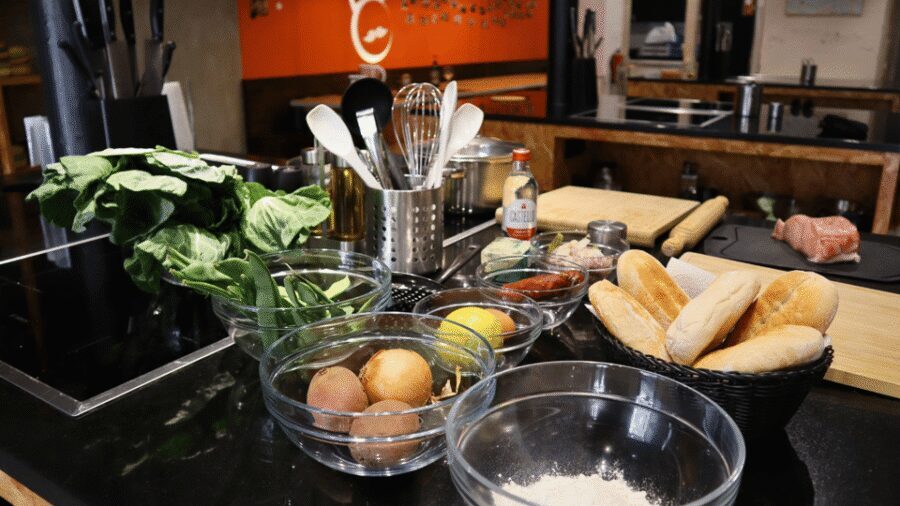
- Hands-on stations to cook all (not just watch) during the full 2-hour session
- English instruction with chefs who explain the origins and roles of each dish
- Bifana + Caldo verde + Peixinhos da horta in one go, including the tempura connection
- Wine plus Ginja built into the experience, not an optional add-on
- Clean, organized cooking space and enough room to work comfortably
- Recipes designed to be repeatable in your own kitchen after the class
You can also read our reviews of more food & drink experiences in Lisbon


A 2-Hour Street Food Reset at Compadre Cooking School
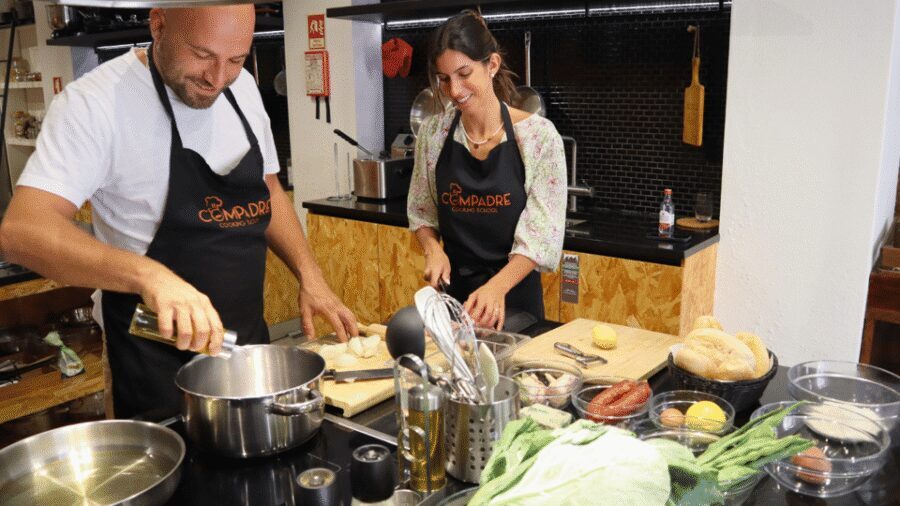
This class is built around a simple idea: Portuguese street food is meant to be made by real people, in real places, at real speed. In two hours, you’ll go from ingredients to a finished shared meal, guided step-by-step by a chef at Compadre Cooking School’s kitchen in Lisbon.
The location matters. When you start at a cooking school kitchen (not a cramped back room), you can focus on the food instead of juggling space. That also helps you move through multiple dishes without the stress of equipment shortages or unclear steps. The group works together, and the pace is designed so you participate rather than just hover.
If you’re thinking about timing, arrive a few minutes early. The class asks you to show up about five minutes early so you can settle in, get oriented, and start cooking right away. With cooking classes, that first stretch sets the tone. You want calm, not rushed.
Meet the Menu: Bifana, Caldo Verde, and Peixinhos da Horta
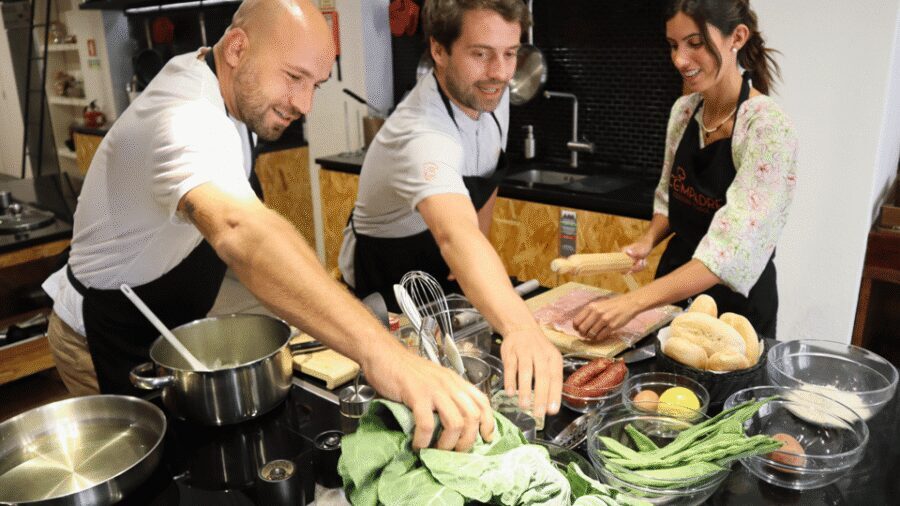
The most valuable part of this experience is that it avoids the usual beginner-only list. Instead of limiting the class to one famous pastry, you’re cooking three dishes that show different sides of Portuguese comfort food.
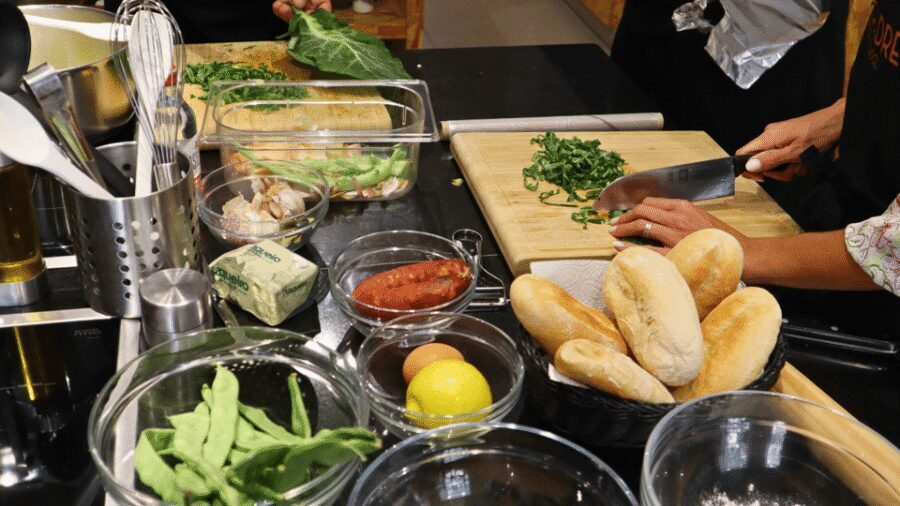
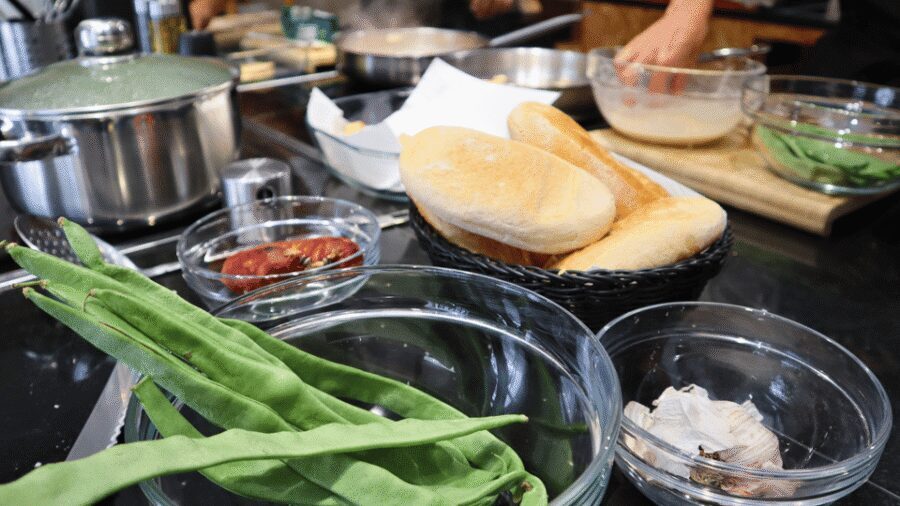
Bifana is the pork sandwich you see everywhere in Portugal. Here’s the key: it’s not just meat in bread. It’s the flavor base and cooking approach that makes the sandwich taste like street food—savory, punchy, and built for fast eating. You’ll learn how to create the sandwich components so they hold up, so it stays juicy and not soggy.
Caldo verde is the collard greens soup that feels like a hug. The trick is balancing greens, broth, and seasoning so it tastes deep without being complicated. In class, you learn the approach behind the flavor and the texture, including how to keep the soup smooth and satisfying rather than bland.
Then there’s Peixinhos da horta, the dish that inspired tempura. That detail alone is worth keeping in mind, because it gives you a different lens: you’re not just making a fritter; you’re making a piece of Portuguese culinary history that connects to a broader frying tradition. You’ll learn the method so the result is light and crisp, with flavor that still feels Portuguese.
What You’ll Actually Cook (and Why It Matters)
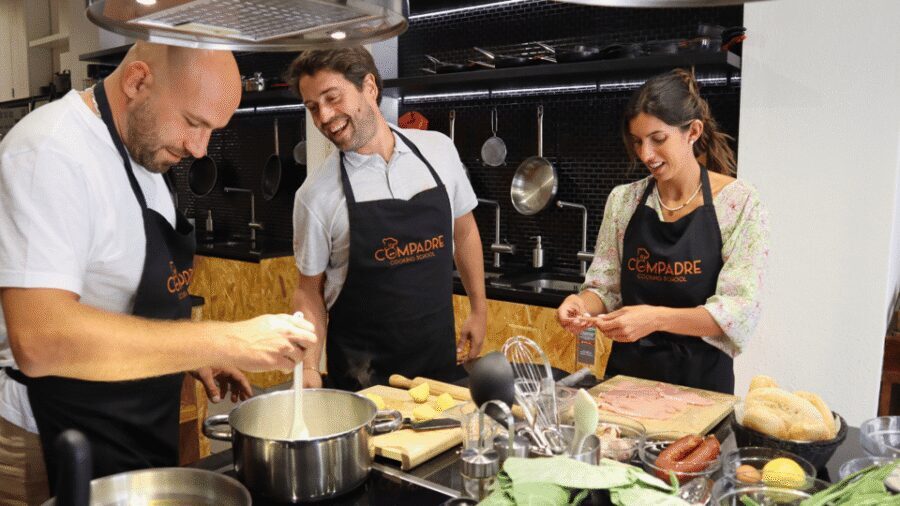
You’re not getting a “look at this, taste this” experience. You’ll be at the stove and the prep stations with fellow participants, guided by the chef. The format is important because it teaches you technique, not just recipes.
Bifana: The Sandwich That Packs Flavor
You’ll work on the pork sandwich elements with your chef guiding the key steps. The goal is a result that you’d happily grab at a snack bar: tender pork, a flavorful sauce, and bread that fits the job. The most practical takeaway is learning how to season and cook the pork in a way that stays bold even after it meets bread.
If you like food that feels flavorful without being fussy, this is your anchor dish. It’s also the one you’ll most likely re-make at home because it’s naturally portable.
You can also read our reviews of more tours and experiences in Lisbon




Caldo Verde: Collard Greens Soup Without the Guesswork
Caldo verde can go wrong in simple ways—too thick, too flat, or greens that taste harsh. In class, you learn the method that keeps it balanced. You’ll make a soup that tastes like Portugal: comforting, savory, and built from ingredients that most people can find again later.
This is also the dish that helps you understand Portuguese flavor style. It leans on seasoning and texture control, which means the lesson transfers beyond the soup itself.
Peixinhos da horta: Light Frying With a Portuguese Twist
Frying always sounds easy until you’re the one doing it. This is where the class helps most: you’ll learn the approach that gives crispness while keeping flavor intact. Plus, because this dish inspired tempura, you get an extra bonus in understanding frying logic—how batter and frying time work together.
In plain terms, you’re practicing a technique you can reuse. Beans or vegetables, similar batter logic—once you know what you’re aiming for, you can adapt later.
How the Class Feels: Teaching, Teamwork, and Clear Steps
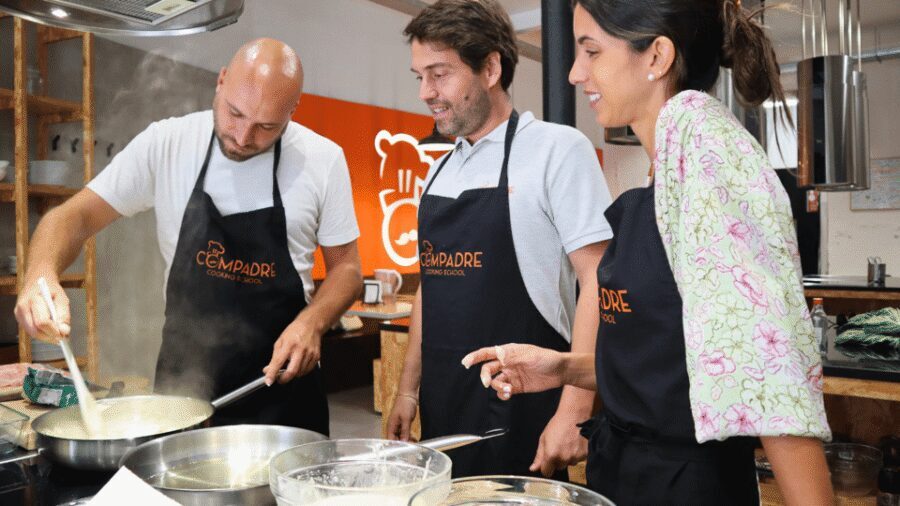
The best part of cooking classes is when the instruction stays simple enough to follow but specific enough to improve your results. This one follows that sweet spot. The teaching is in English, and you’ll be working side by side with other participants at stations.
You may cook with instructors named Marta and Anna, and in some sessions you might also have Roy working with the group. Across the experience, the consistent theme is clear guidance plus a friendly kitchen vibe. People also note that the atmosphere is welcoming from arrival to cleanup, which matters when you’re stepping into a kitchen environment in a new country.
The group setup is also part of the value. Cooking together means you keep moving through tasks instead of waiting for someone else to finish. One review also pointed out that it can feel hands-on with less pure instruction time, so if you want extra lecturing, just ask questions while you’re working. Chefs tend to respond well to direct curiosity.
Drinks, Ginja, and the Shared Table Finish
After cooking, you don’t just leave with recipes. You sit down with what you made. That shared meal moment is a big deal because you get to taste your food in context, with other dishes on the table. It’s also a low-effort way to meet people in Lisbon—especially if you’re traveling solo.
Wine
You’ll be served a glass of wine, either red or white. This is part of the structure of the class, so you’re not scrambling to find a bar afterward just to make the evening feel complete. It also helps the pacing: you finish cooking, then shift into enjoying.
Ginja
Then comes Ginja, Portuguese cherry liqueur. This ending is a fun cultural signal. You get a local flavor that feels tied to the country’s snack-bar world, not just a generic travel souvenir drink. If you’ve had Ginja before, you’ll appreciate the connection to the dishes you just learned. If you haven’t, it’s a memorable closer that feels Portuguese.
Price and Value: What $55 Actually Buys You
At $55 per person for a 2-hour session, the value depends on what you expect from the experience.
You’re paying for more than ingredients. You’re paying for:
- Chef guidance throughout the cooking process
- All ingredients for multiple dishes
- A complete shared meal, not a tiny tasting
- Wine plus Ginja, which would cost extra if you did it separately
If you tried to recreate this on your own in Lisbon, you’d still need ingredients, kitchen access, and time. You’d likely end up learning slowly by trial and error. Here, you’re compressing a lot into two hours with a guided workflow.
Also, the class is designed to be doable even without prior cooking experience. That matters because it reduces the risk of feeling out of place or failing in a kitchen.
Practical Tips Before You Show Up
A few details can make the difference between an easy class and a mildly annoying one.
Wear comfortable shoes and clothing
Cooking involves standing, moving, and working near heat and counters. The school asks for comfortable shoes, and I agree—your feet will thank you. Wear clothing that’s comfortable if you get a little splatter.
Arrive about five minutes early
The schedule expects you to settle in quickly. Arriving early helps you start without stress.
Smoking and outside substances
Smoking isn’t allowed. You also can’t bring alcohol or drugs. The class provides your drinks (wine and Ginja), so don’t plan on adding your own.
Dietary needs
If you have a specific diet, you can contact the operator. The class can adapt recipes based on the information you share. This is the right move if you eat vegetarian, avoid certain ingredients, or have other restrictions. Don’t wait until the last moment.
Who This Class Is For (and Who Should Skip It)
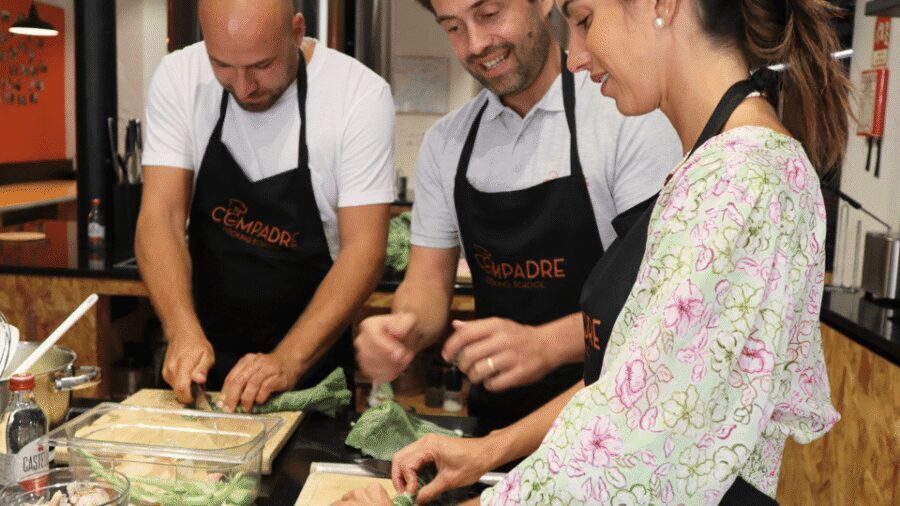
This Lisbon Portuguese street food cooking class fits best if you want a hands-on cultural experience that doesn’t eat half your day.
It’s especially good for:
- Food lovers who want repeatable recipes
- Travelers who like group activities but still want real participation
- People curious about Portuguese snacks beyond cod and pastéis de nata
It may not be ideal if:
- You need wheelchair accessibility (this class is not suitable for wheelchair users)
- You prefer long explanations over doing the cooking
- You want a flexible schedule longer than two hours
Should You Book This Lisbon Street Food Cooking Class?
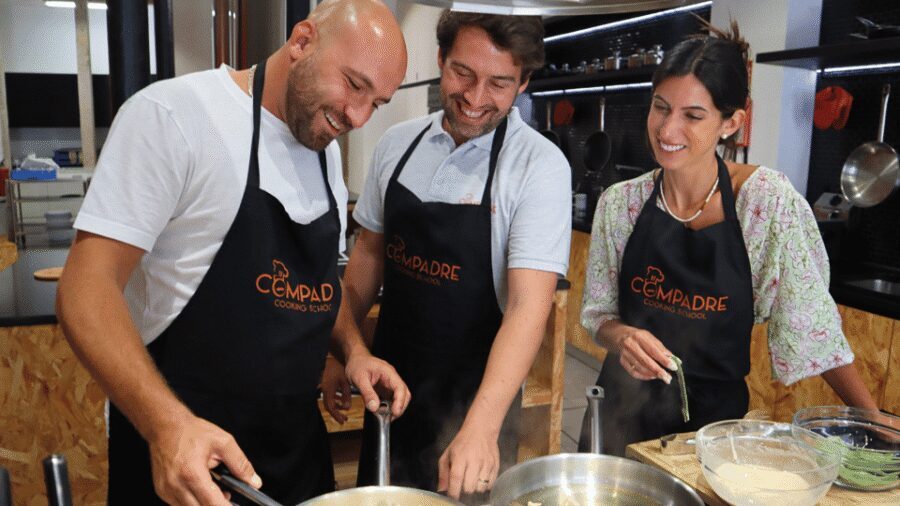
I’d book it if you want a focused, high-value introduction to Portuguese street food that ends with you eating what you made—plus wine and Ginja. The menu is strong and teachable: Bifana, Caldo verde, and Peixinhos da horta cover sandwich comfort, soup comfort, and frying technique, all with clear cultural stories.
If $55 feels steep, think about what you’re getting: multiple dishes, ingredients included, chef-led cooking, and a proper shared meal with drinks. For most travelers, that’s a fair deal compared with piecing together a dinner, drinks, and a guided activity separately.
FAQ
How long is the cooking class?
It lasts 2 hours.
Where is the meeting point?
You meet at the Compadre Cooking School kitchen in Lisbon District, Portugal.
What dishes will I cook?
You’ll learn to prepare Bifana, Caldo verde, and Peixinhos da horta.
Is the class taught in English?
Yes, the instructor is listed as English-speaking.
Do I need prior cooking experience?
No prior cooking experience is needed.
What drinks are included?
You get a glass of wine (red or white) and a tasting of Ginja (Portuguese cherry liqueur).
What should I bring or wear?
Wear comfortable shoes and comfortable clothing suitable for cooking. Arrive about 5 minutes early.
Is it wheelchair accessible?
No, it is not suitable for wheelchair users.
If you want, tell me your dates and any dietary needs, and I’ll help you decide whether this fits better than other Lisbon food tours with more or less cooking time.