REVIEW · LISBON
Lisbon: Traditional Portuguese Cooking Class
Book on GetYourGuide →Operated by The Chefs Company · Bookable on GetYourGuide
That first bite sets the tone. This small-group class turns Lisbon into a working kitchen, with hands-on Portuguese cooking plus a meal you actually make. You also get the story side of the food, not just recipes on a card.
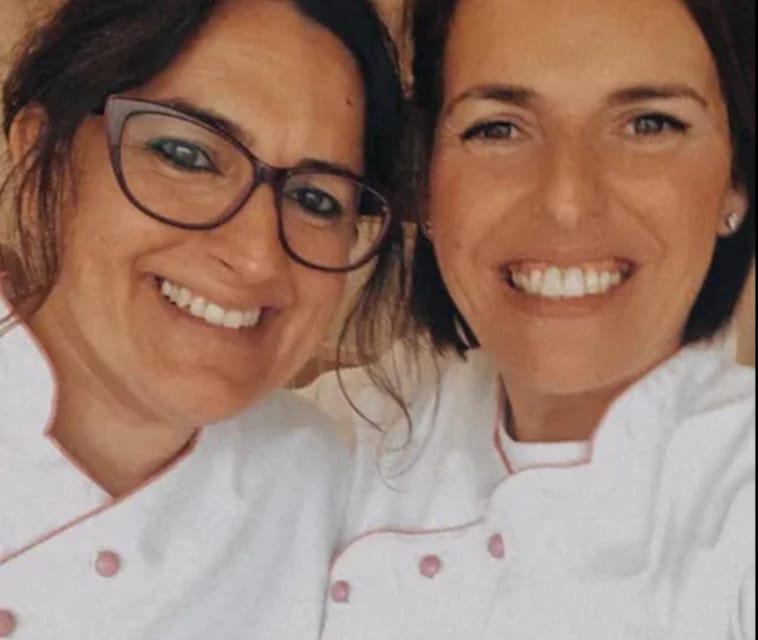
I especially love that the menu follows fresh, local, seasonal ingredients, so what you cook feels tied to the time of year. And with chefs like Ana and Karina (plus the occasional name you may hear in class, like Hannah), you get friendly instruction in English and Portuguese.
One consideration: the experience isn’t for everyone. It’s not suitable for vegans, wheelchair users, children under 8, or people with food allergies, and you’ll need to flag dietary needs at least 72 hours ahead.
In This Review
- Key Highlights You’ll Care About
- Finding The Top-Floor Kitchen Near Continente Bom Dia
- The 3-Hour Flow: Tasting, Cooking, Eating What You Made
- Cheese, Chorizo, and Wine: The Warm-Up Course
- Starter, Main, Dessert: How the Class Teaches Portuguese Cooking
- Starter: Learning the flavor base
- Main course: Technique over fuss
- Dessert: Ending sweet, not sticky
- Seasonal Menu Changes: Why It Makes the Class Worth $94
- Price and value, honestly
- English and Portuguese Instruction in a Kitchen That Feels Friendly
- Small Group Size: Why Up to 10 People Makes You Learn Faster
- What If You Have Dietary Needs?
- Logistics That Actually Matter in Lisbon
- Who This Class Is Best For (and Who Should Skip)
- Should You Book This Lisbon Cooking Class?
- FAQ
- How long is the Lisbon Traditional Portuguese Cooking Class?
- How many people are in the group?
- What does the class include?
- Is the cooking hands-on or do we just watch?
- What languages are used during the class?
- Where is the meeting point?
- Do they accommodate vegetarians?
- Are vegan options available?
- What about children or age limits?
- Are there accessibility limitations?
Key Highlights You’ll Care About
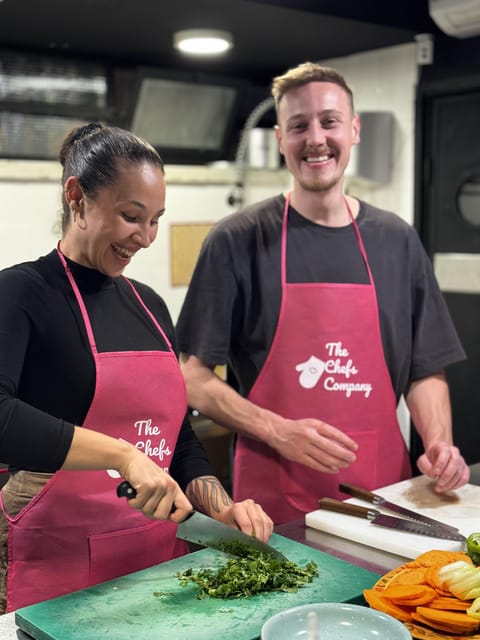
- Small group of up to 10 means real attention while you cook
- Cheese, chorizo, and wine tasting gets the evening going
- Starter, main, and dessert so you learn the full arc of a Portuguese meal
- Seasonal menu changes keeps the class from feeling copy-paste
- Story-driven teaching connects techniques to everyday Portuguese life
Finding The Top-Floor Kitchen Near Continente Bom Dia
Meeting up in Lisbon can be half the battle, so I’m glad this one is straightforward. Your kitchen is on the top floor above the street, and the directions are specific enough to follow even if you’re running a few minutes late.
Go near the Continente Bom Dia supermarket. Face the main door. On your left side, look for stairs and head up until the end. The kitchen is in that upper square area. It’s a little out of the way compared with street-level restaurants, but that’s part of the point: you’re stepping into a working chef’s setup, not a tourist theater.
If you’re pairing this with other plans that evening, build in a short buffer. The area is busy, but once you’re on the right stairs, you’re set.
You can also read our reviews of more cooking classes in Lisbon


The 3-Hour Flow: Tasting, Cooking, Eating What You Made
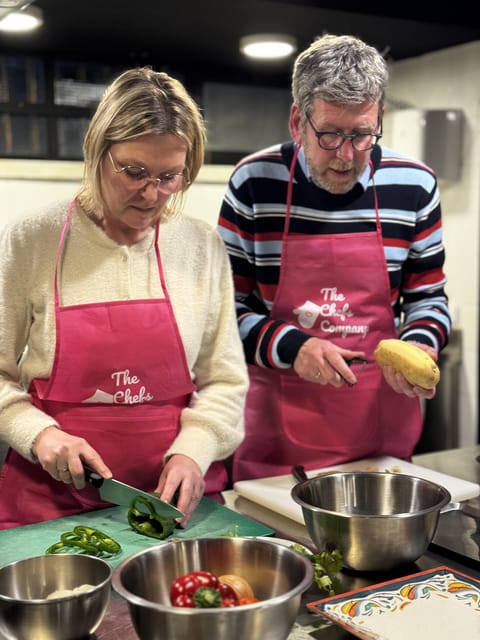
This runs about 3 hours, and the rhythm matters. You don’t just stand around watching someone else cook. You get a tasting to start, then you rotate through cooking steps for a starter, main course, and dessert, and you finish by enjoying the meal as a group in a relaxed setting.
What I like about the timing is that it’s long enough to actually learn, but short enough that you still feel fresh at the end. Lisbon evenings can run late, and this class fits nicely without turning your night into a 6-hour marathon.
Also, the atmosphere is intentionally calm. You’re meant to cook, ask questions, and laugh when things get messy. That matters because Portuguese cooking often rewards technique you can only pick up when you’re actively doing it—chopping, mixing, tasting as you go, and adjusting.
Cheese, Chorizo, and Wine: The Warm-Up Course
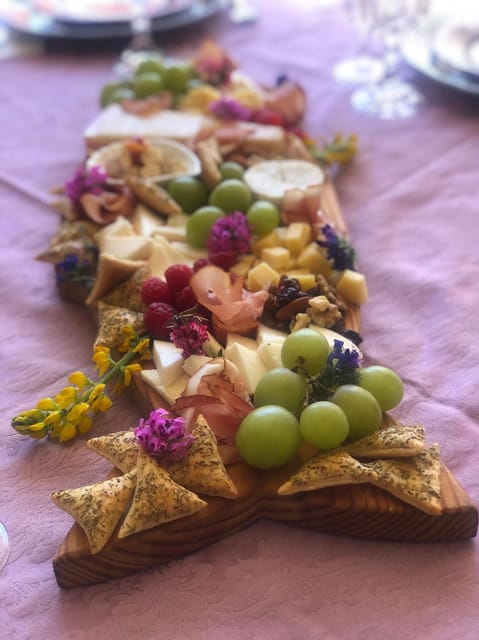
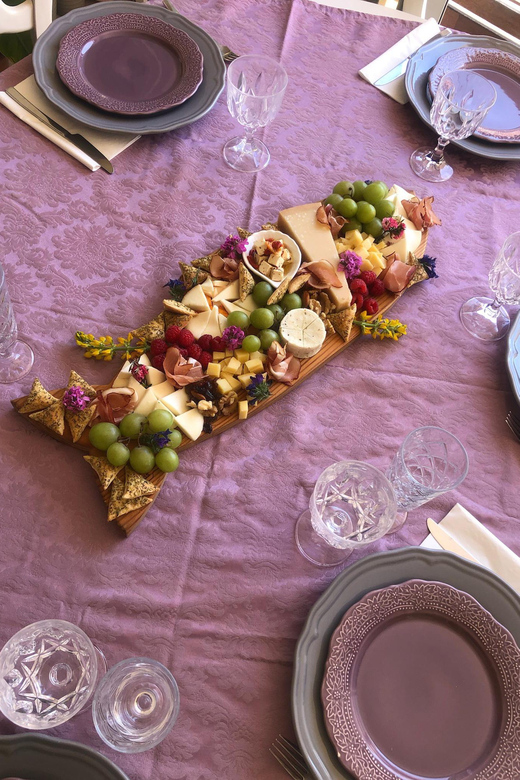
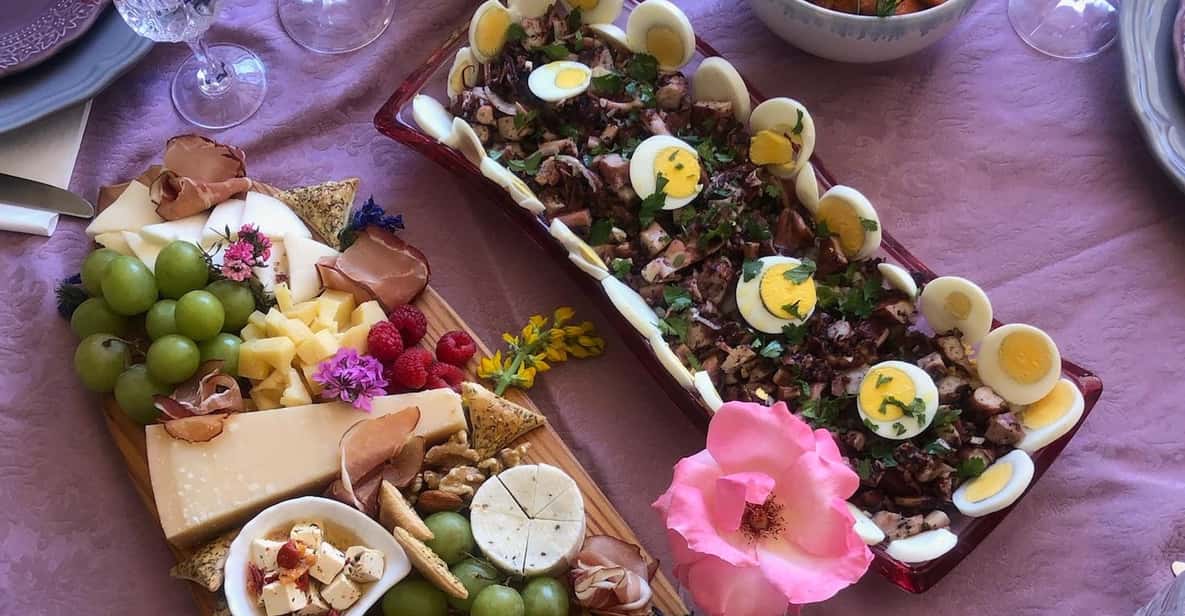
Before the stove gets busy, you start with a tasting of cheeses, chorizo, and wines. Think of this as your flavor orientation. You’re learning what “good” tastes like in the Portuguese context—salty, creamy, smoky, and fruit-forward notes that show up again later in the cooking.
It’s also a smart way to break the ice. A small group of up to 10 makes conversation easier, and sharing food early means you don’t feel like strangers standing in a kitchen.
One more practical point: if you have any strong preferences about wine, you’ll want to pace yourself. The class includes wine tasting, but you’re also going to be working with hot surfaces and sharp tools, so treat it like a tasting—not a night out that starts with a buzz.
Starter, Main, Dessert: How the Class Teaches Portuguese Cooking
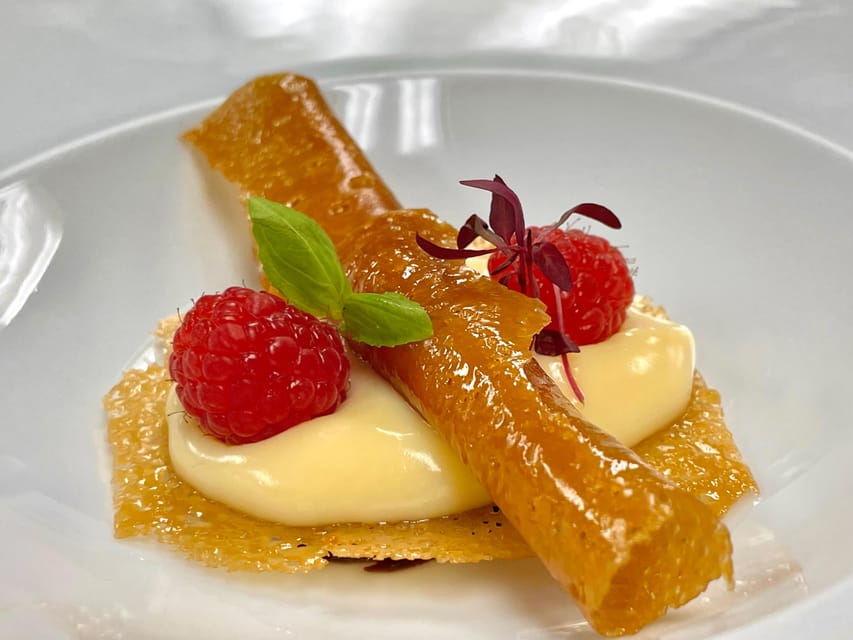
The structure is refreshingly clear: you cook a starter, then a main course, then a dessert. That full-course flow helps you understand Portuguese meals as a whole system, not a grab-bag of recipes.
Starter: Learning the flavor base
Your starter phase is where you build foundations—texture, seasoning, and balancing richness with acidity or freshness (depending on the seasonal menu). You’ll be guided through how to handle ingredients and how to taste so you can correct as you cook.
This is one of the best parts for home cooks. Even if you’ve cooked before, you’ll learn how Portuguese chefs think about layering flavors, not just following steps.
You can also read our reviews of more tours and experiences in Lisbon





Main course: Technique over fuss
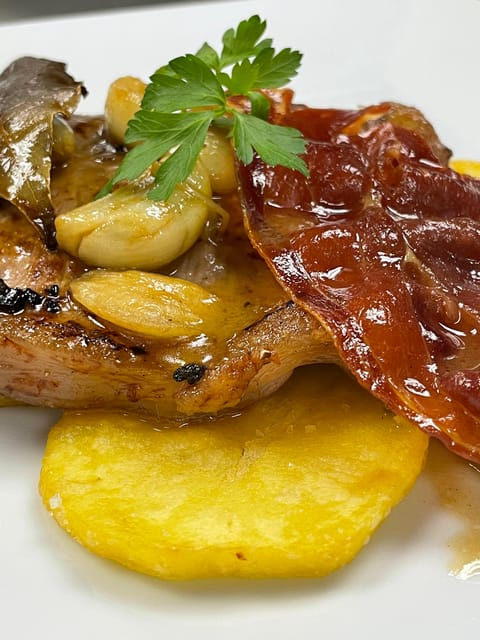
The main course is the heart of the meal, and it’s where the class tends to feel most satisfying. You learn how to work ingredients without overcomplicating things—using straightforward methods and paying attention to how heat and timing affect outcomes.
You’ll also notice how often storytelling comes up. The instructors tie what you’re doing to where the dish comes from and how it fits into everyday Portuguese life. That’s not “extra fluff.” It’s motivation. When you know the why, you remember the how.
Dessert: Ending sweet, not sticky
The dessert segment rounds everything off. Portuguese sweets aren’t always heavy, and a good dessert teaches you the finishing touches: texture, sweetness level, and how to bring the dish together so it feels complete.
Dessert is often the part people forget to learn on vacation. Here, you get to do it, not just eat it.
Seasonal Menu Changes: Why It Makes the Class Worth $94
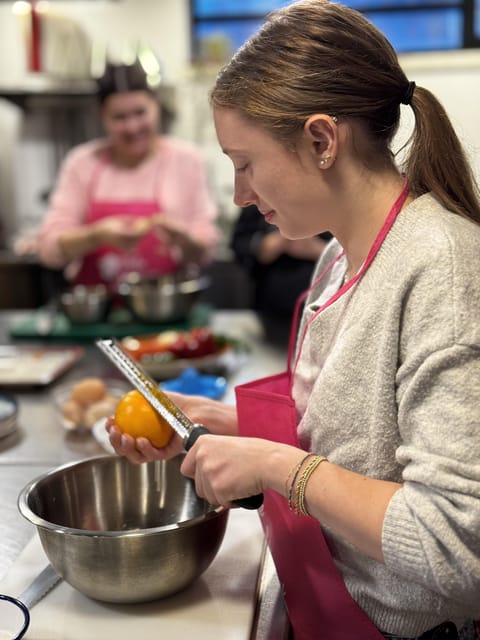
The menu changes with seasonal and local ingredients, which is a big deal for value. A class that repeats the same program year-round can be fun, but it can also feel generic. Here, you’re cooking what’s actually available and at its best.
For you, that means the ingredients you taste are likely to be more flavorful, and the techniques make more sense. If you’re trying to recreate the meal later at home, seasonal logic is what helps you adapt when your local market doesn’t carry the exact same item.
Price and value, honestly
At $94 per person for a 3-hour small-group class, you’re paying for three things at once:
- real instruction (not just watching),
- a full meal (starter + main + dessert),
- and tasting components (cheese, chorizo, and wines).
When you price that out like a normal night in Lisbon—food, drinks, and a paid experience with teaching—the number starts to feel more reasonable. You’re not just buying dinner. You’re buying skills, plus a meal you can repeat.
English and Portuguese Instruction in a Kitchen That Feels Friendly
The instructors teach in English and Portuguese, and the vibe matters: many people want a class that feels safe to ask questions in, especially if their cooking skills are rusty.
Based on what you’ll experience, expect a teaching style that mixes:
- step-by-step guidance,
- quick corrections when needed,
- and plenty of conversation while you work.
Chefs like Ana and Karina are described as funny and warm by guests who went in expecting a simple dinner and got a real lesson. Even if you’re an experienced cook, it’s still a chance to learn how Portuguese flavors fit together.
One tip: listen with your hands. When the chef explains something, watch their timing and then copy it right away. In cooking classes, the lesson sticks fastest when you immediately apply it.
Small Group Size: Why Up to 10 People Makes You Learn Faster
With a group capped at 10, you’re less likely to get stuck waiting. In bigger classes, one person dominates while everyone else watches. Here, you get more chances to do the work—chopping, mixing, assembling, and tasting—so your brain actually connects the steps to the result.
This also matters for questions. If you’re curious about a technique or a specific ingredient, there’s room to ask instead of guessing later from memory.
And it helps the social side, too. Food classes are more enjoyable when you can talk to the people next to you while you cook, not when you’re silently squeezed into a corner.
What If You Have Dietary Needs?
Here’s the practical reality: you need to communicate dietary restrictions at least 72 hours before the class. If you’re vegetarian, the menu can be adapted—again with advance notice.
But the experience is not suitable for vegans and it’s not suitable for people with food allergies. That’s important. Don’t hope it will work out at the last second.
So if you’re booking with a dietary limitation, do this early:
- message the organizer at least 72 hours in advance,
- be clear about what you can’t eat,
- and confirm that an appropriate substitute is possible.
If you have food allergies, I’d treat this as a hard no based on the stated limitations.
Logistics That Actually Matter in Lisbon
This is one of those experiences where small details reduce stress.
- You’re meeting at a kitchen on the top floor, so plan for stairs.
- Transportation isn’t included, so decide how you’ll get there. (Lisbon is walkable in patches, but some neighborhoods steepen quickly.)
- The class is not for wheelchair users, so accessibility planning matters.
- Pets aren’t allowed.
Also, the instructors cover the class in English and Portuguese, so if you speak English, you’re safe. If you speak Portuguese, you’ll likely pick up more from the side conversations and cooking talk.
Who This Class Is Best For (and Who Should Skip)
This cooking class is a great fit if:
- you want hands-on learning, not a lecture,
- you like Portuguese food and want the “why” behind dishes,
- you enjoy meeting people in small settings,
- and you want a full starter-to-dessert meal you can recreate later.
It might not be the right choice if:
- you’re vegan or dealing with food allergies,
- you need wheelchair access,
- you’re traveling with kids under 8,
- or you’re looking for a purely passive sightseeing activity.
Should You Book This Lisbon Cooking Class?
I’d book it if your ideal Lisbon day includes cooking with real ingredients, learning technique you can repeat, and eating something you helped make. The combination of small group size, a full meal, and a seasonal menu makes the price easier to justify.
Skip it if you fall into the stated limitations—especially food allergies or vegan requirements—because the class isn’t designed around substitutions for those needs.
If you’re on the fence, here’s your decision shortcut: choose this if you want to leave with both memories and kitchen skills. If you just want to eat, Lisbon has plenty of great restaurants. But if you want the story, the process, and a chef-led meal in about three hours, this is exactly the kind of experience that makes a trip feel personal.
FAQ
How long is the Lisbon Traditional Portuguese Cooking Class?
It lasts 3 hours.
How many people are in the group?
The class is limited to a small group of 10 participants.
What does the class include?
You get a tasting of cheeses, chorizo and wines, and you cook a starter, main course, and dessert.
Is the cooking hands-on or do we just watch?
It’s a hands-on cooking class where you prepare the dishes.
What languages are used during the class?
The instructors teach in English and Portuguese.
Where is the meeting point?
The kitchen is on the top floor near the Continente Bom Dia supermarket. Facing the main door, go up the stairs on the left side until the end.
Do they accommodate vegetarians?
Yes, the menu can be adapted for vegetarians, but you must communicate your needs at least 72 hours in advance.
Are vegan options available?
The experience is not suitable for vegans.
What about children or age limits?
It’s not suitable for children under 8 years.
Are there accessibility limitations?
The experience is not suitable for wheelchair users.