REVIEW · LISBON
Lisbon: African History and Heritage Walking Tour
Book on GetYourGuide →Operated by Autêntica - Travel Experience · Bookable on GetYourGuide
Lisbon has an Africa you can walk. This African History and Heritage walking tour links everyday streets to serious moments in Iberian history, from Moorish influence in Alfama to Lisbon’s role at the start of the transatlantic slave route. You’ll connect names, places, and built details into one clear story of African presence in Portuguese life.
I love the way the route turns small landmarks into history lessons you can see with your own eyes. Stops like Alfama and Chafariz d’El Rei make social systems feel real, not distant. And I also like that the experience is led by guides such as Jose or Al (and others, depending on the departure), who stay focused on answering questions and explaining how Africans and African cultures shaped Portugal.
One drawback to plan for: this is a walking tour in hilly streets, and it isn’t suitable for people with mobility impairments. Also, food and drinks aren’t included, so you may want to eat before you go (or plan for a short break during the walk).
In This Review
- Key points that make this tour worth it
- Entering Lisbon With a New Set of Historical Glasses
- Meeting at A Padaria Portuguesa and What the 3.5 Hours Is For
- Alfama’s Moorish Foundations: Where North Africa Shows Up First
- Chafariz d’El Rei: Social Class Written in a Fountain
- Campo das Cebolas: The Port, the Arrival, and the Weight of It
- Praça do Comércio and Baixa: Trade Power Meets 1755 Shock
- Rua Cor de Rosa and Rossio: Where Daily Life Shows Up
- Church of S. Domingos: Religion, Integration, and What People Built
- Rossio Train Station and the Berlin Conference Era
- Price and Value: Is $176 Worth It?
- Comfort, Footwear, and Who Should Book
- Should You Book Lisbon: African History and Heritage?
- FAQ
- How long is the Lisbon: African History and Heritage Walking Tour?
- What does it cost?
- Where do I meet the guide?
- What’s included in the tour price?
- Which languages are offered?
- Is the tour suitable for people with mobility impairments?
Key points that make this tour worth it
- Alfama connects Lisbon to Moorish foundations and the longer relationship between North Africa and the city.
- Chafariz d’El Rei is a visual lesson on social class, including how Africans appear in the historic ordering of life.
- Campo das Cebolas ties Lisbon’s port history to the arrival of African enslaved people in Europe.
- Praça do Comércio and Baixa bring in the shock of the 1755 earthquake and how societies rebuilt around trade and power.
- Rua Cor de Rosa and Rossio show how African communities lived inside Portuguese society, including religious integration.
- Rossio station connects 19th-century Portuguese ambition to the Berlin Conference-era scramble for colonies.
Entering Lisbon With a New Set of Historical Glasses
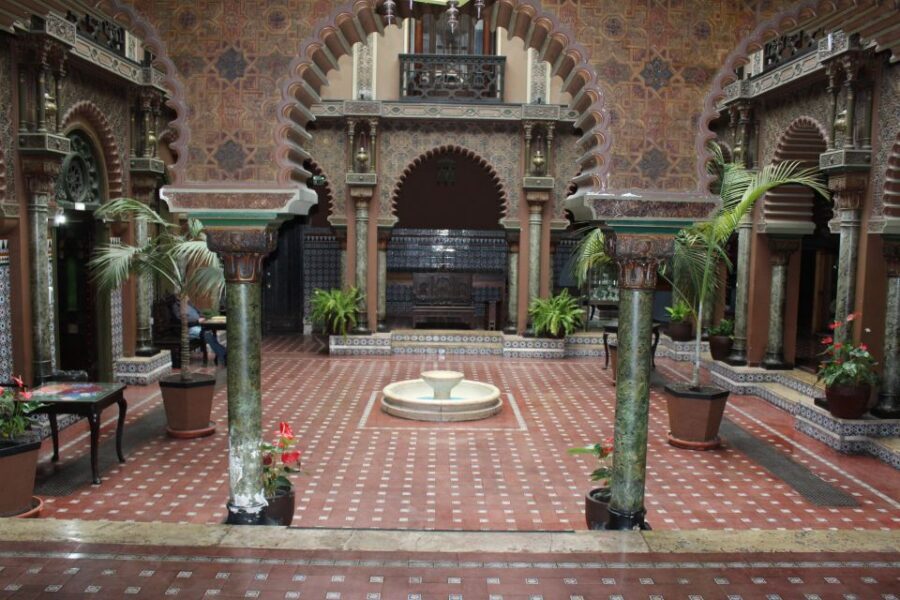
This tour works because it doesn’t treat African heritage as a side note. It treats it as part of Lisbon’s core story: where people came from, how societies were organized, and how power moved through trade and religion. The walk is about seeing patterns—on walls, in street layouts, and in the way different neighborhoods were shaped.
You’ll also notice that the pace is built for explanation. It’s not just point-and-look. Your guide sets the scene, then uses each stop to answer a bigger question: how did Africans fit into Portugal’s history, and how do you still see that footprint today?
That’s why this feels different from a basic sights tour. You’re not chasing a checklist. You’re learning to read the city.
You can also read our reviews of more walking tours in Lisbon
Meeting at A Padaria Portuguesa and What the 3.5 Hours Is For
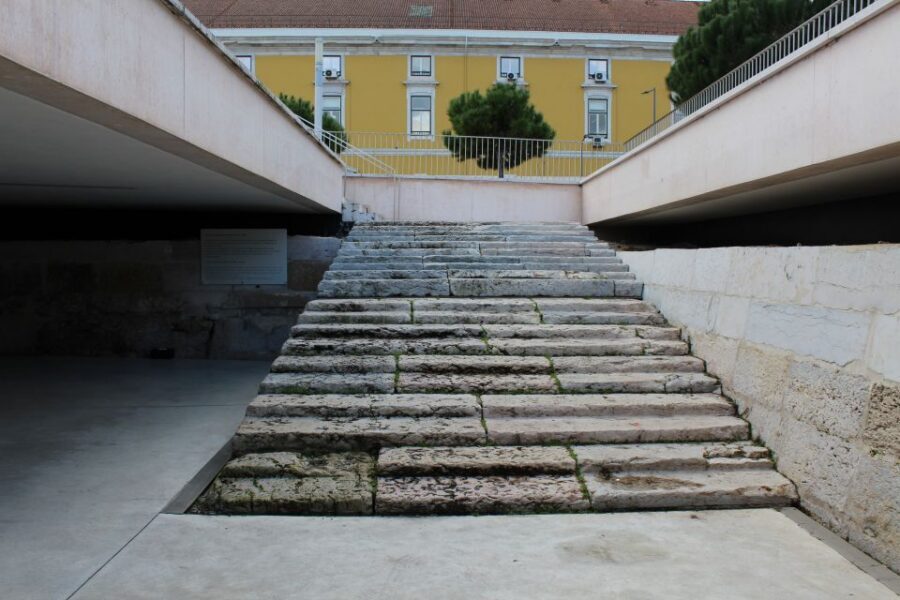
You meet at A Padaria Portuguesa, which is a practical starting point in the city center and easy to orient from. From there, you’re set up for a 3.5-hour walk that moves through multiple districts—so good shoes matter. One of the most consistent pieces of advice I’d give is simple: bring comfort for your feet, because you’ll be on uphill streets.
The tour language options are English, Spanish, and Portuguese, so you can pick the one you’ll understand best while you’re hearing history. A bottle of water is included, which is helpful in Lisbon’s warmer stretches.
Food and drinks aren’t included, so don’t rely on this being a full meal-stop. Plan to have eaten before you arrive, then use the tour for the history and the city reading. If a snack break happens during your departure, treat it as a bonus, not a guarantee.
Alfama’s Moorish Foundations: Where North Africa Shows Up First
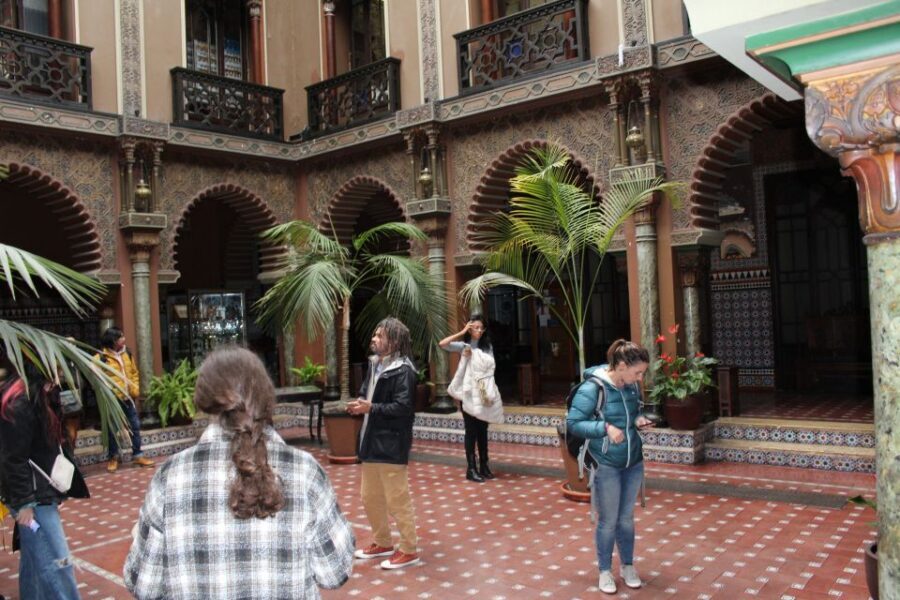
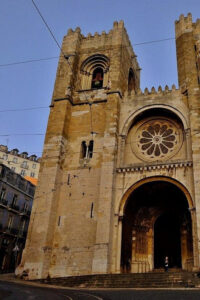
Your story starts in Alfama, Lisbon’s oldest neighborhood. The key idea here is that Lisbon didn’t form in a vacuum. You’re introduced to Moors and the roots that link Portugal to North Africa long before the transatlantic era.
When you walk Alfama with this framing, the streets feel different. You stop seeing Alfama as just charming viewpoints and winding alleys, and start recognizing it as a place that reflects earlier cultural contacts. Even if you’re not a history nerd, the guide will make the connections feel grounded: who was here, what influence traveled, and how those early links shaped later Portuguese society.
If you’ve ever walked Alfama and wondered why the city feels layered, this is the moment it clicks.
Chafariz d’El Rei: Social Class Written in a Fountain
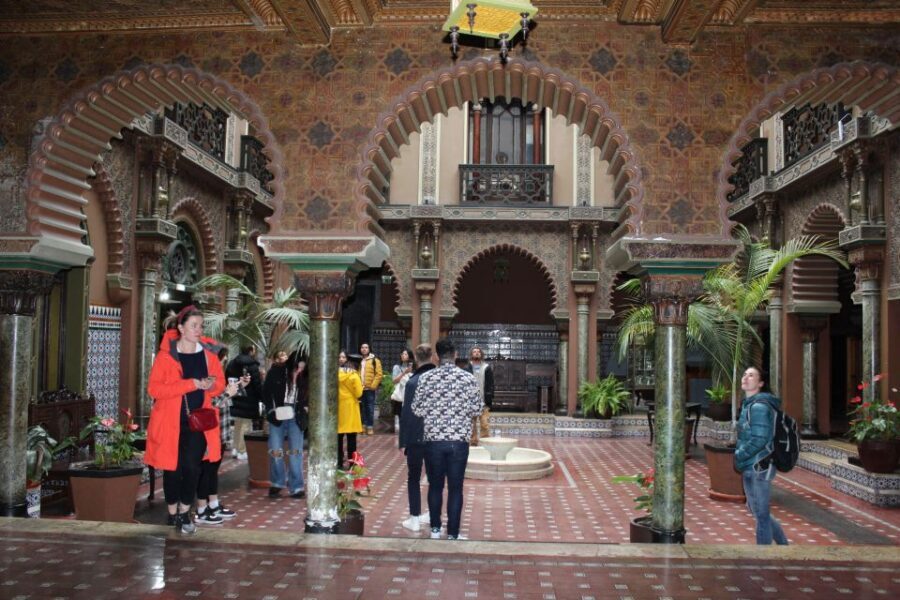
Next up is Chafariz D’El Rei—a fountain that does more than supply water. It’s used to talk about social classes in the Middle Ages, including the presence of Africans within that historic ordering of life.
What I like about this stop is how visual it is. Social inequality can feel abstract until you see how it’s represented in the built environment. The guide uses the fountain to show how hierarchy mattered in daily life, not just in laws or political speeches.
This is also a good reminder for your own Lisbon thinking. When you look at old structures here, don’t just ask what it looks like. Ask what it was for, who it served, and who it kept out.
Campo das Cebolas: The Port, the Arrival, and the Weight of It
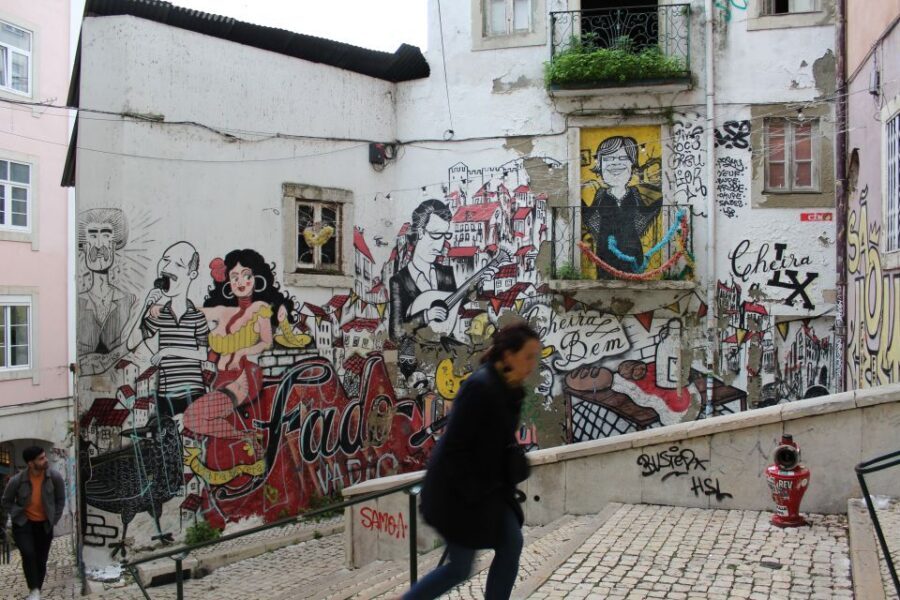
Campo das Cebolas is tied to Lisbon’s old port. This is where the tour brings in a crucial moment: the site is described as connected to the arrival of the first enslaved Africans in Europe.
That’s heavy history, and the tour doesn’t rush it. The value is in the honesty of the framing. This isn’t a sanitized “connections” story. It acknowledges that Lisbon’s maritime strength and trading routes were tied to human exploitation.
Here’s how to get the most from this stop: listen for the connection between geography and responsibility. Ports aren’t neutral places. They are where ships arrive, goods move, and power gets enforced. By the time you reach this part of the walk, you should feel the shift from early cultural links to the mechanisms of enslavement.
If you prefer your history straightforward and grounded, this tour nails that tone.
You can also read our reviews of more historical tours in Lisbon



Praça do Comércio and Baixa: Trade Power Meets 1755 Shock
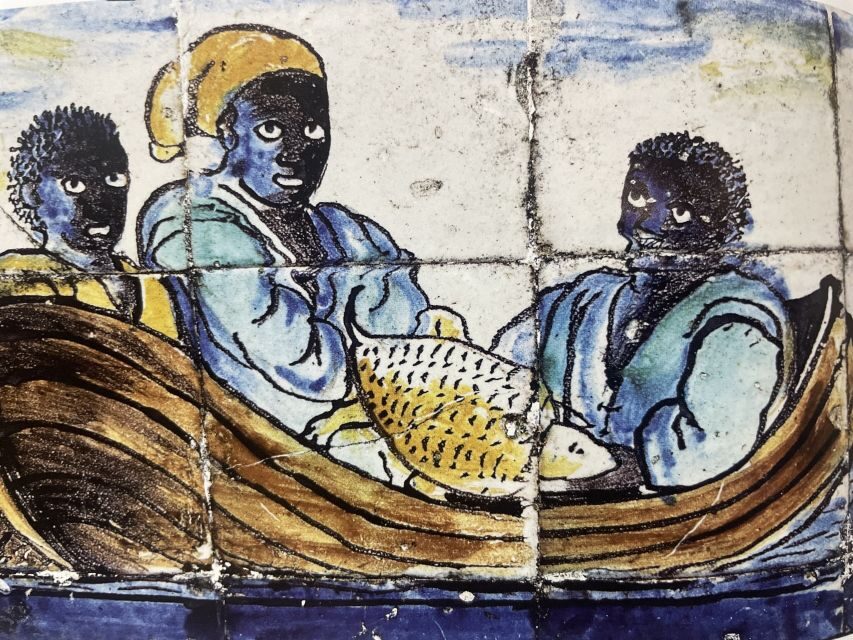
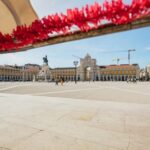
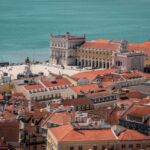
Then you move to Praça do Comércio, one of Lisbon’s most emblematic spaces. It’s used to discuss events tied to the country’s history and—importantly—its role in the slave trade.
This square matters because it’s so open and central. The tour uses that openness to help you picture the scale of commerce and how public spaces became stages for decisions that shaped lives far beyond Lisbon.
From there, you head into Baixa, described as the central neighborhood of the capital. Baixa is also tied to the 1755 earthquake, which changed the city and forced reconstruction. For this tour, that matters because it sets up how societies rebuilt and how Portuguese society interacted with Africans in the aftermath and through commerce.
In plain terms: you learn how the city’s physical rebuilding and its economic activity were linked to who had access to opportunity, safety, and status.
Rua Cor de Rosa and Rossio: Where Daily Life Shows Up
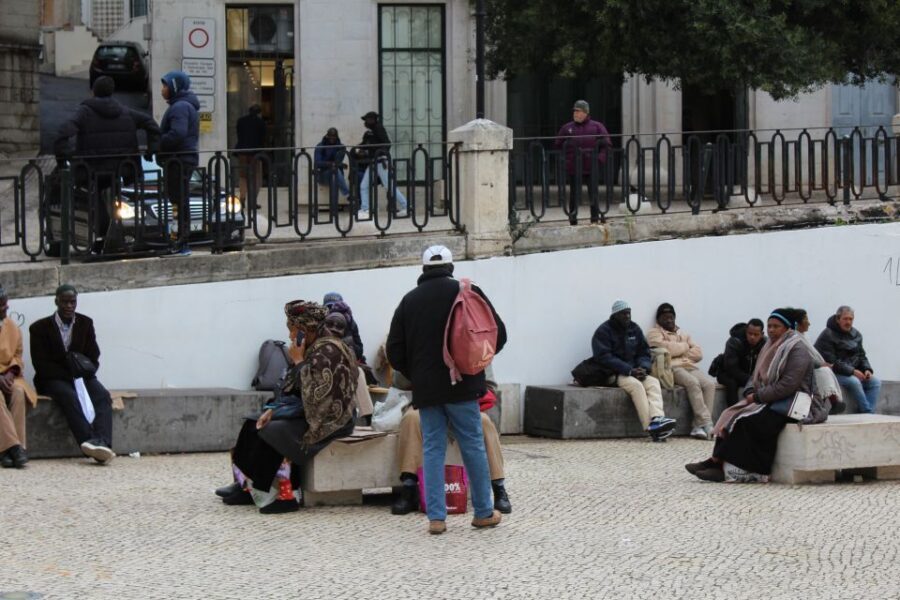
One of the standout stops on the walk is Rua Cor de Rosa. This street is presented as a place where several African women provided services—an important way to talk about lived experience, not only big political events.
After that, you reach Rossio, one of the city’s central and busiest areas. The tour connects Rossio to the integration of Africans and the creation of colonies. Again, the point isn’t just name-dropping. It’s showing how populations organized themselves and how communities formed under Portuguese rule.
And this is where you’ll feel the tour’s emotional range. It moves through solemn topics, then back toward lived cultural presence—so you don’t only leave with tragedy. You leave with an understanding of how Africans contributed to Portuguese life across time.
Church of S. Domingos: Religion, Integration, and What People Built
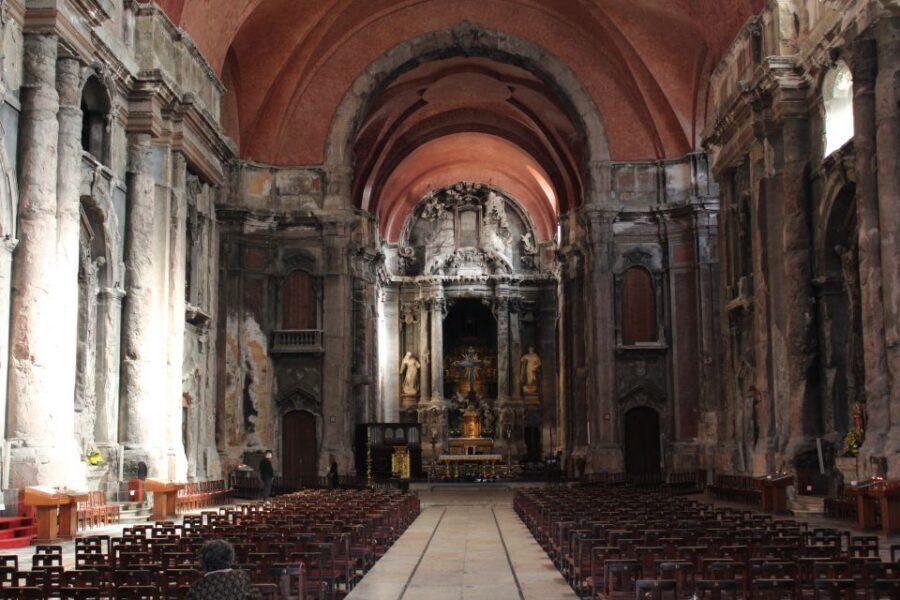
At the Church of S. Domingos, you’re shown how integration of Africans into Catholic religion played out and what achievements are associated with that process.
Religious history can get vague on tours. Here it gets practical: you learn how faith systems were part of social life and how identity and belonging shifted through conversion, community, and institutional structure.
This stop is especially useful if you’re trying to understand Portugal as more than a “portugal-of-travel-postcards” country. Lisbon’s religious buildings aren’t just architecture. They are records of how people lived inside power structures.
Rossio Train Station and the Berlin Conference Era
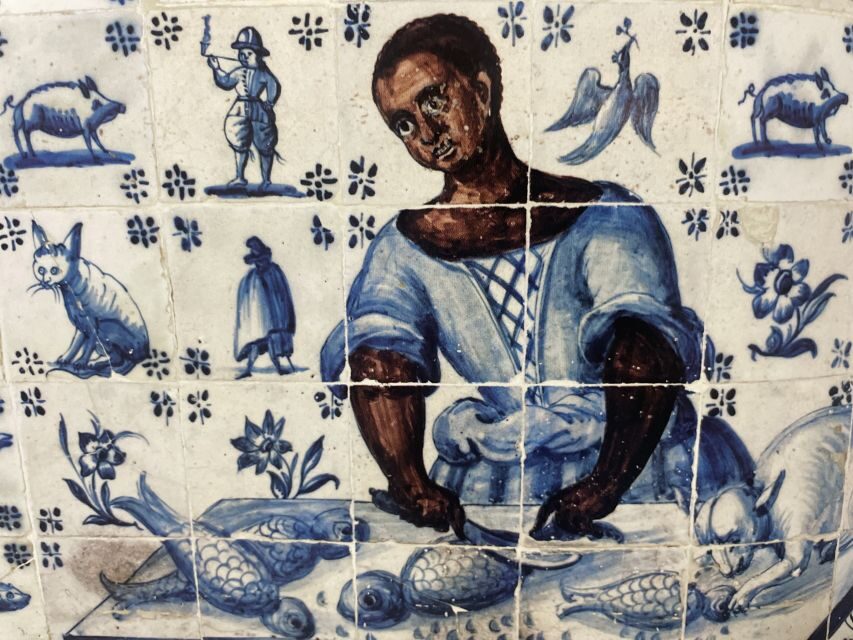
The tour ends with a major architectural and political connection at the Rossio train station, built in the 19th century in a Manueline style. In this segment, the station becomes a symbol of Portugal’s golden times and its desire to be treated as a serious European power.
Then the guide ties that ambition to the Berlin Conference of 1884 and the way European countries divided Africa into colonies. The station itself becomes a kind of argument in stone: Portugal wanted status, and the larger colonial era was reshaping Africa at the same time.
What I like here is that you get a long view. You start with Moorish foundations, move through port and enslavement, then arrive at 19th-century nationalism and colonial policy. It’s one continuous story, not separate chapters.
Price and Value: Is $176 Worth It?
At $176 per person for about 3.5 hours, you’re paying for a focused, guided walk with strong interpretive storytelling. This isn’t a “cheap and fast” option, but it can be good value if you care about context and want a serious lens on Lisbon’s past.
You’re getting:
- a live guide
- a walking tour structure
- a bottle of water
You’re not getting food or hotel pickup. So the value depends on what you want. If you prefer to read plaques alone, you can self-tour. But if you want someone to explain what you’re seeing—especially the connections between African heritage, Portuguese society, and the slave trade—this price starts to make sense.
Guides highlighted in the experience—people like Al, Jose, and Alcides—are described as being friendly, professional, and able to answer questions. That’s the difference between seeing sites and understanding them.
Comfort, Footwear, and Who Should Book
This is not a gentle stroller tour. Expect hills and real walking. One piece of practical advice you should take seriously: wear comfortable shoes and plan for uphill effort.
It’s not suitable for people with mobility impairments based on the format.
This tour is a strong fit if:
- you want history tied to real places, not only museum facts
- you care about African heritage as part of Portugal, not just a distant topic
- you like guides who connect architecture, social life, and global history
- you’re booking early in a trip because it helps you read Lisbon with better context
If you’re short on time or dislike walking, you might feel strained. If you’re okay with hills and you want meaning, you’ll likely feel satisfied by the way the route builds momentum.
Should You Book Lisbon: African History and Heritage?
I think you should book it if you want Lisbon that’s honest and specific. You’ll get more than scenery. You’ll get a guided way to understand how African presence shaped Portuguese life, from Moorish roots to the transatlantic slave route and the colonial era after.
Skip it only if walking hills and a history-heavy pace will frustrate you. Also consider it if you need a trip that includes meals; food and drinks aren’t part of the package.
If you want a tour that treats African heritage as central—and gives you the tools to see it in the city around you—this is a solid choice.
FAQ
How long is the Lisbon: African History and Heritage Walking Tour?
The tour lasts about 3.5 hours.
What does it cost?
The price is $176 per person.
Where do I meet the guide?
Meet your guide at A Padaria Portuguesa.
What’s included in the tour price?
Included are the walking tour, a live guide, and a bottle of water.
Which languages are offered?
The live tour guide is available in English, Spanish, and Portuguese.
Is the tour suitable for people with mobility impairments?
No. It’s not suitable for people with mobility impairments.