REVIEW · LISBON
Lisbon: 1-or 2-Day Hop-On Hop-Off Bus Tour
Book on GetYourGuide →Operated by Yellow Bus Tours - Lisbon · Bookable on GetYourGuide
Lisbon looks bigger from a yellow double-decker. This 1- or 2-day hop-on hop-off ticket lets you ride the open-top loops to Belém and modern Lisbon, with Carris tram access and an included audio guide.
I love the freedom to hop off near big-name stops, especially Rossio Square and the Torre de Belém area. I also like that you’re not limited to the bus—you get linked into the city’s own Carris tram network during your ticket window.
One consideration: the bus experience can feel a bit rushed at key photo moments, and the wait for your next bus after hopping off can take longer than you’d expect. Build in time, and rely on the live schedule.
In This Review
- Key things I’d plan around
- Why a Yellow Bus Pass Makes Lisbon Easier
- Restauradores Square: Your Pickup Hub and Route Switch Point
- Timing tip that keeps photos from getting stressful
- Belém Route Stops: History After 1755 and the Age of Discoveries
- Rossio Square and the old-center connections
- Parks, shopping streets, and viewpoints that break up the ride
- The Belém waterfront cluster you’ll actually plan around
- Where Belém can feel long
- Modern Lisbon Route Stops: Tiles, Ocean Views, and the New Waterfront
- Museu do Azulejo and the tile factor
- Graça and Panteão Nacional: viewpoints and local rhythm
- Oceanário access (and what it costs)
- A note on “modern vs historic”
- Hop-On Hop-Off Mechanics: How to Actually Use the Ticket
- Build a buffer at your “big stops”
- Use the live schedule when you can
- Bring a tiny “comfort kit”
- Audio Guides and Drivers: The Part You’ll Notice Most
- If you care about photos, manage expectations
- Carris Trams, Funiculars, and the Carris Museum Free Entry
- How I’d use this on a day plan
- Value Check: Is $25 Good for Two Days?
- Who This Tour Fits Best
- Book It or Skip It
- FAQ
- How long is each bus route?
- What’s included with the ticket price?
- Are museum and monument entrances included?
- How often do buses run from Restauradores Square?
- How can I tell which bus is for Belém or Modern Lisbon?
- Can I bring food or drinks on the bus?
Key things I’d plan around
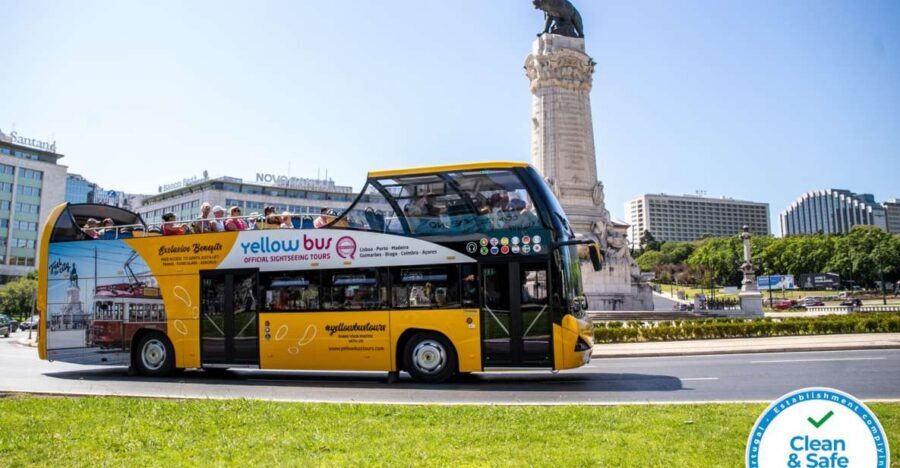
- Two routes, one ticket: Belém (blue) and Modern Lisbon (pink) loops, timed to your pace.
- Carris access is the secret value: use trams during validity and get into the Carris Museum for free with your ticket.
- Restauradores Square is your anchor: it’s the main place to start, switch, and reset your plans.
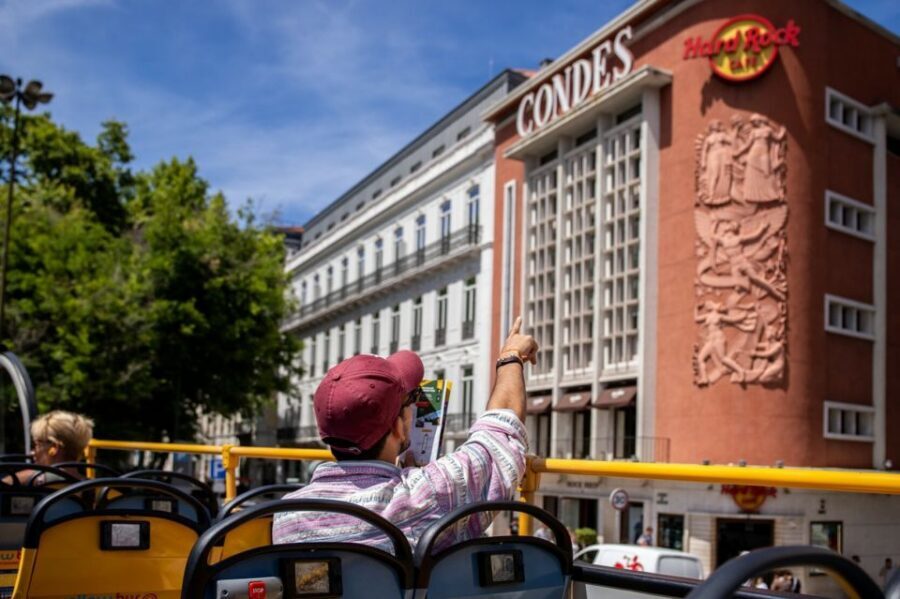
- Open-top views are real: ride upstairs for sun and sightlines over the hills and the Tagus.
- Audio guide quality can vary by seat: if yours acts up, changing seats can help.
- Oceanário is reachable, not included: the stop gets you there, but admission isn’t part of the bus ticket.
Why a Yellow Bus Pass Makes Lisbon Easier

Lisbon is beautiful, but it’s also built on hills. That’s where a hop-on hop-off bus ticket earns its keep: you get panoramic views without burning your legs climbing between neighborhoods.
This pass is built for “planning on the fly.” You can treat it like a moving orientation tour the first day, then use the second day to linger where you actually care. The open-top double-decker layout helps too, because you’ll naturally look outward at the Tagus River and the redeveloped areas around the historic core.
The real value isn’t just the bus. Your ticket includes Carris public tram access during your validity, plus free entry to the Carris Museum with a valid ticket. That turns your 2-day plan into more than a single ride—it becomes a mini transit pass.
You can also read our reviews of more tours and experiences in Lisbon.



Restauradores Square: Your Pickup Hub and Route Switch Point
Most rides start and restart around Restauradores Square (the terminal). From there, buses run on a set rhythm (about every 30 minutes) during the daytime window, so you can build a day without constantly worrying about timing.
Here’s the practical part that saves time: the bus routes are distinguished by signage on the front window. Belém uses a blue sign and Modern Lisbon uses a pink sign, while all buses stay yellow. If you only notice the bus color, you can still get on the wrong loop—so check the sign before you climb aboard.
The timetable at the terminal is scheduled, but real life isn’t perfect. I’d get in the habit of checking the live schedules link before you commit to a specific stop for photos. That simple step helps when you’re trying to time something like Torre de Belém lighting or the flow of crowds near Rossio.
Timing tip that keeps photos from getting stressful
Your route loop takes about 1 hour and 40 minutes. If your priority is pictures at the big monuments, don’t plan on the bus acting like a guided photo stop. Use the hop-off option intentionally: hop off, take your photos, and then hop back later when the next bus comes through.
Belém Route Stops: History After 1755 and the Age of Discoveries

The Belém loop is the one that feels most tied to Lisbon’s older identity. It runs through classic sightseeing territory and toward the riverside landmarks linked to Portugal’s maritime story. You’re also passing the kind of built-up central areas associated with the 1755 earthquake rebuilding era, so it’s not just scenery—it’s a timeline you can move through at street level.
Rossio Square and the old-center connections
Start near Rossio Square, then glide past the grand city corridors like Avenida da Liberdade (you’ll see it from the bus window, and it’s the kind of boulevard that makes you want to get off and walk). Marquês de Pombal sits as a key viewpoint area, and it works well as a checkpoint if you’re deciding whether to go straight to Belém or slow down on the way.



Parks, shopping streets, and viewpoints that break up the ride
This route also gives you a mix of energy levels—not only monuments. You’ll pass stops like Parque Eduardo VII and major retail areas such as Amoreiras and El Corte Inglés Shopping Center. If you’re traveling with people who want breaks (or you just want a bathroom and a coffee), these stops are handy.
The route also includes Basílica da Estrela and Pilar 7. Basílica da Estrela is especially good if you like architecture and want a stop that feels local rather than only postcard.
The Belém waterfront cluster you’ll actually plan around
When you reach Belém, the stops stack into a classic historic sequence:
- Belém / Museu dos Coches (Coach Museum): a good anchor if you want to start the Belém day with something museum-like before you move into the monument zone.
- Mosteiro dos Jerónimos: this is one of those stops where you might think you’ll just look from the outside—and then you decide to spend time inside.
- Torre de Belém: the big payoff view, and the reason many people take the Belém day seriously.
- Padrão dos Descobrimentos: a monument that matches the Age of Discoveries theme and helps you connect the whole area’s meaning.
- MAAT: this adds a contemporary twist to the waterfront day, so your Belém afternoon isn’t only stone-and-history.
- Docas Cruise Terminal: good for seeing the harbor vibe and how Lisbon’s waterfront pulls in international traffic.
One small caution: your ticket includes the bus, but museum and monument entrance tickets aren’t included. So if you want Jerónimos or MAAT inside-time, factor that cost and your schedule.
Where Belém can feel long
The Belém day works best when you plan your “must-do” list first. If you try to hop off at every stop and do everything, you’ll end up paying in time. I’d pick 2–4 key stops for deeper time and treat the rest as viewpoint check-ins.
Modern Lisbon Route Stops: Tiles, Ocean Views, and the New Waterfront

If Belém is Lisbon’s older story, the Modern Lisbon loop is about Lisbon’s later chapters. This route is built around contemporary neighborhoods and the riverside-area energy around Parque das Nações and the Oceanarium stop (admission not included).
You start again near Restauradores and pass major hubs like Rossio Square and Avenida da Liberdade. Then you transition into neighborhoods that feel more like what you’d expect from a modern capital: open spaces, big facilities, and a clearer grid where walking can feel easier than the twisting old center.
Museu do Azulejo and the tile factor
One stop you should know is Museu do Azulejo (Azulejo Museum). Portugal’s famous blue-and-white tile tradition is a big part of the country’s visual language, and this is the kind of stop where you’ll probably want more than 20 minutes.
There’s also Beato and 8 Marvila, which tend to work well if you like street texture, newer creative zones, and the sense of Lisbon being in motion rather than stuck in one era.
Graça and Panteão Nacional: viewpoints and local rhythm
The route includes Graça and Panteão Nacional / Feira da Ladra. That’s useful because it breaks up the day before you head toward the waterfront. If you’re aiming to feel Lisbon as a lived-in city—not only a monument tour—these stops help.
Oceanário access (and what it costs)
The route reaches the Oceanário area, plus major landmarks in the same modern stretch like Vasco da Gama shopping, FIL, and Torre Vasco da Gama. You can see the scale of the harbor district from the bus and then step off to explore.
But here’s the key detail: Oceanário admission is not included. So use the stop to plan your ticket decision, not to assume you’re already paid in.
A note on “modern vs historic”
This loop is convenient, but it won’t replace the feeling of stepping into the Belém monuments. In my mind, the best strategy is to let Belém satisfy your history cravings, then use Modern Lisbon for waterfront time and the newer side of Lisbon’s identity.
Hop-On Hop-Off Mechanics: How to Actually Use the Ticket
The concept sounds simple: ride, hop off, hop back on. In practice, you’ll get better results if you treat it like a timed system.
Each route is roughly 1 hour and 40 minutes for a loop. With buses running about every 30 minutes from the terminal in the stated hours, you generally have flexibility. But don’t plan your whole day around the assumption that every stop will feel like it has a quick, perfect connection.
Build a buffer at your “big stops”
If your top target is a monument photo or a museum visit, give yourself more time than you think you need. Some people like the bus rhythm; others find that the approach to major sights can feel quick, and you might want more time at the curb. The fix is simple: hop off and make the bus the connector, not the activity.
Use the live schedule when you can
Several people highlighted the value of checking real-time bus tracking. That’s a smart move because it reduces the risk of waiting longer than you planned. Even when the timetable is accurate on paper, Lisbon traffic and crowds can change the feel.
Bring a tiny “comfort kit”
Because it’s open-top, you’ll want basic comfort planning. In wet weather, people have mentioned wiping seats when they get on. A small packet of tissues helps more than you’d expect.
Audio Guides and Drivers: The Part You’ll Notice Most
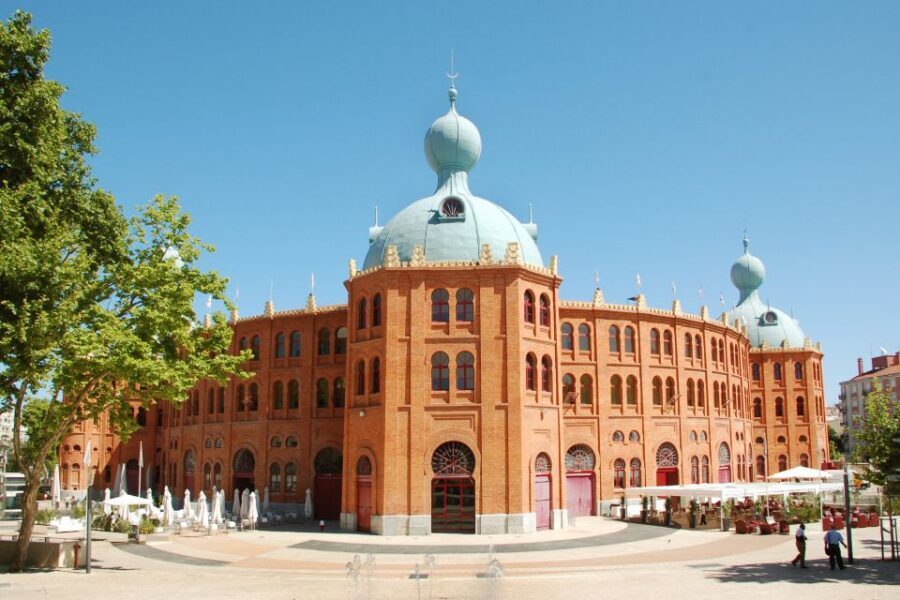
The bus includes an audio guide with multiple languages, and English is available. It’s there for the full sightseeing narrative, and you can tune in from your seat.
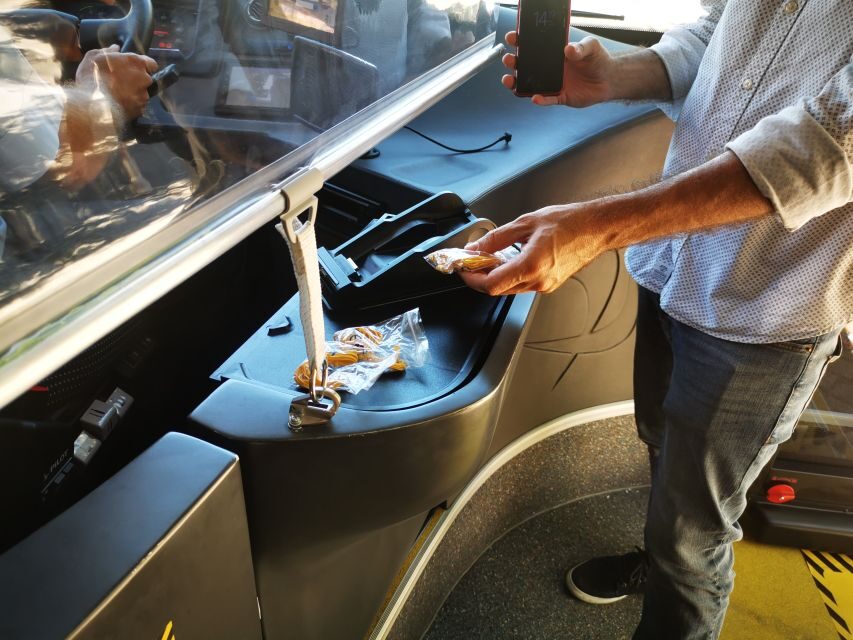
The helpful detail: the audio isn’t always uniform from seat to seat. If you notice the headphones sound off, low, or out of sync, try another seat before you decide the whole system isn’t working. That small action has fixed the issue for other riders.
Also, the drivers get praised for being helpful with questions at stops. If you’re lucky enough to catch a standout guide—names like Sergey, Hugo, or Miguel have been mentioned with very positive feedback—you may get extra clarity and local flavor beyond the recorded narration.
If you care about photos, manage expectations
Some riders felt the bus speed between major stops could be too fast for perfect photo timing. I don’t think you should avoid the bus because of it. Just don’t rely on the bus alone for your best shots. If photos matter, hop off and slow down where you need it.
Carris Trams, Funiculars, and the Carris Museum Free Entry
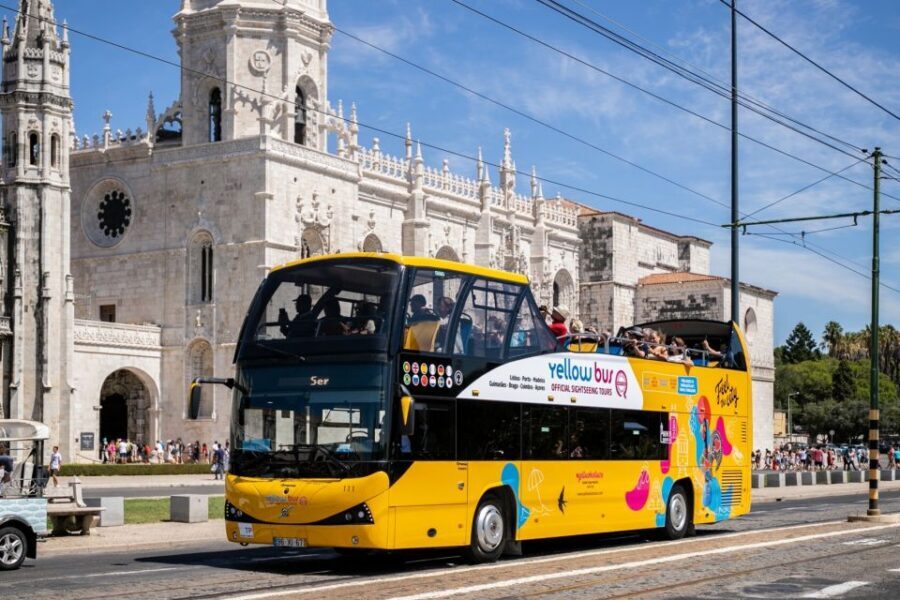
This is the part that makes your money stretch further. During your ticket validity, you can access Carris Lisbon trams. That means you can connect your bus stops with local tram lines and keep moving even if your bus loop isn’t right outside the door you want.
You also get free access to the Carris Museum with a valid ticket. That’s a nice bonus because it’s not only about viewing landmarks—it’s about Lisbon’s transport story.
One more detail from the experience: people have also discussed included access to funiculars, including the Santa Justa lift. If you want a Lisbon “movement” moment—stairs down a hill or a vertical view—these included transit connections can save time compared with buying each piece separately.
How I’d use this on a day plan
I’d do this: use the Yellow Bus to cover distance and position yourself. Then use trams and funiculars to make the last-mile link without walking up and down Lisbon’s steepest grades.
Value Check: Is $25 Good for Two Days?
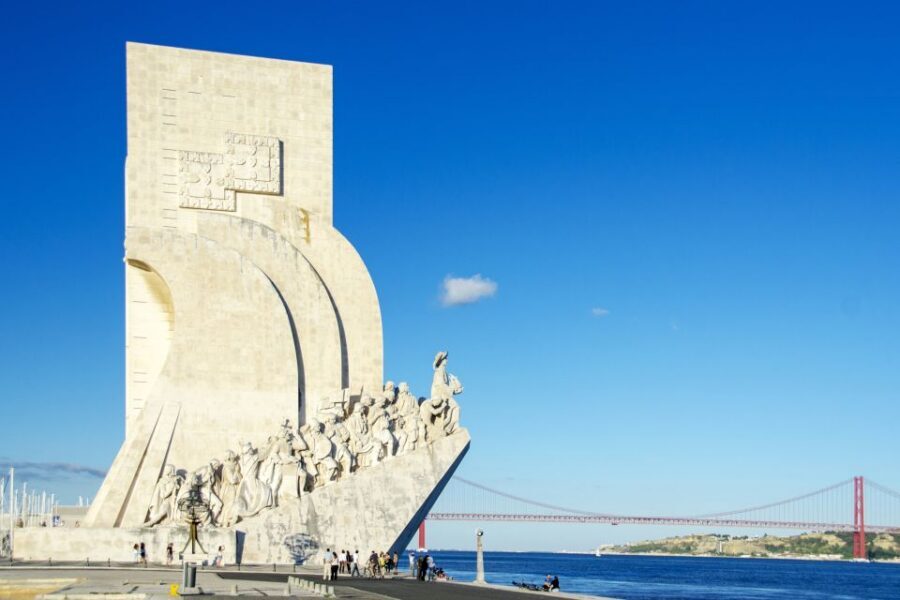
A $25-per-person price sounds simple, but the value comes from how many “paid parts” you avoid.
You’re essentially buying:
- Access to one or two bus lines (depending on whether you choose 1 or 2 days)
- A 24- or 48-hour hop-on hop-off ticket after first validation
- Tram access during ticket validity
- Free Carris Museum entry
That combination is why people describe it as a good overview setup for a first visit. You’re not only paying for sightseeing; you’re paying for mobility across the city and the flexibility to decide where to spend your time later.
A fair drawback: museum entrances and monument tickets are not included. So if your ideal day is “only indoor ticketed sights,” this bus might feel like transportation rather than a full-value savings plan. The way to win is to use the bus to reach sights efficiently, then decide what you want to pay to enter.
Who This Tour Fits Best
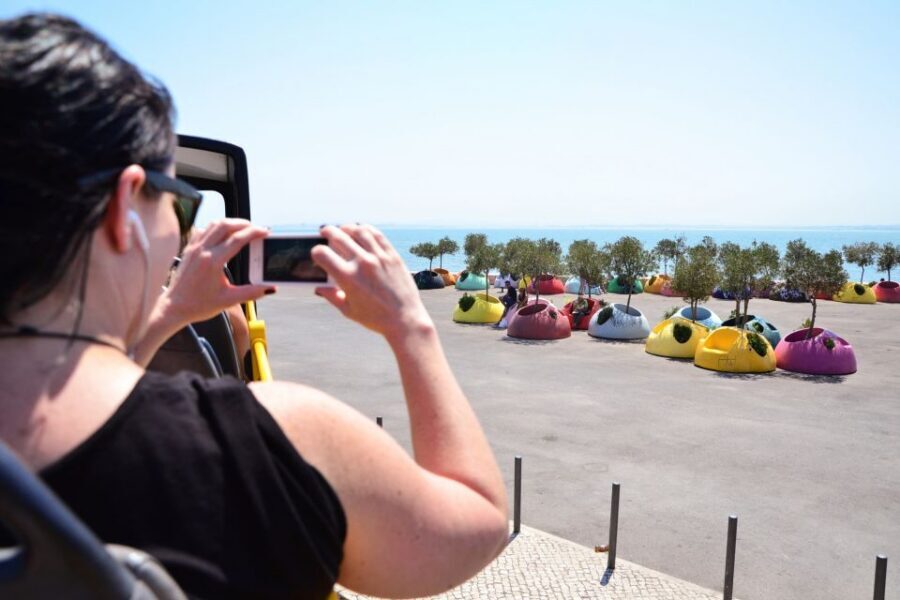
This is a strong match if you want:
- A first-day orientation that helps you plan your next day(s)
- A break from hill-heavy walking
- A smooth way to reach both classic Belém sights and the modern waterfront area
- A format where you can choose your own pace and hop off when something grabs you
It can also suit families and visitors who want their sightseeing to be less about logistics and more about the view. Open-top double-deckers are a natural “sit and look” experience, and the routes cover a lot of major locations without requiring you to navigate all transit transfers.
If you’re the type who hates waiting, keep the potential for longer hop-off waits in mind. The best results come when you accept that the bus is your backbone, and your stops are your choices.
Book It or Skip It
I’d book this pass if you’re coming to Lisbon with limited time and you want an efficient way to cover Belém + Modern Lisbon without forcing a rigid itinerary. The Carris tram access and the free Carris Museum entry push it beyond a basic bus-only deal.
I’d hesitate only if you already know you want to focus on just one neighborhood and you’re comfortable handling Lisbon logistics by foot and local transit. In that case, you might not use both routes enough to justify a 2-day plan.
If you do book, do two things: start early or late to avoid the strongest heat, and check the live schedule when you’re timing your hop-off near the big monuments. That’s how you turn a simple bus ticket into a smooth, stress-light Lisbon couple of days.
FAQ
How long is each bus route?
Each route loop is about 1 hour and 40 minutes.
What’s included with the ticket price?
You get a ticket for the Belém and/or Modern Lisbon double-decker bus lines (depending on the option you choose), a 24- or 48-hour hop-on hop-off period after first validation, access to Carris Lisbon trams during validity, and free access to the Carris Museum with a valid ticket.
Are museum and monument entrances included?
No. Museum and monument entrance fees are not included.
How often do buses run from Restauradores Square?
From Restauradores Square (terminal), buses run every 30 minutes during the given hours: Belém from 9:00am to 5:30pm, and Modern from 9:15am to 5:15pm.
How can I tell which bus is for Belém or Modern Lisbon?
Look at the sign in the front window: Belém has a blue sign and Modern Lisbon has a pink sign. All buses are colored yellow.
Can I bring food or drinks on the bus?
No. Drinks, food, and alcoholic drinks are not allowed on the vehicle.