REVIEW · FATIMA
Fátima: Sanctuary and Apparition Sites Guided Tour
Book on GetYourGuide →Operated by Open Roads Portugal · Bookable on GetYourGuide
Fátima grabs you in 90 minutes, with a guided route through the Capelinha das Aparições and the basilicas that frame the 1917 story. What I like most is that the tour starts with a live guide who matches the explanation to your level, so the Christian background and the Fátima events make sense quickly.
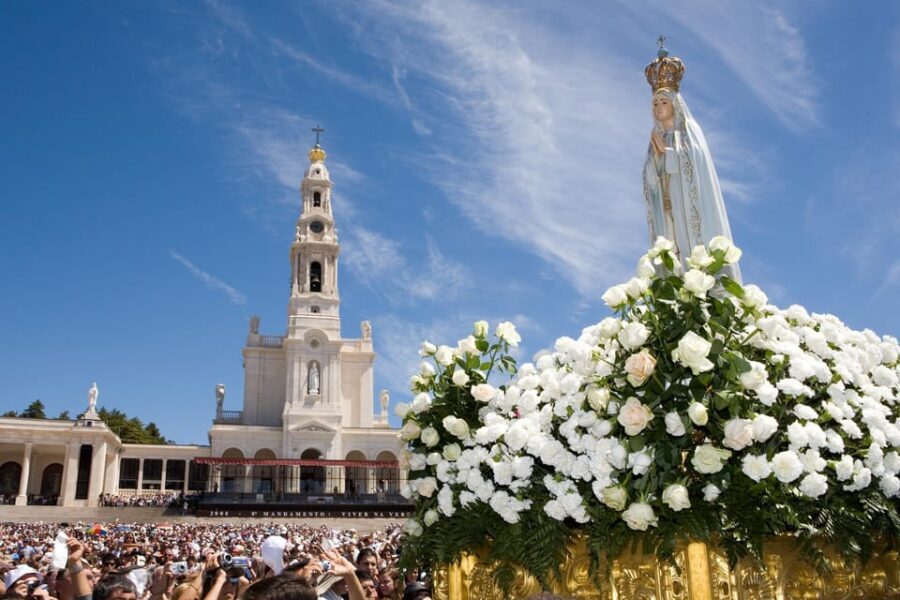
I also like the way the stops connect belief to real visual details: the neo-Baroque Basilica of Our Lady of the Rosary and the Basilica of the Holy Trinity, with mosaics such as Christ Glorified, give you something solid to look at. The only drawback to consider is time—at $68 for just 1.5 hours, it moves at a steady pace, so if you want long, quiet moments, plan extra time outside the tour.
In This Review
- Key highlights worth your attention
- Meeting at the High Cross: getting your bearings fast
- The 1.5-hour plan: how to make it feel complete
- Apparition Sites and the Capelinha: what to look for
- Basilica of Our Lady of the Rosary: neo-Baroque drama and the shepherds’ tombs
- Basilica of the Holy Trinity: big scale, mosaics, and Vatican-era connections
- The Miracle of the Sun: understanding why people talk about it
- The Secrets of Fátima and Sister Lúcia: the messages and the fallout
- What makes the tour guides a big deal here
- Price and value: is $68 for 1.5 hours worth it?
- Who this tour fits best (and who might want to skip)
- Small practical notes that make a difference
- Should you book this Fátima Sanctuary guided tour?
- FAQ
- Where does the tour start?
- How long is the Fátima Sanctuary and Apparition Sites guided tour?
- What’s included in the tour price?
- What language is the tour guide available in?
- Are food and drinks allowed inside the basilicas?
- Is there hotel pickup or drop-off?
Key highlights worth your attention
- A personalized start with a Christianity introduction geared to where you’re starting from
- Apparition Sites plus the Capelinha so you know what you’re seeing at ground level
- Basilica of Our Lady of the Rosary with neo-Baroque drama and the shepherds’ tombs
- Basilica of the Holy Trinity with big-scale mosaics and artwork like Christ Glorified
- The Miracle of the Sun and the Secrets of Fátima explained as part of one story
- A clear meeting point at the High Cross with an easy loop you can follow
Meeting at the High Cross: getting your bearings fast
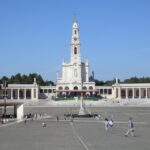
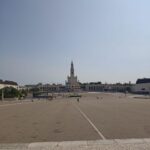
Your tour begins at the High Cross, the tall cross in the middle of the sanctuary grounds. The guide stands in front of it, so you’re not guessing where to go or trying to interpret signs while your group gathers. That sounds small, but it matters in Fátima, where the area can feel big once you start walking.
This starting point also sets the tone. You’re not dropped into a random sequence of buildings—you begin with context, so later stops feel like chapters in one message. It’s the kind of structure that keeps a 1.5-hour tour from feeling rushed or disconnected.
You can also read our reviews of more guided tours in Fatima
The 1.5-hour plan: how to make it feel complete
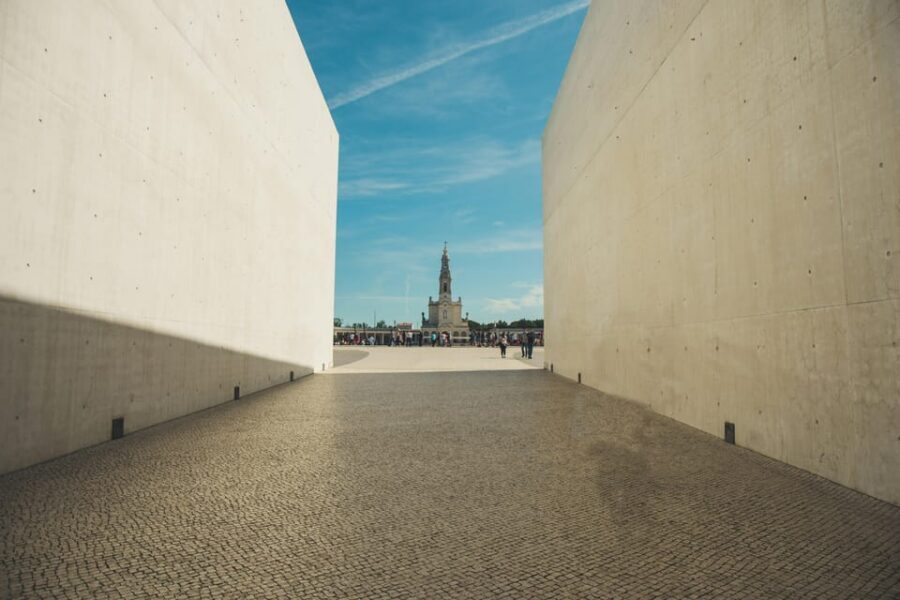
This is a short tour by design. You’ll cover the Sanctuary of Fátima and hit the key sites tied to the 1917 apparitions, plus two major basilicas. That time pressure means you’ll want to come with reasonable expectations: you’re gaining a clear guided storyline, not doing a full day of independent wandering.
If you’re the kind of traveler who likes to understand what you’re seeing before you take photos, this format works well. You’ll also have a built-in way to ask questions as the guide connects each stop to the wider Fátima story—Christian ideas, the apparition events, and what people drew from them afterward.
Practical note: wear comfortable shoes. The route is active, and the sanctuary complex is the sort of place where you’ll keep walking even if you think you’re just “between” stops.
Apparition Sites and the Capelinha: what to look for
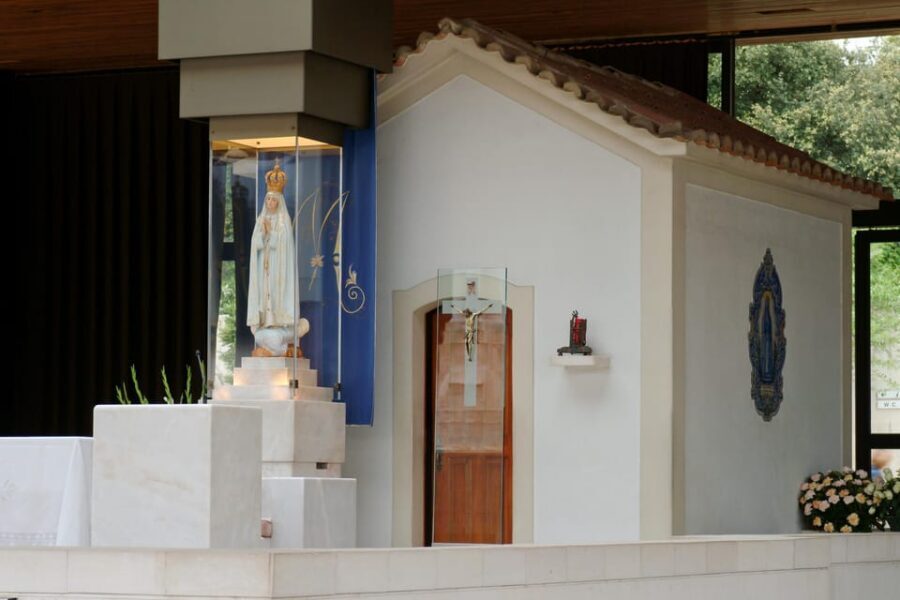
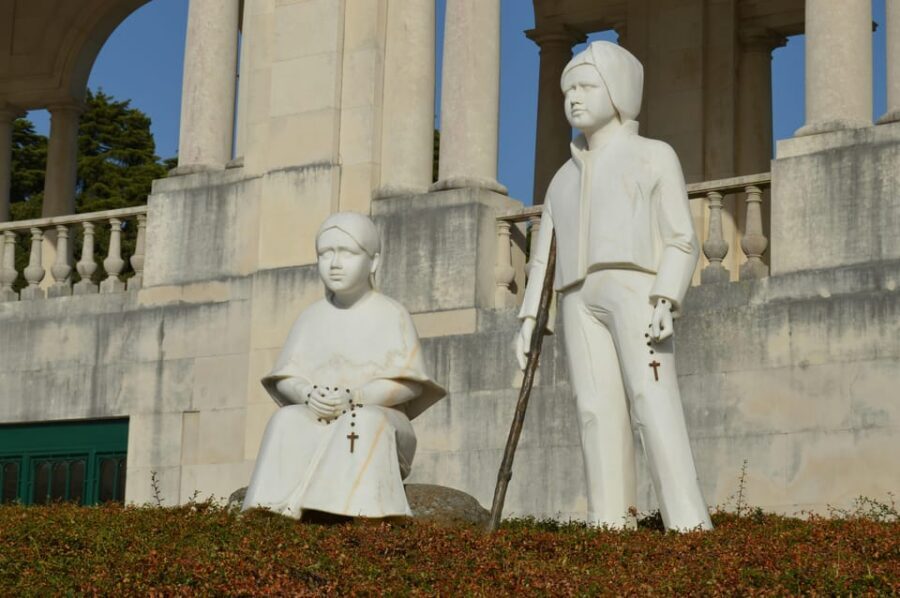
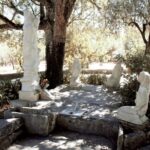
The core of the experience is visiting where the Virgin Mary is said to have appeared to the three shepherd children in 1917. On this tour, you don’t just pass by markers. You learn what each location represents in the bigger narrative: prayer, penance, and the messages tied to that moment in time.
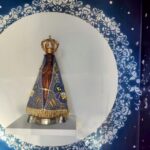
A key stop is the Capelinha das Aparições (Chapel of the Apparitions), the starting point of the Sanctuary. It’s easy to see why this is the emotional center. The chapel functions like an anchor for the whole pilgrimage, helping you understand why so many people treat this place as more than a museum.
Here’s the value of the guided approach: when the guide explains the meaning behind each stop, you’re not left interpreting it all on your own. You can still have your own thoughts, but you’re not starting from zero.
Basilica of Our Lady of the Rosary: neo-Baroque drama and the shepherds’ tombs
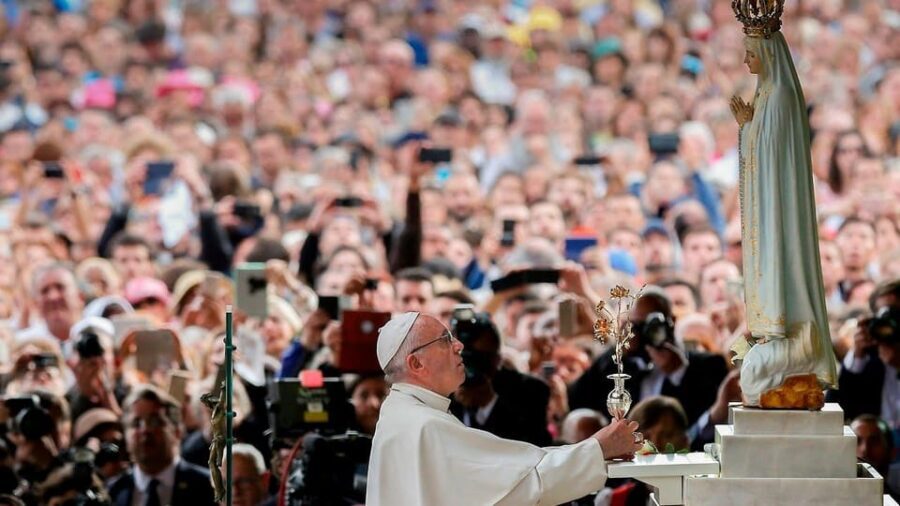
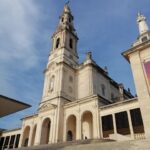
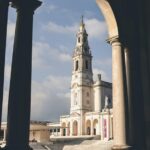
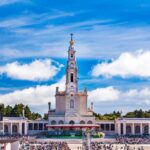
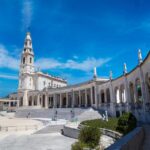
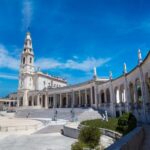
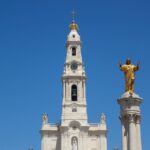
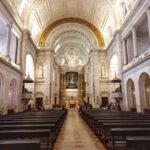
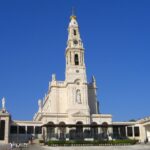
Next comes the Basilica of Our Lady of the Rosary. The highlight here is the neo-Baroque architecture—think expressive forms, strong visual character, and an atmosphere built for reverence. It’s not subtle, and that’s part of the point. This is meant to move you, not just inform you.
This basilica also holds the tombs of the shepherd children. That detail turns the story from a historical account into something grounded and personal. When you learn about their lives and their role in the apparitions, you’re given a human scale for what happened in 1917.
One practical benefit: having a guide in this space helps you focus. These churches contain lots of visual information at once, and it’s easy to get lost in the beauty without understanding what matters most. With a guide, you leave knowing what you should look for and why.
Basilica of the Holy Trinity: big scale, mosaics, and Vatican-era connections
The tour then shifts to the Basilica of the Holy Trinity, which is one of the world’s largest Catholic churches. The scale can hit you quickly. Even if you’re not a “church architecture” person, the size tells you that this sanctuary has global importance.
Inside, you’ll spend time with mosaics and artwork, including Christ Glorified. The guide connects these details to the basilica’s historical significance and its connection to the Second Vatican Council. That matters, because it shows how Fátima isn’t frozen in 1917—it keeps shaping religious life in modern times.
What I like about this stop is how it widens your view. The chapel and apparition sites are about the original message. The Holy Trinity basilica helps you understand how that message was received, expressed, and carried forward across decades.
The Miracle of the Sun: understanding why people talk about it
A major part of the tour story is the Miracle of the Sun, tied to October 13, 1917. Your guide explains what happened on that day and why the event became one of the strongest validations associated with the Fátima apparitions.
This topic can feel abstract until you hear it framed. The tour’s approach helps you understand it as part of what pilgrimage-goers took away from the events: proof, witness, belief, and renewed faith. Whether you interpret it the same way as others, you at least walk away understanding why the miracle became so central to the Fátima narrative.
A good tour moment here is when the guide connects the miracle to the messages of prayer and penance you heard earlier. The tour isn’t treating these parts as separate legends. It presents them as linked pieces of one experience.
The Secrets of Fátima and Sister Lúcia: the messages and the fallout
You’ll also cover the famous Secrets of Fátima, which were revealed by Sister Lúcia. The tour frames them as visions ranging from warnings about hell to messages of consecration and predictions of global events.
This section is usually what pushes a guided tour past “sightseeing.” It’s where you see how Fátima became more than a local shrine and why people returned, studied, and argued about what they thought the messages meant.
Even if you’re not Catholic, the tour helps you understand the categories: visions, moral warnings, calls to prayer, and global concerns. And because you hear it after the site visits, it lands with more weight—like you’re not just hearing stories in the abstract, you’re hearing them next to the places tied to the events.
What makes the tour guides a big deal here
One standout theme from real experiences is the quality of the guides. People have highlighted guides such as Ana Carolina and also referred to guides named Ana or Anna for being personal, empathetic, and willing to explain details carefully. You can also expect time to ask questions rather than getting rushed out like a production line.
For you, that means less guesswork. When a guide can answer in clear language and adjust the explanation to your level, you don’t feel left behind or forced to pretend you understand. In a place like Fátima, where faith and symbolism matter, that kind of pacing makes a big difference.
If you’re choosing between a self-guided option and a guided one, this is the deciding factor. A guide helps you connect dots fast: chapel to basilicas, 1917 events to modern meaning, and art to message.
Price and value: is $68 for 1.5 hours worth it?
At $68 per person for about 1.5 hours, this isn’t a budget add-on. One reason it may still feel worthwhile is that the price buys you three things that are hard to recreate on your own quickly: a guided narrative, structured visits to the key religious sites, and built-in interpretation of heavy topics like the Miracle of the Sun and the Secrets.
If you’re the type who wants context without reading for hours, $68 can be fair value. You’re paying for someone to organize the story for you and point out what matters in each location. If you’d rather wander slowly and linger in silence, you might find the duration limiting for your style.
My practical advice: treat it like an orientation tour. Then, if something resonates, spend extra time afterward on your own terms.
Who this tour fits best (and who might want to skip)
This tour fits best if you want:
- A structured walk through the main Fátima sites tied to 1917
- Clear explanations of the events, including the Miracle of the Sun and the Secrets
- A guide who can meet you where you are, from first-time background to deeper interest
It might feel less ideal if:
- You prefer long, private contemplation over guided interpretation
- You’re working with tight time limits and want everything at a slower pace
- You’re strongly budget-limited and would rather spend that money on extra time on-site
For most people, the short format works because it gives you a clean overview you can build on later. It also helps if you’ve never visited Fátima before and want to avoid missing the “why” behind the “where.”
Small practical notes that make a difference
Inside the basilicas, food and drinks aren’t allowed. That’s one reason you’ll want to handle snacks before you enter or simply accept that it’s a focus-only kind of visit.
Bring weather-appropriate clothing, since you’ll be walking in an outdoor sanctuary area and then entering churches. And stick with comfortable shoes; even if you’re not “a walker,” you’ll cover ground across the major stops.
The tour runs with live English or Portuguese guiding, and it’s wheelchair accessible. That’s useful if mobility needs mean you’d rather have a route planned around you rather than improvising.
Should you book this Fátima Sanctuary guided tour?
I’d book it if you want a fast, meaningful introduction to Fátima that connects the apparition sites, two landmark basilicas, and the stories people remember most. The strongest pull here is the combination of place plus explanation—especially when the guide is thoughtful and willing to take questions, as described in past experiences.
Skip (or add extra time) if your top priority is unhurried silence and you don’t want a tight schedule. Also consider whether $68 feels comfortable for you; it’s a guided, interpretation-heavy experience, not a free-for-all stroll.
If you’re coming for understanding as much as sightseeing, this tour is an efficient way to start.
FAQ
Where does the tour start?
The meeting point is the High Cross, the tall cross in the middle of the sanctuary. The guide will be in front of the cross.
How long is the Fátima Sanctuary and Apparition Sites guided tour?
The duration is about 1.5 hours.
What’s included in the tour price?
It includes a guided tour of the Sanctuary of Fátima, visits to the apparition sites, entry to the Basilica of Our Lady of the Rosary and the Basilica of the Holy Trinity, and insights about the Miracle of the Sun and the Secrets of Fátima.
What language is the tour guide available in?
The live tour guide is available in English and Portuguese.
Are food and drinks allowed inside the basilicas?
No. Food and drinks are not allowed inside the basilicas.
Is there hotel pickup or drop-off?
No, hotel pickup and drop-off are not included.