REVIEW · LISBON
Lisbon: Entry Tickets to Mosteiro de São Vicente de Foram
Book on GetYourGuide →Operated by Mosteiro de São Vicente de Fora · Bookable on GetYourGuide
Few places in Lisbon reward slow walking like this.
Mosteiro de São Vicente de Fora is a calm, not-overcrowded stop where you can focus on real details, especially the baroque glazed tiles still in their original place. I also love how the visit blends art, royal history, and practical craftsmanship into one route, from a cistern that still works to the Royal Pantheon of the Bragança Dynasty. The main drawback to consider: this is self-guided, so if you want a live storyteller, you won’t get a guided tour or audio guide included.
You’re starting inside the Church of São Vicente de Fora at the ticket office, then using your ticket to move through monastery spaces and exhibitions at your own pace. Think of it as a curated walk with built-in support: informative panels everywhere, plus a simple flyer with a map. Budget-wise, $9 is a solid value if you care about Portuguese history and visual craft more than just getting a quick photo.
In This Review
- Key Things I’d Prioritize Before You Go
- The Real Value of a São Vicente de Fora Ticket (What $9 Buys You)
- Entering the Complex: Start at the Ticket Office Inside the Church
- The Azulejos Route: Baroque Glazed Tiles Still in Place
- Portuguese Royal Power You Can Actually See: The Bragança Pantheon
- The Medieval Cistern That Still Works (And Why That Matters)
- Sacristy and Inlaid Marbles: Where Craft Takes Over
- The Jean de La Fontaine Exhibition on Glazed Tiles
- Panoramic View Over Lisbon and the River (Including the 360° Feel)
- Practical Tips: Make This Self-Guided Visit Feel Effortless
- Who This Monastery Ticket Is Best For
- Should You Book This Ticket?
- FAQ
- How long is the ticket valid?
- Where do I start the visit?
- What’s included in the entry price?
- Is there a guided tour or audio guide included?
- What languages are available for the host/greeter?
- Is food allowed inside the monastery areas?
Key Things I’d Prioritize Before You Go

- Azulejos in situ: the monastery is famous for the largest collection of baroque glazed tiles in their original placement.
- Royal Pantheon focus: you can connect the building to the Bragança Dynasty’s royal power.
- A working medieval cistern: a rare engineering detail you can actually see tied into the visit.
- Jean de La Fontaine on tile panels: an exhibition of 38 fables presented through glazed artwork.
- Panoramic city-and-river viewpoint: the visit includes an elevated view over Lisbon.
- Self-guided flow that stays readable: panels + a map flyer help you make sense of what you’re seeing.
The Real Value of a São Vicente de Fora Ticket (What $9 Buys You)
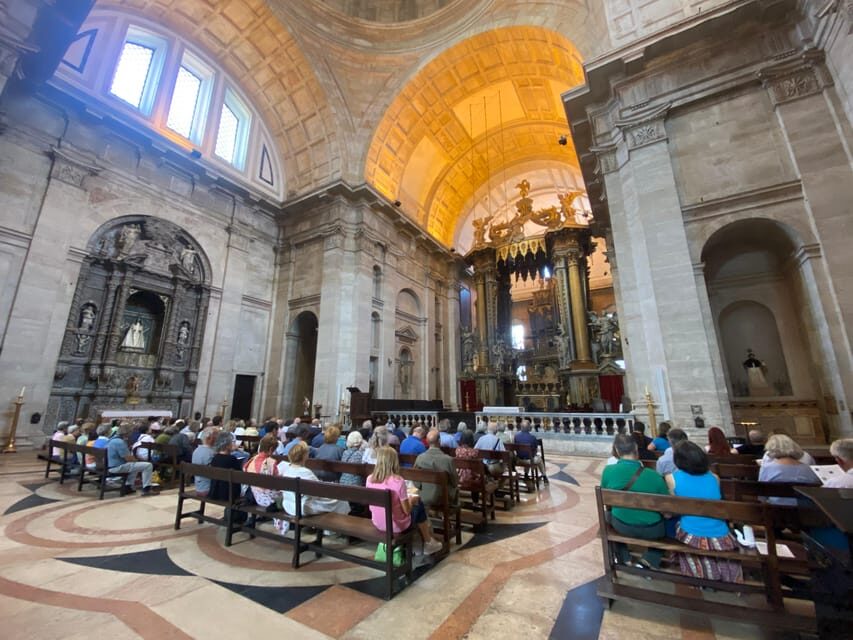
This entry ticket is one of those buys that makes sense because it covers multiple “layers” of the site. For about $9 per person, you get access to the monastery, including all exhibitions and areas that are part of the visiting circuit, plus a bathroom. You’ll also have informative explanatory panels throughout and a flyer with a map and brief descriptions, which matters because there’s no guided tour and no audio guide included.
What you’re paying for isn’t just the right to enter a building. You’re paying for a route where each room type connects to a different theme: royal authority, Portuguese style in the Mannerism period, decorative tile art, and even a small but meaningful piece of working medieval infrastructure (that cistern). If that mix matches your interests, it feels like good value.
If you strongly prefer a docent-led walkthrough, plan on reading more on your own. The panels are part of the experience here, and that can be a plus if you like moving at your own speed.
You can also read our reviews of more tours and experiences in Lisbon



Entering the Complex: Start at the Ticket Office Inside the Church
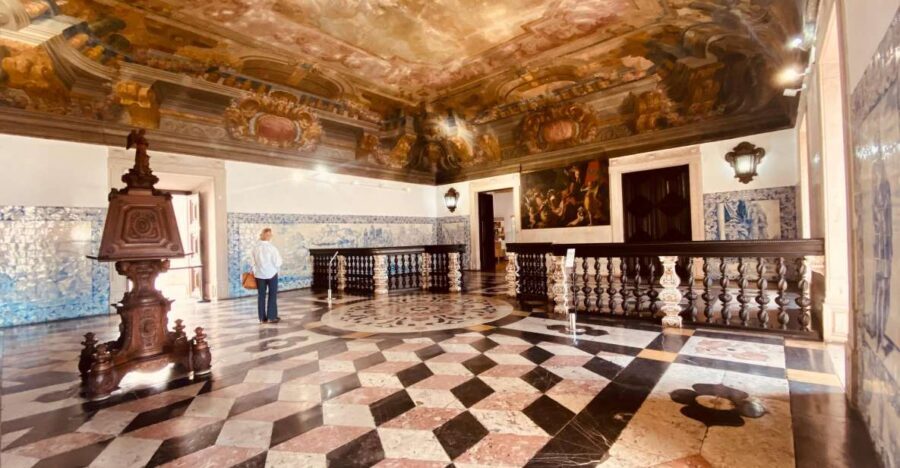
Your visit starts at the ticket office inside the Church of São Vicente de Fora. That’s helpful, because you’re not hunting for an off-site entrance or figuring out who to ask. Once you have the ticket, you go from space to space within the monastery circuit, and the activity ends back at the meeting point.
Because it’s self-paced, I’d use the panels like a lightweight guide rather than trying to speed-run. The building’s story is spread out across rooms, so taking a little time early makes everything else click.
And since this ticket is valid for 1 day (you check available starting times), you’re not locked into a single minute. It’s designed for flexibility.
The Azulejos Route: Baroque Glazed Tiles Still in Place
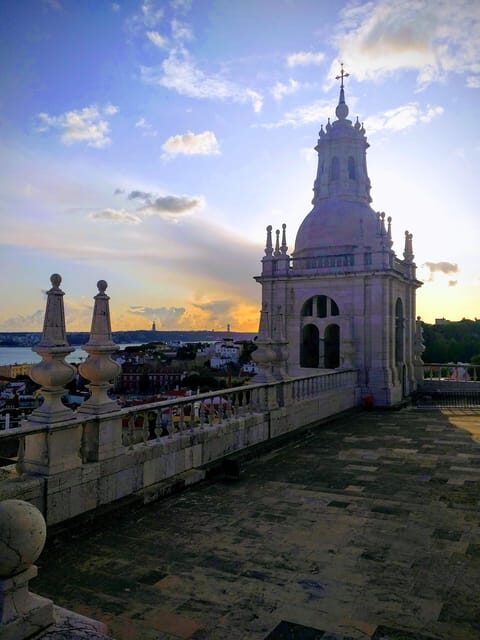
If you love Lisbon’s azulejos, this is one of the stops where you can appreciate why tiles matter beyond decoration. The monastery is known for the largest collection of baroque glazed tiles in their original place (in situ). That phrase is important: you’re not looking at tiles like museum objects behind glass. You’re seeing them integrated into the architecture and surfaces they were made for.
As you move through, keep an eye on how the tilework supports the overall look of the rooms. The experience is visual first, but it also helps you understand the power of royal and religious patronage—because this level of craft takes time, money, and intention.
One practical benefit of touring this particular monastery: the highlight here is that it can feel less crowded than some of the biggest names in Lisbon. That makes it easier to stand close, read panels without rushing, and let your eyes adjust from one detail to the next.
Portuguese Royal Power You Can Actually See: The Bragança Pantheon
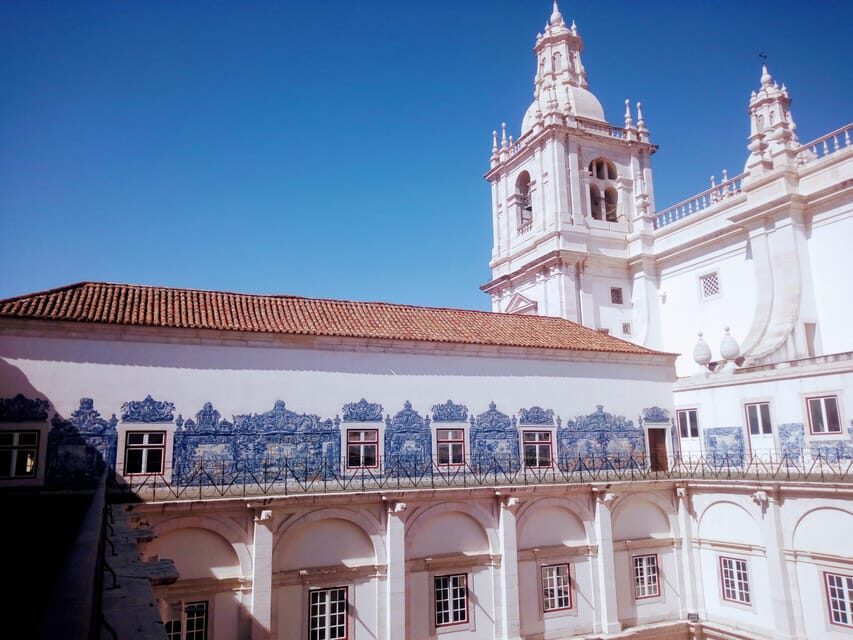
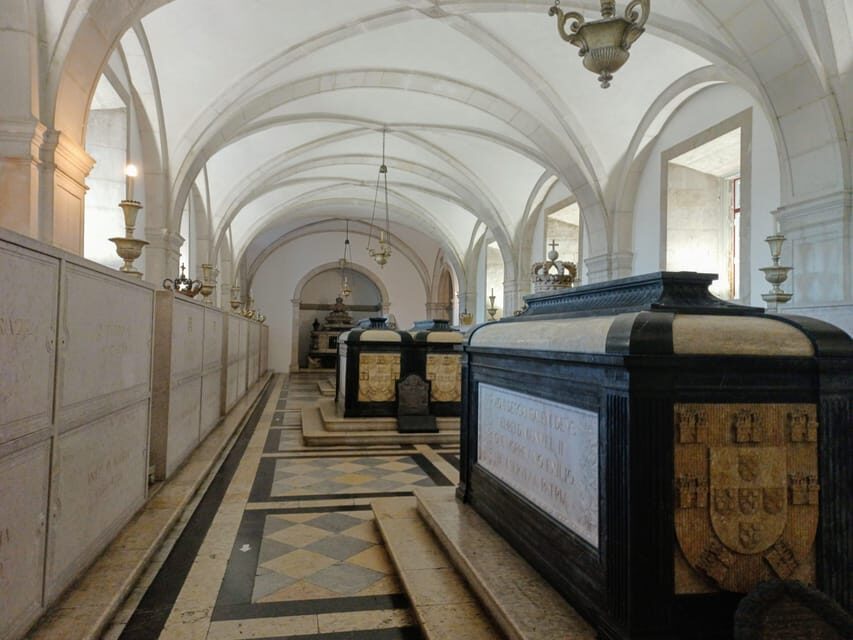
One of the most compelling parts of the visit is the Royal Pantheon of the Bragança Dynasty, where the last Portuguese royal family is entombed. This isn’t just a “look and move on” room. It’s the kind of space that gives you a grounded feeling for how the monarchy shaped institutions, buildings, and cultural identity.
What I like about this section is how it turns the monastery from pretty architecture into a marker of political continuity. The monastery is described as a symbol of royal power under different ruling dynasties, and you can feel that theme in how the complex evolved and was re-used.
Historical context that helps you understand what you’re seeing:
- The monastery was founded by D. Afonso Henriques in the 12th century.
- It was rebuilt by D. Filipe I (II of Spain) in the 16th century.
- The site is today one of Portugal’s best examples of Mannerism style.
- Later, it was reappropriated by successive kings of the Bragança Dynasty.
Even if you don’t memorize dates, knowing the “why it changed hands” story makes the building feel less random and more like a living record.
The Medieval Cistern That Still Works (And Why That Matters)
Some sites show you history. This one also hints at how people lived with systems and infrastructure. The monastery includes a medieval cistern that still works. That detail can seem almost minor until you think about what it represents: engineering embedded in a religious complex that has been standing for centuries.
I love including moments like this in a visit because they help you understand the monastery as a functional place, not only a ceremonial one. It’s the difference between history as an idea and history as something built for daily needs.
If you like practical details, slow down near this feature and read the explanatory panels. You’ll get more out of the visit than if you just move on when the room looks “cool enough.”




Sacristy and Inlaid Marbles: Where Craft Takes Over
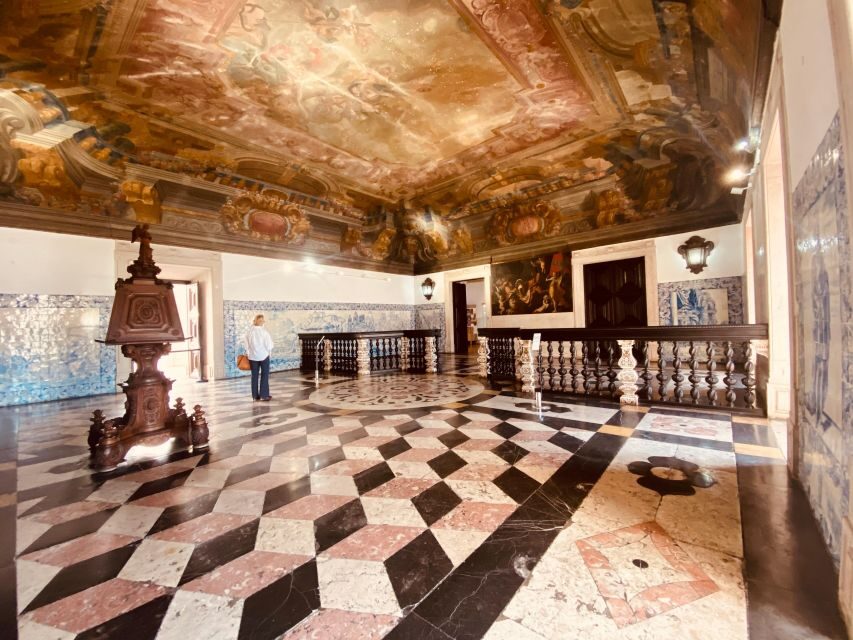
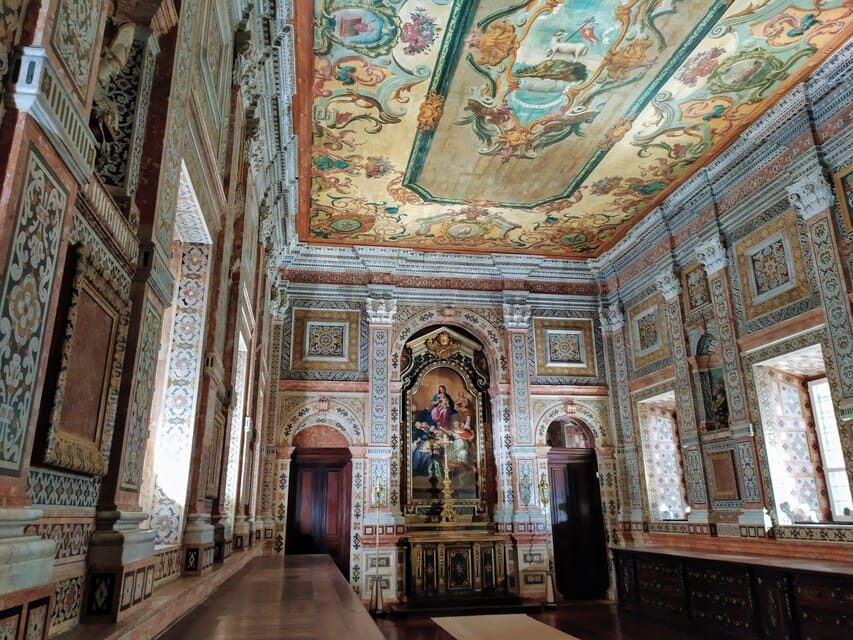
Another highlight is the sacristy whose walls are fully decorated with inlaid marbles. This is one of those stops where your eyes may not know where to land first: do you focus on patterns, color, or the way the surfaces are worked?
Compared with the glazed tile areas, the sacristy is a different kind of richness. You can see how multiple decorative materials were used to express importance. The building tells a consistent story: authority and devotion expressed through materials, labor, and style.
If you’re doing this in a tight schedule with other Lisbon sights, this sacristy is the place where it pays to give yourself an extra minute, even if you’re tempted to keep moving.
The Jean de La Fontaine Exhibition on Glazed Tiles
One of the biggest “I’m glad I stopped” moments is the exhibition featuring 38 fables written by Jean de La Fontaine, depicted in glazed tile panels. It’s not just Lisbon azulejos in general. It’s Lisbon azulejos telling a specific literary story set in a particular visual format.
A review note to keep in your mind: a French visitor called the La Fontaine exhibition very beautiful and very interesting, and they also highlighted the view. That lines up with why this exhibition tends to work so well. Fables are easy to recognize as themes, and the tile panels make them feel like part of the monastery’s language—not something stuck on later as an afterthought.
Read the panel explanations, then look at how the scenes are arranged. Even without a guided narration, you’ll usually understand the “turns” of each fable through the visuals.
Panoramic View Over Lisbon and the River (Including the 360° Feel)
Your ticket also includes access to a panoramic view over the city and the river. This is one of those sections where the monastery shifts from history and art into geography.
I like doing viewpoints late enough that I’ve warmed up to the site’s story. By then, you understand what you’ve been inside. From above, Lisbon makes more sense: neighborhoods, the river line, and the overall spread of the city.
Also, one review specifically mentioned a 360° view. So if you’re the type who loves full-circle viewpoints, this is a great reason to linger rather than snap and go.
Practical Tips: Make This Self-Guided Visit Feel Effortless
This experience is designed to be self-guided, but it still comes with support. Here’s how I’d set yourself up for an easy visit:
- Use the panels as your “on the ground” guide. They’re part of what you paid for through included explanatory text.
- Grab the flyer map so you can track the route without guessing.
- Plan for a slow pace around the tilework and the exhibitions. This is where the value lives.
- Take advantage of the quieter feel mentioned as a highlight. If you can, time your visit to avoid the biggest peaks so you can actually see details.
Practical rules to note:
- No smoking, no food or drinks.
- No luggage or large bags (so travel light).
- No alcohol and drugs.
Languages available are English, Spanish, French, Portuguese, and Italian (via the host/greeter and on-site presentation), which is helpful if you’re traveling with mixed-language companions.
If you’re booking with flexibility in mind, the offer includes free cancellation up to 24 hours in advance and a reserve now & pay later option. That’s useful if you’re still juggling Lisbon weather or your overall itinerary.
Who This Monastery Ticket Is Best For
This is a great fit if you:
- Like Portuguese history tied to real spaces, not just dates.
- Want to see azulejos where the design is integrated into the building (in situ).
- Prefer self-paced visits where you can stop and read at your speed.
- Enjoy a mix of art, craftsmanship, and a viewpoint.
It may be less ideal if you:
- Need a guided narrative to understand everything. There’s no guided tour here and no audio guide included.
- Travel with bulky luggage, since large bags aren’t allowed in the circuit.
Should You Book This Ticket?
Yes, I’d book it if you’re curious about Lisbon beyond viewpoints and photos. For the price, you’re getting a focused route that blends baroque azulejos, royal history tied to the Bragança Pantheon, an exhibition of Jean de La Fontaine fables on tile panels, and a panoramic scene over Lisbon and the river. The self-guided format works well because the visit is supported by explanatory panels and a map flyer, so you’re not stuck figuring everything out alone.
If your must-haves are live commentary and a guided pace, you might want to pair this with other guided options. But for most people who like to wander with purpose and learn as they go, this ticket is an easy yes.
FAQ
How long is the ticket valid?
The ticket is valid for 1 day. You’ll check availability to see starting times.
Where do I start the visit?
You start at the ticket office inside the Church of São Vicente de Fora.
What’s included in the entry price?
Included are admission to the monastery, access to all exhibitions and areas in the circuit, a bathroom, informative panels, and a flyer with a map and brief descriptions.
Is there a guided tour or audio guide included?
No. A guided tour and an audio guide are not included with this ticket.
What languages are available for the host/greeter?
The host or greeter is available in English, Spanish, French, Portuguese, and Italian.
Is food allowed inside the monastery areas?
No. Food and drinks are not allowed.