REVIEW · LISBON
Lisbon Fado Dinner with Live Show
Book on GetYourGuide →Operated by The Cooltours (Lisbon) · Bookable on GetYourGuide
Fado doesn’t feel like entertainment in Lisbon. It feels like a mood, and this 4-hour dinner-and-show plan pairs live Fado music with a guided stroll through the neighborhoods where the songs were born. You’ll ride through the city at night, then settle into a cozy Fado house for classic Portuguese food and local musicians playing right in front of you.
What I like most is the mix of Alfama storytelling plus an actual dinner, not just a ticket and a quick song stop. I also love that the evening is framed around Fado’s emotional roots, tied to sailors and families longing for home—so you’re not only watching, you’re understanding.
One thing to consider: the tour quality can hinge on smooth pickup and timing. There have been reports of guide communication problems, including missed pickup and inconsistent delivery of what was booked, so it pays to be alert on the day and double-check your meeting details.
In This Review
- Key things to know before you go
- Why Fado in Lisbon hits different at dinner time
- Price and value: what $147 buys (and what to watch)
- The night route in Lisbon: Bairro Alto, Rossio, and Martim Moniz
- Mouraria to Alfama: where the stories become real streets
- Panoramic drive at night: Lisbon’s big landmarks lit up
- Inside the Fado house: the performance and the dinner pairing
- Small group logistics: how it shapes your night
- How to choose the right Fado dinner night for you
- Practical tips that make the night smoother
- Should you book the Lisbon Fado Dinner with Live Show?
- FAQ
- How long is the Lisbon Fado Dinner with Live Show?
- What’s included in the price?
- What languages are the guides?
- How big is the group?
- Is the tour wheelchair accessible?
- What should I bring?
Key things to know before you go
- Small group (up to 8) makes the dinner show feel more like a shared night out than a production
- Alfama and Mouraria on foot gives you context before the music starts
- Panoramic drive at night includes illuminated Lisbon highlights like the National Pantheon and São Vicente de Fora
- A real Portuguese dinner happens in the same evening flow as the live performance
- Professional local guide shares the links between Fado and the streets you’re seeing
Why Fado in Lisbon hits different at dinner time
Fado started as working-class music—tied to sailors, fishermen, and sea merchants who were often away from home. The emotion in the songs is homesickness: longing, love, nostalgia. That’s why Fado can feel oddly personal even if you don’t speak Portuguese. The melody carries the message long before you catch the words.
This tour’s structure matters. You get the city first—streets, views, and landmarks—then you land in a traditional Fado house where the performance turns into the main event. You’re not rushing straight to a show. Instead, the guide’s stories help you connect why these songs sound the way they do, and where that feeling grew.
And because Fado is recognized by UNESCO as part of the Intangible Cultural Heritage of Humanity, the goal here isn’t just to entertain you. It’s to show you a living tradition—one that’s still tied to identity and memory in Lisbon.
You can also read our reviews of more tours and experiences in Lisbon


Price and value: what $147 buys (and what to watch)
At $147 per person for a 4-hour experience, you’re paying for several things at once:
- hotel pickup and drop-off at selected locations in Lisbon
- a professional local guide
- a night drive with illuminated landmarks
- a walking portion through older Lisbon neighborhoods
- a traditional Portuguese dinner in a local Fado restaurant
- live Fado performed by professional artists
That’s the value story. This isn’t only a concert; it’s a guided evening with dinner and a specific Lisbon setting.
Still, here’s the practical caution. With Fado dinner tours, details can swing the experience from great to mediocre: meeting up correctly, sticking to the planned flow, and ensuring the live music is the centerpiece (not background audio). A mixed record has shown up with communication problems and one case where the music-and-tour delivery didn’t match what people expected. So treat the price as fair only if the operation runs on time and the live show is truly part of your booked plan.
The night route in Lisbon: Bairro Alto, Rossio, and Martim Moniz
You start with pickup in Lisbon, then the route begins with a stop in Bairro Alto. Expect a short photo stop plus a guided orientation. Bairro Alto is one of those neighborhoods that makes you understand Lisbon’s layers quickly—steep streets, old buildings, and a sense of the city’s energy even after dark.
Next, you pass by Rossio Square and Praça do Martim Moniz. These aren’t long stops, and that’s fine. Think of them as quick wayfinding moments. You’re seeing Lisbon’s layout as the guide explains how neighborhoods connect, and how the city’s different faces shaped local life and culture.
Because these are pass-by moments, the best move is mental: use them to get your bearings. If you’re prone to skipping the guide’s pointers here, you’ll lose some of the story that makes Alfama feel more meaningful later.
Mouraria to Alfama: where the stories become real streets
Then comes the neighborhood transition you actually came for: Mouraria and then Alfama.
In Mouraria, you get a photo stop and a guided walk segment. Mouraria’s value in this tour is context. You’re not only collecting photos—you’re learning how Lisbon’s old neighborhoods overlap in people, culture, and everyday life. This is the kind of setup that makes the upcoming Alfama walk feel less like wandering and more like stepping into a living stage.
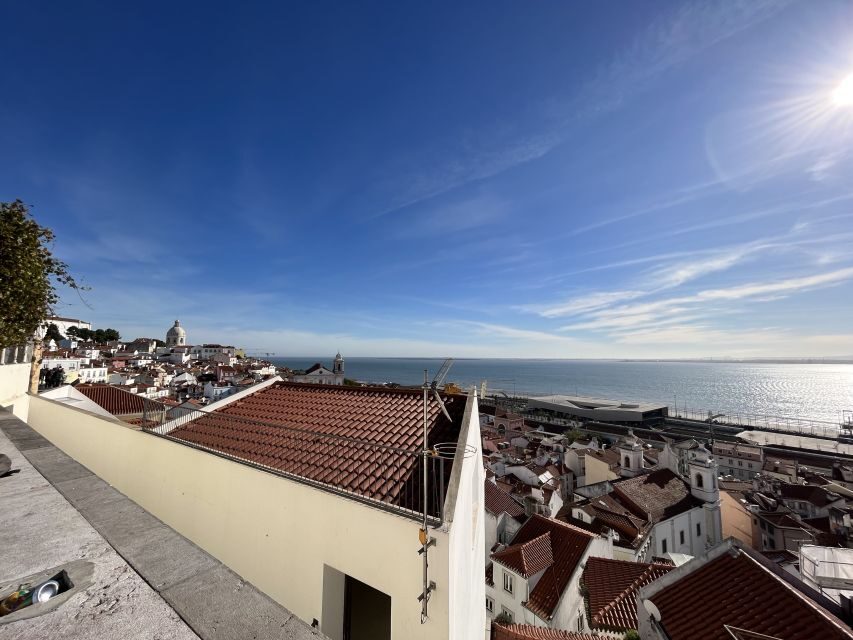
Then you settle into Alfama, the historic birthplace of Fado. You’ll have a long guided block there—plan on about two hours. The time matters because Alfama is steep, winding, and easy to underestimate. With a guide, the streets turn into a map of meaning: Fado isn’t floating in the air here; it’s tied to specific corners and community history.
You’ll also have food tasting during the Alfama portion. The tasting is important for value, because it breaks up the walk with something local and practical. It also helps you pace yourself for dinner later—though you’ll still want to eat lightly beforehand, since the evening includes a full traditional Portuguese meal.
A note on comfort: bring comfortable shoes. Alfama isn’t a stroll-through-museum situation. It’s real streets, real steps, and real uneven ground.
Panoramic drive at night: Lisbon’s big landmarks lit up
Between the walking parts and your dinner, you get a panoramic drive through Lisbon’s illuminated landmarks. This is where the “Lisbon at night” magic becomes efficient. You can cover major sights without trying to do them all on your own while also staying in sync with the dinner show timing.
The tour highlights include:
- the National Pantheon
- Lisbon Cathedral
- the Monastery of São Vicente de Fora
Even if you’ve seen pictures of these places, there’s a difference when you approach them by night. Illumination flattens some of the harshness of daylight shadows and emphasizes outlines, domes, arches, and hilltop silhouettes. The guide’s route helps too: you’re moving at a pace that lets you actually look, not just glance.
This drive also works as a “glue” for the story. After walking in Alfama, the lights and monuments make Lisbon feel connected as a whole—old neighborhoods feeding into broader city identity.
You can also read our reviews of more tours and experiences in Lisbon

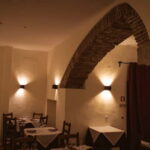




Inside the Fado house: the performance and the dinner pairing
Your evening finishes at a cozy, authentic Fado restaurant for an intimate live performance and a traditional Portuguese dinner. This is the heart of the experience.
Two things make this pairing work:
- Fado is emotional, and dinner gives the night time structure—songs can land the way they’re meant to, not as a quick interruption.
- You get local musicians performing live, and the guide’s earlier stories help you catch the theme even when you don’t know every lyric.
You’ll likely hear songs about longing, love, and nostalgia. That’s the point of the UNESCO framing: it’s not a “concert genre” in the modern sense. It’s a way people speak about memory and feeling.
Also, you may find that the quality of the evening rises or falls with the guide. I’ve seen examples of guides like Tania being praised for being friendly, highly informed, and good at making the night feel easy to follow—especially when she connects the music to Lisbon’s places. You can’t count on a specific guide name, but it’s a good reminder that strong narration makes the Fado house feel more than just food plus music.
Small group logistics: how it shapes your night
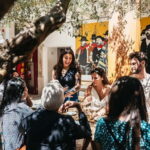
With a group limited to 8 participants, you’ll feel the difference during the walking and photo stops. A big group can turn Alfama into a slow-moving queue. A small group keeps the pace human. You can ask questions, hear the guide more clearly, and get pulled into the story rather than just standing at the back of a crowd.
Language support is listed as Spanish, Portuguese, and English, which is great if you’re traveling with mixed language needs or if you want explanations you can actually follow.
The tour is also wheelchair accessible. The data doesn’t specify how steep the walking portions will be for wheelchair users, so if mobility is a concern, it’s worth asking the operator how they plan to handle the neighborhood segments.
How to choose the right Fado dinner night for you
This tour fits best if you want:
- a guided night in Lisbon that goes beyond a generic show
- context for Fado (why it sounds the way it does and where it belongs)
- a practical plan that includes dinner, not just entertainment
- a calmer, intimate setting thanks to the small group size
It may not be your best match if:
- you’re the type who hates uncertainty around pickup and timing (because a reported issue was a missing guide at the meetup point)
- you’re only interested in the performance itself and would rather skip neighborhoods and guidance
- you’re counting on a perfectly smooth, high-end service experience every time—because there are also reports of deliveries that didn’t match expectations
Practical tips that make the night smoother
A few small moves can protect your evening:
- Wear comfortable shoes for Alfama’s terrain.
- Keep your phone charged. If you need to contact the guide or operator, you’ll want it ready.
- Arrive on time for pickup. With small-group tours, a late start can ripple.
- Go hungry enough to enjoy the dinner, but don’t overdo it before the tasting.
If you care about authenticity, pay attention to the live music setup once you arrive. The tour is designed around professional artists performing live, so it’s worth confirming the show is actually part of your booked plan once you’re at the restaurant.
Should you book the Lisbon Fado Dinner with Live Show?
I’d book it if your goal is an evening where Lisbon’s neighborhoods, guided storytelling, and live Fado all connect, and you’re comfortable spending $147 for the full package—pickup, guide, night drive, dinner, and performance.
But I’d be cautious if you hate logistical risk or if you need the evening to be flawless from minute one. There are signs of operational inconsistency in the past, including a case of pickup failure and another where the experience didn’t match what people paid for. If you book, make sure you clearly know your pickup point and double-check the day-of details so you don’t lose time before the music even starts.
FAQ
How long is the Lisbon Fado Dinner with Live Show?
The experience lasts about 4 hours.
What’s included in the price?
It includes hotel pickup and drop-off at selected locations, a professional local guide, an evening panoramic drive through illuminated landmarks, a traditional Portuguese dinner at a local Fado restaurant, and a live Fado music performance by professional artists. Travel insurance compliant with Portuguese regulations is also included.
What languages are the guides?
The guide provides narration in Spanish, Portuguese, and English.
How big is the group?
The group is limited to 8 participants.
Is the tour wheelchair accessible?
Yes, it’s listed as wheelchair accessible.
What should I bring?
Wear comfortable shoes, since you’ll be walking in old Lisbon neighborhoods.