
REVIEW · LISBON
Lisbon: National Tile Museum E-Ticket & Audio Guide
Book on GetYourGuide →Operated by Clio Muse Tours Portugal · Bookable on GetYourGuide
Lisbon’s tiles tell stories you can hear. With an e-ticket and a smartphone audio guide, the National Tile Museum turns the walls into a self-paced walk through Portugal’s craft history. I especially like the mix of iconic artwork (yes, there’s a Mickey Mouse panel) and the way the audio helps you connect patterns to time periods and places.
One thing to consider: the audio route can feel a bit confusing if you start at the very beginning and you’re trying to move room-to-room fast. If you’re short on time, you’ll want to use the app controls to jump ahead so you don’t feel stuck in order.
Key Tile Museum Takeaways
- E-ticket + skip-the-line means you can spend more time inside and less time waiting
- Offline audio, text, and maps on your phone makes it easy to follow without data
- Look for the Mickey Mouse tile panel and the Diamond-patterned panel as quick anchors for your visit
- The Dona Leonor Chapel and Mudéjar patterned tiles are standout stops for atmosphere and detail
- Plan on about 1–2 hours, depending on how often you pause to read and replay
- Small group size (up to 10) helps keep the visit feeling manageable, even if queues happen outside
In This Review
- What This Ticket Really Gives You in Lisbon
- Entering the Museum: E-Ticket, Offline App, and Phone Setup
- The Audio Guide: How It Helps You See the Tiles Better
- First Stops to Prioritize: Mickey, Diamond Patterns, and a 16th-Century Anchor
- Mudéjar Patterns and Dona Leonor Chapel: Where the Atmosphere Clicks
- Courtyard Breaks and Reading Labels: Comfort Matters in a 1–2 Hour Visit
- Price and Value: Is $16 Worth It for This Museum Setup?
- Who This Works Best For (and Who Might Want Another Option)
- Practical Timing: How to Plan Your 1–2 Hours
- Should You Book This National Tile Museum Audio Guide?
- FAQ
- Do I need to print a ticket for the National Tile Museum?
- Is there a live guide included?
- What language is the audio guide in?
- Can I download the audio guide for offline use?
- Do I need headphones?
- How long does the visit take?
- Is the museum accessible for wheelchairs?
- Is the audio guide compatible with all phones?
- Are children allowed for free?
- Where does this experience start and end?
What This Ticket Really Gives You in Lisbon

The National Tile Museum in Lisbon, formally the Museu Nacional do Azulejo, is one of those places where the main attraction isn’t just the tiles. It’s the storytelling built into them. This e-ticket experience pairs your entry with a smartphone audio guide, so you don’t need to line up for a live explanation to get value from the visit.
You’re paying for three practical things: timed entry support, an audio guide that works independently, and the convenience of downloading everything before you start. That matters in Lisbon, where museum lines and slow-moving queues can quickly steal your energy. With the e-ticket and skip-the-line service included, you can head straight in and spend your time where it counts.
The museum is designed for self-guided wandering, and the phone guide is part of that philosophy. You can listen at your own pace, repeat sections as you want, and focus on the rooms that catch your eye. That flexibility is a big part of why this setup works well for couples, solo visitors, and families who don’t want to march to a fixed group script.
Entering the Museum: E-Ticket, Offline App, and Phone Setup
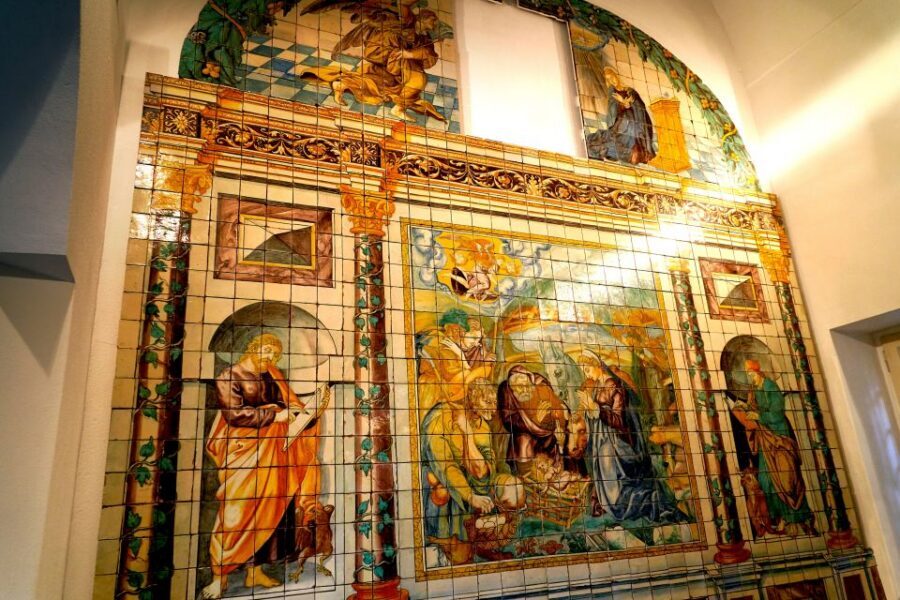
Your ticket arrives by email, and after booking you’ll receive instructions on how to access and download the audio guide. Do check your spam folder, because email filters can be overconfident. The app includes offline content (text, audio narration, and maps), which is a huge help because you don’t want to be hunting for signal among thick stone walls and busy corridors.
Before you go, make sure your phone meets the requirements. You’ll need an Android (version 5.0 and later) or an iOS smartphone. The audio guide is not compatible with Windows Phones, older iPhone models like iPhone 5/5C and older, or older iPod and iPad models listed in the instructions. You’ll also need about 100 to 150 MB of storage space.
One small practical note from the experience style here: there’s no smartphone or headphones included. So if you don’t bring your own headphones, you’re basically stuck reading instead of listening. The good news is that the museum has enough wall labels that you can still get plenty of information even if the audio doesn’t work for you.
Finally, the museum can have long queues at the entrance, so even with skip-the-line help, it pays to arrive calmly and be ready to wait a short bit before you get through. Once you’re inside, the pace feels worth it.
You can also read our reviews of more tours and experiences in Lisbon



The Audio Guide: How It Helps You See the Tiles Better
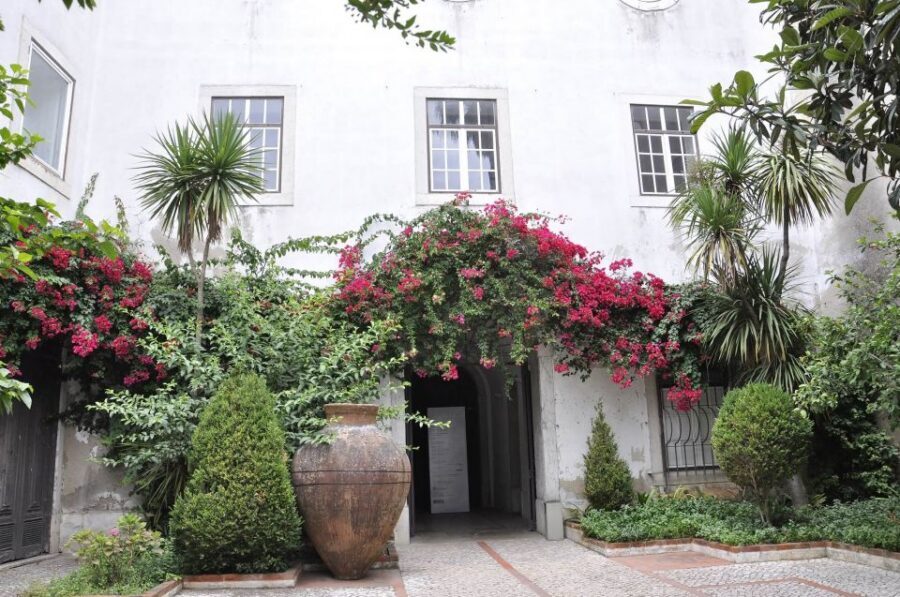
This is not just narration for narration’s sake. The audio guide is built around how tile designs connect to Lisbon’s timeline—medieval and early modern work, later industry growth, and the way styles evolved. The museum itself provides the physical context, and the guide helps you make sense of what you’re looking at so the patterns don’t blur into one another.
You can play the guide on your phone with headphones and listen repeatedly. That replay option is more useful than it sounds. When you’re staring at a complex panel, it’s easy to miss a detail the first time. Being able to go back gives you a better chance to actually understand the story behind a motif.
That said, there’s a real downside to consider. The audio can feel a little hard to follow in order, especially if you try to “start at the beginning” and then keep moving ahead quickly. One helpful fix you can plan for: look for the app’s section controls that let you jump forward to the picture of the room you are in. The guide is more comfortable when you match the narration to where you are, not where you started.
If you love audio and want a guided feeling without a live group, this guide is a strong match. If you prefer quick browsing, you can still use it selectively—pick a few rooms you care about and move on.
First Stops to Prioritize: Mickey, Diamond Patterns, and a 16th-Century Anchor
When you enter, it helps to choose a few “anchor moments” so your visit feels organized. Highlights include a 16th-century tile and the well-known Mickey Mouse tile panel, plus a Diamond-patterned panel. Even if you’re not chasing Instagram moments, these are useful because they make the history easier to grasp.
A 16th-century piece gives you a baseline: you can compare the style, craftsmanship, and sense of composition to later works. Then the Mickey Mouse panel does something clever. It turns a familiar modern icon into a lens for thinking about how Portuguese tile culture keeps communicating—even when subjects change.
The diamond pattern is another kind of anchor. It trains your eye on repetition, geometry, and how skilled tile-making can make something purely decorative feel ordered and intentional. Once you notice this kind of structure, the museum’s wider collection becomes easier to read.
Practical tip: pause longer than you think on panels with dense detail. The museum’s big strength is that the designs reward close looking. If you’re rushing, the story becomes background noise instead of the main attraction.
Mudéjar Patterns and Dona Leonor Chapel: Where the Atmosphere Clicks
Two stops that tend to change the tone of the visit are the Mudéjar patterned tiles and the Dona Leonor Chapel. These areas aren’t just pretty. They help you understand tiles as an architectural language, not just wall decoration.
Mudéjar influence is often about blending artistic traditions, and in this museum setting you can feel how tile patterns create warmth, rhythm, and visual movement. The patterns can look like they’re doing more than filling space. They guide your attention and give the rooms a crafted coherence.
Then the Dona Leonor Chapel shifts you into a more intimate, reflective space. Chapel tiles tend to be meaningful on multiple levels: they carry symbolism, they honor the sacred use of the room, and they show how tilework could elevate religious and civic spaces. The audio guide’s role here is to slow you down just enough to notice what you might otherwise skate over.
If you’re the kind of visitor who likes to take photos, this is where you’ll want to settle. Tiles like these make great images, but they also make great moments to sit with your eyes instead of your camera.
Courtyard Breaks and Reading Labels: Comfort Matters in a 1–2 Hour Visit
Your ticket is usually planned for 1–2 hours, but that range depends on how often you stop. If you like reading and listening in short bursts, you’ll likely stay closer to the longer end. If you’re selective and focus on a few headline rooms, you can do it faster without feeling like you missed the core.
One nice detail: there’s a beautiful garden area by the cafeteria where you can sit and eat or drink. Even if it’s not part of the official audio script, it’s the kind of space that makes a museum visit feel less like a sprint and more like a calm cultural break.
Also, don’t underestimate how much you can learn from wall labels. Even when you’re using the audio guide, labels help anchor the visuals. And if you run into any audio trouble—headphones, phone battery, or app confusion—you can still move confidently with the information posted around the rooms.
You can also read our reviews of more guided tours in Lisbon






Price and Value: Is $16 Worth It for This Museum Setup?
At around $16 per person, this ticket feels fair because you’re not just buying entrance. You’re buying a smoother experience: e-ticket access plus skip-the-line service and a smartphone audio guide with offline content.
If you were paying only for entry, the museum would still be worth visiting. But the audio guide is what turns a good-looking room into a memorable learning experience. It helps you connect patterns to time and tells you stories you might not guess just by looking.
That said, the value depends on how you travel. If you love self-guided audio and you’re comfortable using your phone for navigation and listening, this is a good buy. If you don’t use headphones or you hate phone-based experiences, you may feel like the extra cost buys you less than you expected. In that case, it could still be enjoyable to rely on wall labels and move at your own pace, but you’ll be using only part of what you paid for.
The “small group” limit (up to 10) is also a plus in practice. Even with an e-ticket system, smaller batches can reduce bottlenecks inside certain moments. Your time feels easier to manage when crowds are limited.
Who This Works Best For (and Who Might Want Another Option)

This experience shines if you fall into any of these categories:
- You want a self-paced visit, but you still want guidance that makes the tiles mean something
- You enjoy phone audio and offline content, especially when you’re in a place with possible signal issues
- You like repeating key rooms or spending longer in the sections that catch your interest
- You’re traveling with kids or in a mixed group and want flexibility rather than a scripted live tour
It’s less ideal if:
- You don’t like using your phone as the main guide device
- You plan to move extremely quickly and you’re worried about the audio route feeling out of sync (use the room-jump controls)
- You’re traveling without headphones, since those aren’t included
For most people, the museum experience itself is the star. The ticket just helps you see it with more clarity and less waiting.
Practical Timing: How to Plan Your 1–2 Hours

Here’s a timing approach that usually works well with this kind of museum setup. Give yourself enough time to see the headline panels and still have room to linger in the chapel and patterned rooms. If you try to compress everything into 45 minutes, you’ll feel rushed, and the tile details will blur.
If you’re using the audio guide heavily, plan around 60–90 minutes, plus a buffer. If you’re using it lightly—just hitting a few rooms—two hours will feel comfortable and unhurried.
Also, headphones and battery matter. Offline content helps, but your phone still needs power for audio playback and app navigation. If you can, keep your phone charged and avoid starting the audio only after you’re already inside and stuck in a queue.
Should You Book This National Tile Museum Audio Guide?
I think you should book it if you want a practical, low-hassle way to turn Lisbon’s National Tile Museum into an actually understood experience. For the price, the combination of skip-the-line entry and offline audio is a strong value. The audio guide is especially useful for connecting what you see—Mickey Mouse panel, diamond geometry, Mudéjar patterns, and the Dona Leonor Chapel—to the bigger story of Portuguese tile-making.
Skip booking only if you know you won’t use the phone audio, or if you prefer a purely label-based visit where you browse slowly and don’t want any app behavior to manage. If that sounds like you, you can still enjoy the museum, but this specific ticket is designed for listening and flexibility.
If you want an enjoyable plan that doesn’t require a group schedule, this is a solid choice—and it’s one of the best ways to make tilework feel personal instead of just decorative.
FAQ
Do I need to print a ticket for the National Tile Museum?
No. You receive an e-ticket by email, and you can use it to access the museum.
Is there a live guide included?
No. This experience includes a smartphone audio guide, not a live guide.
What language is the audio guide in?
The audio guide is included in English.
Can I download the audio guide for offline use?
Yes. The app includes offline content, including text, audio narration, and maps.
Do I need headphones?
You need your own headphones. A smartphone or headphones are not included.
How long does the visit take?
The duration is typically 1 to 2 hours. Starting times depend on availability.
Is the museum accessible for wheelchairs?
Yes. The museum is wheelchair accessible.
Is the audio guide compatible with all phones?
It requires an Android (version 5.0 and later) or iOS smartphone. It is not compatible with Windows Phones, certain older iPhone/iPad/iPod models, and older devices listed in the instructions.
Are children allowed for free?
Yes. Entrance is free for children up to 12 years old.
Where does this experience start and end?
It starts at a meeting point that may vary depending on the option booked, and it ends back at the meeting point.