REVIEW · LISBON
Lisbon on foot: From the hills to the river – Dutch guide
Book on GetYourGuide →Operated by Gino Lisboa · Bookable on GetYourGuide
Lisbon changes fast on foot. In just two hours with guide Gino, you see the city’s big viewpoints, its street-level life, and then the river. What I like most is that it’s 100% Dutch, so you don’t waste time piecing translations together. You also get a smart route that mixes hill views with quick connections, ending where you can instantly grab a bite.
I’m especially happy with the way the tour ties landmarks to stories. You’ll talk about the 25 de Abril Bridge and Portugal’s maritime era while walking through neighborhoods like Bairro Alto and Chiado, not just standing around for photos. And yes, you finish at Time Out Market, which makes it easy to keep the momentum going after the walk.
One thing to consider: this is a real walking route. It’s not for people with mobility impairments, and you’ll be on your feet for the whole experience with only short stops.
In This Review
- Key Highlights You’ll Feel Right Away
- A Two-Hour Lisbon Walking Tour That Uses Language as a Superpower
- Who guides this and what that changes
- Starting at São Pedro de Alcântara: Get Oriented Before You Wander
- What to watch for at the start
- Bairro Alto and Chiado: Maritime Stories Walk Side by Side With the Streets
- Why this stop style is effective
- Praça Luís de Camões, Carmo Convent, and St. Dominic’s Square: Quiet Squares With Big Meaning
- A practical expectation
- Café A Brasileira and Fernando Pessoa: A Cultural Pivot in the Middle of the Descent
- Why this café stop is valuable even without a long sit-down
- Santa Justa Lift and Baixa: How Lisbon Rebuilt After 1755
- The earthquake story makes more sense on the ground
- A Short Pastel de Nata Pause: The Only Long Enough Break You Need
- What to do with this moment
- Commerce Square and the Walk Toward the Tagus: Big Space, Big Stories
- Following the Tagus River Toward 25 de Abril Bridge
- Photo and viewpoint tip
- Finishing at Time Out Market: Turn the Walk Into a Real Meal Plan
- What to look for after the tour
- Price and Value: Is $36 Worth a Dutch Guide for Two Hours?
- Who Should Book This Lisbon Hills-to-River Walk
- Should You Book? My Practical Take
- FAQ
- Is this tour in Dutch?
- How long is the Lisbon walking tour?
- Where does the tour start?
- Where does the tour end?
- What’s included in the price?
- Are there entrance fees or inside visits to attractions?
- Do you stop for food?
- Is there a break during the walk?
- Is the tour suitable for people with mobility impairments?
- Can I cancel and get a full refund?
Key Highlights You’ll Feel Right Away
- Dutch-only guidance that keeps the whole walk smooth and easy to follow
- São Pedro de Alcântara viewpoint to orient you before you head downhill
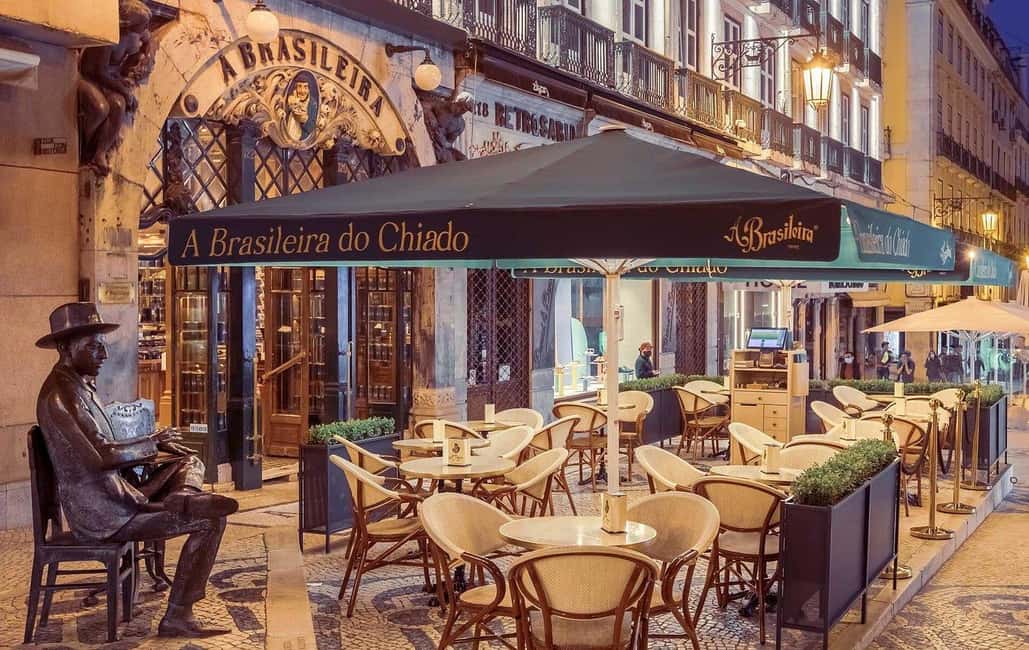
- Café A Brasileira + Fernando Pessoa stop for a cultural jolt in the middle of the climb-and-descend
- Santa Justa Lift into Baixa and how Lisbon rebuilt after the 1755 earthquake
- River walk toward 25 de Abril Bridge, with scenic Tagus views along the way
- Pastel de nata taste stop (short and sweet, no long break dragging your schedule)
A Two-Hour Lisbon Walking Tour That Uses Language as a Superpower
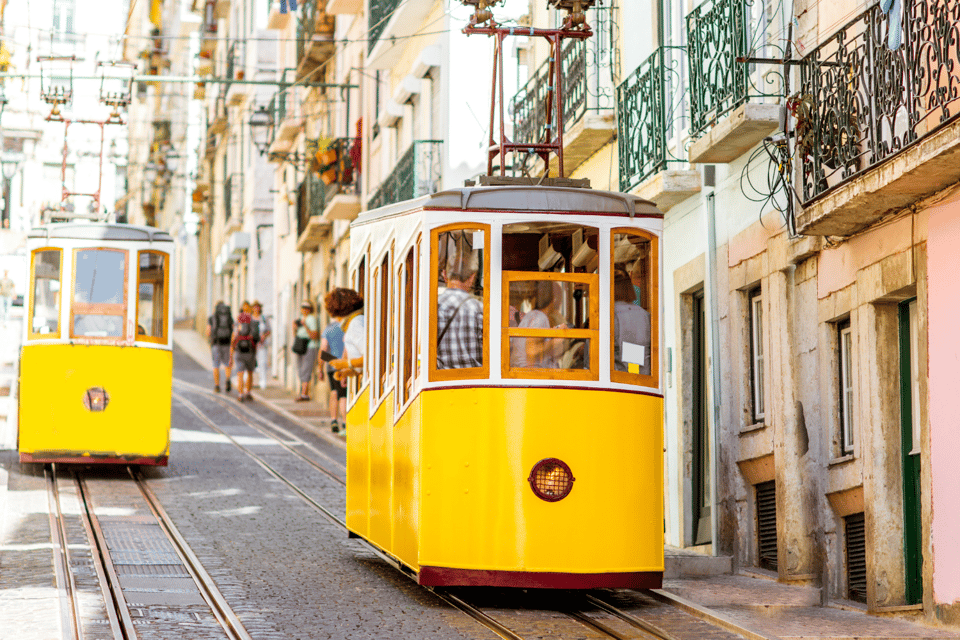
This tour is built for people who want Lisbon explained clearly, in one language, without the usual awkward pauses. Since it’s Dutch-speaking and designed to be followed start to finish, you’ll actually keep up with the historical thread as you move between neighborhoods.
The pace is relaxed, and it’s a small-group style walk. That matters in Lisbon, where getting from one hill or square to another can turn into a logistics problem if you’re doing it alone. A local guide handles the flow, and you get a route that mixes viewpoints, old streets, lifts, and river paths.
You can also read our reviews of more guided tours in Lisbon



Who guides this and what that changes
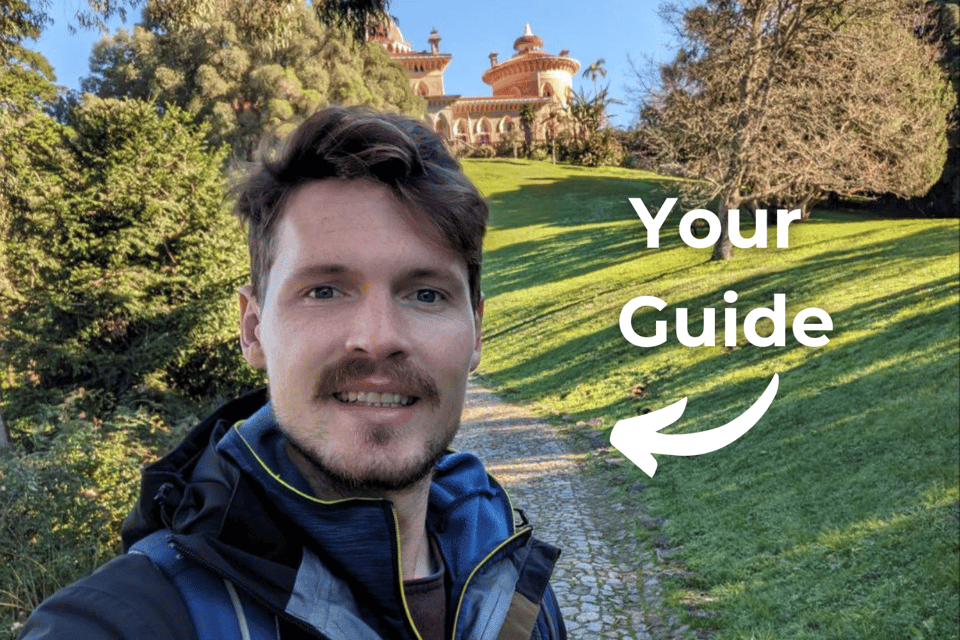
Gino Lisboa leads this experience. In my view, that’s a big plus because he’s matching the tour to real walking logic: short transitions, good photo stops, and a sense of when to look up and when to look around at street life. One of the nicest parts is that you’re not just being told dates; you’re being guided through how Lisbon’s geography shaped its history.
Starting at São Pedro de Alcântara: Get Oriented Before You Wander
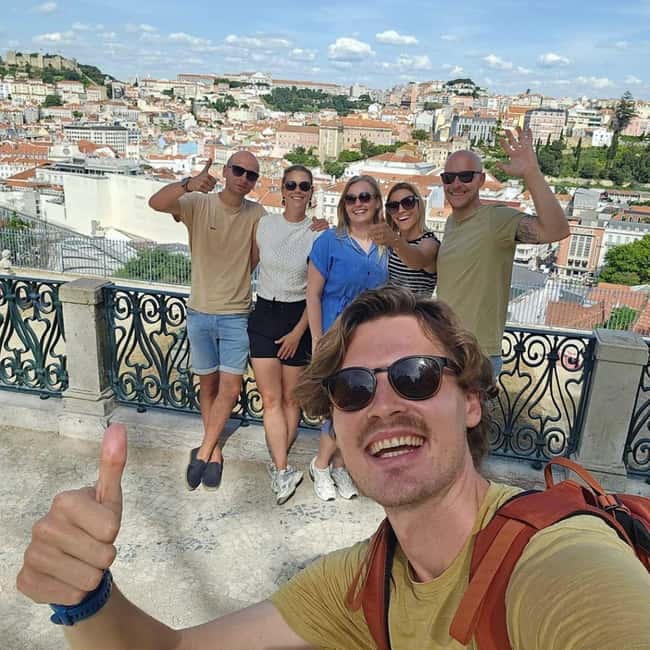
You begin at Miradouro de São Pedro de Alcântara (also listed as São Pedro de Alcântara). This is one of those Lisbon viewpoints that instantly gives your brain a map. From up there, you can see how the city steps downhill and how the big landmarks sit in relation to the hills.
The guide will point out key visual cues, including the relationship to São Jorge Castle. Even if you’ve seen Lisbon photos before, this viewpoint helps you understand what you’ll be walking through next. It’s not only pretty. It’s practical orientation.
What to watch for at the start
- Look for the way streets funnel down from the hills toward the center
- Note the way viewpoints connect to neighborhoods you’ll hit later
- Use a camera early, because Lisbon keeps rewarding you as the route descends
Bairro Alto and Chiado: Maritime Stories Walk Side by Side With the Streets

After the viewpoint, you move into the older neighborhoods that feel like they’ve kept their personality. The tour takes you through Bairro Alto and Chiado, where your guide weaves Portugal’s maritime past into the walking route.
This is where the tour’s historical storytelling turns from abstract to physical. You’re hearing about the Age of Exploration, plus figures like Vasco da Gama and Luís de Camões, while you’re standing in the kind of streets where those eras left their mark. Even if you know the names already, the guide’s goal is to connect why these figures matter to Lisbon’s identity.





Why this stop style is effective
Instead of jumping straight into the biggest monuments, you’re building context. When you later talk about Lisbon’s rebuilding or its bridges and river edges, it feels like part of the same story, not separate sightseeing.
Also, these neighborhoods are great for taking in street rhythm. You’ll notice how the city’s layout encourages short views and frequent photo moments.
Praça Luís de Camões, Carmo Convent, and St. Dominic’s Square: Quiet Squares With Big Meaning
The itinerary continues into Praça Luís de Camões, then onward toward Carmo Convent and St. Dominic’s Square. These aren’t just “pretty stops.” They help you understand how Lisbon’s spiritual and civic spaces sit alongside the everyday.
I like this sequence because it slows the walk down just enough for you to absorb scale and atmosphere. You’re not going inside attractions—entrance fees aren’t included, and the tour avoids going inside anyway—but exterior viewpoints and square-level perspective still teach a lot.
A practical expectation
If you’re the type who hates rushing, these square stops are a good pacing reset. You get context and photo time without turning the tour into a ticket-hunting marathon.
Café A Brasileira and Fernando Pessoa: A Cultural Pivot in the Middle of the Descent
Next is the famous Café A Brasileira. Your guide will bring you here with a specific cultural reason: there’s a Fernando Pessoa statue, and that becomes a jumping-off point for understanding Lisbon’s literary and modern layers.
This is the kind of stop that prevents the tour from becoming only a history lecture. You get a recognizable name and a tangible symbol, right in the neighborhood flow.
Why this café stop is valuable even without a long sit-down
Even if you don’t linger, you’ll understand the tour’s pattern: viewpoints for geography, squares for meaning, cafés for culture. It’s a smart way to keep Lisbon feeling like one city, not five separate attractions.
Santa Justa Lift and Baixa: How Lisbon Rebuilt After 1755
Then you descend into Baixa de Lisboa, guided through the classic Lisbon connection point: the Santa Justa Lift descent. This part is especially useful if you’re walking on your own later, because the tour shows you a quicker way to move between levels without wearing yourself out.
Your guide also explains what happened after the great earthquake of 1755 and how Lisbon was rebuilt. Even if you’ve heard the event name before, hearing it while you’re physically in the restored urban fabric helps the story land.
The earthquake story makes more sense on the ground
This is one of those moments where context matters. Baixa’s layout reflects planning after disaster, and Lisbon’s later identity grew from that rebuilding. When you connect the timeline to the streets you can see and walk, it becomes more than trivia.
A Short Pastel de Nata Pause: The Only Long Enough Break You Need
There’s a stop where your guide believes you’ll get one of the best pastel de nata in the city. The tour notes that there’s no break during the walk in the sense of a long sit-down, but you do get a tasty stop—and you’ll have short downtime around the Baixa area.
I like this approach. Lisbon is hilly and made of stairs and slope. A brief pause for pastry and water helps you keep your energy without losing the route’s flow.
What to do with this moment
- Take a minute, then rejoin the group quickly
- Use it to refill your water bottle if needed
- If you’re prone to sugar crashes, stick to one pastry and then sip water
Commerce Square and the Walk Toward the Tagus: Big Space, Big Stories
As you continue, you’ll visit Commerce Square (listed as Praça do Comércio / Commerce Square, Lisbon). This open space works as a natural transition from street-level lanes to the river direction.
It’s a helpful contrast: you go from enclosed neighborhood feel to a broad, open urban stage. That shift makes the later river walk feel like a logical next act rather than a random detour.
The guide connects these areas to the city’s evolving story—again, less about isolated facts, more about how Lisbon grew around its relationship with water and movement.
Following the Tagus River Toward 25 de Abril Bridge
Now comes the most scenic emotional payoff: you walk along the Tagus River via Ribeira das Naus. This is where Lisbon starts to feel expansive. The river edge gives you long sightlines, and the route naturally builds anticipation for the signature crossing ahead.
You’ll learn about the 25 de Abril Bridge too, including why it’s such a symbolic landmark in the city’s modern image. On foot, you get the advantage that you can look back toward the neighborhoods you just walked through, and forward to where the bridge frames the horizon.
Photo and viewpoint tip
Don’t only point your camera at the bridge. Turn your head and capture the river edge and the buildings behind you. The “before” and “after” perspective is what makes the hill-to-river route special.
Finishing at Time Out Market: Turn the Walk Into a Real Meal Plan
The tour ends at Time Out Market. That’s smart because you don’t end in some far-off parking lot with no options. You’re dropped into a place where you can keep eating, keep drinking, and keep talking with your group if you want.
I recommend treating it like a continuation window. If you’re hungry, this is where you’ll feel grateful the tour planned a finish point that’s easy to access and easy to use.
What to look for after the tour
- Grab something simple if you’re still walking-shift tired
- If you want to explore more, use the market as your reset point
Price and Value: Is $36 Worth a Dutch Guide for Two Hours?
At $36 per person for a two-hour Dutch walking tour, the value is mostly about what you’re not doing. You’re not researching history while climbing hills. You’re not trying to translate every sign or guess which lift route saves your legs.
You are paying for three things that are hard to DIY well:
- Dutch-only explanations that keep the storyline intact
- A route that matches Lisbon’s geography, including quick vertical movement via Santa Justa Lift
- Curated stops like Café A Brasileira and the pastel de nata moment, which give the walk texture rather than turning it into a checklist
If you enjoy tours that connect neighborhoods to meaning, this price feels reasonable for a guided experience that saves time and makes the city easier to understand.
Who Should Book This Lisbon Hills-to-River Walk
This tour fits best if you:
- Want a Dutch guide and don’t want to rely on translation apps
- Like walking routes with a clear story arc, from viewpoints to the river
- Want Lisbon’s big themes—maritime history, the 1755 rebuilding, and modern landmarks—without inside-ticket stops
- Prefer ending near food, with Time Out Market as an easy post-tour plan
It may not be for you if you:
- Have mobility limitations, since it’s not suitable for people with mobility impairments
- Don’t enjoy downhill and uphill walking segments, even at a relaxed pace
- Want a tour that goes inside attractions (this one avoids entrance fees and doesn’t include interior visits)
Should You Book? My Practical Take
Book this tour if you want Lisbon in one clean package: hills, old neighborhoods, a cultural café stop, a lift-and-rebuild lesson, and then the Tagus with the 25 de Abril Bridge payoff. The fact that it’s 100% Dutch is not a small detail. It changes how much you can actually take in.
Skip it only if walking distance or mobility is an issue, or if you specifically want long museum time and inside visits. For everyone else who likes to see the city as it moves downhill—this is a strong way to get your bearings fast and leave with stories you’ll remember later.
FAQ
Is this tour in Dutch?
Yes. The tour is listed as Dutch only, with a live guide speaking Dutch throughout.
How long is the Lisbon walking tour?
The duration is 2 hours.
Where does the tour start?
It starts at a São Pedro de Alcântara viewpoint (Miradouro de São Pedro de Alcântara / São Pedro de Alcântara), with the exact starting location depending on the option booked.
Where does the tour end?
The tour ends at Time Out Market.
What’s included in the price?
The price includes a walking tour and a Dutch guide.
Are there entrance fees or inside visits to attractions?
No. The tour notes that there are no entrance fees because you will not go inside attractions.
Do you stop for food?
Yes. You’ll visit Café A Brasileira and there’s a stop where you can taste a pastel de nata.
Is there a break during the walk?
There is no long break during the walk, but you do have a tasty stop for pastel de nata, and the itinerary includes a short break time in Baixa de Lisboa.
Is the tour suitable for people with mobility impairments?
No. It is listed as not suitable for people with mobility impairments.
Can I cancel and get a full refund?
Yes. It offers free cancellation up to 24 hours in advance for a full refund.