REVIEW · LISBON
Lisbon: River Tagus Sightseeing Cruise in Traditional Vessel
Book on GetYourGuide →Operated by Nosso Tejo · Bookable on GetYourGuide
The Tagus is best from the water. I love how this Lisbon cruise pulls you away from gridlocked streets and gives you historic-center views all the way along the river. It’s an easy, low-effort way to orient yourself fast, especially if you’re trying to understand how the Tagus River shapes the city.
You get live on-board commentary in multiple languages, so the sights don’t just pass by. The guide ties together Lisbon’s seven hills and the city’s big historical threads as you move from the center toward Belém.
One thing to plan for: it can get windy and brisk on the water, and that may affect how long you want to stand up and take photos (they do help with warm extras, if needed).
In This Review
- Key things to know before you go
- Why a 1947-style cargo boat changes the Tagus cruise
- The route that makes sense: center first, Belém last
- Terreiro do Paço and the waterfront stretch: your Lisbon orientation
- The big river-facing icons: Castelo, the Cathedral, and the National Pantheon
- Castelo de São Jorge
- Lisbon Cathedral (Sé)
- Church of Santa Engrácia / National Pantheon
- Christ the King and the Belém transition: why the guide’s context matters
- Belém from the river: Jerónimos, the Tower, and the Discoveries monument
- Jerónimos Monastery and Belém Tower
- Padrão dos Descobrimentos
- Live guiding in English, Spanish, Portuguese, and French
- Price and value: what $28 buys you on the Tagus
- Comfort, timing, and what to wear when the wind shows up
- Who this Lisbon cruise suits best
- Should you book this Tagus River sightseeing cruise?
- FAQ
- Where is the meeting point for the Lisbon cruise?
- How long is the cruise?
- What sights will I see during the cruise?
- What languages are offered for the live guide?
- Is hotel pickup included?
- Is the cruise wheelchair accessible?
Key things to know before you go
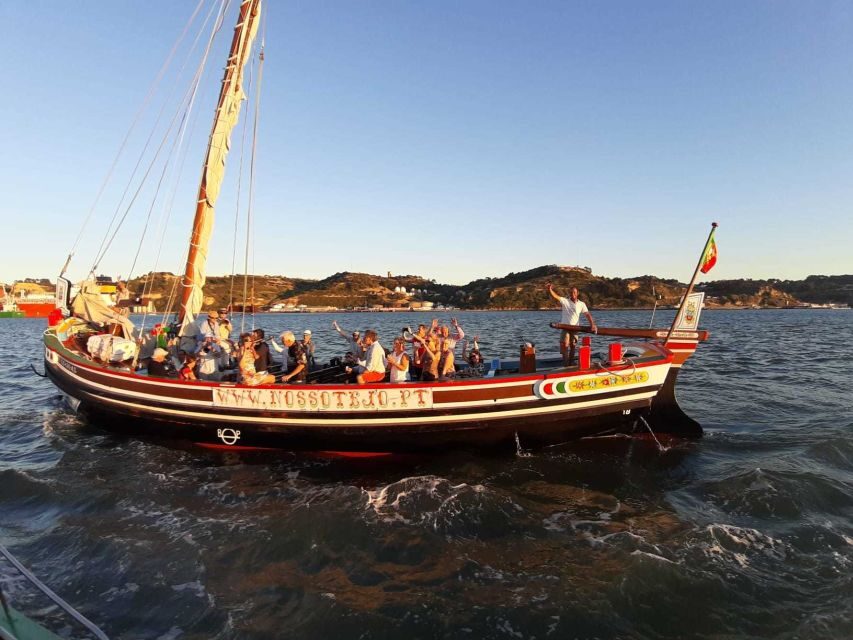
- A rare 1947 traditional vessel: only a small handful of boats of this size are left, and they’re tied to the Navy Museum.
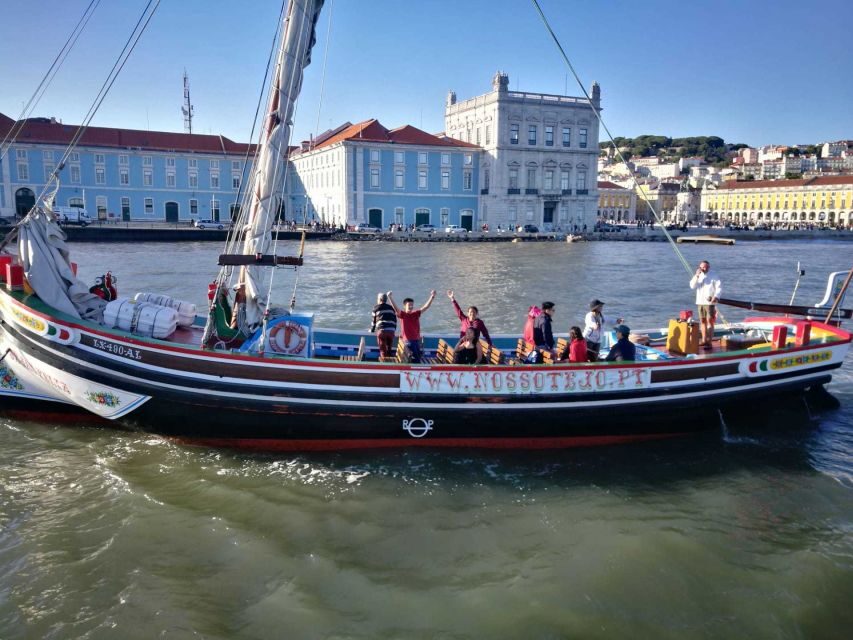
- Hand-painted charm: the boat is decorated with floral artwork, which adds a nice, human touch to your photos.
- A clear visual route: you’ll see the waterfront stretch from Praça do Comércio toward Cais do Sodré.
- Big landmarks without the walking marathon: the cruise frames Lisbon’s hills and key monuments from the river.
- Live multilingual guiding: Spanish, English, Portuguese, and French are offered on board.
Why a 1947-style cargo boat changes the Tagus cruise
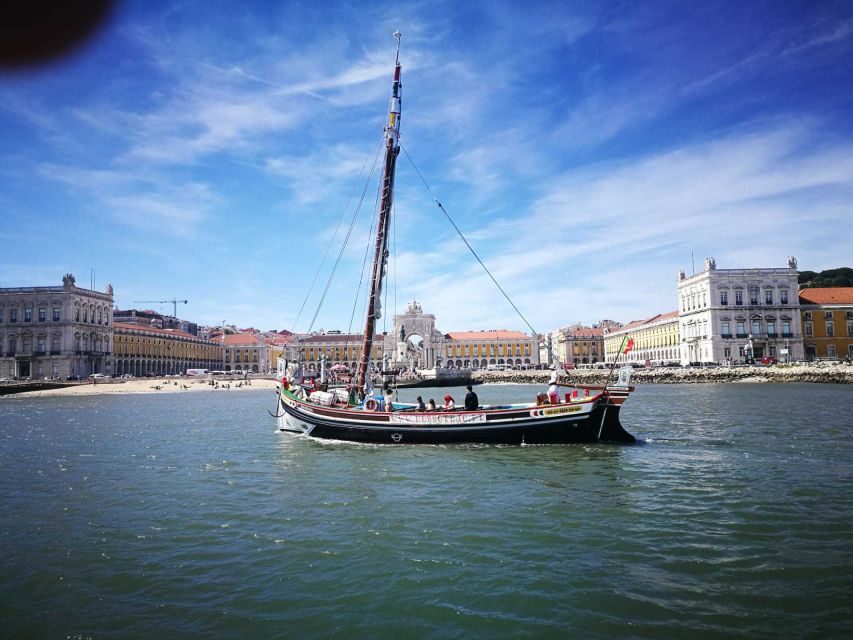
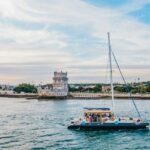
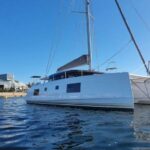
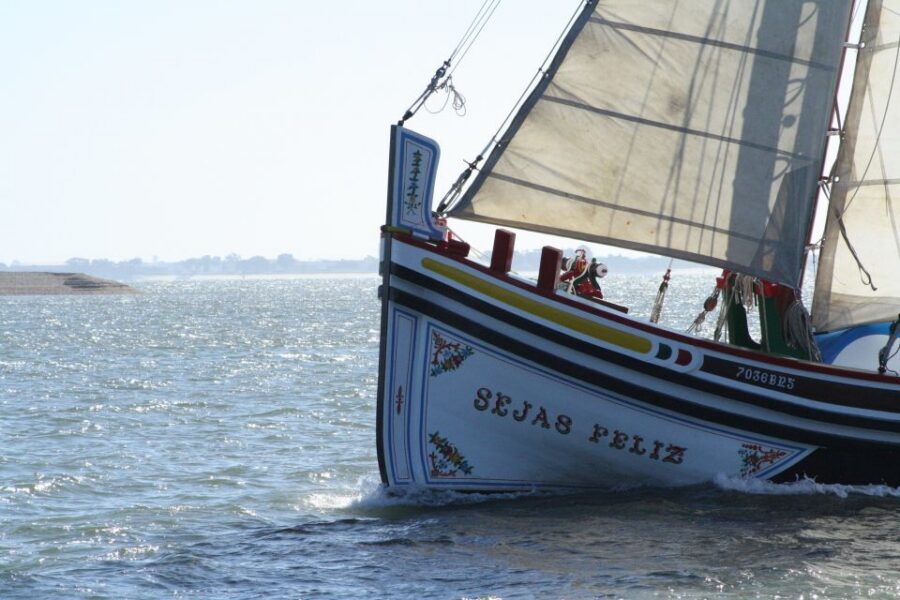
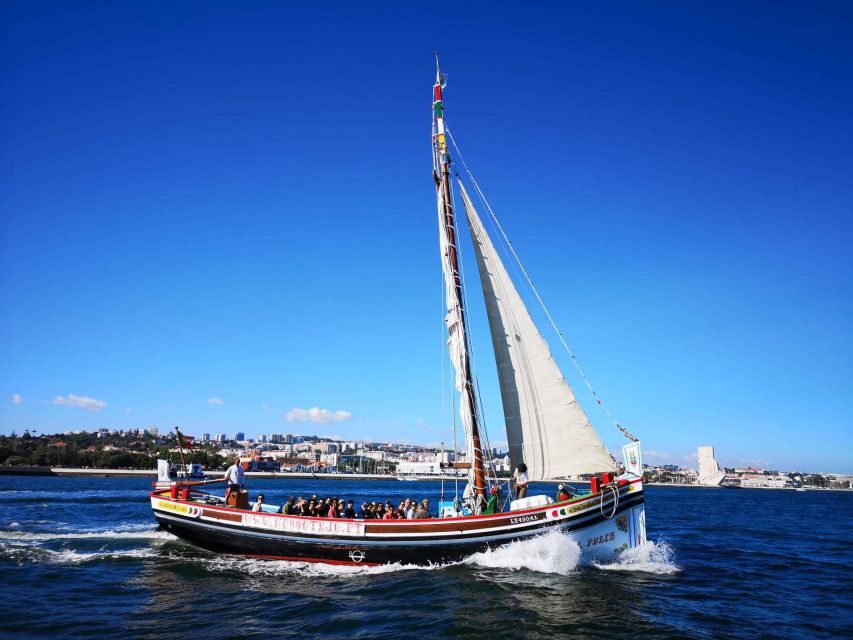
Most river cruises feel modern. This one doesn’t. You ride in a traditional 1947 cargo boat, the kind that looks like it belongs in a museum photo—but it’s very much used for sightseeing.
What makes it feel special isn’t just the age of the vessel. The boats of this type are extremely limited (only seven of this size remain), and they’re inscribed in the Navy Museum. That detail matters because it turns the cruise into more than a ticket for pretty views. You’re also getting a piece of Portuguese maritime identity, right on the water.
Then there’s the visual friendliness: the boat is hand-painted with flowers. It sounds like a small thing, but it changes the mood. You don’t feel like you’re trapped inside a generic sightseeing tube. You feel like you’re on something intentionally made to welcome visitors.
And because it’s still a working-style river craft, the ride stays grounded. You’re not staring at a screen; you’re moving with Lisbon’s waterfront in real time.
You can also read our reviews of more boat tours in Lisbon


The route that makes sense: center first, Belém last
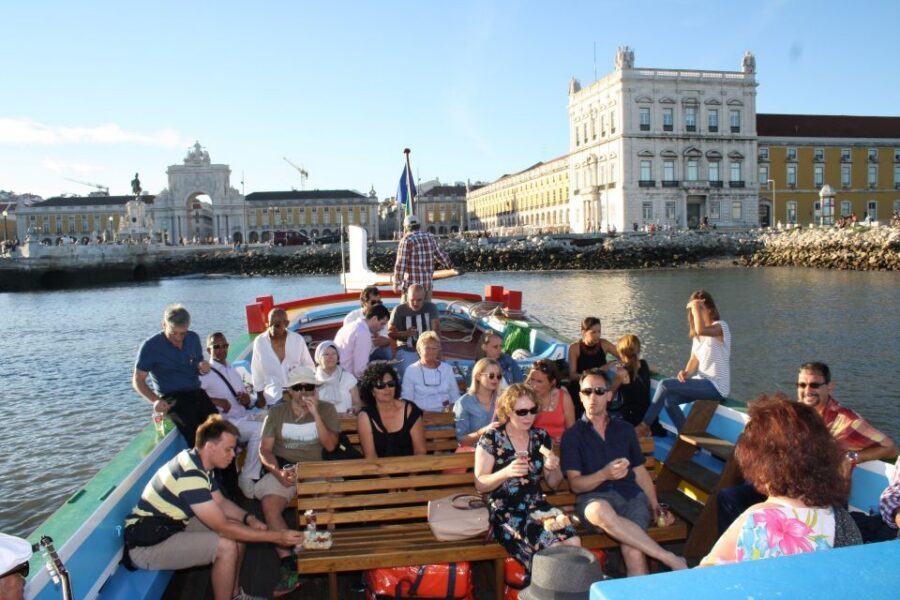
This is a 105-minute cruise designed to cover a lot of Lisbon’s most important river-facing sights without exhausting you. You start near the riverfront at Terreiro do Paço (Commerce Square), then cruise along the waterfront toward Cais do Sodré, and continue on the longer sweep that ends around the Belém area.
The payoff is timing. The first stretch helps you understand Lisbon’s layout: where the center opens to the river, how the waterfront is connected to older ship-building zones, and why the hills matter. Later, the tour lands on monuments that feel like Lisbon’s world-expedition page, centered in Belém.
You’ll also get the “from the water” perspective—rooftops, domes, and church fronts look different when you’re sitting lower and moving. It’s the kind of viewpoint that helps you later when you walk around.
Terreiro do Paço and the waterfront stretch: your Lisbon orientation
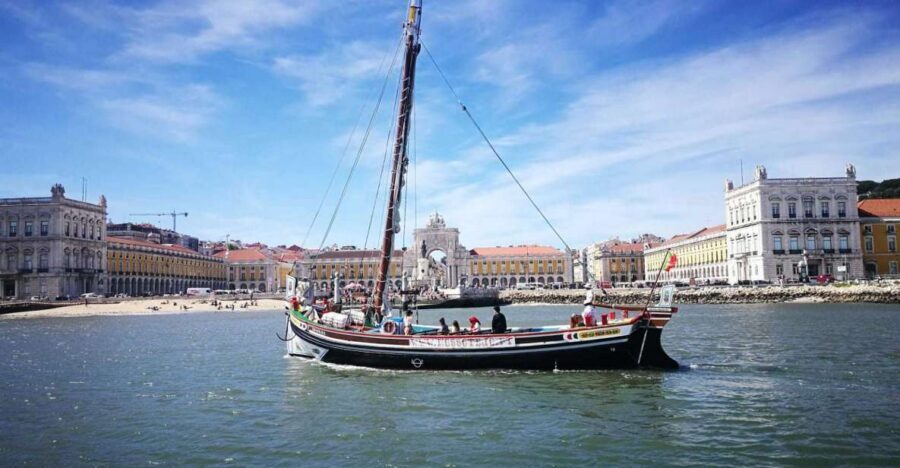
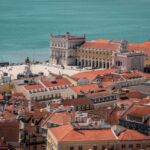
The cruise begins at the river on the Terreiro do Paço side (Praça do Comércio / Commerce Square). This area is Lisbon’s grand gateway to the water, and you’ll see why it became such a symbolic hub.
A key detail you’ll hear on board: Praça do Comércio was rebuilt after the great earthquake of 1755. Knowing that gives you a better eye for what you’re seeing. You’re not just looking at a pretty square edge; you’re looking at a city that had to reinvent itself after a catastrophe.
As you move along, the waterfront stretch between Praça do Comércio and Cais do Sodré brings you a working-city view of Lisbon, not just postcard angles. You pass the kind of buildings and riverfront structures that reflect how the city lived with the river day after day.
The cruise also points out Ribeira das Naus, where many Portuguese explorers’ ships were built. Even if you don’t know Portuguese maritime history yet, that moment makes the rest of the tour click. Lisbon isn’t only a place where explorers left. It’s a place where the ships were made—right there along the water.
The big river-facing icons: Castelo, the Cathedral, and the National Pantheon
Once you’re out in the main sights zone, the guide starts connecting landmarks that sit on Lisbon’s seven hills. From the river, the hills aren’t abstract. You see the verticality. You understand why Lisbon always looks dramatic from the water even on a cloudy day.
Castelo de São Jorge
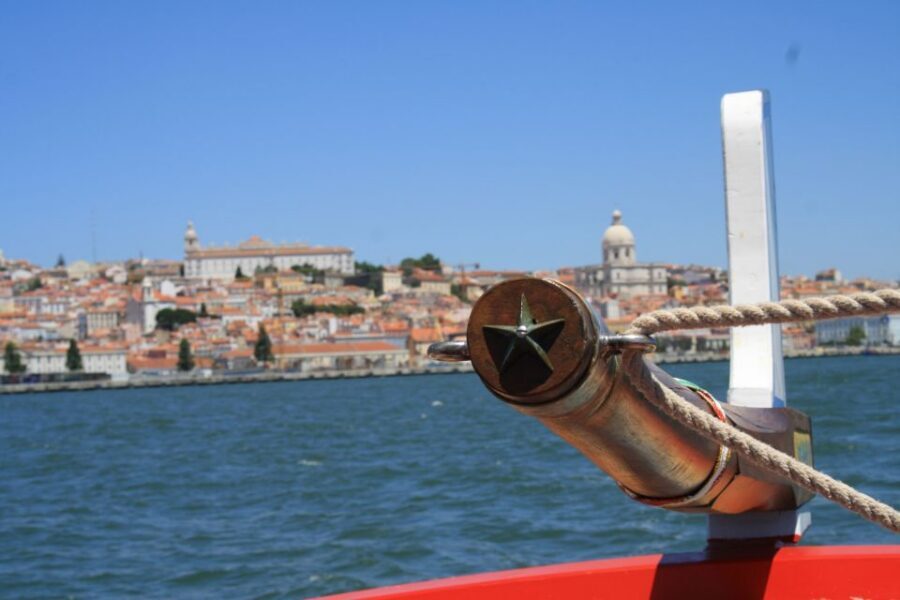
You’ll look out for Castelo de São Jorge, the Moorish castle that rises over the historic center. On the cruise, it’s framed like a backdrop—part fortress, part viewpoint. It also helps you understand why older Lisbon developed with defense and elevation in mind.

Lisbon Cathedral (Sé)
Next up is Lisbon Cathedral, noted as the oldest church in the city, built in 114. Hearing the date out loud while you see it from the river makes the age feel real. It’s not a museum label—it’s a living monument still surrounded by modern Lisbon.
Church of Santa Engrácia / National Pantheon
Then you’ll see Church of Santa Engrácia, which has been converted into the National Pantheon. The cruise angle helps you clock the building’s scale and presence without crowds pressing around you.
And here’s a practical tip: don’t worry about perfect photos of every façade. Prioritize 2–3 anchor shots. Once you’ve captured Castelo and the Cathedral area, you’ll have enough “map pictures” to remember the tour route when you later explore on foot.
Christ the King and the Belém transition: why the guide’s context matters
Around the middle-to-late part of the cruise, you’ll see Christ the King and learn the background behind it. The tour doesn’t just name places; it gives you the story threads that help Lisbon feel connected instead of separate stops.
This is also where the cruise shifts from “historic center riverfront” into “Lisbon as world stage,” which sets you up for Belém.
If you’ve only got a short time in Lisbon, the order helps. You start with the city that shaped itself over centuries, then you move toward the monuments tied to exploration and trade routes.
Belém from the river: Jerónimos, the Tower, and the Discoveries monument
Belém is where the cruise becomes especially memorable, because the river brings the monumental forms into view without requiring long walking detours.
Jerónimos Monastery and Belém Tower
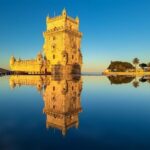
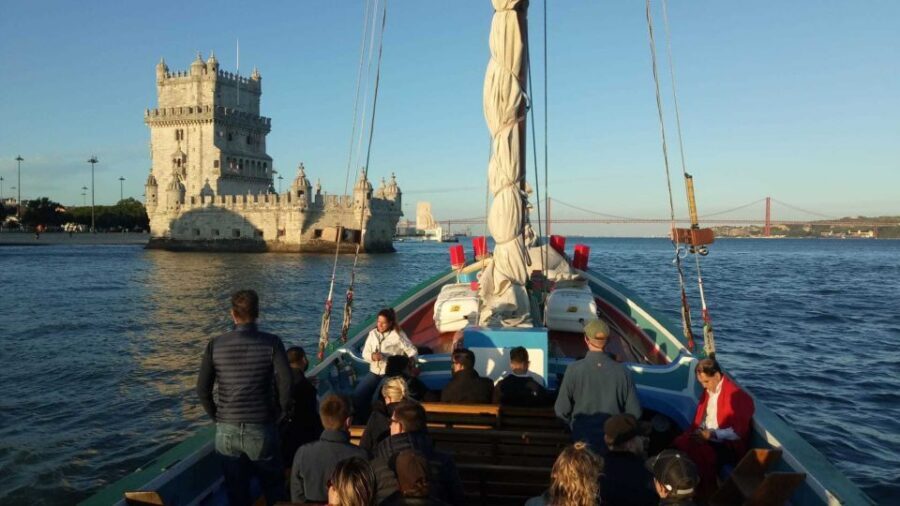
You’ll see Mosteiro dos Jerónimos and Belém Tower, both highlighted as World Heritage Sites and described as Gothic Manueline style. Even if you’re not a style expert, Manueline details stand out from a distance: the buildings look ornate, but not fussy. They look made for an age that wanted to show power and craft.
From the water, these landmarks also feel more symmetrical and “designed.” That’s often hard to catch from street level, where buildings overlap.
Padrão dos Descobrimentos
You’ll finish up with Padrão dos Descobrimentos, a monument tied to the theme of Portuguese departures to trade with the East. The guide’s framing here matters. You’re not just seeing a sculpture. You’re seeing a message anchored to ship movement and navigation—the river as a route, not just a view.
Then you cruise back toward Cais do Sodré, ending about 1 hour and 45 minutes after departure.
Live guiding in English, Spanish, Portuguese, and French
For a short tour like this, the guide is the difference between a pleasant ride and a truly useful one. The big win is that the commentary is live and multilingual: Spanish, English, Portuguese, and French.
One practical thing you’ll notice: guides often keep the explanations moving at a quick but understandable pace. That helps because 105 minutes is short. You’re meant to leave with a mental map and a few story hooks you can use later when you visit sites on foot.
You can also expect more than pure facts. The guide connects the dots—earthquake rebuilding, Moorish presence, medieval age markers, and the exploration-era shift—so the cruise feels like one coherent narrative rather than random sightseeing.
If you prefer deeper historical storytelling, you might find yourself wishing the guide had more time on certain topics. Still, the onboard pace is usually right for people trying to see a lot without getting stuck in one place for hours.
Price and value: what $28 buys you on the Tagus
At about $28 per person for a 105-minute guided cruise, you’re paying for three things: time, a professional guide, and the river viewpoint.
This is good value if you want:
- Orientation in Lisbon: the river route helps you understand where landmarks sit relative to each other.
- Monuments without constant stair and hill climbs: you’re seeing hills, but you’re not doing the hill walking.
- A guided shortcut to context: you’ll know why the places matter, not just what they look like.
You’re not paying for comfort in the luxury sense, but you are paying for a vessel that feels authentic and a crew that focuses on keeping the trip running smoothly. Reviews also mention practical touches like the boat being comfortable and offering help with wind chill, and even small onboard refreshments like water.
Also, this is one of those tours that fits almost any day. It doesn’t require a huge commitment, and it doesn’t spoil your schedule for Belém or Alfama later. It’s a smart “see a lot fast” move.
Comfort, timing, and what to wear when the wind shows up
This cruise is straightforward, but the water changes the weather fast. Even in decent conditions, you can feel the wind off the Tagus.
Here’s what to do:
- Wear comfortable clothes (that’s the official dress guidance, and it’s the right one).
- Bring a light layer for the air once you’re moving.
- If you’re photo-hungry, be ready to take pictures early in the cruise when people are still settling in.
The tour asks you to arrive 15 minutes early. Do that. You want time to find the ticket office smoothly.
One more practical point: the tour isn’t built for wheelchair use, and unaccompanied minors aren’t allowed. If you’re traveling with kids, plan on staying together as a group.
Food and drinks aren’t included as a package. That said, some crews offer small extras like water onboard, so it’s worth having your day bag ready for anything you personally need.
Who this Lisbon cruise suits best
This is ideal for you if:
- You’re short on time and want big-name landmarks without a heavy walking plan.
- You like learning the story behind the sights, not just collecting photos.
- You want an easy day activity that helps you later on foot, especially around the center.
It’s also a solid choice for first-timers who want to understand Lisbon’s hills quickly. Seeing Castelo and the Cathedral framed from the river gives you a helpful “mental model” that street corners alone often can’t.
If you hate wind, go in with realistic expectations. Bring layers and aim to enjoy the ride rather than trying to stand at the same spot for the full 105 minutes.
If you need wheelchair access or are traveling with an unaccompanied minor, this won’t fit.
Should you book this Tagus River sightseeing cruise?
Book it if you want a high-impact, low-effort way to see Lisbon’s river landmarks with live guidance. The $28 price feels fair because you’re getting a rare-feeling boat, real context from the guide, and a route that covers both the historic core and Belém.
Skip it if you’re chasing a deep, academic lecture or you’re sensitive to cool wind on the water. For most people, though, this cruise nails the sweet spot: practical orientation, great views, and enough story to make the monuments mean something once you’re off the boat.
FAQ
Where is the meeting point for the Lisbon cruise?
You meet at the first white building by the river on the left side of Terreiro do Paço (Commerce Square), at ticket office number 8.
How long is the cruise?
The cruise duration is 105 minutes (starting times vary, so check availability).
What sights will I see during the cruise?
You’ll pass the waterfront between Praça do Comércio and Cais do Sodré, see Ribeira das Naus, Praça do Comércio, and key landmarks including Castelo de São Jorge, Lisbon Cathedral, Church of Santa Engrácia (National Pantheon), Christ the King, and in Belém you’ll see Mosteiro dos Jerónimos, Belém Tower, and Padrão dos Descobrimentos.
What languages are offered for the live guide?
The live commentary is available in Spanish, English, Portuguese, and French.
Is hotel pickup included?
No. Hotel pickup and drop-off aren’t included.
Is the cruise wheelchair accessible?
No. The activity is not wheelchair accessible.