REVIEW · LISBON
Лиссабон: сверху вниз под правдивые и вымышленные истории
Book on GetYourGuide →Operated by Katia Literra · Bookable on GetYourGuide
Lisbon feels like a story you can walk through. This 3-hour small-group tour strings together real places and vivid legends, from azulejo tile details to river views from the hilltops. I like that it focuses on how the city works in practice, not just what to see, and I also love the mix of viewpoints, churches, and transport landmarks. One thing to plan for: the route goes mostly downhill but includes cobblestones and some stairs, so it is not a great fit for mobility limits.
Your guide is Katia Literra, a Russian-speaking philologist based in Lisbon, and that background shows in the way she connects streets to people and pages of history. You’ll also get a Q&A at the end, plus recommendations so you can keep exploring on your own without wandering blindly.
For me, the best part is the “top-to-bottom” feeling. You start near Largo do Rato, drop toward Chiado and Rossio, then land at Praça do Comércio with a new understanding of Lisbon’s geography and neighborhoods.
In This Review
- Key points before you go
- A Lisbon walk that moves like a plot (not a checklist)
- Price and value: why $23 can make sense here
- Starting at Largo do Rato: the hilltop math begins
- Jardim do Príncipe Real: a calmer Lisbon moment
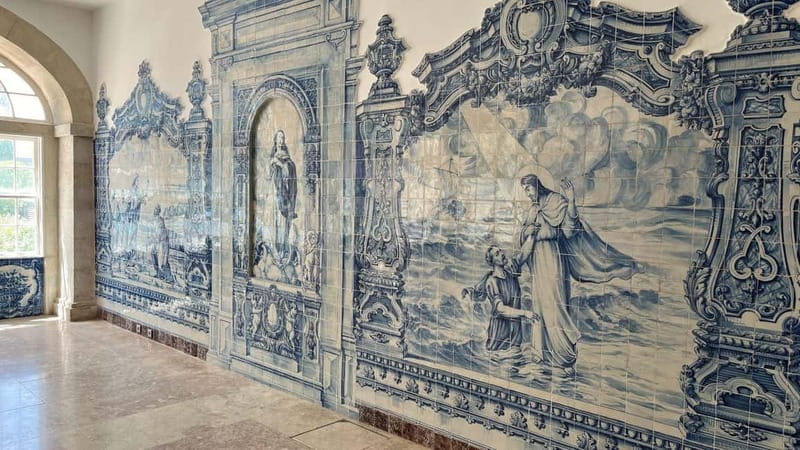
- The azulejo city map: turning Lisbon into a solvable puzzle
- Miradouro de São Pedro de Alcântara: where the river view clicks
- Elevador da Glória to Bairro Alto: Lisbon’s vertical life
- Igreja de São Roque and ornate interiors: why Portugal leans dramatic
- Largo do Carmo Square and coffee/snacks break
- Santa Justa Lift, Chiado, and Rossio: from steep streets to grand city centers
- Baixa, Rua da Prata, and the final reveal at Praça do Comércio
- Using your tour info after you finish
- What to bring and what to watch out for
- Who this Lisbon top-down stories walk suits best
- Should you book this tour?
- FAQ
- Where does the tour start?
- How long is the tour?
- What is the price?
- What language is the tour guide?
- How big is the group?
- Where does the tour end?
- What’s included?
- What is not included?
- Is the tour suitable for people with mobility impairments?
- What should I bring?
- FAQ
- Is this tour for children?
- Can I cancel and get a full refund?
- Are alcohol or drugs allowed?
- Are museum tickets required?
- Can I pay later?
Key points before you go
- Azulejo city model viewpoint: you’ll see Lisbon laid out in tilework so the hills and streets make sense fast
- Secret garden in a former monastery: a quiet pause that breaks up the city pace
- Church interiors with heavy ornament: you’ll get to see the kind of interiors Portugal is famous for
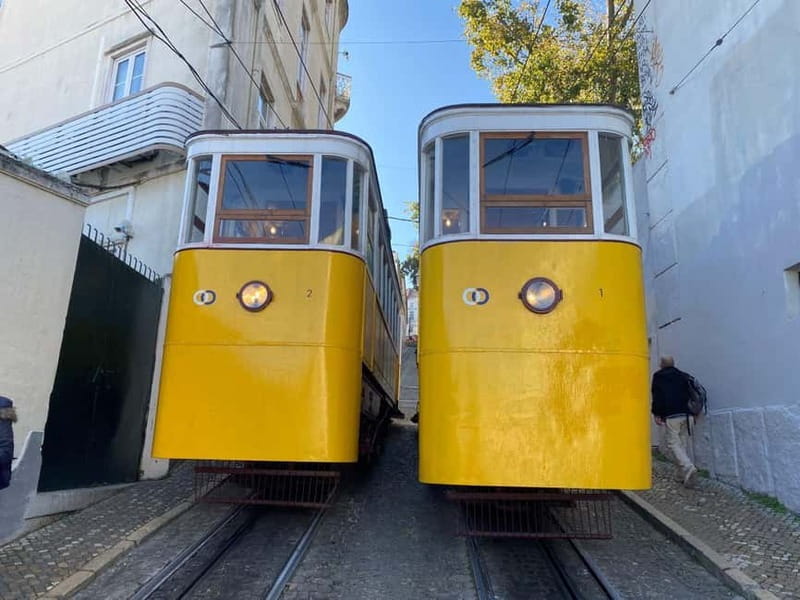
- Iconic lift stops: Elevador da Glória and Santa Justa Lift appear in the walking flow
- Small group size (up to 7): easier questions, less rushing, more personal pacing
A Lisbon walk that moves like a plot (not a checklist)
This is a guided walking route built for getting your bearings quickly. Lisbon’s hills can make the map feel like a dare, but the tour’s structure helps you “read” the city as you go. The idea is simple: you move downhill, you pause for views, and you learn why each area feels the way it does.
The tour’s promise is stories and street-level understanding. You’ll hear legends, anecdotes, and real stories about kings, knights, and ordinary people—told in Russian by Katia, who also offers cultural context so it doesn’t feel like random facts. If you’ve ever left a sightseeing bus tour unsure how neighborhoods connect, you’ll like this approach.
And it’s not just talk. The route is designed around photo stops and physical landmarks you can recognize later: viewpoints, squares, church stops, and the big vertical “tech” moments of Lisbon—lifts and the city’s transport logic.
You can also read our reviews of more tours and experiences in Lisbon.



Price and value: why $23 can make sense here

At $23 per person for about 3 hours, you’re paying for three things that usually cost extra in other formats: a fluent local guide, a tight route with multiple major sights, and a small group.
Not included are the usual budget-killers: water and drinks, transport, and museum tickets. That means you should plan to bring comfortable shoes and water (the tour suggests bringing it), and you should expect to treat this as a “walking + viewpoints + streets” experience more than a museum day.
The value comes from density. In one afternoon, you get a sequence of Lisbon locations that span multiple districts, plus viewpoint time for photos, plus a Q&A at the end. If your time in Lisbon is limited, this kind of efficient route can be a good way to get oriented before you choose what to do next.
Starting at Largo do Rato: the hilltop math begins
You meet near the Chafariz do Largo do Rato, by the exit of the yellow metro line station Rato. The practical detail that helps: you go toward Rua da Escola Politécnica, and your guide holds a sign for GetYourGuide.
This opening sets the tone. You start in a neighborhood edge where you can already feel Lisbon’s slope and street rhythm. From here, the route flows downward, so even if you’re not in perfect shape, you’re usually working with gravity instead of against it.
One good planning tip: start the day with shoes you trust on uneven stone. The tour is not long, but cobblestones and some stair segments are part of the deal.
Jardim do Príncipe Real: a calmer Lisbon moment
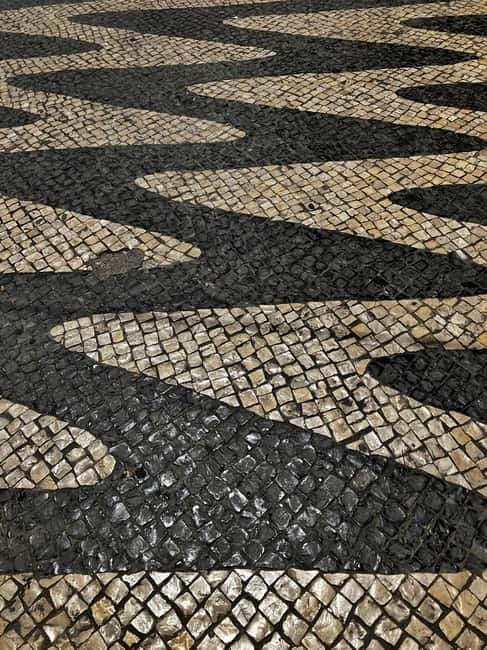
Early on, you visit Jardim do Príncipe Real, with guided storytelling and sightseeing time. This stop works as a reset. It’s the kind of place where the city noise softens, and you can look at Lisbon as something lived-in, not only touristic.
It also helps the tour’s theme. Lisbon isn’t one thing—it’s layers. You get a “before the big viewpoints” pause that makes the later panoramas feel earned.
Even if you’re not a garden person, think of it as breathing space before the climb-to-view rhythm starts.
The azulejo city map: turning Lisbon into a solvable puzzle
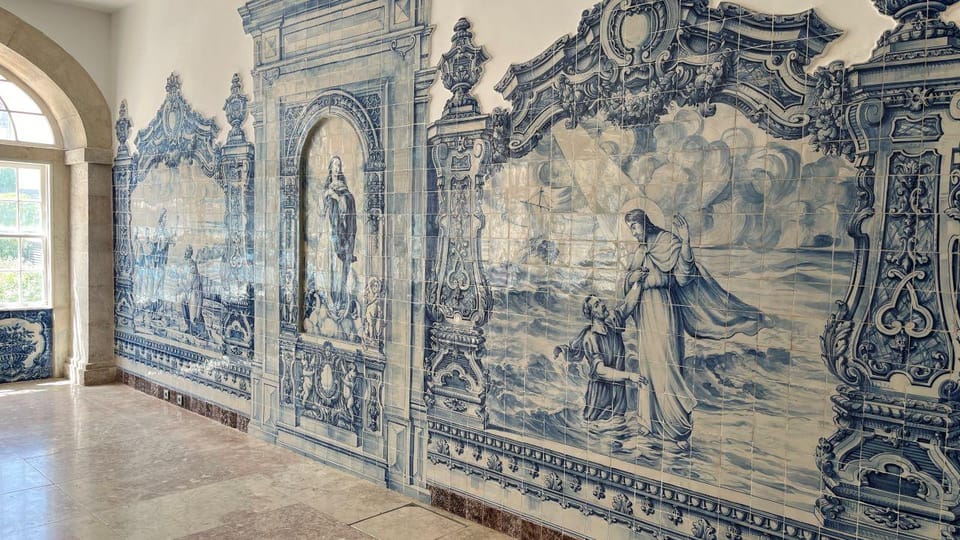
One of the highlights is a structure showing Lisbon as a folded map in azulejo on a viewpoint. This is the moment where the tour stops feeling like random sightseeing and starts acting like navigation training.
You’ll see how areas connect and how the “up here, down there” geography isn’t just annoying—it’s the logic behind Lisbon’s street patterns. After a stop like this, you’re more likely to understand why certain streets feel like they lead somewhere important, and why getting from A to B has a “shape,” not just a distance.
If you’re the type who likes to plan your next day with confidence, moments like this are gold. They help you turn photos into understanding.



Miradouro de São Pedro de Alcântara: where the river view clicks
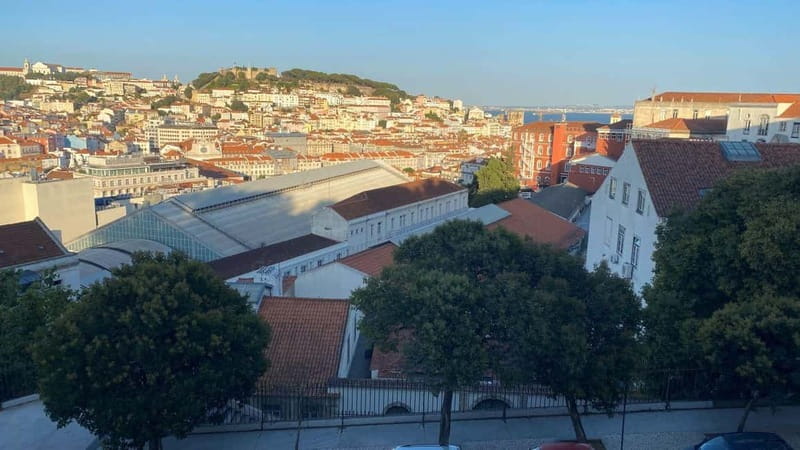
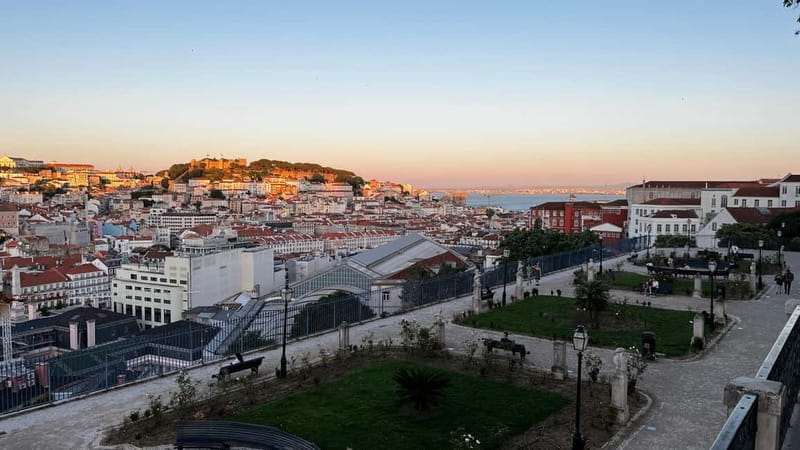
Next comes Miradouro de São Pedro de Alcântara, a photo stop with guided context and sightseeing on the way. This is your classic Lisbon “stop and look” point—one of those places where the city finally shows you its scale.
The tour keeps it practical: you’re not just standing for a pretty picture. You’re learning what you’re looking at and how the built environment connects back to the stories. That makes your photos more meaningful later, because you can attach names and neighborhoods to the view.
If you’re trying to shoot photos, wear sunglasses and watch the light. Lisbon’s hills can create bright glare, especially near open viewpoints.
Elevador da Glória to Bairro Alto: Lisbon’s vertical life
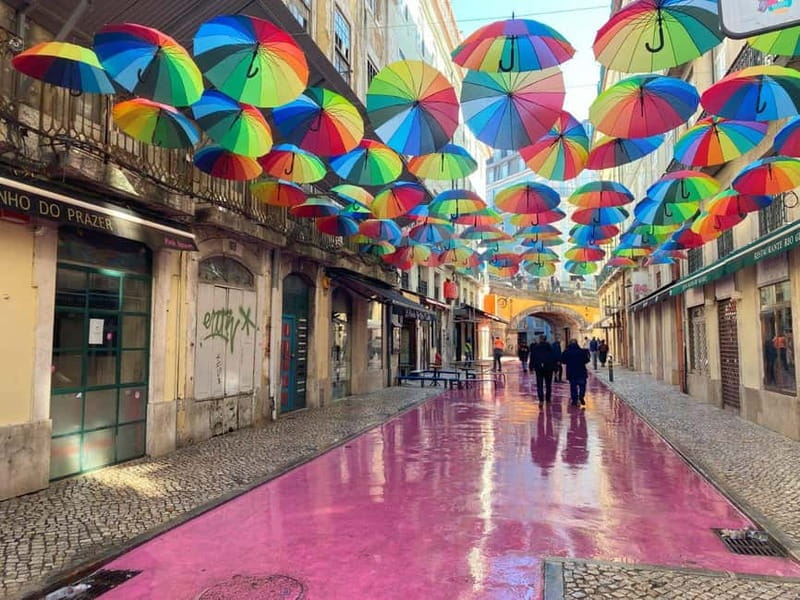
You’ll pass by Elevador da Glória, then continue on toward Bairro Alto. This stretch matters because Lisbon’s “vertical” culture is part of how you experience the city. The tour ties that to your walking route, so you don’t just see lifts—you understand why they exist.
Bairro Alto gets guided time and a short walk. The value here is texture. Streets around Bairro Alto can feel like a different Lisbon than the grander squares, and the guide helps you read those differences without turning the area into stereotypes.
If you’re traveling solo or hate feeling rushed, the pacing here is a plus. It’s not a sprint between monuments. It’s more like moving through layers of the city at a human pace.
Igreja de São Roque and ornate interiors: why Portugal leans dramatic
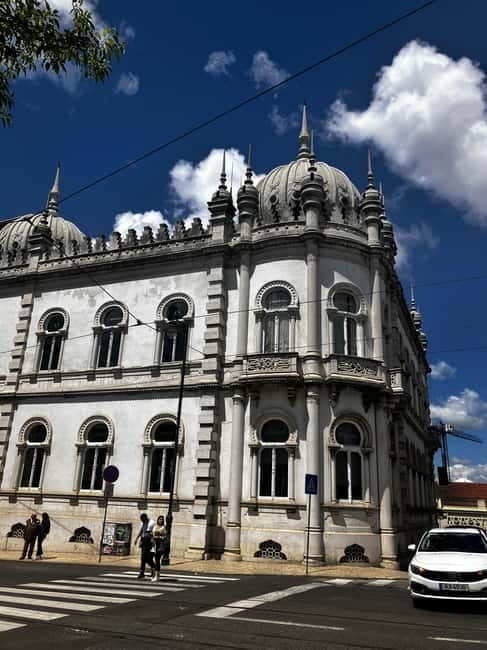
A key cultural stop is Igreja de São Roque, with guided and photo time built in. The highlights promise church interiors that are richly decorated, and this is where that promise becomes visible.
Church ornament can be overwhelming on your own. With a guide, you get a framework for noticing what you’re seeing—why the details matter, and how the church fits into the city’s story.
This section also connects to the tour’s quieter side: the experience includes a secret garden in a former monastery. Even if you think you know Lisbon’s main sights, this kind of hidden-in-plain-sight moment adds variety and makes the walk feel more special than a typical “photo and go” route.
Largo do Carmo Square and coffee/snacks break

You reach Largo do Carmo Square, where there’s a photo stop and time for coffee and local snacks. Even though the tour is guided, this pause is intentionally more free-form. It gives you a chance to reset, check your energy, and decide how you want to continue your day.
This is also where Lisbon’s atmosphere shows up in small ways: people lingering, conversations, the sense of a square that works as a meeting point, not only a landmark.
Practical note: bring a small card for a quick snack, and don’t assume water is included later. The tour does suggest you bring water, and it’s honestly smart.
Santa Justa Lift, Chiado, and Rossio: from steep streets to grand city centers
Later you’ll get your big vertical landmark moment with Santa Justa Lift. It’s a memorable photo stop with guided sightseeing time on the way. This lift acts like a symbol for Lisbon: a city that solves steep streets with engineering—and then builds identity around it.
After that, the route moves through Chiado and Rossio Square. These stops help explain Lisbon’s rhythm as you go from smaller, older streets into the wider, more formal spaces. With guided context, Rossio doesn’t feel like just another central square. It becomes part of a bigger “how the city organizes itself” picture.
You’ll also gain a sense of what works for walking even if you don’t take transport that day. Lisbon’s center is built for short bursts of exploring.
Baixa, Rua da Prata, and the final reveal at Praça do Comércio
You end up in Baixa de Lisboa, then continue to Rua da Prata, and finally arrive at Praça do Comércio (Terreiro do Paço) near the blue metro line station of the same name.
This closing sequence is satisfying because it brings you into Lisbon’s grand, open feel. Praça do Comércio is a natural “finish line” after the earlier hill viewpoints. It’s the kind of place where you can pause, look back at how far you’ve walked, and plan the next step.
The tour wraps close to restaurants, cafés, shops, and major sights—so you’re not stuck with a random drop-off. It’s easy to transition from guided learning into independent wandering.
Using your tour info after you finish
One of the most useful parts of this experience is what the guide gives you for independent exploring. The tour is designed to teach you not only where to go, but how to think about Lisbon’s neighborhoods.
You’ll learn practical suggestions like which areas tend to feel calmer for an evening, where you might find quieter streets for a stroll, and where the energy shifts toward a youth-oriented night out. The exact “where” is guided through your route, and you’ll come away with enough neighborhood awareness to choose what matches your mood.
You’ll also learn how to use the city’s transport options logically—especially for steep streets—so you’re not forced into slow, painful detours just because you don’t want to read the map.
If you’re doing the rest of your days on your own, this kind of orientation saves time. It reduces guesswork. And it makes your next walk feel intentional, not accidental.
What to bring and what to watch out for
This is a walking tour, so your comfort matters.
Bring:
- Comfortable shoes for cobblestones and some stairs
- Sun hat
- Water (not included)
- Rain gear if skies are moody
Not allowed:
- Alcohol and drugs
A consideration:
- Not suitable for people with mobility impairments, because of the stone pavement and stairs.
- Not ideal for very young kids; it’s listed as not suitable for children under 12.
On the plus side, the tour is mostly downhill, and the group is small (up to 7), which usually means less crowd pressure.
Who this Lisbon top-down stories walk suits best
I’d recommend this tour if:
- You want a first-time Lisbon orientation that feels story-driven but practical
- You like viewpoints and photo stops more than museum-only days
- You enjoy churches for their art and interiors, not just their exterior facades
- You prefer small groups and a guide who can answer questions
I’d skip it if:
- You need a fully step-free route
- You want longer time in museums (museum tickets aren’t part of this)
- You don’t like walking on uneven surfaces
This also fits well for couples, friends, and solo travelers who want to meet a local guide and then confidently continue exploring after the tour ends.
Should you book this tour?
Yes—if you want Lisbon’s geography explained in real time and you like mixing viewpoints, church interiors, and transport landmarks into one efficient afternoon. The price is reasonable for the amount of guided time and the density of sights, especially with a small group and a dedicated Q&A.
Book with realistic expectations: wear grippy shoes, bring water, and plan for stairs and stone paving. If you can handle that, you’ll walk away with Lisbon that makes sense—down to the street connections you’d otherwise miss.
FAQ
Where does the tour start?
The meeting point is near the Chafariz do Largo do Rato. You meet at the exit of the yellow metro line station Rato toward Rua da Escola Politécnica, next to the fountain.
How long is the tour?
It lasts about 3 hours (listed as 2.5–3 hours on the walk).
What is the price?
The price is $23 per person.
What language is the tour guide?
The tour is conducted in Russian.
How big is the group?
The tour is a small group limited to 7 participants.
Where does the tour end?
It ends at Praça do Comércio (Terreiro do Paço), near the metro station of the same name on the blue line.
What’s included?
Included items are full information, about 3 hours of duration, and questions/answers at the end, plus recommendations.
What is not included?
Water and drinks, transport, and museum tickets are not included.
Is the tour suitable for people with mobility impairments?
No, it is not suitable for people with mobility impairments.
What should I bring?
Wear comfortable shoes. The tour also suggests bringing a sun hat, water, and rain gear.
FAQ
Is this tour for children?
It’s not suitable for children under 12.
Can I cancel and get a full refund?
You can cancel up to 24 hours in advance for a full refund.
Are alcohol or drugs allowed?
No, alcohol and drugs are not allowed.
Are museum tickets required?
Museum tickets are not included, so if you choose to go into museums during your own time, you’d need tickets separately.
Can I pay later?
There is a reserve now & pay later option, where you can book your spot without paying immediately.