REVIEW · LISBON
Roman Lisbon Tour
Book on GetYourGuide →Operated by Lisbon Roots · Bookable on GetYourGuide
Rome shows up in Lisbon.
This tour is a smart way to connect the dots across centuries, because you’ll see major Roman landmarks and then move down into the city’s hidden archaeology. I especially like two parts: the Roman theater experience and the chance to spot Roman street traces and daily-life evidence (including garum production) that most visitors never find on their own. One consideration: it’s built on walking (including older, uneven surfaces), so comfortable shoes aren’t optional.
I also like that it’s run by Lisbon Roots with a guide who’s graduated in history, and you can choose among Spanish, English, French, and Portuguese. You get a private-group feel, but you still cover a lot without turning the tour into a rush-and-run photo sprint.
In This Review
- Key things I’d circle on your map
- Getting your bearings: Portas do Sol to Roman Lisbon’s big picture
- The Roman Theater: why one surviving structure feels like a statement
- Lisbon Cathedral cloister: when Roman streets sit under religious stone
- Roman baths and the Temple of Cibele: power you can feel in daily routines
- Casa dos Bicos and the Roman wall: production and city edges
- Going underground in Lisbon: houses, streets, garum factories, swimming pools
- How the included entrances and a history-trained guide create real value
- Who this tour suits best (and who might want a different plan)
- Should you book the Roman Lisbon Tour?
- FAQ
- How long is the Roman Lisbon Tour?
- Where do I meet the guide?
- What’s included in the price?
- Which languages are available?
- What should I bring?
- Is cancellation free?
Key things I’d circle on your map

- Portas do Sol gets you oriented fast: you start with a viewpoint that frames how Roman-era Lisbon mattered.
- The Roman theater is a rare sight in a capital: not just ruins, but a real, walkable landmark within the city.
- Lisbon Cathedral cloister shows Roman street fabric: you’re literally looking at older layers under the present city.
- Temple of Cibele and Roman baths explain everyday Roman life: not just big names—habit, worship, and routine.
- Casa dos Bicos ties archaeology to visible city features: Roman wall elements and production zones show up in unexpected places.
- The underground portion adds the wow factor: upper-class spaces, streets, swimming pools, and garum factories come to light.
Getting your bearings: Portas do Sol to Roman Lisbon’s big picture
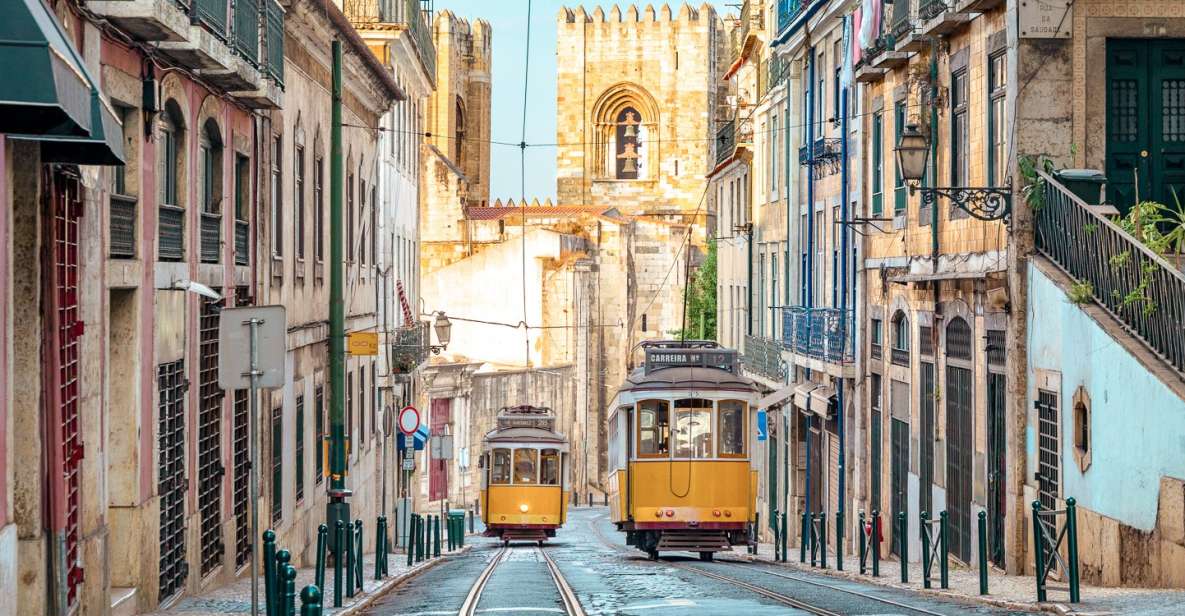
Lisbon has that habit of layering time on time. From above, you can still sense why Romans cared. The tour starts at Portas do Sol, one of the best view points in town, and that first stop does a lot of work for you. Before you even step into archaeology, you’re given a simple framework for where power, trade, and movement would’ve flowed.
I like this approach because it keeps the tour from feeling like a list of sites. You’re not just walking from one stone to the next. You’re learning how Roman Lisbon functioned as a trading hub in the Roman era, and how later Lisbon grew on top of it. It also helps you understand why so many Roman traces survive in plain sight—because the city never fully “moved on.”
And yes, you still get great photos here, but the real value is mental. You’ll start to recognize what you’re about to see and why it mattered.
You can also read our reviews of more tours and experiences in Lisbon.



The Roman Theater: why one surviving structure feels like a statement

Next up is the Roman theater. This is one of those landmarks that instantly changes your understanding of Lisbon’s age. The standout detail here is that it’s considered the only Roman theater existing within the walls of a European capital—meaning you’re not looking at something isolated in a field. It’s part of the living city fabric.
What makes that important for you is context. Roman entertainment wasn’t only “for Romans.” It was about civic identity, public life, and the kind of urban confidence empires love. Seeing the theater as a working part of Lisbon’s space helps you feel that Roman influence as something built into the city, not something shipped in later as a museum artifact.
This stop also tends to be where guides shine, and the past guides for this tour have been praised for connecting details without turning it into a lecture. Names that stand out include Ingo, who was noted for being prepared and making connections across Portuguese history, and Paulo, who brought a clear passion for the city. If your guide explains how the theater fits into civic power, you’ll come away with a far stronger sense of what Roman Lisbon was like.
Lisbon Cathedral cloister: when Roman streets sit under religious stone

After the theater, the tour moves to the cloister of Lisbon Cathedral. This is a smart pivot: you go from public performance space to a religious complex, then you discover that Roman Lisbon didn’t vanish—it got folded into what came later.
The key moment here is seeing parts of Roman streets of Lisbon inside the cathedral cloister. It’s one of those places where the city becomes literal archaeology. Instead of imagining what the Romans walked on, you get to look at surviving urban traces embedded into later structures.
I like this stop because it’s easy to grasp. Even if Roman history isn’t your strongest subject, you can still “read” the idea: the Roman city remains, even when the surface world changed. And if you’re the type who likes visual comparisons—older paving versus newer stone—this is the kind of site that sticks.
Practical note: cloisters can be cooler and dimmer than the street. That’s good for comfort, but bring your eyes—details can be small and the guide’s pointing matters.
Roman baths and the Temple of Cibele: power you can feel in daily routines
Then you’ll shift into two more essential pieces of Roman urban life: the Roman bath and the Temple of Cibele. These stops are valuable because they explain Rome through routine, not just monuments.
Bath culture matters because it was social life. It was where people discussed issues, kept up status, and made “public” feel personal. Temple culture matters because it reveals what kinds of beliefs were supported by power structures and how public spaces communicated authority.
The tour frames these sites in the larger story: the power of Lisbon during the Roman Empire. That phrase sounds grand, but here it translates into something tangible: how public buildings organized city life, and how religious and civic spaces reinforced Rome’s presence.
If you’re someone who thinks Roman history is mostly columns and emperors, this is where the tour tends to change your mind.
Casa dos Bicos and the Roman wall: production and city edges
Lisbon has a habit of putting archaeology right next to everyday landmarks, and Casa dos Bicos is a great example. Here, you’ll see parts of the Roman Wall and Roman factories, which is a big deal because it pulls you away from “pretty ruins” and toward industry.
The tour uses this stop to bring you closer to how Romans produced goods and how production lined up with city structure. That’s where Lisbon starts to feel like an actual working trading place, not a postcard of ancient power.
I’d especially pay attention if you like economic history. Factories and wall elements help explain how cities were defended, organized, and supplied. They’re the practical side of “empire”—and that’s often what makes a Roman city feel real.



Going underground in Lisbon: houses, streets, garum factories, swimming pools
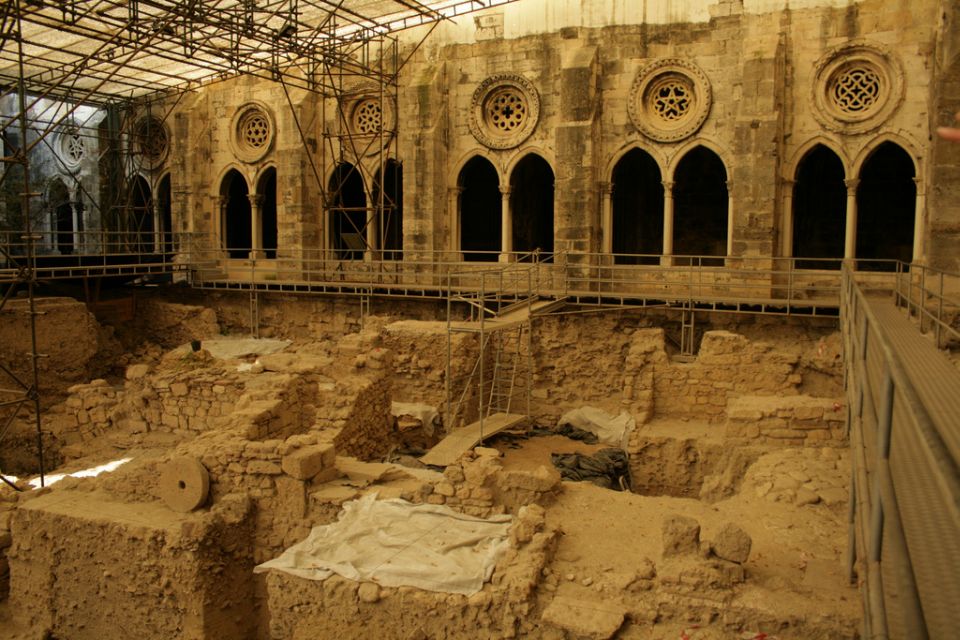
The highlight for many people is the underground section of Lisbon. This is where you move from surface interpretation into physical evidence of what lay beneath the city.
You’ll explore archaeological structures that include upper classes houses, streets, garum factories, swimming pools, and other artifacts. I love this part because it turns Roman Lisbon into a place you can almost picture in motion. Garum is a big clue: it connects the city to Mediterranean food production and trade networks. Swimming pools show up as another clue to lifestyle and building design. Streets and houses make the scale human.
This underground portion can feel like stepping into a story told by stone and clay rather than by text. If your guide brings clarity (and past guides were praised for connecting time periods and explaining with enthusiasm), this is where everything starts clicking.
One more practical consideration: underground spaces can mean more stairs and more careful footing. If your shoes have good grip, you’ll enjoy the experience more instead of thinking about your ankles the whole time.
How the included entrances and a history-trained guide create real value
At $88 per person for a 3-hour private group, you’re paying for three things that matter in Lisbon: time, access, and interpretation.
You get a guided tour managed by a guide who’s graduated in history, plus entrance to the Roman Theater, the cathedral cloister, and other archaeological sites. That “included” part isn’t just convenient. It saves you from having to piece together multiple tickets and time slots, and it ensures you spend your limited time on guided context rather than logistics.
You also get live interpretation in Spanish, English, French, or Portuguese. Language matters in tours like this because the sites rely on precise explanations—what you’re looking at, what it suggests, and how it fits into Roman Lisbon’s trading and civic role.
Not included: meal or drinks. That’s normal for a shorter tour, but plan your day accordingly. I’d build a snack and water plan before or after, especially if you like to linger afterward.
Who this tour suits best (and who might want a different plan)
This Roman Lisbon Tour is a great fit if you want:
- A structured way to see the most important Roman sites in a short window
- Hands-on archaeology vibes, including the underground portion
- A guide who can connect Roman Lisbon to the bigger sweep of Portuguese history
It’s especially good for history-minded couples, families with older kids, and anyone who doesn’t want to spend a full day jumping between sites alone.
If you dislike walking on uneven ground or prefer fully accessible, minimal-movement sightseeing, you might find the underground and multiple stops a bit demanding. Comfortable shoes help a lot, but the general physical rhythm is part of what makes this tour effective.
Should you book the Roman Lisbon Tour?
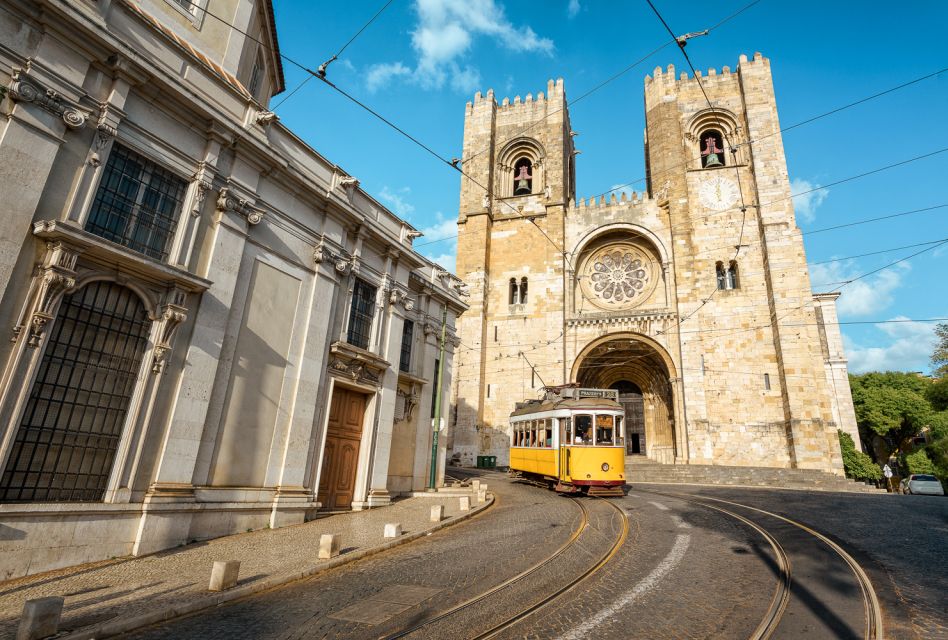
I’d book it if you want Roman Lisbon with context, not just visuals. The combination of a major landmark (the theater), Roman traces inside the cathedral cloister, and a full underground archaeology experience is a strong trio for a 3-hour window.
You’re also likely to enjoy it if you care about storytelling that connects eras. Ingo and Paulo were praised for making connections across time periods, and Sandra received specific praise for bringing Roman history to life for a family audience. That pattern matters: good guides don’t just point—they help you understand why the stones are here.
If your top priority is a relaxed, mostly-at-street-level walk with minimal stairs, consider that the tour includes an underground component and multiple archaeological sites. Otherwise, this is a high-value way to see Lisbon’s Roman layer up close.
FAQ
How long is the Roman Lisbon Tour?
The tour lasts 3 hours.
Where do I meet the guide?
You meet next to the entrance of the Arts Decorativas Portuguesas Museum.
What’s included in the price?
It includes a guided tour managed by a guide graduated in history, plus entrance to the Roman Theater, the cathedral cloister, and other archaeological sites.
Which languages are available?
The live tour guide is available in Spanish, English, French, and Portuguese.
What should I bring?
Bring your passport or ID card and wear comfortable shoes.
Is cancellation free?
Yes. You can cancel up to 24 hours in advance for a full refund.