REVIEW · LISBON
Full day in Lisbon with Tuk-Tuk
Book on GetYourGuide →Operated by TTTOURS · Bookable on GetYourGuide
Lisbon, explained from street level. This full-day-style tuk-tuk loop is built for comfort and context, covering seven hills with a real local guide who knows where to slow down and where to speed up. You’ll hop between rides and short walks, with stops planned around views, story-rich landmarks, and a couple of food moments that feel like Lisbon’s secret handshake.
What I like most is the blend of big icons with quieter corners, guided by Andre (and sometimes Pedro) with around 9 years of experience. I also like that you get time on foot in places like Alfama, not just a drive-by, so you can actually feel the city’s shape.
The only drawback to keep in mind is the schedule is fairly packed for 5 hours. Photo stops and short visits are frequent, and Lisbon’s hills mean you’ll be on uneven streets for parts of the day—even if you can keep it moving at your own pace.
In This Review
- Key moments worth circling
- Price and what you really get for $471 per group
- Praça da Figueira: the calm start before the hills
- Lisbon Cathedral and the 1755 earthquake story you’ll remember
- Santa Luzia and Senhora do Monte: where the viewpoint stops pay off
- São Vicente Monastery, the past in stone
- The National Pantheon of Santa Engracia and Alfama on foot
- Chiado and Bairro Alto: shifting from old Lisbon to today’s rhythm
- Estrela Basilica and Estrela Gardens: a needed pause
- Belém: Pastéis de Belém, Jerónimos, the Tower, and the Discoveries story
- Cristo Rei and the ferry across the Tagus: big views without big effort
- Ginjinha in a typical tavern: the end-of-day flavor
- Flexibility with a human guide (Andre and Pedro make the difference)
- Who should book this Lisbon tuk-tuk day
- Price and logistics: how to judge value before you book
- Should you book this Lisbon Tuk-Tuk tour?
- FAQ
- How long is the Lisbon full-day tuk-tuk experience?
- Where does the tour start and where does it end?
- Is this a private group, and what is the group size?
- Is the tour wheelchair accessible?
- What is included in the experience?
- What languages are offered, and what are the cancellation and payment options?
Key moments worth circling
- A 27-year local guide who can explain what you’re actually looking at
- Viewpoints on the hills like Santa Luzia, Senhora do Monte, and São Pedro de Alcântara
- Alfama on foot for narrow lanes and fado-area atmosphere
- Belém classics and snacks including Pastéis de Belém, plus major monuments
- Tagus views by ferry after the bridge-and-Christ-the-King photo moment
Price and what you really get for $471 per group
This tour runs about $471 per group up to 6 for a 5-hour outing, with a private group setup. That price makes sense when you’re thinking in terms of what Lisbon costs in time and effort: hills, viewpoints, and getting from one neighborhood mood to another without burning your whole day on buses and transfers.
The big value driver here is the guide time plus the transportation mix. The route uses a combination of tuk-tuk hops and riding along main avenues (the highlights even call out a yellow bus for quicker stretches). Then you step out where it matters: cathedral history, viewpoints, monastery areas, Alfama lanes, and Belém’s monument cluster.
If you’re a small group who wants “a lot, but not frantic,” this is one of the cleaner ways to do it.
You can also read our reviews of more tours and experiences in Lisbon



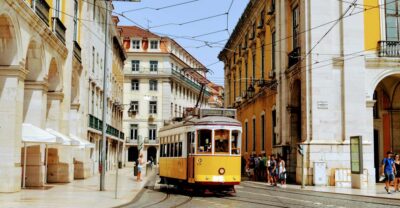
Praça da Figueira: the calm start before the hills
Most days in Lisbon begin with a map and optimism. This one begins at Praça da Figueira, which is a helpful starting point because it puts you close enough to the central web of streets, but not so far out that you’re immediately fighting logistics.
From there, you’ll roll into the city’s different vibes fast—Chiado next, then the viewpoint swing, then the older neighborhoods. Even if you don’t know Lisbon yet, the guide’s job is to help you read it: why the buildings sit where they do, how the hills shape streets, and why certain spots became the go-to viewpoints.
For families, friend groups, and couples who want to spend less time negotiating transport and more time actually looking, this start works.
Lisbon Cathedral and the 1755 earthquake story you’ll remember
One of the first landmark stops is Lisbon Cathedral (a short visit planned around 15 minutes). On paper, 15 minutes looks quick. In practice, it’s long enough for the basics and for the guide to connect the building to the city’s biggest historical reset: the 1755 earthquake.
This matters because Lisbon’s story isn’t just “pretty old buildings.” It’s an event that changed how the city rebuilt and how people understood risk, faith, and civic life. When you stand there, you’ll have context that helps the place click rather than just pass by.
If you like architecture, you’ll appreciate the pacing: a quick but meaningful stop early, before you’re worn down by walking and viewpoints.
Santa Luzia and Senhora do Monte: where the viewpoint stops pay off

Lisbon’s best viewpoints aren’t one-and-done. They’re more like beats in a song, and this tour uses several in sequence.
You get a photo stop at Miradouro de Santa Luzia (around 20 minutes). It’s the kind of place where you can grab a picture, yes—but it’s also where you’ll understand how the city stacks down toward the river and how narrow streets keep vanishing into the hillside.
Then the tour pushes to Senhora do Monte, with a longer photo stop (about 30 minutes) at the city’s highest point. This is where Lisbon feels most like a sculpture. You’ll also start seeing why the hills created viewpoints as practical observation points, not just Instagram scenery.
Practical tip: wear shoes you trust. The best viewpoints are rarely on perfectly flat ground.
São Vicente Monastery, the past in stone
Next up is São Vicente Monastery (about 20 minutes). This stop is more than a pretty building moment. It’s tied to Portugal’s dynastic story—specifically the fact that the last dynasty of Portugal rests here.
This is a good example of why the guide matters. If you go in without context, you’ll see a monastery. With context, you’ll understand why people cared so much about burial sites and legacy, and how religious institutions and political power intertwined.
If you’re short on time in Lisbon and you want your cultural stops to mean something, this one does the job.





The National Pantheon of Santa Engracia and Alfama on foot
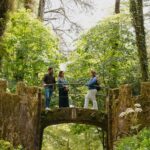
From monastery territory, the itinerary moves to National Pantheon of Santa Engracia (about 45 minutes). That longer visit window helps because this isn’t only about snapping photos; it’s about giving you time to absorb the scale and significance of the building.
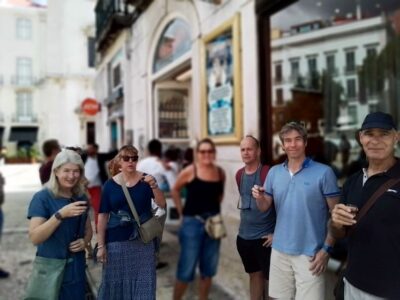
After that, you step into Alfama, and this is the part where the tour’s value really shows. You get a guided walk (about 25 minutes), then a short aperitif moment afterward (about 5 minutes). Alfama is narrow-street Lisbon: old stone, steep angles, and that fado-restaurant atmosphere even when the music isn’t playing at that exact second.
Aperitif first, though? It’s a nice reset. It keeps the pace human and makes Alfama feel like a neighborhood, not a checklist.
If you have limited mobility, the private setup and guide pacing can make a big difference. Lisbon’s hills still exist, but you’re not stuck in a rigid “everyone move together” rhythm.
Chiado and Bairro Alto: shifting from old Lisbon to today’s rhythm
After Alfama, the tour swings toward the central neighborhoods.
You’ll stop in Chiado (about 10 minutes). This is a good counterweight to Alfama: more shop-and-café streets, more street life, and a neighborhood that tends to feel like Lisbon’s present-day front room. It’s also useful for orientation because you start to see how the city connects across its different layers.
Then you hit São Pedro de Alcântara for a viewpoint stop (about 20 minutes). This terrace viewpoint is a classic “yes, Lisbon is steep” moment—but it also gives you a wider city sweep and a sense of where neighborhoods overlap.
A quick photo stop at Elevador da Glória happens next (about 2 minutes). It’s short, but it helps you catch one of the city’s charming vertical signatures without turning the day into a waiting game.
Then you move into Bairro Alto (about 10 minutes). The point here isn’t a nightclub visit; it’s the neighborhood energy at a street level scale—especially useful if you’re in Lisbon during the evening and want to feel where the nighttime energy comes from.
Estrela Basilica and Estrela Gardens: a needed pause
This part of the route is a smart break. You visit Estrela Basilica (about 20 minutes), then Estrela Gardens (about 25 minutes).
Why I like this section: it slows the pace down after viewpoint-and-neighborhood intensity. Even if your day is packed with landmarks, the gardens act like a lungful of air. You’ll walk, you’ll cool off a bit, and you’ll reset your brain before the bigger monuments in Belém.
In practical terms, this also helps with comfort. By the time you reach Belém, you’re not already worn out from hills and short stops back-to-back.
Belém: Pastéis de Belém, Jerónimos, the Tower, and the Discoveries story
Now you reach the “Portuguese greatness” zone: Belém.
The tour includes a longer Belém stop (about 45 minutes), then dedicated time at major sights:
- Jerónimos Monastery (about 20 minutes)
- Belem Tower (about 15 minutes)
- Monument to the Discoveries (about 20 minutes)
This cluster works because the monuments tell a connected story. They aren’t just separate photos; they link back to Portuguese navigation and the era when sea routes reshaped the world—and Lisbon became a hub of that ambition.
And then there’s the food. You’ll get to try the famous Pastéis de Belém, and the tour clearly treats it as a must-do stop. This is the kind of local tasting that makes the day feel grounded: you’re not only collecting photos of power and architecture, you’re also eating something Lisbon does better than almost anywhere else.
Cristo Rei and the ferry across the Tagus: big views without big effort
Before returning to central Lisbon, the tour uses a classic “reset your eyes” approach.
First comes Christ the King. You’ll take scenic time while crossing the 25 de Abril Bridge, then stop for photo views at Cristo Rei (about 45 minutes). It’s one of those Lisbon moments where you see the river system and the city’s layout in a way that street-level walking never can.
Then you ride the ferry (river boat) along the Tagus (about 30 minutes). The ferry adds something that feels different from road travel: wider sightlines, a slower rhythm, and a chance to let the day settle.
If you’re doing a 5-hour tour and want it to feel like more than just driving, the ferry segment is the trick. It gives you a mental breather.
Ginjinha in a typical tavern: the end-of-day flavor
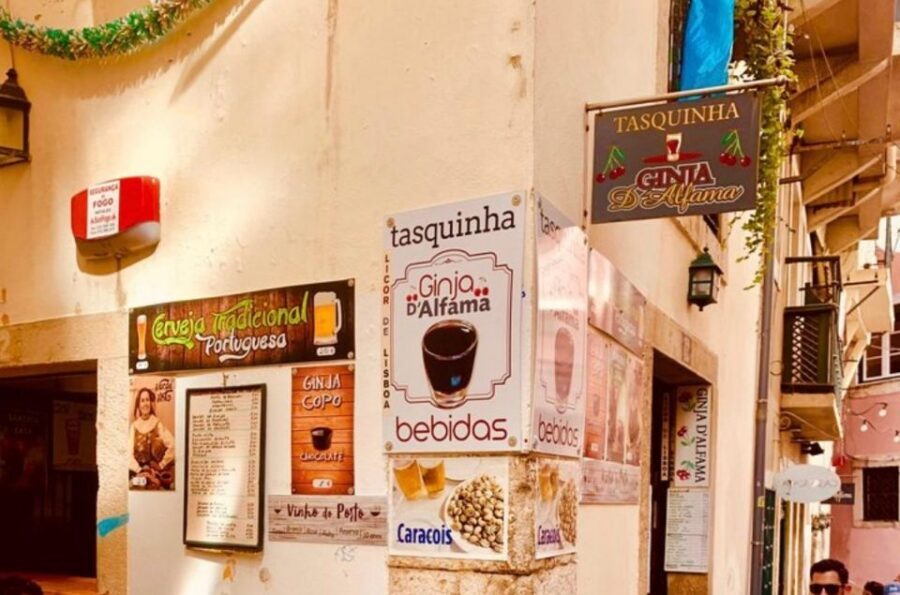
A tour can end with a souvenir photo. This one ends with something better: an included ginginha in a typical tavern (right after Alfama’s aperitif moment, as part of the day’s food plan).
It’s small, but it matters. Ginjinha is one of those Lisbon rituals that feels local, easy, and memorable without needing a long meal reservation.
If you like food as part of the travel story—not an afterthought—this ending will feel just right.
Flexibility with a human guide (Andre and Pedro make the difference)
One of the most praised parts of the experience is how the guide handles the group in real time.
Andre, and sometimes Pedro with the team, are described as flexible—meaning you can tailor the flow to what your group cares about most. That can show up as:
- extra time where you’re actually interested in a view or a building detail
- skipping or shortening something that doesn’t fit your group’s energy
- making practical accommodations when people have limited mobility
A small but important detail: the guide also helps with the non-obvious stuff like photographing from the right angle. That turns viewpoint stops into real keepsakes instead of rushed attempts.
For me, the guide flexibility is why this tour can feel like a “Lisbon day” instead of a “Lisbon route.”
Who should book this Lisbon tuk-tuk day
This is a strong fit if you:
- want a high-efficiency route across Alfama, Belém, and key viewpoints
- prefer a private group experience rather than squeezing into larger crowds
- like guides who can explain the city while you move
- would rather eat Pastéis de Belém and have ginginha than only do sightseeing
It may not be the best fit if you prefer long, slow museum time. Here, the style is more “see and understand quickly,” with multiple stops rather than one deep dive.
Price and logistics: how to judge value before you book
At $471 per group up to 6, this tour tends to work best when:
- you can spread the cost across a small group
- you value the guide’s route control (turning hills and viewpoints into a smooth plan)
- you’ll use the included tastings rather than planning separate snack stops
If you’re traveling solo, the fixed group pricing might feel steep compared with public transport. But if you’re with others and you want a guided day that hits multiple neighborhoods, the price is less about the vehicle and more about the guided time, transport planning, and the included food moments.
Should you book this Lisbon Tuk-Tuk tour?
I’d book it if you want the practical Lisbon answer to time pressure: seven hills, viewpoints, Alfama on foot, Belém’s top monuments, and a ferry ride—done in 5 hours with a guide who can keep it fun and adaptable.
I’d think twice if your ideal day is mostly slow wandering with no structured stops. This tour works because it’s organized; it’s not meant to be a free-form roam.
If you want a guided day that feels like Lisbon’s best chapters, this is a smart way to spend your hours.
FAQ
How long is the Lisbon full-day tuk-tuk experience?
It lasts 5 hours.
Where does the tour start and where does it end?
The tour starts at Praça da Figueira and returns to Praça da Figueira.
Is this a private group, and what is the group size?
Yes, it’s a private group. The price is listed as per group up to 6.
Is the tour wheelchair accessible?
Yes, the tour is wheelchair accessible.
What is included in the experience?
You get a live guide and included tastings: ginginha and Pastéis de Belém.
What languages are offered, and what are the cancellation and payment options?
The guide is available in English, French, German, Italian, Portuguese, and Spanish. There is free cancellation up to 24 hours in advance for a full refund, and you can reserve now and pay later.