REVIEW · LISBON
Lisbon: 2h Old Lisbon Tuk Tuk Tour
Book on GetYourGuide →Operated by Live Portugal - Tours & Tales · Bookable on GetYourGuide
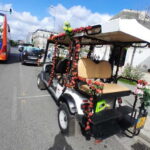
Lisbon looks best when you move with it, not against it. This 2-hour private tuk-tuk ride is a smart way to see the steep old quarters, hit the big viewpoints, and get a guide who keeps things fun and adjustable to your pace. I especially like the photo-stop flow (you’re not racing on foot) and the included taste—often a sip of ginjinha-style liqueur and/or a sweet bite like Pastel de Nata. The main drawback to plan for is that Lisbon’s historic streets can be bumpy and some areas are reached via cobblestones, so a little discomfort is normal.
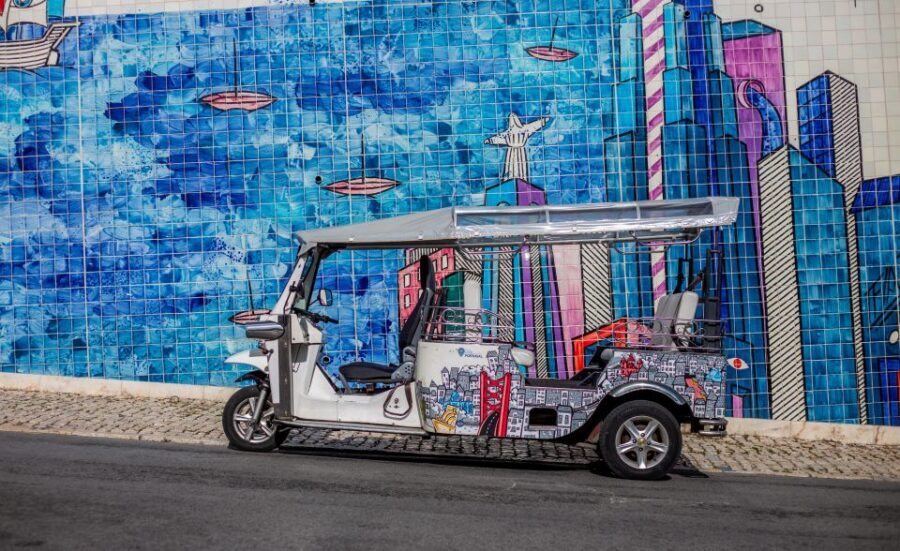
You’ll glide through neighborhoods that feel layered and lived-in: Baixa, Chiado, Alfama, Mouraria, and the hilltop districts like Graça and São Vicente. The electric tuk-tuk helps you get closer to the action than big buses can, and the guide’s storytelling keeps the ride from turning into just a drive-by. One more consideration: it’s not for everyone—people with back problems, pregnant women, and kids under 4 aren’t a good fit, and you need some ability to climb into the vehicle.
With a maximum of 6 people total, the tour stays personal. In the past, guides like Magrida, Claudio, and Carolina have been the kind of hosts who can match your curiosity, whether you want quick context or more stories to help the city click. If you’re short on time and want the best parts of Lisbon’s old city without wearing out your legs, this is a strong value.
In This Review
- Key things to know before you ride
- Why this Lisbon tuk-tuk loop works so well in 2 hours
- Price and value: what you’re really paying for at $88 per person
- Pickup, timing, and what to wear for Lisbon’s cobblestones
- The guide experience: light stories, adjustable history, real local energy
- Route walkthrough: Baixa to Alfama and back, with miradouro pauses that actually matter
- Baixa de Lisboa: getting your bearings
- Lisbon Cathedral area: a quick but meaningful photo moment
- Portas do Sol Terrace: the first big viewpoint payoff
- Graça Historic District: hilltop neighborhoods with a lived-in feel
- Miradouro da Senhora do Monte: viewpoints where the city opens up
- Mouraria: texture, street life, and the old-town vibe
- São Vicente and Alfama: the old city feeling you came for
- Tagus River pass-by: a quick sense of direction
- Chiado and Carmo Convent area: a different Lisbon mood
- Miradouro de São Pedro de Alcântara: the last photo angle before you wind down
- The tasting stop: ginjinha liqueur or Pastel de Nata
- What’s included vs. what you still need to plan
- Who should book this tuk-tuk tour (and who should skip it)
- Should you book it? My decision guide
- FAQ
- How long is the Lisbon 2-hour Old Lisbon tuk-tuk tour?
- Is the tour private or shared?
- How many people can be in the tuk-tuk?
- Is pickup included?
- What neighborhoods or areas will the tour cover?
- What languages are available for the guide?
- What’s included in the price, and what’s not?
Key things to know before you ride
- Private and electric: quieter, smaller, and more flexible than most bus tours in old streets
- Hill-friendly routing: built for Lisbon’s climbs, so you spend time looking, not laboring
- Guide-controlled pacing: light stories and fun facts, with history at the level you want
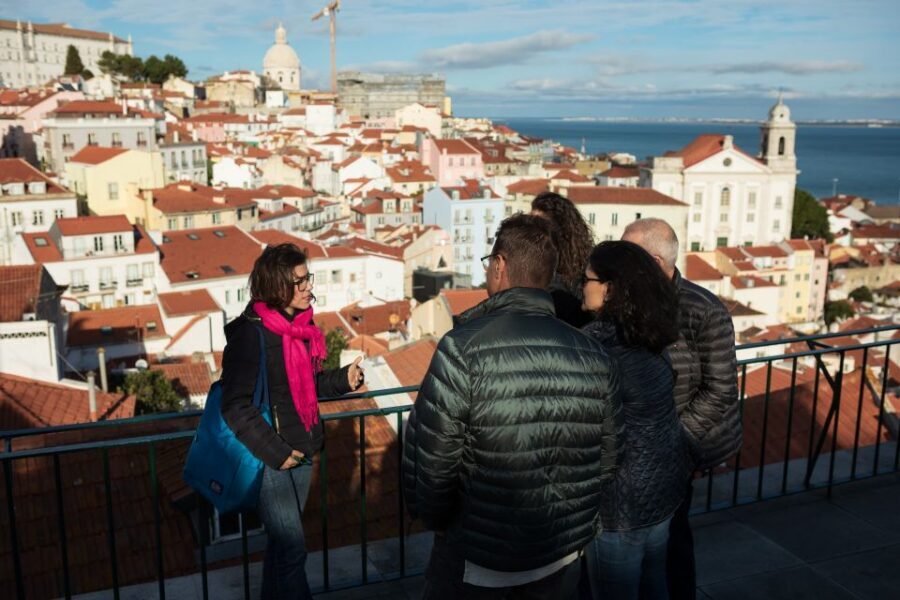
- Photo stops at viewpoints: terraces and miradouros where you can actually pause and frame shots
- Included tasting: one drink per person, plus a sweet stop may be part of the experience
- Cobblestones are real: expect bumps, and bring sensible footwear for uneven ground
Why this Lisbon tuk-tuk loop works so well in 2 hours
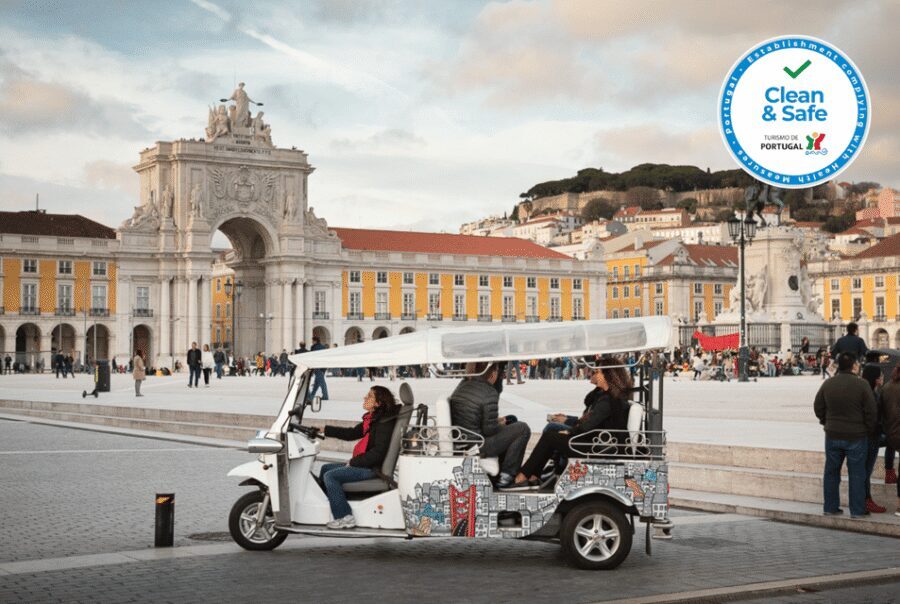
Lisbon is famous for being beautiful, but it’s also famous for being steep. A traditional walking plan often turns into a legs-only workout, and a bus plan often means you’re looking at the city from too far away. This tour is designed for the middle path: you get the views and the iconic neighborhoods, but you don’t have to brute-force every hill.
Because it’s private, you’re not trapped in a rigid group schedule. The ride stays fairly relaxed, with a mix of planned stops and some moments that happen because the route puts you right where the sights make sense. And because the vehicle is electric and meant for narrow streets, you can reach corners that larger vehicles typically can’t.
It also makes a great first-day plan. Even if you’ve been to Lisbon once before, the tuk-tuk route helps you understand how the city layers connect: the riverfront energy, the downtown shopping streets, then the step-up into Alfama and the hilltop miradouros.
You can also read our reviews of more tours and experiences in Lisbon



Price and value: what you’re really paying for at $88 per person

At $88 per person for a two-hour private tour, you’re paying for three things at once: a guide, a vehicle that can handle narrow hill streets, and a guided route that saves you trial-and-error.
If you tried to replicate this solo, you’d likely spend money on taxis or multiple transit rides, plus you’d still be managing pickup locations and figuring out which terraces are worth your climb. Here, the cost bundles it together, and the guide does the heavy lifting in terms of timing and storytelling.
The best value shows up if you:
- want photo-worthy viewpoints without spending hours hiking
- like having local context while you move
- prefer a smoother, smaller ride over crowded transport
The one cost trade-off: entry tickets to monuments are not included, so if you’re hoping to do paid interiors, you’ll need to plan those separately.
Pickup, timing, and what to wear for Lisbon’s cobblestones
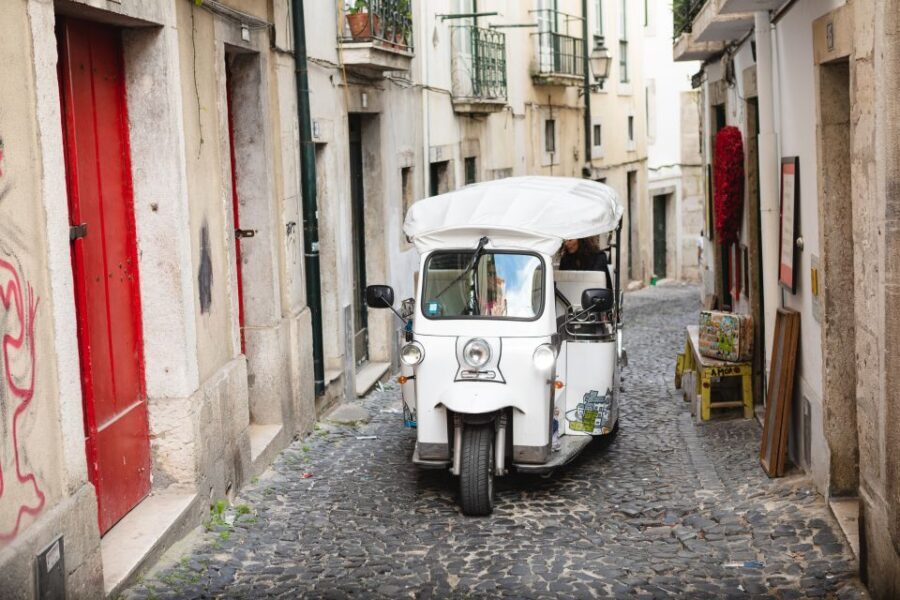
Pickup is included, and the driver meets you in front of your hotel. In practice, that’s one less headache: you don’t need to figure out the meeting point after you’ve already dragged bags around.
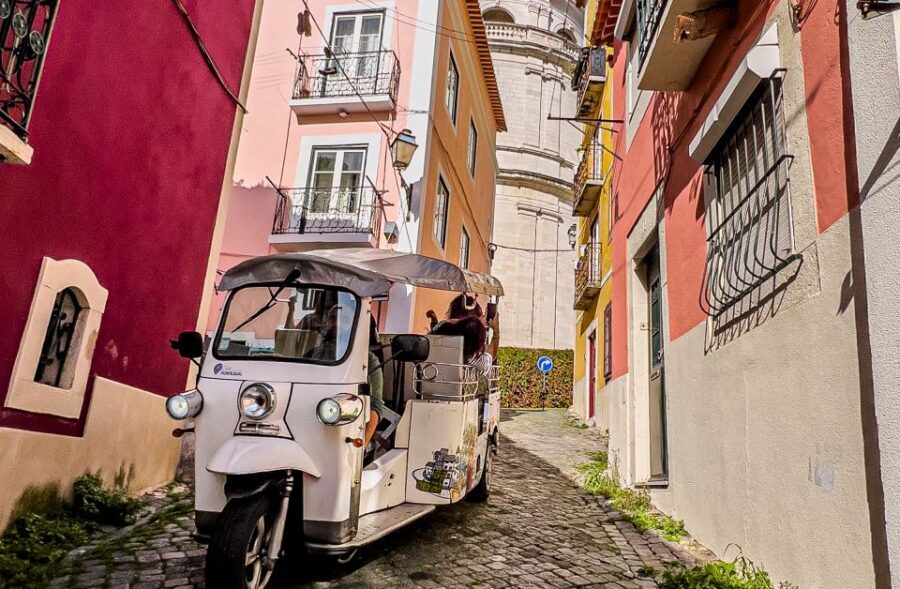
You’ll want to dress for short waits outdoors and for the uneven surfaces Lisbon uses in many old areas. The tour notes some mobility is required to climb into the vehicle, and there’s expected bumpiness from the terrain—especially where cobblestone streets come into play.
For footwear, think “walking shoes that can handle uneven stones.” For clothing, bring a light layer if you’re visiting in cooler months; hill districts can feel breezy even when the lower city is warm. If you’re traveling with young kids, remember the tour isn’t suitable for children under 4, and it tends to be most comfortable for groups up to 4 adults plus 2 children (with the total capped at 6).
The guide experience: light stories, adjustable history, real local energy
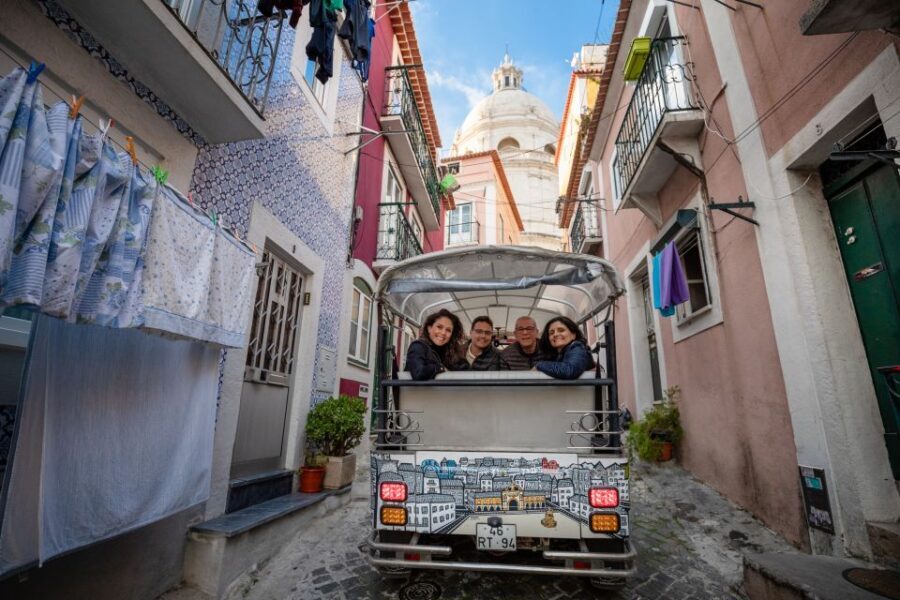
This is the part that can make the difference between seeing Lisbon and understanding why it looks the way it does. The guide is a professional storyteller, and the goal is light, engaging stories and fun facts—not a lecture.
If you want minimal history, you can get it. If you want more, the guide can likely give you extra context on what you’re seeing. In past rides, guides such as Magrida, Claudio, and Carolina have stood out for being enthusiastic, friendly, and able to keep both adults and kids interested.
You also get multiple languages: English, Spanish, French, Italian, Portuguese, and German. That matters if you’re traveling as a mixed-language group and want everyone to follow along without guessing.
Route walkthrough: Baixa to Alfama and back, with miradouro pauses that actually matter
The route is structured like a sequence of “right place, right time” moments. You start in the downtown feel, then gradually climb and shift into the older quarters, with brief pauses where you can step out, look around, and take photos.





Baixa de Lisboa: getting your bearings
Baixa de Lisboa is the starting point because it’s the easiest reference zone. You’ll pass through the downtown area where the streets and geometry feel more straightforward than the hill neighborhoods. It’s a good warm-up: once you see this contrast, the rest of the climb makes more sense.
Lisbon Cathedral area: a quick but meaningful photo moment
You’ll have a brief photo stop near the Lisbon Cathedral. Even if you’re not going inside, the exterior view helps you connect downtown to the older layers above it. A short stop is also useful if you want to keep energy for the miradouros later.
Portas do Sol Terrace: the first big viewpoint payoff
Portas do Sol Terrace is one of those places where you stop moving and just look. From here, you get the rooftops and the sense of Lisbon stepping downhill toward the river. It’s the kind of viewpoint where your photos improve simply because you finally have time to frame them.
Graça Historic District: hilltop neighborhoods with a lived-in feel
Graça is a great stop because it feels both historic and everyday. The streets here are tighter and the city’s texture becomes more obvious—paint, stone, steps, and the way buildings stack. You’ll get a photo stop and a guided pass that helps you connect Graça to what comes next.
Miradouro da Senhora do Monte: viewpoints where the city opens up
Miradouro da Senhora do Monte is all about scale. This is where Lisbon stops looking like a set of locations and starts looking like one big, layered city. The ride helps you reach these viewpoints without paying the full hill-climb cost on foot.
A practical note: viewpoints mean you’ll be standing outdoors and taking in a lot visually. If you’re traveling with kids, this is a good moment for quick photos and short breaks.
Mouraria: texture, street life, and the old-town vibe
Mouraria is one of those neighborhoods that feels like Lisbon’s older heartbeat. You’ll have a brief stop and guided context as you move through. The value here isn’t only what you see, but how the guide links it to the broader story of how these quarters connect.
São Vicente and Alfama: the old city feeling you came for
São Vicente and Alfama are where Lisbon earns its reputation for atmosphere. These are neighborhoods where the streets look made for walking, but the tuk-tuk keeps you from burning your day just getting to the best angles.
You’ll pass through with photo stops, so you can grab key shots without trying to navigate every turn. Alfama in particular is a strong payoff if this is your first time seeing the older quarters.
Tagus River pass-by: a quick sense of direction
You’ll pass by the Tagus River, which gives you orientation. Even a brief look helps you understand the geography: why the hills feel like they rise from the water, and why so many viewpoints are tuned toward that direction.
Chiado and Carmo Convent area: a different Lisbon mood
Chiado brings you back toward the center’s mood: more downtown energy, a mix of streets and landmarks, and a change from the tight old-quarter lanes. You’ll have photo and pass-by moments here, including the Carmo Convent area.
This portion is useful because it balances the tour. You get old neighborhoods, then you get a downtown contrast, then you climb again toward another viewpoint.
Miradouro de São Pedro de Alcântara: the last photo angle before you wind down
You’ll finish with another miradouro stop at Miradouro de São Pedro de Alcântara. This is a classic “capstone” viewpoint: a place to wrap up the day with one more wide view and a final round of photos before returning.
The tasting stop: ginjinha liqueur or Pastel de Nata
Lisbon food is part sightseeing. This tour builds that in with a stop that includes a Portuguese liqueur drink—one drink per customer—and the experience is set up around iconic flavors like ginjinha and Pastel de Nata.
Here’s the practical way to think about it:
- The drink is included, so you’re not hunting down a dessert or bar while your route still depends on timing.
- The sweet stop (Pastel de Nata) is mentioned as part of what you can taste during the experience, so it’s worth expecting a pastry moment rather than only a sip.
If you’re sensitive to alcohol, you may want to pace yourself, since it’s a liqueur and it can be strong.
What’s included vs. what you still need to plan

Included:
- Private transportation in the tuk-tuk
- Professional guide
- Stops to see points of interest
- Insurance
- One liqueur drink per person
Not included:
- Entry tickets to monuments
So if you see a monument you want to enter, plan that as a separate add-on. The tour is built more for viewpoints, photo stops, and neighborhood context than for doing paid interiors.
Who should book this tuk-tuk tour (and who should skip it)
This is ideal for:
- first-time Lisbon visitors who want the old quarters plus viewpoints
- people who hate long uphill walks but still want authentic neighborhoods
- families with older kids who can handle cobblestones and short stops
Consider skipping if:
- anyone in your group has back problems
- you’re pregnant
- you’re traveling with children under 4
- you’re expecting a smooth, flat ride with minimal bumps
And one more “fit” question: if you love reading about Lisbon but don’t care about viewpoints, you might find the value is more about where the guide takes you than about monument interiors.
Should you book it? My decision guide
Book it if you want a 2-hour, private, hills-ready introduction to Lisbon’s most photogenic old districts. The combination of efficient routing, a storytelling guide, and an included flavor stop makes it a practical way to spend limited time while still feeling like you actually visited the city’s older bones.
Skip it if you’re aiming for a monument-heavy day with interior tickets, or if bumpy cobblestone terrain is a dealbreaker for your group. In that case, you’ll likely be happier mixing public transit with a walking plan where you can control pace.
FAQ
How long is the Lisbon 2-hour Old Lisbon tuk-tuk tour?
The tour lasts 2 hours.
Is the tour private or shared?
It’s a private group.
How many people can be in the tuk-tuk?
The maximum occupancy is 6 people total, and it’s most comfortable for groups up to 4 adults and 2 children.
Is pickup included?
Yes. The driver meets you in front of your hotel at the scheduled time. You supply an address for pickup.
What neighborhoods or areas will the tour cover?
You’ll see and stop near Baixa de Lisboa, Lisbon Cathedral, Portas do Sol Terrace, Graça, Miradouro da Senhora do Monte, Mouraria, São Vicente, Alfama, Tagus River viewpoints, Chiado, Carmo Convent, and Miradouro de São Pedro de Alcântara.
What languages are available for the guide?
English, Spanish, French, Italian, Portuguese, and German.
What’s included in the price, and what’s not?
Included are private transportation, stops to points of interest, insurance, all fees and taxes, a professional guide, and 1 liquor drink per customer. Not included are entry tickets to monuments.