REVIEW · SESIMBRA
Lisbon: Caving in Arrábida Natural Park, Setubal, Sesimbra
Book on GetYourGuide →Operated by WIND · Bookable on GetYourGuide
One sentence: Arrábida caves are the most fun kind of dark. This small-group caving trip in Lisbon District lets you move through overlapping underground galleries, with rope techniques and guided instruction that turns a scary drop into a controlled skill you actually understand. I especially like the way the guides blend practical climbing work with geology talk, so the cave feels less like a tunnel and more like a story you can see and follow. The only real drawback: if weather or safety conditions don’t cooperate, caving may be swapped for a different option or rescheduled.
You meet the team at Creiro’s Beach (right turn after Anicha Bar), get geared up, and then spend the next few hours exploring where the mountain meets the sea around Sesimbra and Setúbal. The guides I’ve seen mentioned—Rafael and Filipa—are praised for staying calm, making it understandable, and keeping you feeling secure. Do note that this isn’t for everyone: it’s not suitable for kids under 10, pregnant travelers, people with back problems, mobility impairments, or anyone over 95 kg (209 lbs).
In This Review
- Key points before you go
- Why Arrábida caves feel like a different planet
- Getting there: Creiro’s Beach meeting point and the no-pickup reality
- Gear check and safety briefing: what you wear before the first climb
- The underground plan: rope techniques, overlapping galleries, and controlled darkness
- Learning with guides like Rafael and Filipa: what the teaching feels like
- What to bring (and what not to overpack)
- Who this is best for (and who should skip it)
- The value question: is $70 for 4 hours a fair deal?
- Weather hiccups: what happens if the cave route changes
- Practical tips for a smoother day in Arrábida
- Should you book this cave adventure?
- FAQ
- How long is the Lisbon Arrábida caving experience?
- Where do I meet for the tour?
- Is hotel pickup included?
- What equipment is provided?
- What should I bring with me?
- What languages are available with the instructor?
- Who should not book this activity?
- What if the weather is bad?
Key points before you go
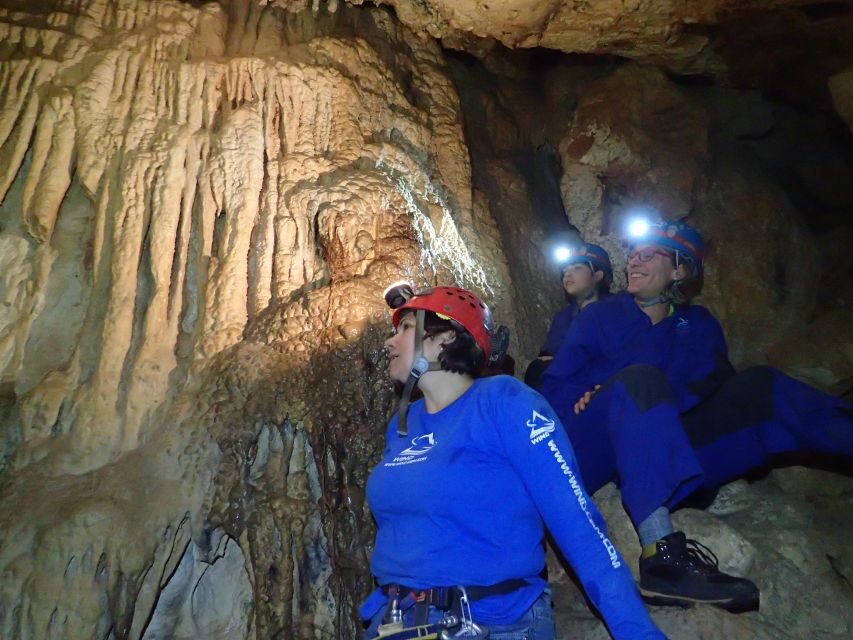
- Overlapping cave galleries on different levels give you variety, not a single-file walk-through
- Rope skills like abseiling and obstacle technique are taught with proper safety gear
- Real speleology guidance from instructors accredited by the Portuguese Speleology Federation
- Provided helmet, harness, headlamp, and rigging gear take the guesswork out of prep
- Arrábida Natural Park geology comes with explanations, not just silence underground
- Weather-dependent operations: you might get an alternative if conditions change
Why Arrábida caves feel like a different planet
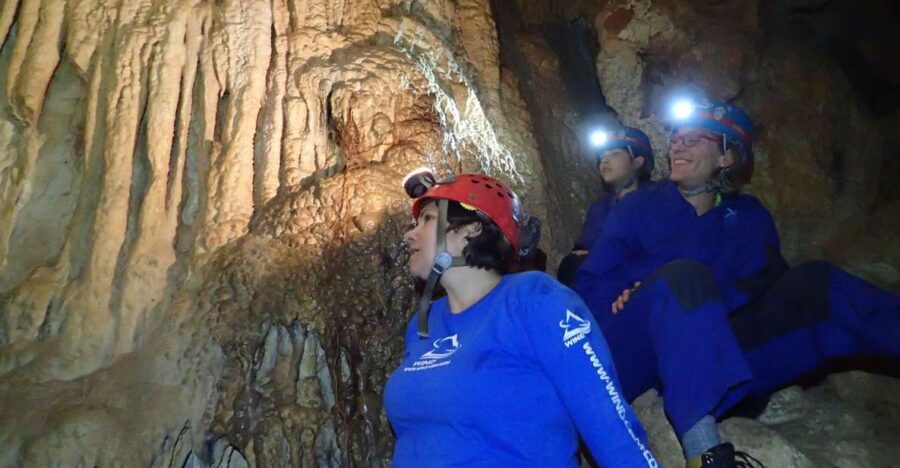
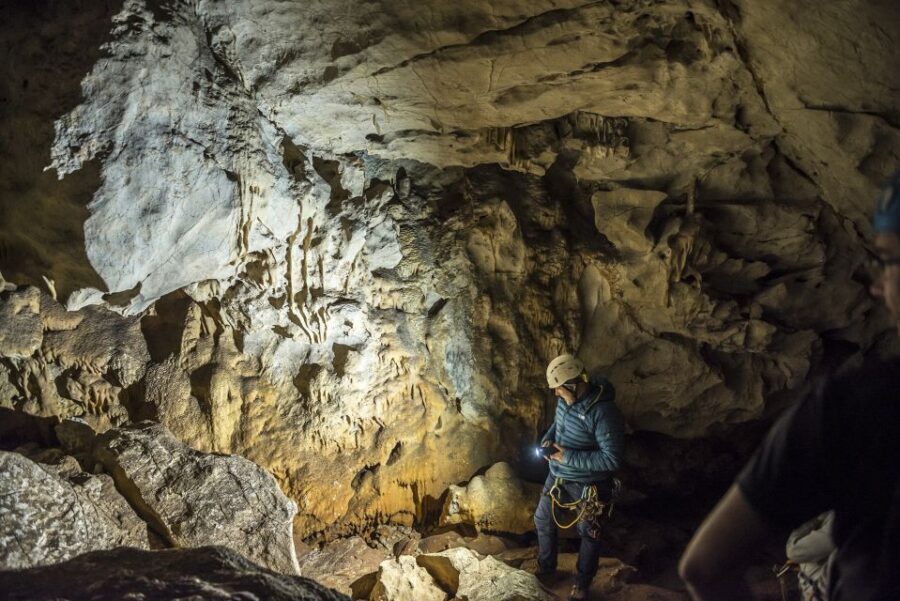
Arrábida Natural Park is famous for the sea-side cliffs above, but the real wow-factor here happens underfoot. The cave systems you’ll explore are set up for practicing speleology, which means you’re not just walking. You’ll move through sections where the ground changes, where you need technique to pass obstacles, and where darkness becomes part of the experience in a very literal way.
What I like most is the feeling of layers—literally. You’ll explore several underground passages and galleries that overlap on different levels. That keeps the trip from feeling repetitive and helps you grasp how caves grow and connect. It also makes the underground world feel mapped, not random.
And you don’t just get a safety lecture and a headset full of silence. The guides focus on what’s around you, including geological features and stories tied to the cave environment. Even if you’re not a rock nerd, it helps you pay attention. You start noticing textures, formations, and the logic of routes rather than just concentrating on the next step.
You can also read our reviews of more tours and experiences in Sesimbra.

Getting there: Creiro’s Beach meeting point and the no-pickup reality
This experience starts at Creiro’s Beach. When you reach it, turn right and look for the group after Anicha Bar. Hotel pickup and drop-off aren’t included, so you’ll want to plan your own ride to the meeting point.
That sounds simple, but it matters because caves start on time. If you’re driving, this area can be busy in peak seasons, and one helpful detail you might find useful: there’s parking mentioned at about €5 for the day. If you’re going during high season, giving yourself extra time to park and walk to the bar is a smart move.
Once you’re there, you’ll get checked in, meet your instructor, and then shift quickly into equipment and safety mode. Expect the pace to feel efficient. It’s an active adventure, not a long scenic chat before you gear up.
Gear check and safety briefing: what you wear before the first climb
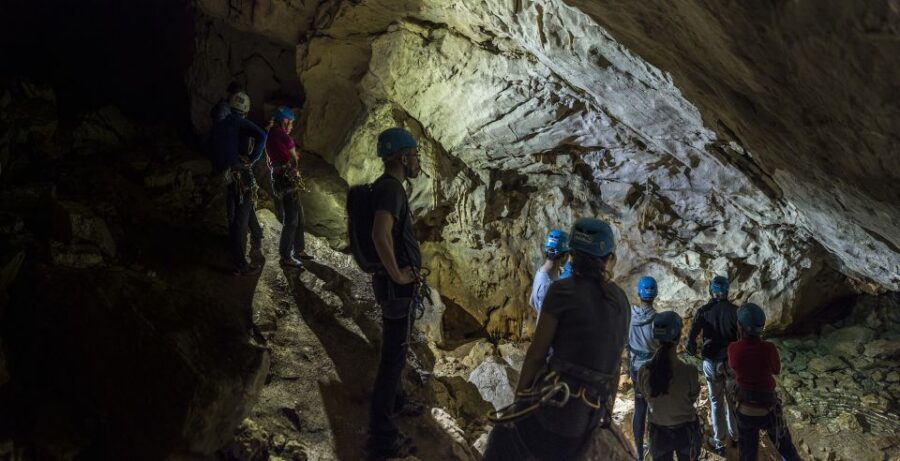
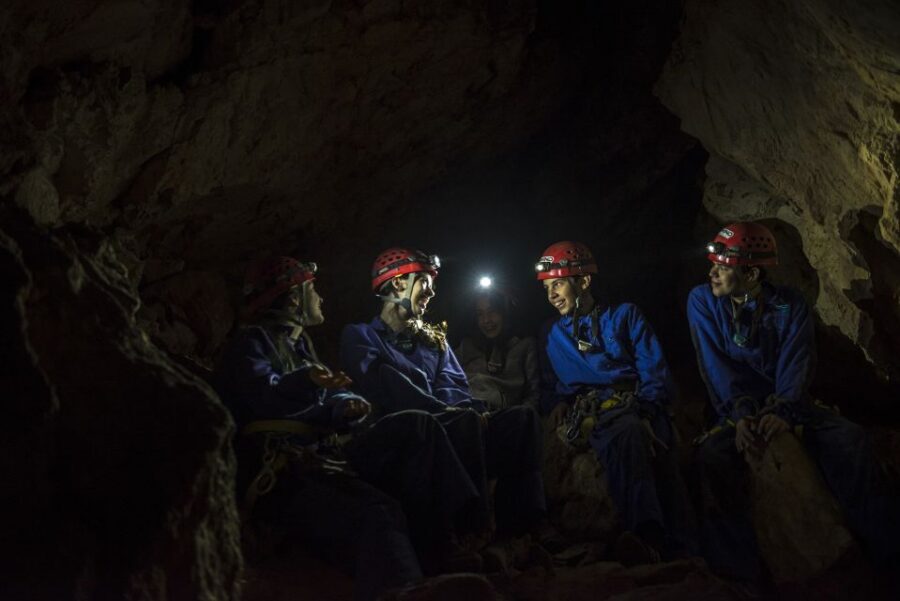
Before you go underground, you start with a safety briefing and an introduction to your guide or instructor. Then you get fitted with your cave kit. You’ll be wearing personal protective equipment designed for the rigors of crawling, climbing, and controlled descents.
Here’s what’s included:
- Helmet
- Harness
- Double safety lanyard
- Headlamp
- Abseiling rope and rigging components (including a figure 8 descender and safety carabiner)
This gear list matters because it changes how the activity feels. You’re not relying on guesswork. You’re learning technique while being protected by a system that’s been built for speleology. It also means you can focus on breathing, footing, and where to place your body.
One more piece that adds confidence: the instructors and monitors are accredited by the Portuguese Speleology Federation. That doesn’t guarantee “easy,” but it does suggest you’re with people who’ve practiced safety protocols enough that they can teach them clearly, especially if you’re new.
The underground plan: rope techniques, overlapping galleries, and controlled darkness
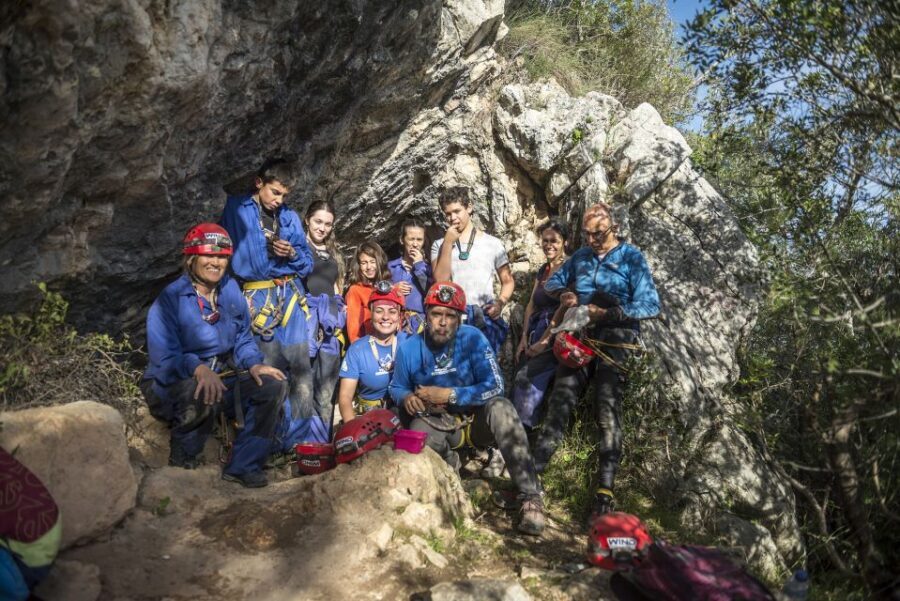
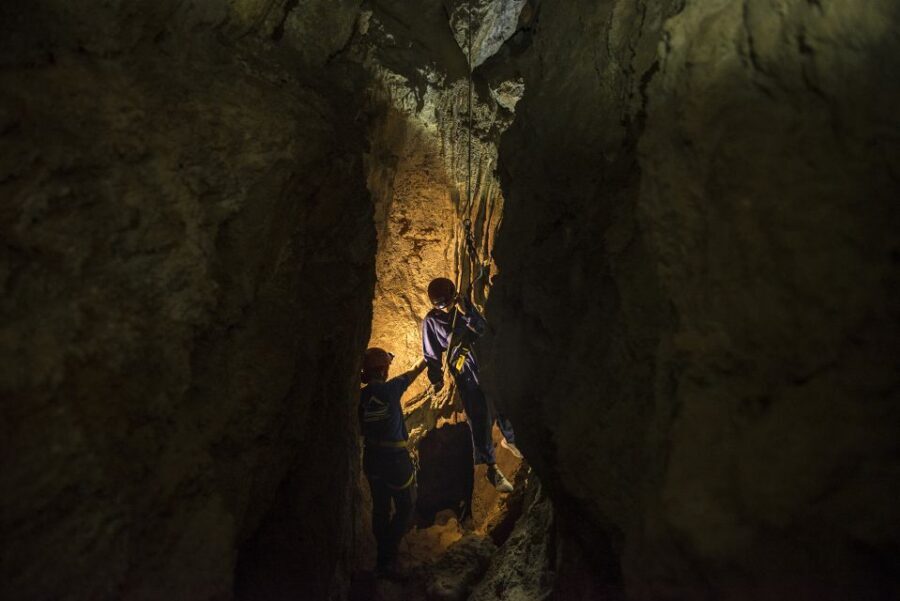
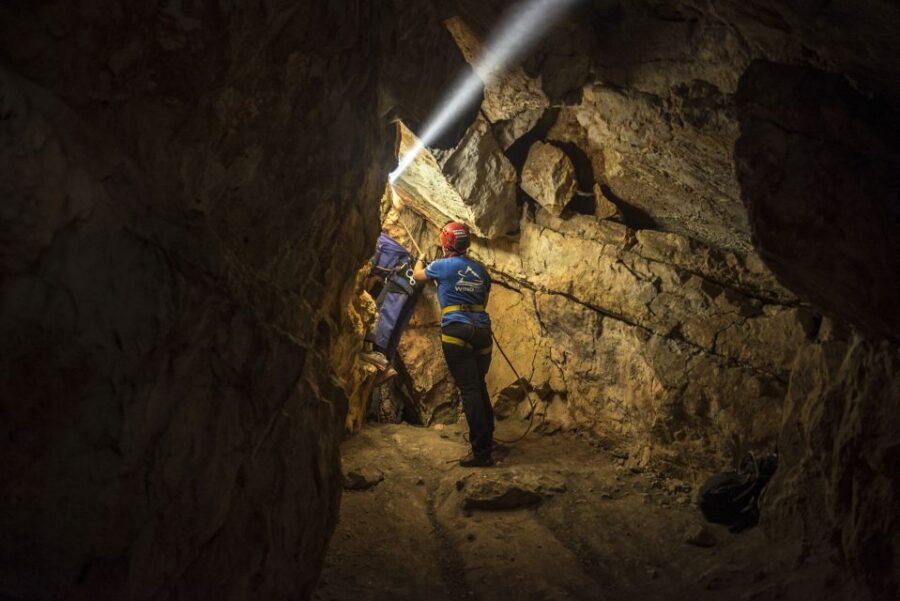
Your cave time is built around movement and skill. You’ll explore multiple underground passages, using climbing and abseiling techniques as needed. The guides aim to keep you safe while also teaching you how to handle obstacles. You’ll work with your equipment, learn how the rope system helps you, and practice the steps that let you pass awkward sections without panicking.
A big part of the experience is how the route is layered. Instead of one long tunnel, you’ll hit overlapping galleries on different levels. That means you’ll see changes in space and flow—sometimes where the cave feels like it’s opening out, other times where it compresses and forces you to move with purpose.
Two cave areas specifically mentioned are:
- Gruta do Médico
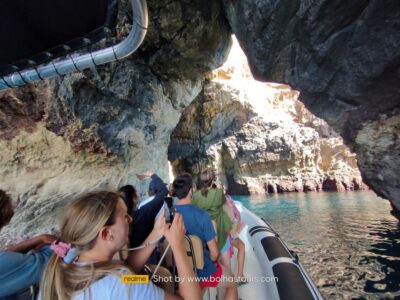
- Lapa Verde, where the mountain meets the sea between Sesimbra and Setúbal
Seeing names like these matters because they suggest there’s a real route plan. You’re not just “going in and hoping.” You’re guided through sections that have their own character.
Also, because you’ll have a headlamp, you get to switch from total darkness to focused visibility. It’s a weird mental shift at first. Your eyes adjust faster than you expect, and once you’re moving, you’ll start reading the cave environment the way the guide does—where the safe path is and how the cave structure shapes the route.
If you’re the type who worries about heights, abseiling can be the point that decides whether you love the trip or fear it. Here, the setup is designed so you learn the motion with support and instruction, not by jumping in cold.
Learning with guides like Rafael and Filipa: what the teaching feels like
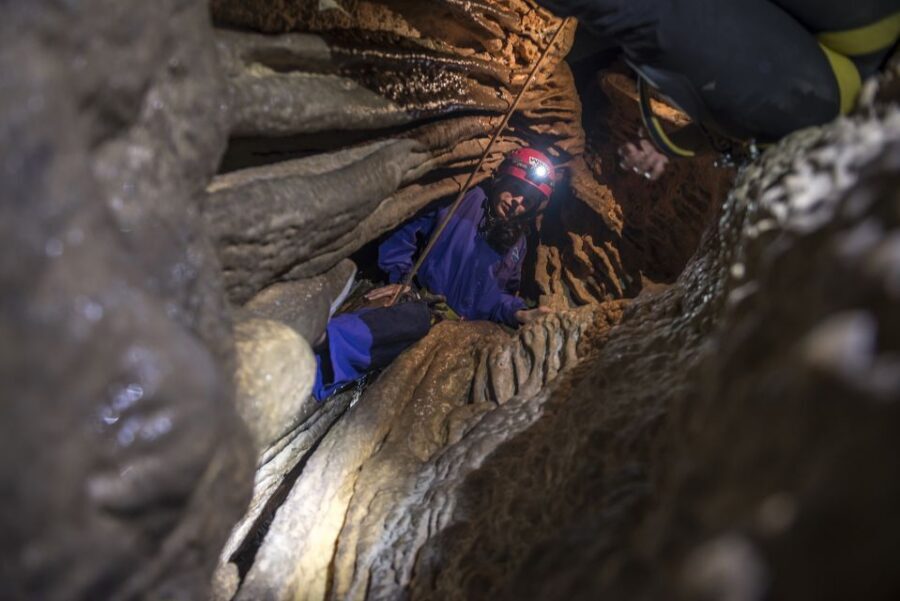
The strongest praise across the experience is about the guides, and you can feel why. People consistently describe the guides as passionate and friendly, with a teaching style that keeps you calm. Names that show up include Rafael (sometimes spelled Jaraf in one message) and Filipa.
The way this usually plays out underground:
- You start with a briefing that translates safety into steps you can follow.
- Then you practice rope and movement techniques while your guide corrects and encourages.
- As you move through the cave system, you get explanations of what you’re seeing—geological facts and region context—so the cave becomes part of your understanding, not just your obstacle course.
One added bonus from the guide experience: you may get practical help beyond the cave, like restaurant recommendations. Since hotel pickup isn’t included and the activity ends away from a central hotel area, having a guide who can point you toward a good meal in the region is genuinely useful.
What to bring (and what not to overpack)
You’ll be given a lot of safety gear, so your packing list is simple. Still, the wrong shoes can ruin a cave day, because you’re moving on uneven ground and through areas where grip matters.
Bring:
- Food
- Water
- Sports shoes
- Sportswear
Even though water and energy bars are provided during the experience, I still like having your own water on hand. It’s just more comfort if you’re a slower eater or if you get thirsty quickly.
Wear sports clothing that you don’t mind getting scuffed. You’ll also want shoes with a solid grip. If your plan is to wear brand-new, smooth-soled “city shoes,” I’d reconsider.
Who this is best for (and who should skip it)
This tour is designed for active people who can follow instructions and handle basic physical challenges underground. It’s not meant to be a casual stroller-friendly stroll.
Not suitable for:
- Children under 10
- Pregnant women
- People with back problems
- People with mobility impairments
- People over 95 kg (209 lbs)
There’s also a size and weight restriction related to participant fit for safety procedures. If that’s even slightly close for you, it’s worth checking before you book so you don’t arrive for something you can’t do.
Weather matters too. The activity is subject to restrictions due to meteorological conditions or other logistic and safety conditions. That’s not a detail to ignore. In outdoor caves, conditions can change quickly. The good news: if caving can’t run, you’ll usually be offered an alternative experience or a reschedule.
The value question: is $70 for 4 hours a fair deal?
For $70 per person, you’re paying for far more than a guided walk. You’re getting a professional setup for speleology practice: helmet, harness, headlamp, rigging equipment (including an abseiling descender and carabiners), plus safety insurance, plus instructor-led rope technique.
You’re also paying for training quality and liability coverage. The experience includes liability insurances, and the guides are accredited. That’s part of the value math because you’re dealing with risk that requires real skill to manage.
Duration is about 4 hours, which is a solid block for learning and experiencing. It’s long enough to feel like an actual adventure, but not so long that you’re exhausted before the best parts.
The only time value feels weak is if you show up unprepared and spend half the time struggling with the basics (shoes, nerves, clothing). Come ready, listen, and you’ll feel like the price buys a real skill-building adventure, not just time underground.
Weather hiccups: what happens if the cave route changes
Because this is an outdoor, underground experience, the plan can shift when conditions don’t meet safety requirements. The operator may propose an alternative experience or reschedule if conditions aren’t met.
One specific example from the guide style: when caving couldn’t happen due to weather, you might still get time outdoors with a different focus, like a mountain option with viewpoints. So even if the cave plan changes, you’re not necessarily stuck with nothing.
That said, you should still expect cave days to depend on conditions. If you’re in Lisbon for a tight schedule, you’ll want to keep at least a little flexibility on your calendar.
Practical tips for a smoother day in Arrábida
A cave trip works best when everything around it is low-stress. Here are a few practical moves:
- Plan to arrive a bit early for the meeting point near Creiro’s Beach, since there’s no pickup.
- Wear sports shoes with grip and bring sportswear you’re okay to rough up.
- Eat ahead or bring a snack: even with provided energy bars, having your own food helps you feel in control.
- If you’re unsure about your comfort with heights, tell the guide early. Good instruction starts before you’re on the rope.
And once you’re done, ask for a food recommendation. A guide who knows the area can save you time and help you avoid the tourist-trap cycle.
Should you book this cave adventure?
I’d book this if you want an active, guided caving experience that teaches rope technique, not just a basic walk. You’ll likely appreciate the safety focus, the gear system, and the way the guides connect the cave to regional geology and stories. If you’re curious about how caves form and you also enjoy learning physical skills, this is a great match.
I would skip it if any of the listed restrictions apply to you (age under 10, pregnancy, back issues, mobility limits, or weight over 95 kg) or if you hate the idea of abseiling and controlled obstacle work. Also, build in weather flexibility. Caving is weather-dependent, and you may need a plan B.
If you’re ready to trade Lisbon streets for total darkness and careful rope work, Arrábida caving near Sesimbra and Setúbal is one of the most memorable ways to spend four hours in the region.
FAQ
How long is the Lisbon Arrábida caving experience?
It lasts about 4 hours.
Where do I meet for the tour?
Meet at Creiro’s Beach. When you reach the beach, turn right and go for the group after Anicha Bar.
Is hotel pickup included?
No. Hotel pickup and drop-off are not included.
What equipment is provided?
You get a helmet, harness, double safety lanyard, headlamp, and caving rigging equipment such as an abseiling rope, a figure 8 descender, and a safety carabiner.
What should I bring with me?
Bring food, water, sports shoes, and sportswear.
What languages are available with the instructor?
The tour offers instruction in Portuguese, English, French, and Spanish.
Who should not book this activity?
It’s not suitable for children under 10, pregnant women, people with back problems, people with mobility impairments, or people over 95 kg (209 lbs).
What if the weather is bad?
The activity can be restricted for meteorological or other logistic and safety reasons. If that happens, the operator will propose an alternative experience or reschedule.