REVIEW · SESIMBRA
Arrábida – Sesimbra: Boat Tour Mysteries of Cape Espichel
Book on GetYourGuide →Operated by ArrabidaLife · Bookable on GetYourGuide
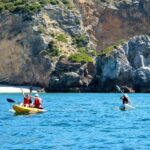
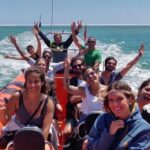
A few hours here, and you’ll feel like you found a secret page. This boat tour links geology, legends, and real-time sea views around Arrábida Natural Park and Portugal’s famous promontory at Cape Espichel. The best part for me is the chance to spot the dinosaur footprints visible from the sea, which is not something you see every day.
I also love how the guide steers the story so it’s not just scenic stop-and-go. You’ll get a clear sense of the area’s history, biology, and rock formations as you pass beaches and cliffs. One consideration: the itinerary is packed with viewpoints in a 2-hour window, so if you hate quick changes, you may want to arrive ready to move fast (and bring sunscreen).
In This Review
- Key highlights you’ll actually feel
- Two hours over Sesimbra and Arrábida: what you’re really paying for
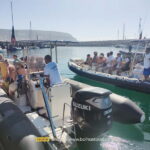
- Starting at Anthia and setting the tone on the water
- Praia da Cova: an easy warm-up viewpoint
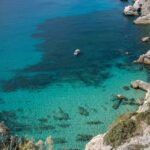
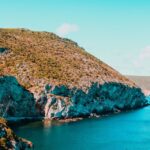
- Arrábida Natural Park: where the cliffs start telling stories
- Monumento Natural da Pedra da Mua: the promontory identity moment
- Forte de São Domingos da Baralha: history seen from the water
- Beach hopping along the coast: why the stops keep mattering
- Dinosaur footprints from the sea: the moment the tour earns its hype
- Cape Espichel’s icons: Mua Rock, Cape Church, and the lighthouse area
- Included extras that make the trip smoother
- What to bring (and what not to do)
- Who this boat tour suits best
- Should you book it? My take
- FAQ
- How long is the boat tour?
- Where does the tour start?
- What languages are the live guides?
- What’s included in the price?
- What should I bring and wear?
- Is there free cancellation?
Key highlights you’ll actually feel
- Dinosaur footprints from the water: an unusual spectacle that makes the coast feel strangely alive
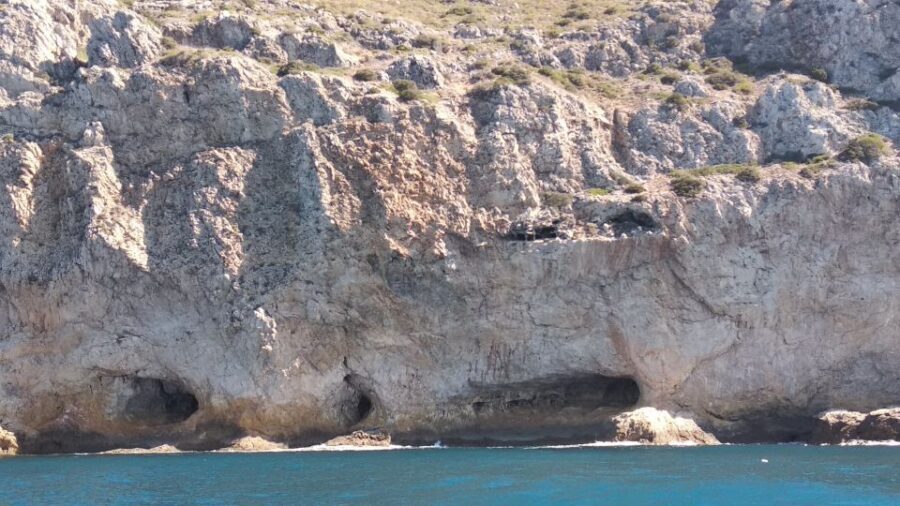
- Arrábida cliffs and caves: sea-level passes that show rock shapes you’d miss from shore
- Cape Espichel landmarks: see the Mua Rock, the Cape Church, and the lighthouse area from the promontory
- Legend-led guiding: history and story-telling tied to what you’re seeing in real time
- Multiple beaches in a short circuit: a strong visual sampler of the Sesimbra coastline
Two hours over Sesimbra and Arrábida: what you’re really paying for
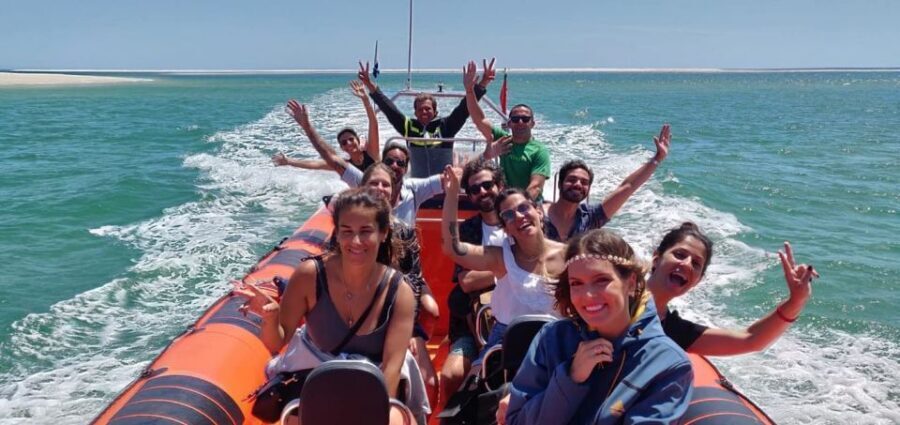
At $53 per person for 2 hours, you’re not paying for a long day on the water. You’re paying for concentration: a guided loop that hits a standout promontory plus multiple coastal viewpoints around Arrábida Natural Park. That makes it a good value if you want the “great hits” without committing an entire half or full day.
This trip also earns its price with live guidance in Portuguese, English, and Spanish, plus the essentials included for comfort and basic safety. The insurance is included, and you’re required to wear a life jacket. You also get a small snack and water, so you’re not scrambling for something to eat midway through.
You can also read our reviews of more boat tours in Sesimbra

Starting at Anthia and setting the tone on the water
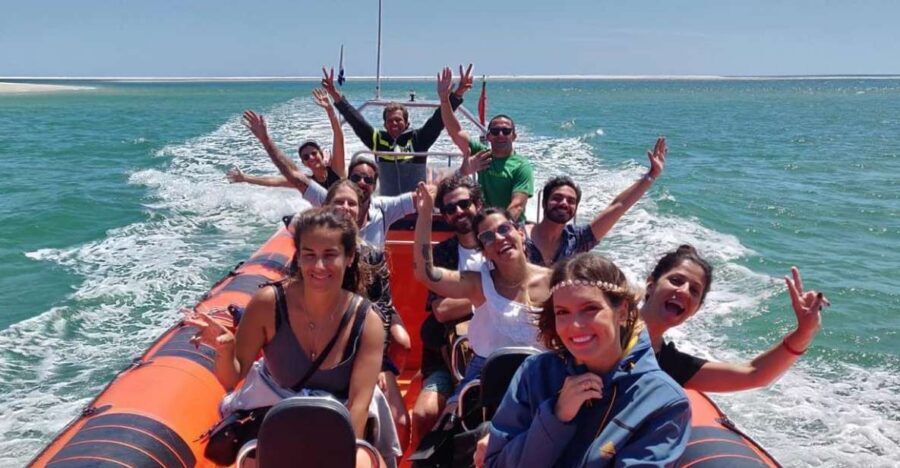
You’ll begin at the Anthia center and then head along the coast with the guide narrating what you’re seeing. That first stretch matters because it shapes your focus for the rest of the ride. Instead of treating every sight as a random photo stop, you learn what to look for: rock formations, how cliffs relate to marine life and weather, and why Cape Espichel has the reputation it does.
The tour is designed to keep you moving from scene to scene, and the guide’s job is to connect those scenes into one story. In the reviews, people specifically praised how friendly and gentle the guides were, and how their knowledge answered curiosities on the spot. That’s exactly the kind of difference-maker you want on a short itinerary—less time guessing, more time understanding.
Praia da Cova: an easy warm-up viewpoint
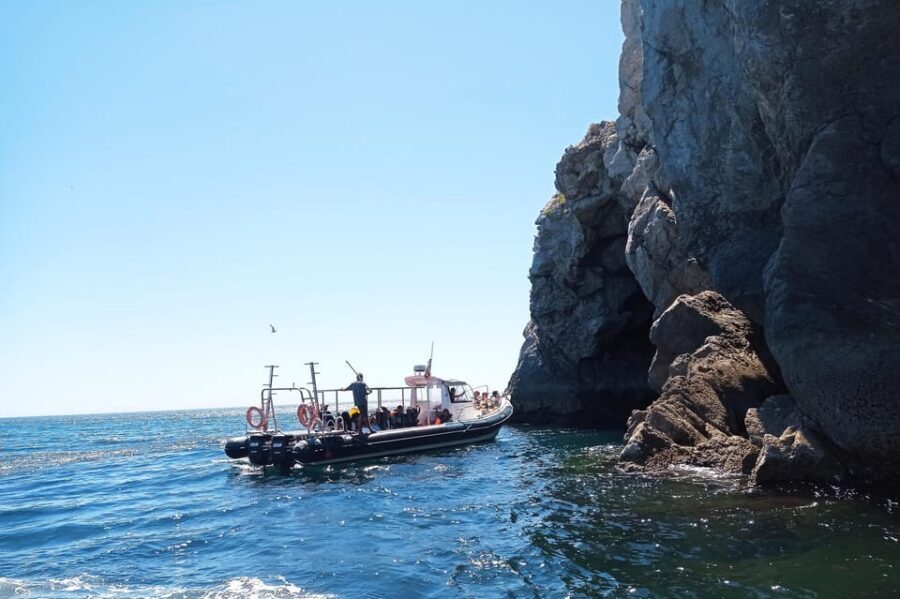
The first named stop is Praia da Cova, and it’s a smart “warm up” because you can start orienting yourself with the coastline. Expect a classic coastal view from the water: cliffs, sandy stretches, and the kind of coastal scale that’s hard to measure from land.
Practical tip: comfy shoes matter even though you’re on a boat. You’ll still likely need to step around at the start and possibly between brief walking points depending on how the crew handles boarding and safety.
Arrábida Natural Park: where the cliffs start telling stories
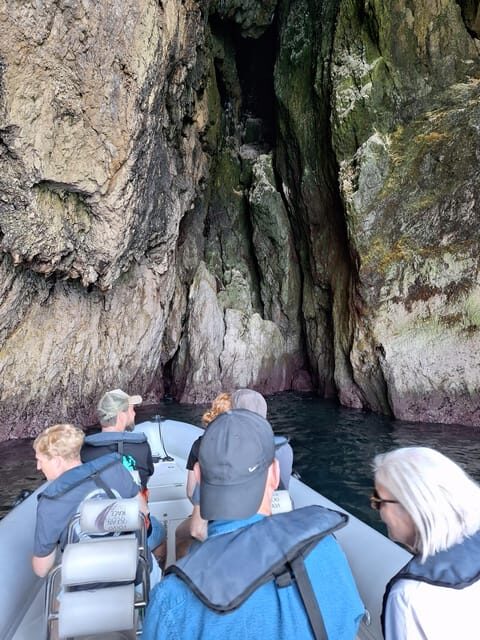
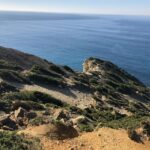
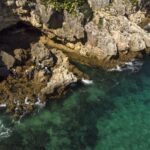
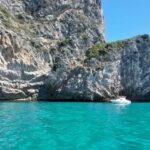
Next comes Arrábida Natural Park, with scenic views on the way. This is where the tour shifts from postcard coastline to something more analytical. You’re not just seeing cliffs—you’re hearing about their geology and biology in a way that connects form to function.
Why this is worth it: Arrábida is a coast you can appreciate visually, but it becomes more meaningful when you understand how the rocks were shaped and what that means for the marine environment. Even if you’re not a geology person, a good guide makes the terminology practical—how rock layers affect what you see at sea level and why certain coves and caves form in specific places.
Also, this is where you should slow down mentally and watch for sea caves and rock pockets as the boat approaches them.
Monumento Natural da Pedra da Mua: the promontory identity moment
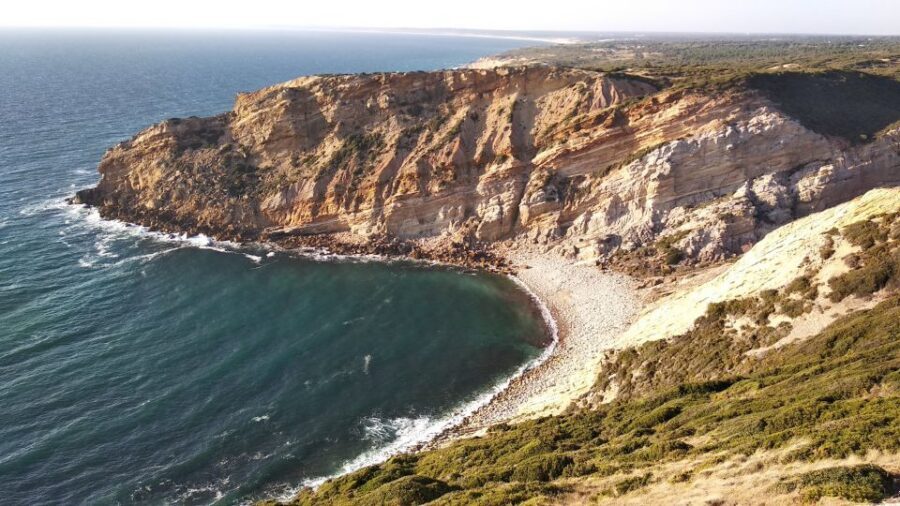
Then you reach Monumento Natural da Pedra da Mua—often described as one of the defining features of the cape. This is one of those spots where the name matters because it helps you recognize the formation as a landmark, not just a shape.
The tour frames Cape Espichel as one of Portugal’s most renowned promontories and notes it’s the second most western cape in Continental Europe. That tidbit changes how you view the coastline. You start thinking about exposure to weather, the meeting point of land and sea, and why lighthouses and religious sites end up here.
On a clear day, you’ll likely feel the scale of it quickly. On a breezy day, you’ll feel it even more—because you’re close to the open edge of the cape.
Forte de São Domingos da Baralha: history seen from the water
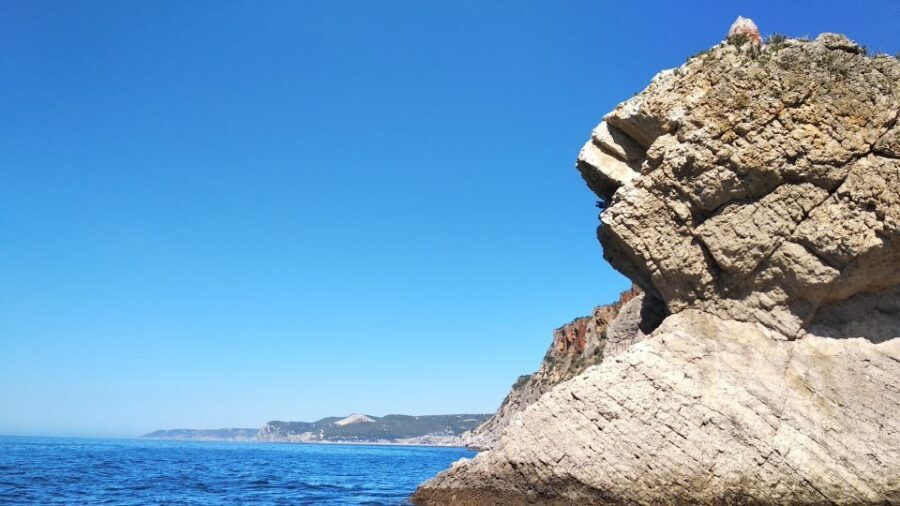
From there, the itinerary heads toward Forte de São Domingos da Baralha. You’ll view it from sea level, which is a different perspective than most land-based sightseeing. From the water, you see how coastal fortifications relate to visibility and control—where someone would watch, how they would respond, and why this stretch of coast was worth defending.
Even if you’re not deep into military architecture, it helps to understand that forts aren’t random buildings. They are tools, placed where the geography does the work.
Beach hopping along the coast: why the stops keep mattering
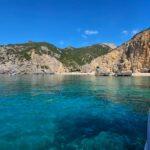
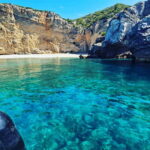
After the fort area, you’ll pass a sequence of beaches and viewpoints—Baleeira Beach, Praia de Cramesines, Vale Covo Beach, Praia do Temporal, Inferno beach, Praia da Mijona, and Ribeiro do Cavalo Beach—with sightseeing at each.
Here’s the practical value of this “beach series” approach: it gives you a way to compare coastlines in short order. Same boat, different pocket shapes. You start noticing how cliffs change, where sand gathers, and where exposure seems stronger. In other words, the itinerary becomes a visual lesson in how coastline design and sea conditions work together.
Small note: some beach names sound intense, like Inferno beach, but from the info you provided, the point is the view and the coastal context—not any promised swimming experience.
Dinosaur footprints from the sea: the moment the tour earns its hype
One of the biggest reasons people book this experience is to discover the dinosaur footprints visible from the sea. That’s the kind of detail that makes a coastal trip feel extra meaningful because it connects deep time to everyday waves.
From a reader’s point of view, it helps to know what to do in that moment. Listen carefully to what the guide points out, then look for the patterns they describe—because footprints aren’t usually obvious at first glance. Once you know what you’re hunting for, the sea-level viewpoint becomes the whole trick.
This is also where the guide’s clarity matters most. The people who left strong ratings specifically praised the way guides answered questions and explained the area. If you’re the type who loves asking why something is the way it is, you’ll feel at home here.
Cape Espichel’s icons: Mua Rock, Cape Church, and the lighthouse area
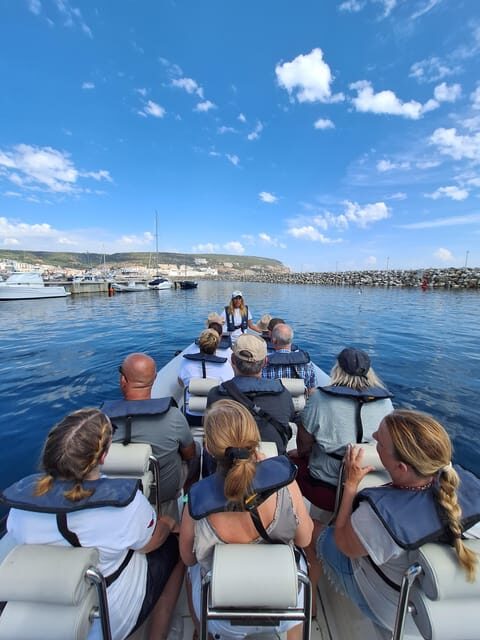
The tour wraps around Cape Espichel, with the famous areas highlighted: Mua Rock, the Cape Church, and the emblematic lighthouse. The lighthouse is the “practical” icon; it reminds you this is a real working coastline, not a museum. The church ties in the legend and tradition layer that the guide promises to bring to life.
What I like about this combination is that it balances human meaning with natural forces. You’re seeing rock and sea from the outside, then hearing why people built symbols and structures there. It turns a scenic promontory into a place with stories you can actually track while you’re watching the coast.
Included extras that make the trip smoother
This tour includes:
- Insurance
- Life jacket (mandatory)
- Local snack
- Water
That might sound basic, but it’s a big deal on a short boat outing. When snack and water are included, you avoid the pre-tour stress of finding a quick bite. And with life jackets mandatory, you don’t have to guess about safety standards or bring your own gear.
What to bring (and what not to do)
Bring comfortable shoes and sunscreen. You’re on the coast, and even on a cooler day, sun reflection on water can surprise you.
And follow the rules: no littering and don’t touch marine life. Those guidelines are there for both safety and protection. It’s the kind of tour where you want the sea caves and wildlife to stay the way they are.
Who this boat tour suits best
I’d recommend this experience if you:
- Want a guided boat trip that teaches as it shows
- Love odd facts and want a real reason to look closely at the coastline (dinosaur footprints do that)
- Prefer a focused 2-hour outing over a long day with lots of downtime
- Appreciate history and legend, not just views
If you’re the kind of traveler who needs long, unhurried time at one stop, you might find the pace brisk. But if you’re happy with short, high-impact segments, this works well.
Should you book it? My take
Book it if you’re attracted to the combo of Arrábida cliffs + sea caves + Cape Espichel’s major icons, especially the chance to see dinosaur footprints from the water. For the price, the value is in the guided story that stitches everything together quickly—exactly what you want when time is limited.
Skip it if you dislike boats, rougher weather days, or you want lots of time on land. This is a “see, learn, move” tour, and it shines when you’re ready for that style.
FAQ
How long is the boat tour?
The tour lasts 2 hours.
Where does the tour start?
The meeting point is Anthia Diving Center.
What languages are the live guides?
The live tour guide operates in Portuguese, English, and Spanish.
What’s included in the price?
It includes insurance, a life jacket (mandatory), a local snack, and water.
What should I bring and wear?
Bring comfortable shoes and sunscreen.
Is there free cancellation?
Yes. You can cancel up to 24 hours in advance for a full refund.