REVIEW · LISBON
Lisbon: Dolphin Watching with Marine Biologist
Book on GetYourGuide →Operated by SeaEO - Tours · Bookable on GetYourGuide
If your ideal day in Lisbon includes real wildlife time, this is it. You’ll head out on a fast RIB with a marine biologist and crew, then scan the waters near Lisbon for cetaceans and seabirds—close enough to feel like you’re part of the ocean for a while.
What I like most: the wildlife-first approach and the small-boat vibe that keeps things less crowded, plus the science talk you get onboard instead of generic sightseeing. I also love how the route mixes animal searching with Lisbon coastline views, including the area around Bugio Lighthouse.
One thing to consider: dolphins are wild, so sightings are never guaranteed, even with a reported 97% chance on this tour. And because it’s a smaller speedboat, the ride can feel choppy if conditions are rough.
In This Review
- Key highlights I’d circle
- The setup in Lisbon: where the dolphin search really begins
- The RIB ride: fast, fun, and built for wildlife spotting
- On the water: how the dolphin hunt works
- What you might actually see: dolphins and more
- Bugio Lighthouse and the Fort of São Lourenço do Bugio: coastline views with context
- Cascais waters and the quick shifts in scenery
- Belém Tower and the Monument to the Discoveries: Lisbon sights on the way back
- Language on board and the value of the real explanations
- Seasickness, jackets, and what to wear (so you enjoy the ride)
- Who this tour is best for (and who should skip it)
- Price and value: what you get for about $76
- How to decide: should you book SeaEO’s dolphin watching?
- FAQ
- How long is the dolphin watching tour?
- Where do I meet for the tour?
- What’s included in the price?
- Are dolphin sightings guaranteed?
- What should I bring?
- What should I do if I get seasick easily?
- Who is the tour not suitable for?
- What languages are available for the tour guide?
Key highlights I’d circle
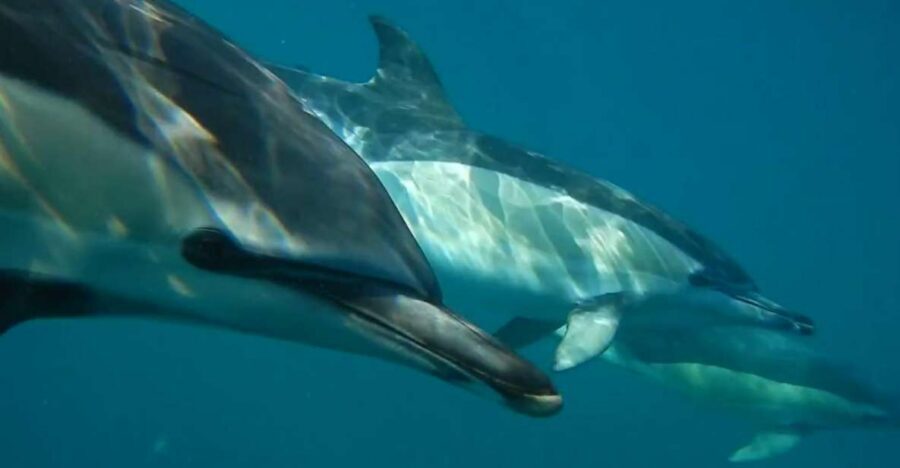
- Marine biologist on board who explains what you’re seeing and how the animals behave
- RIB speedboat for quick positioning so you can cover more water in the time you have
- Wildlife-friendly distance to reduce stress on dolphins and other marine life
- Big views from the water along Lisbon’s coast, including Bugio Lighthouse area
- Lisbon sights without the long day: brief Belém Tower stop plus iconic monuments viewed from the river
- Up to three hours on the water with scanning, spotting, and re-spotting when needed
The setup in Lisbon: where the dolphin search really begins
This tour starts in the docks area of Lisbon, at SeaEO Tours (Sea & Estuary Odyssey). The key reference point is Doca de Santo Amaro, Gate 3, under the big red bridge—Alcântara is right in front of the riverside, so you’re not hunting in the dark once you arrive.
After you check in, you’ll get a safety briefing and later a quick debrief from the crew. That matters because speedboats move fast, and you’ll want to know how they manage stability, where to stand or sit, and what to do if conditions change.
You’ll also be contacting by mobile phone about 24 hours ahead, so save your confirmation details and keep your phone close before the tour day.
You can also read our reviews of more dolphin watching tours in Lisbon


The RIB ride: fast, fun, and built for wildlife spotting
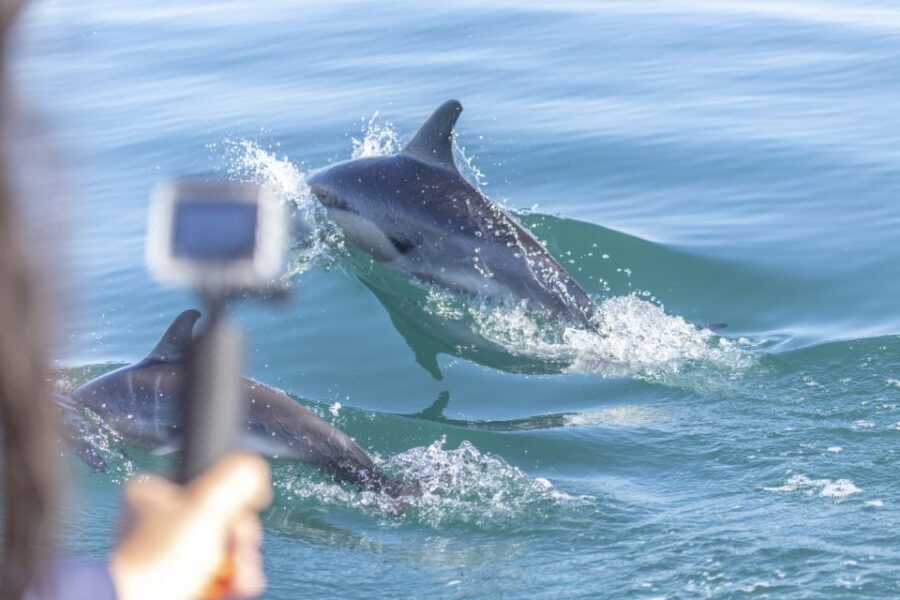
You’re not taking a giant sightseeing boat. You’re going on a fast rigid inflatable boat (RIB), the kind that can get you quickly toward where the action is. That’s a big deal for dolphin watching because pods don’t stay put, and the best sightings tend to happen when the boat arrives soon after the dolphins show up.
In reviews, people repeatedly call out how the ride feels exciting but still well-managed. One small caution: the boat is small, and in rougher water it can get bumpy—so if you’re sensitive to motion, plan for that from the start.
A practical tip I’d follow: dress for wind. Even in warmer months, conditions out on the water can feel cooler fast, and some people mention wind jackets being provided when needed.
On the water: how the dolphin hunt works
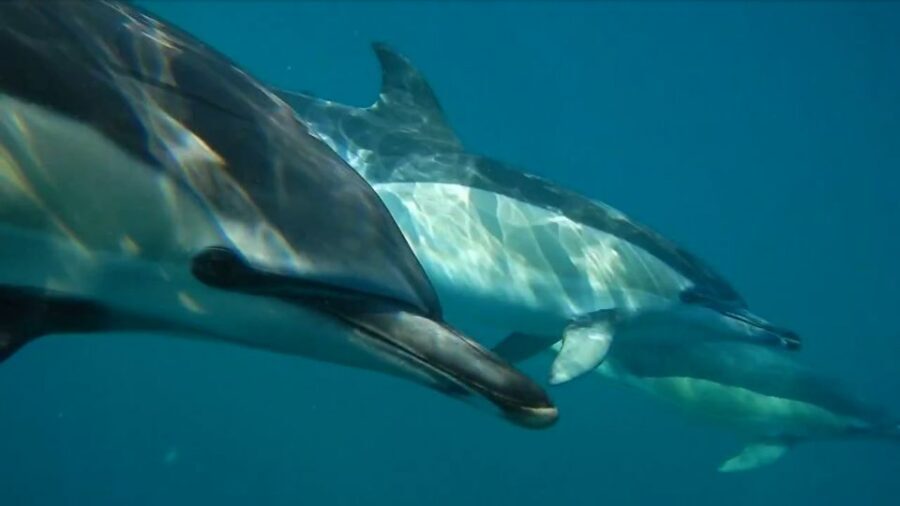
Once you reach the ocean zone, the onboard marine biologist helps you identify what you’re looking at. You’ll scan for dolphins and seabirds, and the crew shares how they track sightings—basically, you’re learning how to read the water like they do.
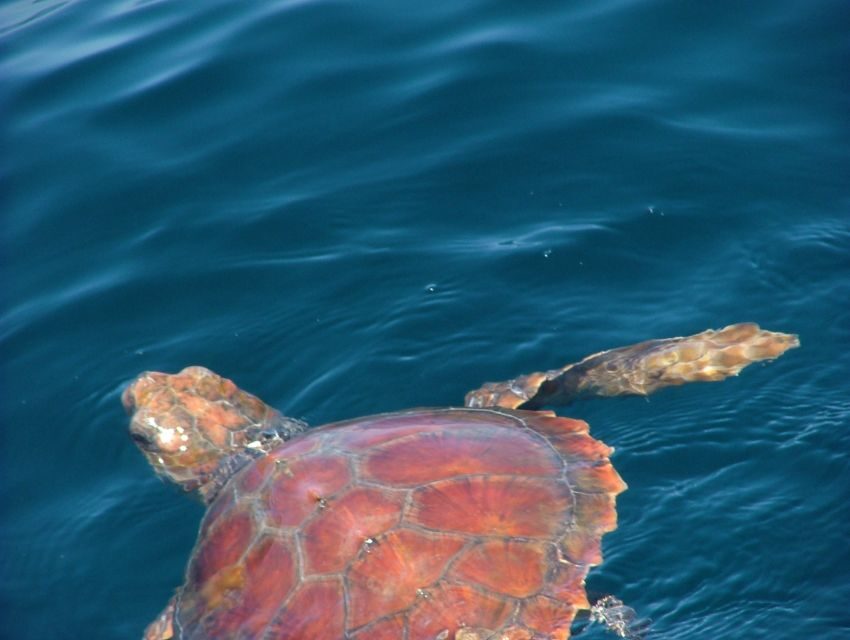
The tour runs up to about three hours venturing on the ocean to watch for dolphins and other species. Depending on what turns up, you might also see sea fish, sharks, jellyfish, or even sea turtles. The general idea is simple: the more species they find, the more varied the experience feels.
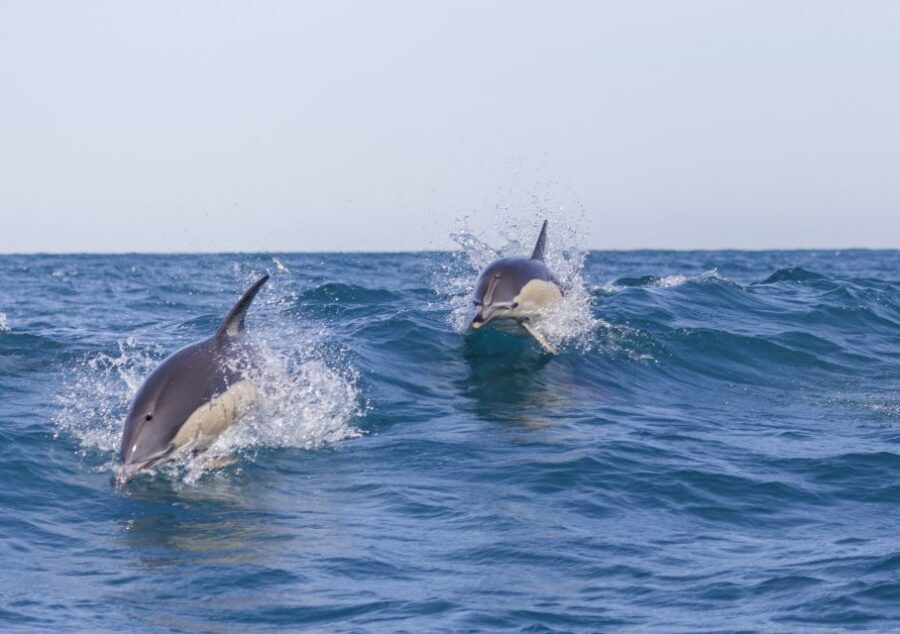
Most importantly, this tour is designed to be non-invasive. You don’t go out to harass animals or crowd a pod. Instead, the boat keeps respectful distance, and the dolphins’ curiosity sometimes does the rest—coming closer and swimming alongside on their own terms.
What you might actually see: dolphins and more
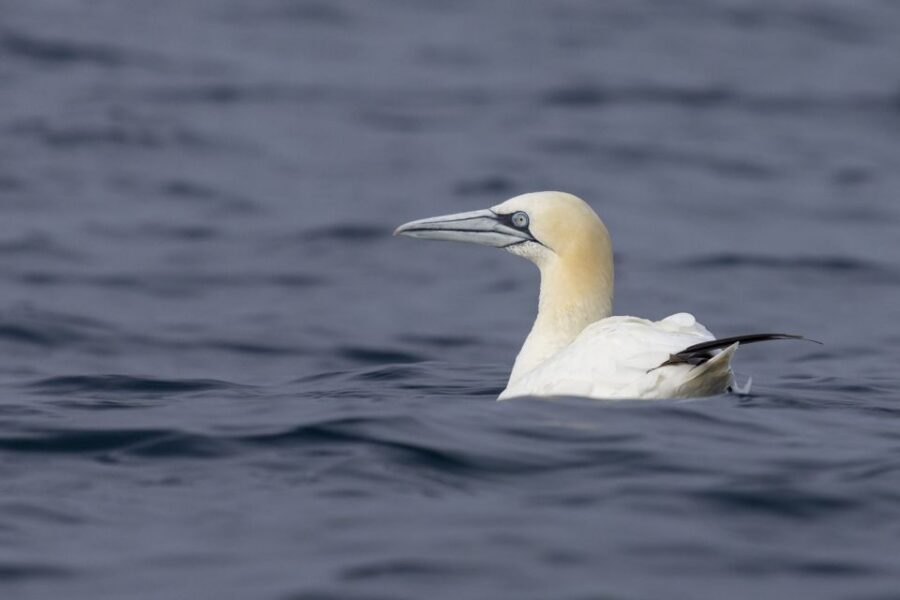
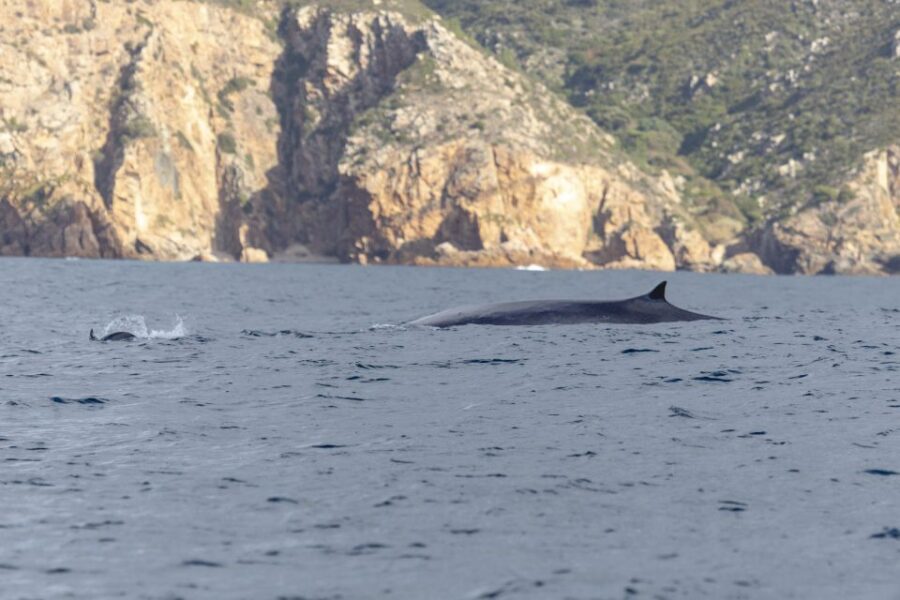
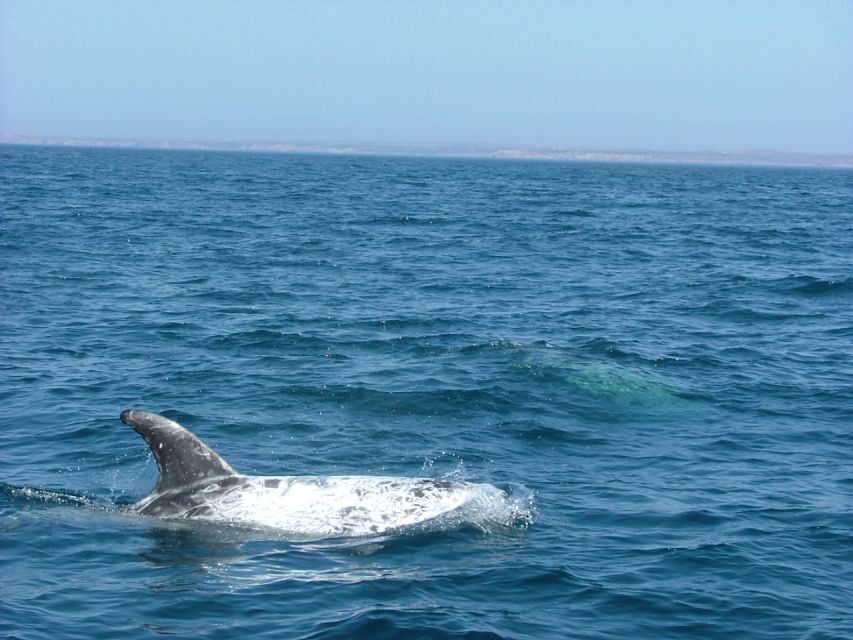
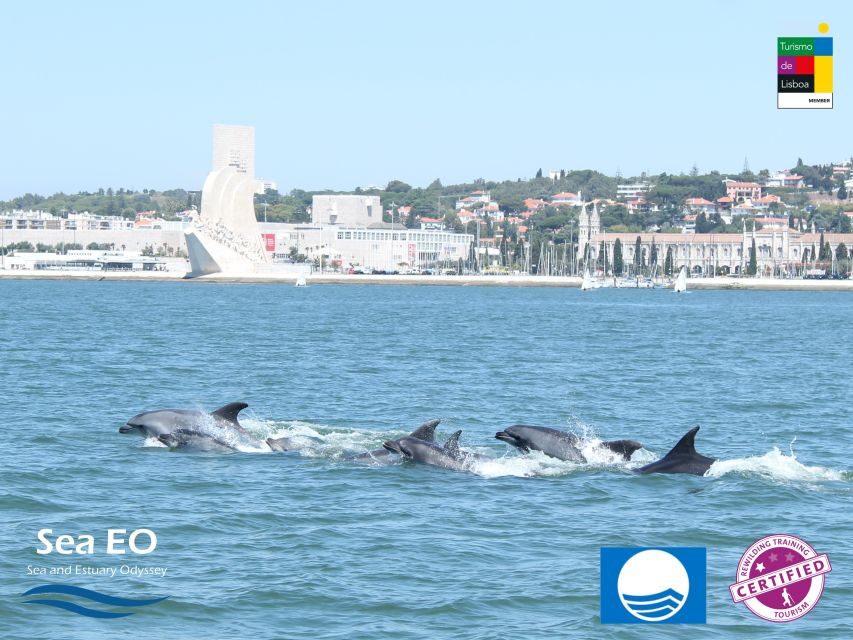
Your main target is cetaceans, and the sighting reports in the reviews are consistently strong. People describe seeing multiple dolphins, sometimes two different types in one trip, and several mention bottlenose dolphins specifically.
There are also reports of other sea life that make the trip feel more like a marine safari than a one-species gamble. Expect seabirds to be part of the picture, and some groups even mention unusual extras like sunfish or, in one case, orcas.
Since dolphins are wild animals, the smartest way to think about this is: you’re buying the best odds plus the best process. The local partner reports a 97% chance of sightings, but your final results depend on where the dolphins decide to go that day.
Bugio Lighthouse and the Fort of São Lourenço do Bugio: coastline views with context
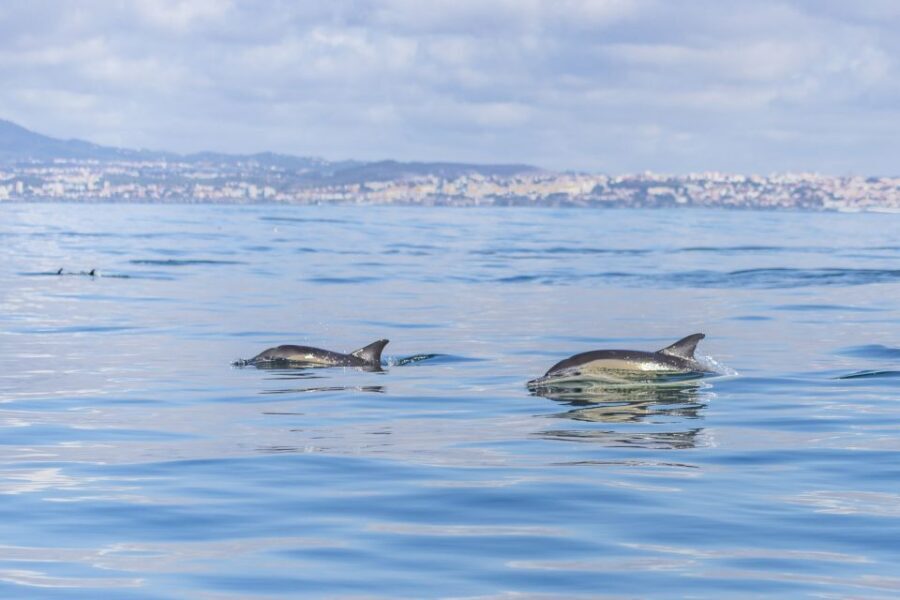
As you leave the docks and head out, you’re not just traveling—you’re getting scenery. The itinerary includes the area around Fort of São Lourenço do Bugio, which is a classic marker along this stretch of coast.
You’ll get guided sightseeing while you pass or approach the Bugio Lighthouse zone. Even if you’re focused on wildlife, these views matter because they connect what you’re doing to Lisbon itself: the same coastline that frames the city also shapes the currents and ocean conditions where marine life shows up.
This is one reason I like this style of tour. It doesn’t treat the water as a separate world from the city—it helps you understand Lisbon’s geography while you hunt for animals.




Cascais waters and the quick shifts in scenery
The route continues toward an area listed as JJ85+VG Cascais. In practice, this part of the day is about positioning: scanning, moving, and trying again if the dolphins haven’t appeared yet.
For you, that means the day doesn’t stall. Instead, you’re usually underway, watching, listening, and learning. When the dolphins do show up, that mobility is what turns a waiting trip into a memorable one.
If you’re the kind of person who likes a plan but hates dead time, this “move and look” approach is the right match.
Belém Tower and the Monument to the Discoveries: Lisbon sights on the way back
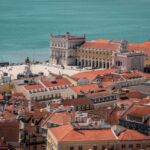
The return part of the day brings Lisbon back into the frame. You’ll see major monuments from the river, including the Monument to the Discoveries and Jerónimos Monastery, plus the Tower of Belém.
The Tower of Belém also shows up as a short visit (about five minutes). That’s not enough time to do everything you’d want on foot, but it’s a nice bonus if you’re pairing the tour with a classic Belém walking plan later.
I also like the timing here: you’re still in a sightseeing mood, but you’re not wasting hours in traffic or lines. It’s a smooth way to stitch Lisbon’s icons to your time on the water.
Language on board and the value of the real explanations
One reason dolphin tours can feel hit-or-miss is the difference between a guide who reads off a script and a guide who can explain behavior. Here, the marine biologist experience is central, and the tour runs in multiple languages: Portuguese, English, French, Italian, and Spanish.
In reviews, people mention guides like Sid and Lunor speaking a mix of French and English, and others mention Sarah or Bart by name. Translation support for different passengers also comes up, which helps if you’re traveling with kids or a group where not everyone shares one language.
This is one of the best “value add” parts of the day: you’ll understand why dolphins are moving, what seabirds are signaling, and what “good distance” actually looks like in the field.
Seasickness, jackets, and what to wear (so you enjoy the ride)
If you’re even slightly prone to seasickness, plan ahead. The tour advice is straightforward: have a good breakfast before you go, but skip milk, cream, and yogurts. That kind of small change can make the difference between a fun ride and a miserable one.
Bring a jacket even if it looks sunny in the city. Reviews repeatedly warn that it gets chilly out there, especially after you’re moving and wind hits your face. Comfortable shoes are a must, and high-heeled shoes are not allowed.
Also note what’s not allowed on board: smoking, alcohol or drugs, littering, feeding animals, and touching marine life. It’s a simple set of rules—but they’re there to protect you and the wildlife.
Who this tour is best for (and who should skip it)
This is a great match if you want:
- a speedboat adventure on the Atlantic side of Lisbon
- real marine info instead of only general sightseeing
- a more respectful, smaller-vessel experience
It’s not a fit if you have mobility limitations or back issues, or if you’re traveling with a child under 5. The same goes for pregnant travelers, and wheelchair users are not suitable for this activity.
If your group includes someone who gets motion sick easily, talk with them before booking. The ride is managed for safety and comfort, but smaller boats mean your body may feel more of the sea.
Price and value: what you get for about $76
At $76 per person for a roughly three-hour experience, you’re paying for more than a boat ride. You’re getting a marine biologist onboard, crew support, lifejackets, insurance, taxes, and fuel all bundled into the price. That’s a lot of “extras” that often cost more when bought separately on other excursions.
You do pay for what you care about most here: odds of seeing wildlife plus the on-water interpretation. And because the sightings aren’t guaranteed, you’ll want to feel comfortable with that risk before you buy. The reported 97% chance helps, but you should still treat it like a wild-ocean experience, not an animal zoo visit.
Not included: hotel transfer, plus food or water. If you want snacks or drinks, plan to grab them before you meet at the dock.
How to decide: should you book SeaEO’s dolphin watching?
I’d book this if you’re the kind of traveler who wants dolphins in their natural habitat, with a marine biologist explaining what you’re seeing, and you like the idea of a fast RIB that can reposition quickly when pods surface.
I’d also book it if you want Lisbon context while you’re on the water—Bugio Lighthouse views and the Belém area on the return add real local flavor without turning the day into a slog.
Skip it if your main goal is guaranteed dolphin sightings (wild animals don’t work like that), or if you know you’re very sensitive to choppy water.
FAQ
How long is the dolphin watching tour?
The duration is listed as 3 hours.
Where do I meet for the tour?
Meet at SeaEO Tours (Sea & Estuary Odyssey), Doca de Santo Amaro, Gate 3. The dock under the big red bridge is the best reference point, with Alcântara in front of the riverside.
What’s included in the price?
Included are the marine biologist guide, crew members, lifejackets, insurance, taxes, and fuel.
Are dolphin sightings guaranteed?
No. Dolphin sightings cannot be guaranteed because they’re wild animals, but the local partner reports a 97% chance of sightings on the tour.
What should I bring?
Bring comfortable shoes, a camera, sunscreen, a jacket, and comfortable clothes.
What should I do if I get seasick easily?
Have a good breakfast before the tour, but without milk, cream, or yogurts.
Who is the tour not suitable for?
It is not suitable for children under 5, pregnant women, people with severe back problems, people with mobility impairments, and wheelchair users.
What languages are available for the tour guide?
The tour guide is available in Portuguese, English, French, Italian, and Spanish.