
REVIEW · LISBON
Lisbon: Entry Ticket for the History of Cod Visitor Center
Book on GetYourGuide →Operated by Distributor: GetYourGuide Tours & Tickets GmbH · Bookable on GetYourGuide
A small museum about a big food story. With your ticket, you can walk Lisbon’s waterfront history at your own pace and focus on how cod shaped Portuguese life. I like the clear, self-guided flow and the cod-centered storytelling that ties food to culture and sea routes. You’ll also find practical recipe ideas that make the bacalhau feel current, not just old. One thing to consider: it’s a compact exhibition with no guided tour, so if you want a long, talk-heavy experience, you might feel short-changed.
If you’re already exploring the historical city center, this works as an easy add-on without wasting half a day getting oriented. Plan to pair it with nearby sights, then come back when you want a slower, indoor break. The format also caps entry to small groups per timeslot, which keeps things calmer. The main drawback is expectation management: a few visitors felt there wasn’t much to do, and with the museum size, you’ll want to come ready to read and learn rather than expect big, showy attractions.
In This Review
- Key Things That Make This Cod Museum Worth Your Time
- Where the History of Bacalhau Experience Starts in Lisbon
- Price and Value: Why a Low Ticket Can Still Be Meaningful
- How the Timed Entry Affects Your Visit
- Walking Through the Exhibition: A Simple, Self-Guided Storyline
- 1) Cod as Portuguese Food, Culture, and History
- 2) Sailor and Fisherman Stories Passed Down Through Generations
- 3) Portuguese Fishing Far Beyond the Atlantic
- 4) The Myth of the Faithful Friend at Table
- 5) How Cod Is Fished and Where It Fits in the Future
- 6) New Recipes and How Bacalhau Can Be Prepared
- Who This Cod Museum Fits Best
- What the Reviews Suggest About the Experience (And How to Use That)
- Practical Tips for Getting the Most From a Self-Guided Visit
- Cancellation and Changes: Low-Stress Planning
- Should You Book the History of Cod Visitor Center Ticket?
- FAQ
- How long does the History of Cod Visitor Center entry take?
- Is there a guided tour included with the ticket?
- Where do I enter for the ticket?
- What languages are available during the visit?
- Do I need to book a timeslot in advance?
- How many people can enter at once?
- How much does the ticket cost?
- Can I cancel for a full refund?
- Is there a way to reserve without paying right away?
Key Things That Make This Cod Museum Worth Your Time
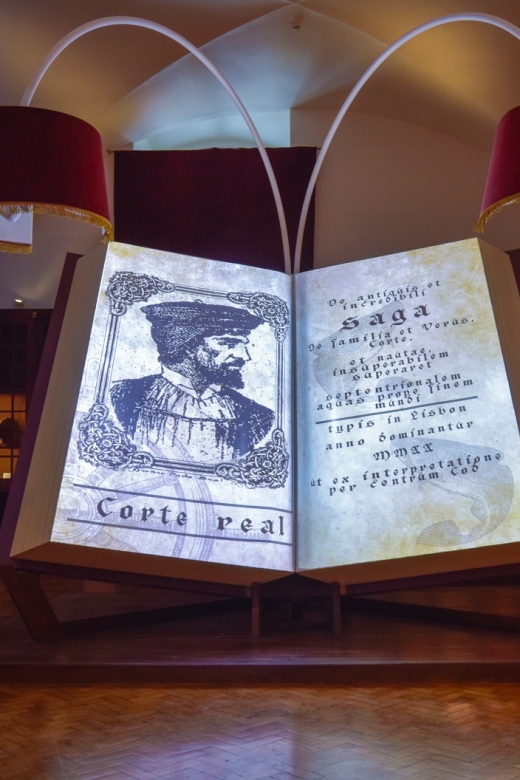
- Self-guided visit means you control the pace and can linger over the sections that catch your interest
- Portuguese fishing routes are a standout, including stories tied to Greenland and Newfoundland
- Culture through food: you connect bacalhau to daily life, identity, and long sea traditions
- The faithful friend myth gives you a food-and-folklore angle, not just facts and numbers
- New cooking ideas help you think beyond the classic bacalhau plate
Where the History of Bacalhau Experience Starts in Lisbon
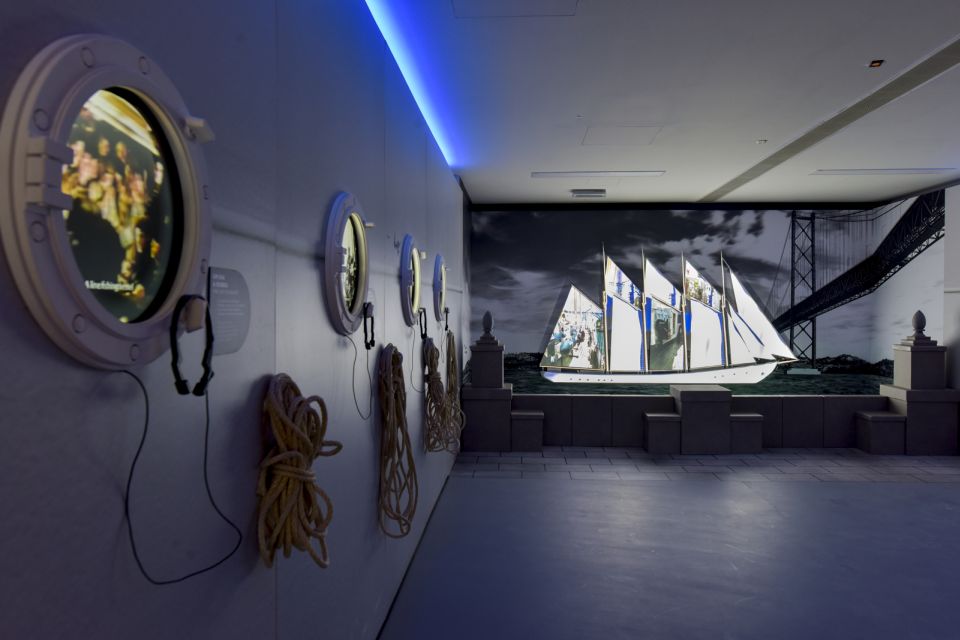
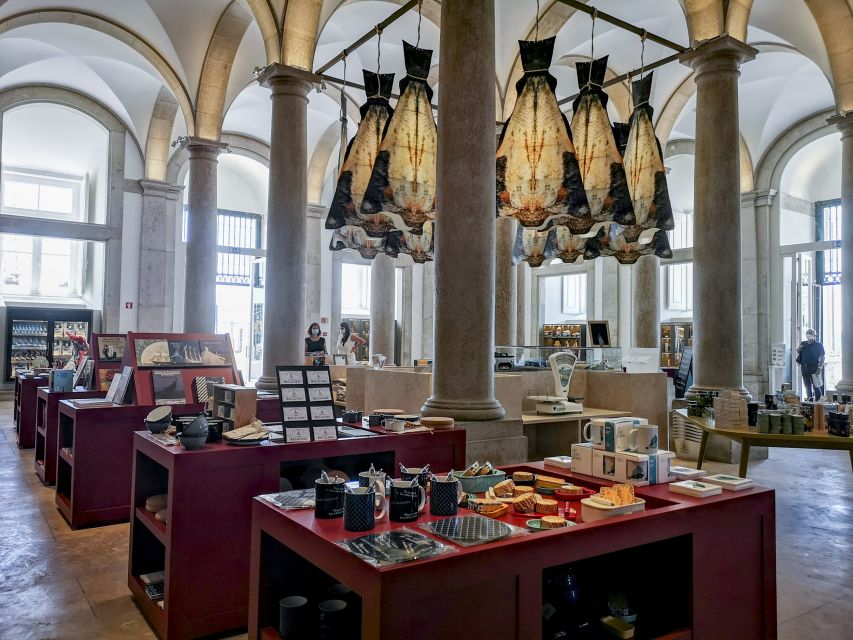
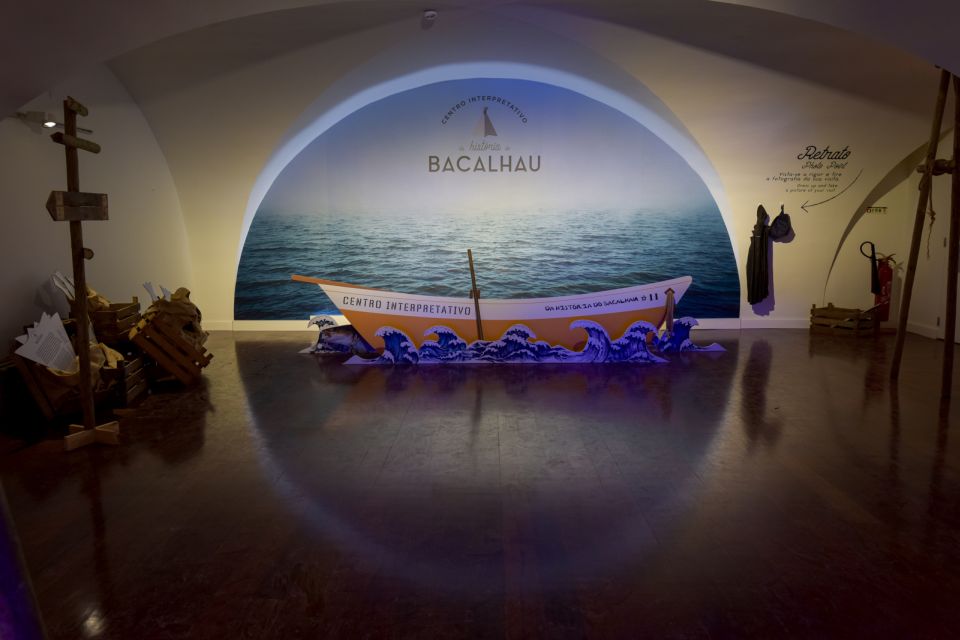
Your ticket is for entry into the Centro Interpretativo Da História Do Bacalhau, on the waterfront in Lisbon’s historical city center. That location matters because it slots into a normal sightseeing day. You’re not fighting the city just to reach one isolated attraction. If you’re walking around old Lisbon and along the water anyway, this is a low-friction stop.
You’ll enter at the visitor center and then follow the exhibition at your own leisure. The experience is designed for timed entry, and the venue limits entry to a maximum of four people per timeslot with a four-minute interval between timeslots. That small scale tends to make the visit feel more personal, even though it’s not marketed as a guided tour.
You can also read our reviews of more tours and experiences in Lisbon



Price and Value: Why a Low Ticket Can Still Be Meaningful
At $4.72 per person, this is priced like a quick cultural stop rather than a major production. That low cost is exactly why I think it works well for visitors who want context. You get a structured look at how cod became a Portuguese symbol, plus explanations of how it’s fished and how it can be cooked.
The best value comes if you like food history, family sea stories, or learning how a local ingredient became tied to national identity. If you mainly want hands-on activities or a long guided narrative, the small size and self-guided format may feel like less value per hour. Think of it as a focused museum stop, not a full-day museum substitute.
How the Timed Entry Affects Your Visit
You’ll want to reserve your timed entry in advance. This isn’t the kind of place I’d rely on for walk-in luck, because the exhibition has strict timeslots and small group limits. The pay-later option also helps if your day in Lisbon is still in flux, since you can hold the spot and decide later.
Practically, this means you should arrive close to your entry time. Because there’s a four-minute interval between timeslots and only a few people are admitted, you don’t want to turn the visit into a frantic sprint. Plan a buffer if you’re coming from another stop nearby. A calm arrival helps you actually enjoy reading and absorbing what’s on the walls.
Walking Through the Exhibition: A Simple, Self-Guided Storyline
Since this is an entry ticket with no guided tour included, your “itinerary” is really the exhibition itself. I like this format because you can match the visit to your curiosity. If you’re more into fishing routes, you can spend extra time on those sections. If you care more about what people cooked, you can shift your focus.
Here’s how the exhibition is framed, based on what you’ll encounter section by section:
1) Cod as Portuguese Food, Culture, and History
The opening theme is straightforward: cod isn’t just an ingredient in Portugal. It’s a symbol tied to food traditions, culture, and history. This is a good starting point because it gives you a lens before you get into details. You’ll understand why bacalhau matters beyond taste.
If you’ve eaten bacalhau in Lisbon or you’re curious about why it shows up so often on menus, this section helps you connect the dots. You’re not just learning that Portuguese people eat cod. You’re learning why that relationship became so strong.
You can also read our reviews of more historical tours in Lisbon






2) Sailor and Fisherman Stories Passed Down Through Generations
Next, the exhibition leans into the human side: stories passed down from sailors and fishermen. That matters, because it prevents the visit from feeling like a dry seafood lecture. You get the sense that this was a working life and a way of survival, carried forward through families.
This is also where the small-group feel can help. With fewer people in at the same time, you’re more likely to read slowly and actually take in the storytelling rather than rushing through.
3) Portuguese Fishing Far Beyond the Atlantic
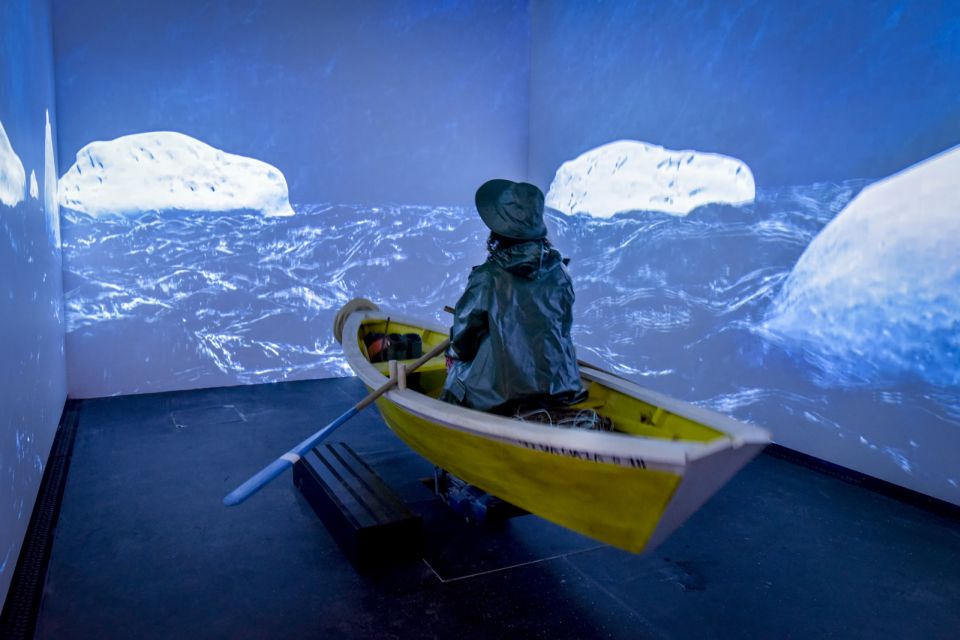
One of the most specific and interesting elements is the focus on Portuguese sailors traveling to far reaches in search of cod, including stories connected to Greenland and Newfoundland. Even if you’re not a seafood history fanatic, these geographic references make the scale real.
I like this part because it reframes bacalhau from something local to something global. Portugal’s food history is linked to long ocean journeys, trade pressures, and the need to find reliable fishing grounds.
4) The Myth of the Faithful Friend at Table
The exhibition then moves into folklore around cod, including the myth of the faithful friend at table. This is the cultural angle many food museums skip. Instead of only explaining production and consumption, you also get how people talked about cod and how it became part of everyday meaning.
It’s a fun shift. Facts explain the context, but myths explain the emotional side: why a food can feel like more than food.
5) How Cod Is Fished and Where It Fits in the Future
Then you get into how cod is fished and what lies ahead in terms of consumption and future use. This gives the museum a more modern feel. It’s not only about the past. You’ll see the exhibition tackle the idea that cod’s story continues, shaped by how people fish and how people eat.
If you’re trying to travel with more awareness, this section helps you think about the ingredient in a bigger picture way, not just as a dish you order.
6) New Recipes and How Bacalhau Can Be Prepared
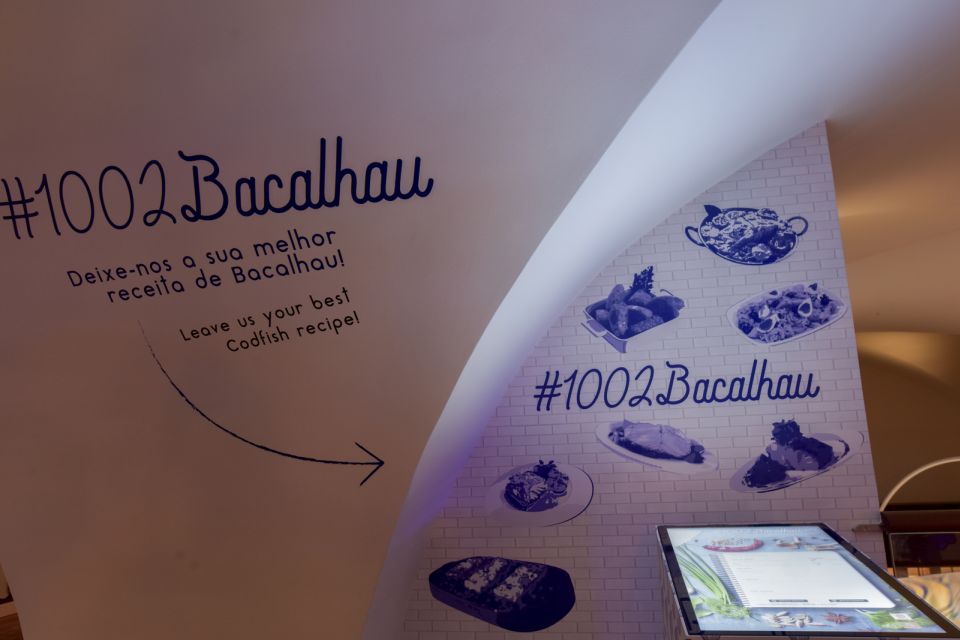
Finally, you’ll see new ways of preparing bacalhau. This is the part that can connect the museum to your next meal. Even if you’ve had bacalhau already, you might leave with ideas for variety in seasoning, texture, or style.
For me, this is one of the practical benefits of visiting a food-history museum. You don’t just learn why something is important; you walk away with ideas you can use at dinner.
Who This Cod Museum Fits Best
This is a good match if you:
- love Portuguese food culture and want the story behind it
- enjoy self-guided museum browsing with a clear theme
- want a calm, indoor stop that doesn’t require a full day
It’s a less perfect fit if you:
- expect a large, multi-hour museum
- want a guided tour with a spoken narrative
- prefer very hands-on experiences
That doesn’t mean it’s bad. It just means you’ll get the most out of it if you show up ready to read and think.
What the Reviews Suggest About the Experience (And How to Use That)
The overall rating is 4.1 from six reviews, with most feedback leaning positive. The strongest praise points are that it’s small but informative, and that the experience feels worthwhile for the low ticket price. One review also highlights that the visit is straightforward and easy to fit into a day.
But one low review says there’s basically nothing to do or see. That contrast is useful. It likely comes down to expectations. This is not a big museum day trip. It’s a compact visitor center ticket where the value is in learning, not in volume.
So my advice is simple: come with interest in bacalhau’s cultural role. If that’s your thing, you’ll likely feel satisfied.
Practical Tips for Getting the Most From a Self-Guided Visit
Because there’s no guided tour included, your visit depends on your reading pace and curiosity. Here are the things I’d do to get the best experience:
- Bring a mindset of short attention spans for reading. You’ll move through sections, then pause where you care most.
- If you’re hungry afterward, leave the recipes section toward the end so it sparks dinner ideas while you still have bacalhau on your brain.
- Time your visit so you don’t feel rushed by the rest of your day. Timed entry helps, but you still want breathing room inside.
Also note the exhibition supports English and Portuguese, with an English/Portuguese host or greeter available. If you prefer one language, plan your visit with that in mind.
Cancellation and Changes: Low-Stress Planning
This ticket includes free cancellation up to 24 hours in advance for a full refund, and you can reserve now and pay later. That makes this a flexible choice when your Lisbon schedule is still changing. In practice, that reduces risk: you can lock in the timeslot you want and adjust if plans shift.
Should You Book the History of Cod Visitor Center Ticket?

I’d book it if you want a focused, low-cost way to understand why cod is so tied to Portuguese identity. For the price, it’s a smart add-on, especially if you’re already in central Lisbon near the waterfront and you enjoy food history, sea stories, and how classic dishes keep evolving.
Skip it (or at least lower expectations) if you want a big, long museum with a guided narrative. The format is self-guided and the exhibition is compact. The value is in the themed story and the learning, not in time-filling spectacle.
FAQ
How long does the History of Cod Visitor Center entry take?
The activity is listed as lasting 1 day. Since it’s an entry ticket and self-guided, you control how long you spend in the exhibition.
Is there a guided tour included with the ticket?
No. This ticket is for entry only, and a guided tour is not included.
Where do I enter for the ticket?
You enter at the Centro Interpretativo Da História Do Bacalhau.
What languages are available during the visit?
The languages listed are English and Portuguese, and the host or greeter is available in English and Portuguese.
Do I need to book a timeslot in advance?
You should reserve a specific starting time because entry is managed by timeslots, with limited capacity per timeslot.
How many people can enter at once?
A maximum of 4 people can enter the exhibition per timeslot, with a 4-minute interval between timeslots.
How much does the ticket cost?
The price is listed as $4.72 per person.
Can I cancel for a full refund?
Yes. Free cancellation is available up to 24 hours in advance for a full refund.
Is there a way to reserve without paying right away?
Yes. The option says reserve now & pay later, so you can book and pay nothing today.