REVIEW · LISBON
Lisbon:Private guided historical sightseeing Tour by TUK-TUK
Book on GetYourGuide →Operated by CityExploration29 · Bookable on GetYourGuide
Lisbon’s hills feel less brutal in a tuk-tuk. You get guided stories around Alfama’s Roman Theatre and Lisbon Cathedral, then reach official miradouros like Portas do Sol and Senhora do Monte for photo stops without a stair grind. The trade-off is that the tour isn’t built for long museum marathons, and it’s not suitable for wheelchair users or people with mobility impairments.
I like how the setup fits a short visit: you cover multiple neighborhoods in one go, with a live English guide (and optional audio in several languages), plus water and free Wi‑Fi for the ride. The tour has a strong reputation for friendly, history-focused drivers too—one named Yar gets called out for being helpful and engaging.
In This Review
- Quick highlights
- How the tuk-tuk changes Lisbon: speed, stories, and fewer hill climbs
- Meeting points in Alfama, Chiado, and Cais do Sodre (and what to prep)
- Alfama and Graca: narrow streets, Roman Theatre, and the miradouros run
- Start downtown: Roman Theatre and Lisbon Cathedral
- The viewpoint circuit: Senhora do Monte, Santa Luzia, and Portas do Sol
- Deeper into Alfama: São Vicente and the National Pantheon area
- Ending by the Tagus: Commerce Square energy
- Chiado to Avenida da Liberdade: Poetic City views, Santa Justa, and Parliament-area sights
- Viewpoint time from higher streets
- Avenida da Liberdade and Eduardo VII Park
- Lisbon’s official 7 hills: get the photos without the stair marathon
- Belém the right way: Jerónimos, Belém Tower, and a Tagus ride with built-in time for Pastéis de Nata
- Pre-monument stops: LX Factory and Belém palace area
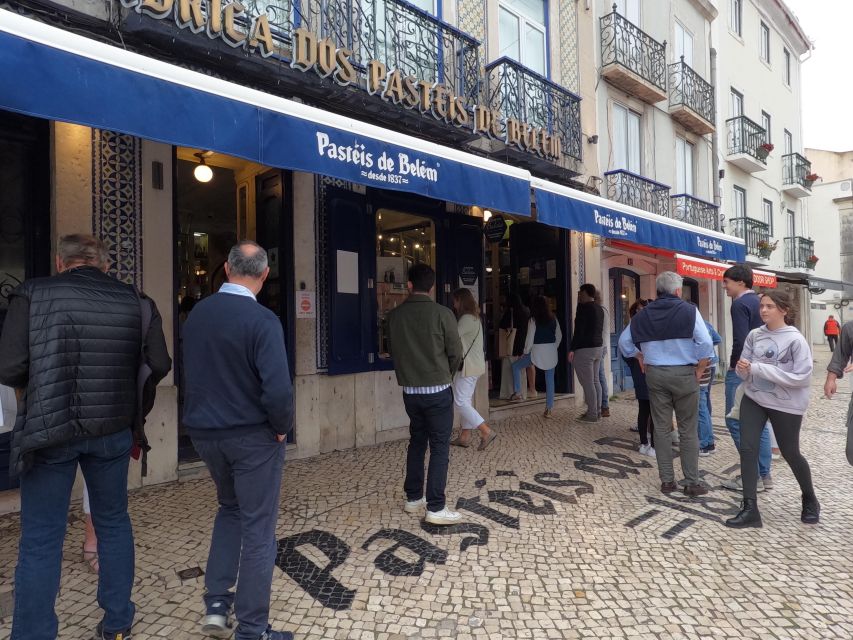
- Pastéis de Belém: the included sweet stop
- The 15th-century monastery vibe: Jerónimos Monastery
- Belém Tower and monument areas
- MAAT and the art-tech angle
- The river finish: 25 de Abril Bridge and Tagus views
- Time at the big sights: where you’ll walk, where you’ll ride, and what to plan around
- Price and value: what $82 gets you (and what it doesn’t)
- Who should book this Lisbon tuk-tuk tour (and who should skip it)
- Should you book this Lisbon tuk-tuk tour?
- FAQ
- Where are the pickup and drop-off locations?
- How long is the tour?
- What languages are available for the guide or audio?
- What’s included in the price?
- Are entrance fees included?
- Is this tour suitable for wheelchair users or mobility impairments?
Quick highlights
- Alfama’s hilltop viewpoints without the climb: Portas do Sol, Santa Luzia, and Senhora do Monte stops built around photos.
- Iconic sights grouped logically: Lisbon Cathedral, São Vicente, the National Pantheon area, and Commerce Square at the end of Alfama.
- A Poetic City route through Chiado and landmarks: Santa Justa elevator area, Parque Eduardo VII, and Avenida da Liberdade.
- Belém highlights plus a Tagus river ride: Jerónimos Monastery, Belém Tower, Monument to the Discoveries area, and the 25 de Abril Bridge.
- A sweet included stop on the Belém segment: a traditional nata from Pastéis de Belém.
How the tuk-tuk changes Lisbon: speed, stories, and fewer hill climbs
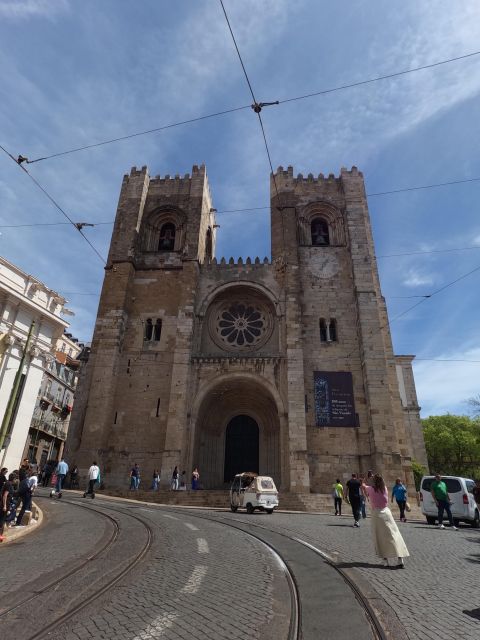
Lisbon is gorgeous, but its hills can bully your calves. This is where a tuk-tuk tour earns its keep. Instead of doing the whole city on foot, you ride between viewpoints and key sights, then step out for guided explanations and quick viewing walks.
That balance matters if you only have a day (or even just a few hours). The “photo stop + guided context” rhythm means you get the big locations—cathedrals, viewpoints, monuments—without spending your time weaving through steep streets looking for the best angle. You also avoid the common problem of getting tired early and missing the best scenes.
The tour is offered as private or small groups, and it runs in a range of 1.5 to 4 hours depending on the version you choose and start time availability. For couples, first-timers, and anyone who wants the main geography of Lisbon explained fast, that time flexibility can be a lifesaver.
You can also read our reviews of more guided tours in Lisbon


Meeting points in Alfama, Chiado, and Cais do Sodre (and what to prep)
Pickup can happen in three areas: Alfama, Chiado, or Cais do Sodre. The guide/driver meets you at the selected location, and you’ll want to be there 10 to 15 minutes early so you don’t feel rushed.
A few practical notes that affect comfort:
- Bring sports shoes. Even with tuk-tuk rides, you’ll do walking and standing for photos.
- The tour does not allow luggage or large bags, so pack light.
- It’s not suitable for pregnant women, people with mobility impairments, or wheelchair users.
- No alcohol or drugs during the tour.
If you’re traveling with small backpacks and you’re okay with short walks on uneven streets, you’ll be in the right zone.
Alfama and Graca: narrow streets, Roman Theatre, and the miradouros run
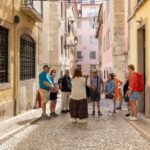
Alfama is the Lisbon people picture: cramped lanes, old stone, and views that look impossible until you’re standing above them. This part of the experience is designed to get you into the feel of the neighborhood quickly and safely—by using the tuk-tuk to position you, then letting you walk where it counts.
Start downtown: Roman Theatre and Lisbon Cathedral
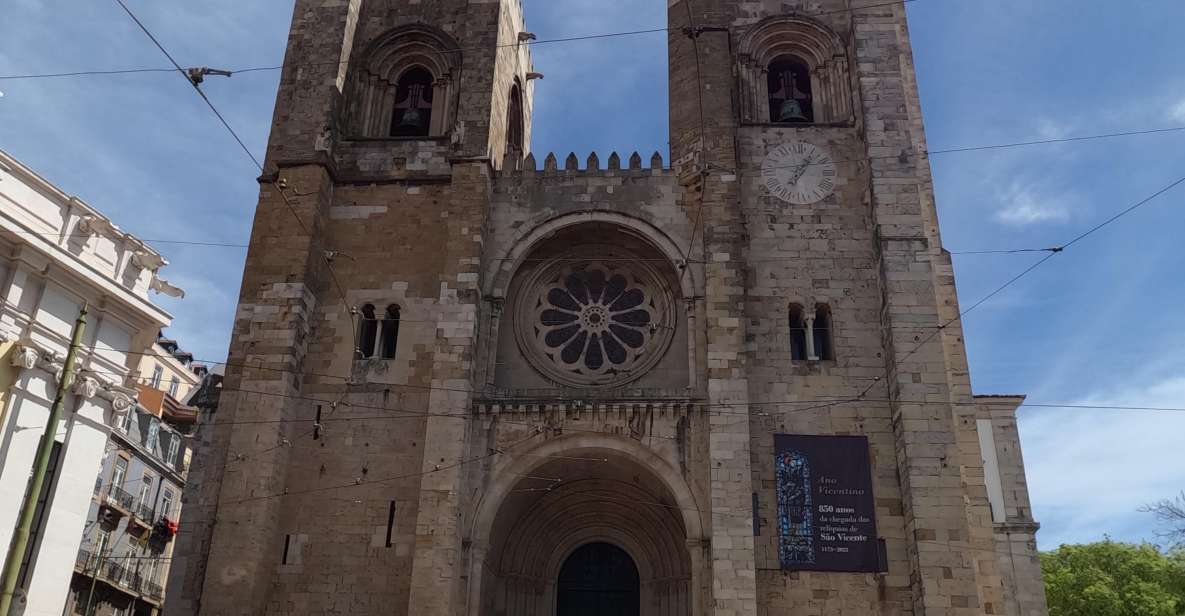
You’ll typically begin with downtown sights and move into Alfama’s core. A highlight here is the Roman Theatre area, followed by Lisbon Cathedral. What you’ll get isn’t just names on a sign—you get guided history explaining why these layers exist where they do, and how the city’s older bones influenced the way Alfama developed.
Then you move on to quick photo stops and guided segments that keep momentum. Expect a mix of riding, short walks, and standing points where you can see the big scene.
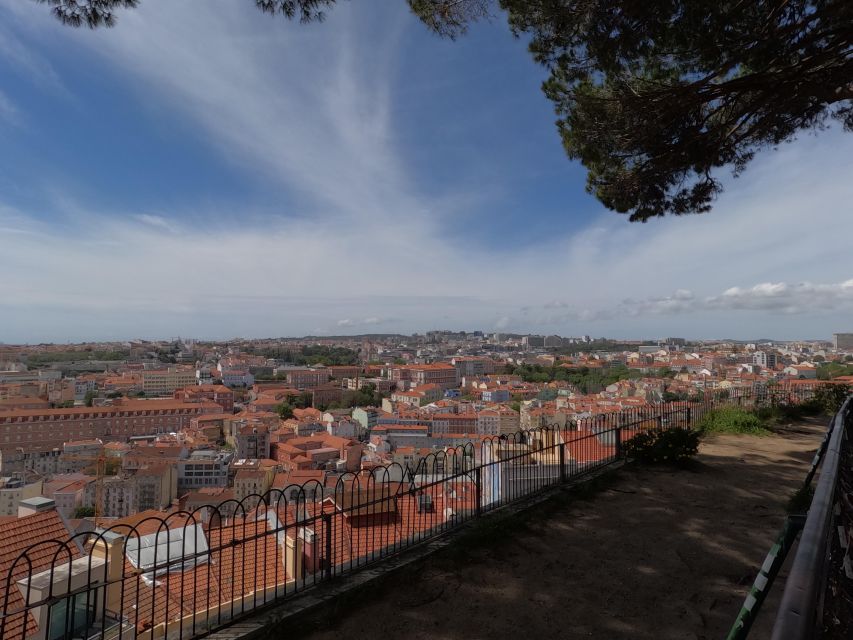
The viewpoint circuit: Senhora do Monte, Santa Luzia, and Portas do Sol
If Lisbon has a “best of” checklist for photos, it lives in its miradouros (lookouts). In this Alfama-focused segment, you hit major ones tied to the city’s viewpoints:
- Miradouro da Senhora do Monte
- Miradouro de Santa Luzia
- Portas do Sol Terrace
The goal is to show you the viewpoints that travelers talk about—without turning your day into a stair challenge. You’ll get photo time, guided context, and a bit of walking around the lookout areas.
A small practical tip: wear shoes that grip. These lookout areas can be uneven, especially if you’re taking photos for a while.
You can also read our reviews of more private tours in Lisbon




Deeper into Alfama: São Vicente and the National Pantheon area
Next comes more of the hilltop Alfama atmosphere with São Vicente, Lisbon and the National Pantheon of Santa Engracia. This is where the tour’s guiding style matters. You’re not just looking at facades; you’re getting the story that connects them to the neighborhood’s identity.
Then you ride and walk through Alfama’s downtown lanes with additional photo and walk time, keeping it cohesive rather than hopping randomly.
Ending by the Tagus: Commerce Square energy
The Alfama segment often finishes with a ride along the River Tagus toward Commerce Square (Praça do Comércio). This is a smart closing move. You go from tight medieval streets to a broad riverside plaza scene—so the geography of Lisbon actually clicks in your head.
If you’ve been staring at hills all day, Commerce Square feels like exhale.
Chiado to Avenida da Liberdade: Poetic City views, Santa Justa, and Parliament-area sights

Not every Lisbon day has to be only Alfama and lookouts. The “Poetic City” style route is for people who like elegant streets, viewpoints, and famous landmarks tied to Lisbon’s civic and cultural side.
You start moving through the Chiado area, then head toward landmarks such as Largo de Carmo and the Santa Justa elevator zone. Even if you don’t spend much time inside (entrance fees aren’t included), the area itself is worth seeing because it helps you understand how Lisbon’s layout mixes steep elevation with grand urban design.
Viewpoint time from higher streets
This segment also includes a stop at São Pedro de Alcantara, which offers city views. It’s a great example of why this tour uses tuk-tuk rides: you get the angle without having to treat hills like a training session.
You’ll then head toward parliamentary and civic-adjacent areas, including the route that takes you past the Parliament and along toward the heart of Jesus church area (Basilica de Estrela).
Avenida da Liberdade and Eduardo VII Park
Later stops go through Parque Eduardo VII and down Avenida da Liberdade, described as the most expensive and fascinating road. Whether you’re a shop person or not, the boulevard view gives Lisbon a different personality—more spacious, more formal, more “city capital” than “old neighborhood.”
If you’re the type who wants a mix of romance (Chiado vibes) and monumentality (boulevards and parliament areas), this route version fits.
Lisbon’s official 7 hills: get the photos without the stair marathon
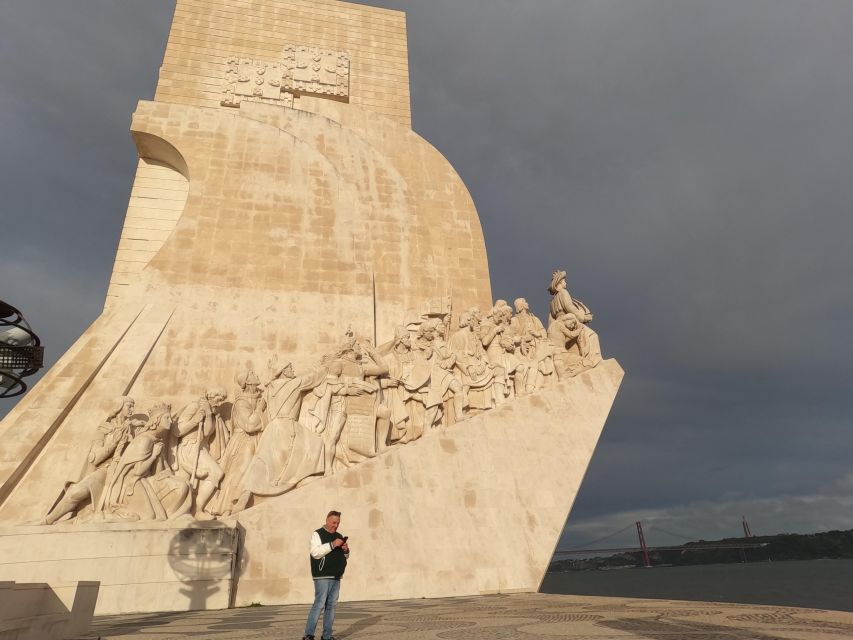
One of the tour’s main promises is simple: explore more ground in less time by skipping the worst climbing. The 7-hills segment is built around official viewpoint stops, with photo time and guided explanations, so you can cover the geography that makes Lisbon unique.
Here’s why this matters: the viewpoint circuit is where many first-time Lisbon visitors feel the city’s energy most clearly. But if you do it on foot, you’ll lose time to fatigue and you might not reach the last couple of lookouts.
With a tuk-tuk, you can see the sequence of viewpoints like a map—one after another—rather than doing random stops and guessing which hill you’ve already climbed.
If you’re trying to fit Lisbon into a short itinerary, this segment can be the “best use of your day” option.
Belém the right way: Jerónimos, Belém Tower, and a Tagus ride with built-in time for Pastéis de Nata
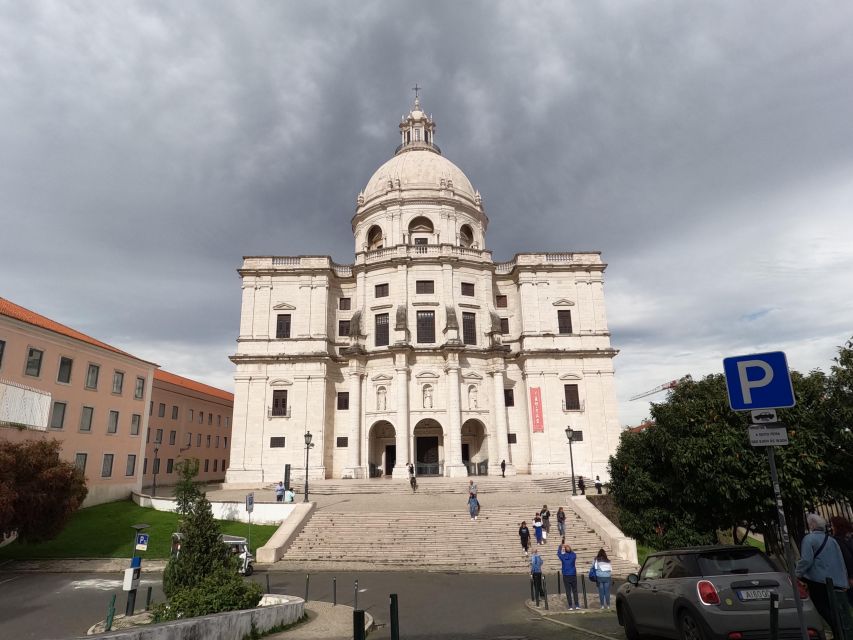
Belém is where Lisbon shifts from neighborhoods and viewpoints to monumental landmarks and maritime identity. This segment is designed to include the most famous Belém sights plus the river experience, which is essential if you want Lisbon to feel like a port city.
Pre-monument stops: LX Factory and Belém palace area
This version can include LX Factory and the Belem palace area early on. Even if you’re not there to shop or hang out, it’s useful as a breather before the big stone monuments.
Pastéis de Belém: the included sweet stop
The experience includes a traditional dessert—a nata (only for the Belém tour)—with a stop at Pastéis de Belém. You also get photo stop and guided context here, which helps you understand why this stop is part of the Lisbon must-do list.
If you’re only going to indulge once, this is the time-slot to do it.
The 15th-century monastery vibe: Jerónimos Monastery
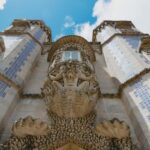
Next is Jerónimos Monastery, a major centerpiece. The tour includes a photo stop, guided visit, and walk time. This is one of those places where the guided explanation can change what you notice—details become meaningful rather than just decorative.
Belém Tower and monument areas
You’ll also reach Belém Tower and Padrão dos Descobrimentos, which is dedicated to the navigators. Along the way, the itinerary includes stops tied to monuments such as Monument to the Discoveries and the Combatants of Ultramar monument.
These aren’t just “big statues.” They connect Lisbon’s identity to ocean travel and the people who were sent out from this city.
MAAT and the art-tech angle
The tour includes a stop at the Museum of Art, Architecture and Technology (MAAT) area, with photo stop and guided sightseeing. If you like modern layers in historic places, this helps Belém feel current—not frozen in postcard mode.
The river finish: 25 de Abril Bridge and Tagus views
A big payoff is the ride along the Tagus River under the 25 de Abril Bridge, with photo time and sightseeing before returning. This gives you the sense of scale: Belém isn’t just a collection of buildings—it’s a waterfront story.
Time at the big sights: where you’ll walk, where you’ll ride, and what to plan around
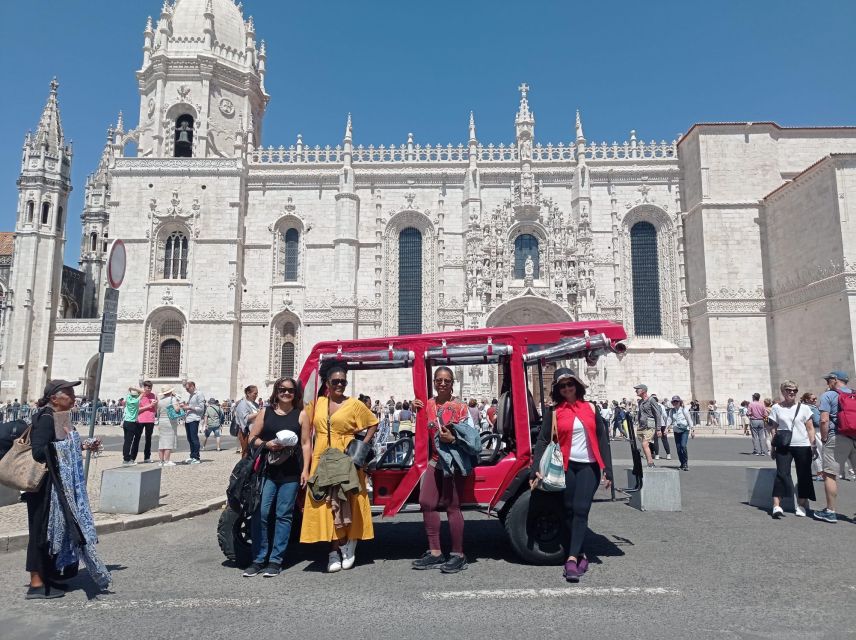
One of the easiest ways to enjoy a short guided tour is to match your expectations to the format. This one is designed as a guided sightseeing circuit, so you’ll see a lot of places—often with photo stops plus guided walk-through segments.
You can expect a pattern like:
- Photo stops for viewpoint angles and quick iconic framing
- Guided tours / visits at key monuments and churches
- Short shopping or break time where it’s listed (for example, the segment that includes shopping time at the Miradouro de Santa Luzia area)
- Standing time at miradouros, so plan for wind and sun depending on the season
Also, the tour note that entrance fees aren’t included. That matters because some of Lisbon’s best interiors can require paid tickets. The itinerary still gives you the sights and guided context, but if you want to do every single indoor component, budget extra.
Price and value: what $82 gets you (and what it doesn’t)
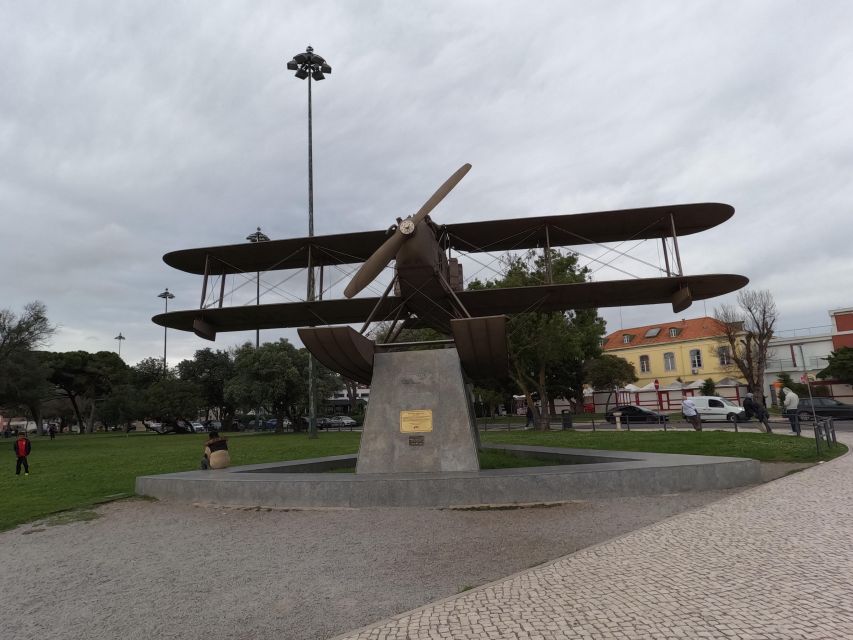
At $82 per person, this tour feels like a practical “use-your-day” purchase rather than a budget-only option. Here’s what you’re paying for:
- A live English guide for historical context
- Transportation via tuk-tuk that helps you reduce the hill-climbing time
- Hotel pickup and drop-off near selected areas (Alfama, Chiado, or Cais do Sodre)
- Water and free Wi‑Fi
- Insurance included
- On the Belém segment, a traditional nata stop
What’s not included is equally important:
- Entrance fees
- Food beyond the included nata on the Belém tour
So the value equation is best if you want guided history and efficient coverage more than you want free roaming. If you’re the kind of traveler who likes to read every plaque and spend an hour inside each church, you might prefer separate time blocks with individual tickets. But for first-timers and short-stay schedules, the tuk-tuk format can be a good fit.
Who should book this Lisbon tuk-tuk tour (and who should skip it)
This tour works best for:
- First-time Lisbon visitors who want geography explained fast
- Couples and small groups who want a private feel without planning dozens of stops
- Travelers who want to see Alfama, viewpoints, Belém monuments, and the Tagus in one coherent plan
- People who prefer short walks over long uphill hikes
Skip it if:
- You need wheelchair access or have mobility limitations; the tour is explicitly not suitable for wheelchair users and people with mobility impairments.
- You can’t manage uneven streets and viewpoint standing time, even with tuk-tuk rides.
- You plan to travel with large luggage. The route doesn’t allow luggage or large bags.
If you’re traveling light with good shoes, this kind of guided tuk-tuk tour tends to feel like you’re borrowing someone else’s map.
Should you book this Lisbon tuk-tuk tour?
I’d book it if you want Lisbon’s highlights with a guide, and you’d rather spend your energy on views and stories than on endless climbing. The structure—Alfama viewpoints, optional Poetic City, a dedicated 7-hills route, and a Belém segment with major monuments plus the river ride—helps you see how the city connects.
I’d think twice if you strongly prefer long, unscheduled time in one neighborhood, or if indoor tickets are your main goal. This tour is efficient by design, so it’s meant to move, not linger for hours in every room.
FAQ
Where are the pickup and drop-off locations?
Pickup options are in Alfama, Chiado, or Cais do Sodre, and drop-off is also available in those same areas.
How long is the tour?
The duration is 1.5 to 4 hours, depending on the selected tour and start time availability.
What languages are available for the guide or audio?
The live guide speaks English. Optional audio guidance is available in English, Portuguese, Hindi, and Bengali.
What’s included in the price?
The tour includes a live tour guide, free Wi‑Fi, insurance, water, and hotel pickup and drop-off near the tour place. The Belém segment also includes a traditional dessert nata.
Are entrance fees included?
No. Entrance fees are not included in the tour price.
Is this tour suitable for wheelchair users or mobility impairments?
No. It is not suitable for people with mobility impairments or wheelchair users, and it’s also not suitable for pregnant women.
If you tell me which neighborhood combo you want (Alfama only, Poetic City only, 7 hills, or the full Belém add-on), I can help you choose the best time window for your schedule.