REVIEW · LISBON
Lisbon: Experience the Queen of Fado at AH AMÁLIA
Book on GetYourGuide →Operated by Ah Amália - Living Experience · Bookable on GetYourGuide
Fado gets futuristic for an hour. Ah Amália–Living Experience is the biography-style show built around Amália Rodrigues and Portuguese fado, using 360º projections plus VR and holograms to teach you her story through sound and images. I love the way it turns famous songs into scenes you can actually follow, and I love the technology that makes her life feel present instead of museum-dry. One possible drawback: this show is not suitable if you have vertigo or if you’re visually impaired.
I also like the pacing. You’re guided through eight rooms across about 700m², and the whole thing lasts around 1 hour, so you can fit it into a Lisbon day without it eating your schedule. It won Europe’s Leading New Tourist Attraction award in 2025, which is a good clue that this isn’t just a small local theater concept.
Before you go, keep two practical notes in mind. The host greets in Portuguese and English, and the experience runs in those languages, so plan your expectations if you’re hoping for French support. Also, there’s no food or drinks allowed, so it’s smart to stop for a snack before you arrive.
In This Review
- Key Things You’ll Notice First
- A 1-Hour Amália Show That Puts You Inside Lisbon Fado
- Eight Rooms, 700m², and a Story You Can Follow
- The Tech Highlights: 360º, VR Film, and Life-Sized Holograms
- Why Amália and Fado Feel Personal Here
- Price and Value: What You Get for Around $23
- Location in Lisbon: Plan Your Route to the Venue
- Language and Timing: Portuguese and English Matter
- Who Should Book (and Who Should Skip)
- Should You Book Ah Amália: Living Experience?
- FAQ
- How long is the Ah Amália experience?
- Where is Ah Amália located in Lisbon?
- How much do tickets cost?
- What languages are available?
- Is it wheelchair accessible?
- Are food and drinks allowed?
Key Things You’ll Notice First
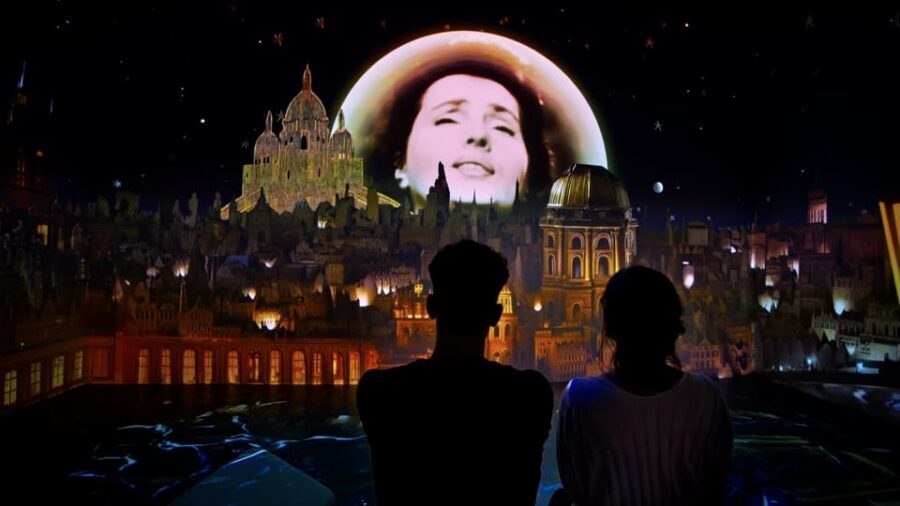
- Amália Rodrigues, centered like a biography: a full story of her work, her life, and her impact on Lisbon fado
- 360º projections plus VR and holograms: multiple tech formats instead of one gimmick
- Eight rooms over 700m²: you’re moving through the story in different spaces
- A one-hour format for all ages: free entry for kids up to 6, with family tickets for older kids
- Portuguese and English hosting: the show is built for those languages, so check your comfort level
- Not for everyone: vertigo and visual impairment are listed as exclusions
A 1-Hour Amália Show That Puts You Inside Lisbon Fado
If you like fado but sometimes find it hard to connect the dots, this experience is built for you. Ah Amália–Living Experience is designed around Amália Rodrigues, often called the Queen of Fado, and it uses storytelling to connect her personal life, her art, and Lisbon itself. You’re not just listening to famous names; you’re presented with her as a voice, a character, and a cultural force.
What I like most is the goal: to help you understand fado and Amália without needing a pre-existing degree in Portuguese music history. The format is also friendly for mixed groups. It’s listed as suitable for all ages, and kids up to 6 can enter for free. That matters in Lisbon, where adults often want something “cultural,” but kids don’t want to sit through something that feels like a lecture.
There’s also a reason this kind of format works now. The show brings together multiple tech styles—sound and visual displays, life-sized holograms, and 360º projection environments—so you get different ways into the story. That keeps the hour from feeling repetitive. You’re learning with your eyes and ears at the same time.
You can also read our reviews of more tours and experiences in Lisbon.



Eight Rooms, 700m², and a Story You Can Follow
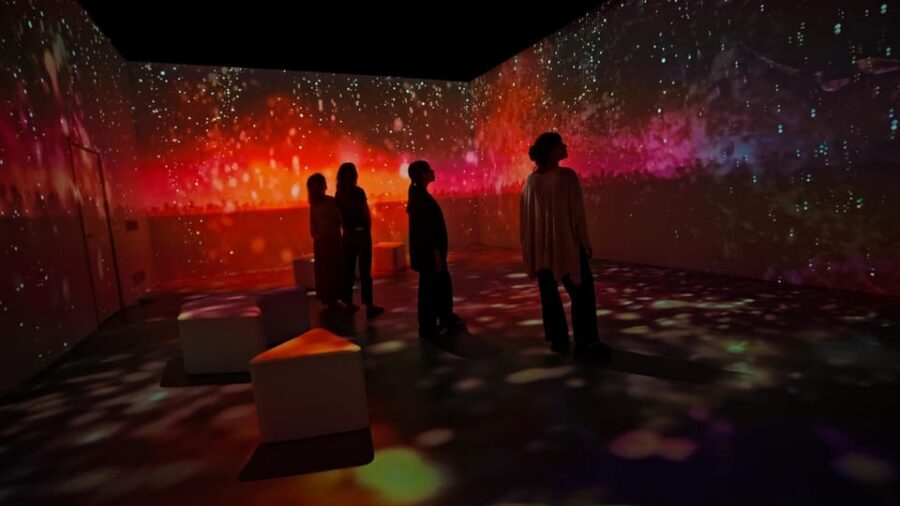
This isn’t one stage show with one fixed camera angle. It’s a path through eight rooms spread across about 700m². You move from one section of the Amália and fado story to the next, which helps your brain treat it like a sequence rather than a single performance.
Here’s what that structure does for you:
- It gives you natural “chapter breaks.” When you change rooms, your attention resets.
- It supports different learning modes. Some parts are more visual, others lean on sound cues and the way scenes are presented.
- It reduces the chance you’ll get bored. If one segment uses technology you don’t love, another part might win you over with a different method.
The experience is described as a sensory journey through both tangible and intangible legacy. In plain terms, you’re dealing with more than facts. You’re also getting atmosphere: how fado feels, how Amália’s voice shaped perceptions of Portugal, and how her work traveled beyond Lisbon.
One practical consideration: because it’s built around technology and light-and-sound effects, it’s not a calm, quiet experience. Plan for that before you choose it over something like a traditional live fado night.
The Tech Highlights: 360º, VR Film, and Life-Sized Holograms
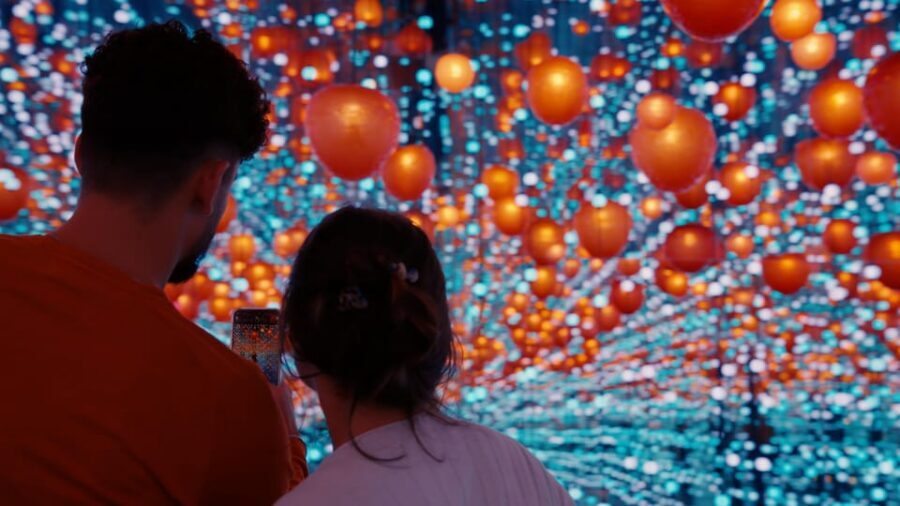
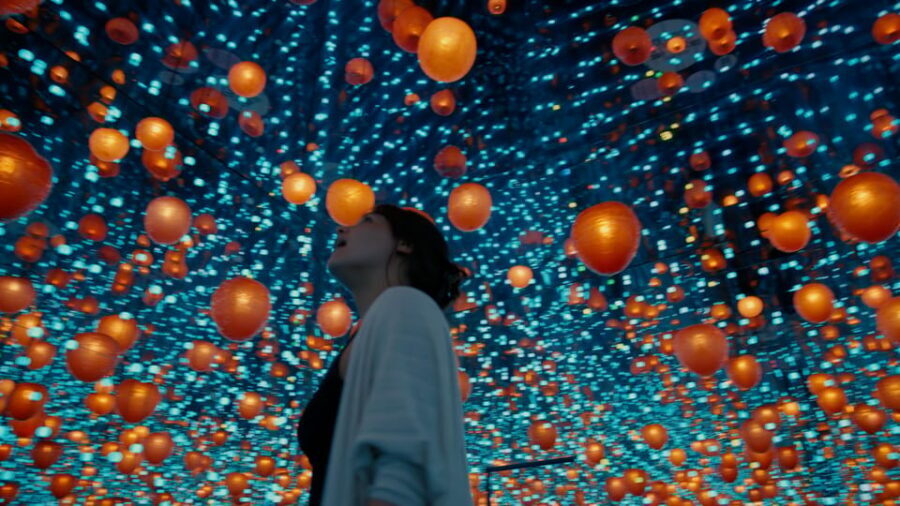
The headline tech is the 360º projections. That means you’re inside the visuals instead of watching a flat screen like at home. The promise here is big: fado and Amália shown through cinematic light environments that wrap around you. Even if you only catch parts of the story, those projection moments are the kind of visual memory that tends to stick.
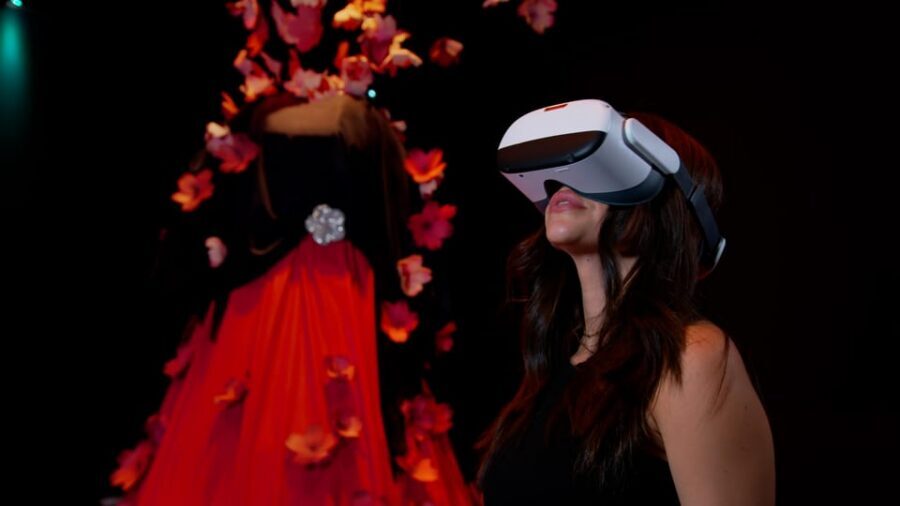
Then there’s virtual reality. The show includes a virtual reality movie, which adds a different layer than standard video. VR can make you feel like you’re in a new scene rather than observing it. If you enjoy film experiences and you’re curious about how VR can be used for culture storytelling, you’ll likely enjoy this section.
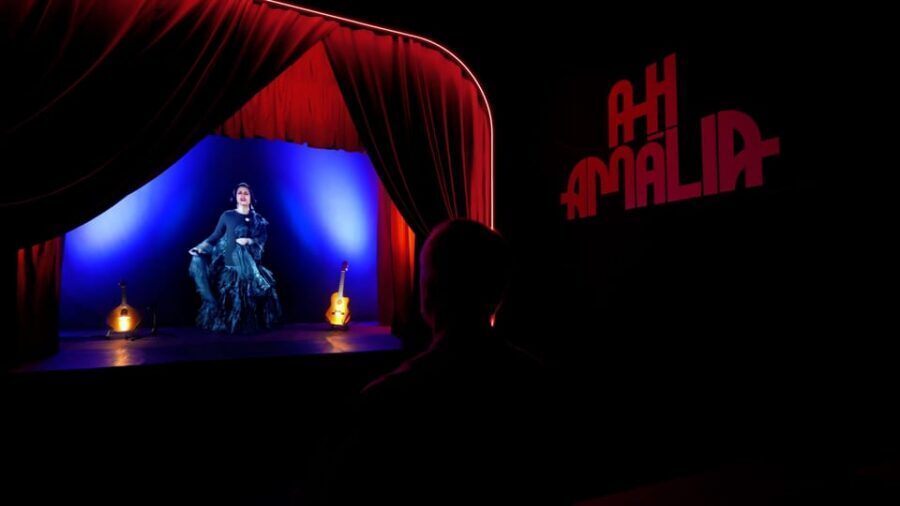
Finally, there are life-sized holograms. That matters because it connects the past to the present in a very literal way. Holograms don’t replace live music, but they do something useful for a one-hour format: they let the show present different facets of Amália without waiting for a singer to appear on cue.
A quick caution if you’re deciding for someone in your group. The experience is specifically marked as not suitable for people with vertigo. If that’s you or someone you’re traveling with, skip this. The combination of projection environments and VR can be too intense.
Why Amália and Fado Feel Personal Here
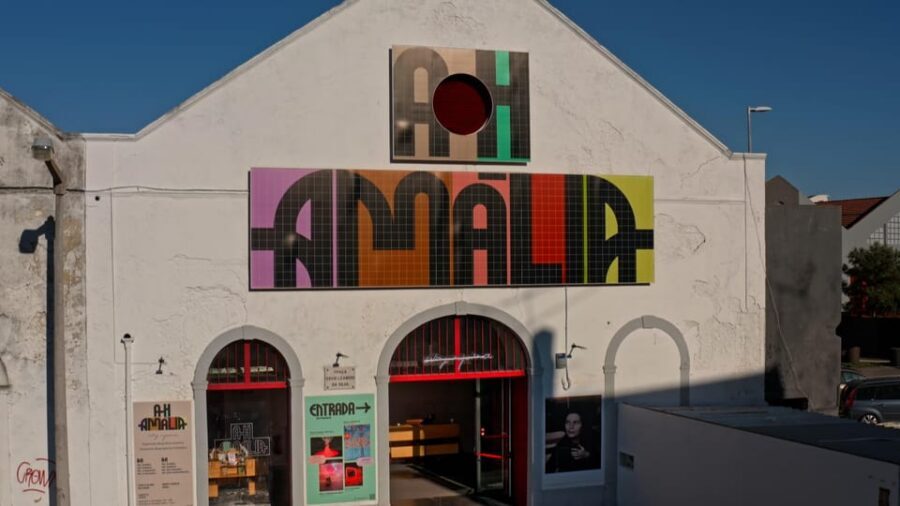
A lot of cultural experiences fail at one job: making the subject feel human. This one is trying to do the opposite. It’s built as a biography of Amália Rodrigues and Portuguese fado, covering her work, her story, and how that connects to the country and city of Lisbon.
The show’s tech isn’t just decoration. It’s used to show her in multiple facets—artistic, social, personal, and international. In other words, you’re not just learning about songs. You’re learning about how she was seen, what shaped her, and how her voice traveled.
I also like the educational angle without making it feel like school. The reviews highlight that people who didn’t know much about Amália often leave with a stronger sense of who she was. That’s the biggest “value” point for me: if you arrive with basic curiosity, you can still walk out feeling like you got it.
And because it’s a one-hour experience, it works well as a first encounter. If you’re planning to do live fado later that night, this can give you the emotional and cultural vocabulary to listen more attentively.
Price and Value: What You Get for Around $23
The price point is straightforward: the experience is listed at about $23 per person in the summary, and ticket prices are also shown in euros. Regular tickets are €20. There are discounts and special pricing:
- Family tickets (minimum 2 adults + 1 child aged 7–17): €15 per person
- Student: €17
- Under 17 (ages 7–17): €17
- Senior (+65): €17
- Reduced mobility: €17
- Kids up to 6 years old: free entry
When I look at value for a tech-heavy show like this, I ask one question: does it justify the “production cost” feel? Based on the design—eight rooms, 360º projection environments, VR film, and holograms—it’s aiming to be more than a simple theater ticket. If you enjoy music storytelling with modern presentation, this is likely to feel worth it.
Where it might feel less worth it is if you’re hoping for traditional fado in the room. This is not described as a live fado concert. It’s a biography-style multimedia experience. So treat it like a cultural show that sets context, then pair it with live music elsewhere if you want that live element.



Location in Lisbon: Plan Your Route to the Venue
The address is Praça David Leandro da Silva 16, 1950-242, Lisbon. That’s in Lisbon District, and it may not feel like it’s in the thick of the tourist core.
So here’s my practical advice: before you go, make sure your navigation app is set to the exact address, and give yourself extra time to arrive before your slot. One negative experience shared with this attraction involves people ending up paying for extra transport after a mismatch with the day’s situation. You can reduce that risk by building buffer time and double-checking your starting time.
Also note the rules: food and drinks aren’t allowed. That means you’ll want to eat beforehand, especially if you’re bringing kids. (Even if you don’t like planning, that one rule saves stress.)
Language and Timing: Portuguese and English Matter
This experience is hosted in Portuguese and English, and those are the languages listed for the experience. If you speak either of those, you’ll have an easier time connecting the story beats.
There’s a small clue in the feedback that language expectations can matter. So if you’re thinking about going in a language that isn’t Portuguese or English, treat it as a “check first” decision. If you’re not comfortable, you’ll still likely enjoy the visual and sound elements, but the deeper story pieces may land better with the listed languages.
Timing is also part of the value. Duration is listed as 1 hour, and you can check starting times. If you’re juggling a full Lisbon day—Belém, Alfama, viewpoints—this is a decent block of time. It’s long enough to matter, short enough to recover if the rest of your day runs late.
Who Should Book (and Who Should Skip)
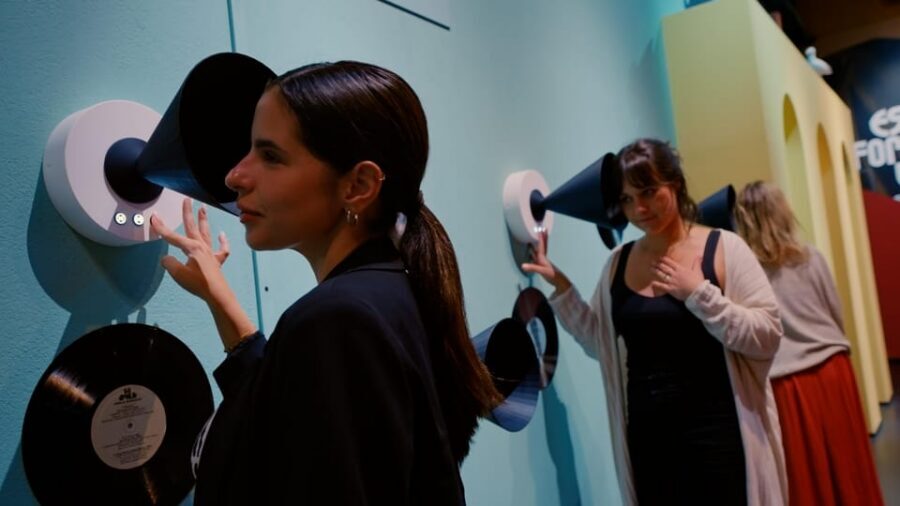
This is a good fit if:
- You want an intro to Amália Rodrigues and Portuguese fado that doesn’t require prior knowledge
- You like music history delivered through technology and storytelling
- You’re traveling with mixed ages, including kids old enough to enjoy an interactive show
- You want a one-hour cultural stop that won’t swallow your evening
It may be a poor fit if:
- You have vertigo (listed as not suitable)
- You are visually impaired (listed as not suitable)
- You’re expecting a live fado performance instead of a multimedia biography show
Good news for mobility needs: it’s listed as wheelchair accessible. If someone in your group needs wheelchair access, that’s a major decision factor.
Should You Book Ah Amália: Living Experience?
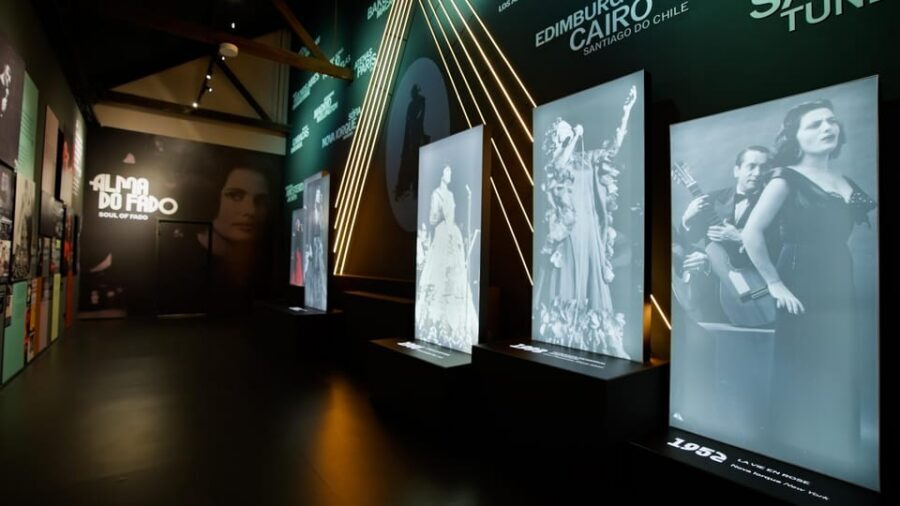
I’d book this if you want a fast, story-driven way to understand who Amália Rodrigues was and why fado matters in Lisbon. The combination of 360º projections, a VR film, and life-sized holograms makes it more than a museum stop. It’s also built as a one-hour experience, so it fits real travel schedules.
I’d skip it if your group includes someone who can’t handle vertigo or if visual impairment is a concern. And I’d approach it as a high-tech biography show, not as a live fado concert. If you match those expectations, you’re likely to leave with a stronger emotional connection to fado—plus a clearer sense of Amália as more than a name on a ticket.
FAQ
How long is the Ah Amália experience?
The experience lasts 1 hour.
Where is Ah Amália located in Lisbon?
It’s at Praça David Leandro da Silva 16, 1950-242, Lisbon.
How much do tickets cost?
Regular tickets are listed at €20. There are discounted options too: family pricing is €15 per person, and student, under 17, and senior tickets are €17. Kids up to 6 years old enter for free.
What languages are available?
Portuguese and English.
Is it wheelchair accessible?
Yes, it’s listed as wheelchair accessible.
Are food and drinks allowed?
No. Food and drinks are not allowed during the experience.
If you tell me your dates and whether you’re more into live music nights or tech-driven shows, I can suggest the best way to pair this with the rest of your Lisbon plan.