REVIEW · LISBON
Lisbon: Fado Vadio Tour with Portuguese Tapas
Book on GetYourGuide →Operated by Lisboa Antiga · Bookable on GetYourGuide
Lisbon’s Fado night feels different when the lights go down and the guitars wake up. This 3.5-hour experience mixes a short walk through Chiado, Bica, and Bairro Alto, then lands you in a classic Fado house for a show where the room has a say.
I really like the small-group size (up to 10), because you’re not lost in a crowd. I also love that the evening is built for participation, not passive listening, with guides like Cristiana and Ana bringing real context while you share Portuguese tapas such as codfish cakes, flaming sausage, and caldo verde. One possible drawback: you’ll want comfortable shoes, since this is a walking-and-stand-when-needed kind of night.
In This Review
- Key points to know before you go
- Starting at Café A Brasileira in Baixa Chiado
- Chiado, Bica, and Bairro Alto: the walking part is not filler
- A practical note on pace
- Inside the typical Fado house: where the room matters
- What you should listen for
- Portuguese tapas and a drink: dinner without the fuss
- If you have dietary needs
- The “everybody can sing” vibe (and why it’s worth it)
- Small group size: up to 10 people, and why that helps
- Price and value: what $68 buys you in real terms
- How to get the most out of your night
- Who should book this Fado Vadio tour
- Should you book this Fado Vadio Tour with Portuguese Tapas?
- FAQ
- Where is the meeting point?
- How long is the tour?
- What’s included in the price?
- Is this a small group tour?
- What language is the tour guide speaking?
- What should I bring?
Key points to know before you go

- Meeting at Café A Brasileira (Baixa Chiado) puts you right in the center of Lisbon’s old-city energy.
- A guide-led route through Chiado, Bica, and Bairro Alto helps you connect the neighborhoods to the music.
- Fado in a typical house is designed for proximity between the singers and the audience.
- Tapas and a drink are included, so you’re eating dinner-style bites, not just snacking.
- Reserved seating is prioritized, which makes it easier to actually focus on the performers.
- A surprise at the end is part of the plan, and guides clearly treat it like a highlight.
Starting at Café A Brasileira in Baixa Chiado
Your evening begins at Café A Brasileira in Baixa Chiado, where your guide will be wearing yellow. This is a smart starting point because you’re already in one of Lisbon’s most walkable historic zones. Even before you reach the first music spot, you can feel how Lisbon changes by the block.
From here, you’ll transition from the big-street view into the kind of narrower lanes where Fado “fits” better. That’s part of what I like about this format: it doesn’t treat Fado as a separate attraction you visit and then forget. Instead, it builds momentum so the neighborhoods and the music feel linked by the time you sit down.
Also, keep your expectations grounded: this is not a long lecture. It’s a guided evening where you get enough story to understand what you’re hearing, then you get to hear it.
You can also read our reviews of more tours and experiences in Lisbon.



Chiado, Bica, and Bairro Alto: the walking part is not filler
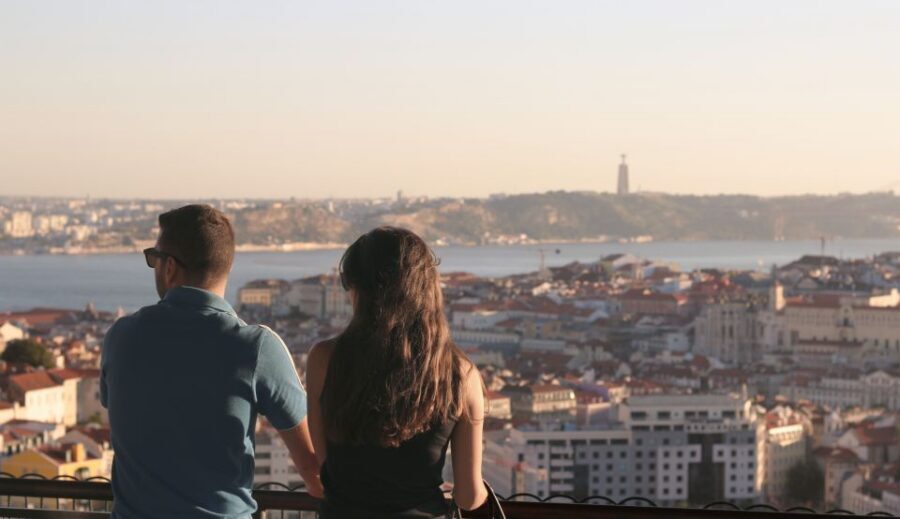
The tour’s route focuses on the Chiado, Bica, and Bairro Alto area. The idea is simple: walk through the city’s old textures while your guide explains how Fado grew from the social life, streets, and characters of Lisbon.
Here’s what makes this worthwhile. If you’ve only ever seen Fado staged like a concert, you might miss the point. Fado is tied to place. It’s tied to the way people gather, how they talk, and how they share emotion in a small room. A short walking segment helps you “read” the streets so the show lands deeper.
You may also get extra storytelling stops along the way. Some guides have led groups through classic older-quarter scenery, and at least once groups have included a stop connected to Lisbon’s well-known old bookstore. Even when the exact route shifts slightly by guide, the emphasis stays consistent: you’re shown important sights and helped connect them to Fado’s themes.
A practical note on pace
You’re outside for part of the evening. Lisbon’s hills and stone steps are real. Bring comfortable shoes, and don’t plan to wear brand-new footwear. This doesn’t have to be a marathon, but it is movement.
Inside the typical Fado house: where the room matters

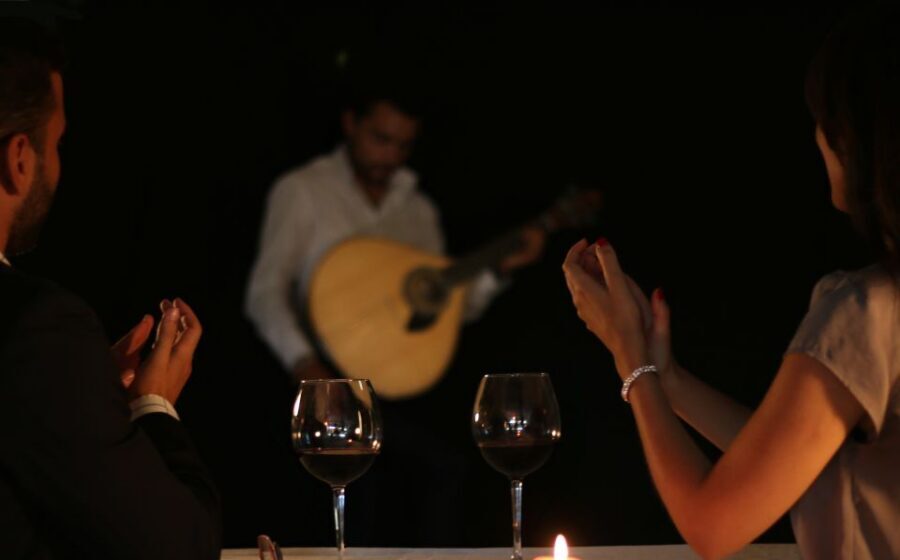
Eventually the light levels drop, and you get to the heart of the experience. The tour is built around visiting one of Lisbon’s most typical Fado houses, with a show designed around audience closeness. The goal is not to make you feel like a distant spectator. You’re meant to be in the experience.
The show format is a big part of the appeal. The evening is described as one where everybody can sing, and in practice that means the event doesn’t sit behind a wall. Your guide frames what’s happening so you don’t just hear songs—you understand the mood changes, the way the musicians respond, and why certain moments feel like they belong to this room.
Another high point: guides often have strong ties in the Fado community, and that can make the night feel smoother. Some people note that they were seated with prompt service and good visibility, which matters in tiny places. When a venue is compact, good seating turns into better listening.
What you should listen for
Fado can sound similar at first if you don’t know what you’re hearing. The guide’s job here is to give you a handle quickly—enough context to catch the emotional shifts and the structure of the performance. That’s why the walking stories aren’t just background. They set you up to notice details once the guitars start.



Portuguese tapas and a drink: dinner without the fuss
Before, during, and around the show, you’ll have drink and Portuguese tapas included. The included menu items are clearly spelled out: cheese, bread, codfish cakes, flaming sausage, and caldo verde soup.
That mix is a smart choice for a Fado night. It’s filling enough to keep you comfortable during multiple sets, but it’s also the kind of food that works in a small venue. You’re not stuck waiting for a full plated meal. You can eat, sip, and stay focused on the music.
From an enjoyment standpoint, I like that the tour doesn’t treat food like an afterthought. Guides often introduce what you’re eating and how it fits Portuguese everyday culture. And because you’re in a typical tasca-style setting, the flavors match the vibe: warm, savory, and meant for sharing.
If you have dietary needs
The data you have here lists specific items, but it doesn’t mention dietary substitutions. If you’re vegetarian, gluten-free, or dealing with allergies, it’s worth checking with the operator ahead of time so you’re not caught hoping your way through the menu.
The “everybody can sing” vibe (and why it’s worth it)
Some Fado shows feel like a performance you watch. This one is different in how it welcomes participation. Even if you don’t sing yourself, that interactive tone changes the atmosphere. You’ll feel it in the room: people respond more than they listen, and the performers feed off that energy.
This is also why a private guide matters. A good host can explain what the singers are doing and when the audience should expect to join in. With a small group, you also tend to get more personal moments—enough for questions, not enough to drag the evening into a classroom.
Guides mentioned in the experience include Cristiana, Ana, Diogo, and João/Joao (names vary by spelling in different contexts). Across these guides, the shared theme is consistent: they combine Lisbon street storytelling with Fado context, and they clearly treat the night like more than a ticket delivery.
Small group size: up to 10 people, and why that helps
This tour runs with a limited group size of 10 participants. For Fado, that’s a big deal. The venues tend to be small, and when you’re packed in tight, the show can get harder to follow. A small group usually means better attention from the guide and fewer issues with seating and sightlines.
It also changes the feel of the walking portion. You’re less likely to feel like you’re being herded. You can hear explanations and actually look at what your guide is pointing out.
And if you like meeting your guide at the start of an evening and not just following a line of strangers, you’ll probably enjoy this structure. It’s friendlier by default.
Price and value: what $68 buys you in real terms
At $68 per person for about 3.5 hours, this is more than a simple ticket. Your price includes:
- entrance to the Fado show
- a private guide
- drink and Portuguese tapas (specific items listed)
- tickets for the experience
When you compare that to booking “show only” plus trying to build dinner around it on your own, the math tends to favor this format. You’re paying for the whole package: someone guiding you through relevant neighborhoods, getting you into a typical house, and feeding you while you’re there.
In plain terms, you’re buying less decision-making and more actual time in the culture. The tour is designed to make the night feel complete: streets first, then Fado, then food that fits the setting.
How to get the most out of your night
A few practical thoughts, based on how these evenings tend to work:
- Arrive with a lighter jacket. Small venues can feel warm once people settle in.
- Wear shoes you don’t mind on old streets. You’ll walk and move.
- Go in curious, not picky. The tapas are classic Portuguese staples listed on the plan, so you’ll enjoy them most if you’re open to that style.
- Plan to stay present for the full show. The guided context makes later sets land better.
Also, keep an eye on the guide’s pacing. The tour is designed to avoid a purely lecture-heavy rhythm. If you ask questions, your guide likely knows how to keep the evening moving without rushing you.
Finally, there’s a surprise at the end. It’s clearly part of the emotional arc of the night, and guides treat it as a memorable capstone. Don’t try to “figure it out” beforehand—just let it happen.
Who should book this Fado Vadio tour
I’d steer you toward this tour if you want:
- a guided introduction to Lisbon Fado tied to specific neighborhoods
- a show where you’re closer to the action than a typical concert setup
- Portuguese tapas included, so you don’t have to choose a restaurant first
- a small-group evening led by people who love the culture (guides like Cristiana, Ana, and Diogo have repeatedly impressed with energy and context)
You might skip it if you’re looking for a long formal concert with no interaction and minimal walking. This experience is more social and connected to street life.
Should you book this Fado Vadio Tour with Portuguese Tapas?
Yes, if you want a well-paced Lisbon night where the neighborhoods matter and the show feels like it belongs to the room. The best part is the combination: small group, proximity in a traditional Fado house, and a built-in dinner-style menu. At $68, you’re not just paying for music—you’re paying for a guided lens and an evening that runs as a single story.
If you’re unsure, do one quick check: make sure the walking pace and classic tasca food fit your comfort level. If they do, this is the kind of night you remember when you think of Lisbon—not just the songs, but the way the city and its people shaped them.
FAQ
Where is the meeting point?
Meet your guide at Café A Brasileira, Baixa Chiado. The guide will be wearing yellow.
How long is the tour?
The duration is 3.5 hours (starting times vary, so check availability).
What’s included in the price?
You get entrance to the Fado show, tickets, a private guide, plus a drink and Portuguese tapas (cheese, bread, codfish cakes, flaming sausage, and caldo verde soup).
Is this a small group tour?
Yes. It’s limited to 10 participants, so it stays intimate.
What language is the tour guide speaking?
The live tour guide speaks English.
What should I bring?
Bring comfortable shoes, since the experience includes walking through parts of the city.