REVIEW · LISBON
Lisbon: Tagus Estuary Nature Reserve Birdwatching Boat Tour
Book on GetYourGuide →Operated by River Friends · Bookable on GetYourGuide
Birds, mudflats, and Lisbon in one ride.
I love the sheer scale of the Tagus estuary—a protected 14,000-hectare reserve that’s home to hundreds of bird species—and I love how guide Carlos Cera works the water to help you actually see and identify wildlife. It’s also a strong value: 3 hours on the bay with binoculars, life jackets, insurance, and a live guide.
The one thing to keep in mind is that sightings are never 100% guaranteed. Weather and sea conditions can change plans, and bird activity can vary by season and even the tide (foggy mornings are a known risk).
In This Review
- Key highlights you’ll feel fast
- Why the Tagus Estuary Nature Reserve feels close to real Portugal
- Meeting at Onda Luso-Americana and getting set up right
- Parque das Nações to Bairro dos Pescadores: city views, then birding focus
- The 2.5-hour core: mudflats, marine life, and real birdwatching time
- Mouchao da Povoa and the Vasco da Gama Bridge: quick passes, big contrasts
- Price and what makes $58 per person feel fair
- What to bring (and what the guide provides so you don’t overpack)
- Weather, tides, and how they change your odds
- Who this tour is perfect for (and who might prefer something else)
- Should you book this Lisbon Tagus Estuary birdwatching boat tour?
- FAQ
- How long is the Lisbon Tagus Estuary Nature Reserve birdwatching boat tour?
- Where do we meet for the tour?
- Is hotel pickup or drop-off included?
- What’s included in the ticket price?
- What languages are the guides available in?
- Is food or lunch included?
- How big is the group?
- Do I need to bring binoculars?
- What should I bring with me?
- Will the tour run in bad weather?
Key highlights you’ll feel fast
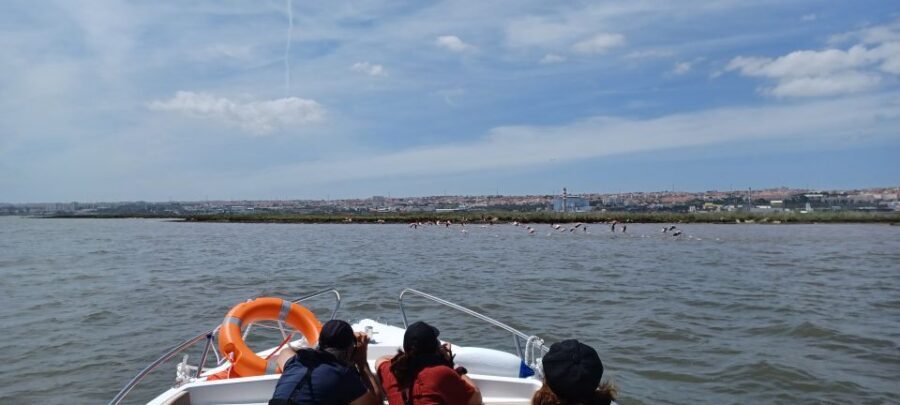
- Tagus Estuary Nature Reserve: 14,000 hectares, about 200 identified bird species
- Big winter numbers: regular counts around 120,000 wintering birds
- Flamingo potential: 12,000 were counted in 2024
- Small group: up to 10 people, which helps for calmer spotting and photo time
- Carlos Cera’s bird-finding style: slow navigation for respectful viewing and good angles
Why the Tagus Estuary Nature Reserve feels close to real Portugal
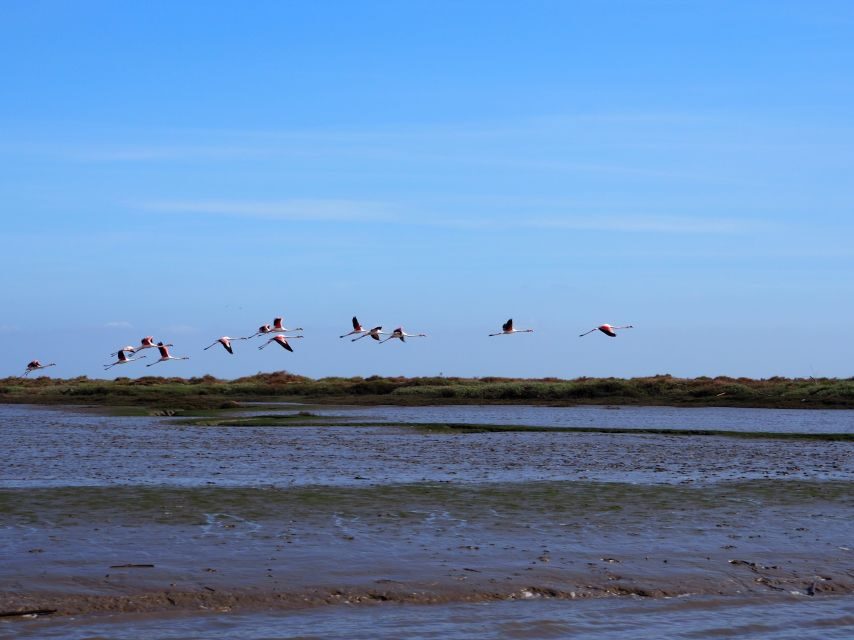
Lisbon can feel like a city that moves fast. This tour gives you a different pace almost immediately—natural habitat in minutes, not days.
The Tagus estuary is huge for something so near a metropolis. It spans about 32 km² and includes a protected reserve of 14,000 hectares, where roughly 200 bird species have been identified. If that sounds theoretical, the scale still matters: the estuary holds major concentrations of birds, including winter counts around 120,000 birds and major flamingo numbers (12,000 counted in 2024).
You’re not just chasing single species either. You’re usually in the kind of environment where waders, herons, birds of prey, and waterbirds all show up in different spots depending on feeding and resting conditions. That’s why even a short 3-hour outing can feel like a full nature moment.
You can also read our reviews of more boat tours in Lisbon



Meeting at Onda Luso-Americana and getting set up right
You’ll meet at Onda Luso-Americana, near a public art piece. From there, you move toward the boat area in time for a short safety briefing.
Once you’re on the water, the essentials are handled. You’ll have life jackets and binoculars, plus insurance is included in the ticket. The guide runs a live interpretation in Portuguese, English, and Spanish (French is listed among supported languages as well).
What I like about this setup is that it keeps you focused. You don’t waste the first hour figuring out gear or where to stand—your time goes to scanning, learning, and watching behavior instead of logistics.
Parque das Nações to Bairro dos Pescadores: city views, then birding focus
The early stretch acts like a warm-up. You start with a stop in the Parque das Nações area where you get scenic views and a bit of guided orientation.
This part matters more than it sounds. Seeing Lisbon’s modern waterfront from the water helps you orient your brain before you hit the estuary’s mudflats and channels. It also makes the contrast sharper once the wildlife becomes the main event.
At Bairro dos Pescadores 21, there’s another photo stop and guided cruising. You’re still in sightseeing mode here, but it’s the right time to start watching patterns—where birds prefer to stand, what areas look calm versus active, and how the guide decides where to point your binoculars next.
The 2.5-hour core: mudflats, marine life, and real birdwatching time
Most of your actual time for wildlife is spent in the Tagus Estuary Nature Reserve. This is where you settle in for about 2.5 hours of photo stops, guided cruising, scenic passes, and wildlife viewing.
The estuary is famous for the edges—mudflats, shallow water, and channels that change character with the tide. That’s why the tour leans on timing. When the conditions line up, you get feeding and resting birds close enough for meaningful views, without turning it into a stressful crowd scene.
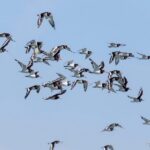
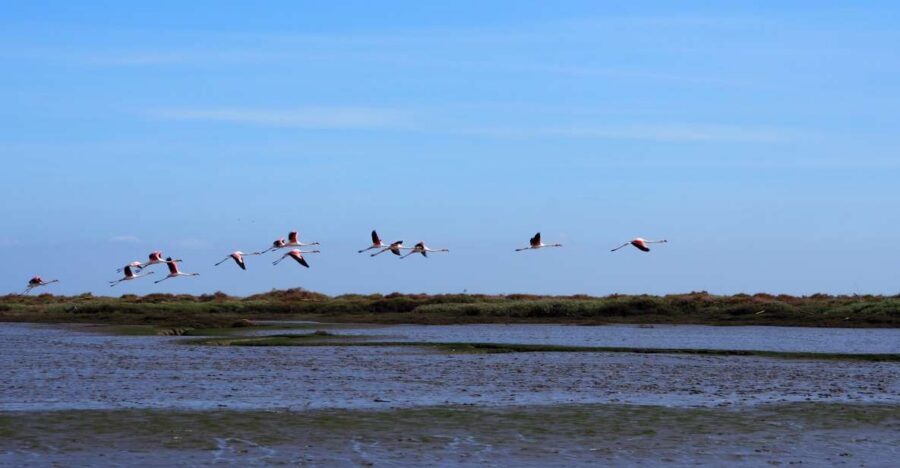
Bird variety is a major selling point, and the on-water experience backs it up. You might see flamingos, spoonbills, ibis, avocets, herons, egrets, terns, and birds of prey like marsh harriers and ospreys, depending on season and day. Even when it’s not peak season, you can still rack up multiple species by watching closely and moving with the guide’s plan.
I also appreciate the way this tour fits photography. The boat navigation is paced for looking and shooting. That matters because birds don’t pose on a schedule. Slower, purposeful movement can mean a clean view of a bird landing, feeding, or taking off—moments you’ll remember more than a distant silhouette.
And yes, the tour isn’t only birds. You’ll also get marine life viewing, which helps round out what you’re seeing in the estuary system. When you understand both the birds and the water environment, the spotting becomes easier.
Mouchao da Povoa and the Vasco da Gama Bridge: quick passes, big contrasts
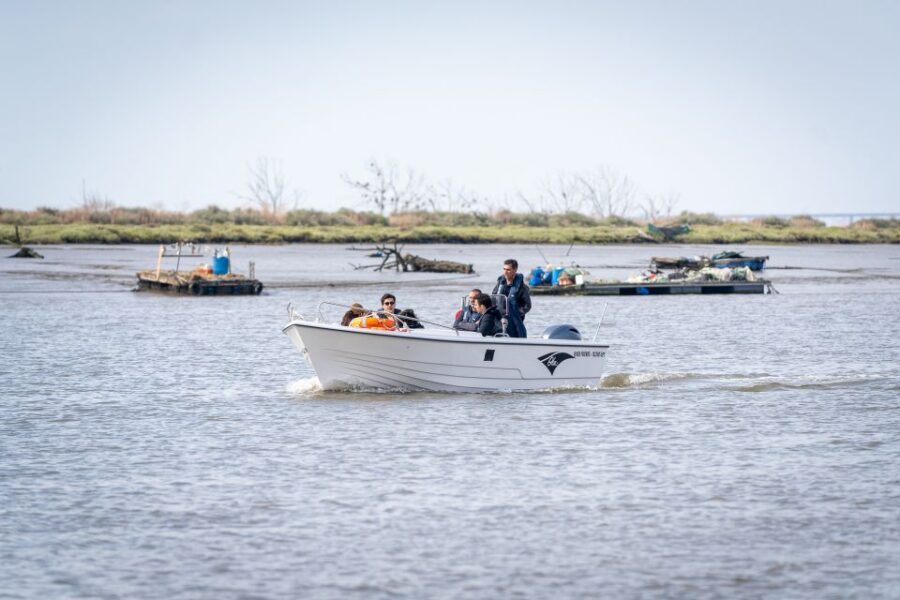
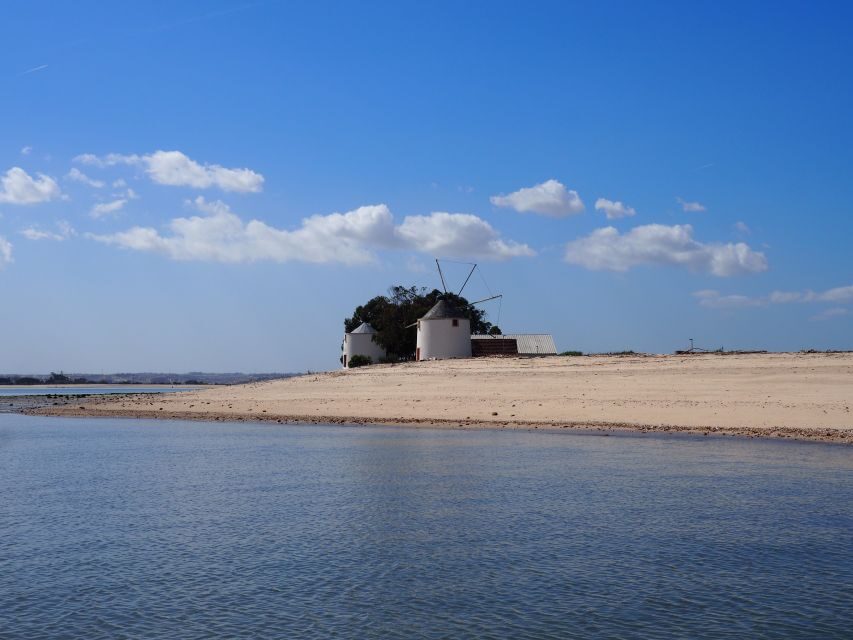
After the reserve time, you continue cruising with more guided commentary. There’s a photo stop and viewing around Mouchao da Povoa, plus a pass-by segment where you keep an eye out for wildlife and changes in water conditions.
Then you’ll pass the Vasco da Gama Bridge, getting one last hit of major Lisbon scenery from the water. This contrast is a big part of the value of the tour: you get a nature reserve experience and still end with a sense of Lisbon’s scale. It’s not an “either city or nature” day. It’s both.
If your idea of a perfect Lisbon day includes seeing beyond the famous viewpoints, this is one of the better ways to do it without spending hours in transit or clocking 10,000-plus steps.




Price and what makes $58 per person feel fair
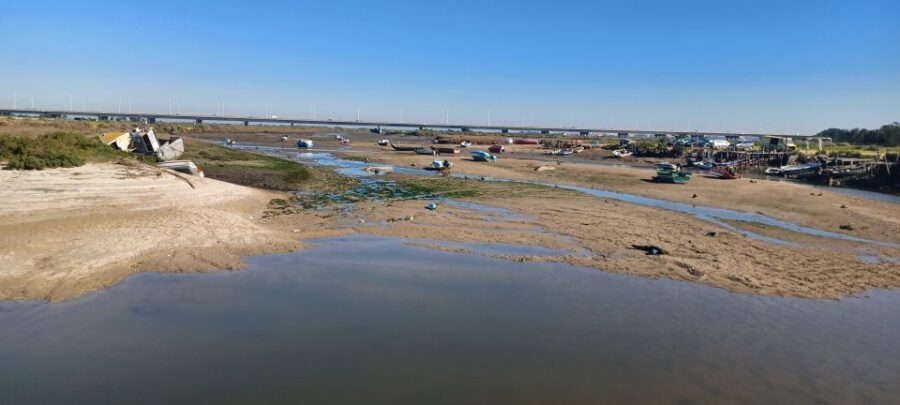
At about $58 per person for a 3-hour tour, the price only makes sense if you treat it as a guided, gear-included wildlife experience—not a casual boat ride.
Here’s what’s included based on the tour details:
- fees and fuel
- insurance
- life jackets
- binoculars
- live guide services (Portuguese, English, Spanish; French also listed)
What that means for you: you’re paying for access to the estuary, guidance that helps you spot and identify birds, and the basic equipment that makes a difference in the field. If you’ve tried birdwatching on your own around a city waterfront, you know the hard part isn’t the birds—it’s figuring out where to look and what you’re actually seeing.
Also, because the group is limited to 10 participants, you’re more likely to get the guide’s attention and better chances for photos. Small group tours can be worth it when the activity depends on motion, scanning, and quick decisions.
What to bring (and what the guide provides so you don’t overpack)
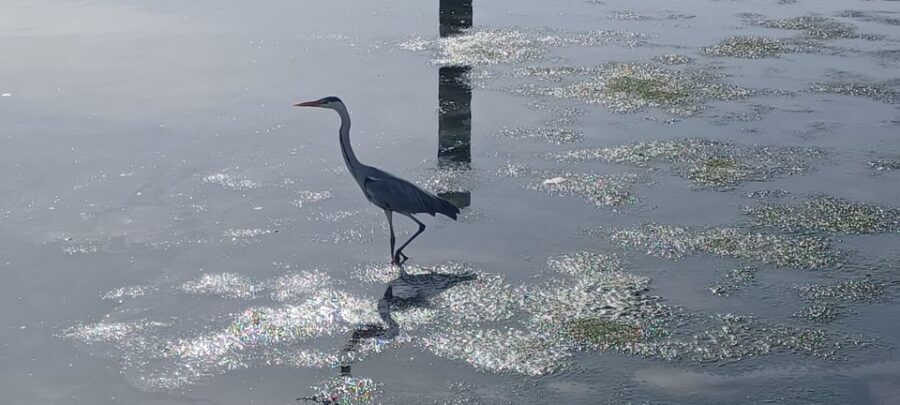
You’ll want to dress for a real outdoor outing. Bring comfortable shoes, sunglasses, a camera, and weather-appropriate clothing. Even in warmer months, the water can feel cooler than the city.
The tour also asks for biodegradable sunscreen, plus a jacket if weather turns. You’ll get the best results if you can stay comfortable for the full ride and not rush to adjust your clothes every 20 minutes.
For documents, bring your passport or ID card. And even though binoculars are provided, I still like the idea of bringing your own if you’re a serious birder—at minimum, it helps you get used to your preferred focus and fit.
Food and drinks aren’t included. If you’re the picnic type, you’re welcome to bring one.
Weather, tides, and how they change your odds
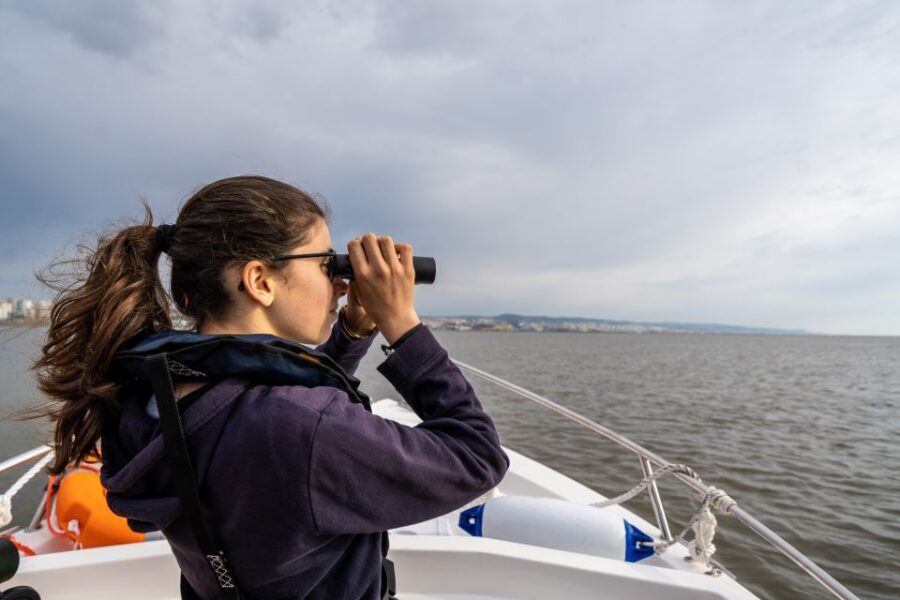
This is a boat tour, so it’s subject to weather and sea conditions. Tours can be rescheduled if conditions aren’t right, and cancellations can happen last-minute due to things like foggy mornings or unforeseen weather circumstances.
Here’s the practical part: don’t plan a tight schedule afterward. Build in some flexibility the same way you would for a coastal or island day.
Tides matter too. The estuary’s mudflats and shallow zones shape where birds feed and rest. You’ll get the most from a day when conditions help expose feeding areas and concentrate birds where you can view them.
If you’re booking in a month that feels outside the best birdwatching window, you may still see a lot, but your species mix could differ. In the provided experience info, even non-peak timing still produced strong sightings, including multiple species and raptors.
Who this tour is perfect for (and who might prefer something else)
This tour is ideal if you:
- love birds and want a guided way to identify what you’re seeing
- want nature without a long hike
- like Lisbon but want a calmer side of the city
- care about photography and close, respectful viewing
It’s also a good fit for mixed experience levels. The guide can tailor how you move and what you focus on, which helps if some people in your group are brand-new to birdwatching.
If your main goal is a strict checklist of one or two marquee species, you should understand the tradeoff. Wildlife viewing is partly chance, even with a skilled captain. You might get lucky with flamingos and raptors one day, then see more waders and herons another.
Should you book this Lisbon Tagus Estuary birdwatching boat tour?
If you want a high-value nature break that feels genuinely close to Lisbon, I’d say yes. This is one of the best ways to spend a short window on the water while still getting real wildlife viewing, not just scenery.
Book it if you:
- enjoy small-group outings
- want binocular-assisted bird spotting with an active guide
- like the idea of seeing Lisbon from a different angle and then switching into full wildlife mode
Skip it or reconsider if you can’t handle weather-based changes. Also, if you only want totally predictable sightings, birdwatching in an estuary is never a guaranteed script.
In a nutshell: for most people planning a Lisbon trip, this is a smart “nature-first” half-day that pays off quickly—especially if you’re drawn to birds like flamingos, spoonbills, egrets, and the occasional osprey slicing across the water.
FAQ
How long is the Lisbon Tagus Estuary Nature Reserve birdwatching boat tour?
It runs for 3 hours.
Where do we meet for the tour?
The meeting point is next to the art work called Onda Luso-Americana.
Is hotel pickup or drop-off included?
No. Hotel pickup and drop-off are not included.
What’s included in the ticket price?
Fees and fuel, insurance, life jackets, binoculars, and a live tour guide are included.
What languages are the guides available in?
The tour includes Portuguese, English, and Spanish, and French is also listed as a language option.
Is food or lunch included?
No. Food and drinks are not included, and you’re welcome to bring a picnic if you prefer.
How big is the group?
The group is small, limited to 10 participants.
Do I need to bring binoculars?
Binoculars are provided, so you don’t have to. Bringing your own can still be helpful.
What should I bring with me?
Bring an ID or passport, comfortable shoes, sunglasses, a camera, biodegradable sunscreen, and a jacket or weather-appropriate clothing. Binoculars are optional since they’re provided.
Will the tour run in bad weather?
All boat tours depend on weather and sea conditions. If cancellation happens due to conditions, you’ll be contacted to try to reschedule, and if you can’t, you’ll receive a full refund.