REVIEW · SESIMBRA
Arrábida – Sesimbra: Dolphin Watching
Book on GetYourGuide →Operated by ArrabidaLife · Bookable on GetYourGuide
A wild dolphin encounter can be thrilling. This one pairs Arrábida coastline spotting with real ocean plastic collection, plus a marine ecologist who explains what matters. I like that it’s not just sightseeing; it’s hands-on conservation in a place dolphins actually live. The main drawback: dolphins are wild, so sightings aren’t 100% guaranteed even with a very high success rate.
From Sesimbra, you head by boat along the Arrábida Natural Park coast up toward the Sado River estuary, where bottlenose dolphins hang out all year. I love the balance of nature education and time on the water. You’ll be outdoors and in the sun, so bring what you need to stay comfortable for the full 2 hours.
In This Review
- Key things to know before you go
- Dolphin Watching in Arrábida and Sesimbra: the vibe
- The 2-hour plan on the water (and why it works)
- The dolphins you’re likely to see—and what you’re actually learning
- The Sado River estuary: why this part matters
- The plastic cleanup: what you’ll be doing on board
- Views of Arrábida Natural Park from the boat
- What’s included (and the value behind it)
- Comfort, rules, and small practical tips
- Who should book this dolphin tour (and who might reconsider)
- Reviews vibe: what people praise most
- Price and logistics worth factoring in
- Should you book this dolphin watching tour?
- FAQ
- How long is the dolphin watching tour?
- Where does the tour depart from?
- Is dolphin spotting guaranteed?
- What marine animals will we look for?
- What is included in the price?
- What should I bring?
- Is this suitable for young children?
Key things to know before you go
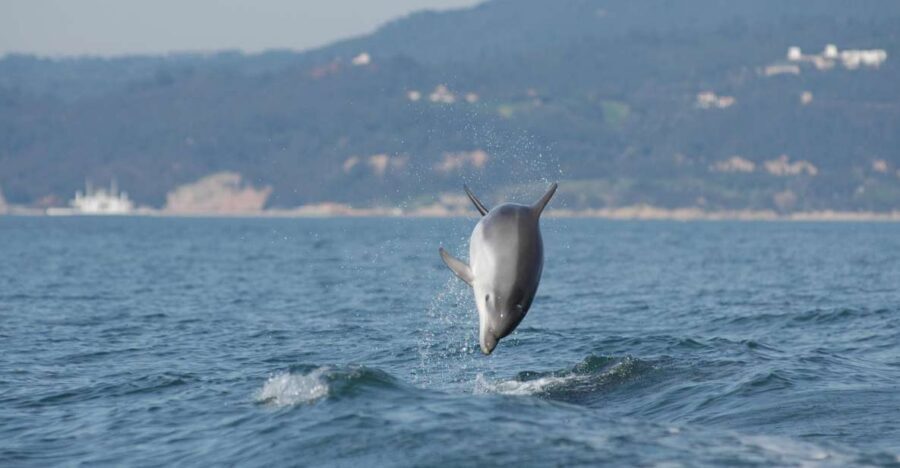
- Marine ecologist-led search for common and bottlenose dolphins, plus other marine life you might spot
- Plastic pickup on the water to help reduce floating pollution while you learn
- All-year dolphin habitat focus on the Sado River estuary and conservation value
- Arrábida Natural Park coastline views from the boat, including long stretches up the coast
- Short and practical timing: a tight 2-hour trip that still gives meaningful time for spotting
Dolphin Watching in Arrábida and Sesimbra: the vibe
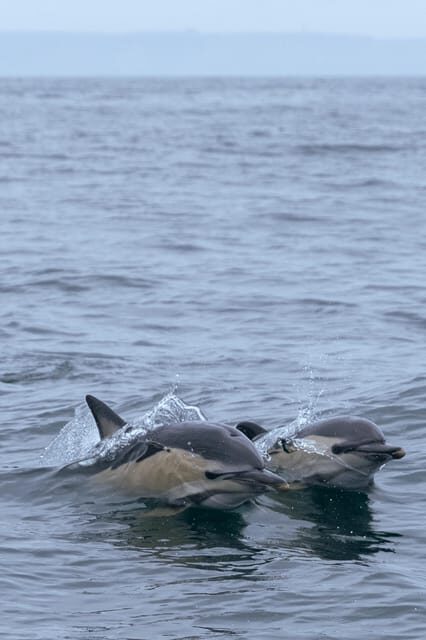
This isn’t the kind of dolphin tour that feels like a rush-through checklist. The whole format is built around two ideas: watch dolphins in the real places they feed and travel, and use the outing to support conservation in a measurable way. You’re on a boat leaving from Sesimbra, and the route is shaped by where dolphins live along the Arrábida coastline and near the Sado River estuary.
What I like most is that you don’t just hear facts. You get a guide whose job is to interpret marine behavior and explain why the estuary matters. Then there’s the practical conservation element: helping locate and collect floating plastic that pollutes the water. It’s simple, but it adds purpose to the boat ride.
A realistic note: you’re looking for wild animals. Even with a very high success rate (about 98%), sometimes dolphins are just below the surface or moving elsewhere. If you’re the type who panics at uncertainty, treat this as a best-chance nature trip, not a guaranteed animal show.
You can also read our reviews of more dolphin watching tours in Sesimbra
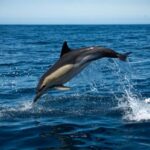
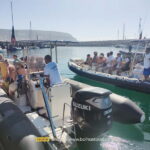

The 2-hour plan on the water (and why it works)
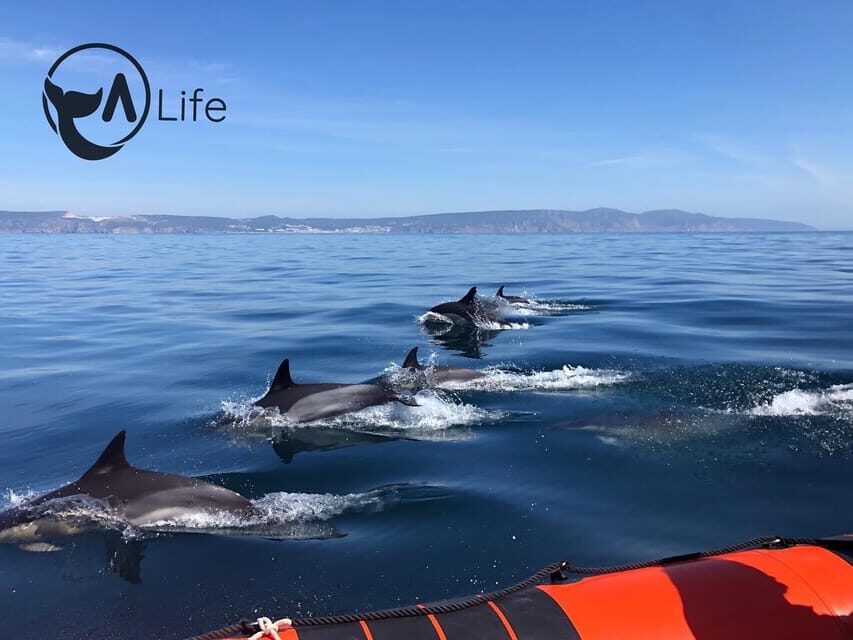
The tour runs for about 2 hours, which is a smart length for people who want strong nature time without losing half a day to logistics. You depart by boat from Sesimbra and then search for dolphins along the coastline of Arrábida Natural Park up toward the Sado River.
Here’s the flow you should expect:
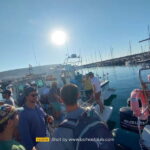
Boat departure from Sesimbra
You’ll get set up with a lifejacket, plus water is included. Right away, you’re in “spotting mode” with your marine ecologist guide. This matters because dolphin-watching isn’t only luck; you’ll get tips about where animals tend to appear and what behaviors to look for.
Searching for dolphins along the Arrábida coastline
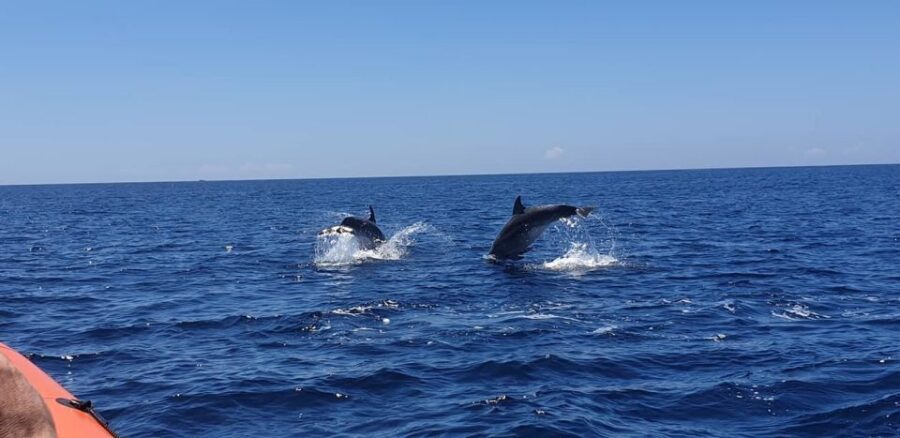
Your guide helps scan the coast and water for species that live along the shoreline. The focus is on common dolphins and bottlenose dolphins, with the chance of seeing other marine species too. The reason this route is compelling is geography: Arrábida’s coastal waters and protected setting create a strong habitat for marine life.
Conservation moment: collecting floating plastic
At some point during the outing, you help locate and collect harmful plastic floating in the ocean. This is one of the most meaningful parts of the experience, because it turns observation into action. You’re learning while you participate, and the activity reinforces the tour’s core message: conservation isn’t only about watching—it’s also about reducing threats in the environment.
Arrábida up toward the Sado River estuary
You explore the coastline up to the estuary area, which is presented as a prime point for dolphin conservation. Bottlenose dolphins live there all year round, and the estuary’s year-round presence is part of why this spot is so important.
Possible extra stop for caves (when conditions allow)
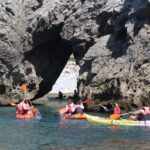
Some people mention a short detour to the caves. Since caves aren’t part of the core description, I’d treat this as conditional rather than guaranteed. Still, it’s the kind of bonus that makes the boat ride feel more varied than a straight line.
The dolphins you’re likely to see—and what you’re actually learning
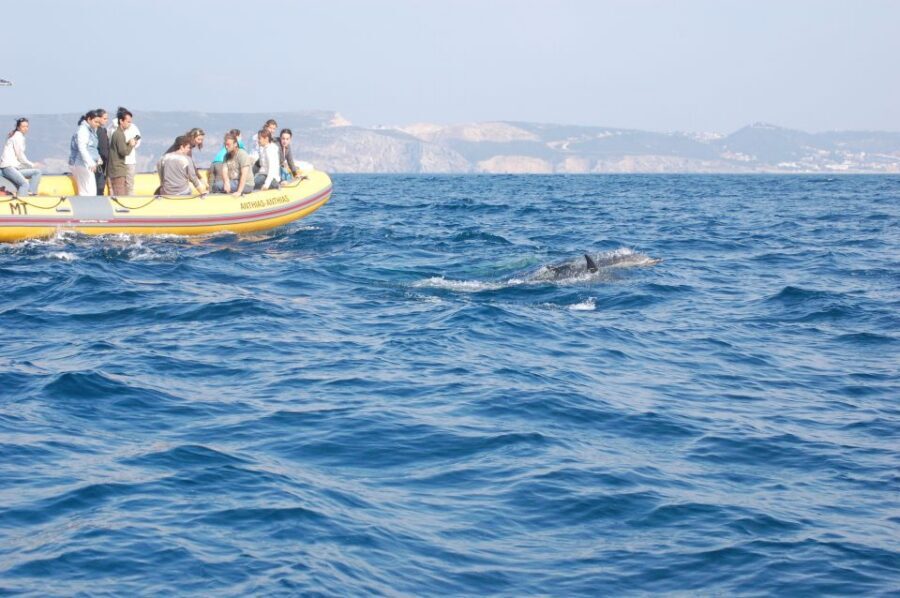
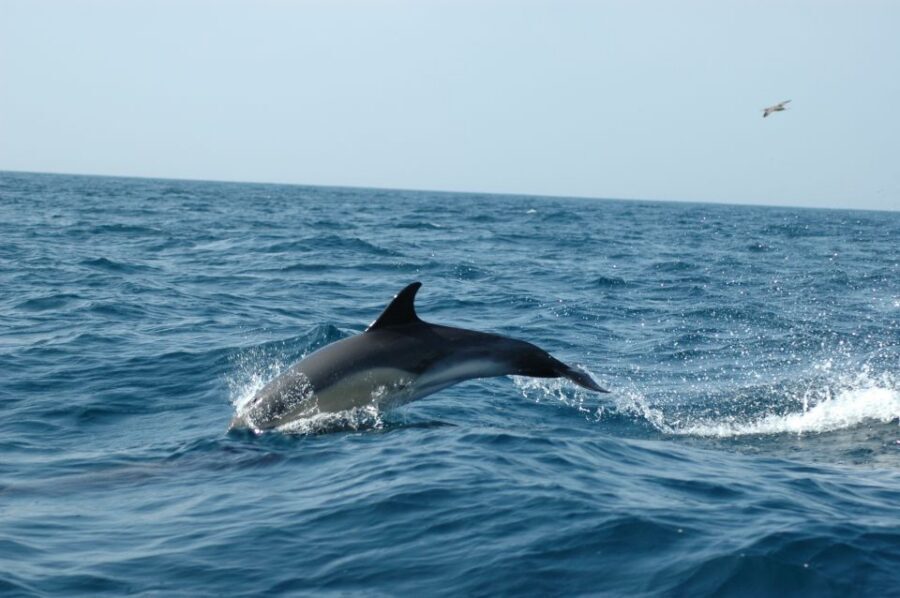
This tour is built around two dolphin types you can keep in mind as you’re scanning the water: common dolphins and bottlenose dolphins. Bottlenose dolphins are especially highlighted because they use the Sado River estuary and are there year-round. That’s useful context, because it shifts your thinking from I hope I see dolphins to I’m going where the dolphins are meant to be.
Your marine ecologist guide is there to connect the dots: what you’re seeing, how dolphins move through coastal and estuary areas, and why that habitat matters for conservation. Dolphins aren’t just a pretty sight. They’re also indicators of how healthy a marine area is, and that’s why habitat protection and pollution reduction show up in the tour’s structure.
One thing to keep expectations grounded: sightings can’t be promised with certainty because dolphins are wild. Your best “plan” is attitude. If you think of it as a nature lesson with a high chance of dolphins, you’ll get more value even on days when you only spot a brief surfacing.
The Sado River estuary: why this part matters
The Sado River estuary is described as a key location for dolphin conservation, and it’s not just a random waypoint. The tour specifically points out that bottlenose dolphins live there all year round, making it one of the few places in Europe with that kind of consistent presence.
For you, this matters because an estuary is a functional system: water conditions, food availability, and shelter can stay stable enough for animals to return regularly. When dolphins have a reliable year-round habitat, it increases your chances of meaningful sightings, not just a once-in-a-while splash.
It also ties directly into the conservation theme of the day. Plastic pollution is harmful anywhere, but in waters where animals spend lots of time, the impact is amplified. By helping collect floating debris, you’re participating in an action that aligns with the tour’s specific conservation focus.
The plastic cleanup: what you’ll be doing on board
This is the most distinctive part of the experience. You help locate and collect plastic floating in the ocean, framed as a positive environmental impact. Even if the amount you pick up feels small, I like the way the activity changes the tone of the trip. Instead of you feeling like a passive spectator, you’re part of the effort.
A few practical rules shape how you’ll do it:
- You’re not allowed to litter.
- You shouldn’t touch marine life.
So the goal is careful, respectful cleanup tied to education—not risky contact with wildlife. That approach is exactly what you want from a responsible eco-tour: impact without disturbing the animals you came to see.
Views of Arrábida Natural Park from the boat
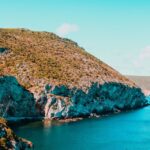
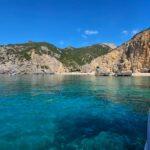
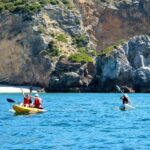
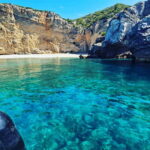
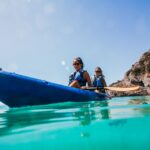
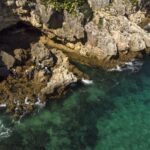
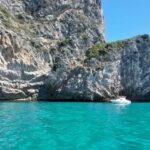
One of the consistent pleasures here is simply seeing Arrábida from the water. The tour route explores the coastline of Arrábida Natural Park, and people specifically mention beautiful coastline scenery. It’s the kind of view you can’t replicate from the highway or a viewpoint pull-off, because the coast unfolds differently when you’re moving along it.
I also think this scenic angle makes the tour work for more than just hardcore dolphin watchers. If you’re traveling with someone who cares about animals but also loves scenery, the boat keeps both interests fed.
You’ll still want to plan for sun and salt-air: bring a hat and sunscreen, and dress in comfortable layers. You’ll be on the water for the full 2 hours, so comfort affects your enjoyment more than you might think.
What’s included (and the value behind it)
At about $58 per person for a 2-hour outing, this can feel like a splurge—until you tally what you’re actually getting. You’re not just buying a boat ride.
Included items:
- Insurance
- A marine ecologist guide responsible for the activity
- Lifejacket
- Water
- A taste of the region’s typical cake: farinha torrada
Why that matters for value:
- The marine ecologist element is the difference between random dolphin spotting and guided understanding.
- Insurance and lifejackets reduce the “what if something happens” stress.
- Water and the farinha torrada taste prevent the tour from feeling like you’ll need to spend extra money immediately.
- The plastic cleanup activity gives you an experience that feels purposeful rather than purely recreational.
What’s not included is food and beverages (so don’t assume you’ll be fed). If you’re hungry afterward, plan a proper meal back on land.
Comfort, rules, and small practical tips
This is an easy tour to prepare for, but a few details make a big difference:
Bring:
- Comfortable shoes
- Hat
- Sunscreen
- Comfortable clothes
Not allowed:
- Littering
- Touching marine life
Those rules are straightforward, and they also help protect wildlife. You’ll get the best experience if you keep your behavior calm and follow the guide’s instructions, especially during spotting moments.
Also, remember the dolphins are wild animals. The guide can’t control where they surface. Your job is to watch closely, stay patient, and enjoy the water and scenery as part of the deal.
Who should book this dolphin tour (and who might reconsider)
This works best for you if:
- You want a short, focused outing with real nature education
- You care about marine conservation and like actions that reduce pollution
- You’re excited by the idea of seeing dolphins in a year-round habitat area like the Sado estuary
- You enjoy boat time with chances to spot multiple species
It may not be the best fit if:
- You need a guaranteed dolphin sighting. Even with high success odds, it’s still wildlife.
- You want a long, multi-stop day with lots of land excursions. This stays primarily on the water.
Age note: it’s not suitable for children under 2 years, so check your group’s ages before booking.
Reviews vibe: what people praise most
You’ll notice a strong pattern in the positive feedback: people love the guides’ friendliness and competence, the comfortable boat, and the amount of time spent with dolphins when sightings happen. Many also highlight getting close enough to feel the excitement of a real encounter, not distant shapes far away.
The other praised element is the scenery—coastline views and even cave detours when they happen. That combination is why this tour gets recommended as a balanced experience: animals, education, and environment action, all in a tight time window.
Price and logistics worth factoring in
Let’s talk money honestly. $58 per person is reasonable for a 2-hour guided boat experience with a marine ecologist, included insurance, and a conservation activity. It’s not the cheapest thing you can do in the region, but the included expertise and the plastic pickup piece justify more of the price than a basic sightseeing cruise would.
A key consideration: you’re traveling to Sesimbra first, since hotel pickup and drop-off aren’t included. If you’re staying elsewhere in Lisbon, plan your transport so you arrive relaxed. This tour is short, so running late is a bigger problem than you’d expect.
Should you book this dolphin watching tour?
Book it if you want a focused 2-hour dolphin experience in the Arrábida Natural Park area, with a marine ecologist guide and a hands-on plastic cleanup component. It’s a strong pick when you care about conservation as much as wildlife spotting, and when you can accept that dolphins are wild.
Skip (or choose something else) if seeing dolphins is your only goal and you’ll be disappointed by the possibility of no sightings. Even with high success odds, you’re still going out for nature, not a guaranteed performance.
If you do book, pack for sun, wear comfortable shoes, and go in with patience. The best outcomes here tend to happen when you stay calm, watch closely, and let the guide lead.
FAQ
How long is the dolphin watching tour?
The tour lasts about 2 hours.
Where does the tour depart from?
You depart by boat from Sesimbra.
Is dolphin spotting guaranteed?
No. Dolphins are wild animals, so sightings can’t be 100% guaranteed. The local partner has a very high success rate (about 98%).
What marine animals will we look for?
The tour focuses on species such as common dolphins and bottlenose dolphins, and you may also spot other marine species.
What is included in the price?
Insurance, a marine ecologist guide, lifejacket, water, and a taste of farinha torrada are included.
What should I bring?
Bring comfortable shoes, a hat, sunscreen, and comfortable clothes.
Is this suitable for young children?
It’s not suitable for children under 2 years.