REVIEW · LISBON
From Lisbon: Medieval Tour, Batalha, Tomar, Alcobaça, Óbidos
Book on GetYourGuide →Operated by The Guru Guide · Bookable on GetYourGuide
Four UNESCO sites in one day sounds busy.
It’s busy, but the format works: a small-group van day with guided history that stays human and easy to follow. I love the way guide Hugo keeps the stories focused instead of drowning you in names and dates. I also like the practical setup—pickup, a comfortable Mercedes Vito ride, and enough walking time to actually notice what you’re seeing. One drawback: entry tickets are not included, so you’ll want to plan ahead and budget for monument fees.
This route is a strong mix of Templar and monastery power. You get the UNESCO highlights—Convent of Christ, Batalha Monastery, and Alcobaça—and then a real dose of medieval street atmosphere in Óbidos. Also, the family program is genuinely helpful: kids up to 12 don’t pay.
Expect a moderate amount of walking, including stairs and uneven stone in old places. The tour is listed as wheelchair accessible, but the details also say it’s not suitable for wheelchair users—so if mobility is a concern, check with the operator before you book.
In This Review
- Key points at a glance
- A One-Day Medieval Circuit That Actually Makes Sense
- The Van Ride: Comfort, Timing, and Getting Started Smoothly
- Convent of Christ in Tomar: Templar Heritage in Portugal’s Main Stage
- Batalha Monastery: UNESCO Beauty Tied to a Real Battle
- Lunch Break in Batalha: Plan on Buying It
- Alcobaça Monastery: UNESCO Since 1989 and a National Monument Since 1910
- Óbidos Castle Walls and Ginjinha in Chocolate Cups
- Price and Value: What $364 Per Group Really Covers
- What Your Day Feels Like: Pacing, Walking, and Photo Time
- Language and Group Comfort: English or Portuguese, and Plenty of Questions
- Who This Tour Fits Best (and Who Should Consider Alternatives)
- Should You Book This Medieval Tour from Lisbon?
- FAQ
- How long is the medieval day trip from Lisbon?
- What sites will I visit during the day?
- Are monument entry tickets included in the price?
- Is lunch included?
- How much does the tour cost?
- Does the tour offer a family discount for kids?
- What transportation and guide services are included?
- What should I bring and wear?
- Is it suitable for wheelchair users?
Key points at a glance
- Max 8 people: small-group pacing, less waiting, more time to ask questions
- Hugo’s style: clear stories that help you remember what matters
- Three UNESCO stops plus a major medieval town experience in Óbidos
- Family-friendly pricing: children up to 12 years old don’t pay
- Tickets not included: plan for entry fees (Lisbon Card can help)
A One-Day Medieval Circuit That Actually Makes Sense
This is one of those Lisbon day trips that feels structured rather than rushed. The idea is simple: hit the big medieval sites just outside the city, then end in a town where you can slow down and enjoy the atmosphere.
What makes it work is the sequence. Tomar sets up the Templar thread. Then Batalha gives you a Portuguese turning point—learn why the monastery is tied to the Battle of Aljubarrota. Alcobaça follows with another UNESCO story, and Óbidos caps the day with walls, viewpoints, and the famous ginjinha.
You can also read our reviews of more tours and experiences in Lisbon.

The Van Ride: Comfort, Timing, and Getting Started Smoothly
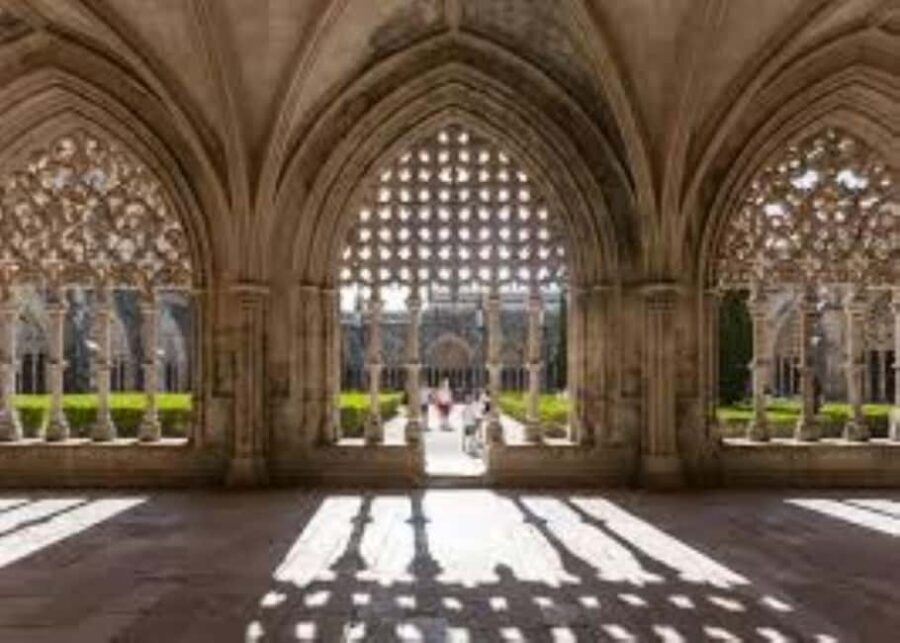
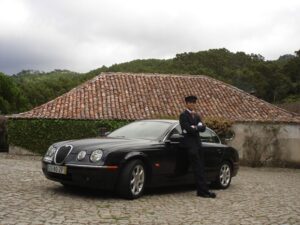
The day begins with pickup in Lisbon and transportation by Mercedes Vito van. It’s a straightforward setup: fewer logistics to manage, and you’re not stuck figuring out trains or parking on busy roads.
The tour runs about 10 hours total. You’ll want to be ready at the pickup point about 10 minutes early, and the guide contacts you via WhatsApp. That small detail matters. It helps you avoid the classic first-moment scramble that can throw off the whole day.
Group size is limited to 8 participants. That tends to change the experience more than you’d think. You usually get better timing at viewpoints, and you’re more likely to get personal answers instead of just hearing general announcements.
Convent of Christ in Tomar: Templar Heritage in Portugal’s Main Stage
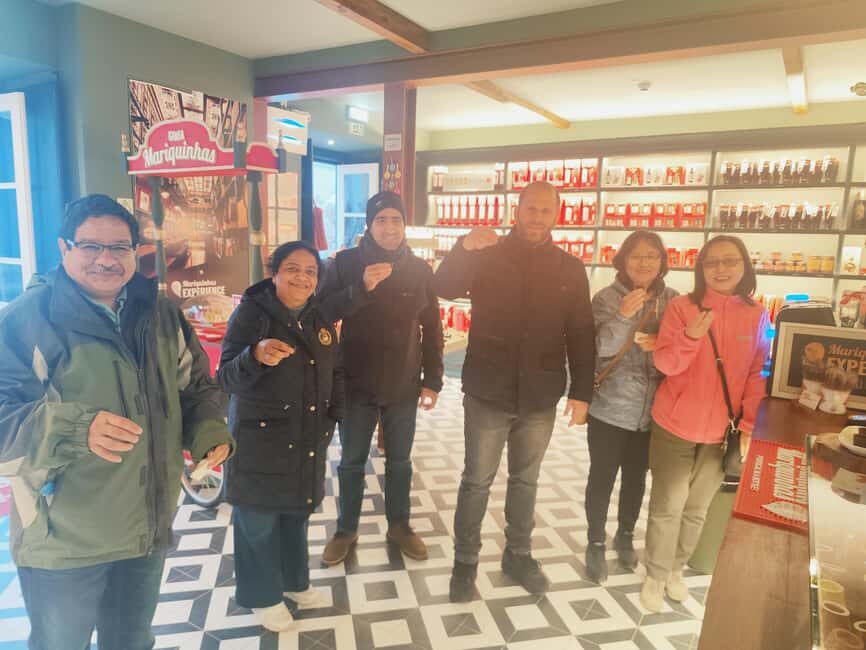
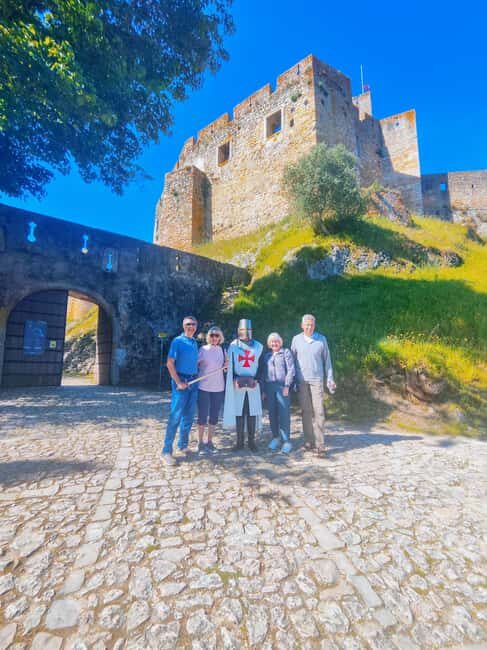
Tomar is where the Templar story becomes real, not just a legend you’ve heard in passing. The Convent of Christ is a UNESCO World Heritage Site, and it’s closely linked to the order’s presence in Portugal.
You’ll get a guided tour and time to walk around. The big reason people come is the blend of architecture and symbolism, especially the famous Charola. Even if you don’t memorize every term, you’ll understand the logic: this place was built to communicate power, faith, and identity.
One of my favorite parts of this stop is how the guide’s storytelling helps you “see” the site. With Hugo, the pacing stays calm. You don’t get a nonstop lecture. You get just enough background to make details click when you’re standing in front of them.
Practical note: this is an active visit. Wear shoes you’re happy to walk in for about an hour of exploring plus transitions.
Batalha Monastery: UNESCO Beauty Tied to a Real Battle
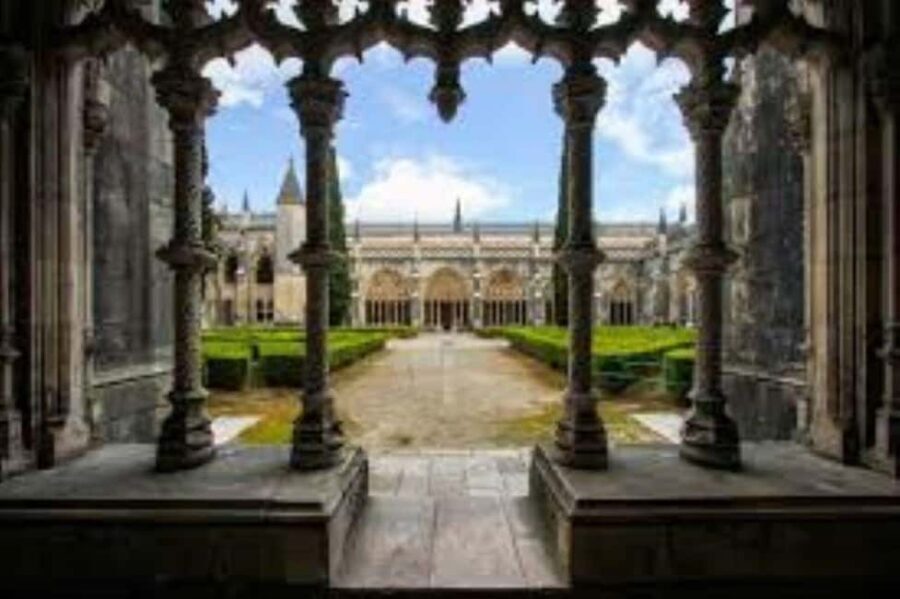
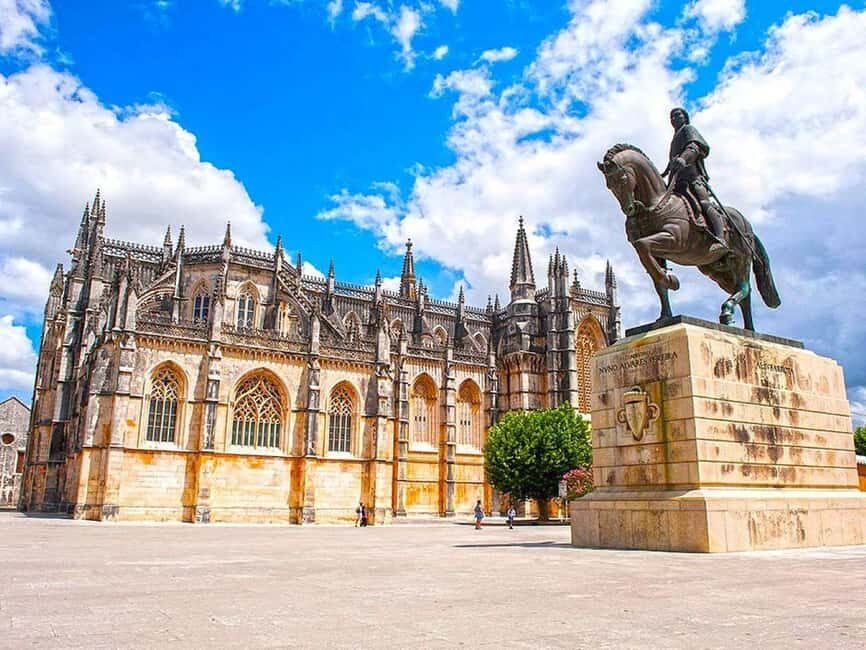
Next comes Batalha, with the Batalha Monastery. It’s UNESCO-listed, and it’s also where you’ll learn the story behind the Battle of Aljubarrota. That battle connection matters, because this isn’t just a pretty monument. It’s built as a statement—something the Portuguese wanted remembered in stone.
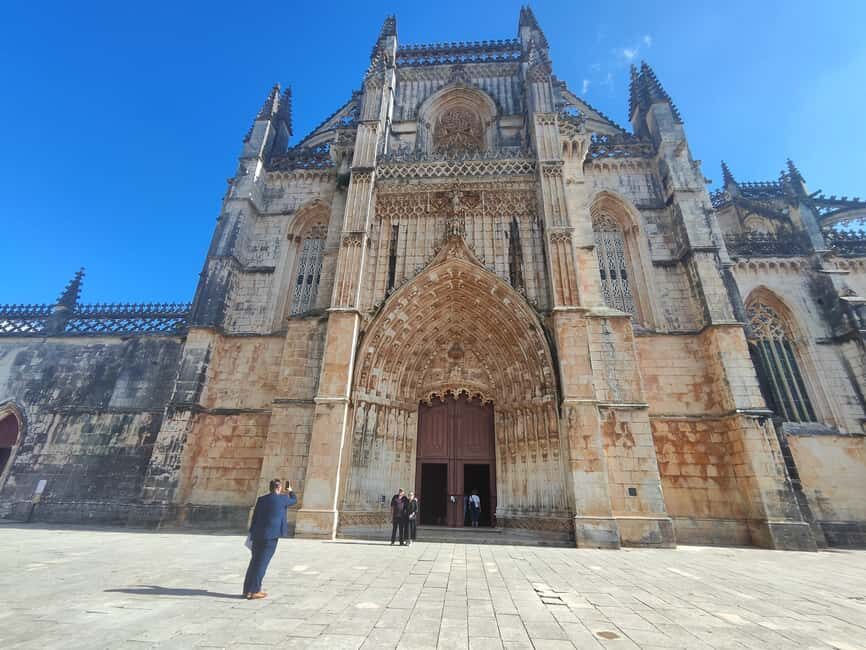
During the guided visit, you should come away with two things: an understanding of why this monastery is so important, and a sense of how the design supports that purpose. Gothic work here can feel dense at first glance, but a good guide helps you pick out what to look for—so you’re not just photographing random details.
The experience is designed to keep you from feeling rushed. In the small-group format, you can usually pause for photos without feeling like you’re constantly being moved along. That’s a real quality-of-life improvement on busy day trips.
Lunch Break in Batalha: Plan on Buying It
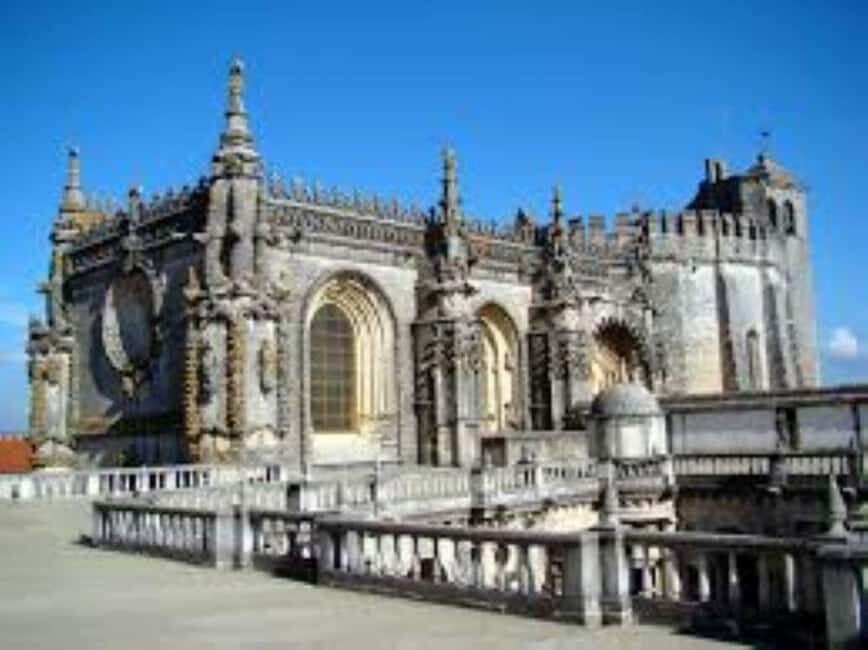
Lunch isn’t included, but the schedule includes time to eat in the Batalha area. Your best move is to treat this as a reset, not an extra stop. Use the break to refuel, use the restroom, and then return ready for Alcobaça.
In practice, guides often suggest a place to eat that fits the day. The point isn’t fine dining. It’s a solid meal while you’re in the middle of medieval territory. When you’re pairing monuments all day, a straightforward lunch can make the later stops feel easier.


Alcobaça Monastery: UNESCO Since 1989 and a National Monument Since 1910
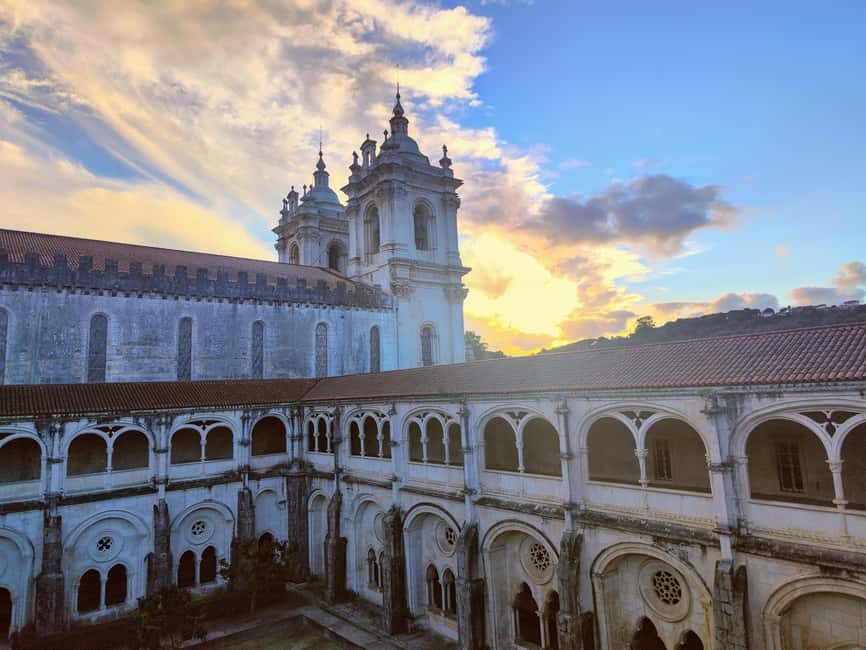
Alcobaça is the third major UNESCO stop of the day—and it’s also listed as a Portuguese National Monument (since 1910). On top of that, it’s described as one of the Seven Wonders of Portugal, so it’s clearly in the “big deal” category.
You’ll tour with a guide and have about 1.5 hours to walk and explore. The way this works is important: the guided portion helps you frame the site, and then your walking time lets you test your understanding by looking for the forms and symbols your guide mentioned.
This stop can feel emotionally different from Tomar and Batalha. The monastery environment encourages slower observation. You’re looking at scale, symmetry, and the kind of religious architecture that was built to last—and to be seen.
If you like architecture, you’ll likely find lots to notice: how space channels your eye, and how details reward a second look after the guide points you in the right direction.
Óbidos Castle Walls and Ginjinha in Chocolate Cups
Óbidos is the fun finish. The town is surrounded by well-preserved walls, and that medieval frame is part of why it’s so popular. This is where you can switch from “monuments as lessons” to “town as atmosphere.”
You’ll get a guided tour and time to explore near the castle area, including viewpoints over the surrounding region. The walking is typically manageable, but it’s still cobblestone and stone steps in places, so good shoes matter.
And yes, ginjinha is part of the deal. You’ll meet the famous Ginjinha de Óbidos, the traditional cherry liquor served in chocolate cups. It’s playful, a little touristy, and still one of those local customs that makes the whole day feel complete.
Price and Value: What $364 Per Group Really Covers

The price is listed as $364 per group (up to 8 people). That means you’re not just paying for a few ticketed sights. You’re paying for:
- Transportation from Lisbon and back in a Mercedes Vito
- A live guide (English and Portuguese)
- Hotel pickup and drop-off
- The structure of a full day with multiple stops
The big extra cost is entries. Tickets to the monuments are not included, and that’s worth planning for. If you’re traveling with a group, your guide and the itinerary can still be good value because you avoid the “who goes where first” headache.
If you’re eligible for it, the Lisbon Card can help with paid monument entry value. That’s not automatic free money, but it can reduce the sting of ticket fees across several UNESCO sites in one go.
Bottom line: this is good value if you want guidance and logistics handled. If you’re the type who loves self-guided wandering and you already know how to cover these sites efficiently on your own, you might spend less without a guide. But you’d lose the story-thread that makes these places connect.
What Your Day Feels Like: Pacing, Walking, and Photo Time
This is a full-day loop. Expect multiple short-to-medium walking segments rather than one long trek. The schedule includes guided tours and walk time at each main stop, plus transport breaks between locations.
Your best strategy: move at a relaxed pace, but keep your shoes and water handled. Bring sunscreen and a hat—Portugal sun doesn’t care that it’s a cultural day.
A standout in the reviews is that Hugo doesn’t overload you with details. The tour aims to keep things understandable and memorable. You should come away with a clear mental map: Templar influence in Tomar, battle-driven meaning in Batalha, monastery importance in Alcobaça, then medieval charm in Óbidos.
Language and Group Comfort: English or Portuguese, and Plenty of Questions
The live guide works in English and Portuguese. If you’re traveling as a mixed group, that’s useful. And with a small group size, you’re more likely to get answers that fit what you’re actually curious about.
Hugo is specifically mentioned for being personable and upbeat. The key point for you is not the personality. It’s the way that energy turns into a smoother visit: less confusion, fewer dead moments, and less time waiting around while people get their bearings.
Who This Tour Fits Best (and Who Should Consider Alternatives)
This is a strong fit if you want medieval highlights without planning every turn yourself. You’ll like it if you enjoy architecture, church history, and the idea of linking places together by theme instead of visiting random sites.
It’s also a decent family option because children up to 12 years old don’t pay. That can make a huge difference for families who want a structured day trip.
One caution: the information says it’s wheelchair accessible, but it also says it’s not suitable for wheelchair users. Since old sites often have stairs and uneven ground, you should treat this as a “check carefully” situation if mobility is a concern.
Should You Book This Medieval Tour from Lisbon?
Book it if you want a guided day that hits the big medieval targets near Lisbon with a small group and clear storytelling. The combination of UNESCO sites plus the Óbidos finish is a smart way to spend one day without feeling like you’re doing a checklist.
Don’t book it if you’re only interested in price-free sightseeing and you’re comfortable managing monument tickets and route timing on your own. Also, if your mobility needs are tight, confirm suitability first.
If you do book: plan for monument entry fees, wear comfortable shoes, and don’t overpack your day with extra plans before pickup. This tour works best when you show up ready to walk, listen, and enjoy the medieval rhythm of Portugal.
FAQ
How long is the medieval day trip from Lisbon?
The tour lasts about 10 hours. Starting times vary, so you’ll want to check the availability for your preferred day.
What sites will I visit during the day?
You’ll visit the Convent of Christ (Tomar), Batalha Monastery, Alcobaça Monastery, and the medieval village of Óbidos.
Are monument entry tickets included in the price?
No. Entry fees for the monuments are not included, and you’ll need to purchase tickets separately (online, at the sites, or using the Lisbon Card for better value).
Is lunch included?
Lunch time is scheduled, but lunch is not listed as included. Plan to cover your meal costs during the lunch break.
How much does the tour cost?
The price is listed as $364 per group, up to 8 participants.
Does the tour offer a family discount for kids?
Yes. Children up to 12 years old do not pay.
What transportation and guide services are included?
The tour includes transportation in a Mercedes Vito van, a live tour guide, and hotel pickup and drop-off.
What should I bring and wear?
Bring comfortable shoes, a hat, a camera, sunscreen, and water. The day includes a moderate amount of walking.
Is it suitable for wheelchair users?
The activity is listed as wheelchair accessible, but it also states it is not suitable for wheelchair users. If this applies to you, check directly to confirm what the day will involve.