REVIEW · LISBON
Lisbon: Go Taste Electric Bike Tour
Book on GetYourGuide →Operated by Rent a fun · Bookable on GetYourGuide
Food and hills, solved by an e-bike. This Lisbon tour mixes electric cycling with a real food crawl, starting with a famous custard tart stop at one of the city’s older pastry shops. You’ll pedal through neighborhoods where locals actually snack, then you’ll do it at a pace that feels manageable because the e-bike handles the climbs.
What I like most is how the tastings feel like a mini course on Portuguese comfort food, not random bites. You’re set up for classic hits like pastel de bacalhau (codfish pastry) and bifana, plus a viewpoint moment over the Tagus with beer.
One drawback to keep in mind: your food quantity can be affected by closures around holidays or special weekends. When some spots are closed, you can end up with less variety than the full list of tastings you’re expecting, even if the riding and guide time still happen.
In This Review
- Key moments that make this tour work
- Electric Bikes + Lisbon Bites: how the 4 hours really play out
- Meeting point near Santa Apolónia: start easy, then ride with confidence
- Pastel-first Lisbon: Manteigaria and the custard tart ritual
- Coffee and the Amoreiras Garden stop
- Turning sweet into savory: pastel de massa terra and more pastry variety
- Tagus viewpoint beer: the scenic pause you’ll remember
- Codfish pastry, ginginha, and Lisbon’s favorite flavors in one loop
- Bifana and the handheld food culture stop at Sr. Afonso
- Graça Viewpoint and empada de galinha: when you snack with a view
- Mouraria in Dona Tina: sardines or soup, plus the realism of a true meal
- The drinks plan: beer, white wine, red wine, and ginjinha
- History you can track: what the guide is likely doing with the route
- E-bike route tips: hills, stops, and how to enjoy it more
- Price and value at $76 per person
- Who this tour is for (and who should think twice)
- Should you book this Lisbon Go Taste Electric Bike Tour?
- FAQ
- How long is the Lisbon Go Taste Electric Bike Tour?
- What is the meeting point for the tour?
- How much does the tour cost?
- Is food included, or do I need lunch afterward?
- What drinks are included?
- Is the guide language English?
Key moments that make this tour work
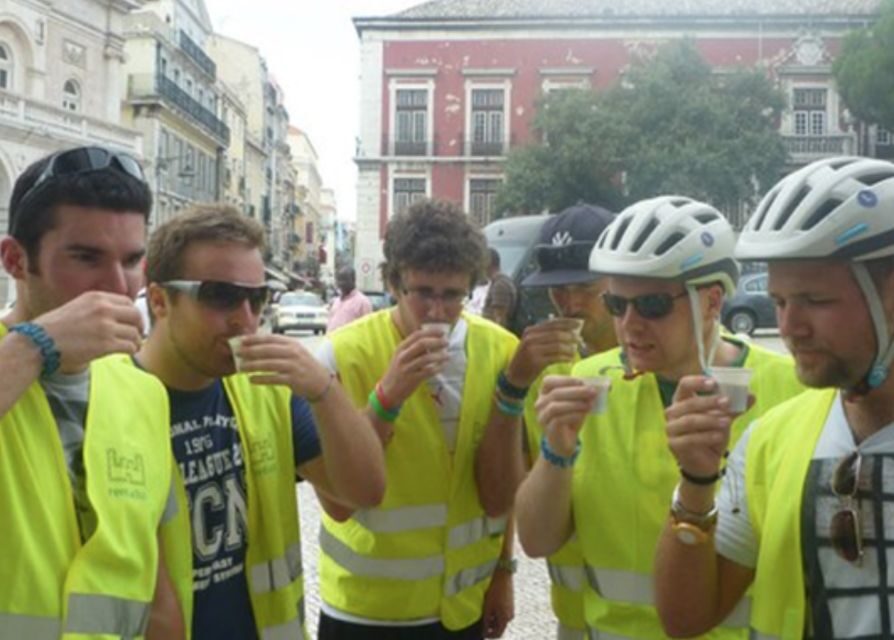
- E-bikes for Lisbon’s hills so you can taste more and sweat less
- Pastel-first start with custard tart at Manteigaria
- Viewpoints built into the route, including a Tagus river overlook
- Portuguese savory staples like cod pastry, empada de galinha, and bifana
- Ginjinha de Óbidos and wine show up alongside the sweets
- A true meal format: every stop involves eating, so you skip lunch
Electric Bikes + Lisbon Bites: how the 4 hours really play out
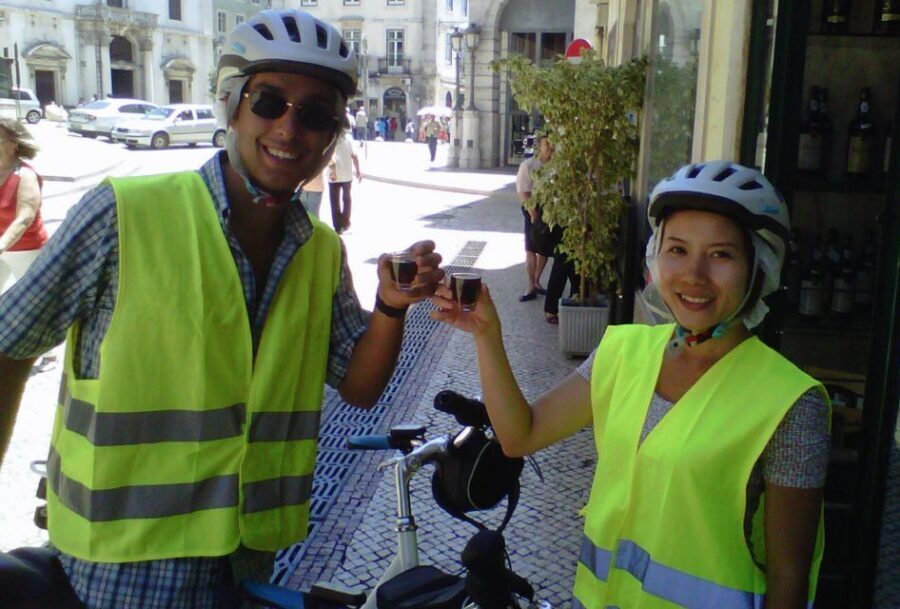
This is a 4-hour, guide-led ride-and-taste tour in Lisbon, priced at $76 per person. The biggest difference from a typical walking food tour is transportation: you’re on an electric bike, so you can cover more ground without turning it into a punishment. For a city where streets can go straight uphill, that matters.
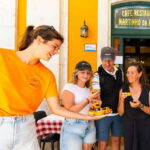
The tour is built like a rolling meal. You don’t just stop for one sweet and call it a day. Instead, you’ll hit multiple places and each stop includes food and/or drink tastings, totaling five food tastings and five drink tastings, plus the listed items you’ll sample throughout the route.
You’ll also get English narration from a live guide. Guides here include Diogo and Ricardo, and the common thread from their tours is pride in explaining how and why these dishes are part of everyday Portuguese life.
You can also read our reviews of more cycling tours in Lisbon

Meeting point near Santa Apolónia: start easy, then ride with confidence
You meet near Santa Apolónia Metro Station and the Fado Museum. That’s helpful because it’s a clear landmark area and it’s easy to connect to the rest of Lisbon from there.
Here’s the practical tip I’d give you: before your tour time, map the meeting spot carefully and plan to arrive a few minutes early. There’s at least one real-world hiccup people have run into when an app location didn’t match the actual meeting point, so don’t rely on a pin alone—use the Santa Apolónia + Fado Museum area as your anchor.
Once the group is together, the e-bike part starts fast. You’ll get moving with the guide and ride Lisbon the way many locals seem to: short hops between neighborhoods and quick stops for tastings.
Pastel-first Lisbon: Manteigaria and the custard tart ritual
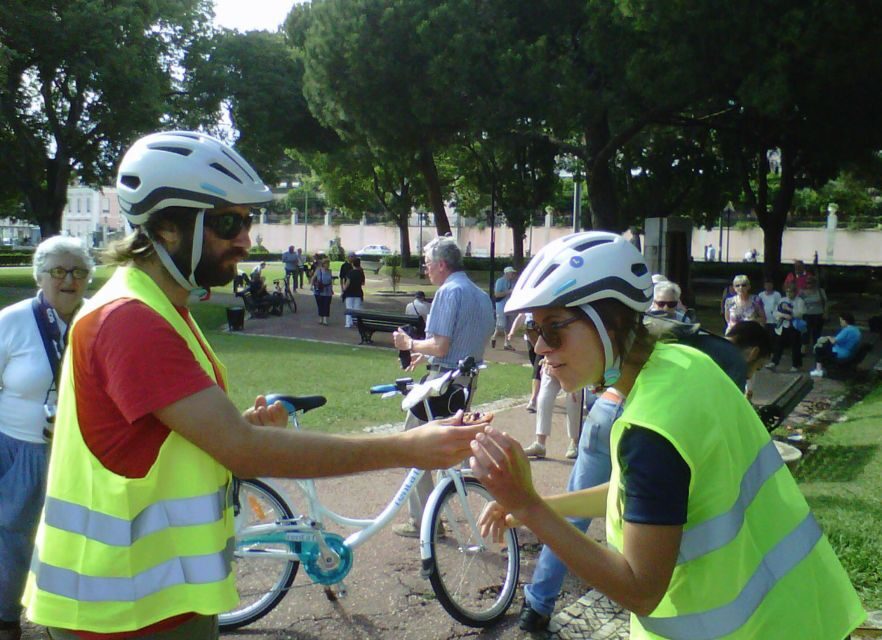
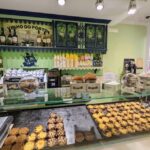
The tour’s first big food moment is pastel de nata, Lisbon’s iconic custard tart. You’ll try it at Manteigaria, which is specifically called out as one of the stops for this tour.
This matters because pastel de nata isn’t just dessert here—it’s a daily ritual. Even if you already know the basics, tasting it as the kickoff gives you a baseline. It sets the tone for the rest of what you’ll try: buttery pastry, creamy filling, and that lightly toasted top.
And because you start with something sweet, you’re not chasing the energy crash later. A bike tour can feel like you’re always “about to eat,” so front-loading the tastings is a smart way to keep everyone comfortable.
Coffee and the Amoreiras Garden stop
You’ll also have Portuguese coffee as part of the included tastings, tied to the stop at Amoreiras Garden. Coffee in Portugal often means something stronger and more compact than what many visitors expect, and it pairs perfectly with pastry.
For me, the value of this stop is pacing. It breaks up the ride so you’re not constantly moving and chewing at the same time. You get a short reset, then you’re back on the bike for the savory part of the tour.
Turning sweet into savory: pastel de massa terra and more pastry variety
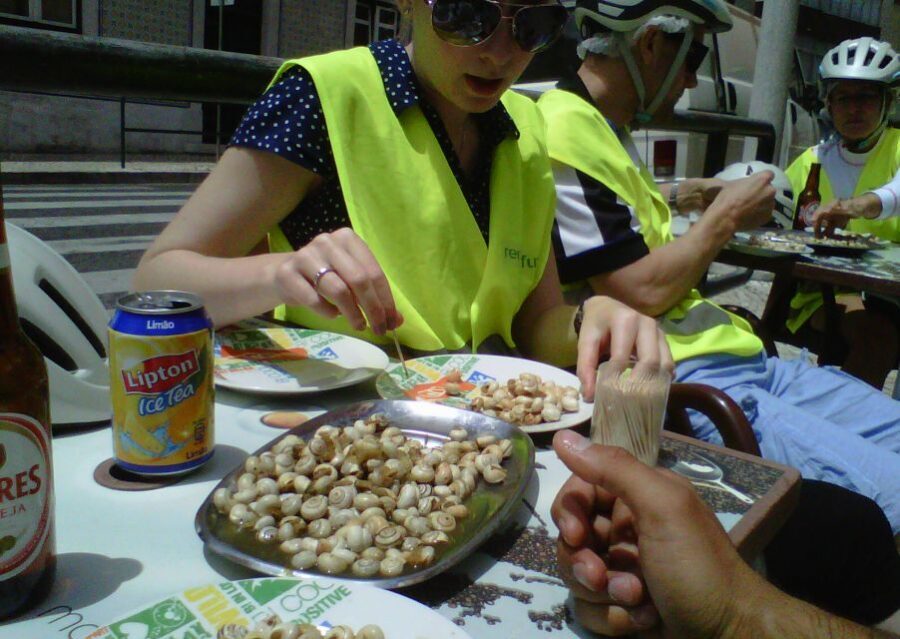
Custard tarts are the headline, but the tour also intentionally broadens your pastry education. One of the listed tastings is pastel de massa terra at Doce Real.
This is the kind of stop that makes food tours worth it. If you only ever try pastel de nata in Lisbon, you miss how pastry can change texture and flavor depending on the filling and dough. Trying a second type early helps you notice differences instead of just eating because it’s there.
This also sets you up for the savory curveballs later—Lisbon loves contrast. Sweet pastry leads into salted, fish-forward snacks and hearty handheld foods.
You can also read our reviews of more tours and experiences in Lisbon






Tagus viewpoint beer: the scenic pause you’ll remember
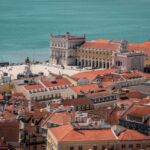
After some riding, you’ll reach a spectacular viewpoint overlooking the Tagus River. At this stop, you’ll quench your thirst with a Portuguese beer.
I like this moment because it breaks the pattern of tasting nonstop. You get a real breath of air and a view that makes the route feel intentional. It’s also a good reminder that Lisbon isn’t just about food stops—it’s the city itself, the angles, the river light, and the feeling of being in motion even when you stop.
If you’re the type who hates tours that feel like a checklist, this is the kind of built-in pause that keeps the experience human.
Codfish pastry, ginginha, and Lisbon’s favorite flavors in one loop
Savory tastings are where this tour starts feeling like Lisbon at street level. You’ll try pastel de bacalhau at Martinho da Arcada—codfish pastry, a classic Portuguese comfort food.
Cod shows up all over Portugal for a reason: it’s deeply tied to Portuguese food habits and how coastal flavors and preservation traditions shaped what ends up on tables. On a tour like this, the codfish pastry isn’t just a “tasty item”—it’s a clue to how Portuguese cuisine thinks about ingredients.
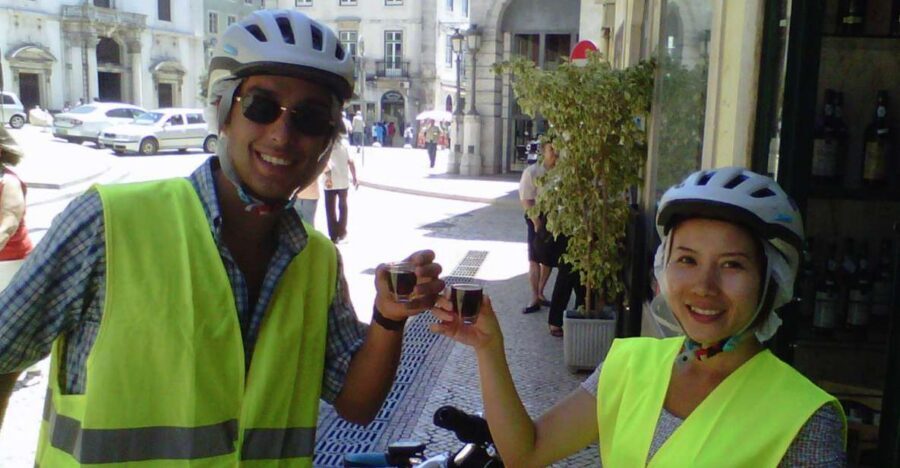
You’ll also sample ginginha de Óbidos, the sour cherry liqueur. That pairing—savory pastry plus a distinctly Portuguese drink—works because ginginha has a tangy edge. It cuts through the richness and gives your palate a new track instead of repeating the same flavors.
Bifana and the handheld food culture stop at Sr. Afonso
Another included savory highlight is bifana at Sr. Afonso. Bifana is Portugal’s beloved pork sandwich, usually served as an everyday quick meal rather than a fancy plated dish.
On a food tour, this stop is valuable because it shows you a different side of Portuguese eating. You’re not only tasting pastries and spoonable foods; you’re learning how Portuguese comfort food can be fast, handheld, and built for regular life.
This also makes the tour feel more practical. Once you’ve tasted bifana on the route, you’ll know what to look for later when you’re on your own, even if you don’t remember every other detail.
Graça Viewpoint and empada de galinha: when you snack with a view
At the Graça Viewpoint, you’ll have empada de galinha (chicken pastry). This stop adds two things at once: another scenic moment and another specific Portuguese snack type.
Empadas are the kind of food that clicks once you try them. The pastry holds onto the filling, so it’s satisfying and portable—perfect for a bike tour. And Graça itself is the kind of area where you naturally slow down, look around, and take in the angles of Lisbon.
For food lovers, this is one of those stops where the tasting feels like an actual local experience, not just a bite on the way.
Mouraria in Dona Tina: sardines or soup, plus the realism of a true meal
The final part of the included food list points to Mouraria in Dona Tina, where you’ll have sardines or soup. This is a smart inclusion because it shifts from “snack foods” toward more meal-like flavors.
Sardines connect to Portugal’s coastal identity. If you’re offered soup instead, that still fits the Portuguese comfort-food vibe—warm, filling, and straightforward. Either way, this is the sort of closing stop that leaves you feeling like you got actual nourishment, not just sweets and tiny bites.
Remember the key promise: it’s a meal. Every stop involves eating, so you typically won’t need lunch afterward. That’s a big deal when you’re budgeting your day and want to avoid the afternoon scramble for food.
The drinks plan: beer, white wine, red wine, and ginjinha
The drinks included are part of the tour’s structure, not just an add-on. You’ll have one beer, white wine, red wine, ginjinha liqueur, plus water.
That variety matters because Portuguese food often comes with a drink pairing approach—sometimes casual, sometimes traditional. Having both wine types and beer means you can sample what feels right with each food, rather than being locked into one beverage for the whole tour.
Also, if you’re a first-timer in Portugal, ginjinha is one of those must-try flavors. The sour cherry profile is very specific, and tasting it on this route helps you understand why it fits into the local drinking culture.
History you can track: what the guide is likely doing with the route
The guides on this tour, including Diogo and Ricardo, focus on how Portuguese food and drink became what it is today, while you move through the city. That’s a better format than a museum lecture, because you can tie stories to what you’re actually eating and seeing.
You’ll likely hear explanations about how these dishes relate to daily life and regional habits—why certain pastries became staples, why codfish is so common, and how liqueurs like ginjinha fit into the broader food and drink story.
I like this approach because it gives you context without turning the ride into homework. You’re not memorizing facts; you’re building mental hooks you can reuse later when you read menus or choose what to eat on your own.
E-bike route tips: hills, stops, and how to enjoy it more
Even with an e-bike, Lisbon still asks for attention. Turns happen quickly. Side streets can be narrow. So wear shoes you’re comfortable walking in for short distances around each tasting stop.
Also, eat with the schedule in mind. This tour is a loop of bites and sips spaced across the 4 hours. If you’ve been skipping breakfast to save your appetite, you’ll probably feel great. If you’ve already eaten a big meal, consider going light earlier so the second half doesn’t feel like overload.
One more practical note: if you’re planning around special weekends, be flexible. The experience is designed around specific stops and specific tastings, but restaurant hours and availability can shift. That doesn’t mean the tour stops happening—it means the amount of food you get at the listed places can change if some are closed.
Price and value at $76 per person
$76 might sound like a splurge until you look at what’s actually included. You’re getting ten tastings total (five food and five drink) plus coffee, multiple named pastry stops, and additional savory foods like codfish pastry, bifana, and empada.
You’re also paying for the e-bike itself and a guide to manage the route and timing. For many people, the biggest value is transportation: the e-bike lets you cover more city without spending your whole day climbing and descending.
If you love food but hate complicated logistics, this is the kind of tour where the cost feels easier to justify. You show up, you eat at multiple local-style spots, and you come away with a clearer sense of what Lisbon does well.
Who this tour is for (and who should think twice)
This tour fits best if you want a food-focused introduction to Lisbon without spending hours in transit on your own. It’s also ideal if you’re curious about Portuguese snacks and drinks, including how sweets like pastel de nata and savory items like codfish pastry sit side by side.
It can be a good choice for families too, since the e-bike helps keep energy manageable—just be aware that on busier holiday weekends, food availability might vary by stop. And because it’s a meal, it’s less ideal if you prefer a lighter tasting plan or if you hate drinking wine or liqueurs during tours.
If you’re someone who only wants one or two bites and prefers longer time sitting in cafes, you might feel the pace is a bit much. But if you like moving, munching, and seeing more of the city in a short window, it’s a strong match.
Should you book this Lisbon Go Taste Electric Bike Tour?
I’d book it if you want Lisbon in a practical format: e-bike views, multiple named food stops, and a day where you don’t have to hunt for lunch. The combination of pastel de nata, codfish pastry, bifana, empada, and drinks like wine and ginjinha is exactly the kind of spread that helps you understand Portuguese flavor fast.
I’d hesitate if you’re traveling during a period when restaurants often close or hours get unpredictable, because the actual tastings you receive depend on what’s available at each stop. In that case, pick a time with more normal opening patterns if you can, and arrive at the meeting area near Santa Apolónia + the Fado Museum so you’re not chasing the guide.
If you’re excited by a food-and-ride mix, this one is a fun way to get Lisbon’s taste and terrain in the same afternoon.
FAQ
How long is the Lisbon Go Taste Electric Bike Tour?
The tour lasts 4 hours.
What is the meeting point for the tour?
You meet near Santa Apolónia Metro Station and the Fado Museum.
How much does the tour cost?
It costs $76 per person.
Is food included, or do I need lunch afterward?
Food is included throughout the tour. It’s a meal format, and you won’t need to have lunch afterward.
What drinks are included?
The tour includes one beer, white wine, red wine, ginjinha liqueur, and water.
Is the guide language English?
Yes, the live tour guide speaks English.