REVIEW · LISBON
Lisbon: Jewish History Private Tour
Book on GetYourGuide →Operated by Essência da Latitude Turismo Lda · Bookable on GetYourGuide
Lisbon’s Jewish story has a new route. This private tour pairs big city views from Miradouro da Senhora do Monte with a guided walk through key areas where Lisbon’s Jewish past still shows up in streets, walls, and sites.
I especially like how it links neighborhood-level details in Alfama to heavier moments like the Inquisition-era memorial at Rossio.
One thing to plan around: some museum stops depend on the day you go—Carmo Archaeological Museum can’t be visited on Sundays, and the Money Museum is closed on Mondays and Tuesdays.
In This Review
- Key highlights you’ll feel fast
- First Look From Miradouro da Senhora do Monte
- Alfama’s Narrow Streets and the Shadow of Small Jerusalem
- Baixa and Commerce Square: Lisbon’s Crossroads After the Upheavals
- The Money Museum: A Medieval Wall With 1000 Years of Secrets
- Rossio Square and the 1506 Jewish Massacre Memorial
- Chiado’s Influential Families and Carmo’s Archaeology
- Why the Private Format Matters for a 4-Hour Tour
- Price and Value: What $152 Really Covers
- Who This Tour Suits Best (and Who Might Want to Skip It)
- Should You Book This Lisbon Jewish History Private Tour?
- FAQ
- How long is the Lisbon: Jewish History Private Tour?
- What’s included in the price?
- Is food included?
- What museums or sites are part of the tour?
- Are there any closures or day restrictions?
- What languages are the guides?
- How big is the private group?
- Is this tour wheelchair accessible?
- What should I wear or bring?
- Can children join the tour?
Key highlights you’ll feel fast
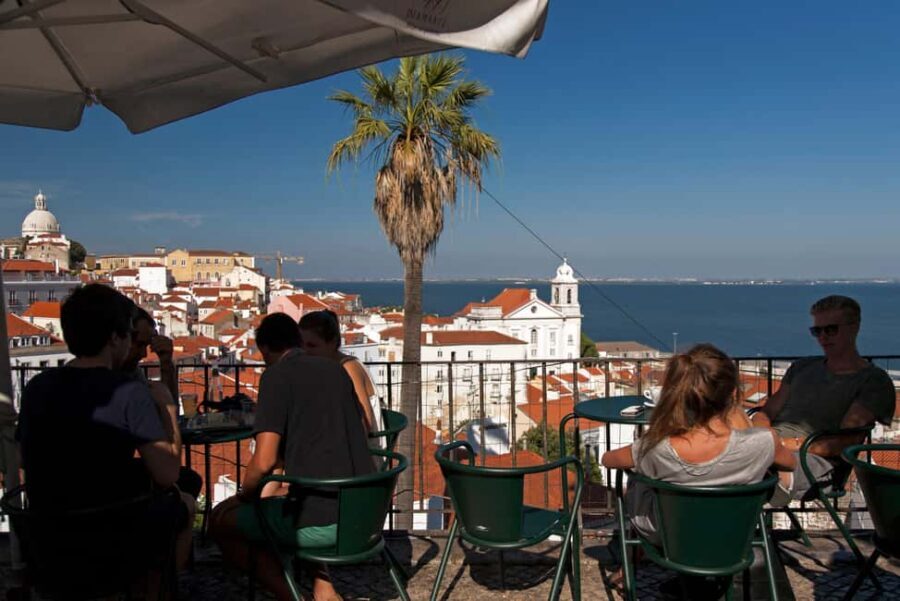
- Miradouro da Senhora do Monte gives you an instant sense of Lisbon’s layout before the historical walking starts
- Alfama shows where the Jewish presence lingered, including the story behind Small Jerusalem
- The Money Museum focuses on a medieval wall and its long line of secrets
- Rossio Square confronts the Portuguese Inquisition era with a major memorial site
- Carmo Convent and Museum bring you face-to-face with older Jewish archaeological finds from the 14th–15th centuries
- A small private group (max 8) keeps the pace calm and questions welcome
First Look From Miradouro da Senhora do Monte
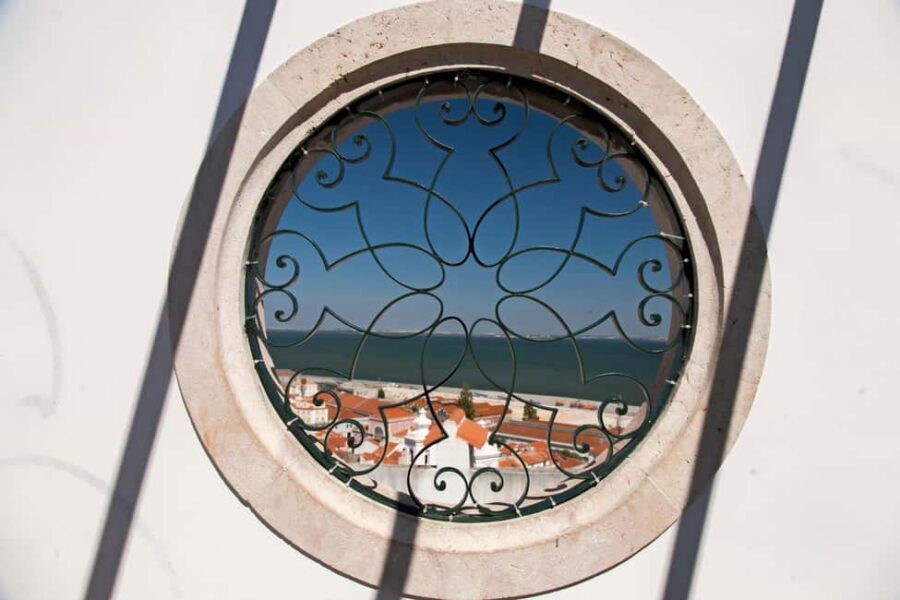
Your tour begins with pickup in central Lisbon, then you’re headed up to one of the city’s highest viewpoints: Miradouro da Senhora do Monte. This first stop is short—about 20 minutes—but it’s a smart move. Lisbon’s hills can make history feel scattered if you don’t start with context, and the view helps you get your bearings fast.
From up here, you can see the old neighborhoods and the way the city layers over itself. That matters because the rest of the tour isn’t about collecting random landmarks. It’s about seeing how Lisbon changed over centuries, and how Jewish communities fit into that evolving city.
If you’re the type who likes understanding geography before facts, this opening will click. If you’re prone to rushing, slow down here. Two different people can walk the same streets later and feel totally different things—this viewpoint is what tunes your attention.
You can also read our reviews of more private tours in Lisbon
Alfama’s Narrow Streets and the Shadow of Small Jerusalem
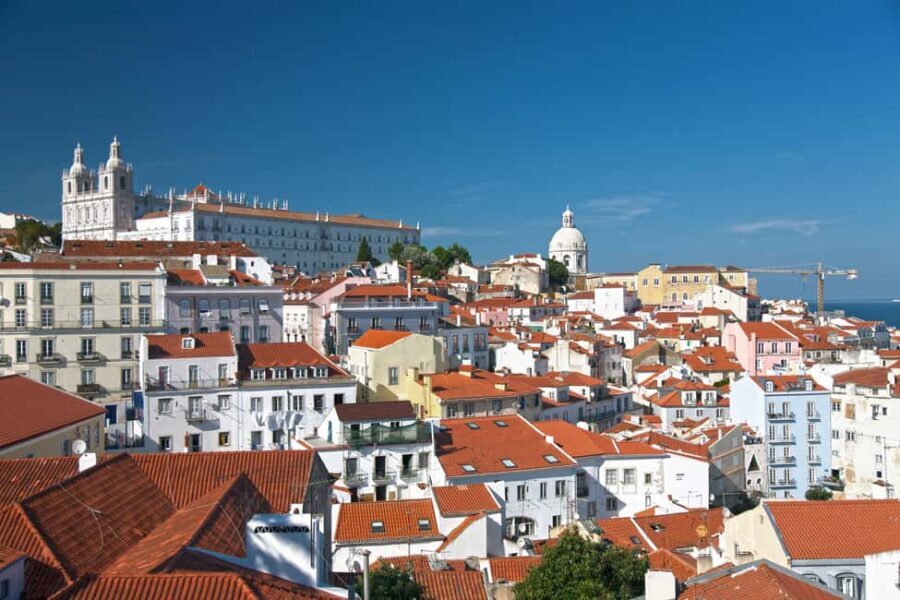
After the view, the tour moves into Alfama, Lisbon’s second-oldest district in Europe. Expect a 45-minute guided walk through tight streets and older buildings—exactly the kind of urban texture where history stops feeling like a chapter in a book and starts feeling like a place.
This is where you’ll learn about the physical traces of Jewish presence that still linger in the area. The tour frames Alfama as more than a scenic maze. It’s a living outline of where Jewish life existed and how it was shaped by major events.
A key story here is Small Jerusalem, described as the largest Jewish quarter in Europe before it was devastated by the 1755 earthquake. The earthquake is treated as a turning point, not just a date—so when you move through Alfama, you’re also following the idea of what was lost and what survived. Even when the damage is long past, you can still track the long-term impact through remaining remnants and street patterns.
Practical note: wear comfortable shoes. Alfama is the kind of place where “short stroll” can still mean plenty of steps and uneven ground.
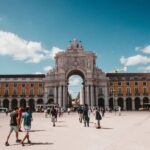
Baixa and Commerce Square: Lisbon’s Crossroads After the Upheavals
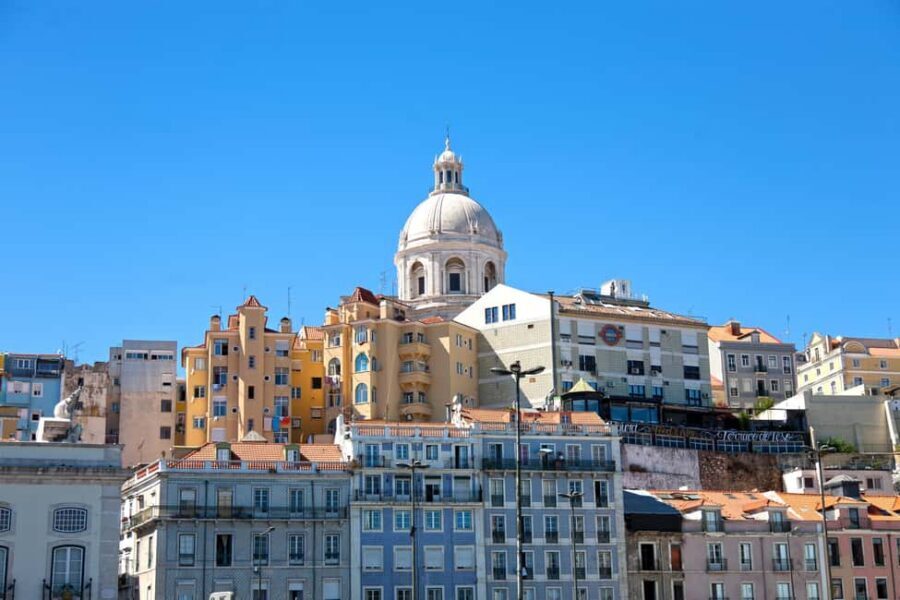
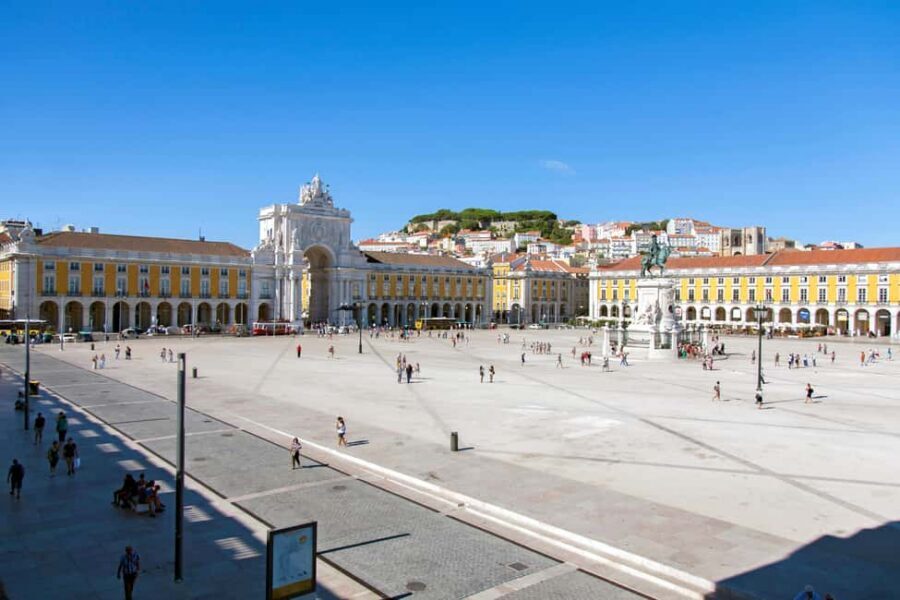
Next comes Baixa de Lisboa (about 45 minutes), followed by Commerce Square for a quick guided stop (around 10 minutes). This portion shifts you from narrow old lanes to wider public spaces—helpful for understanding how Lisbon reorganized itself over time.
Baixa tends to feel more structured than Alfama, and that difference is part of the point. It helps you see how the city evolved—how newer layouts and monumental areas coexisted beside older neighborhoods with deep roots.
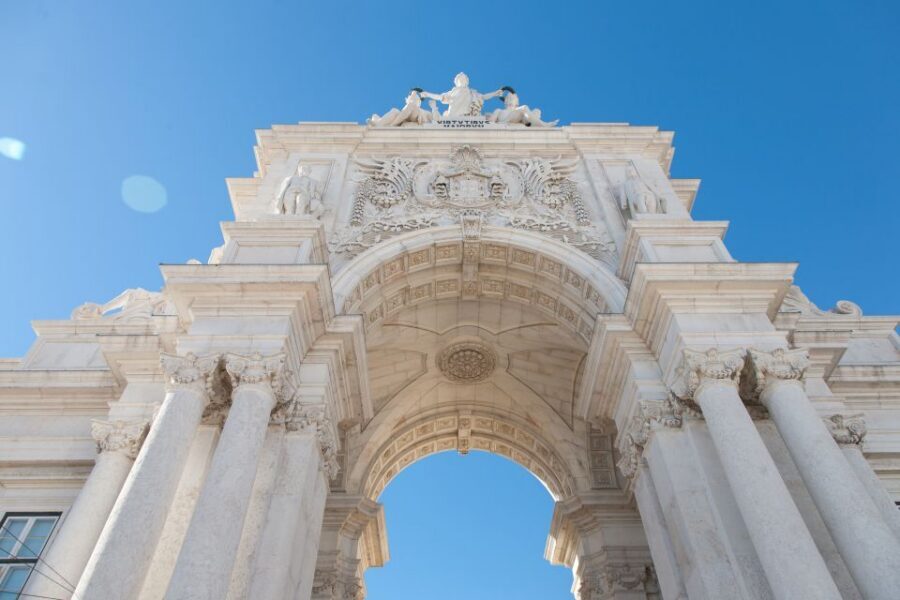
Commerce Square adds a strong sense of scale. You’re not only looking at buildings; you’re stepping into a part of Lisbon that reflects the city’s changing identity. For Jewish Lisbon history, that matters because community life wasn’t isolated. It interacted with the broader world—politics, power, and public life included.
If you’re hoping for a tour that connects “where” to “why,” this segment does that work. You’ll likely find it easier to follow the story once you’ve seen both the tight streets and the open plazas.
The Money Museum: A Medieval Wall With 1000 Years of Secrets
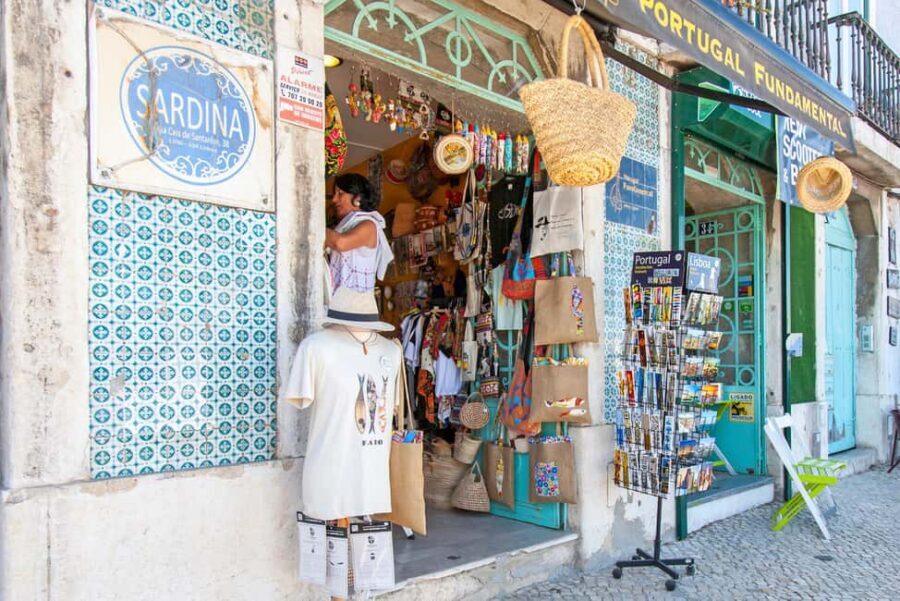
One of the tour’s most memorable stops is the Money Museum, with about 20 minutes guided. This is where you get the tangible side of history: a medieval wall said to hold 1000 years of secrets.
That phrasing matters. The point isn’t only that the museum has artifacts. It’s that the building itself carries time. You’re being guided to look at a physical remnant and treat it like evidence—something that can anchor a story you’ve already heard.
Also, this stop has a day-of-week reality check. The Money Museum is closed on Mondays and Tuesdays. If your trip lands on those days, the tour can still be great, but your timing may shift around other stops. This is one reason I like booking with flexibility, especially when a short 4-hour tour has fixed museum windows.
Rossio Square and the 1506 Jewish Massacre Memorial
Rossio Square is where the tour steps into the darker chapters—Portuguese Inquisition history and the events that led to the establishment of a Jewish memorial in this area. You’ll spend around 20 minutes here with guided context.
This isn’t a stop meant for casual sightseeing. It’s about learning how persecution showed up in public life and how communities left lasting markers of suffering and memory. The Jewish memorial at Rossio is treated as one of the most significant sites in Portuguese Jewish history, so you’ll likely feel the weight of it in a quiet, respectful way.
If you prefer history that explains cause and consequence, this portion delivers. You’re given the operations of the Inquisition and the chain of events that followed, rather than only hearing names and dates.
And if you’re sensitive to heavy subject matter, plan to slow your pace after this stop. You’re moving from outdoor, everyday spaces into memory and trauma. That’s normal, and it helps to give yourself a minute to absorb before you keep walking.
You can also read our reviews of more historical tours in Lisbon




Chiado’s Influential Families and Carmo’s Archaeology
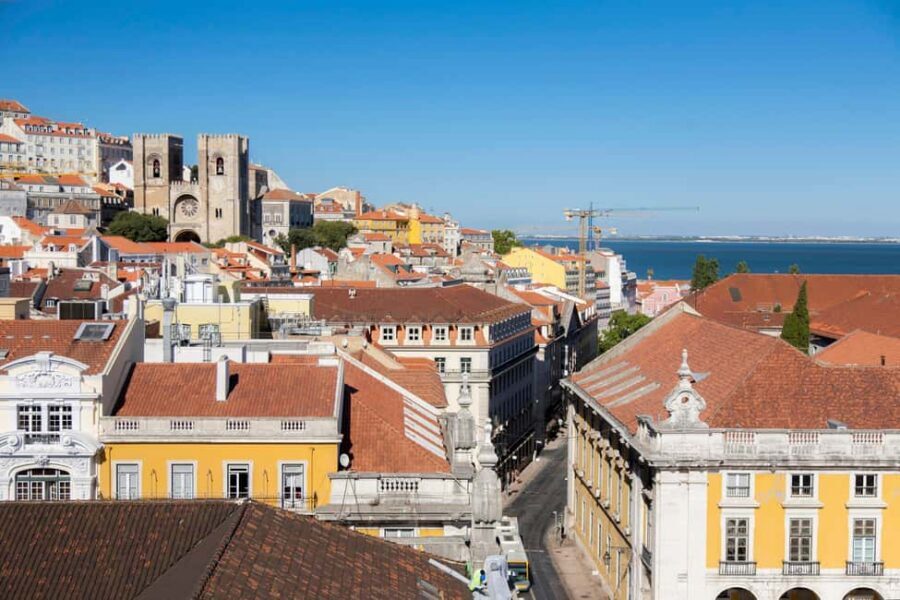
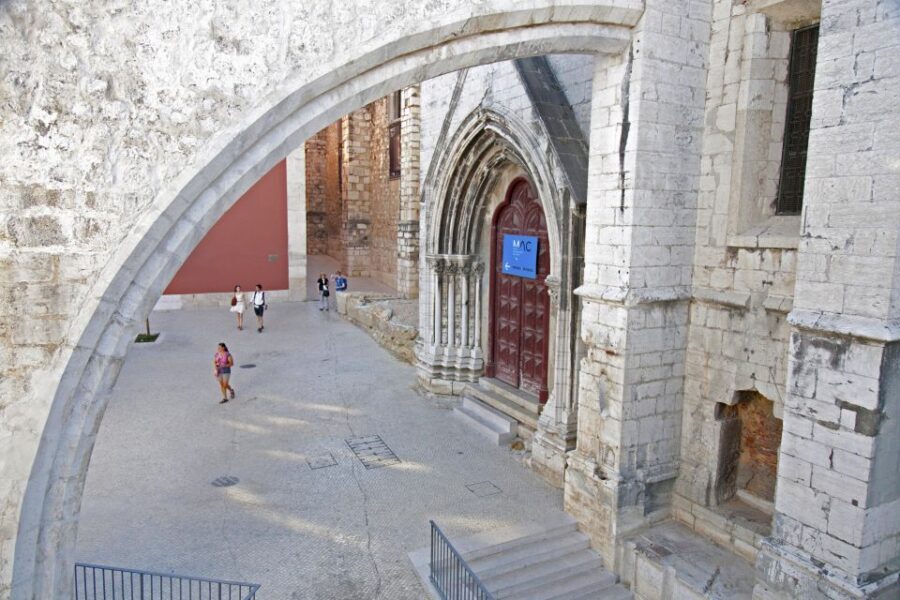
After Rossio, the tour turns to Chiado (about 15 minutes) and then to Largo do Carmo Square (around 30 minutes), finishing at the Carmo Convent area for a longer visit of about 45 minutes at the Carmo Convent and Museum complex.
Chiado is described as a district where historical and modern elements mix, which makes it a good stage for family stories—especially the most influential Jewish families of the Portuguese Kingdom. Even in a short time window, you’ll be guided toward names and social roles, which helps you understand that Jewish life wasn’t only confined to quarters. It also connected to broader political and cultural forces.
Then you reach Carmo Convent and the Carmo Museum, where you’ll see Jewish archaeological finds dated to the 14th–15th centuries. This portion is one of the strongest “see-it” moments of the entire tour because it turns abstract history into objects and evidence.
One more layer here: the tour touches on Crypto Judaism—Jews practicing their faith in secret for centuries—and Lisbon’s role during World War II as a sanctuary for European Jews. Those themes may sound broad, but they’re tied back to the sites you’re standing in. You’re not only hearing “there was hardship.” You’re seeing how survival showed up in identity, secrecy, and refuge.
A scheduling warning: Carmo Archaeological Museum cannot be visited on Sundays. If your trip includes Sunday, your best move is to double-check which stops are available so you don’t feel like something important got cut.
Why the Private Format Matters for a 4-Hour Tour
The tour is private, with hotel pickup and drop-off in central Lisbon, plus transportation by air-conditioned vehicle. It lasts about 4 hours, and the maximum group size is 8. That combo is a big part of the value.
In this kind of history tour, you don’t just want facts. You want pacing that matches your questions and your comfort level. A smaller group makes it easier to ask for clarification—especially when the story spans Renaissance identity, Inquisition-era violence, and later refuge during World War II.
A detail I appreciate: the guide options include Spanish, English, and Portuguese, and water is included. That sounds small, but for a short walking-heavy day, it keeps the experience comfortable.
Also, the guide quality seems to be a consistent highlight. Names that come up again and again include Vasco, Diogo, and Daniel. People emphasize that these guides keep the tour interesting and organized, and that the explanations feel personal rather than like a script. One theme I’d call out is how much effort some guides put into understanding Portuguese Jewry, even when they’re not Jewish themselves—so you’re likely to get respect, not just surface-level commentary.
Price and Value: What $152 Really Covers
At $152 per person for a 4-hour private experience, you’re paying for more than a walking tour. Here’s what the price includes: entrance fees, hotel pickup and drop-off in central Lisbon, and air-conditioned transportation, plus water.
You’re also getting a guide who works through multiple neighborhoods and museum-style stops rather than only pointing and saying, “This is where it happened.” For many people, that’s where the value sits: the guide turns Lisbon into a map of meaning.
Food and drinks are not included. That’s normal for a half-day, but it means you’ll want to plan a meal before or after. If you’re tempted to snack during the tour, remember food isn’t allowed in the vehicle, so keep that in mind if you’re someone who relies on constant grazing.
The bottom line: if you want a focused route through Lisbon’s Jewish sites with transport and paid entries handled, this price feels reasonable for the structure you’re getting.
Who This Tour Suits Best (and Who Might Want to Skip It)
This is a strong fit if you want Lisbon from a different angle—one that ties together neighborhood streets, major memorials, and archaeological finds. It’s also ideal if you like history that explains identity: the Renaissance-era intellectual and spiritual dimensions, the realities of secrecy with Crypto Judaism, and Lisbon’s later role as a refuge during World War II.
It may be less suitable if you:
- need wheelchair access, since the tour is not suitable for wheelchair users
- dislike heavier historical topics like Inquisition-era violence and massacre memory
- prefer long museum time. The tour includes museum visits, but you’re still working within a 4-hour schedule
For most people, the walking is manageable with good shoes, but Alfama and the convent area do require comfortable footwear and attention to steps.
Should You Book This Lisbon Jewish History Private Tour?
If your idea of a good trip is not only seeing Lisbon, but understanding how Lisbon became Lisbon, this tour is a smart booking. You get a tight route with viewpoint orientation, street-level context in Alfama, a museum stop built around a medieval wall with 1000 years of secrets, and an anchored memorial stop at Rossio.
I’d book it if you’re traveling with a small group (or just want privacy) and you care about guidance through complex history, not just photos. The biggest practical reason to book is that the tour stitches together moments across time while still showing you where the story lives in the city.
FAQ
FAQ
How long is the Lisbon: Jewish History Private Tour?
It runs for about 4 hours.
What’s included in the price?
The tour includes a private guide/driver, hotel pickup and drop-off in central Lisbon, air-conditioned transportation, water, entrance fees, and a private group format.
Is food included?
No. Food and drinks are not included.
What museums or sites are part of the tour?
Stops include the Money Museum and the Carmo Convent/Carmo Museum area, plus guided time at Rossio Square and the 1506 Jewish Massacre Memorial and visits in areas like Alfama and Chiado.
Are there any closures or day restrictions?
Yes. Carmo Archaeological Museum cannot be visited on Sundays, and the Money Museum is closed on Mondays and Tuesdays.
What languages are the guides?
The live guide offers Spanish, English, and Portuguese.
How big is the private group?
The maximum is 8 participants per tour.
Is this tour wheelchair accessible?
No, it is not suitable for wheelchair users.
What should I wear or bring?
Bring comfortable shoes, since the tour includes walking in older parts of the city.
Can children join the tour?
Children must be accompanied by an adult. Infant seats are available on request, if advised at the time of booking.