REVIEW · LISBON
Lisbon: Jewish History Tour of Lisbon
Book on GetYourGuide →Operated by Lisbon Walker · Bookable on GetYourGuide
Lisbon’s Jewish story is written into streets you can still walk today. This 3-hour, guided walk links the medieval Jewish experience to later forced conversions, and then carries you into the 1940s, when Lisbon became a passage point for Jewish refugees. You’ll cover several key areas on foot, so you start seeing patterns instead of just collecting facts.
I love two things most: the way the tour uses clear, human-scale storytelling to explain big historical moments, and the focus on neighborhoods like Alfama and the Baixa, where you can follow how Jewish life shifted and was controlled.
The main drawback to plan for is that physical remnants from medieval Jewish Lisbon are limited. You’ll get strong context and street-level clues, but if you’re hoping for many surviving synagogues or artifacts, you may leave wanting more stone-and-metal evidence.
In This Review
- Key points before you go
- Starting at Praça do Comércio: where the Exodus thread begins
- Rua do Comércio, Praça do Município, and Casa dos Bicos: seeing Lisbon’s layers in motion
- Baixa district and forced conversions: following control through the streets
- Alfama’s Jewish quarter and medieval segregation: how neighborhood design tells a story
- Rossio and the 1506 Pessah massacre: tragedy in a central square
- Resistance Museum and Mouraria: Lisbon’s 1940s refugee passages and a wider diaspora
- How the guides turn limited artifacts into a clear, engaging story
- Price and value for $106 per person on a private 3-hour walk
- Practical tips for the walk: shoes, pace, and how to tailor it
- Should you book the Lisbon Jewish History Tour?
- FAQ
- How long is the Lisbon Jewish History Tour?
- Where do I meet the guide?
- What areas of Lisbon are covered?
- Is food and drinks included?
- What languages are the tours offered in?
- What should I bring?
- Can I get a full refund if I cancel?
Key points before you go
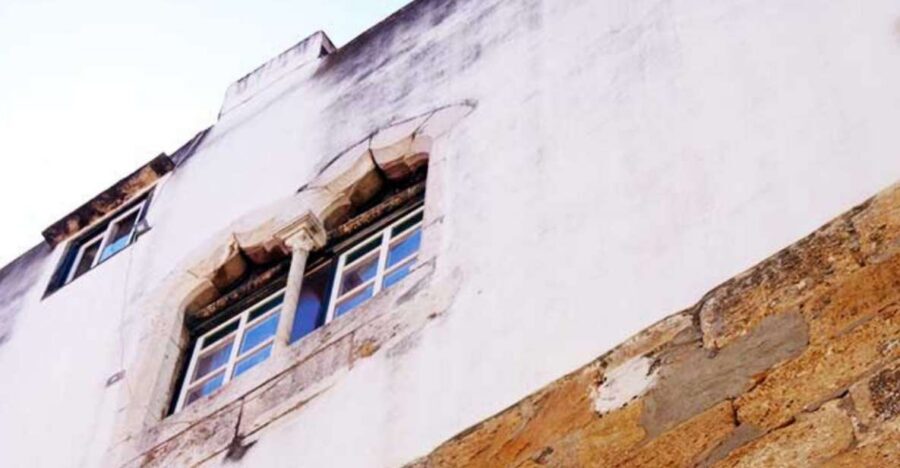
- Oral history meets real neighborhoods: you’ll understand the setting even when little remains.
- Start at Praça do Comércio and trace major Jewish references through the old city core.
- Alfama’s medieval segregation is a centerpiece, with explanations tied to how Lisbon was organized.
- Baixa’s forced conversions get attention in the streets where it would have played out.
- Rossio’s 1506 Pessah massacre ties tragedy to a public, central square.
- 1940s Jewish refugee passage and the Resistance Museum connect past persecution to wartime escape routes.
Starting at Praça do Comércio: where the Exodus thread begins
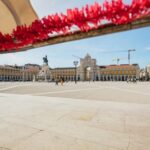
Most Lisbon walks start at a convenient place. This one starts at a meaningful place: Praça do Comércio, the grand square by the river. The guide meets you under the big triumph arch, and it’s easy to spot them—look for an orange backpack or a Totebag with the Lisbon Walker logo.
What I like about this opening is that it helps you orient fast. Praça do Comércio is big, bright, and unmistakably Lisbon. From there, the tour frames the Jewish presence not as a random topic, but as something braided into Lisbon’s identity. You’ll also hear how the tour connects key references to the Exodus, and why that matters for understanding later Jewish life, migration, and persecution across Europe.
Then you move into the old downtown rhythm: streets that were meant for commerce, movement, and control. The early segment sets the tone—less museum-tour mode, more walking-with-a-story mode. If you enjoy history that explains why buildings and districts look the way they do, this start works.
You can also read our reviews of more historical tours in Lisbon


Rua do Comércio, Praça do Município, and Casa dos Bicos: seeing Lisbon’s layers in motion
From Praça do Comércio, you’ll pass landmarks near Praça do Município and head along Rua do Comércio. This stretch matters because it shows how Lisbon’s center functioned—dense, public, and constantly in use. It’s a helpful reminder that Jewish life in Lisbon wasn’t confined to back alleys; it existed alongside the city’s official life, commerce, and power structures.
You’ll also stop or pass by Casa dos Bicos. It’s one of those façades you can’t ignore, with its distinctive look. The value here isn’t that it’s a Jewish artifact; it’s that the guide uses sites like this to show how later Lisbon’s urban fabric overlapped older stories. You start noticing how the city reuses space and repurposes meaning.
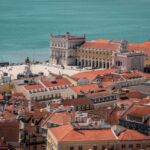
Then comes the Ribeira area, by the river. Even if you’ve seen Lisbon from viewpoints, this is different. The riverfront area helps you visualize travel and movement: why Lisbon could become a doorway, and why it could also become a chokepoint. In other words, you get geography that supports the history—without needing to memorize maps.
Baixa district and forced conversions: following control through the streets
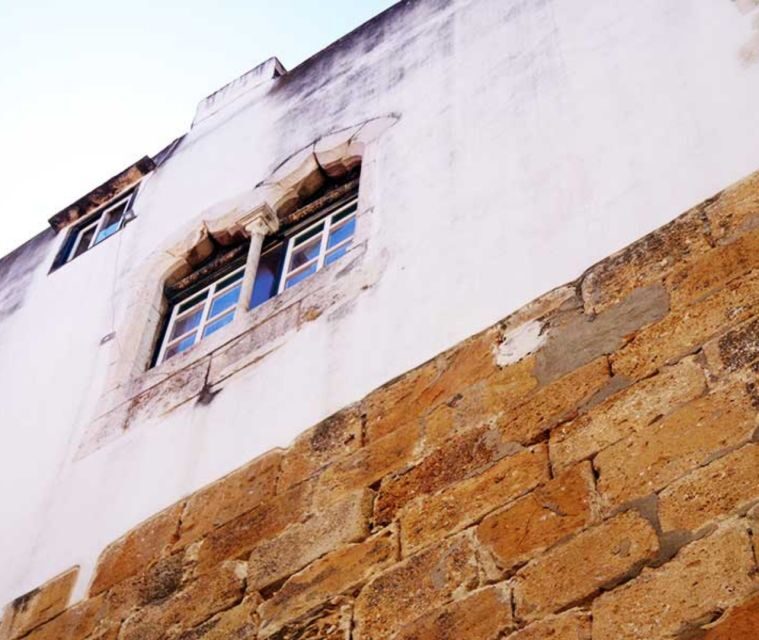
The tour’s Baixa segment is where things turn darker. The guide connects Baixa to the era of forced conversions, and you’ll hear how pressure and coercion reshaped lives in public-facing districts.
Walking these streets is powerful because the Baixa is Lisbon at its most structured: long sightlines, recognizable squares, and buildings that feel intentionally placed. That makes it easier to understand how authority could act at scale—how policies could affect families across an entire neighborhood.
One thing to watch for: the tour leans more on interpretation than on visible “proof” you can point to on a wall. That’s not a flaw; it’s the reality of medieval Lisbon. Multiple guides on this circuit are praised for explaining the context clearly, so you aren’t left guessing. Still, if you like your history strictly anchored to physical remains, temper expectations and focus on how the explanation fits the geography.
Alfama’s Jewish quarter and medieval segregation: how neighborhood design tells a story
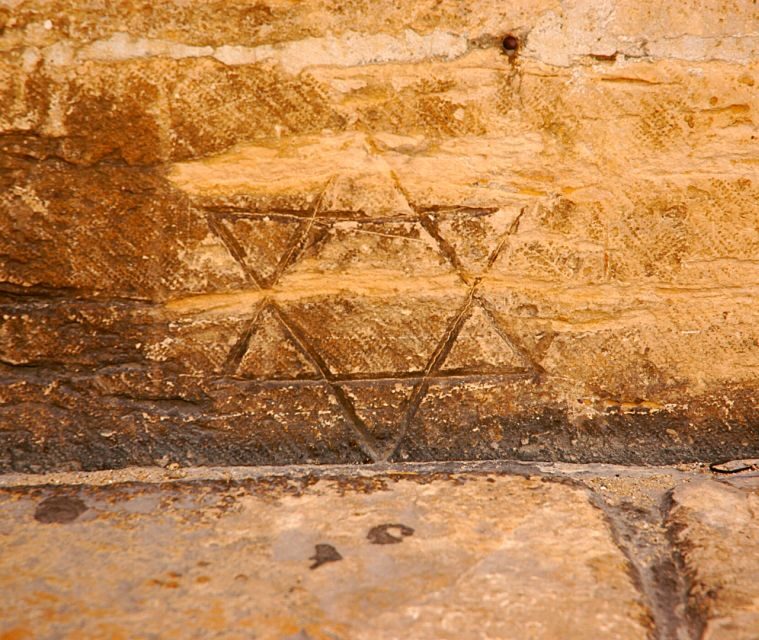
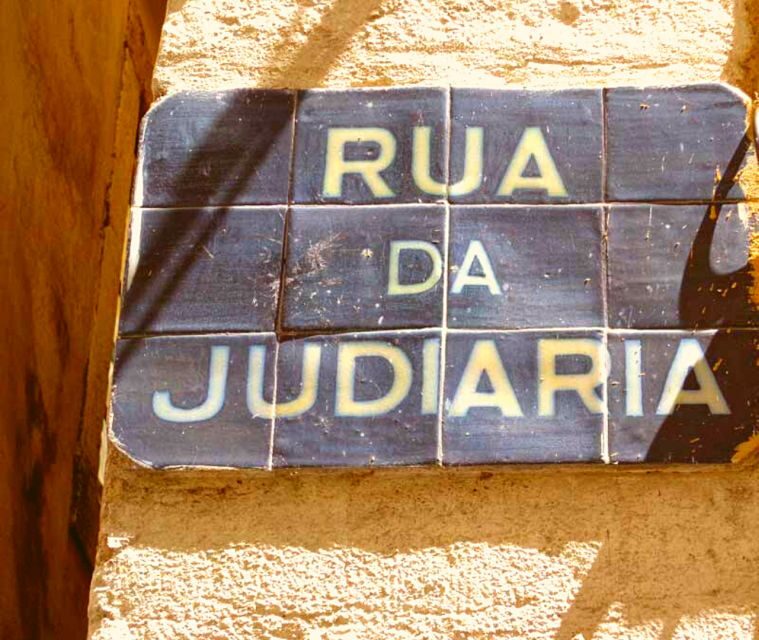
You’ll spend time in Alfama, and the guide treats it like a key chapter. The highlight here is Alfama Jewish quarter and medieval segregation, with explanations tied to how Lisbon’s communities were divided and managed.
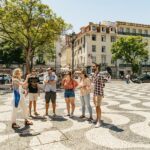
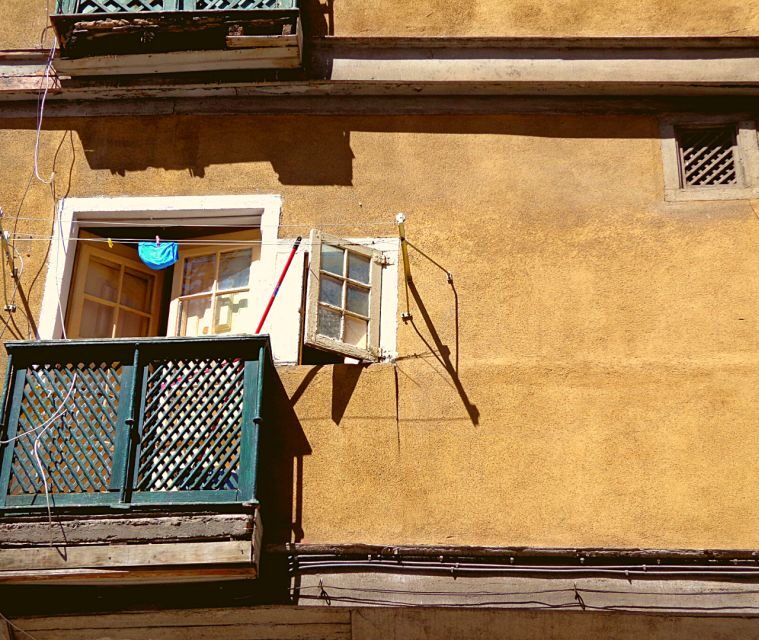
This is where you’ll appreciate the walking pace. Alfama’s streets are narrow and twisty, and that makes it easier for the guide to show how segregation could feel on the ground—not as a theory, but as lived space. You also get practical payoff: you’ll learn where you are in relation to the castle hill area, and you’ll start to see why people clustered where they did.
Another plus is atmosphere. Even when the physical evidence is thin, Alfama gives you the right texture: steep streets, viewpoints, and that sense of a city that keeps its past folded into the present. One reviewer-type theme shows up across many comments—guides do great work explaining despite the lack of surviving Jewish artifacts. That’s exactly what you should come for: strong narration supported by street-level logic.
If you’re traveling with someone who worries the topic will feel dry, this part usually does the opposite. Alfama’s setting helps the story stay human.
Rossio and the 1506 Pessah massacre: tragedy in a central square
Then you reach Rossio, one of Lisbon’s best-known squares. The tour links Rossio to the 1506 Pessah massacre, and this contrast hits hard: a place that looks like everyday city life becomes a stage for a specific historical catastrophe.
The guide’s job here is crucial. In a square this public, you might otherwise miss how quickly public order can turn violent—or how a community’s vulnerability can be exposed in full view. Hearing the specific date and framing helps Rossio stop being just a photo stop.
Rossio also helps you understand Lisbon’s scale. The city’s major squares weren’t small neighborhoods where news drifted slowly; they were hubs. So when violence happened, it wasn’t only local—it was legible to the whole city. The tour makes that point through explanation tied to the square’s role in daily life.


Resistance Museum and Mouraria: Lisbon’s 1940s refugee passages and a wider diaspora
One reason I think this tour stands apart from purely medieval-focused options is that it doesn’t stop at the Inquisition-era turning points. You also cover WWII refugees passage in the 1940s, including stories tied to Lisbon as a route of escape.
You’ll visit or pass Resistance museum and walk through areas like Mouraria and Praça da Figueira along the way. This part helps you connect several dots:
- Persecution didn’t end; it changed form.
- Escape routes mattered as much as safe havens.
- Lisbon’s position made it part of larger movement patterns.
The tour also connects the world diaspora that spread from Lisbon across the Atlantic, toward the Mediterranean area, Asia, and northern Europe. You don’t need to be a scholar to grasp the idea: once a community is forced to move, it changes trade networks, family histories, and cultural connections across continents.
If you want history that feels connected to migration and identity, this section delivers. It also gives you a break from the medieval-heavy mood by showing Lisbon’s modern relevance in a tangible way.
How the guides turn limited artifacts into a clear, engaging story
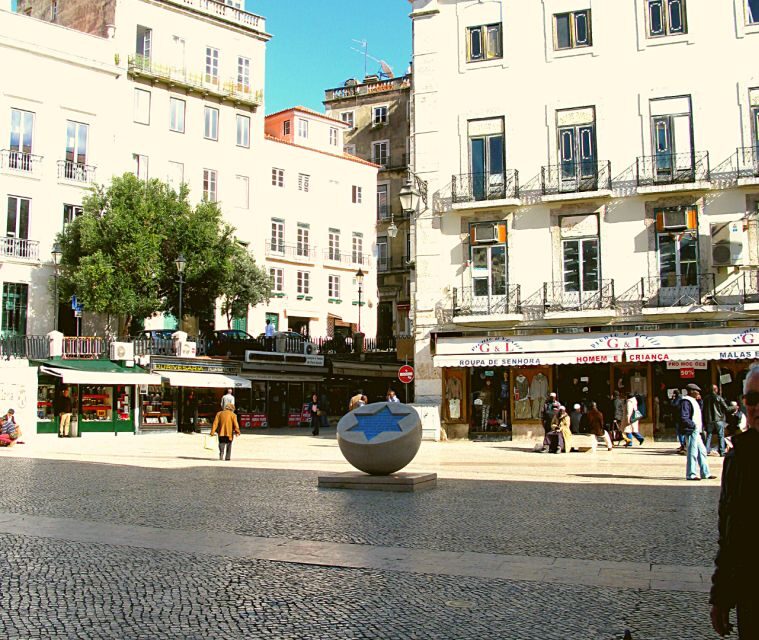
Here’s the big theme you should know before you book: few physical remains survive. That isn’t unique to this tour; it’s the sad math of time, persecution, and urban change.
What saves the experience is the guide. Multiple named guides—Jose (also referenced as Jose Antunes), Filipa, Sofia, Rita, Jorge, and Filippa—come up in guest accounts for being engaging and for answering questions. The repeated praise isn’t about reciting dates. It’s about making connections: how Portuguese culture and community life were shaped by Jewish and New Christian legacies in areas like science and gastronomy.
You’ll feel the difference in the pacing. The tour is built around a walk, not a lecture. And because it’s a private group, you can usually expect the guide to adjust to your questions and interests rather than run on autopilot.
A small practical note: if the guide includes stops like churches or tucked-away Roman remains (it can happen depending on the day and route emphasis), don’t be surprised. Lisbon loves layers, and the tour sometimes uses those layers to reinforce the story.
Price and value for $106 per person on a private 3-hour walk
At $106 per person for a 3-hour guided tour, the value depends on what you want out of your time in Lisbon.
Here’s how I’d frame it:
- You’re paying for a focused narrative and local direction through multiple districts (not for museum entry tickets).
- The experience includes a guide and explanation, plus skip-the-ticket-line handling for whatever requires it on the route.
- It’s a private group, which usually means less waiting and more room for questions.
What’s not included is also important: food and drinks are on you, and there’s no hotel pickup/drop-off. So budget for a meal later and plan to meet at Praça do Comércio on your own.
If you like your history tied to walking routes and want a guide who can connect medieval events to later refugee stories, $106 feels like a fair “time and meaning” cost. If you’d rather read plaques at your own pace, you might spend less—but you’d miss the story thread that makes the neighborhoods click.
Practical tips for the walk: shoes, pace, and how to tailor it
Plan for walking. The tour covers Castle Hill, Alfama, and the Baixa areas, and the city streets can be uneven and steep in spots. The simplest advice is to wear comfortable shoes and expect a real walking day, just not an all-day grind.
Good news: the tour can be tailor made and adapted to different time frames and starting points. That’s helpful if you have mobility concerns or if you want the guide to prioritize, say, the medieval segregation angle over the WWII refugee passage, or the Rossio massacre over Alfama streets.
Also consider this if your group is mixed in interests. The tour name is Jewish history, but it also touches Portuguese culture links and the broader diaspora. That gives everyone a reason to pay attention, even if they’re not there for every medieval detail.
If you’re arriving in Lisbon with limited time, this one-day format is a solid way to get a connected overview without bouncing between unrelated stops.
Should you book the Lisbon Jewish History Tour?
Book it if you want:
- A guided narrative that connects Lisbon’s medieval Jewish experience to later forced conversion realities and into the 1940s refugee routes.
- A walk where the guide helps you understand how districts function, not just where they are.
- Strong Q&A style history from guides like Jose or Filipa (based on what guests highlight about their approach).
Skip it or temper expectations if:
- You’re hoping for lots of surviving Jewish artifacts and structures. The physical remnants are limited, and the tour leans on explanation and context.
- You only want quiet, self-guided sightseeing.
For most people, I think it’s worth booking because it gives you what Lisbon often hides in plain sight: the way one city can hold multiple centuries of identity, restriction, adaptation, and movement—right under your feet.
FAQ
How long is the Lisbon Jewish History Tour?
It’s a 3-hour guided tour within a 1-day experience.
Where do I meet the guide?
Meet at Praça do Comércio, looking for the guide under the big triumph arch. The guide wears an orange backpack or carries a Lisbon Walker logo Totebag.
What areas of Lisbon are covered?
You’ll walk through parts of Castle Hill, Alfama, and the Baixa, with stops and passing points including Praça do Comércio, Praça do Município, Rua do Comércio, Casa dos Bicos, Ribeira, the Resistance Museum, Mouraria, Praça da Figueira, and Rossio.
Is food and drinks included?
No. Food and drinks aren’t included.
What languages are the tours offered in?
The live tour guide works in English and Portuguese.
What should I bring?
Bring comfortable shoes for walking.
Can I get a full refund if I cancel?
Yes. There’s free cancellation up to 24 hours in advance for a full refund.