
REVIEW · LISBON
Lisbon: Portuguese Petiscos Cooking Class
Book on GetYourGuide →Operated by Homecooking Lisbon · Bookable on GetYourGuide
A cooking class in Lisbon can feel like a show. This one feels like the real thing, with hands-on petiscos and a small group that keeps the focus on you. I love how you learn the Portuguese snack mindset as you cook, and I love that the chef coaching is friendly and practical, including a warm instructor named Theresa.
My one watch-out: you’re in the kitchen for a solid 3 hours, so if you want a super relaxed sightseeing morning, this is more work than walking around and sampling from the street.
In This Review
- Key things I’d circle before you book
- Lisbon Petiscos Cooking Class: What the Experience Is Really Like
- Your Meal Plan: Up to 5 Petiscos and the Finger-Food Style
- Arriving at Homecooking Lisbon HUB: The Start That Sets the Tone
- Cooking Step-by-Step in a Small Group (Max 10)
- Drinks, Snacks, and the Portuguese Pairing Logic
- What You’re Learning: Petiscos as Culture, Not Just Recipes
- Value Check: Is $100 for 3 Hours Worth It?
- Who This Class Suits Best (and Who Might Prefer Something Else)
- Practical Tips to Get the Most Out of Your 3-Hour Session
- Should You Book This Lisbon Petiscos Cooking Class?
- FAQ
- Where is the meeting point for this cooking class?
- How long is the Lisbon Portuguese petiscos cooking class?
- How much does it cost?
- Is the class taught in English?
- How many people are in the group?
- How many petiscos will I cook?
- What drinks and food are included?
- Does the class include ingredients and guidance?
- Can children join?
- What’s the cancellation policy?
Key things I’d circle before you book
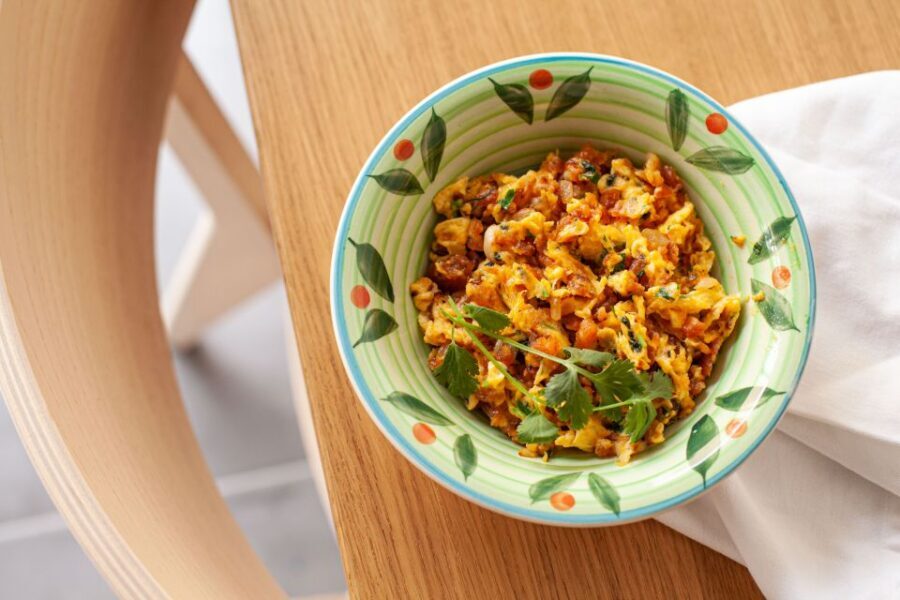
- Hands-on petiscos cooking: you actually make the snacks, not just watch
- Up to 5 dishes: enough variety to learn the patterns of Portuguese flavor
- Chef-led, English instruction: helpful guidance even if you’ve cooked very little
- Portugal drink pairing: wine and beer plus other drinks while you cook and snack
- Small group size (max 10): easier questions, less waiting, more attention
Lisbon Petiscos Cooking Class: What the Experience Is Really Like

Petiscos are Portugal’s snack culture, and this class is built around that idea: you learn by doing. You start in a cozy kitchen environment, with food and drinks to get you in the mood, then you move dish by dish through Portuguese favorites.
The vibe is practical. You get tips you can use later when you’re ordering petiscos in a bar or building your own snack plates at home. And because the group is capped at 10 people, you’re not stuck waiting for someone else’s utensils.
The chef instruction is in English, which matters here. Cooking classes can be frustrating if you’re guessing at what someone means. In this one, you get clear guidance and you can ask questions without feeling lost.
You can also read our reviews of more cooking classes in Lisbon



Your Meal Plan: Up to 5 Petiscos and the Finger-Food Style
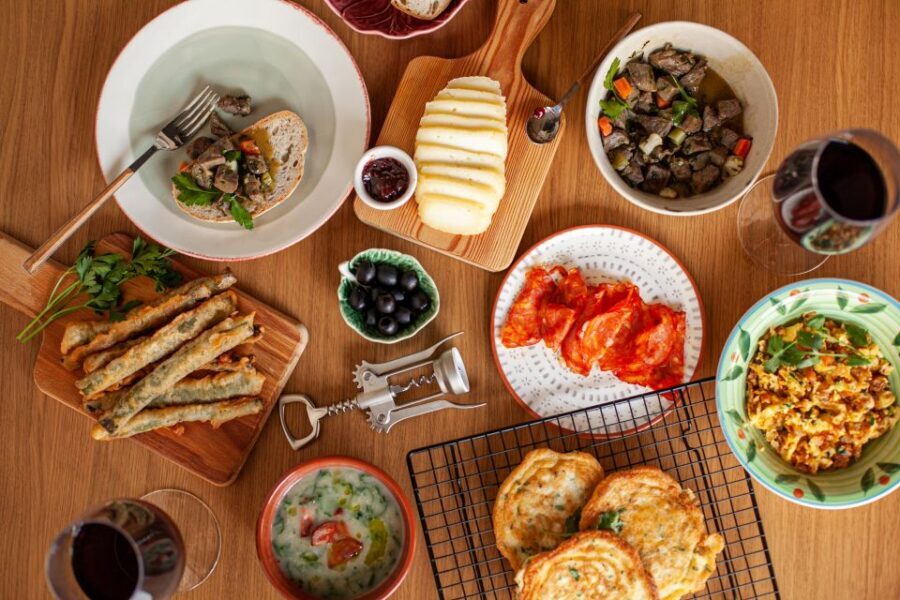
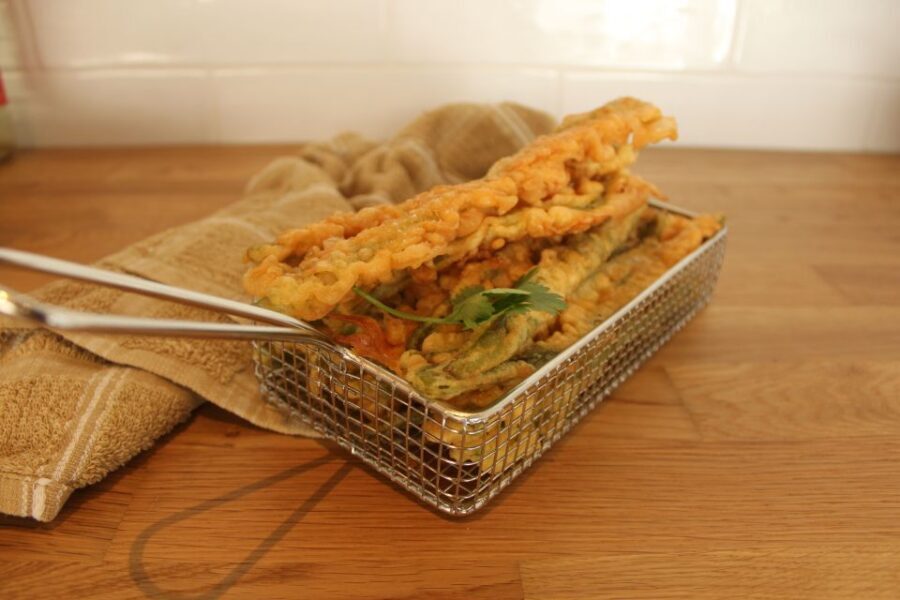
The core of the class is a complete hands-on Portuguese petiscos session. The experience is designed so you cook a traditional feast of up to 5 petiscos step-by-step, with instructor support the whole time.
That “up to” part is important: it means the menu can vary based on the flow of the class and what the chefs decide for that specific session. Still, you should expect a range of Portuguese snack styles, likely mixing different textures and flavors rather than repeating the same thing five times.
Along the way, the class includes plenty of finger food and snack time, so you’re not only cooking. You also get to taste while you work, which is the smart way to learn. Food becomes feedback. If something isn’t right, you usually catch it early—before the plate goes out of sync.
One highlight from a recent booking: the chef Theresa had the group making pastéis de nata after the petiscos. If that’s on your session’s menu, treat it as the perfect follow-up: creamy, eggy, and slightly crisp on top—exactly the kind of finish that makes a cooking class feel complete.
Arriving at Homecooking Lisbon HUB: The Start That Sets the Tone
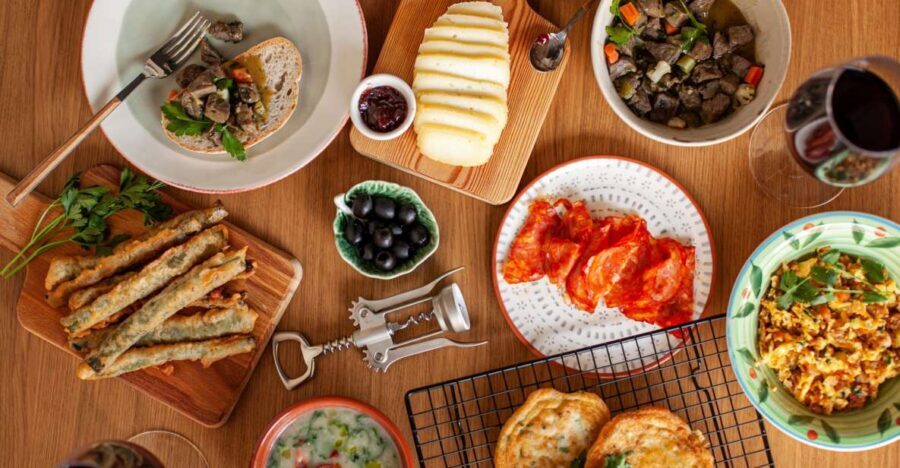
The meeting point is Homecooking Lisbon HUB. When you arrive, you’re not thrown into a chaotic kitchen sprint. You start with appetizers and drinks, then you begin learning the petiscos rhythm.
This matters more than it sounds. When classes begin with food and a drink in hand, you settle in. Your brain stops treating the kitchen like a test, and it starts treating it like a place where you can experiment.
You’ll then move into learning the “secrets and tips” behind the dishes. That phrasing is accurate to how these classes typically work: instead of memorizing steps, you learn what to watch for—texture, seasoning, timing, and how Portuguese cooks think about balancing flavors.
Cooking Step-by-Step in a Small Group (Max 10)
The group is limited to 10 participants, which is a big deal for value and comfort. In a larger group, you can end up standing in the corner while the cooking happens around you. In a small group, the kitchen is still busy, but you’re more likely to be actively involved.
In this format, you should expect a steady pace: cook a section, taste, adjust, move on. The instructors and chefs are described as friendly and helpful, and that’s exactly what you want. Cooking classes go better when the teaching style is calm and clear, especially if you don’t cook at home much.
Theresa’s name came up in a standout review, and the description matched what you want from a teacher: warm, passionate, and able to explain culinary culture—not just recipes. That combination is how you leave with more than a full stomach.
Drinks, Snacks, and the Portuguese Pairing Logic
This class doesn’t treat drinks as an afterthought. You’ll start with Portuguese wines and beer, plus other drinks including homemade juice, coffee, and water. You also get finger food and snacks as part of the session.
The practical lesson here is how Portuguese snack culture pairs with what’s in your glass. You get the idea that petiscos are meant to be social: you sip, nibble, and share plates while conversations stay easy.
If you’ve ever wondered why Portuguese menus often feel more relaxed than some meal-focused traditions, this class helps you connect the dots. The goal is not to rush to a single “main event.” It’s a sequence of smaller bites that make the overall experience feel generous.
You can also read our reviews of more tours and experiences in Lisbon





What You’re Learning: Petiscos as Culture, Not Just Recipes
This is marketed as learning about Portuguese gastronomy and culture, and you can feel the difference when the teaching includes context. The best part isn’t only knowing how to make a dish. It’s knowing why Portuguese cooks treat snacks seriously.
The class focuses on petiscos because they’re a window into everyday Portuguese life: markets, local flavors, and dishes built for sharing. When you understand that, you’ll order more confidently later. You’ll know what to look for, what combinations make sense, and how flavors should behave.
You’ll also pick up tips you can reuse at home: how to judge doneness, how to season, and how to think about plating finger food in a way that feels “Portuguese,” not just generic snack cooking.
Value Check: Is $100 for 3 Hours Worth It?
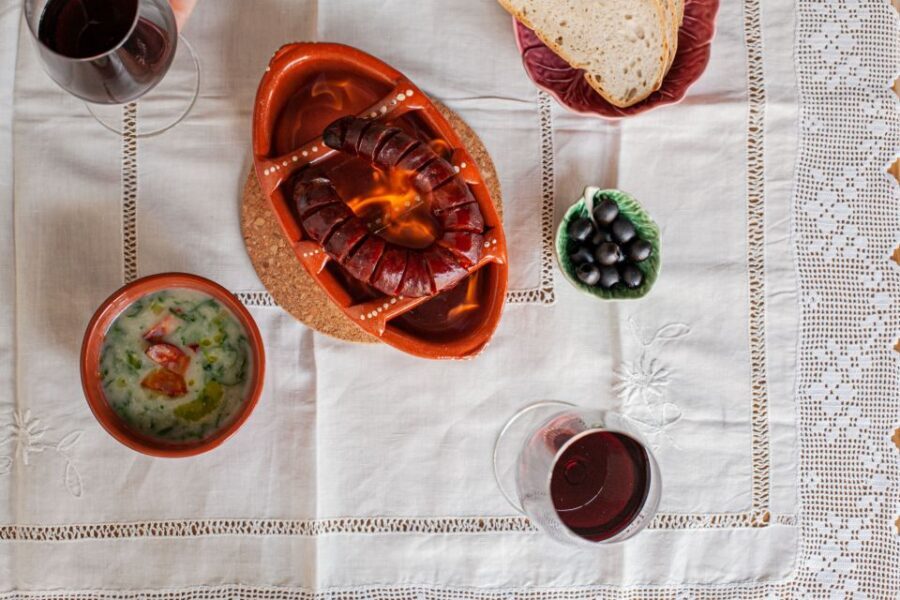
$100 per person for a 3-hour, small-group cooking class can sound steep until you break down what’s included. Here, the price covers much more than instruction.
You get:
- ingredients for the petiscos meals you prepare
- guided cooking from instructors/chefs
- drinks (wine, beer, homemade juice, coffee, and water)
- finger food and snacks during the session
- insurance
So you’re paying for the whole package: time with a chef, a kitchen setup you don’t have to bring equipment for, food you actually eat, plus drinks. If you’ve ever tried to do “a cooking experience” solo at home, you’ll notice how quickly ingredient costs plus tools add up.
Also, you’re not waiting around. The small-group limit helps keep the experience active. For me, that’s the hidden value: you learn faster when you’re not standing by while other people cook.
If you’re the type of traveler who likes experiences tied to daily life—food that locals actually build into their evenings—this is strong value for Lisbon.
Who This Class Suits Best (and Who Might Prefer Something Else)
This works especially well if you:
- love Portuguese food and want more than a quick tasting
- enjoy hands-on learning and don’t mind working in a kitchen
- travel with a partner or friend and like structured activities
- want an English-guided cooking class without feeling lost
It may be less ideal if you:
- want a mostly sightseeing-focused morning (this is hands-on cooking first)
- prefer private or ultra-custom experiences where the menu never changes
- have mobility constraints, since it isn’t suitable for people with mobility impairments
The age note matters too: children under 6 aren’t suitable. So plan for this to be an adult-friendly experience.
Practical Tips to Get the Most Out of Your 3-Hour Session
You’ll cook and then eat what you make, so plan your day accordingly. Don’t stack a heavy lunch plan right before it. Your stomach will already be in petiscos mode.
Come with curiosity, not perfectionism. Cooking classes like this reward attention and willingness to taste. If something feels off, ask. That’s what you’re there for.
And if you see Theresa or another chef explaining the cultural angle, pay attention. That’s the part that turns a recipe into something you can use when you travel and when you eat later in town.
Should You Book This Lisbon Petiscos Cooking Class?
If you want an authentic, hands-on way to understand Portuguese snack culture, I’d book this. The format is built for active learning: you cook up to 5 petiscos, you get drinks and snacks included, and you leave with practical knowledge you can apply right away when you’re eating in Lisbon.
I’d pass only if you’re looking for a low-effort activity or you need a more mobility-friendly experience. Otherwise, this is the kind of class that pays off because it doesn’t just feed you—it teaches you how Portuguese petiscos work.
FAQ
Where is the meeting point for this cooking class?
The meeting point is Homecooking Lisbon HUB.
How long is the Lisbon Portuguese petiscos cooking class?
The class lasts 3 hours.
How much does it cost?
It costs $100 per person.
Is the class taught in English?
Yes, the instruction language is English.
How many people are in the group?
It’s a small group limited to 10 participants.
How many petiscos will I cook?
You’ll cook a traditional feast of up to 5 petiscos’ meals.
What drinks and food are included?
You get drinks including wine, beer, homemade juice, coffee, and water, plus finger food and snacks.
Does the class include ingredients and guidance?
Yes. It includes the ingredients to prepare the meals and guidance from the instructors/chefs.
Can children join?
No. It’s not suitable for children under 6 years.
What’s the cancellation policy?
You can cancel up to 24 hours in advance for a full refund.