REVIEW · LISBON
Lisbon: Portuguese Riding School Trainig with Lusitano Horse
Book on GetYourGuide →Operated by Book N Tour · Bookable on GetYourGuide
Watching horses rehearse feels like time travel. This Lisbon session makes the Portuguese School of Equestrian Art feel practical and human, because you’ll see period-costume riders working up close, then follow how handlers look after the Lusitano horses.
I like that the morning isn’t only showy. You’re there for the behind-the-scenes warm-up and resourcefulness exercises, which helps you understand what the riders are preparing and why.
I also like the emphasis on the horses as athletes, with attention to rhythm and the health and physical needs of each horse. That focus changes how you watch every movement: you’re not just admiring skill, you’re noticing control and preparation.
One thing to keep in mind: it’s a short morning window, so if you love the stable part, you might wish it lasted a bit longer.
In This Review
- Key things you’ll notice right away
- A Lisbon Morning Centered on Equestrian Art, Not Just a Show
- Henrique Calado Riding Ring: See the Handlers Do Their Job
- Period-Costume Warm-Ups and Resourcefulness Exercises
- Learning Horse Rhythm, Health, and Physical Needs
- Training and Rehearsals of Equestrian Art Choreographies
- Nora Patio: The 18th-Century Court Feeling Comes Alive
- Audio Guide: Your On-Your-Feet Explanation Team
- Price and Value: Is $17 Worth Your Time?
- Timing Tips: Aim for 11am to 12:30pm
- What’s Included vs. What You Need to Plan
- Group Experience and What to Expect From the Live Explanation
- Wheelchair-Friendly Access
- Should You Book This Lisbon Riding School Session?
- FAQ
- Where does the training take place?
- How long is the activity?
- What is included in the ticket price?
- What languages are available for the audio guide?
- Do I need to bring headphones?
- Is photography allowed?
- Do I need a smartphone?
- Is the experience wheelchair accessible?
- How do I redeem my ticket at the meeting point?
- What should I wear?
Key things you’ll notice right away
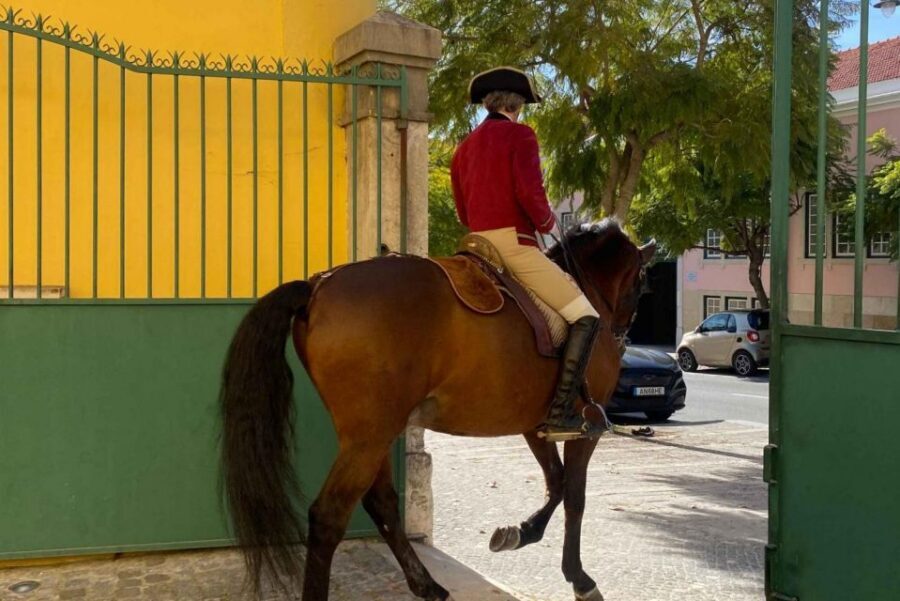
- Warm-up and resourcefulness drills performed in period costume, so you see the work behind the spectacle
- Henrique Calado Riding Ring with handlers caring for the horses, not just riders showing off
- Equestrian Art training and rehearsals with choreographies tied to the gala-style presentation
- Rhythm and horse well-being woven into the session, so you understand the why, not only the what
- Nora Patio’s 18th-century court atmosphere, created through the staging and music
- Audio guide that supports you in English, Portuguese, and French while you watch
A Lisbon Morning Centered on Equestrian Art, Not Just a Show
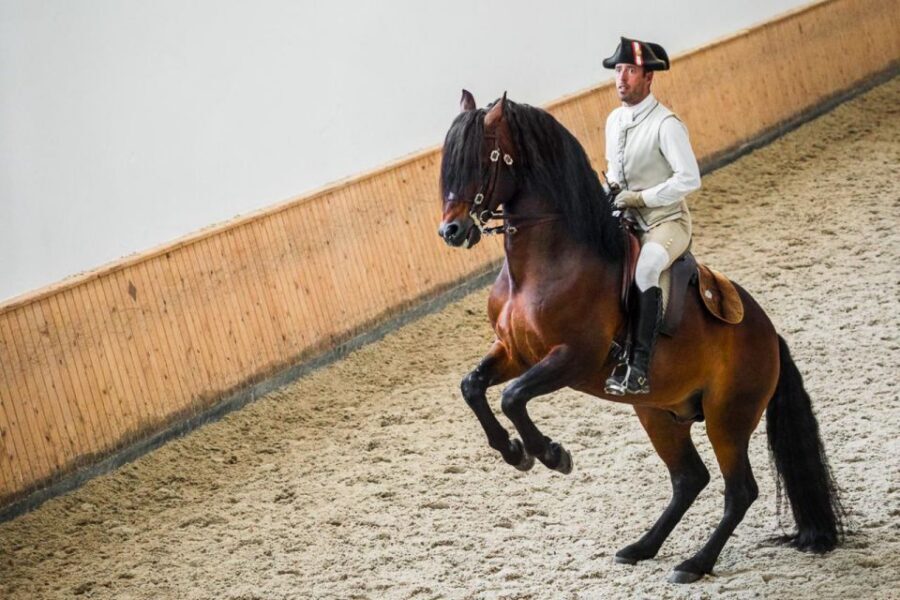
This is the kind of experience that rewards patience. You’re not walking in for a quick performance that starts and ends with applause. Instead, you spend a morning watching how riders prepare, how horses are managed, and how rehearsal becomes choreography.
The setting helps. You’ll move through areas connected to the Portuguese School of Equestrian Art, including Henrique Calado Riding Ring and the Nora Patio. Between them, you get a sense of how training, care, and stage-ready timing all connect.
Plan for about a half-day experience, running 10am to 1pm, with the best time to visit 11am to 12:30pm. That middle slot tends to give you a smoother flow between what you can see in the ring and the court-style moments.
You can also read our reviews of more tours and experiences in Lisbon
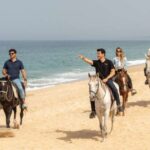
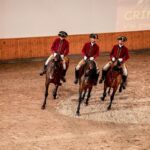
Henrique Calado Riding Ring: See the Handlers Do Their Job
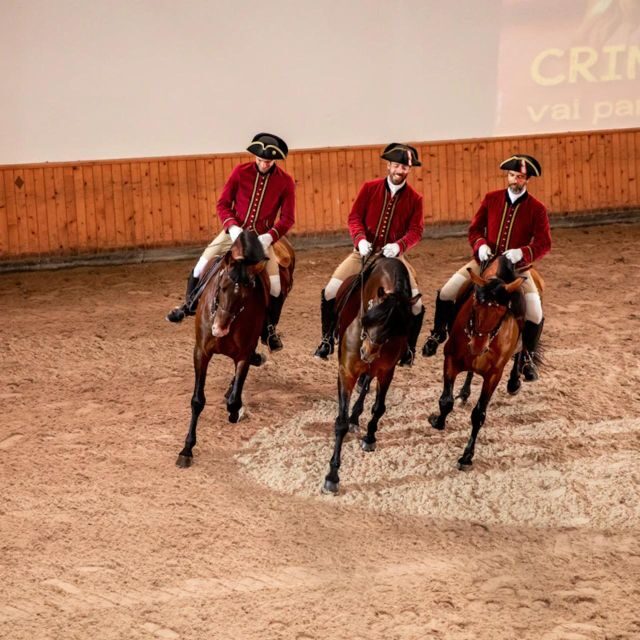
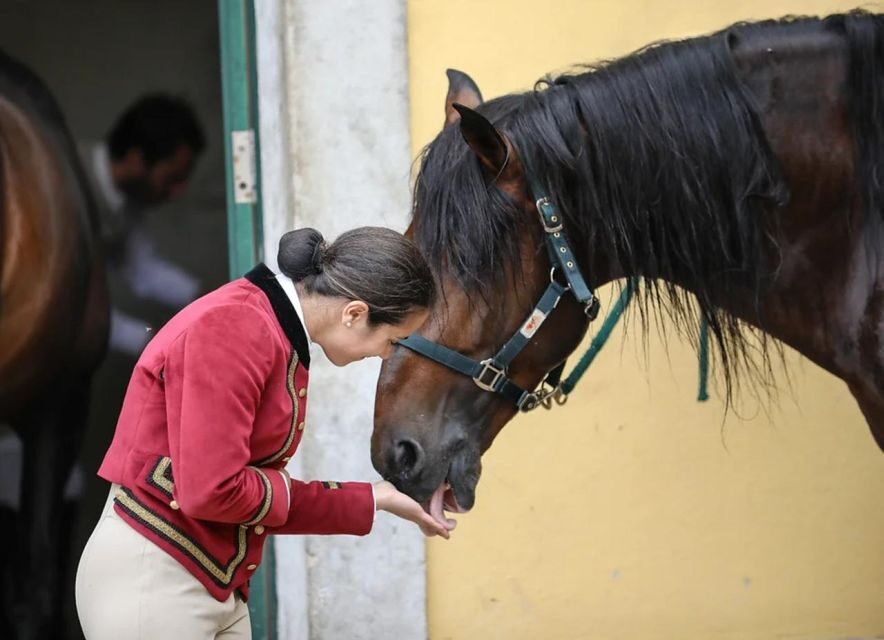
The most calming part is also the most instructional: watching the horses before the big movements start. In Henrique Calado Riding Ring, you can pay attention to the handlers and how the horses are cared for as part of the training day.
Why this matters: when you understand horse care, you watch the riders differently. You start noticing how the day is paced and how the horses’ bodies are treated as the main focus.
You’ll get time to observe the practical rhythm of the ring. People aren’t just standing around for aesthetics; they’re managing the horses and supporting the work that happens next. If you’re the type who likes real process—how animals and athletes get ready—this stable-facing portion is where the value shows.
A small practical note: this is not a fast “grab a photo and go” stop. Wear shoes you can stand in, because the most interesting details happen when you slow down.
Period-Costume Warm-Ups and Resourcefulness Exercises
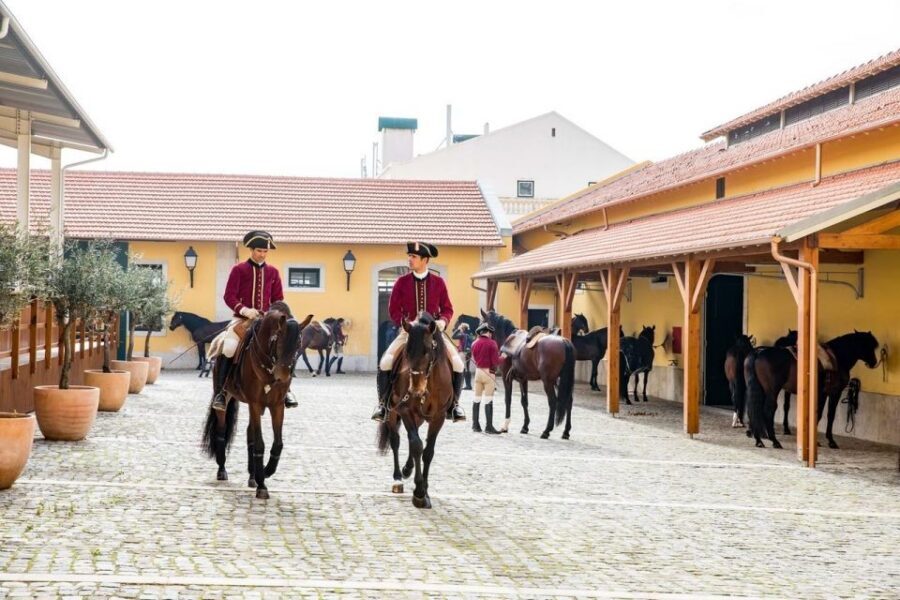
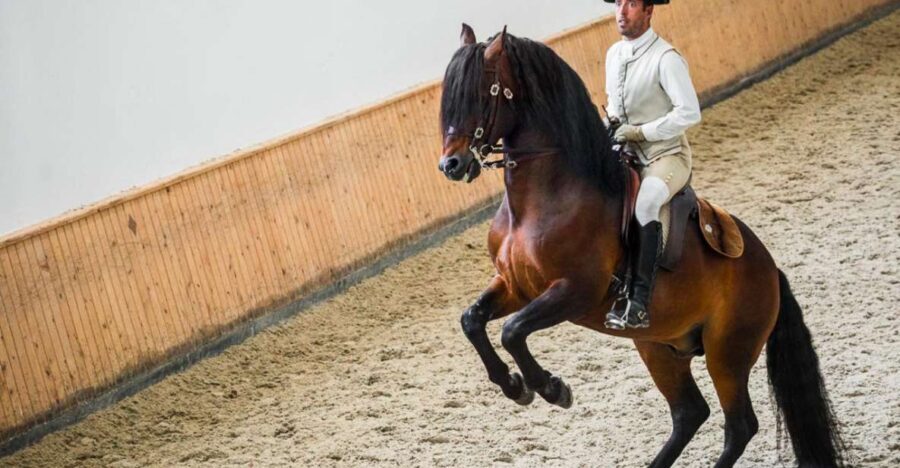
Next comes the rider work, and it’s a visual treat. Riders perform warm-ups and resourcefulness exercises while dressed in period costume, so the training feels tied to the theatrical roots of the art form.
I like that you’re watching process, not only performance. In many shows, you see the end result. Here you get the step-by-step preparation—how riders set tempo, manage balance, and respond as the horse’s rhythm changes during the work.
Pay attention to the “resourcefulness” side. It’s not just about doing moves—it’s about adapting. Even without technical jargon, you can see how riders handle the horse as a living partner with needs that vary.
This is also where the morning starts teaching you the structure behind the later rehearsals. By the time you reach the choreographed sections, you’re not lost. You’ve already seen what kind of control the riders are building.
Learning Horse Rhythm, Health, and Physical Needs
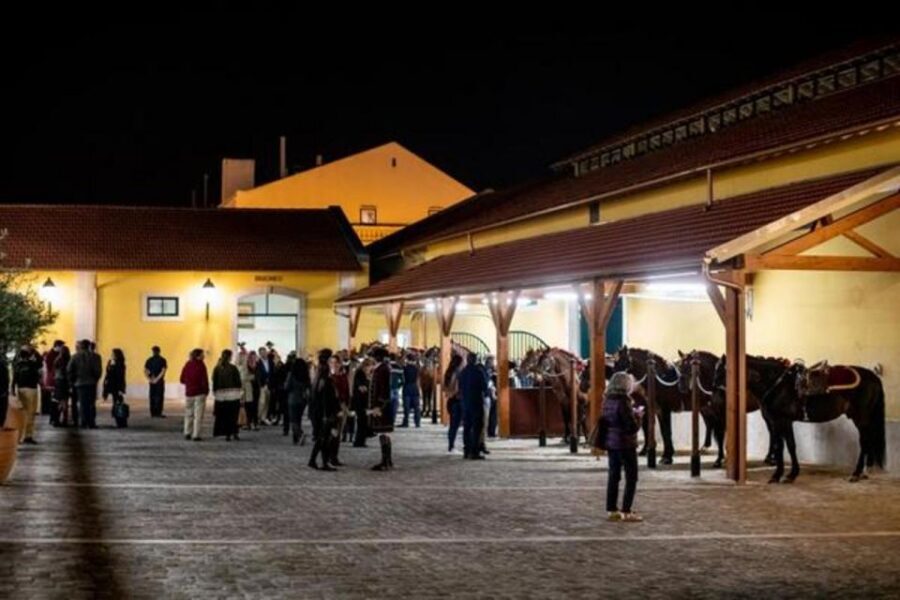
One of the strongest parts of this experience is the clear message: training respects the horse. The session specifically notes that riders work while respecting the rhythm, health, and physical needs of each horse.
That’s not a side detail—it’s the lens for the entire morning. If you watch with that in mind, the pacing feels intentional. You notice when things slow down, when focus shifts, and how the horse’s comfort seems built into the schedule.
This also helps you avoid the wrong takeaway. You won’t leave thinking the goal is constant effort at all costs. Instead, you see an approach that treats the horse like an athlete that needs smart work and careful management.
If you’re someone who cares about animal welfare while traveling, this is one of those rare tours where the “animal-first” angle is stated and you can visibly connect it to what you’re watching.
Training and Rehearsals of Equestrian Art Choreographies
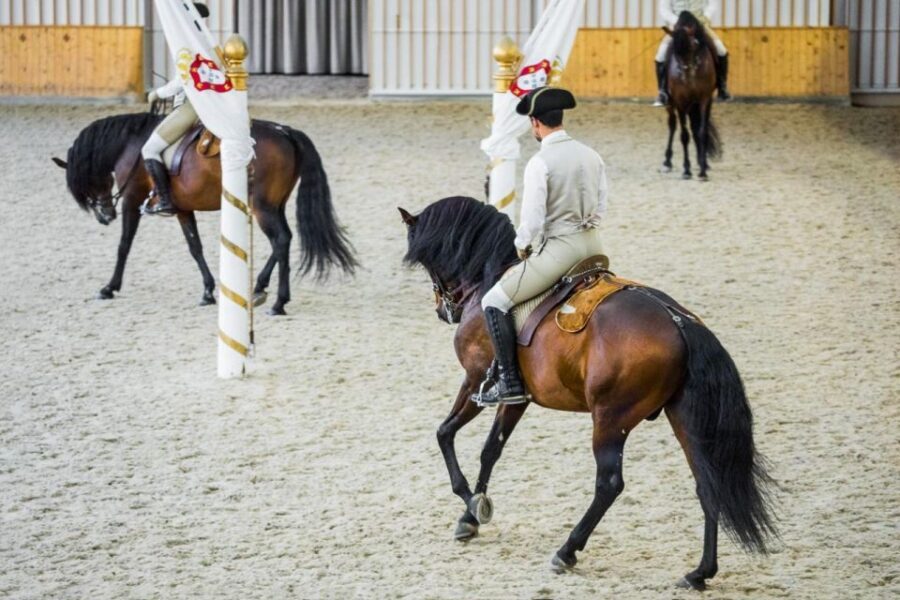
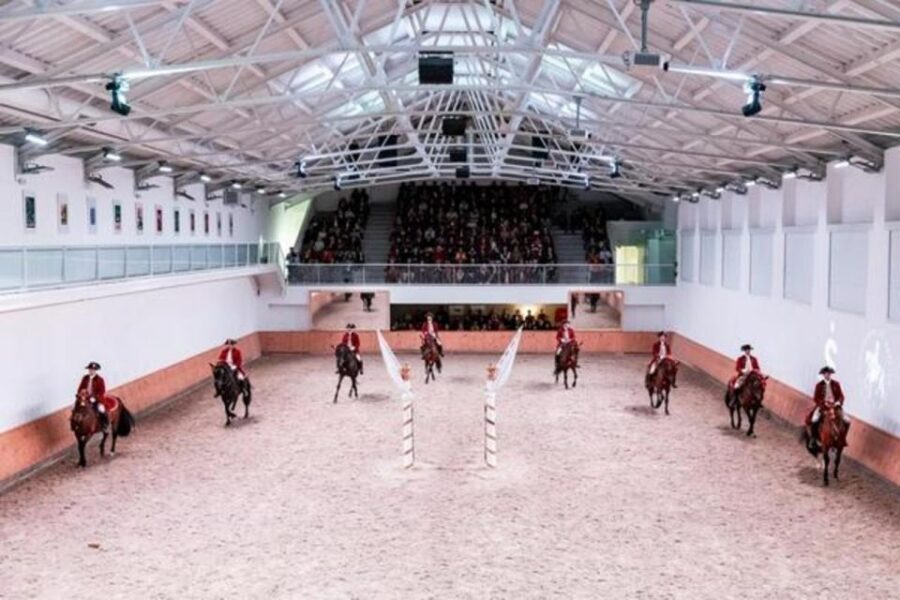
After warm-up, you’ll attend the training and rehearsals for the complex Equestrian Art exercises. These are choreographed in a way that recreates the feel of an 18th-century court—not only in staging, but in timing and flow.
You’ll hear engaging period music during parts of the rehearsal. That matters more than you might think. Music shapes rhythm, and rhythm is exactly what you should be watching for when riders perform high-control sequences.
What makes this valuable is that rehearsal gives you context. You see how movements line up, how transitions work, and how riders and horses settle into the planned order. It makes the later “gala show” concept feel earned rather than manufactured.
If your travel style leans toward learning something—rather than only looking—this is the section that clicks. You understand what you’re seeing before you call it beautiful.



Nora Patio: The 18th-Century Court Feeling Comes Alive
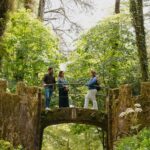
At some point, the experience shifts into the Nora Patio, where you’ll get that charming court atmosphere. This is where the morning turns from “training in the ring” to “the art as theater.”
I like the contrast. In the riding ring, the focus is the work. In the patio, it’s the mood—period music, court-like staging, and a sense of the performance environment that the rehearsals are building toward.
This is also a good moment to slow your thinking down. You’ll likely find you’re watching for flow and presentation now, not only technique. The exercises you just saw in training start to make visual sense in the court setting.
If you want the atmosphere to fully land, show up ready to sit and watch. People sometimes expect “more action” and then miss how powerful stillness can be when it’s part of choreography.
Audio Guide: Your On-Your-Feet Explanation Team
The experience includes an audio guide (English, Portuguese, French). That’s a big deal because it helps you connect what you see to what it means—without you having to guess.
I’d treat the audio guide as your second set of eyes. When you’re watching the warm-up and then moving into rehearsals, the guide helps you track the horses, the purpose of the work, and what sections you’re in.
You’ll also want your smartphone ready. The guidance says to bring a charged smartphone and internet access, and after booking you’ll receive a separate email with instructions to access and download your ticket and audio guide. Check spam folders too, because travel emails sometimes land where you won’t look.
Also note the practical snag: headphones are not included. So bring your own, or you’ll be stuck listening in a loud environment.
Price and Value: Is $17 Worth Your Time?
At $17 per person, this is easy to justify if you care about the how behind equestrian art. You’re paying for three things at once: entry to the Portuguese School of Equestrian Art, time watching daily Lusitano training linked to the Alter Real Stud Farm, and an included audio guide.
The value gets even clearer when you think about the pacing. This isn’t just a single performance you can see anywhere else. You’re watching warm-up, horse care, and rehearsals that connect to the high-level gala show concept.
The main “value tradeoff” is time. It’s only 10am to 1pm, and the strongest stable portion may feel like it runs on the fast side if you’re a horse-people person. Still, the flow is designed to keep you moving between training and court atmosphere rather than getting stuck in one room.
If your Lisbon schedule is tight and you want an experience that feels authentic—not a gimmick for tourists—this price point is hard to beat.
Timing Tips: Aim for 11am to 12:30pm
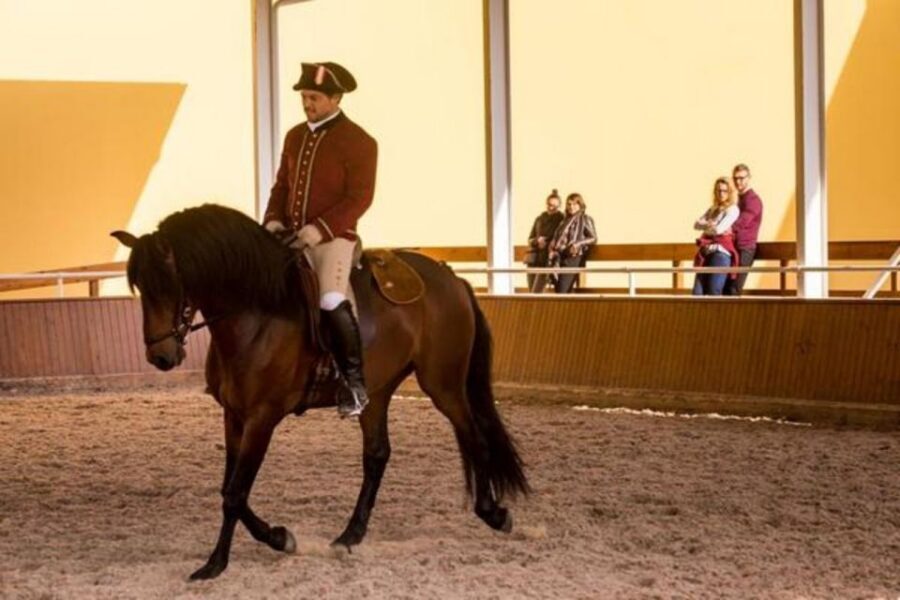
The activity runs 10am to 1pm, but the guidance says 11am to 12:30pm is the best time to visit. I agree with that logic.
Late morning tends to be the sweet spot for watching the training in a fuller sequence, and it also gives you a better chance of seeing the rehearsal energy without rushing. If you arrive right at opening, you might catch more of the early setup phase than the most engaging parts of warm-up and rehearsal.
If you can, aim for the middle window and treat it as the main event of your morning.
What’s Included vs. What You Need to Plan
Here’s the simple breakdown so you don’t get surprised.
Included:
- Entry ticket to The Portuguese School of Equestrian Art
- Watching daily training of Lusitano horses from the Alter Real Stud Farm
- Audio guide
Not included:
- Transport
- Headphones
- Food and drinks
- Photography
The “what you need to bring” list is short but important:
- Comfortable shoes
- Headphones
- Charged smartphone
- Internet access
Also remember what’s not allowed: smoking, flash photography, and alcohol or drugs. If you like taking pictures, leave your flash at home. Normal phone photography might be restricted in ways not spelled out here, but flash is explicitly off-limits.
Group Experience and What to Expect From the Live Explanation
This is a guided activity with a host or greeter who speaks English and Portuguese. The audio guide is included in multiple languages, which matters if you find that the live narration is brief at your moment in the schedule.
If you rely on explanations to enjoy a show, use the audio guide like your anchor. It’s designed to support you through the stables, the horses, and the different training elements you’ll see.
One more tip: don’t try to record everything on your phone. Look first. Then use the audio guide to fill in the details when you’re settled.
Wheelchair-Friendly Access
The experience is listed as wheelchair accessible. If you use a wheelchair, plan to arrive with comfortable footwear and expect to spend time standing or waiting between sections, since you’ll be moving through different areas during the morning.
Should You Book This Lisbon Riding School Session?
Book it if you want to see the disciplined side of equestrian art: warm-ups, horse care, and rehearsals tied to a high-level gala show concept. For the money, the combination of ring time, court atmosphere, and an included audio guide makes it a solid Lisbon choice.
Skip it (or consider a different option) if you only want a fast, polished “finished product” performance. Because this is training-focused, you’ll spend more time watching preparation and less time on a long show.
If you’re a horse person, or you like understanding how art gets made, this is the kind of morning that sticks with you long after you leave the ring.
FAQ
Where does the training take place?
The experience happens in Lisbon at the Portuguese School of Equestrian Art, including Henrique Calado Riding Ring and the Nora Patio.
How long is the activity?
It runs from 10am to 1pm. The best time to visit is 11am to 12:30pm.
What is included in the ticket price?
You get entry to The Portuguese School of Equestrian Art, the chance to watch daily training of Lusitano horses, and an included audio guide.
What languages are available for the audio guide?
The audio guide is available in English, Portuguese, and French.
Do I need to bring headphones?
Yes. Headphones are listed as something to bring, and they are also noted as not included.
Is photography allowed?
Photography is not included, and flash photography is not allowed.
Do I need a smartphone?
You should bring a charged smartphone with internet access, and you’ll receive instructions by email to access and download your ticket and audio guide.
Is the experience wheelchair accessible?
Yes, it’s listed as wheelchair accessible.
How do I redeem my ticket at the meeting point?
You must show your Book N Tour ticket (paper) to staff at the reception desk. The instructions say it is not the same as a GYG QR code, voucher, or ticket.
What should I wear?
Wear comfortable shoes, since you’ll be spending time watching sessions around the ring and courtyard areas.
If you want, tell me your Lisbon dates and whether you’re more into horses or performance. I can suggest the best way to fit this into your morning schedule around nearby sights.