REVIEW · LISBON
Lisbon: Private TukTuk Tour
Book on GetYourGuide →Operated by Lisbon TukTuk Tour · Bookable on GetYourGuide
Lisbon in a tuk-tuk beats long walks. I love the private eco-friendly ride that makes it easy to cover major districts without getting stuck in long stair climbs, and I like that the route is built around photo stops at iconic viewpoints. One catch to plan for: no luggage or large bags, and some stops are tight, so you’ll want to be ready for quick get-on/get-off moments.
The best part is the guiding. With an English live guide (plus audio in tons of languages), guides like Abdur Rahaman and Al keep things clear and useful, offering photo help for solo travelers and staying on top of changes when roads make the start time shift. If you’re hoping for a day of ticketed museum time and meals included, this tour isn’t built that way since entry tickets and food aren’t included.
In This Review
- Quick take: what you’ll get from this Lisbon tuk-tuk loop
- Why a private eco tuk-tuk is the smart way to cover Lisbon fast
- Starting at Sophia and Time Out Market: how the day starts smoothly
- Praça do Comércio and the cruise port: Lisbon’s big, open welcome
- Tagus River viewpoints by tuk-tuk: seeing the water without the hassle
- Alfama and Lisbon Cathedral: the old town feel, minus the confusing route
- Portas do Sol, Senhora do Monte, and the miradouro effect
- Graça and São Vicente de Fora: church stops that feel connected
- Fado Museum, Church of Santo António, and a quick look at Lisbon’s music culture
- Lisbon Flea Market, Bairro Alto, and Pink Street: the city after the views
- Optional Belém-style stops: Portugal’s Age of Discovery flavor
- Price and value: is $40 per person worth it?
- Who this Lisbon private tuk-tuk tour fits best
- Should you book this private Lisbon tuk-tuk tour?
- FAQ
- How long is the Lisbon private tuk-tuk tour?
- How much does the tour cost?
- Is the tour private?
- What’s included in the price?
- What’s not included?
- What languages are available?
- Is there a luggage limit?
Quick take: what you’ll get from this Lisbon tuk-tuk loop
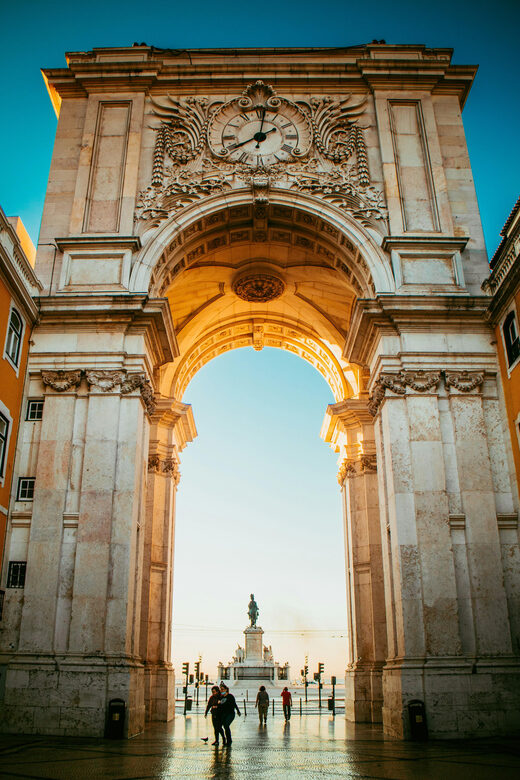
- A private eco tuk-tuk that hops you between districts so you spend less time waiting and more time looking.
- Iconic views on schedule, including Praça do Comércio, Portas do Sol, and Senhora do Monte viewpoints.
- Alfama area highlights like Lisbon Cathedral/ Sé de Lisboa and nearby church stops.
- A mix of classic + street-level Lisbon, with the Fado Museum, Lisbon Flea Market, Bairro Alto, and Pink Street.
- Guide service that’s actually hands-on, including photo offers and good communication when routes change.
Why a private eco tuk-tuk is the smart way to cover Lisbon fast
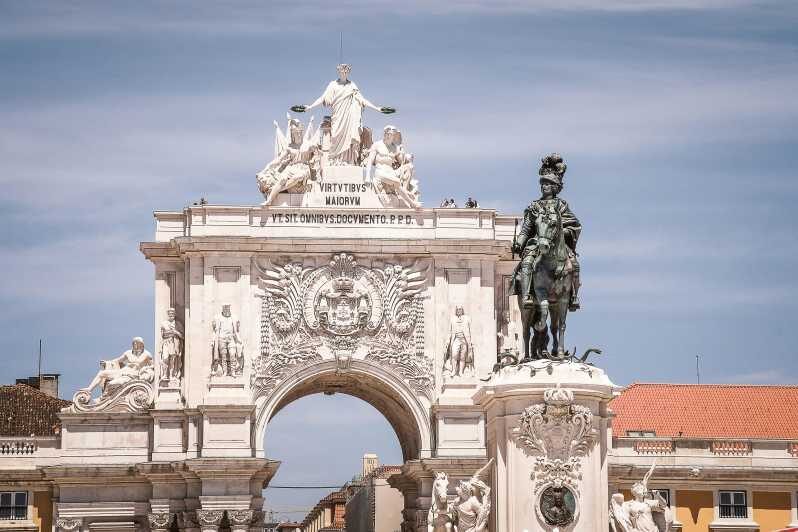
Lisbon is pretty, but it’s also hilly and full of narrow streets. A private tuk-tuk is a practical way to see a lot without turning your day into one long exercise test. The eco angle also matters if you’d rather not add more congestion—this is designed as a comfortable, efficient city ride.
Because it’s private, the guide can shape the pacing around your group. If you want quick photos and viewpoint time, you can run with that. If you want the route to slow down for extra stops, a good guide can help you balance that too.
One thing to keep your expectations aligned: this is built as a sightseeing-and-viewpoints tour with optional walk opportunities at certain spots, not a “sit and read every museum room for hours” type of day. Think: moving through Lisbon, stopping often, learning just enough to make it click.
You can also read our reviews of more private tours in Lisbon


Starting at Sophia and Time Out Market: how the day starts smoothly

Your tour starts at Restaurante Sophia – Natural Italian, with pickup opposite Time Out Market (park side). That’s a helpful choice because it’s a lively area and easy to orient yourself around. If you arrive early, you’ll likely find plenty going on in the immediate neighborhood.
From that meeting point, you’ll get the classic “first loop” feeling: hop in, settle in, and start with a scenic drive that sets the tone for how Lisbon layers old streets with big-city landmarks. It’s also a good way to avoid the most stressful part of the first day in town—figuring out routes and where the best viewpoints are located.
If you’re traveling solo, this kind of start matters. Several people describe their guide as offering to take photos when they were traveling alone, which helps a lot when you don’t have someone else to hand your camera to.
Praça do Comércio and the cruise port: Lisbon’s big, open welcome
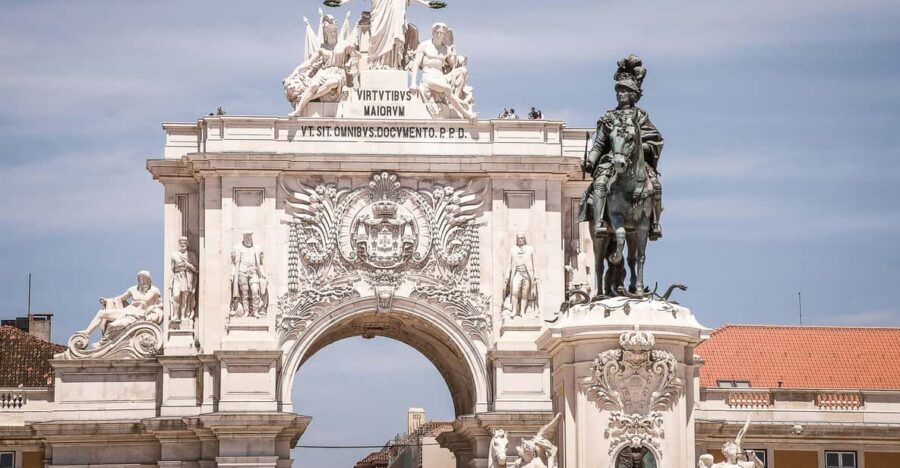
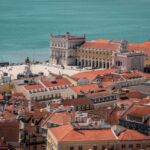
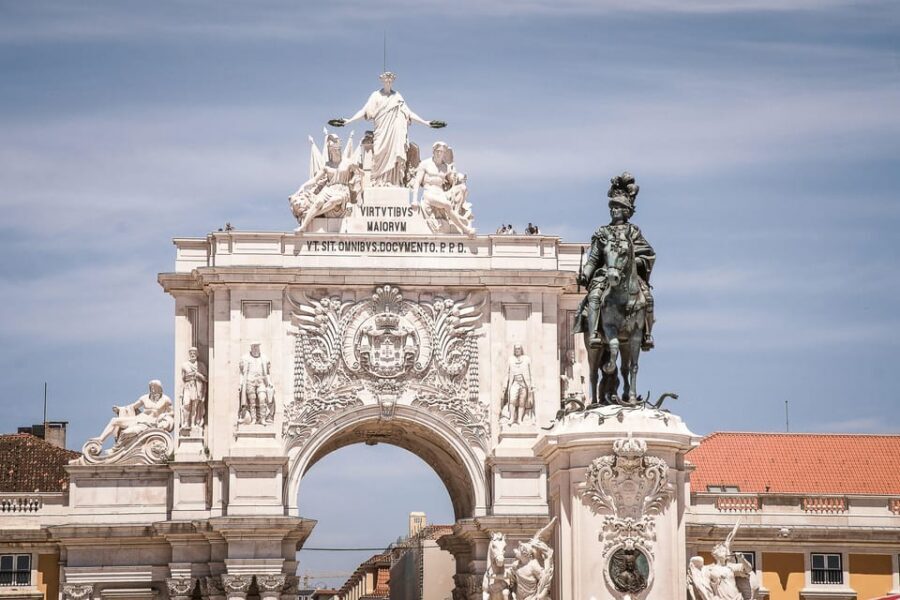
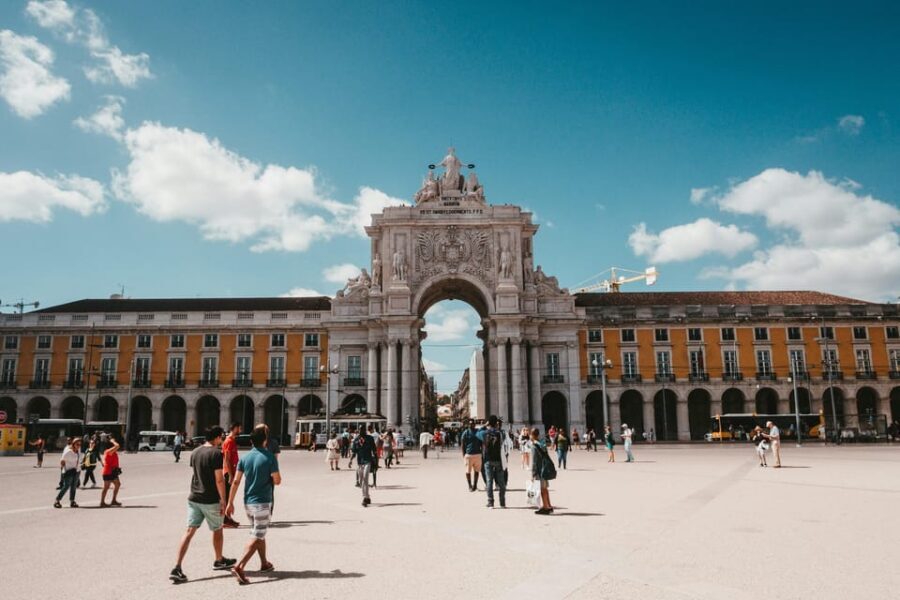
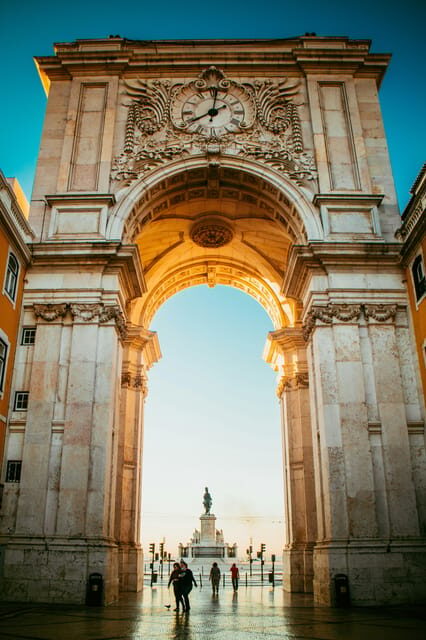
The first major stop is Commerce Square (Praça do Comércio). This is Lisbon at full scale: wide stone space, dramatic buildings, and that “you’ve arrived” feeling you don’t get when you’re just wandering side streets. It’s also one of the best places for an establishing photo—so later, when you see the tight alleys and steep miradors, you’ll understand how everything connects.
From there, you’ll head toward the Cruise Terminal area. Even if you’re not traveling by ship, it’s a real glimpse of modern Lisbon’s visitor flow. The upside is perspective: you see how the city functions in waves, and you understand why certain viewpoints and routes can be busy.
This part is also ideal for a first-time visitor because it’s less about hidden corners and more about getting your bearings fast. You’re not stuck doing a long walk right away, but you’re still seeing one of the city’s most recognizably Lisbon scenes.
Tagus River viewpoints by tuk-tuk: seeing the water without the hassle
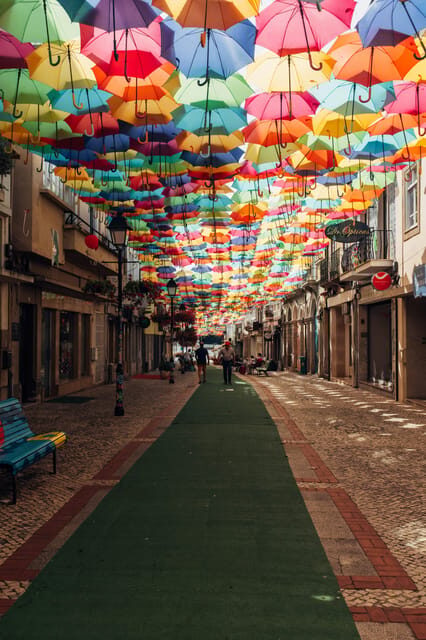
You’ll also make a photo stop along the Tagus River (Tagus River area), with scenic drives in between viewpoints. Lisbon’s river isn’t just pretty—it explains the city’s shape. Once you’ve seen the water from a higher angle, the whole city layout starts to make sense.
A tuk-tuk is useful here because the best river views often sit above street level. Getting to them by yourself usually means stairs, buses, or lots of backtracking. On this tour, you’re simply transported from viewpoint to viewpoint, then given time to take pictures and look around.
If it’s a sunny day, this is where you’ll notice how the light changes Lisbon’s colors. On a gray day, it’s still worth it—overcast skies can make the river look extra dramatic and the city buildings more defined.
Alfama and Lisbon Cathedral: the old town feel, minus the confusing route
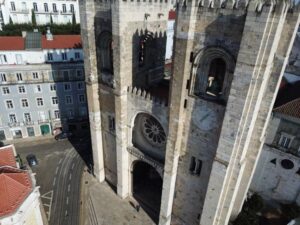
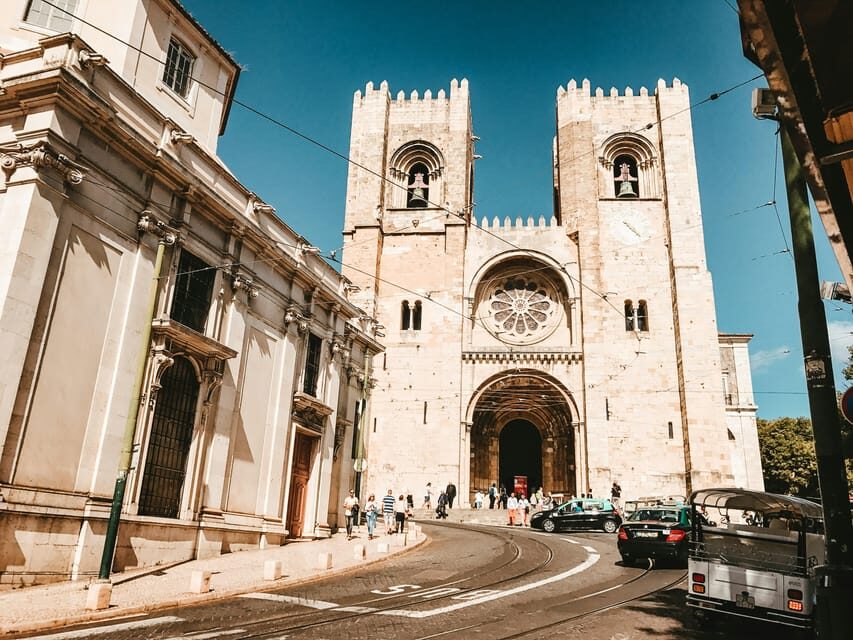
One of the core portions of the tour is Alfama, including a stop around Lisbon Cathedral (Sé de Lisboa). This is where Lisbon’s old town stops being a concept and turns into a lived-in maze. If you’ve never been in Alfama, you might be surprised by how quickly the streets tighten and how quickly you feel like you’re in another era.
Lisbon Cathedral is a strong anchor point because it’s not just a pretty façade. It gives you a sense of where the story of old Lisbon starts to frame itself. The guide’s commentary helps connect the architecture to what you’re seeing in the alleyways nearby.
The practical advantage: you don’t have to work out how to move between viewpoints and landmarks on your own. You’re driven through the area, then stopped where you can photograph and orient yourself.
A small reality check: Alfama is narrow and steep. So even though you’re in a tuk-tuk, you’ll still want comfortable shoes if the guide offers walk time.



Portas do Sol, Senhora do Monte, and the miradouro effect
The tour includes two of Lisbon’s famous viewpoint stops: Portas do Sol and Miradouro da Senhora do Monte. These places work because Lisbon is made for looking down. From up here, streets become patterns and neighborhoods become layers.
Portas do Sol tends to be a must-stop because it’s iconic and photo-friendly. Senhora do Monte is often the “wow” moment for many visitors because the panorama feels wider and more dramatic. Either way, these are the stops where you pause, look, and suddenly understand why Lisbon is so hard to summarize with just one photo.
If you like photos, this is a good time to slow down. If you’re traveling as a couple, you’ll probably want one wider shot that shows the city layout and then smaller “details” shots—tiles, rooftops, and church domes.
And if you’re solo, check in with your guide. Based on guide behavior described in feedback, they’re happy to help with photos so you’re not stuck balancing a phone on a wall and hoping for the best.
Graça and São Vicente de Fora: church stops that feel connected
After Alfama, the route continues through Graça (Historic District) and on to Monastery of São Vicente de Fora. This area helps you see Lisbon as more than a set of postcards. It’s a sequence of neighborhoods where religious landmarks sit at the center of daily life and the views tell you where the city’s “spines” run.
São Vicente de Fora is a great stop because it’s not just about views. It’s also a place where the architecture makes sense of the surrounding streets. You’re moving through the city’s elevation changes, and you’re getting rewarded with viewpoints that feel earned.
Then you’ll continue to National Pantheon of Santa Engracia, another landmark that gives Lisbon a more formal, monumental scale. If you like churches and architecture, these stops fit together well—they’re part of the same general “Lisbon from above and Lisbon from within” experience.
Fado Museum, Church of Santo António, and a quick look at Lisbon’s music culture
The tour includes Church of Saint Anthony of Lisbon and a Fado Museum photo stop. This pairing can make sense even if you’re not planning to do a deep dive into either place. The guide’s explanation (in English) usually helps connect why Lisbon’s music culture is so tied to old neighborhoods and how the city expresses emotion through performance and storytelling.
The Fado Museum stop is set up as a quick, photo-focused moment here. If you want museum interiors, you might need to plan that separately since entry tickets aren’t included. Still, even just seeing the place helps you put fado in context while you’re already walking through the districts where it matters.
The overall effect: you’re not only touring buildings. You’re getting a sense of what Lisbon’s emotional “voice” sounds like—and why it belongs here.
Lisbon Flea Market, Bairro Alto, and Pink Street: the city after the views
A Lisbon tour isn’t complete if you only see viewpoints and churches. This one includes a Lisbon Flea Market stop and then moves into Bairro Alto, followed by Pink Street.
The Flea Market works because it’s street-level Lisbon. You see how people browse, talk, and move through the city in a way that feels less staged than some “big landmark only” itineraries. If you’re the type who likes to buy one small item to remember a trip, this kind of stop can be the payoff.
Bairro Alto adds a different Lisbon mood: more nightlife energy and more contemporary city character. Pink Street is famous for a reason, and even if you’re there in daylight, it gives you a clear sense of where Lisbon’s after-hours personality hangs out.
This part is also where a private guide really earns their pay. You’re not just being dragged through. You get a guided route through the areas where the vibe changes quickly.
Optional Belém-style stops: Portugal’s Age of Discovery flavor
Some versions of the route description are set up around Belém and Lisbon’s exploration legacy—think big landmark stops like Jerónimos Monastery and Belém Tower, plus cultural and food highlights such as Pastéis de Belém. The overall idea is to balance Lisbon’s old-town look with Portugal’s maritime story.
Because your tour duration can vary (it’s listed as 1.5 to 3.5 hours), your exact mix of districts can depend on timing and routing. If Belém is a must for you, it’s worth double-checking your start time and expected stops when you book.
Price and value: is $40 per person worth it?
At $40 per person, this tour sits in the “good value for time” category—especially because it’s private and includes a tour guide plus transportation. A big part of Lisbon’s cost risk is wasting half a day figuring out where things are and how to get between them. This tour trades that uncertainty for an organized route and a guide who can keep you moving.
It’s not “value” if you’re only interested in one or two stops and you’d rather spend the rest of your day on your own. But if you’re trying to build a first-day mental map of Lisbon across multiple districts, this kind of private tuk-tuk format can be a smart purchase.
Just keep in mind what you’re paying for. Entry tickets and food aren’t included, so if you want to go inside museums or monuments, budget those separately.
Who this Lisbon private tuk-tuk tour fits best
This tour is a strong fit if you want:
- A guided, private way to hit major viewpoints and neighborhoods in a few hours.
- A Lisbon orientation that connects Alfama + miradouro stops + Bairro Alto.
- A guide who will give you photo help, especially useful if you’re traveling solo.
It’s not a fit if:
- You’re traveling with children under 7.
- You’re pregnant (not suitable for this tour).
- You rely on bringing luggage or large bags (not allowed).
If you’re short on time, it’s also a good plan. The duration range means you can choose a slot that matches your schedule, rather than forcing a whole day.
Should you book this private Lisbon tuk-tuk tour?
Book it if you want a focused first taste of Lisbon with the comfort of a private ride and the payoff of multiple viewpoints. The guiding quality looks like the real differentiator—people mention guides like Abdur Rahaman and Al as informative, friendly, and attentive to things like photos and timing changes.
Skip it (or pair it with other plans) if you’re hoping for lots of ticketed interiors and full meals included. This tour is best used as the structure for the day—then you go enjoy the city on foot where it makes sense afterward.
FAQ
How long is the Lisbon private tuk-tuk tour?
The duration is listed as 1.5 to 3.5 hours, depending on the starting time available.
How much does the tour cost?
The price is $40 per person.
Is the tour private?
Yes, it’s a private tour.
What’s included in the price?
Transportation by tuk-tuk, a tour guide, and the fact that it’s private are included.
What’s not included?
Entry tickets and food and drinks are not included.
What languages are available?
The live tour guide is English, and an audio guide is included with many language options.
Is there a luggage limit?
Luggage or large bags are not allowed.