REVIEW · FATIMA
Lisbona: Tour a Fátima, Óbidos e Nazaré
Book on GetYourGuide →Operated by Lisbon On Travel · Bookable on GetYourGuide
Three Portuguese icons in one long day.
What makes this outing work is the way Fátima gets real context, not just sightseeing, plus the day actually moves at a comfortable pace in a small minibus with a guide like Alessandro (often called Sandro). You’ll also get just enough time to enjoy two very different moods: Nazaré’s ocean energy and Óbidos’ storybook streets. The main drawback to consider is simple: each town is a shorter stop (about 2 hours in Fátima, and about 1.5 hours in both Nazaré and Óbidos), so you need to be okay with a “see a lot, linger selectively” plan.
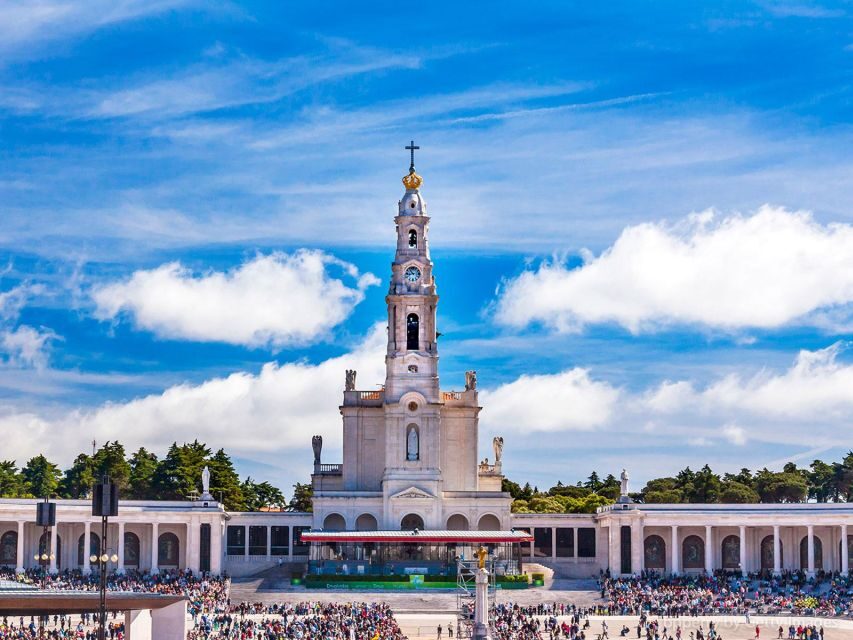
I like how the itinerary points you to the key religious spaces first—starting at the Shrine of Fátima, including the Chapel of the Apparitions, the Church of the Most Holy Trinity (where there’s a daily liturgical ceremony), and the home connected to the shepherd children Jacinta and Francisco Marto. If you care about faith, history, or even just understanding why so many people make the journey, those details matter.
One more thing to keep in mind: food and drinks are not included, so plan for an easy beach lunch in Nazaré on your own, and bring water. Also, you’ll be walking in stone towns—comfortable shoes are your best friend by the end of the day.
In This Review
- Key highlights at a glance
- The flow of the day: Fátima → Nazaré → Óbidos
- Lisbon pickup point and the small-group minibus advantage
- Fátima Shrine: Chapel of the Apparitions and the daily liturgy
- Nazaré: where the waves do the talking
- Óbidos: medieval walls, legends, and Roman echoes
- How to use your free time without feeling rushed
- The price: what $76 buys you (and what it doesn’t)
- Comfort, timing, and the guide’s impact
- Small-group size: who this tour suits best
- Tips to make the day smoother
- Should you book this tour?
- FAQ
- How long is the tour from Lisbon?
- Where do I meet the group?
- What stops are included on the itinerary?
- Is lunch or any food included?
- What is included in the price besides transport?
- What languages is the guide available in?
- What’s the group size?
- Is there free cancellation?
Key highlights at a glance
- Fátima’s most important stops: Chapel of the Apparitions, Church of the Most Holy Trinity, and the Marto children’s home
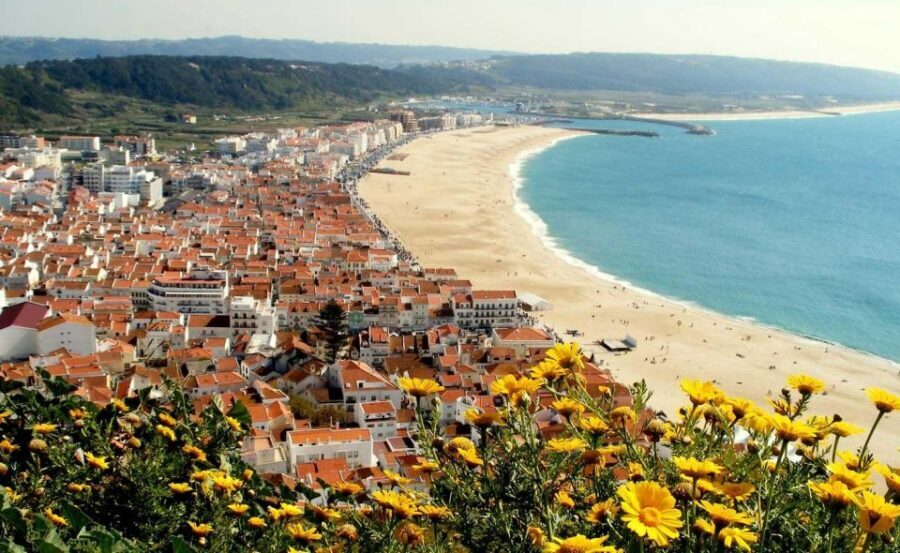
- Nazaré’s giant-wave fame: including the big-wave legacy linked to McNamara and plenty of time to stroll the waterfront
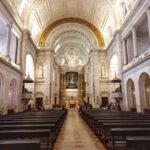
- Óbidos’ medieval lanes: a romantic walled town near the Roman site Eburobrittium
- Small group feel (up to 8 people): less waiting, more chances to ask questions
- Comfortable transport from central Lisbon: meet near Marques de Pombal for an efficient day trip
- Good value for 3 major destinations: transport + multilingual guiding for one fixed price
The flow of the day: Fátima → Nazaré → Óbidos
This tour is built like a three-act story. You start in the most spiritually charged place on the route, then pivot to Portugal’s Atlantic side, and finish in one of its best-known medieval towns. In other words: you’re not just collecting checkboxes. You’re moving between three different ways Portugal shows up.
The schedule is timed so you don’t lose the day to long transfers. After you meet at the designated spot in Lisbon (at Padaria Portuguesa – Marques de Pombal), you head to Fátima first. Then it’s on to Nazaré, with a quick but meaningful stop window for photos and walking. After that, Óbidos gives you a final burst of charm before you circle back toward Lisbon, passing through countryside dotted with windmills.
The total duration is 8 hours, so it’s a full day but not a punishing one. Still, do treat it like a day trip: you’ll be ready for a real rest afterward.
You can also read our reviews of more tours and experiences in Fatima.



Lisbon pickup point and the small-group minibus advantage

The meeting point is straightforward: Padaria Portuguesa – Marques de Pombal. No hotel pickup is included, so you’ll want to arrive early enough to find your group and settle in.
Why I like this setup: a small group means less “who’s still coming?” time and more guidance while you’re actually moving. The tour runs with a group limited to 8 participants, and the vehicle is a minibus. That matters because you’ll be spending a lot of the day looking out the window, waiting for the next stop, or listening to context you can’t easily read on a sign.
Guide language is another real practical benefit. The guide is available in English, Spanish, Italian, and Portuguese, which helps a lot for people who want explanations without losing nuance. In recent days, guides have included names like Alessandro/Sandro and Anderson, and the common thread is preparation, especially around Fátima.
Fátima Shrine: Chapel of the Apparitions and the daily liturgy
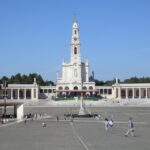
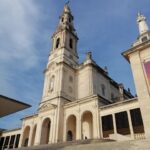
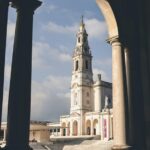
Fátima is one of those places where you can either rush through or actually understand what you’re seeing. This tour focuses on the second approach. Your first real stop is the Shrine of Fátima, one of Christianity’s most visited holy sites, with up to five million faithful each year.
You’ll get time for a guided visit and also some personal free time. That balance is smart: the guided portion helps you connect names, symbols, and locations, and the free time helps you adjust to your own pace. Not everyone experiences sacred spaces the same way, and you don’t want the schedule to steamroll that.
Key places included in the visit:
- The Chapel of the Apparitions, the heart of why people come
- The Church of the Most Holy Trinity, where a daily liturgical ceremony takes place
- The home connected to Jacinta and Francisco Marto, the two shepherd children whose stories are central to the modern understanding of Fátima
What the best guiding does here is add human scale. People often think of Fátima as only a grand monument, but the story is rooted in a small group of children and repeated visits over time. When the guide is strong, the experience can feel more like a guided explanation of meaning, not just a route through buildings.
Of course, Fátima won’t land the same for everyone. If you go expecting a theme-park style “wow” moment, sacred sites can feel quieter or slower than you imagined. Still, if you’re open to context and respectful atmosphere, you’ll likely appreciate the effort put into this stop.
Nazaré: where the waves do the talking
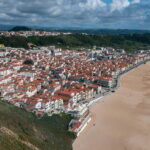
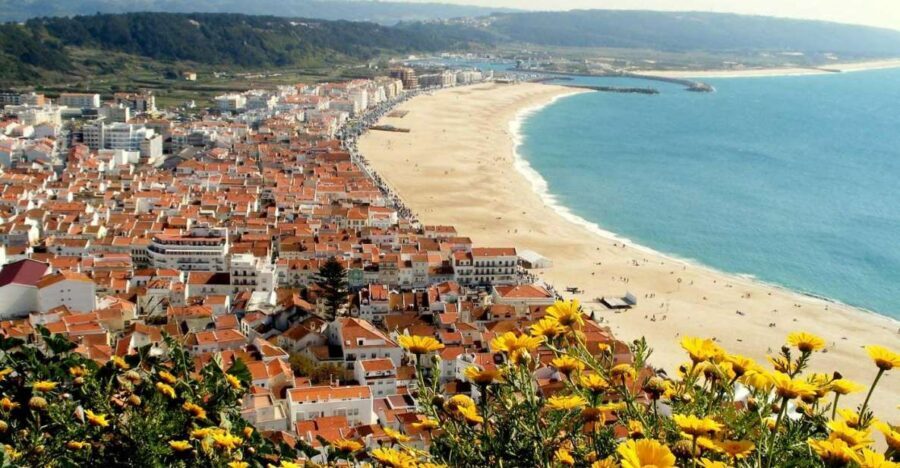
Then the day swings to the Atlantic. Nazaré is famous worldwide for its giant waves, and you’ll learn why the coast became the stage for big-wave legends. The tour connects the town’s identity to the record-setting ride by McNamara—a reference that helps you understand why the area is more than just a pretty beach.
You’ll have about 1.5 hours here, including time for a visit and a break. That’s enough for a mix of:
- photo stops (so you can get oriented)
- walking the narrow streets
- and getting lunch on the beach at your own pace
A quick reality check: Nazaré is a place where the mood changes fast with weather and sea conditions. You might get dramatic views, or you might get more subdued waves. Either way, the town’s waterfront energy is part of the attraction.
One practical caution: if your dream is a long beach session, 1.5 hours is short. On some days, you’ll want to stay longer just to watch what’s happening offshore. But as a stop in a bigger day trip, Nazaré works well because it delivers atmosphere quickly and then hands you back the time you need for Óbidos.
Óbidos: medieval walls, legends, and Roman echoes
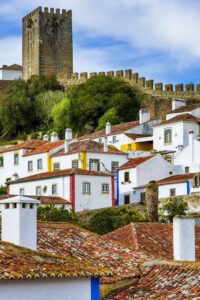
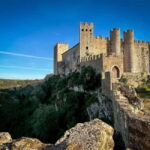
Óbidos feels like a different country, even though you’re still in Portugal. This stop is 1.5 hours and is shaped around walking the old town. You’ll reach the medieval village known for its stories—miracles and legends are part of what the town sells, and part of what makes it fun to explore.
You’ll be guided to see why Óbidos is considered one of the most romantic locations in Portugal. It’s the kind of place where streets narrow, facades cluster, and every corner seems designed for photos. Even if you’re not a photo person, you’ll still feel the atmosphere.
There’s also a deeper layer: Óbidos is described as being near the Roman city of Eburobrittium. Even if you don’t spend your time on Roman ruins specifically, knowing that the area’s past stretches far beyond medieval walls changes how you read the town. It’s not only about cute streets—it’s about place.
The most effective way to use your Óbidos time is to move slowly for 20–30 minutes, then speed up just a bit for a final loop. That way you catch the details without ending the stop looking at the same stretch of stone again and again. If you’d like a snack or something sweet, this is usually the easiest time to do it, since you’re already in the dense center.



How to use your free time without feeling rushed

This is a day trip, so the “free time” matters. Here’s what you can realistically do during the windows:
- Fátima (about 2 hours): use guided time to understand what’s important, then use the rest to sit, look, and absorb. If you want photos, do them early before crowds thicken.
- Nazaré (about 1.5 hours): split it between waterfront walking and lunch. If the sea is active, prioritize the viewpoint first. If the weather is softer, enjoy the streets and take your time eating.
- Óbidos (about 1.5 hours): do one relaxed loop, then one faster loop for the “I don’t want to miss anything” part.
One of the most common day-trip frustrations is arriving somewhere and spending the whole time thinking about what you’ll do next. This itinerary helps because it gives you clear anchors: major religious sites first, then wave country, then medieval lanes.
Still, keep expectations aligned. You won’t get to fully live in any one place for a half-day. You’re sampling, and the best results come from being okay with that.
The price: what $76 buys you (and what it doesn’t)
The price is $76 per person for an 8-hour outing. For many people, that feels like a fair deal because you’re paying for three big things:
- transport by minibus
- guided interpretation across multiple stops
- the coordination that strings together Fátima, Nazaré, and Óbidos in one day
You’re not paying for food. Food and drinks are not included, so that’s extra on your side. The upside is you’re not locked into a set meal that might not match your preferences. In Nazaré especially, you can choose a beach lunch that fits your appetite and budget.
You’re also not getting hotel pickup and drop-off. So your value depends on how easy it is for you to reach Marques de Pombal on your own. If you’re staying near central Lisbon, this is usually a win. If you’re far out, you’ll want to add travel time so you don’t panic early in the day.
Comfort, timing, and the guide’s impact
Transport and guidance are where this tour most consistently earns strong marks. The minibus is described as comfortable, and the guide is praised for being prepared—especially with Fátima explanations.
When the guiding is strong, you notice it right away at Fátima. The story becomes clearer. The places feel less like random stops and more like steps in a meaningful sequence. The daily liturgical ceremony at the Church of the Most Holy Trinity is the kind of detail that becomes more interesting when someone explains what you’re looking at and why it matters.
There’s also a practical side. In a small group, you can ask questions and get quick clarification without feeling like you’re holding up a massive crowd. That kind of back-and-forth is hard to recreate on your own if you’re trying to manage three towns with separate logistics.
The only scheduling downside that shows up in the idea of this tour is that Nazaré might feel short if you’re really drawn to the coastline and waves. If you care most about the ocean views, you’ll still enjoy Nazaré, but you may wish the day allowed a longer linger.
Small-group size: who this tour suits best
This is a good fit for you if you:
- want a guided day trip that connects the dots between three distinct places
- like having structured time, with some free time built in
- appreciate multilingual explanations (English, Spanish, Italian, Portuguese)
- prefer a group that stays small enough for real interaction
It’s also a good pick if you’re traveling solo or as a couple and you’d rather not spend your day coordinating transit between Fátima, Nazaré, and Óbidos.
If you’re the kind of traveler who wants a slow, unhurried beach day or who wants to spend extra time shopping in one town, you might find the schedule tight. In that case, consider choosing a single destination day instead. But if your goal is to see more while still feeling guided, this format works.
Tips to make the day smoother
A few small choices will help you get the most out of the 8 hours:
- Bring water and plan to buy your own lunch in Nazaré since food is not included.
- Wear comfortable walking shoes. Fátima is respectful and can involve standing and walking, Nazaré has waterfront walking, and Óbidos involves old-stone lanes.
- If you care about photos, use your early time in each stop for the most important shots. Later, you can slow down.
- Expect a full day. Even with comfort and planning, you’ll be moving and walking more than a typical city stroll.
One last thing: since you’re meeting at Padaria Portuguesa – Marques de Pombal, make sure you’re at the right place and on time. When you’re starting without hotel pickup, being early beats being stressed.
Should you book this tour?
Book it if you want an efficient, guided day that covers Fátima, Nazaré, and Óbidos in one shot, with a small group and a guide who explains the meaning behind what you’re seeing. The strongest reason to choose it is the emphasis on Fátima’s key locations—especially the Chapel of the Apparitions and the Church of the Most Holy Trinity—paired with the Atlantic contrast of Nazaré and the medieval charm of Óbidos.
Skip or adjust your expectations if you’re mainly chasing a long beach experience or if you want a lot of time to linger in one town. This tour is a well-paced sampler, not a slow, deep stay. If you like variety and clear highlights in a single day, it’s a solid pick for Lisbon-based travel.
FAQ
How long is the tour from Lisbon?
The tour lasts 8 hours in total.
Where do I meet the group?
Meet at Padaria Portuguesa – Marques de Pombal.
What stops are included on the itinerary?
The tour includes Fátima, Nazaré, and Óbidos, with travel time between them.
Is lunch or any food included?
No. Food and drinks are not included.
What is included in the price besides transport?
The price includes minibus transport and a live guide.
What languages is the guide available in?
The guide is available in English, Spanish, Italian, and Portuguese.
What’s the group size?
It’s a small group, limited to 8 participants.
Is there free cancellation?
Yes. Free cancellation is available up to 24 hours in advance for a full refund.