REVIEW · EVORA
Megalithic & Medieval tour on a sidecar Évora
Book on GetYourGuide →Operated by Moma Side My Bike · Bookable on GetYourGuide
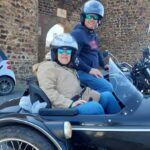
A sidecar ride in Évora is a fun way to time-travel. You get megaliths first, then jump through Roman, Visigothic, and Muslim eras before ending in the medieval shine of Évora and Monsaraz history. It is guided, private, and designed to keep you listening while you take in the cork-tree countryside.
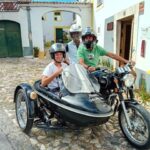
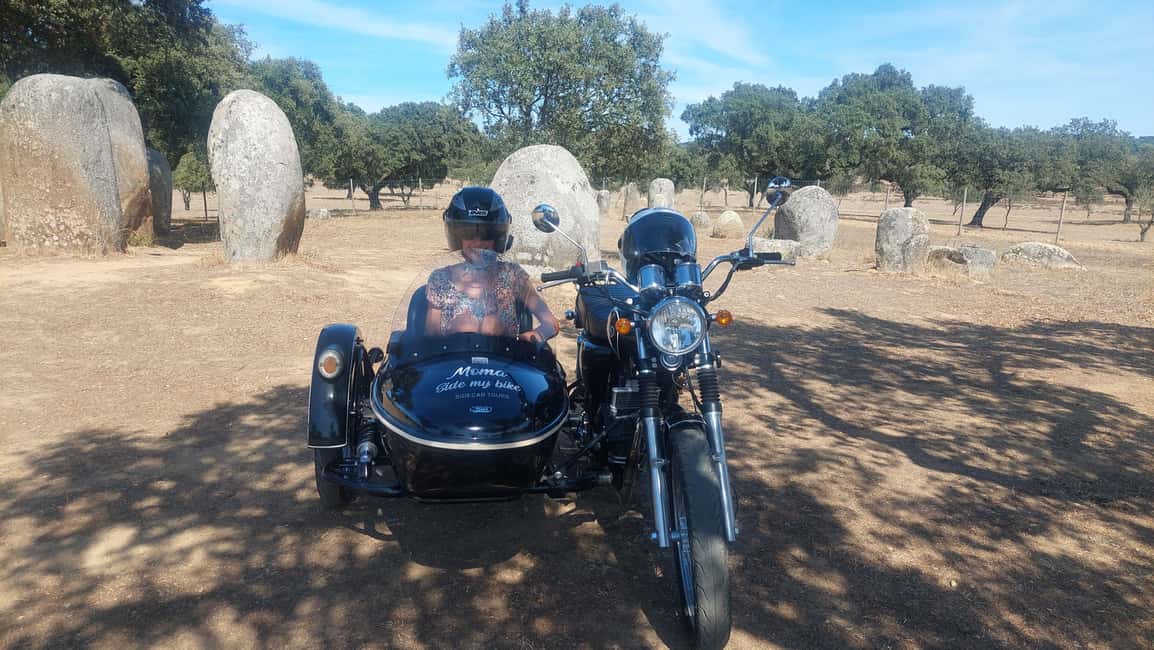
What I like most is the pairing of transport and storytelling: you hear the guide clearly through connected headphones under the helmet, so the history lands while you travel. I also love the way the tour mixes eras on purpose, from the Almendres cromlech and menhir to the city’s later Golden Portugal Age and the figures tied to it.
One drawback to plan for: the sidecar setup may not suit everyone. If you are tall or you have back problems, you might find the position uncomfortable, and while the headset system is usually smooth, there can be minor Bluetooth hiccups.
In This Review
- Key highlights and why they matter
- Meeting at Jardim Público de Évora: where the tour begins
- Almendres cromlech and the menhir dos Almendres: older than the city
- Eborones at Alto de São João: the city’s earliest layers
- Évora World Heritage core: Roman, Visigothic, and Muslim threads
- Golden Portugal Age: Avis dynasty, Dom Henrique, and key artists
- Sidecar travel tips: comfort, audio, and those great photo stops
- Price and value: $47 for a 3-hour guided private ride
- Who should book this, and who might skip it
- FAQ
- FAQ
- How long is the Évora sidecar tour?
- Where does the tour start and what’s nearby?
- What are the main stops during the tour?
- What language options does the live guide offer?
- Is the tour private?
- What’s included in the price?
- Do I need to bring anything?
- Is alcohol allowed on the tour?
- Is this suitable for young children?
- Who provides the tour?
Key highlights and why they matter
- Sidecar headphones with live narration: you follow the story without stopping to read.
- Almendres cromlech and menhir dos Almendres: a megalith stop that puts Évora’s story in a much older frame.
- Multi-era Évora core: Roman, Visigothic, and Muslim layers shown as connected stops, not random facts.
- Golden Portugal Age focus: you connect the 15th–16th century boom to real places and names.
- Private group format: you get a quieter pace and more personal attention for questions.
- Photo moments built in: the guide takes photos for you so you can enjoy the ride, not just chase angles.
Meeting at Jardim Público de Évora: where the tour begins
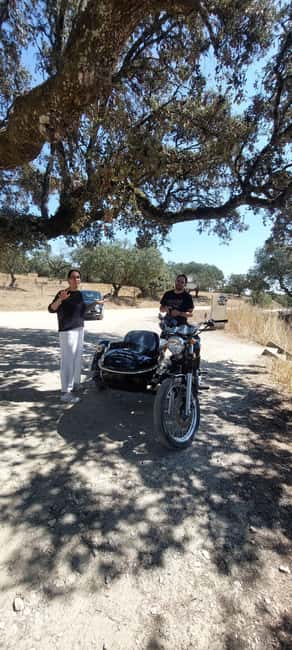
The tour meets at the Jardim Público de Évora, right where you can spot a kiosk and bandstand, plus a big Vasco da Gama statue and a palace nearby. It is a practical starting point because it is easy to find and it gets you oriented to the city before you zoom out toward the countryside.
This is a private group tour, so you are not stuck waiting for a crowd to gather or trying to squeeze into a schedule with strangers. That matters on a sidecar ride, where comfort and timing are part of the experience.
Before you set off, expect a quick run-through for the ride setup and the headset. One review note that really helps: your audio comes through connected headphones under your helmet, which keeps the guide’s voice with you while you look around. If you are the type who hates missing details because you are busy taking photos, this format is built for you.
Practical tip: dress for weather. Évora can move fast from warm to cool, and you will feel it more on an open-air ride.
You can also read our reviews of more tours and experiences in Evora.
Almendres cromlech and the menhir dos Almendres: older than the city
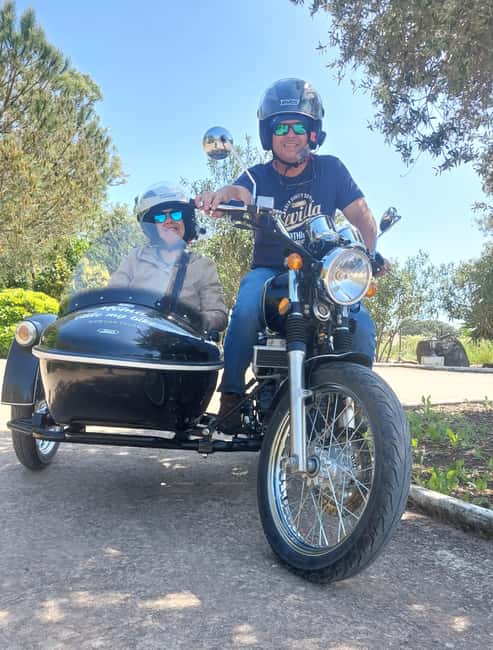
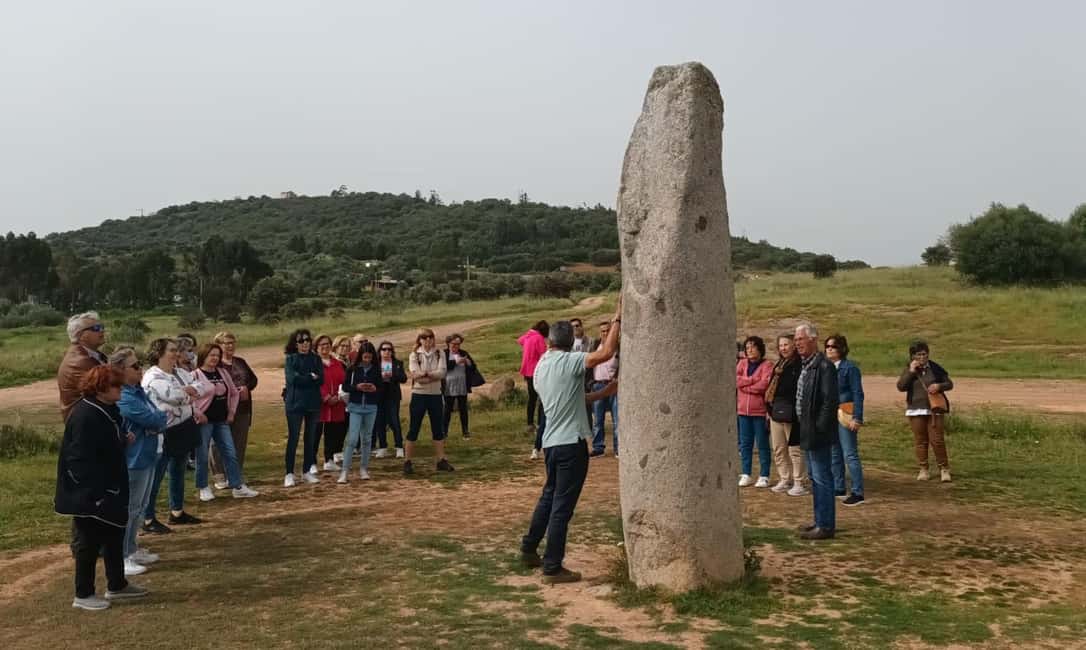
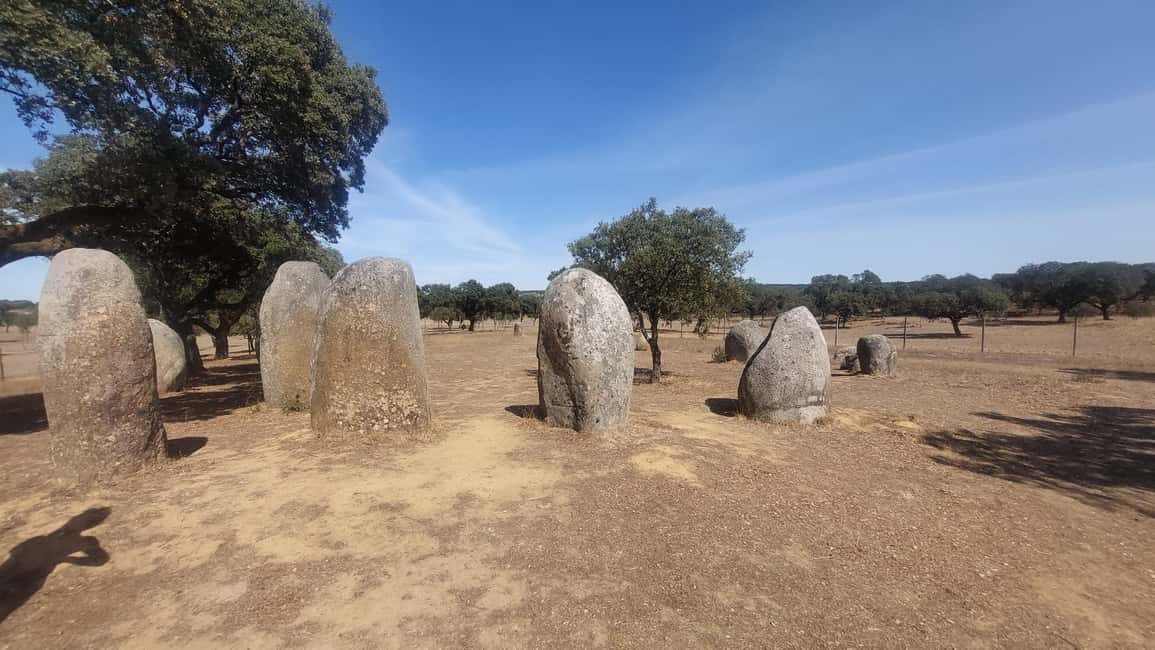
Your first major stop is the cromlech of Almendres and menhir dos Almendres. This is the part that resets your timeline. Évora’s later medieval glow is impressive, but starting with megaliths reminds you that people cared about this land long before later kingdoms ever showed up on the page.
A cromlech is not just a pile of stones. It is a deliberate prehistoric landscape, and the guide’s job here is to help you see it as a place with intention—how stone alignments and placement would have mattered to the people who built it. Even if you are not a stone-nerd, you will likely find yourself looking differently after the explanation, because you start noticing shape, grouping, and placement.
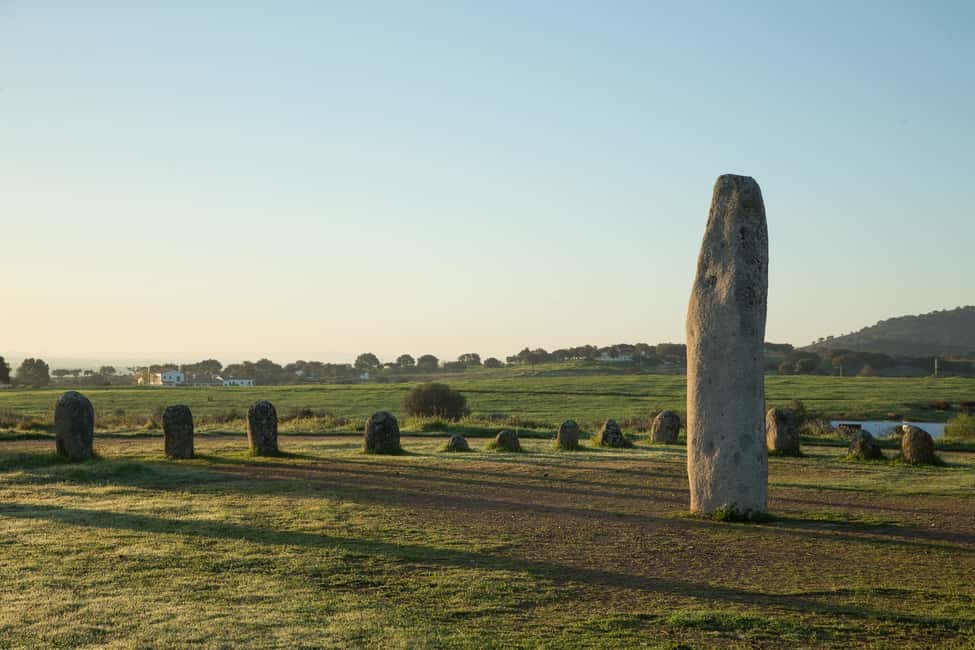
The menhir dos Almendres adds a different mood. Where the cromlech feels like a composed setting, the standing stone reads like a marker—something vertical and persistent against time. Together, they give you a strong sense of why this region became such a long-running human stage.
If you are sensitive to wind or cold, this megalith stop can feel exposed. Wear layers you can adjust, and bring something you do not mind getting a little dusty.
Eborones at Alto de São João: the city’s earliest layers
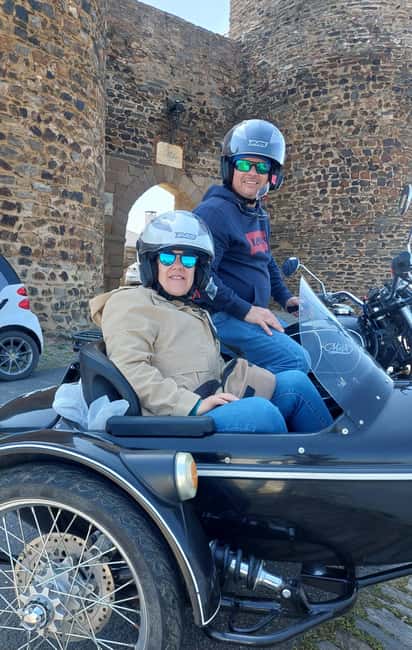
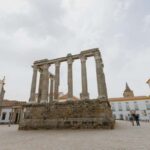
After the megaliths, the tour shifts into Évora proper, beginning with the early settlers known as the Eborones at Alto de São João. This stop is not just a history lesson. It helps you understand why Évora became a magnet for later civilizations.
What you are really doing here is getting a mental map. When you learn the city’s earliest roots before the major heritage zones, the rest of the route makes more sense. You are not walking through eras like separate postcards. Instead, you start to feel how each period built on what came before.
This is also the moment where the sidecar format helps. You are moving, so your brain stays engaged: you hear a point, look around, and then move to the next place. For a 3-hour tour, that flow is key. It keeps you from feeling like you are stuck in one long lecture.
Évora World Heritage core: Roman, Visigothic, and Muslim threads
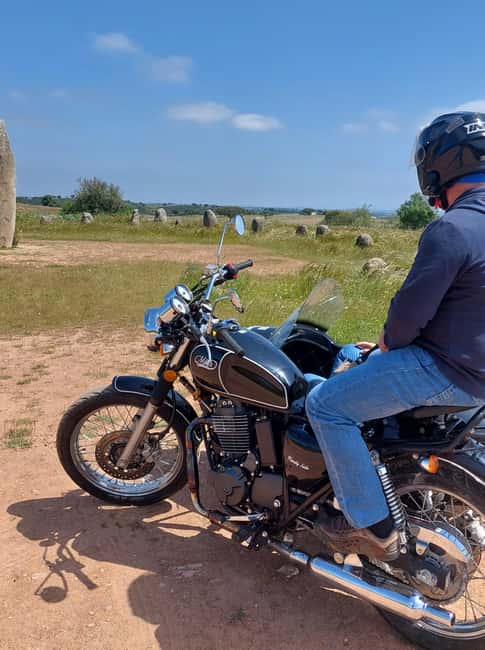
Next comes the World Heritage story of Évora, spanning Roman, Visigothic, and Muslim times. This is where the tour earns its depth. You do not just get told that multiple cultures lived here. You get guided through how those eras show up in the city’s fabric, so you can recognize the layers as you move.
The Roman portion matters because it explains the structural logic of the city—how it functioned and how later communities could adapt existing routes and spaces. The Visigothic era adds a shift in style and power. Then the Muslim period brings another shift, both in how the city lived and in the marks left behind.
Even if you do not catch every architectural detail (nobody does on a moving ride), the guide’s narration gives you the framework. That is what you want from a short tour: a way to interpret what you are seeing while you see it.
One more practical point: headphones make a difference here. Évora’s old streets and meeting points can be visually busy, and it is easy to lose the thread when you have to look up and down. With the headset audio under the helmet, you keep your attention on the ground level and the big picture at the same time.
Golden Portugal Age: Avis dynasty, Dom Henrique, and key artists
After the layered World Heritage phase, the route focuses on the 15th and 16th century Golden Portugal Age, when Évora’s splendour became a favorite residence of the kings of the Avis dynasty. This is the part where the city feels like it is at full volume.
You get placed in context by the people tied to the growth of Portuguese influence and patronage. A standout named figure in this storyline is Cardinal-Infante Dom Henrique, who later became King Henry I. His connection helps you understand why the city’s buildings and institutions grew into something visitors recognize as a coherent identity rather than a random collection of monuments.
The tour also highlights artists connected to Évora’s cultural strength, including Gil Vicente (dramaturge), Nicolau Chanterene (sculptor), and Fray Carlos (painter). These names matter because they turn the era from dates into human activity. You start to imagine the kind of workshops, commissions, and creative circles that would have shaped what the city became.
This part of the tour is especially good if you like the idea of culture as a system: politics affects patronage, patronage affects art, and art affects what you walk past today. That is what makes it more than a highlight reel.



Sidecar travel tips: comfort, audio, and those great photo stops
The most praised practical feature is the headset setup. You hear the guide clearly through connected headphones under the helmet, which means you can listen as the scenery comes and goes. In a few cases, people noted minor issues with Bluetooth headsets, but the guide handled it well. So if you run into a glitch, treat it as a quick fix, not a trip-ruiner.
Another high-value detail: the guide takes photos for you. That is more useful than it sounds. On a sidecar ride, you are busy holding position and watching the road. Having someone else handle the camera moments means you are more likely to leave with memories that actually include the scenery.
Comfort note: sidecars are fun, but they are still vehicles with a fixed seating position. If you are very tall or you have back problems, you might find it uncomfortable. I would plan your expectations accordingly, and if you are unsure, it is worth messaging the operator ahead of time.
Finally, bring weather-appropriate clothing. Wind and sun both happen quickly in Alentejo, and you are outside long enough that comfort matters.
Price and value: $47 for a 3-hour guided private ride
At $47 per person for 3 hours, this tour can be a strong value if you want both movement and meaning. The key is that it is not only transportation. You are paying for guided interpretation, live audio, and a guided route that connects megaliths to the medieval core.
It also helps that it is everything included (the tour format and guide service are built in), while lunch is not included. That means you can plan your day around it without worrying about buying tour add-ons. Just budget for food separately if you are taking it around midday.
For value, I look at three things:
- Are you getting a clear storyline in the time you have?
- Are you spending time seeing places instead of waiting around?
- Do you get practical support, like photo help and audio?
This tour hits those points well, and the sidecar factor makes it feel more special than a standard walking circuit.
Who should book this, and who might skip it
Book it if you want an out-of-the-ordinary way to understand Évora County—starting with prehistoric megaliths and ending with the medieval and Renaissance glow. If you like guided names and connections (Avis dynasty, Cardinal-Infante Dom Henrique, and the artists named above), you will probably enjoy how the story links together.
Also a good fit if you hate wasting time: the 3-hour duration keeps the pace tight, and the private group format reduces delays.
Skip or be cautious if:
- You are under 6 (the tour is not suitable).
- You have back issues or you are very tall and seating position is a concern.
- You are extremely sensitive to headset audio changes, since Bluetooth headsets can have small tech moments (even if the guide handles it).
If your main goal is a slow, self-paced museum day, this might not match your style. But if you want to see multiple eras in one coherent ride, it is a solid choice.
FAQ
FAQ
How long is the Évora sidecar tour?
The tour lasts 3 hours.
Where does the tour start and what’s nearby?
It starts at the Jardim Público de Évora, near a kiosk, a bandstand, a large Vasco da Gama statue, and a palace.
What are the main stops during the tour?
You visit the cromlech of Almendres and menhir dos Almendres first, then you move through Évora’s heritage areas, including a World Heritage core covering Roman, Visigothic, and Muslim times, plus the later 15th–16th century Golden Portugal Age focus.
What language options does the live guide offer?
The live tour guide is available in English, Spanish, and Portuguese.
Is the tour private?
Yes, it’s listed as a private group.
What’s included in the price?
The tour states everything is included. Lunch is not included.
Do I need to bring anything?
You should bring weather-appropriate clothing.
Is alcohol allowed on the tour?
No. Alcohol and drugs are not allowed.
Is this suitable for young children?
It is not suitable for children under 6 years.
Who provides the tour?
The provider is Moma Side My Bike.