REVIEW · EVORA
Montemor-o-Novo or Évora: One-Day Tour of Megaliths
Book on GetYourGuide →Operated by Burriscas Adventure PT · Bookable on GetYourGuide
Old paint and giant stones in one day. That’s the feel of this one-day Megaliths tour in Portugal’s Alentejo region, pairing big name stone monuments with the prehistoric artwork of the Escoural Caves. You’ll go out and back with round-trip transportation and a small group, so you’re not stuck trying to figure out rural access on your own.
What I like most: you get multiple megalith types in a single day, from cromlechs and dolmens to standing stones and other burial sites, with a guide to help you read what you’re seeing. I also love the included break for a traditional Portuguese meal in the Montemor-o-Novo area, because it turns the day from a rush of stops into a real experience of the region.
One thing to plan for: there’s some walking on rural paths, including a required stretch of about 950 metres to reach the Great Dolmen of Zambujeiro (around 1,900 metres round-trip total). And because the Escoural Caves involve going underground, the tour is not a good match if you’re dealing with claustrophobia.
In This Review
- Key things that make this day tour work
- The 8-hour flow: how you fit a lot without feeling frantic
- Portela dos Mogos and the first monuments: getting oriented fast
- Zambujeiro and the dolmen access walk: the part that tests your shoes
- Almendres Cromlech and other stone stops: the scale hits you in the open air
- Santiago do Escoural: lunch that grounds the day
- The Escoural Caves: prehistoric art underground
- Price and value: is $129 worth it?
- Who should book (and who should skip)
- Should you book this megaliths and caves day?
- FAQ
- How long is the tour?
- Where are the pickup locations?
- What’s included in the tour?
- Is lunch included, and are drinks included?
- Do I have to walk during the tour?
- Do you visit the Escoural Caves?
- What languages are the guides available in?
- Is this tour suitable for everyone?
Key things that make this day tour work
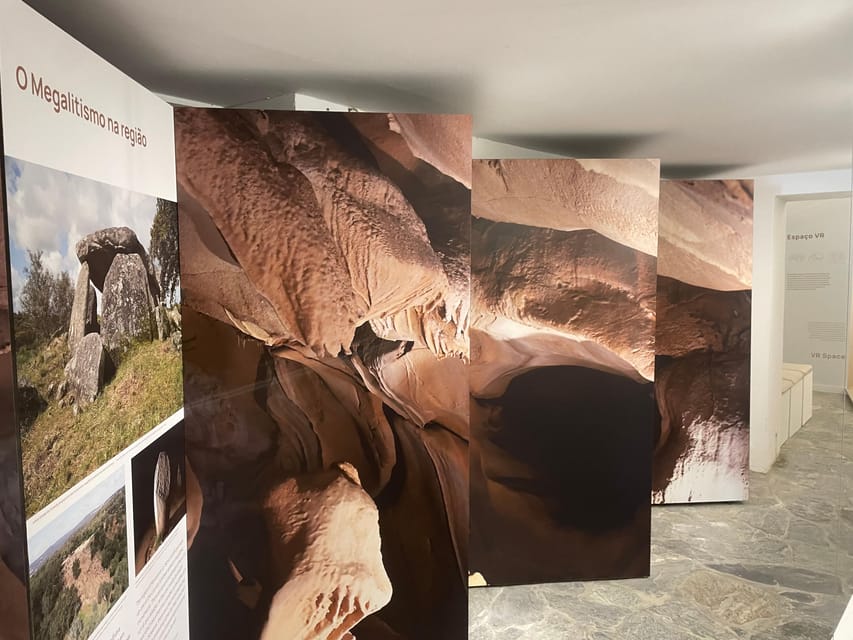
- A tight megalith hit list: cromlechs, dolmens, and other burial monuments across Alentejo’s prehistoric sites
- Real walking to earn the view at Zambujeiro (about 950 metres one way)
- Almendres Cromlech scale: more than 90 stones arranged in specific formations
- You get context before the caves via the Escoural Caves interpretive centre
- Small group energy with pickup options in Évora or Montemor-o-Novo (limited to 8 participants)
- Transportation handles the rural gaps so you can focus on the sites, not the driving
The 8-hour flow: how you fit a lot without feeling frantic
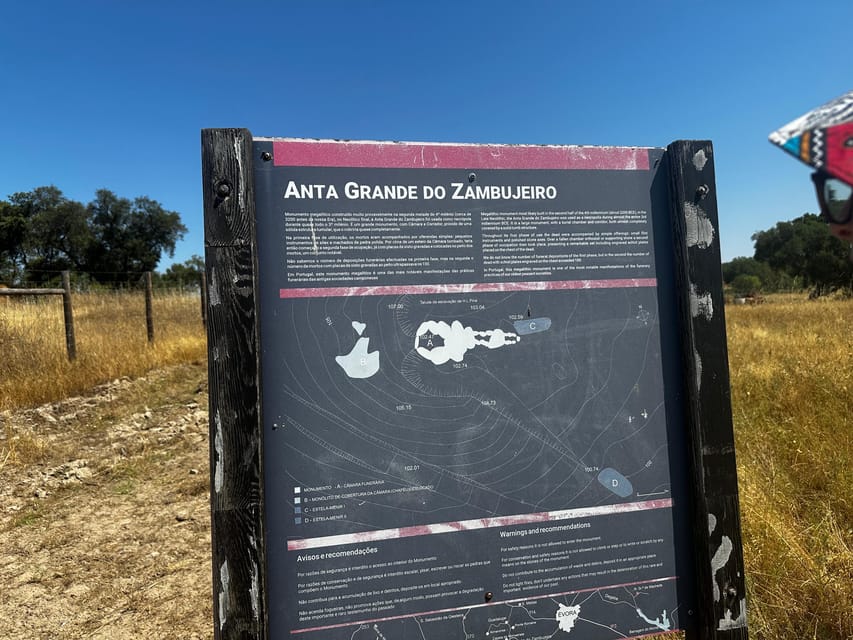
This is an 8-hour day, built around short, focused visits rather than long museum-style pacing. You start with pickup from one of two places: Évora or Montemor-o-Novo. From there, the day is structured as a chain of archaeology stops, each with a planned time window—so you see the major monuments instead of only one or two.
The small group size matters. With only up to 8 people, the guide can actually manage the rhythm: when to pause for photos, when to walk as a group, and when to spread out at open-air sites for a better view. It also helps for the parts where the terrain is less friendly than you’d want in your day-pack: you’re guided to the right access points instead of guessing.
You can also read our reviews of more tours and experiences in Evora.



Portela dos Mogos and the first monuments: getting oriented fast
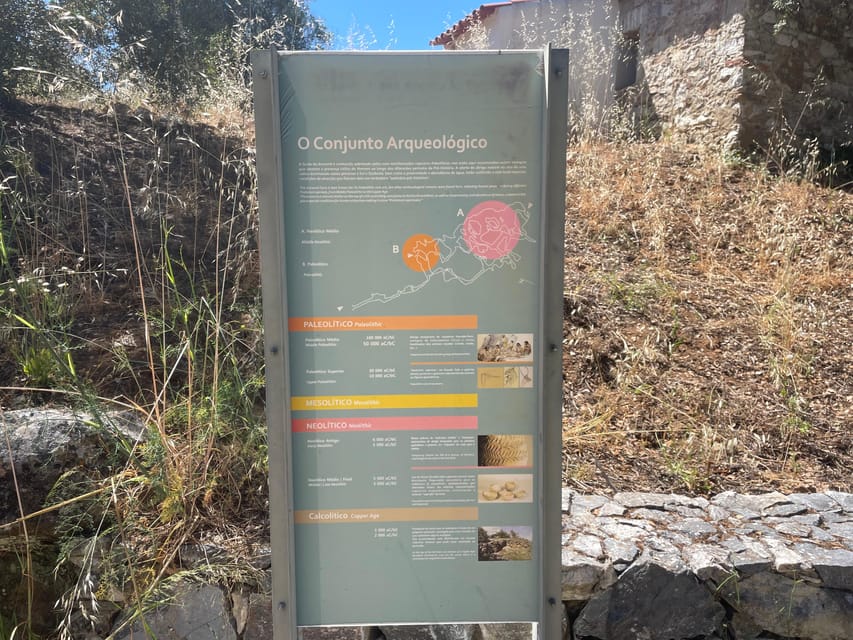
Your day kicks off at Portela dos Mogos Cromlech, with standing stones arranged in a way that signals purpose—not random rock collecting. This is one of those sites where the guide’s job is to give you a framework: why stone circles like this existed, what people might have been doing there, and why the arrangement matters.
Then you move on to Anta do Pinheiro Grande, a Neolithic dolmen that reflects the funerary traditions of the region. Even if you’ve seen dolmens before, this stop is useful because it shifts your brain from scenery to function: think “burial architecture” rather than “pretty stones.” You’re being trained to see monuments as tools people used—ritual, memory, community.
A practical note: the early stops are set up so you can get your bearings before the bigger climbs and the more dramatic underground visit later. If you’re the type who likes to understand first, then look, this order helps.
Zambujeiro and the dolmen access walk: the part that tests your shoes
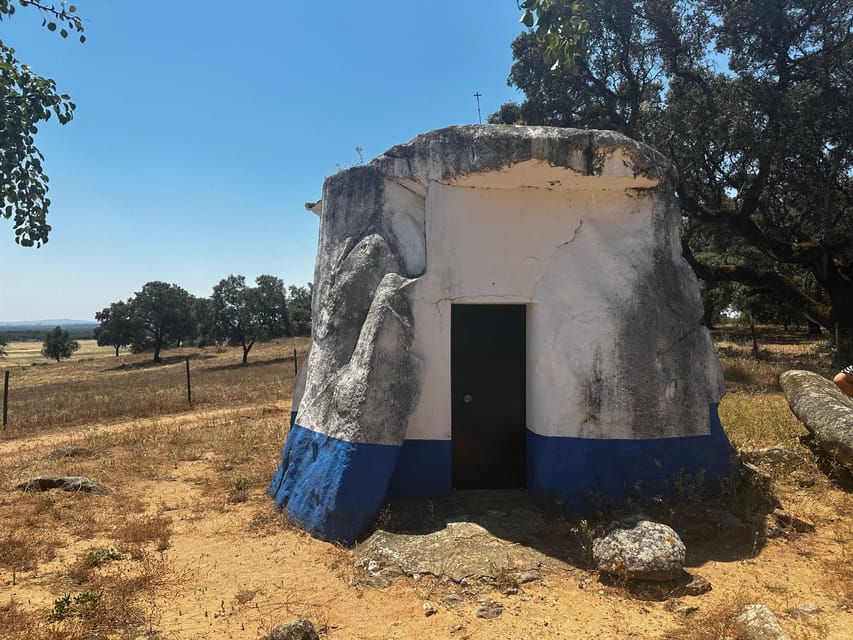
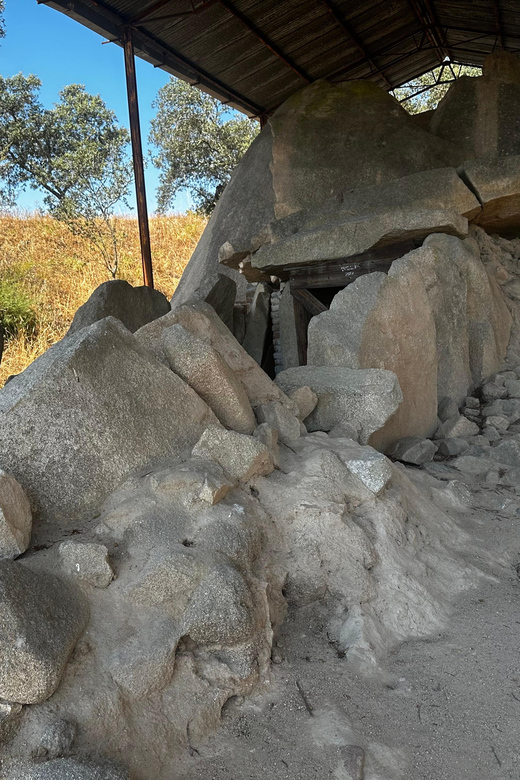
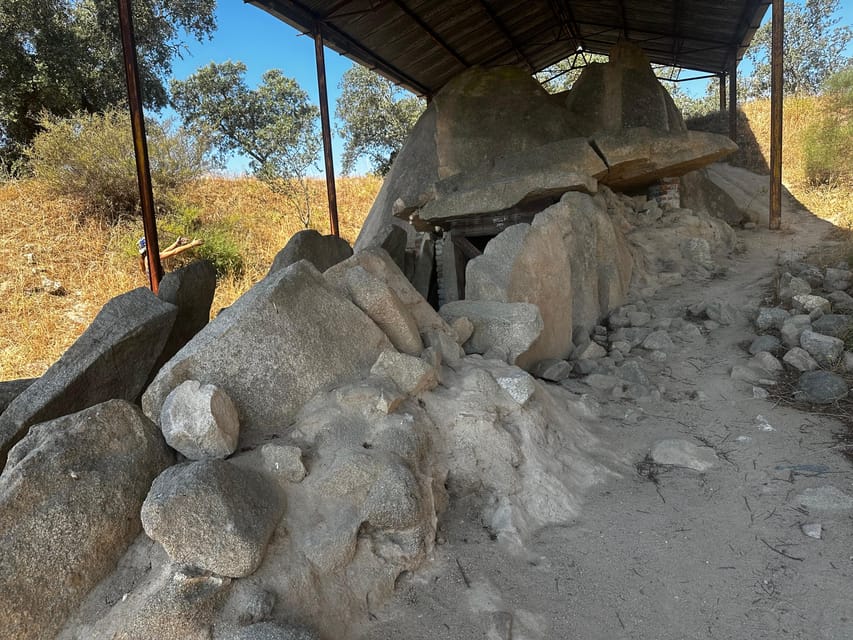
One of the best-known stops is the Great Dolmen of Zambujeiro. It’s described as one of the largest burial structures in the Iberian Peninsula, and you’ll feel that in how the stones sit within the space around them.
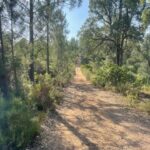
Here’s the key practical detail: reaching it requires walking about 950 metres along a rural path, for a total of about 1,900 metres round-trip. This is not “a stroll to stretch your legs.” It’s long enough to matter. Wear shoes you trust on uneven ground, and don’t plan to count on getting through this part in dressy footwear.
Why I think this stop is worth it: it’s the moment where the tour shifts from “look at the shapes” to “understand construction and meaning.” The guide explains construction techniques and what this type of monumental stone architecture likely meant to the people who built it. That context makes the walk feel like part of the interpretation, not a chore.
The day also includes other megalith sites such as Anta-Capela de S. Brissos and Anta Grande do Zambujeiro as part of this dense megalith stretch. You won’t just jump from one landmark sign to the next—you’ll see how burial monuments repeat with variations, like different chapters of the same prehistoric story.
Almendres Cromlech and other stone stops: the scale hits you in the open air
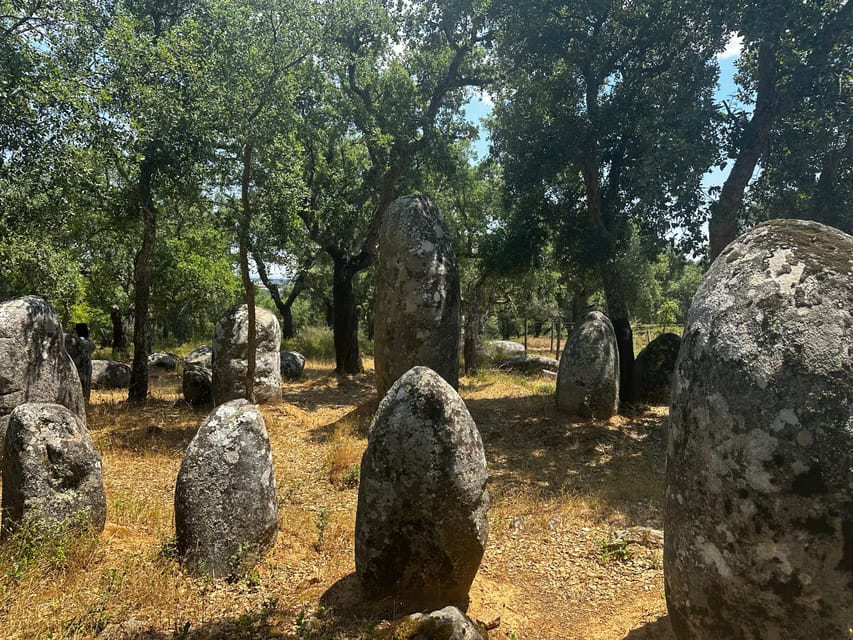
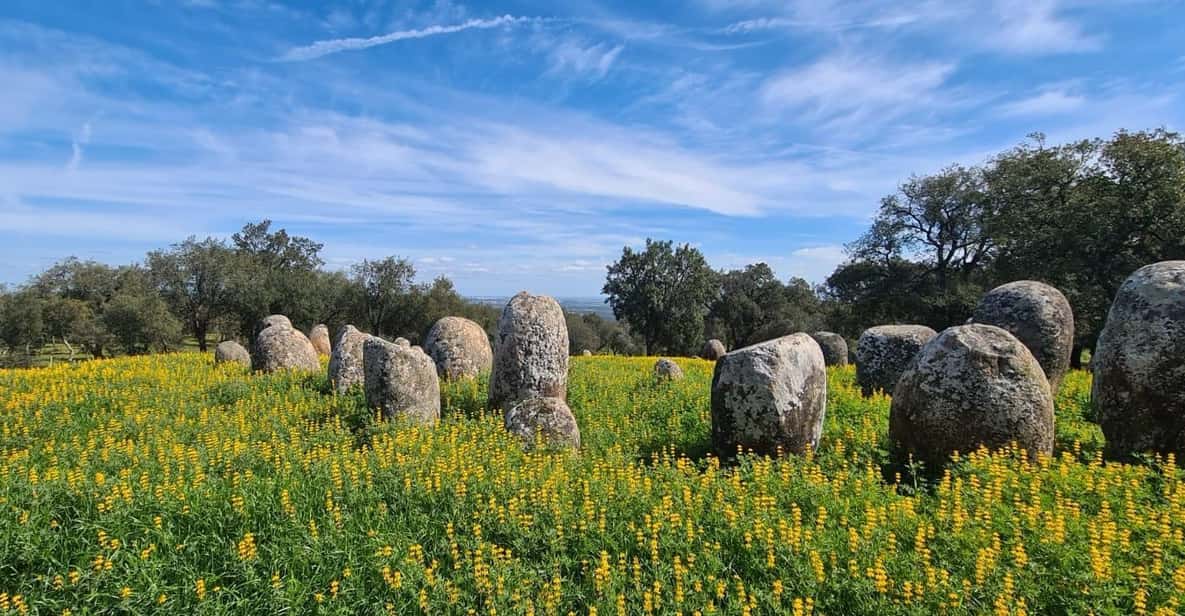
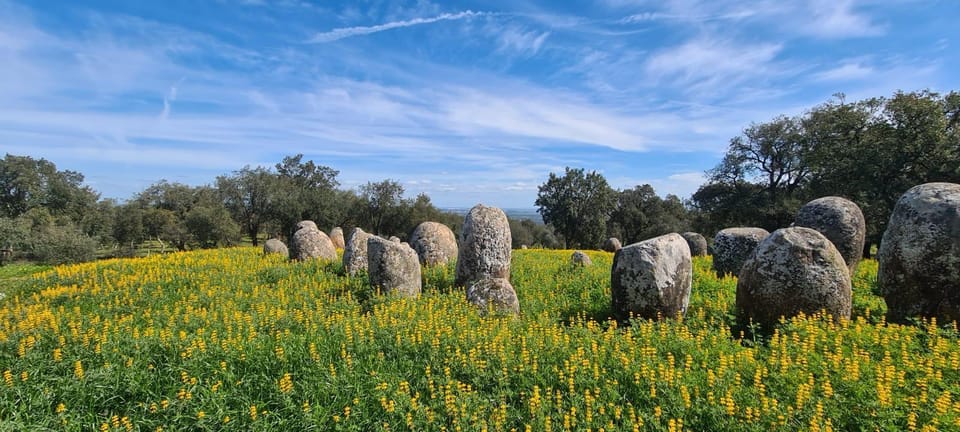
After the dolmen section, the tour heads toward one of the headline attractions: Almendres Cromlech. This complex is known for being one of the largest in Europe, with more than 90 stones arranged in specific formations.
What I like about Almendres as a tour stop is how it forces you to notice spacing. It’s easy to get hypnotized by big stones, but the guide pushes you to look at pattern: how lines and clusters suggest design, not accident. If you enjoy “read the scene” experiences, this is a highlight.
The day also includes additional stone-site visits that help fill in the bigger picture—such as Almendres Menhir, Vale Rodrigo Megalithic Complex, and Portela dos Modos Cromlech. Even when individual sites get less time than Almendres, they add contrast. You start to see how stone monument styles overlap across time and purpose.
If you’re the kind of person who likes photos, Almendres is where your camera earns its keep. Just remember: open-air sites can be bright and windy. Bring sunglasses and expect shadows that move fast across uneven ground.
Santiago do Escoural: lunch that grounds the day
After all that stonework, you’ll get a proper break for food. Lunch is at a traditional Portuguese restaurant in the Santiago do Escoural / Montemor-o-Novo area, with local ingredients. Drinks aren’t included, so plan on ordering water or something else if you need it.
This matters more than you might think. A megalith tour can become a blur of dates and names. A real lunch gives you the mental reset to keep the prehistoric story straight when you head to the next stop.






The Escoural Caves: prehistoric art underground
The tour includes the Escoural Caves interpretive centre first. I like this sequencing because it prepares you for what you’ll see underground. Instead of staring at markings and wondering if you’re supposed to “get it,” you have context before you descend.
Then you head into the Escoural Caves, known for prehistoric paintings and engravings. The effect is different from the open-air monuments: here, the story is intimate. People left marks inside spaces they lived with or returned to. You’re seeing early human expression on rock surfaces, not just architecture in the landscape.
Two practical considerations:
- Because you go into caves, the tour is not suitable for claustrophobia. If you’re unsure, take that warning seriously.
- Plan on cooler, enclosed conditions underground compared to outside temperatures. You might want a layer you don’t mind for cave time.
Also, the tour includes skip-the-ticket-line access, so you spend your time on the experience, not waiting.
Price and value: is $129 worth it?
At $129 per person for an 8-hour small-group day, you’re paying for three things that are hard to DIY in rural Alentejo:
- Transport that actually connects the sites
The pickup options (Évora or Montemor-o-Novo) and round-trip transfer remove the hassle of coordinating rural driving and timing between monuments.
- A guide who ties the stops together
You don’t just get “photo ops.” You get explanations of origins, purpose, and construction—especially at sites like the Great Dolmen of Zambujeiro and the megalith complexes where the details are easy to miss without help.
- Lunch plus cave-side access
Lunch is included, and you also get interpretive centre time and cave visit time, along with skip-the-ticket-line access.
Does it feel like a lot? It can, because the day packs many stops into a single schedule. But that density is the point: you come away with a bigger sense of Alentejo prehistory than you would from a half-day or a solo drive that hits only one or two sites.
And here’s where that small group size pays off: when access is tricky or the pace gets physical, you’re not stuck in a crowd that moves at the slowest walker’s speed.
Who should book (and who should skip)
This is a great match if:
- You want major megalith sites in one day without juggling multiple tickets and driving legs.
- You enjoy learning on the spot—especially about how burial monuments and stone circles were built and used.
- You’re comfortable with moderate walking and uneven rural paths.
Think twice if:
- You have mobility impairments, since the tour is not suitable in that case.
- You have claustrophobia, because the Escoural Caves involve going underground.
- You know your legs aren’t happy with a combined walk of around 1,900 metres for the Zambujeiro access.
If you do book, I’d take the “bring comfortable shoes” line seriously. In this tour, the right shoes are the difference between “this is great” and “why did I choose today to wear these?”
Should you book this megaliths and caves day?
If your goal is a one-day sampler of Alentejo’s prehistoric highlights—with guided context, included lunch, and the Escoural caves experience—this is a strong choice. It’s especially good if you’re based in Évora or Montemor-o-Novo and you don’t want to spend your time guessing at access routes.
I’d skip it only if the cave setting or the walking distance doesn’t work for you. If it does, it’s one of the most efficient ways to connect the stone monuments you’ll see above ground with the human marks you’ll see underground.
FAQ
How long is the tour?
The tour lasts 8 hours.
Where are the pickup locations?
You can be picked up from Montemor-o-Novo or Évora.
What’s included in the tour?
It includes round-trip transfer and visits to multiple megalithic sites, the Escoural Caves interpretive centre, the Escoural Caves, and lunch.
Is lunch included, and are drinks included?
Lunch is included in Santiago do Escoural. Drinks at lunch are not included.
Do I have to walk during the tour?
Yes. To reach the Great Dolmen of Zambujeiro, you walk about 950 metres along a rural path, for about 1,900 metres round-trip total.
Do you visit the Escoural Caves?
Yes. The tour includes the Interpretative Center of the Escoural Caves and then the Escoural Caves themselves.
What languages are the guides available in?
English, Portuguese, and French.
Is this tour suitable for everyone?
It is not suitable for people with mobility impairments or people with claustrophobia.