REVIEW · EVORA
Golden Era of Évora walking & the portuguese wine tasting.
Book on GetYourGuide →Operated by Moma Side My Bike · Bookable on GetYourGuide
Old stones, crisp stories, and wine at the end. This 4-hour walking tour in Évora links Roman, Visigothic, and Muslim influence to the city’s medieval power, and I especially like how it uses the streets as a living map. I also like the finish with Vanessa Schnitzer, a sommelier and oenologist, tasting Alentejo wines at Ervideira Wine Shop. One possible drawback: you cover a lot on foot, so you’ll want comfortable shoes and you may find the pacing a bit quick if you like to linger.
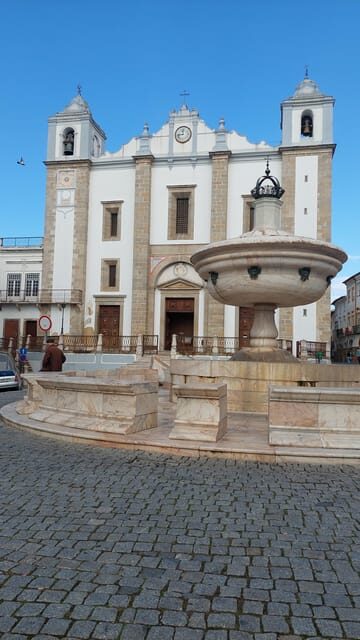
You’ll start at Chafariz da Praça do Giraldo, right where the city’s identity begins to take shape. Guides like Paolo bring that “spot it, then understand it” feeling—pointing out architectural details so you don’t just see towers and arches, you know what period they belong to. If you’re doing your first walk through town, go early; it changes how the rest of Évora clicks into place.
In This Review
- Key takeaways
- Évora’s Golden Era on foot: why this tour works
- Where you meet near Santo Antão and how the day flows
- Tracing Évora’s layers: Roman, Visigothic, Muslim, and medieval
- Geraldo the Fearless, reconquest, and the Avis Golden Age
- Monuments you actually see: Roman gateway, aqueduct, towers, and more
- The softer moments: romantic garden, palace spaces, and statues
- Ending with Alentejo: wine tasting at Ervideira with Vanessa Schnitzer
- Price and value: is $42 fair for 4 hours?
- Pace, comfort, and logistics you should plan for
- Who should book this Golden Era of Évora walk
- Should you book this tour?
- FAQ
- How long is the Golden Era of Évora walking and Portuguese wine tasting tour?
- Where does the tour start?
- Is the wine included in the price?
- Are museum entrance tickets included?
- Does the tour include a live guide, and what languages are offered?
- Is this tour wheelchair accessible?
- Is this a private group tour?
- Is there an age limit?
- Can I cancel and get a refund?
- Can I reserve and pay later?
Key takeaways
- Start in Praça do Giraldo for the Evoran story from early settlers onward
- Roman, Visigothic, and Muslim layers are explained through what you can actually see
- Iconic stops like the Roman gateway and Sisebuto Tower make the timeline real
- Palace D. Manuel, fountains, towers, and gardens balance big monuments with calmer pauses
- Alentejo wine tasting in the city with Vanessa Schnitzer at Ervideira Wine Shop
- English, Spanish, or Portuguese and a live guide make this feel personal, not rushed
Évora’s Golden Era on foot: why this tour works
Évora is a UNESCO World Heritage city for a reason. It’s not just that there are impressive buildings—it’s that you can walk and watch history change eras in real time. This experience is built around that idea: you move through town, and the guide helps you read what you’re seeing, from Roman power to medieval fortifications and the Golden Age of Portugal.
I like the format because it’s practical. You’re not stuck in a museum room for hours. Instead, you get the “why” behind the walls, towers, gateways, churches, and palaces that line the streets. And because the tour ends with wine tasting, you get a second kind of perspective: not only how Évora shaped Portugal, but how Alentejo shapes flavor today.
You’ll also notice a pattern in the best moments: the guide doesn’t only list facts. They tie details—architectural clues, names, and cultural shifts—into a story you can keep in your head as you wander on your own afterward.
You can also read our reviews of more walking tours in Evora

Where you meet near Santo Antão and how the day flows
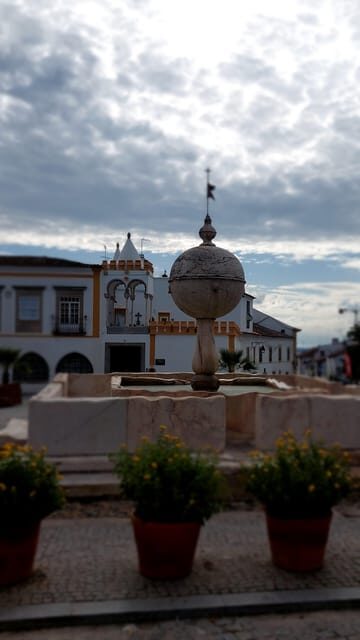
You’ll meet near Santo Antão Church, close to the historic center. The tour start point is listed at Chafariz da Praça do Giraldo, which matters because it frames the whole walk. Praça do Giraldo is a natural place to begin if you want context fast: it’s the kind of square where the city’s identity starts to show.
The experience runs about 4 hours, with guided time and sightseeing breaks rolled in. One practical tip: keep your phone charged. The guide provides what you need to focus your attention, and having a quick reference helps you spot the next “aha” moment without feeling lost.
This is a private group experience, and that changes the vibe. You’re less likely to feel like you’re being herded, and it’s easier for the guide to adjust for questions—especially if you want to understand how different religions and cultures influenced the same street-level scene.
Tracing Évora’s layers: Roman, Visigothic, Muslim, and medieval
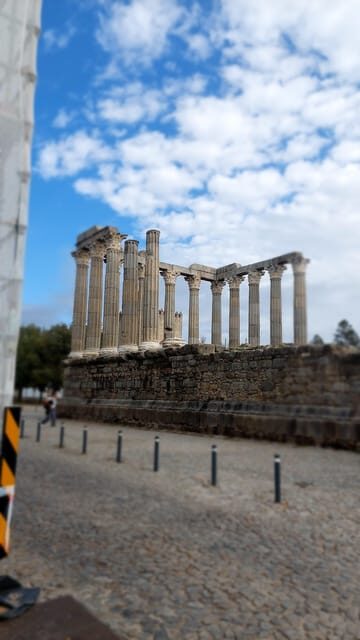
Évora’s story spans thousands of years, but this tour gives you a way to hold it without getting overwhelmed. The guide connects the dots across major periods—Roman influence, Visigothic presence, Muslim rule, and the later Christian medieval era—using visible structures and street alignments as clues.
What I like most is that the tour treats these eras as a sequence, not as random stops. You learn how one period’s power often shows up in what survives into the next. That’s why you’ll hear names and roles tied to the city’s reconquest and Portuguese Kingdom beginnings. The goal is that you leave with a timeline in your head, not just photos on your camera roll.
Also, the walk is designed for real observation. You’ll be guided to look at towers, battlement styles, gateways, and church-adjacent areas where architecture reflects changing hands over centuries. The guide’s job is to make those visual differences easier to spot.
Geraldo the Fearless, reconquest, and the Avis Golden Age
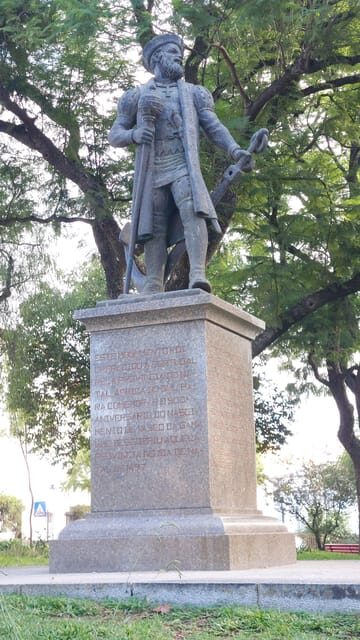
A big part of why this tour feels satisfying is that it includes the political context behind the buildings. You’ll hear about Geraldo the Fearless and the reconquest—then how Évora’s importance expands as the Portuguese Kingdom forms.
Then comes the Portugal you’ve probably heard about in classes and books, but you’ll experience it differently here: the Avis dynasty and the Golden Portugal age in the 15th and 16th centuries. Évora wasn’t just a scenic stop; it had a special role in that era, and the walk explains why. That context matters because it makes palaces, formal spaces, and monumental structures feel intentional rather than decorative.
If you like stories that connect cause-and-effect—who gained control, what that meant for urban design, and why certain monuments were built—this part of the tour is where you’ll feel the whole experience “click.”
And because Évora has been recognized as a UNESCO World Heritage Site since 23 November 1986, your guide often frames the city as something more than local pride. It’s part of a larger story about Portugal’s formation and the overlapping cultures that shaped it.
Monuments you actually see: Roman gateway, aqueduct, towers, and more
This is one of the tours where the highlights list actually matches what you’ll feel during the walk. You’re not only passing by big names—you’re stopping where you can look closely.
Expect pauses for:
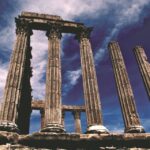
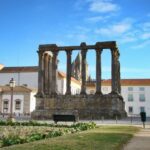
- Roman temple and aqueduct references, which help you understand early urban planning
- Towers and fountains, which give the city a layered rhythm—massive structures next to everyday life
- A Roman gateway, which is the kind of thing you might walk past without a guide, then suddenly realize you’re looking at a city’s old “front door”
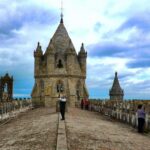
- Sisebuto Tower, which is a standout for tying the architecture to the story of Muslim-era influence
A quick practical note: even if you’ve visited other Roman sites in Europe, Évora’s advantage is that multiple eras sit close together. That proximity makes it easier for the guide to show contrasts. You’ll likely notice how the tone of the architecture changes—materials, forms, and the way buildings relate to defense and governance.
You may also hear about battlement and defensive features, including medieval fort-style elements. The tour makes these feel less like “wall trivia” and more like evidence of the city’s security needs over time.
You can also read our reviews of more food & drink experiences in Evora
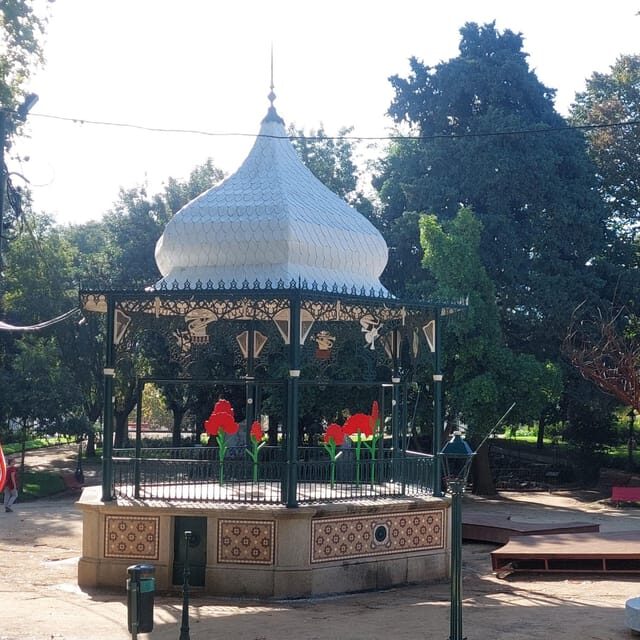
The softer moments: romantic garden, palace spaces, and statues
Not every minute is all stone and strategy. The walk includes lighter beats—fountains, statues, and a romantic garden moment. These pauses are not just aesthetic. They help you breathe and reset, which makes it easier to process the heavier historical content you just learned.
You’ll also visit or pass significant palace areas, including Palace D. Manuel. Even if you’re not an architecture nerd, you’ll understand the point: these spaces reflect status, power, and the social world of the Golden Age. It’s a good contrast to the earlier defensive and transit-focused structures like gateways and towers.
If you enjoy mixing grand monuments with calmer stops, you’ll appreciate how the tour avoids the “photo line” feel. It’s still a walk, but it has variety.
Ending with Alentejo: wine tasting at Ervideira with Vanessa Schnitzer
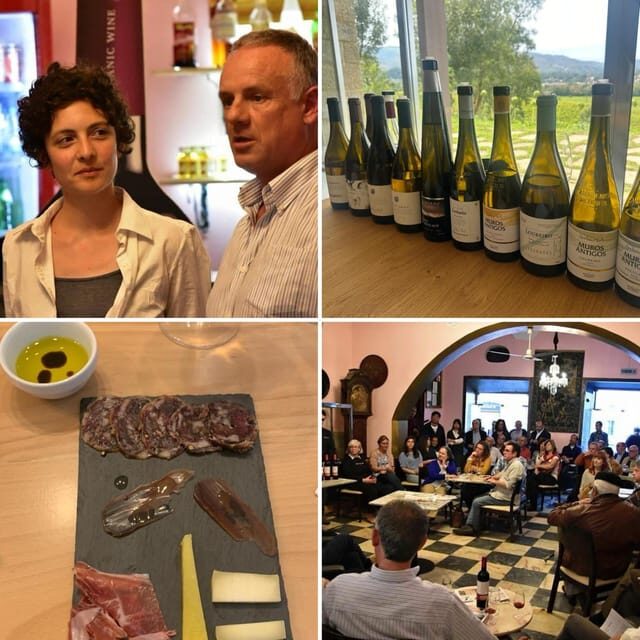
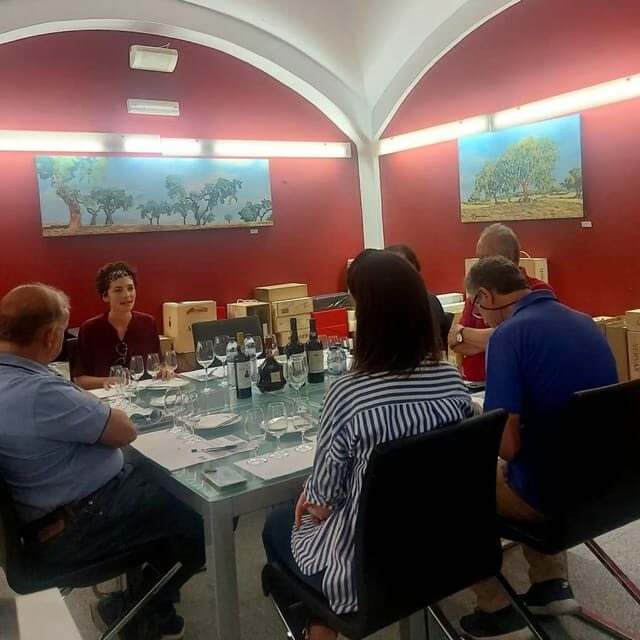
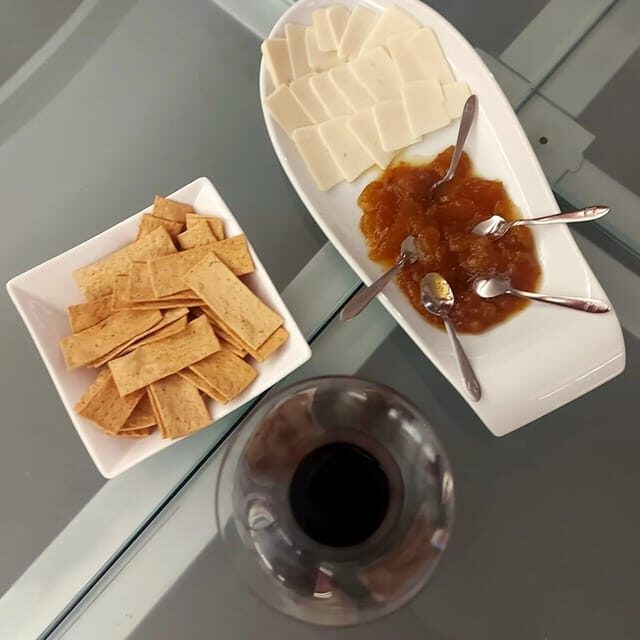
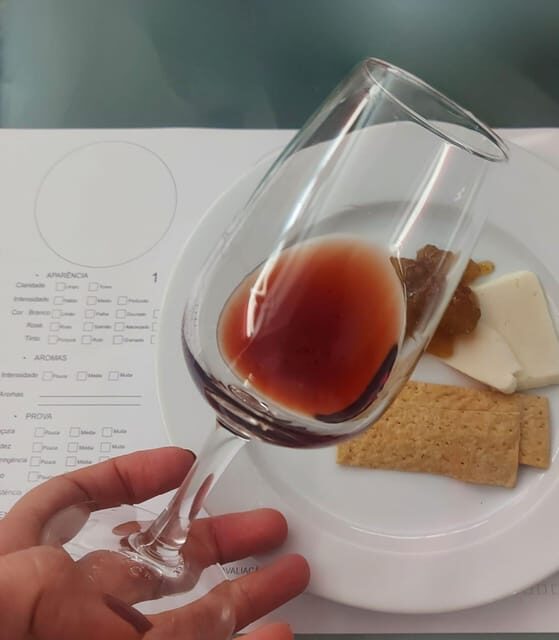
The finish is the part people often remember longest, because it turns the day from “history walk” into “sense of place.” You’ll end at Ervideira Wine Shop for a tasting connected to Alentejo.
The tasting is hosted by Vanessa Schnitzer, described as a sommelier, an oenologist, and a PhD student. That combination matters for how the explanations land. The focus isn’t just on what to drink—it’s on why those wines have their character.
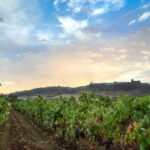
You’ll learn how soil and climate shape the wines, and the tasting is tied directly to the region’s identity. This is one of the best ways to make the word Alentejo more than a label. By the time you taste, you understand the “sense of place” angle the guide is aiming for.
Also, the tour includes the wine. So you’re not stuck doing math in your head at the end of the walk.
A practical heads-up: you’re expected to follow the rules—no alcohol and drugs beyond what’s provided in the tasting context—and you’ll want to pace yourself. You’ll already have walked for hours.
Price and value: is $42 fair for 4 hours?
At $42 per person for about 4 hours, the value comes from the combination, not from any single line item. You get:
- A live guide in English, Spanish, or Portuguese
- A walking route designed around Évora’s eras and visible architecture
- Wine included at the end
- A private group format (not the same as a giant crowd)
What you don’t get is just as important: museum entrance fees aren’t included. That means the tour is strongest for people who are happy with outdoor monuments and guided interpretation, rather than those planning to spend extra time inside paid museums.
If you tend to like tours where you leave with a “mental map,” $42 feels reasonable. If you prefer totally unstructured wandering, you might feel constrained by the walking pace. But if you want your photos to come with context, this price-to-payoff ratio is on the good side.
Pace, comfort, and logistics you should plan for
This tour is built on movement. Wear comfortable shoes and dress for the weather. Évora’s center can feel warm in strong sun, and the route includes towers, gateways, and street stops that take a bit of time at each point.
One detail from real experience-style feedback: guides can speak quickly while sharing a lot of information. That’s not necessarily a bad thing, but it does mean you’ll get more out of it if you’re ready to listen closely and ask questions when you want them slowed down.
Good news: the tour is wheelchair accessible, and it’s run as a private group, so adjustments are more realistic than on big public tours. If mobility is an issue, bring that up at the start so the guide can guide you comfortably through the route.
Age-wise, it’s not suitable for people under 19. And while the tour includes wine, you should expect alcohol rules to be respected throughout.
Who should book this Golden Era of Évora walk
This experience is a strong match if you:
- Want Évora’s layers explained through the buildings you see
- Prefer a walking tour with a clear story arc rather than random sightseeing
- Like history that connects culture shifts to real architecture
- Want Alentejo wine tasting as a meaningful ending (not just an add-on)
It’s also a smart choice early in your Évora visit. The guide’s structure helps you get your bearings fast, so the next day of wandering feels easier.
It may be less ideal if you:
- Want museums and indoor exhibits as the main event (museum entrances aren’t included)
- Need very slow, long-stay pacing at each monument
- Don’t enjoy guided listening and short stops
Should you book this tour?
If your goal is to understand Évora instead of just sightseeing, I’d book it. The way the walk ties Roman, Visigothic, Muslim, and medieval eras to specific sights makes the city easier to read. And the wine tasting with Vanessa Schnitzer at Ervideira Wine Shop turns the day into something sensory, not only intellectual.
If you already know Évora well and you prefer total freedom, you might skip this and just wander. But for most people—especially first-timers—this is a solid way to turn a UNESCO city into a story you can actually feel.
FAQ
How long is the Golden Era of Évora walking and Portuguese wine tasting tour?
It lasts about 4 hours.
Where does the tour start?
The listed start point is at Chafariz da Praça do Giraldo, and the meeting is near Santo Antão Church.
Is the wine included in the price?
Yes. Wine tasting is included.
Are museum entrance tickets included?
No. Entrance in museums is not included.
Does the tour include a live guide, and what languages are offered?
Yes, there is a live tour guide. The tour is available in English, Spanish, and Portuguese.
Is this tour wheelchair accessible?
Yes, it is wheelchair accessible.
Is this a private group tour?
Yes, it’s a private group.
Is there an age limit?
Yes. It’s not suitable for people under 19.
Can I cancel and get a refund?
You can cancel up to 24 hours in advance for a full refund.
Can I reserve and pay later?
Yes. You can reserve your spot and pay nothing today.