REVIEW · EVORA
Évora Unforgetable Sidecar Tour
Book on GetYourGuide →Operated by Moma Side My Bike · Bookable on GetYourGuide
Évora turns into a time machine when you ride pillion-style around town. You get a three-civilization story told in motion, plus a comfy motorcycle sidecar ride that covers big sights fast. The main catch: this tour is mostly outside the monuments, so if you’re craving lots of indoor time, you’ll have to manage your expectations.
What I love most is the way Paulo ties the city’s eras together as you move—Celtic Eborones, Roman Ébora, and the Muslim-era chapter called Yeborah. I also like the “real town” rhythm: stops at major landmarks, a short walk for architecture clues, and time to understand local crafts like cork products. One consideration: you’re on a 3-hour ride, so comfort and weather matter more than on a slow walking tour.
In This Review
- Key Moments You Should Know Before You Go
- Why Évora Feels Different from a Sidecar
- Where You’ll Start: Capela dos Ossos or Jardim Público
- The Celtic-to-Roman Route Starts at Alto de São Bento Windmills
- Yeborah and the 13th-Century Cathedral: Medieval Layers Made Clear
- Medieval Walls, Fortifications, and the Golden Portugal Age
- The Museum Add-On, Cork Craft Stops, and a 1900s Café Ending
- Price, Comfort, and Who This Sidecar Tour Suits
- Quick Practical Tips for a Smooth 3-Hour Ride
- Should You Book This Évora Unforgettable Sidecar Tour?
Key Moments You Should Know Before You Go
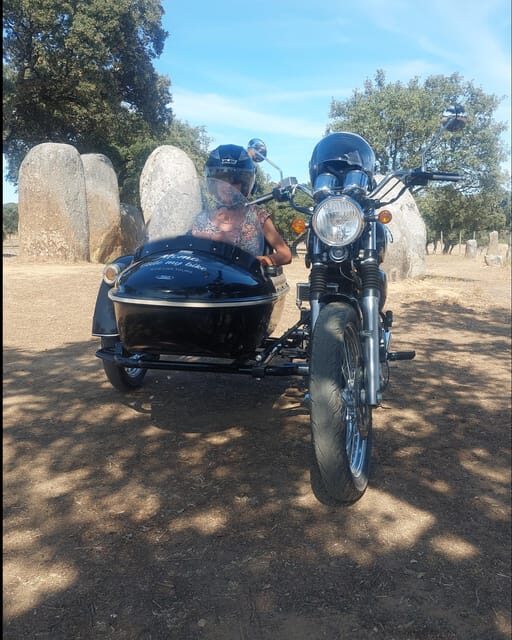
- Bluetooth-helmet setup and a safety briefing to keep the ride smooth and clear
- Alto de São Bento viewpoint photo stop to orient you before the old streets
- Roman + medieval circuits: temples, walls, towers, squares, and fortifications
- Golden Age sights like D. Manuel Palace and Giraldo Square
- A classic early-1900s café finale with peacocks in the garden and wine/gastronomy talk
Why Évora Feels Different from a Sidecar
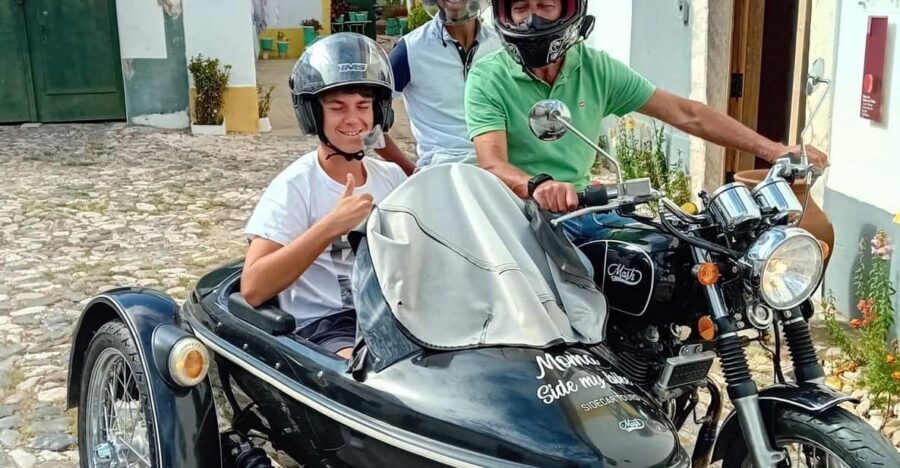
Évora has a reputation for being old, but what matters on this tour is how fast you can connect the dots. Instead of reading dates on plaques, you’ll see how the city’s layout makes sense for each era. Paulo’s guiding style is practical: he points out what you’re looking at, then explains what that place meant for the people who built it.
You’ll also get a “breeze + speed” view that works well in Évora. A sidecar ride is not about thrill for its own sake. It’s about efficiency. In roughly 3 hours, you can hit the key zones—outskirts viewpoint, Roman/medieval core, and the landmarks that show the later growth of the city.
One more thing: the ride keeps a sense of humor. The story isn’t dry. You’ll be traveling between the Celtic, Roman, and Muslim civilizations in a way that stays easy to follow, even if history isn’t your usual hobby.
You can also read our reviews of more tours and experiences in Evora.
Where You’ll Start: Capela dos Ossos or Jardim Público
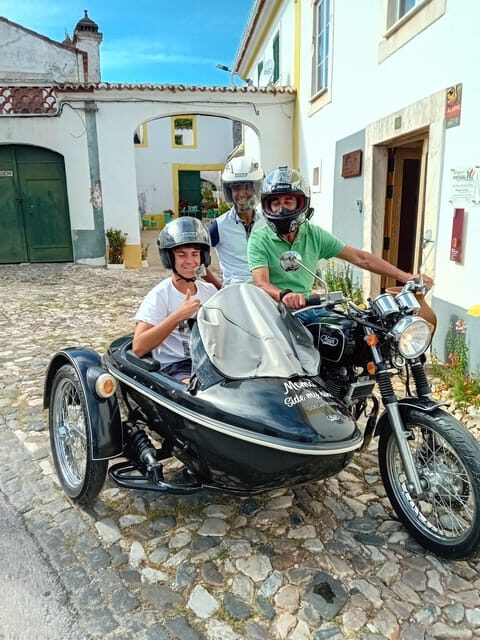
Pick-up is flexible, and that’s a big quality-of-life win. You can start from either Capela dos Ossos or Jardim Público. On top of those options, the tour also offers pick-up within Évora, and drop-off can be arranged to your hotel in Évora or the outskirts.
Why this matters: Évora’s center is best done on foot, but the sidecar ride needs a practical handoff point. Getting picked up near a central landmark means you don’t spend half your tour time navigating narrow streets with luggage.
If you like having a clear meeting point, Capela dos Ossos and Jardim Público both feel like easy anchors. If you prefer door-to-door convenience, tell Paulo where you’re staying and plan around the included drop-off.
The Celtic-to-Roman Route Starts at Alto de São Bento Windmills
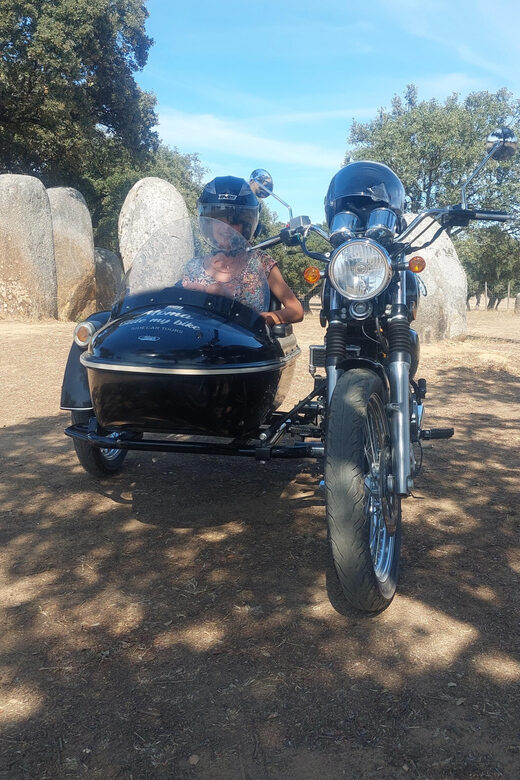
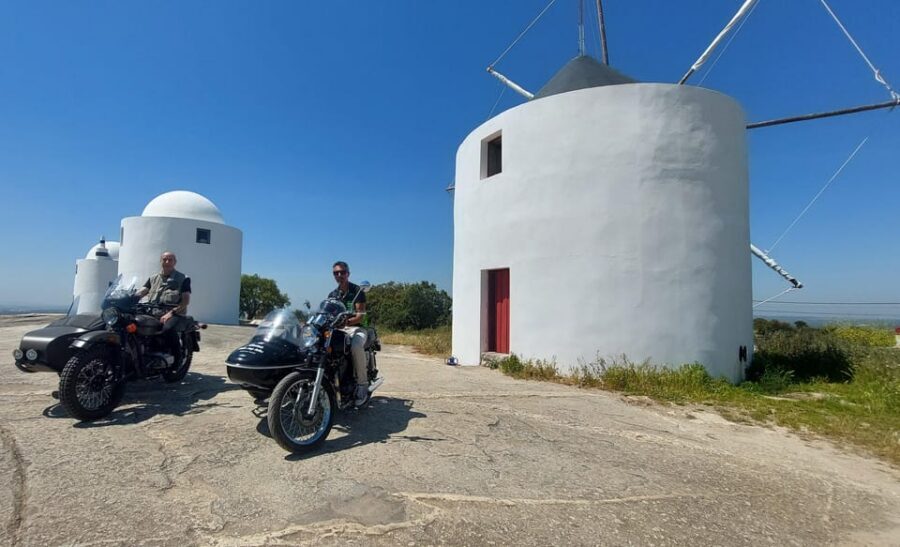
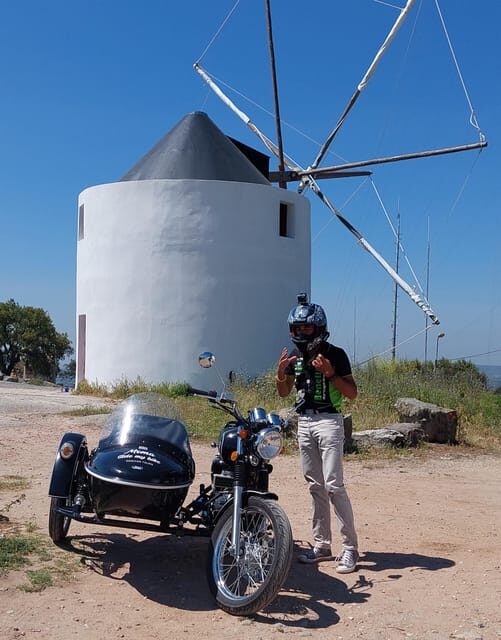
Your ride begins near the windmills at Alto de São Bento, up on the hill. This is where the tour sets its theme: the first settlers called the Eborones, linked to the Celtic chapter of Évora.
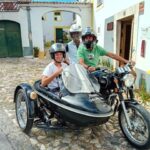
Then you move downhill and around the historic zones. One of the best parts of this section is how the stops are paced. You get a viewpoint photo stop early, with a short safety briefing (about 15 minutes). That briefing matters because you’ll be wearing connected helmets, with communication via Bluetooth.
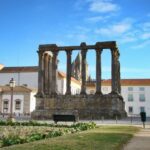
From there, you’ll see Roman-era highlights and the kind of city defenses that make Évora so visually distinctive. The tour focuses on major external landmarks rather than long indoor visits, including:
- ancient battlement walls of Ébora Liberalitas Julia
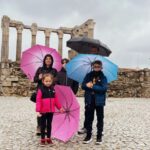
- the Roman Temple
- Tower Sertório
This is also the segment where you’ll likely feel why the sidecar is worth it. The Roman pieces aren’t all clustered on one street. They’re spread out, and jumping between them on foot would take time. On the bike, you get the quick connections without losing the flow of the story.
A small note for photos: because the route includes viewpoints and exterior stops, you’ll want your camera/phone ready for quick pull-ins—especially early when everyone’s still getting oriented.
Yeborah and the 13th-Century Cathedral: Medieval Layers Made Clear
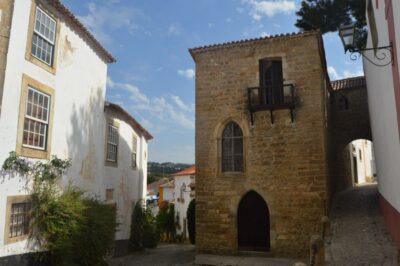
Once you reach the old citadel area, the tour shifts toward the city’s Visigothic and Muslim legacy, known here as Yeborah. This is where Paulo’s explanations help most. The city doesn’t just have “old buildings.” It has overlapping chapters, and the tour tries to show how each layer builds on the last.
You’ll also arrive at a specific historical marker: 1166 A.C., tied to the first Foral of Évora. That kind of date can feel abstract in a museum. Here it lands because you’re looking at the spaces where community and governance would have mattered.
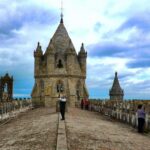
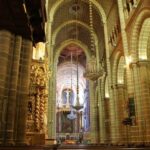
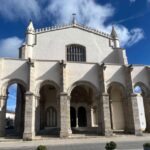
Next comes the Cathedral zone. You’ll be near the 13th-century Cathedral, with a style that blends Romanesque and Gothic on the outside. In the same area, the tour uses the square and monuments as a “walking map,” so you can connect the architecture cues to the eras Paulo explains.
Depending on your interests, you might spend extra moments simply looking outward—cathedrals and adjacent spaces in Évora often show their different phases if you know what to notice.
Medieval Walls, Fortifications, and the Golden Portugal Age
After the cathedral area, the ride continues around the medieval walls and towers, including fortifications from the 17th century. This matters because Évora’s defensive perimeter is a big part of its identity. Seeing those lines from a moving vehicle helps you understand scale.
Then you’ll hit a set of high-impact landmarks that explain why Évora became so important:
- D. Manuel Palace (15th century), tied to the Golden Portugal Age and the Manueline style
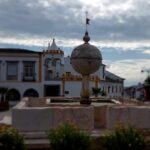
- Giraldo Square, one of the key civic anchors
- Portas de Moura, a notable gateway
- the Silver Aqueduct and its fountains
- Tower Sisebuto
The aqueduct + fountains section is particularly practical for visual learners. Even if you’re not an architecture specialist, you can see how water infrastructure supports the city’s daily rhythm.
And don’t skip the short walk time built into the plan. It’s there for a reason: you’ll get a quick way to understand old versus newer architecture, plus street-level context like craft shops and local materials.


The Museum Add-On, Cork Craft Stops, and a 1900s Café Ending
One of the smartest ways this tour handles “inside vs outside” is by keeping most sights exterior, then offering a museum benefit. The tour won’t normally go inside buildings on the standard circuit. But if you choose this general sidecar tour, it includes a free entrance for two travelers to the Évora Museum.
The end of the route is also more than a feel-good finish. Paulo’s tour wraps with information about local gastronomy and wines, then you’ll stop at a café that dates to the beginning of the 20th century. In the final garden area, you can spot peacocks, which adds a memorable, calm tone after the busy-looking medieval streets.
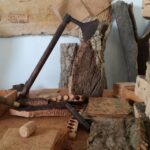
This final block is where the tour stops being only about monuments and becomes about living in Portugal—what people eat, what they drink, and why cork crafts show up in shops again and again. You’ll see products made with cork and other materials, plus the vibe of a city that still works.
Price, Comfort, and Who This Sidecar Tour Suits
The listed price is $53 per group up to 1 for a 3-hour private tour. Even if you’re not buying hours of museum tickets, you are paying for three things:
1) a private guide who can connect multiple eras as you move
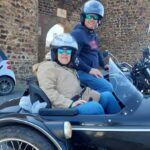
2) motorcycle-sidecar transport that reduces walking time between widely spaced landmarks
3) skip-the-line support for the included museum option
Comfort-wise, the sidecar is set up for an enjoyable ride. In real-life terms, that means you get the breeze and the quick sighting of major structures without having to climb between every viewpoint.
This tour is best for you if:
- you want the big landmarks of Évora without planning a route yourself
- you like guided storytelling that explains what you’re looking at (not just where it is)
- you’d rather ride and get orientation fast than spend the whole day walking
It may be less ideal if:
- you want lots of interior time inside churches/palaces
- you dislike being on a motorcycle sidecar for a full 3 hours
Quick Practical Tips for a Smooth 3-Hour Ride
Bring a phone with enough battery, because you’ll want photos at the viewpoint and at multiple exterior stops. Wear clothes that work for sitting and riding—comfortable shoes matter too, since there’s a short walk during the architecture/old-street section.
Also, listen to the safety briefing when you start. The tour uses helmets connected by Bluetooth, which helps the guide’s commentary stay clear while you’re moving.
Finally, if you care about museum time, confirm how the Évora Museum free entrance applies to your exact number of travelers during booking.
Should You Book This Évora Unforgettable Sidecar Tour?
Yes—if your goal is to understand Évora quickly and clearly, this is a strong pick. The format matches the city: a layered place where Celtic beginnings, Roman structures, and later medieval chapters all sit within a rideable circuit.
Book it especially if you want a fun, guided way to cover the highlights without doing all the logistics yourself. Just remember it’s an exterior-focused tour with a museum option, not a slow, inside-everything marathon.
If you’re in Évora for a short stay and want a guided “best of” that still feels personal and story-led, this sidecar experience hits that sweet spot.