REVIEW · LISBON
Évora and Megalithic Circuit Private Tour 10H
Book on GetYourGuide →Operated by Essência da Latitude Turismo Lda · Bookable on GetYourGuide
Megaliths and UNESCO in one long Alentejo day. What makes the Évora and Megalithic Circuit Private Tour so interesting is the mix of guided city highlights with prehistoric sites outside town, all with a dedicated driver/guide for a smooth, no-stress day.
I love that it stays genuinely private, so the pace feels built around your group rather than a big bus schedule.
The megalithic circuit is the heart of the day, and I like how the route connects places separated by thousands of years—Almendres Cromlech and the Great Dolmen of Zambujeiro. One thing to consider: the tour is not wheelchair accessible, so if mobility support is needed, you’ll want to pick a different format.
In This Review
- Key things I’d prioritize on this tour
- A 10-hour private day from Lisbon to Évora and the megalith trail
- Getting oriented fast in Évora’s historic center
- Roman Temple, then the Cathedral: two different kinds of old
- Chapel of Bones: moving, not just shocking
- Free time in Évora: use it for lunch and low-pressure wandering
- Almendres Cromlech: standing inside a 6000-year story
- The big shift: from ruins you can touch to monuments you interpret
- Great Dolmen of Zambujeiro: Portugal’s major dolmen moment
- The Alentejo drive that makes the day feel like more than stops
- Price and value: what $198 buys you (and what it doesn’t)
- Comfort, pacing, and small practical notes that matter
- Who this private Évora and megalith circuit suits best
- Should you book this private Évora and Megalithic Circuit tour?
Key things I’d prioritize on this tour
- Full-time driver/guide keeps the day flowing and lets you ask questions in real time.
- Évora highlights on foot cover the Roman Temple area, the 13th-century Cathedral, and the Chapel of Bones.
- Almendres Cromlech (about 6000–5000 BCE) gives you one of the oldest megalithic settings in Portugal’s story.
- Great Dolmen of Zambujeiro (about 4000–3000 BCE) adds the big, dramatic dolmen scale that makes this circuit worth it.
- Time to breathe in Évora with about an hour of free time means you’re not rushed through lunch or wandering.
A 10-hour private day from Lisbon to Évora and the megalith trail
This is a longish day trip—10 hours total—but it’s designed to feel efficient rather than exhausting. You start in central Lisbon, then trade city streets for the Alentejo countryside as you head toward Évora, known for its well-preserved old core.
What you’re buying here is control: a private group, a dedicated driver/guide, and enough guided time to understand what you’re seeing. It’s also a “two worlds” day—UNESCO-era streets and then prehistoric monuments sitting out in open landscape.
You can also read our reviews of more private tours in Lisbon



Getting oriented fast in Évora’s historic center
Once you arrive, you get a guided walk through the heart of Évora’s historical center with time built in to actually absorb the city. The focus is on how Évora’s long human story shows up in stone, street layout, and standout buildings.
You’ll also notice how the city blends ancient remains with modern life, including the university presence that keeps the streets feeling lived-in rather than frozen in time. That matters, because it makes your megalith visit later feel less like a museum hop and more like a continuation of place and culture.
Roman Temple, then the Cathedral: two different kinds of old
The day starts ticking through major landmarks with short guided stops so you get context without getting bogged down. The Roman Temple of Évora gets about 15 minutes, which is the right amount of time to take in its presence and understand why Évora is on so many historic routes.
Then comes the Cathedral of Évora, a 13th-century Gothic landmark with about 20 minutes of visit time. I like the pacing here: first you see the Roman layer, then the medieval one. It helps your brain stop treating history as one straight line.
The practical win: you’re not left wandering with zero direction. A guide can point out what to look for and explain why these buildings matter beyond their photos.
Chapel of Bones: moving, not just shocking
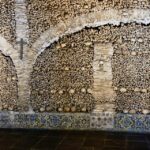
After the Cathedral, you’ll visit the Chapel of Bones, about 25 minutes. This is one of those stops that can feel eerie before you even enter, but the visit time is long enough to let it land.
What I appreciate is that you get a reminder that the monument is tied to human fragility—not just spooky décor. It’s memorable because it’s compact and direct, so your reaction doesn’t have to compete with a long route through a huge complex.
Wear good shoes. You’ll be on your feet through the old-town walking, and this stop tends to make you pause and look closely.
Free time in Évora: use it for lunch and low-pressure wandering
After you’ve covered the key sights, you get about an hour of free time in Évora. This is your chance to grab lunch at a local spot, with traditional Portuguese dishes made from fresh ingredients.
Lunch isn’t included, so you’ll want to plan a budget for it. The upside is choice: you can pick something simple and close, or you can slow down and browse before you decide.
This hour also helps you avoid a common day-trip mistake: trying to cram everything into guided time. A little freedom keeps the day from feeling like a checklist, and Évora rewards that.





Almendres Cromlech: standing inside a 6000-year story
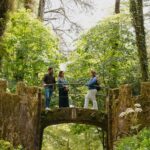
After lunch, the tour heads out to Almendres Cromlech, with a guided visit of about one hour. This site dates to around 6000 to 5000 BCE, and it’s often compared to other famous megalith landscapes because it predates Stonehenge by about 2000 years.
The point here isn’t to guess the one correct answer about purpose. The guide focuses on what we know and what’s still uncertain, with the prevailing belief that it likely served a ceremonial or religious function.
What makes this stop feel special is the setting. The Alentejo countryside—rolling plains, vineyards, olive groves, and cork oak forests—creates a natural “time machine” effect without doing anything cheesy. You’re looking at stone and sky, not a sterile indoor exhibit.
The big shift: from ruins you can touch to monuments you interpret
Once you’re at Almendres, your brain switches modes. In Évora, you’re surrounded by architecture that still supports daily life. At a cromlech, you’re reading the landscape instead of walking through buildings.
That’s why the guided hour matters. A good explanation turns random positioning of stones into something you can follow: patterns, age, and the idea that Neolithic people used these places intentionally.
It also helps you connect to the bigger theme of the day: humans leaving signatures across millennia. You’re not just visiting sites—you’re building a mental timeline as you go.
Great Dolmen of Zambujeiro: Portugal’s major dolmen moment
Next is Anta Grande do Zambujeiro, also known as the Great Dolmen of Zambujeiro, with about 30 minutes of guided time. This is one of Portugal’s most significant megalithic monuments, dating to the Late Neolithic period, around 4000 to 3000 BCE, roughly 6000 years old.
The structure is dramatic because a dolmen isn’t subtle. It’s built to last, and it hints at social planning and engineering skill—people organizing resources, teamwork, and construction methods long before modern tools.
The guide’s role here is crucial. With only a half hour, you need someone to point you toward what’s most important: the monument’s size, age, and why it’s part of the megalithic heritage of Portugal.
The Alentejo drive that makes the day feel like more than stops
Between the landmarks, you’ll move through open countryside. The scenery isn’t just background—it’s part of why this route works. Seeing rolling plains and patches of vineyard and olive grove helps you understand how these ancient sites were placed in relation to daily life, farming, and long-distance movement.
Because you’re in a private vehicle, the ride stays comfortable and flexible. You’re not stuck waiting on a line for a group bus, and you’re not doing the hard work of figuring out how to connect sites efficiently on your own.
Price and value: what $198 buys you (and what it doesn’t)
At $198 per person for a 10-hour private tour, the price is mainly paying for three things: private transport, a dedicated driver/guide, and the guided time at multiple major sites without you coordinating anything.
You get:
- A private experience with only your group
- A full-time driver/guide as your trip leader
- Fresh water
- Pickup and drop-off from central Lisbon (hotel or cruise terminal)
You do not get:
- Food and drinks (including lunch)
- Entrance fees
- A broad luggage allowance (one standard suitcase per person is mentioned as the limit)
So the best way to judge value is this: if you’d otherwise spend time booking transport plus hiring separate guidance, this format saves hassle. It also saves you decision fatigue—someone else manages the route and timing.
Comfort, pacing, and small practical notes that matter
This is mostly a walking day, especially through Évora’s historical center. Comfortable shoes are a must. You’re on the go from early start through city walking and then out to open megalith sites.
The vehicle rules are simple: no smoking or eating inside the vehicle. You’ll want your own water habits handled too—since fresh water is provided, you don’t need to keep buying bottles.
Luggage is limited to one standard suitcase per person, and oversize luggage isn’t the move here. If you’re traveling with a lot of gear, pack smart.
Also keep in mind: it’s not wheelchair accessible. Strollers are fine, so families with kids who use strollers should be able to manage.
Who this private Évora and megalith circuit suits best
This tour fits best if you like structure but still want breathing room. The guided visits at each landmark are short and purposeful, with just enough free time to reset during the day.
It’s ideal for:
- People who want a guided introduction to Évora’s UNESCO core
- History and archaeology fans who enjoy connecting eras, from Roman and Gothic to Neolithic monuments
- Anyone who prefers a private format over crowds
- Travelers who want countryside scenery without arranging separate day trips
On a personal-note level, I appreciate that the tour format supports a relaxed pace. In at least one past outing on this route, the guide Vasco was praised for offering individual service based on the group’s interests—helpful if your curiosity leans more toward architecture, symbolism, or the megalith sites.
Should you book this private Évora and Megalithic Circuit tour?
If you want one day that actually connects themes—city layers in Évora and the prehistoric megalith landscape outside town—this is a strong pick. The private driver/guide setup is the big value driver, because it turns a complicated route into a smooth experience.
I’d book it if you’re comfortable paying for lunch and entrance fees on your own and you’re okay with a longer day. Skip it (or plan an alternative) if you need wheelchair accessibility, because the tour isn’t set up for it.
If your ideal trip mixes UNESCO sights with serious “how did they build this?” questions, you’ll likely enjoy the balance here.