REVIEW · LISBON
From Lisbon: Alcobaça & Óbidos Self-Guided Tour
Book on GetYourGuide →Operated by Gray Line Portugal · Bookable on GetYourGuide
Stepping into two very different towns fast is the point. This Lisbon-to-Alcobaça-and-Óbidos tour is built for self-guided freedom, with an interactive audio guide and enough time in each place to go at your pace. I like the practical setup: you’re driven between stops, but you choose what to linger over.
Alcobaça is the big cultural win. The Monastery of Alcobaça (a UNESCO site) ties into the dramatic story of King D. Pedro and Inês de Castro, and you get a full hour to focus without rushing every corner. Then Óbidos delivers the charm: medieval walls, churches with famous tilework, and streets made for wandering.
The main thing to watch is timing. The schedule is tight enough that you may feel rushed, and Óbidos is a place where church hours matter. Comfort can also vary on the bus ride, so plan for a standard long road trip feeling rather than luxury.
In This Review
- Key highlights worth planning for
- Alcobaça and Óbidos: the best kind of quick Portugal
- Getting started at Marques Pombal (Park Eduard VII area)
- Alcobaça in one hour: what you should focus on
- Audio guide strategy: using it to avoid the usual tourist rush
- Sweets time in Alcobaça: why that free hour feels smart
- The road between towns: plan your energy for Óbidos
- Óbidos medieval walls and the church details you can actually spot
- When timing feels tight: the biggest practical drawback
- Price and value: is $50 for six hours fair?
- Who this tour fits best (and who should rethink it)
- Should you book this Lisbon to Alcobaça & Óbidos self-guided tour?
- FAQ
- Where does the tour start and end?
- How long is the tour?
- What’s included in the price?
- What languages is the audio guide available in?
- Which places do you visit during the day?
- Is hotel pick-up or drop-off included?
- What should I bring for the tour?
- Are pets allowed on this activity?
Key highlights worth planning for
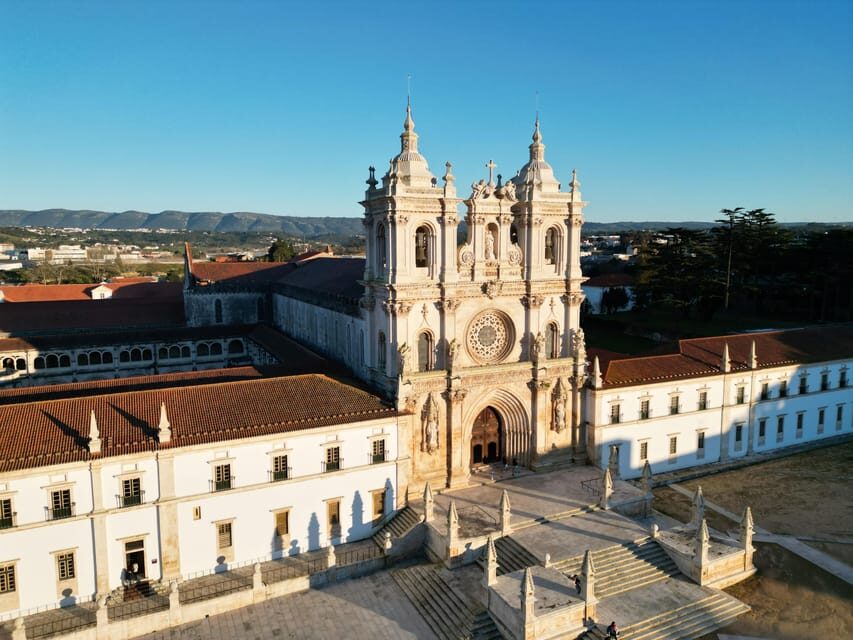
- UNESCO in Alcobaça: The Monastery of Alcobaça and its major tombs in a compact 60-minute window
- Real Romeo and Juliet connection: King D. Pedro’s burial choice for himself and Inês de Castro
- Óbidos at your pace: 2 hours to roam walls, castle views, and church interiors with audio support
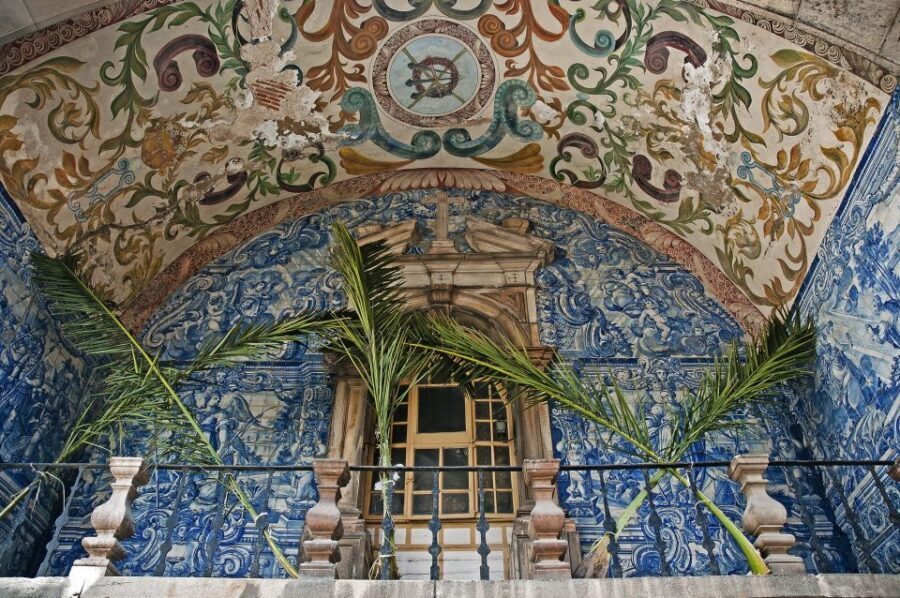
- Tile lovers will notice everything: 17th- and 18th-century tile scenes tied to specific landmarks
- Heaven sweets in Alcobaça: Built-in free time for local treats rather than a quick photo stop
- Audio guide in multiple languages: English, Spanish, French, German, Italian, Portuguese, and Chinese
Alcobaça and Óbidos: the best kind of quick Portugal
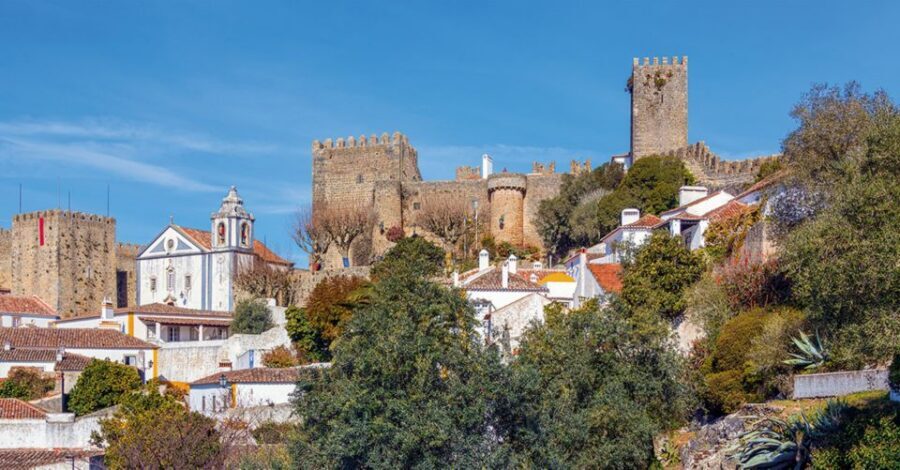
If you want Portugal’s “wow” without losing a full day, these two stops make sense. Alcobaça brings you deep medieval weight: a Cistercian monastery that began in 1178 and saw monks move in by 1223. Óbidos is the contrast—small, walkable, and wrapped in those iconic medieval walls where every street seems designed for slow steps.
The tour’s format is simple: you travel by coach between Lisbon, Alcobaça, and Óbidos, then you’re mostly on your own inside each town. That autonomy is the real value. You can prioritize the monastery tombs or the tile-covered churches, and you don’t have to negotiate a group pace in the places that reward careful looking.
You can also read our reviews of more guided tours in Lisbon



Getting started at Marques Pombal (Park Eduard VII area)
The meeting point is Terminal Marques Pombal Square, at the bottom of Park Eduard VII, with the tour ending back at the same spot. For you, that’s good news: it keeps the logistics straightforward when you’re already in Lisbon and don’t want extra pick-ups or drop-offs.
One practical tip: wear your walking shoes from the start. You’ll be on and off the bus a few times, and both towns involve sightseeing walking that adds up. Sunglasses and a hat also help in warmer months since you’ll spend time outdoors around walls and viewpoints.
Alcobaça in one hour: what you should focus on
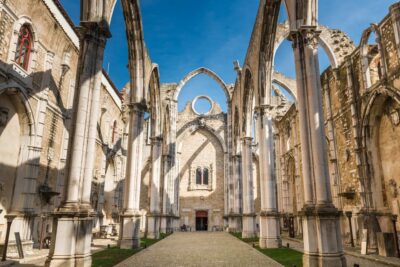
Alcobaça is where the tour earns its UNESCO credit. The Monastery of Alcobaça—also known as the Royal Monastery of Santa Maria de Alcobaça—was designated a UNESCO World Heritage site in 1989. This matters because it’s not just another big church. It’s one of the largest and best-preserved Cistercian complexes, and that order’s style shows in the monastery’s character and layout.
In your 1 hour of free time, you’ll get the core experience if you aim for these priorities:
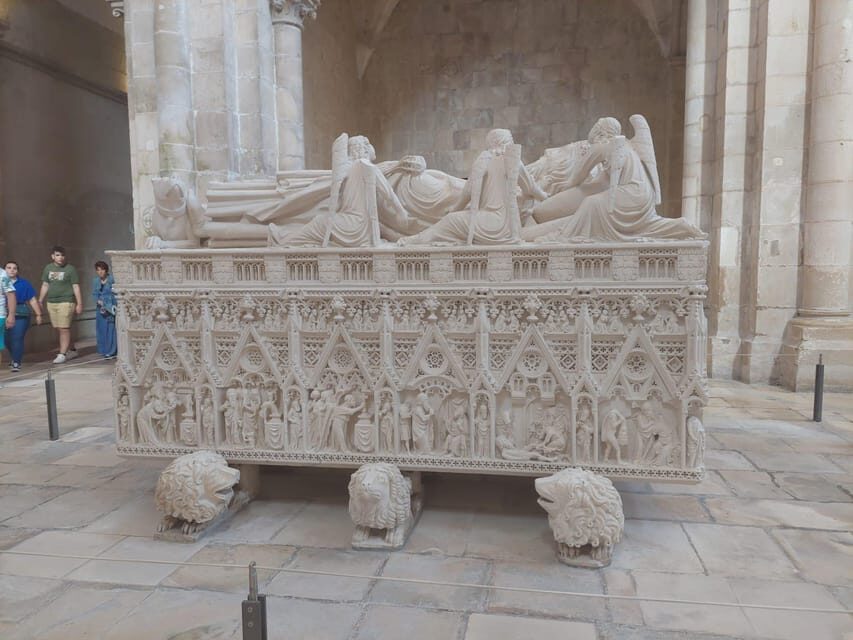
- The church space and the tomb story: King D. Pedro chose the monastery church as the burial site for himself and Inês de Castro. Their tombs are the emotional center of the real-life romance connection that people often link to Romeo and Juliet.
- The Cistercian feel: Even if you’re not a medieval architecture specialist, you’ll recognize that this place was designed for monastic life—meant to feel ordered, serious, and timeless.
Since this tour includes an interactive audio guide, you’re not stuck guessing what matters most. You can pause where the story is strongest, then move on when you’ve got what you came for.
Audio guide strategy: using it to avoid the usual tourist rush
This is a self-guided day, but that doesn’t mean you’re alone with a blank map. The tour includes an interactive audio guide plus a destination map. The audio is available in Spanish, Chinese, English, French, German, Italian, and Portuguese, so you can follow along in the language you’re most comfortable with.
Here’s how I’d use the audio to make the most of limited time:
- Start with the key sights first: tombs and main church areas in Alcobaça, then the landmark churches and gates in Óbidos.
- When you hear a historic detail you care about, spend time there and skip parts that feel repetitive.
- Save “curiosity browsing” for the end of each stop, not the beginning.
This approach helps you avoid the classic problem of audio tours: you run out of time while you’re still getting oriented.
Sweets time in Alcobaça: why that free hour feels smart

Alcobaça isn’t only monuments. The tour builds in free time for tasting the local heaven sweets. That’s a small detail, but it’s the kind of value-add that makes day trips feel less like a checklist.
If sweets are your thing, you’ll want to plan it like this: after you see the monastery highlights, switch modes. Stop, sit down, and let the day breathe for a few minutes. If you try to do sweets before you’ve taken in the monastery context, the day can feel unbalanced—cultural big-weight first is what keeps the story coherent.
You can also read our reviews of more tours and experiences in Lisbon




The road between towns: plan your energy for Óbidos
Between Alcobaça and Óbidos you’ll have a transfer, and the whole day follows a tight-but-reasonable sequence. That timing is the trade-off: you get both towns, but you don’t get to treat this like two separate deep visits.
For your comfort and pacing, keep expectations simple. Bring water if you can (the tour data doesn’t specify refreshments), and don’t schedule anything stressful right after. You’ll likely arrive in Óbidos ready to walk, so have a plan for shoes, shade, and breaks.
Óbidos medieval walls and the church details you can actually spot
Óbidos is the part many people remember. You’re not just looking at buildings; you’re inside the story of walls, royal summers, and religious tilework.
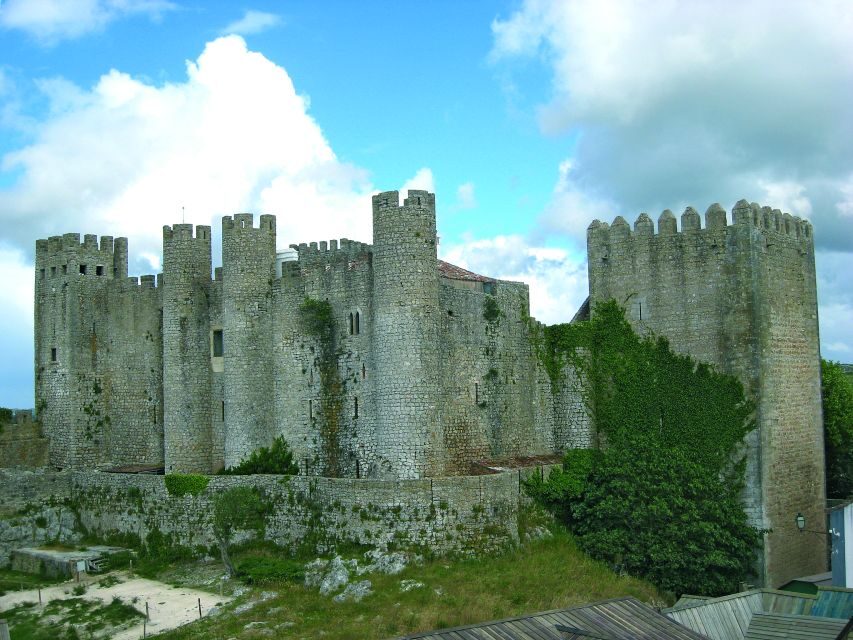
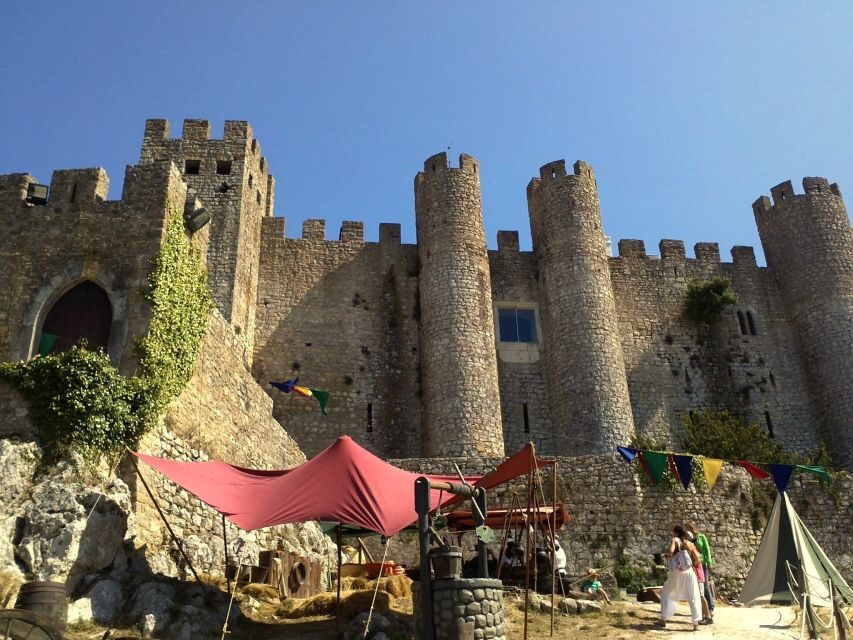
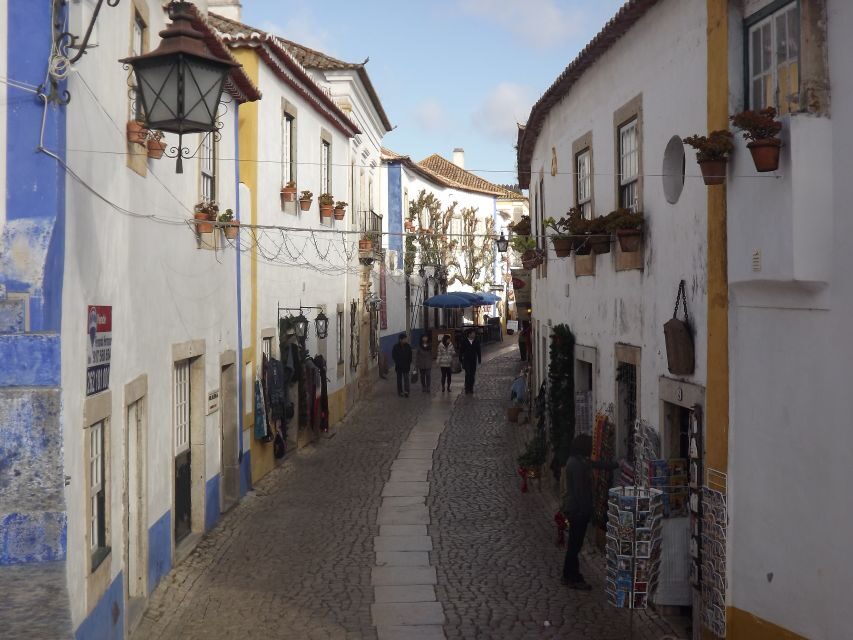
The village is famously walkable and surrounded by medieval walls and castle features. With your 2 hours of free time and self-guided exploration, you can focus on the landmarks that match your interests instead of following a fixed order.
Here are the Óbidos stops that make the audio guide especially worth it:
- Town Gate / Our Lady of Sorrow: Look for the inscription connected to the Virgin conceived without original sin, traced to the 17th century (John IV’s era). Nearby, you’ll also see 18th-century tiles showing scenes of the Passion of Christ.
- St. Peter’s Church: It has a medieval foundation and retains its original portal. The church was renovated in the second half of the 16th century and has a single nave and a baroque wood altarpiece from the King John V period.
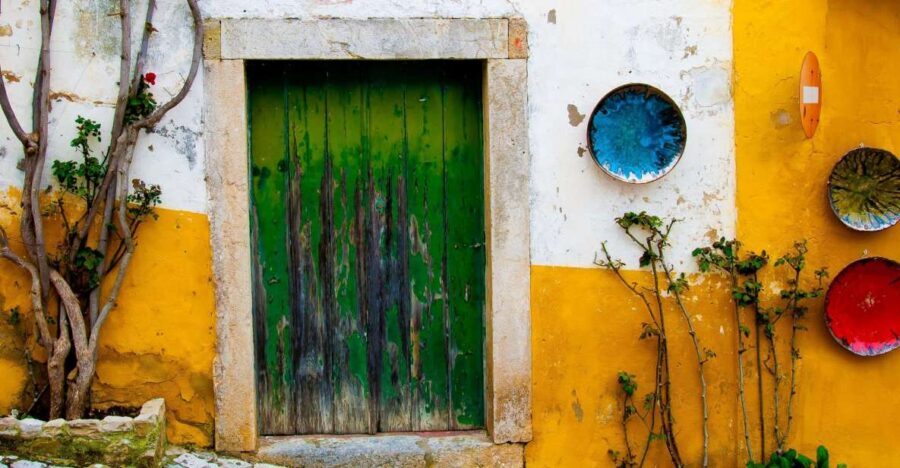
- Pousada of Óbidos: This is a standout if you like architecture in everyday use. The pousada was the first in Portugal built from a historic building, inside the old Paço do Alcaide. Pay attention to the Manueline windows and the doorway with an ornate lintel shaped like intertwined tree trunks.
- St. James Church: The royal family visited this church over the centuries, and it was founded by King Sancho.
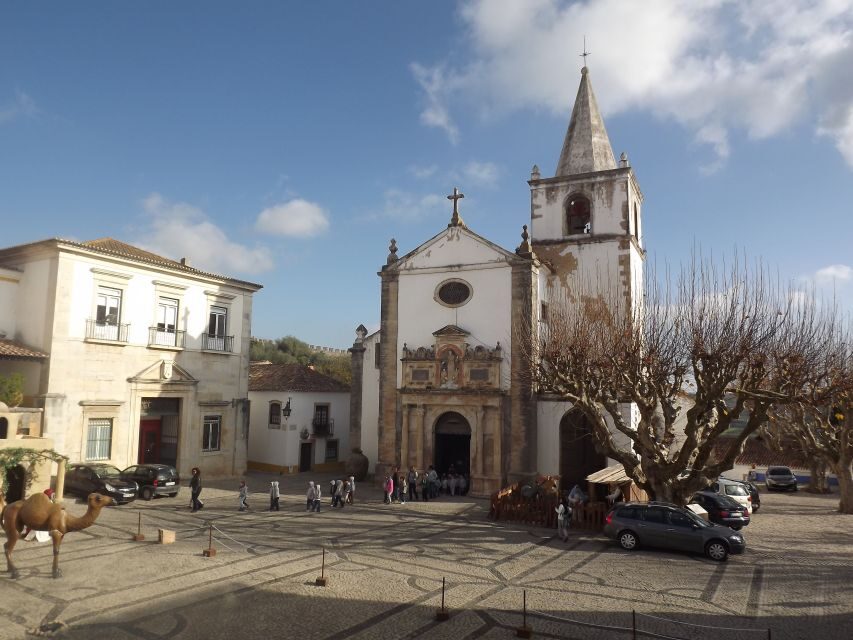
- St. Mary’s Church: This one rewards close attention. It sits on the same site as an earlier Visigoth temple, later turned into a mosque. After Portugal’s Christian conquest under Afonso I, it became a Catholic church. Inside, you’ll find splendid wall tiles and the tomb of D. João de Noronha (16th century), sculpted by Nicolau Chanterene.
That’s a lot of detail for 2 hours, but it’s exactly why the audio guide matters. Without it, you might miss the tilework that ties to the specific monuments you’re standing in front of.
When timing feels tight: the biggest practical drawback
The most common complaint with tours like this isn’t the driving—it’s the hours in town. Óbidos is beautiful, but churches can have limited opening times. If you arrive later than you’d like, your best move is to prioritize exterior views and the streets with flower-adorned houses, then choose one church interior you really want rather than trying to do everything.
Another consideration: bus comfort isn’t guaranteed. Some people have found the ride in a smaller vehicle uncomfortable. You can’t control that, but you can reduce the impact by dressing for travel, wearing supportive shoes, and keeping expectations realistic about a day-trip commute.
Price and value: is $50 for six hours fair?
At about $50 per person for roughly a 6-hour outing, you’re paying for transportation from Lisbon plus the audio guide and map, with no hotel pick-up or drop-off. For you, the value comes from the combination:
- You get an easy day-trip structure that connects Lisbon to two towns that are worth separate visits.
- The interactive audio guide reduces decision fatigue, especially for the monastery and church-specific details.
- You get free time that actually allows you to choose what to see.
If you already have your own plan to rent a car or build a custom schedule, you might do it cheaper. But the convenience of scheduled coach timing and guided self-direction often wins for visitors who want a simple, confident day.
Who this tour fits best (and who should rethink it)
This experience suits you if you want:
- A quick UNESCO + medieval town day without hiring a private guide
- Freedom to linger where you care most, while still having an audio narrative
- A structured day that includes small rewards like Alcobaça sweets
You might want to skip or modify your expectations if:
- You want very long time in each place or detailed museum-style wandering
- You strongly depend on church interiors at specific times, since the schedule can feel tight
- You’re sensitive to typical coach comfort on a longer road segment
Should you book this Lisbon to Alcobaça & Óbidos self-guided tour?
Book it if you want a confident first taste of western Portugal. The itinerary is built around the two strongest reasons people come: the Alcobaça Monastery with its UNESCO weight and Inês de Castro story, plus Óbidos with its walls, castle feel, and church tilework that you can hunt for with the audio guide.
If you like day trips that feel curated but not rigid, this hits the sweet spot. Just go in with a practical mindset: you’ll do a lot, you won’t see every nook, and you’ll get the best results by choosing your priorities early—monastery tombs in Alcobaça, then 2–3 Óbidos landmarks you can focus on rather than trying to conquer everything.
FAQ
Where does the tour start and end?
It starts at Terminal Marques Pombal Square at the bottom of Park Eduard VII in Lisbon, and it ends back at the same meeting point.
How long is the tour?
The duration is listed as about 6 hours, and the exact time can vary.
What’s included in the price?
You get an interactive audio guide and a map of the destination.
What languages is the audio guide available in?
The audio guide is available in Spanish, Chinese, English, French, German, Italian, Portuguese.
Which places do you visit during the day?
You visit Alcobaça (including the Monastery of Alcobaça) and then Óbidos, with sightseeing and free time in both towns.
Is hotel pick-up or drop-off included?
No. Hotel pick-up or drop-off is not included.
What should I bring for the tour?
Bring comfortable shoes, sunglasses, a sun hat, and a camera.
Are pets allowed on this activity?
No, pets are not allowed.
If you tell me your travel month and whether you care more about monastery tombs or church tile interiors, I can suggest a smart must-see priority list for your 1 hour in Alcobaça and 2 hours in Óbidos.