
REVIEW · LISBON
Lisbon: 3-Hour Historical Tour
Book on GetYourGuide →Operated by My Lisbon Tours · Bookable on GetYourGuide
Lisbon feels simpler after three guided hours. This small group walk stitches together the city center with on-the-ground context, starting near Igreja de São Roque and working toward some of the best Santa Justa viewpoints. You get a real orientation to Lisbon’s neighborhoods instead of just a checklist.
I love how the tour mixes hands-on sightseeing with practical talk you can use right away, from getting your bearings in Baixa to understanding what you’re seeing in Chiado and Bairro Alto. You’ll also hit big centerpieces like Rossio Square and Praça do Comércio, plus a fascinating visit to the world’s oldest bookstore.
One consideration: this is a walking tour, and it’s not suitable for people with mobility impairments, so comfortable shoes matter and you’ll want to pace yourself on old-street terrain.
In This Review
- Key highlights you’ll feel on the streets
- Entering Lisbon’s old center with a guide you can actually ask questions
- Meeting at São Roque and getting oriented before the serious walking
- Saint Roch to the city’s “layers”: how the guide connects neighborhoods
- Baixa’s squares: Rossio Square and Praça do Comércio with meaning
- Carmo Square and the Santa Justa area: viewpoints without the effort
- The world’s oldest bookstore: why this stop feels more than random
- Traditional stores and Lisbon’s everyday character
- Price and value: what $35 gets you in three hours
- Group size and pace: why “small” changes the experience
- Who this Lisbon historical tour fits best
- Quick practical tips before you go
- Should you book this 3-hour Lisbon historical walk?
- FAQ
- How long is the Lisbon Historical Tour?
- Where do I meet the guide?
- What’s included in the $35 price?
- What is not included?
- Is the tour in English?
- Is the tour suitable for people with mobility impairments?
Key highlights you’ll feel on the streets
- Eight-person max means questions don’t get lost in the crowd
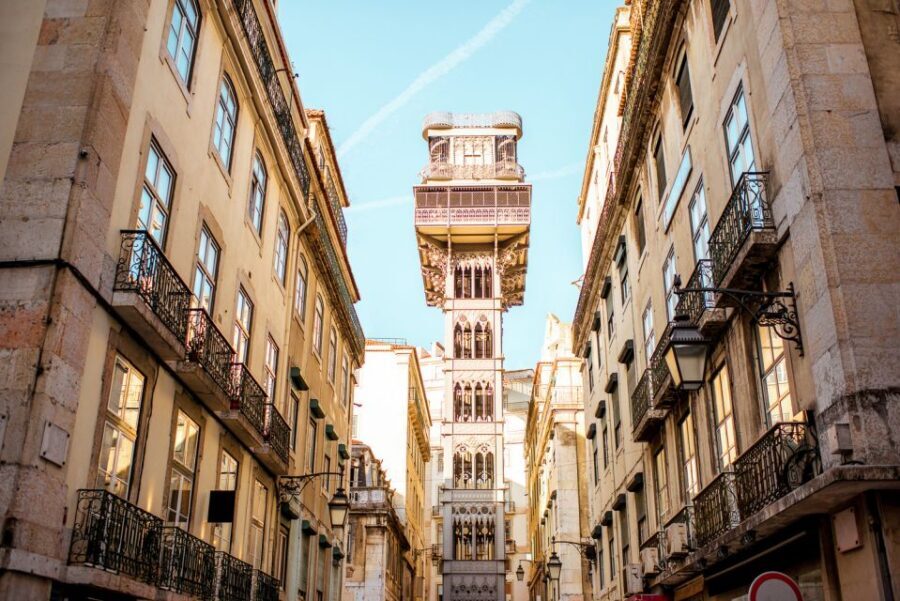
- Santa Justa Elevator area gives you classic Lisbon city views
- Rossio Square and Praça do Comércio connect Lisbon’s history to what you see today
- World’s oldest bookstore adds a “wait, really?” cultural moment
- Bairro Alto, Chiado, and Baixa in one smooth route helps you orient fast
Entering Lisbon’s old center with a guide you can actually ask questions

A good history tour isn’t about memorizing dates. It’s about walking the same streets you’d walk anyway, while someone explains what you’re looking at and why it matters. This one leans into that. You’ll be out on foot for about three hours, with a live English-speaking guide who’s there to help you understand Lisbon’s neighborhoods, day-to-day life, and what to do next.
That question-friendly format is a big part of the value. On past tours, guides including Rui, Andre, and Andriy were described as personable and helpful with Q&A, and that lines up with what you want on Day 1. If you’re wondering how the city works, what to eat, or how to move around without wasting time, this is the kind of time slot where answers stick.
Also, the group size is tight: limited to 8 participants. That matters on narrow lanes and when the guide wants you to look, listen, and regroup. You’re not just shuffling behind a megaphone.
You can also read our reviews of more historical tours in Lisbon



Meeting at São Roque and getting oriented before the serious walking

You start at the statue of the priest located next to the Church of São Roque. Even if you’re arriving early, it’s a smart place to begin because it puts you in Lisbon’s central rhythm quickly. From there, the tour builds outward, starting with Saint Roch and then moving into the historic quarters.
If you’re the type who likes to stop for a photo, this tour lets you do it without feeling rushed. The guide’s job is to keep you oriented—where you are, what era shaped this area, and how each neighborhood differs. You’ll get that sense of structure early, which makes the rest of Lisbon easier to explore on your own later.
Practical tip: wear comfortable shoes and give yourself a small buffer for cobblestones and uneven pavement. This is Lisbon walking—pleasant, but not a smooth indoor hallway.
Saint Roch to the city’s “layers”: how the guide connects neighborhoods
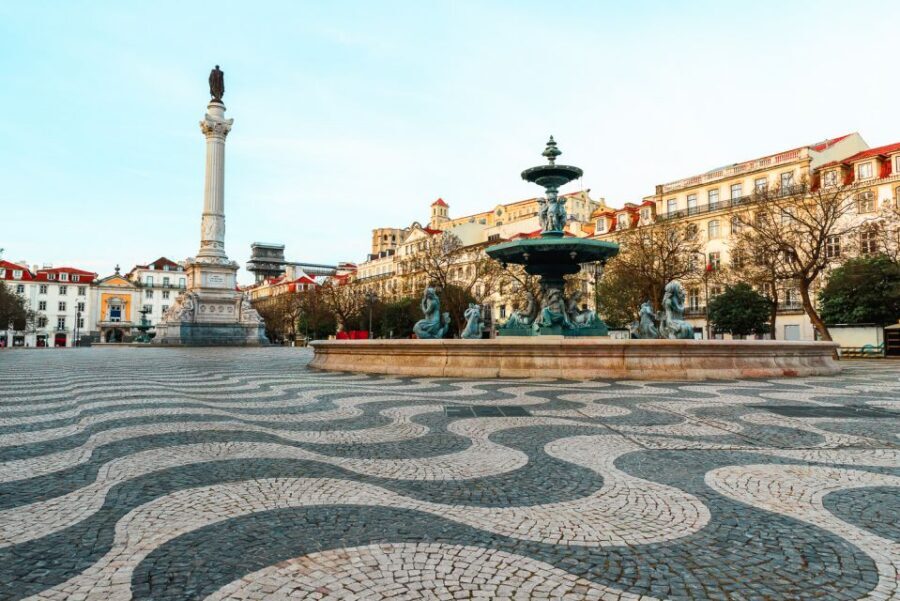
The route doesn’t jump randomly. It moves through major center neighborhoods in a way that helps you compare Lisbon’s “layers” of architecture, street character, and public spaces.
After Saint Roch, you’ll head into the core areas the tour is built around: Bairro Alto, Chiado, and Baixa. These aren’t just names on a map. In plain terms, each one feels different under your feet:
- Baixa is the tidy, central grid vibe—built for movement and public life.
- Chiado has a more refined, historic-center feel, where you can see how Lisbon “presents” itself.
- Bairro Alto feels more like the living topography of Lisbon, where streets and viewpoints shape how you experience the city.
A big win here is that the guide doesn’t treat Lisbon like a museum. They’re expected to cover more than landmarks, including topics like Portugal’s current events and culinary traditions. That kind of talk helps you connect your sightseeing to the country you’re actually visiting.
Baixa’s squares: Rossio Square and Praça do Comércio with meaning
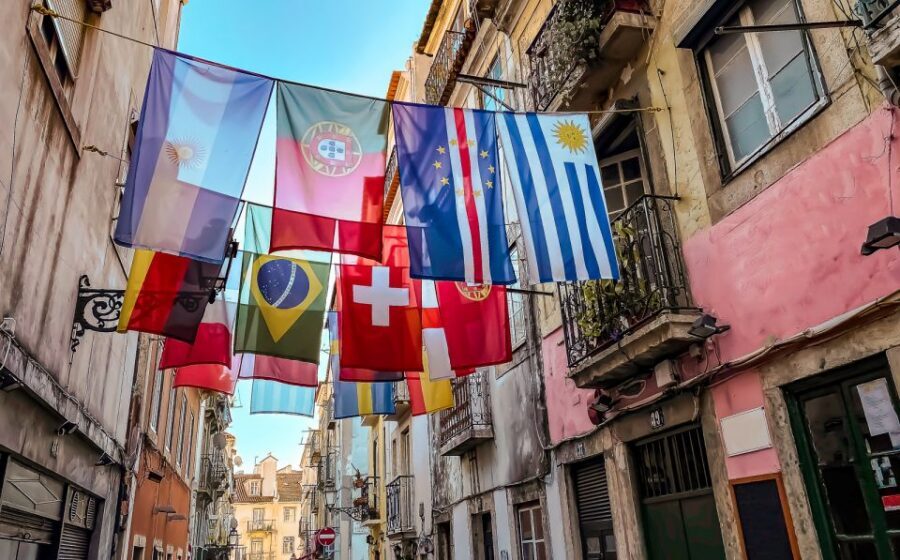
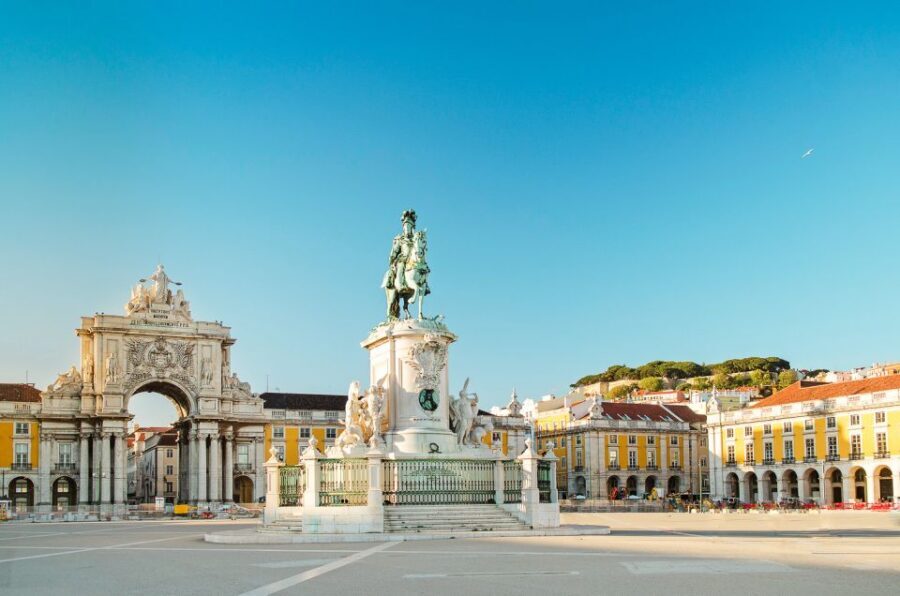
Two of the clearest “wow, that’s Lisbon” moments are Rossio Square and Praça do Comércio. These are the kind of places where you could wander for a long time just people-watching, but the value of a guided walk is that you understand the why behind the drama.
Rossio Square gives you the classic downtown rhythm—open space, foot traffic, and a sense of Lisbon’s social center. Praça do Comércio is a different feel: it’s expansive and formal, and it anchors Lisbon’s relationship to the water and to major routes. When your guide frames what you’re seeing, it’s easier to read the city rather than just pass through it.
This is also where you start noticing the tour’s pacing style. You’ll get information, then a window to look around and absorb the surroundings. It’s not constant talking. It’s structured.
If you like photography, bring your camera mindset to these stops. Streets and buildings in Lisbon can look similar at first glance, but once you know what each square represents, you’ll spot differences faster.
Carmo Square and the Santa Justa area: viewpoints without the effort
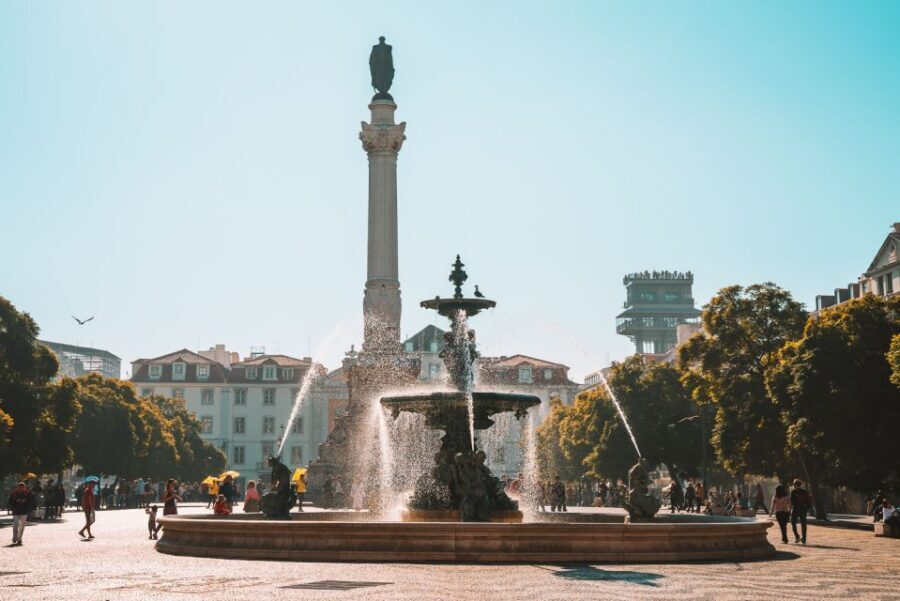
One of the tour highlights is the Santa Justa experience, including the best city views. Santa Justa is famous for a reason. From here, Lisbon’s hills and rooftops show up in a way that’s hard to appreciate at ground level.
The good thing about having this as a set stop is that the guide times the moment and frames what to look for. You’ll get a “look back and understand” kind of viewpoint, not just a quick glance.
Carmo Square also plays well in the route. It’s a historic public space where you can pause, breathe, and reset before continuing through the center. Think of it as a natural break built into the walk, which matters because three hours on foot adds up even when the pace feels easy.
If you’re planning your first full day in Lisbon, I like that this tour gives you viewpoint context early. After seeing the view from Santa Justa with a guide’s explanation, it’s easier to recognize neighborhoods later when you’re exploring on your own.
You can also read our reviews of more tours and experiences in Lisbon






The world’s oldest bookstore: why this stop feels more than random
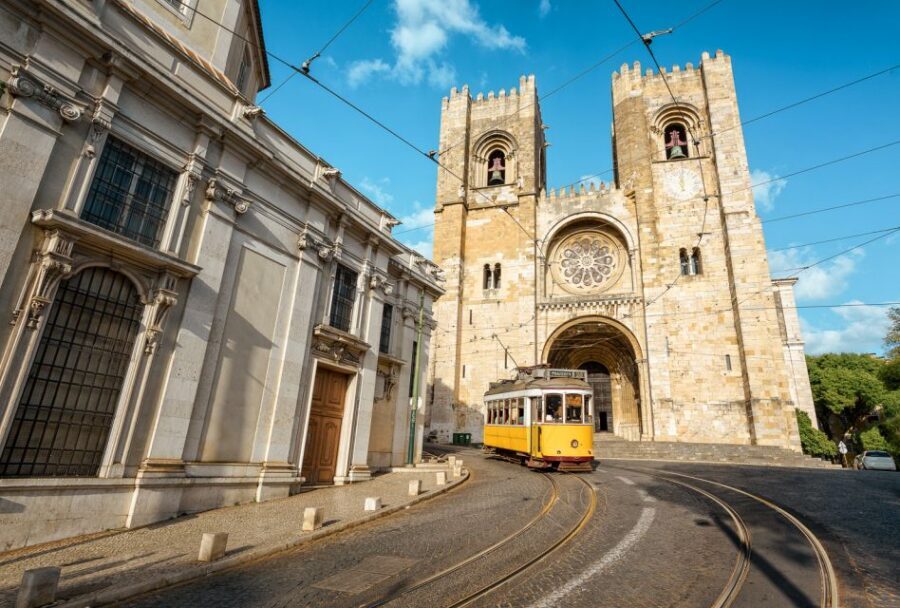
A walking tour usually needs one or two “curveball” stops to keep you curious. This one includes the visit to the world’s oldest bookstore. That alone is a fun hook, but the real value is how it connects you to Lisbon’s identity through everyday culture.
When you step inside, it’s not just about checking a famous claim off your list. It’s about understanding how Lisbon has preserved parts of its cultural life. A bookstore is the kind of place that reflects language, reading culture, and local continuity in a way monuments sometimes can’t.
Even if you don’t buy anything, you’ll come away with a different kind of souvenir: a memory of Lisbon as a living city of ideas, not only a city of viewpoints and plazas.
Traditional stores and Lisbon’s everyday character
The tour also points you toward Lisbon’s traditional stores. This is one of those details that’s easy to skip on a standard sightseeing day, but it’s exactly what makes Lisbon feel real.
Here’s what you’ll likely appreciate: traditional shops are how you learn the city’s everyday habits. Even if you’re not shopping heavily, noticing signage, product types, and how locals treat service helps you read the city around you.
This is where the guide’s role really shows. Instead of sending you to the busiest tourist streets only, they bring you toward spaces that feel more like Lisbon rather than a theme park.
Price and value: what $35 gets you in three hours
At $35 per person for a three-hour walking tour, you’re paying for three things:
- A licensed guide who gives narration and answers questions in English
- Local taxes and fares that are part of the tour cost
- A curated route through central Lisbon that saves you from piecing together neighborhoods on your own
The trade-off is what’s not included: no meals or drinks, and museum entrance fees aren’t included. That’s normal for a route like this, but it affects how you plan. If you’re the kind of person who expects museums to be part of a sightseeing loop, you’ll want to schedule museums separately.
For value, I think the biggest advantage is that you get orientation plus cultural context in a short window. Three hours on Day 1 can save you hours of guesswork later, especially when you’re trying to decide what to prioritize and how to move around.
Group size and pace: why “small” changes the experience
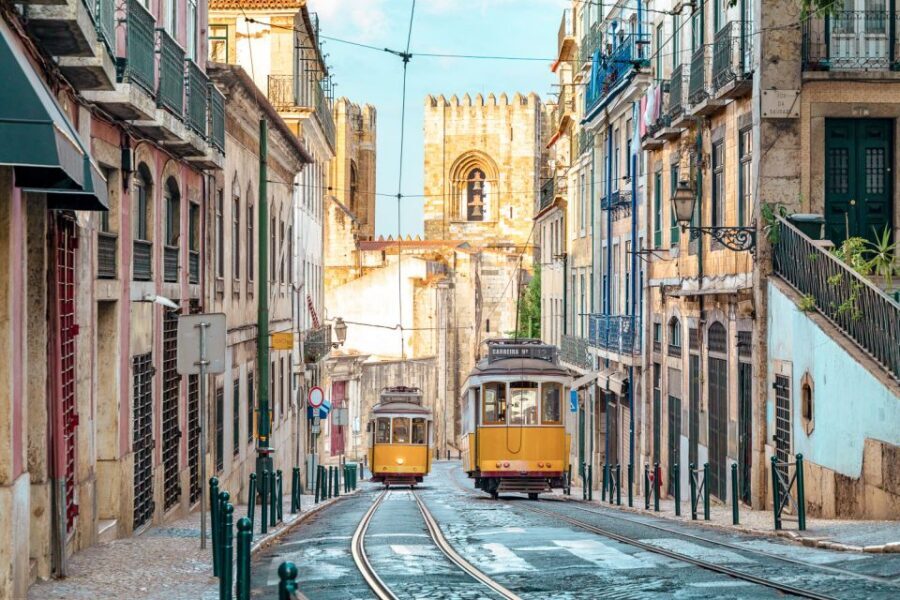
Limited to 8 participants, the tour stays flexible. You can stop, ask a question, and actually hear the answers. That’s not a small thing in Lisbon, where streets can narrow quickly and viewpoints often require a moment of regrouping.
The pace is described as easy to follow, which fits the structure: you walk between key areas, then pause at the points that need explaining—squares, viewpoints, and cultural stops.
One more practical note: because it’s not suitable for mobility impairments, you should consider whether walking for three hours in central Lisbon streets is comfortable for you. If you’re okay with uneven pavement and frequent short stops, you’re likely a good fit.
Who this Lisbon historical tour fits best
This is a great choice if you want a guided start that helps you explore the rest of the city with confidence. It’s also a solid option if you enjoy history but prefer it told through real streets rather than only inside buildings.
I’d especially recommend it if:
- You’re visiting Lisbon for the first time and want to orient fast
- You like asking questions about daily life, food, and what’s worth seeing next
- You want a mix of big landmarks (squares and viewpoints) and culture stops (the bookstore and traditional stores)
If you’re traveling with people who only want the “must-sees,” this tour still works, because the route includes major downtown anchors. If your group loves slow wandering, you’ll appreciate that the guide builds in pauses and viewpoint time.
Quick practical tips before you go
- Bring comfortable shoes. Lisbon’s center is walkable, but it’s still a mix of cobbles and slopes.
- Plan your day around a relaxed follow-up. After three hours, you’ll likely want to continue exploring nearby.
- If you care about food and local life, ask the guide about culinary traditions during the walk. The tour is designed to cover that kind of talk.
- If you’re planning public transit, you can ask for tips. The guide’s role includes helping with how to move around and what to do next.
Should you book this 3-hour Lisbon historical walk?
If you want an efficient, thoughtful first taste of Lisbon, this is a smart booking. You’ll get central neighborhood context, classic squares, Santa Justa views, and that memorable cultural detour to the world’s oldest bookstore—all with a licensed local guide and a small group.
I’d pass only if walking three hours on older streets doesn’t work for your group, or if you’re looking for a museum-heavy itinerary. Otherwise, it’s a strong way to turn Lisbon from a name on a postcard into a place you can navigate and understand.
FAQ
How long is the Lisbon Historical Tour?
The tour lasts 3 hours.
Where do I meet the guide?
Meet your guide by the statue of the priest next to the Church of São Roque.
What’s included in the $35 price?
The tour includes a professional licensed guide and local taxes and fares.
What is not included?
Hotel pick up and drop off, meals and drinks, and museum entrance fees are not included.
Is the tour in English?
Yes, the live tour guide is available in English.
Is the tour suitable for people with mobility impairments?
No, the tour is not suitable for people with mobility impairments.