REVIEW · LISBON
Lisbon: 3-Hour The Slave Trade – An Historical Walking Tour
Book on GetYourGuide →Operated by My Lisbon Tours · Bookable on GetYourGuide
Lisbon’s postcard view has footnotes, and this tour brings them to light. In a tight 3 hours and a small group, you walk the city center with an African guide, Rui Fernandes, and connect famous-looking landmarks to Portugal’s role in the Atlantic slave trade.
I especially like how the tour links big-name events to specific places. You don’t just hear the headline story; Rui connects Lisbon streets and buildings to how the slave trade shaped Portugal’s money, politics, and institutions over centuries. Second, I love the way the guide runs it: patient pacing, clear English, and lots of room for questions in the moment.
The main consideration is that the subject matter is heavy. You’re dealing with slavery, human trafficking, and exploitation that lasted for centuries, so come prepared for an emotionally serious education rather than a casual sightseeing stroll.
In This Review
- Key highlights to look for
- Lisbon’s streets tell the Atlantic slave trade story
- Meeting at Largo do Chafariz de Dentro, then slipping into Alfama
- Prince Henry and the 15th-century shift you won’t get on most city tours
- Monuments, churches, and squares: where slavery shows up in plain sight
- The day-to-day side: life of an enslaved person in historical Lisbon
- Brazil, Portuguese colonies, abolition, and the struggle for liberation
- How the pacing works (and why small groups help you learn)
- The coffee and WC break: a small reset that keeps it humane
- Price and value: what $35 buys in Lisbon
- Who should book this Lisbon slave trade tour, and who might hesitate
- Should you book this Lisbon “Slave Trade” historical walking tour?
- FAQ
- How long is the Lisbon 3-Hour The Slave Trade walking tour?
- Where do I meet the guide?
- What is the price per person?
- What language is the tour guide?
- How big is the group?
- What’s included in the tour?
- Is hotel pickup or drop-off included?
- Is the tour suitable if I travel with pets?
- What’s the cancellation policy?
Key highlights to look for
- Rui Fernandes (African guide) connects history, politics, and economics through Lisbon landmarks
- Portugal’s Atlantic slave trade origins get explained from Prince Henry the Navigator onward
- You’ll see the city as evidence, not just scenery, tying buildings and street names to slavery
- Day-to-day life of enslaved people in historical Lisbon is treated as more than a footnote
- Small group limits keep the Q&A real (max 6 participants is built into the experience)
- One coffee and one WC break keeps the walk humane, not rushed
Lisbon’s streets tell the Atlantic slave trade story

This is not your standard “Top 10 sights” walk. Lisbon’s center looks elegant, but Rui guides you to read the city like a document: where commerce grew, how power was justified, and why certain institutions mattered.
What makes the experience valuable is the angle. The focus is not only on the traffic in people across the Atlantic, but on how Portugal’s development and political thinking were shaped by this system. You’ll also get a wider timeline, from Iberian beginnings to abolition in Portugal and the later struggle for liberation led by African nationalists.
If you care about Portugal as a place that still has questions to answer, you’ll leave with a clearer mental map. Instead of treating slavery as distant history, the tour shows how it worked through real decisions, real trade routes, and real human lives.
You can also read our reviews of more walking tours in Lisbon



Meeting at Largo do Chafariz de Dentro, then slipping into Alfama
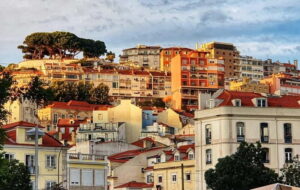
You meet at Largo do Chafariz de Dentro, an easy launch point for the older parts of Lisbon. From there, the tour works its way through back streets and main avenues, and the vibe turns immediately more grounded and human-scale than a bus tour.
A big practical plus: the walking is designed to be manageable. Multiple participants noted that the route stays mostly on flatter ground with minimal steep uphill sections, so you’re not white-knuckling cobblestones for three hours straight. Still, bring comfortable shoes because Lisbon’s surfaces are what they are.
Early on, Rui sets expectations and starts building context before you start matching history to architecture. That matters, because when you later see churches and squares, you’ll understand what you’re looking at: not just stone and ornament, but the systems people used.
Prince Henry and the 15th-century shift you won’t get on most city tours

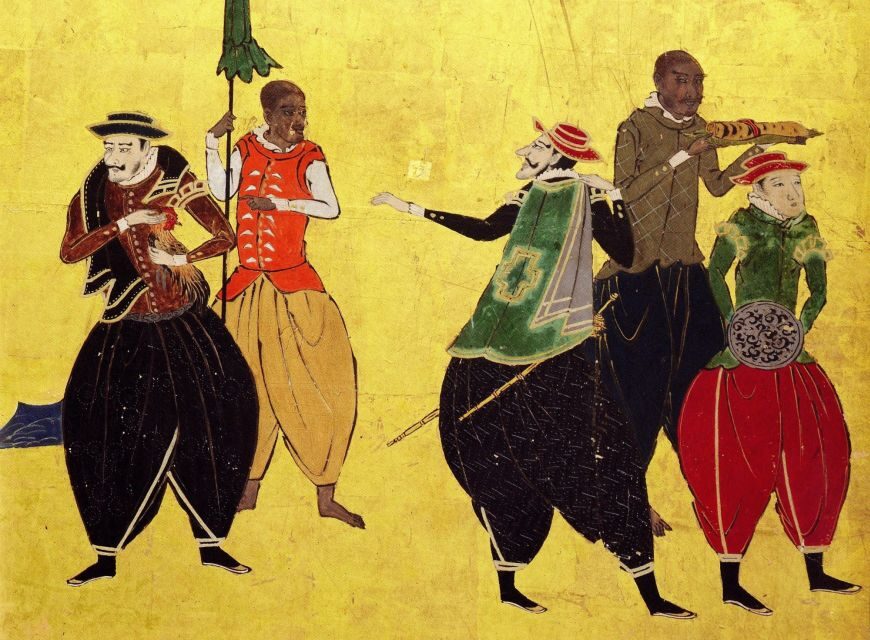
The story begins in the early 15th century, with Portugal under Prince Henry the Navigator. Rui explains how that period is often considered the start of what became the Atlantic slave trade as we know it—an era that forcibly moved millions of Africans to slavery in the Americas.
This part works because Rui doesn’t treat it like a single event. He frames it as a turning point in trade patterns, political incentives, and economic logic. You’ll hear why Portugal’s maritime push mattered, and how the Age of Discovery overlapped with the rise of human trafficking as a business model.
You also learn why the Portuguese role can be tricky for visitors. It’s easy to say “this happened in the Americas” and stop there. Rui guides you to connect the dots back to Portugal: who benefited, how institutions supported the system, and why it lasted for centuries.
Monuments, churches, and squares: where slavery shows up in plain sight
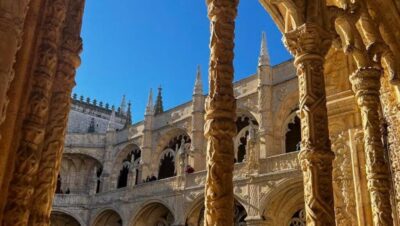
Lisbon is full of landmarks that tourists photograph without thinking twice. Rui’s job is to help you notice the story embedded in the city’s layout and built environment.
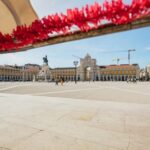
As you walk, you pass monuments, churches, and public squares with direct connections to this history. The tour method is simple but effective: Rui uses each stop to point out a specific historical thread, then ties it back to the larger system of trade and control.
One thing I like about this approach is that it prevents the experience from turning into a lecture. Instead of a wall of facts, it becomes a series of place-based explanations. Rui also uses visual materials to contextualize points along the way, which helps you picture what might not be obvious from the street.
Also worth noting: the tour isn’t stuck in the past. Rui connects what you see to present-day conversations about memory, institutions, and ongoing racial injustice in Portugal and beyond.
The day-to-day side: life of an enslaved person in historical Lisbon
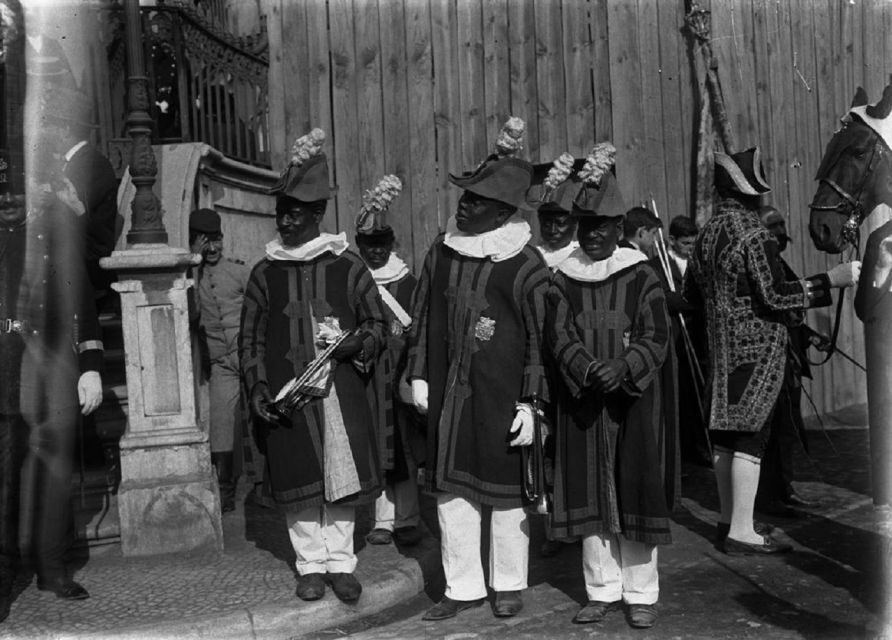
The tour doesn’t just cover the route across the ocean. It includes the day-to-day aspects of the life of a slave living in historical Lisbon—an area that’s often skipped in mass tourism.
This section matters because slavery wasn’t only ships and paperwork. Rui explains how the system operated in daily life, shaping households, labor, and social structures. You get a clearer sense of what it meant to be treated as property rather than a person.
If you’re someone who likes history that feels human rather than abstract, this is where the tour earns its time. You’re not just collecting dates; you’re building a mental model of how exploitation was normalized and sustained.
And because Rui is prepared for questions, you can ask for clarification as you go. That creates a better experience than waiting until the end and hoping you remember what you meant to ask.
You can also read our reviews of more historical tours in Lisbon





Brazil, Portuguese colonies, abolition, and the struggle for liberation
Portugal’s Atlantic story doesn’t end at departure ports. Rui brings in Brazil as an important part of why this system grew so large, and he explains how Portuguese colonies in Africa fit into the supply and control chain.
Then the tour moves toward abolition in Portugal and what that meant in practice. This is where it can get nuanced: abolition of trade is not the same as instant justice. Rui helps you understand the transition and what kept changing, what didn’t, and why the aftermath mattered.
The final historical arc includes the struggle for liberation by African nationalists. That choice is smart for visitors, because it shifts the ending from “tragedy only” to resistance and political change.
I also appreciate the balance Rui brings. He doesn’t turn the walk into a single-note blame game. He explains the moral, economic, religious, and political dimensions that supported slavery in the first place, and that helps you see the scale of the system rather than just the suffering it caused.
How the pacing works (and why small groups help you learn)
This is a small-group walking tour, limited to a maximum of 8 participants, and the experience notes a max of 6 for an engaging format. That size makes a difference when the subject is complex and questions are likely.
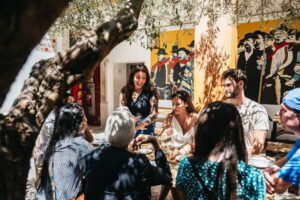
Rui keeps the pace relaxed. People highlight that he’s attentive to the group, including finding shade on hot days and adjusting how quickly you move. You’ll also get a structured rhythm: walking, stopping, explaining, and answering questions, rather than long stretches without context.
Because the tour is only 3 hours, you won’t get everything about Portuguese history. But you will get a coherent story focused on Lisbon and its connection to the slave trade. That is exactly the kind of tour that improves what you’ll notice later in museums, in conversations, and even in the way you read plaques and street names.
The coffee and WC break: a small reset that keeps it humane
You get one coffee break and one WC break included. That sounds basic, but in a tour dealing with emotionally difficult material, a reset matters.
The break is also practical. It gives you a chance to ask follow-up questions when you’ve had a moment to absorb what you just learned. It’s usually hosted at a café, and some participants recall choices like pastel de nata along with the coffee.
If you tend to get mentally overloaded on history tours, this built-in pause helps you process rather than just endure.
Price and value: what $35 buys in Lisbon
At $35 per person for a 3-hour historical walking tour, you’re paying for two things: expert guidance and a rare topic.
First, the guide isn’t generic. Rui brings a background in history, political science, and economics, which shows in the way he explains cause-and-effect. You’ll understand not just what happened, but why systems formed and why they persisted.
Second, the topic itself is unusual. Many Lisbon tours touch on the Age of Discovery or empire in a light way. This one focuses on the Atlantic slave trade and Portugal’s involvement with direct connections to Lisbon’s city center.
Finally, the small group format helps justify the price. A lower-cost tour often turns into a quick photo march with minimal discussion. Here, you get room to ask questions and get answers that match the pace of your thinking.
For me, that’s the value equation: $35 is not cheap, but it’s fair for a specialist, place-based explanation that changes how you see the city.
Who should book this Lisbon slave trade tour, and who might hesitate
This tour is a great fit if you want to understand Lisbon beyond postcard history. If you care about Atlantic history, Portuguese empire, international politics, or how economic systems shape moral outcomes, you’ll likely feel rewarded.
It also fits well if you like tours that answer your questions in real time. Rui actively encourages questions throughout, and he’s careful about clarity and timing.
You might hesitate if you’re looking for a light, entertainment-style walk. This is educational and serious. You should expect that the facts will land hard.
It also suits different ages and fitness levels better than many old-city walks because the route is mostly flat or has minimal incline. Still, you’ll be on foot for three hours, so comfortable shoes are non-negotiable.
Should you book this Lisbon “Slave Trade” historical walking tour?
If your goal is to truly understand Lisbon, I’d book it. The strongest reason is simple: you get a focused explanation of Portugal’s role in the Atlantic slave trade using Lisbon’s own streets, churches, squares, and monuments as your classroom.
The small group size, the chance for questions, and Rui Fernandes’s historical framing make it feel like more than a one-time talk. It also gives you a lens for the rest of your trip, from what you notice in the Alfama area to how you interpret Portugal’s connection to global history.
Go in with comfortable shoes, a willingness to sit with difficult material, and a few questions of your own. If that’s your travel style, this tour is one of the best ways to turn Lisbon from a pretty city into a meaningful one.
FAQ
How long is the Lisbon 3-Hour The Slave Trade walking tour?
The tour lasts 3 hours.
Where do I meet the guide?
Meet your guide at Largo do Chafariz de Dentro.
What is the price per person?
The price is $35 per person.
What language is the tour guide?
The tour is conducted in English.
How big is the group?
It’s a small group limited to a maximum of 8 participants, and the tour information also notes a maximum of 6 participants for the engaging experience.
What’s included in the tour?
A live tour guide is included, along with local taxes and fees. You also get one coffee and one WC break.
Is hotel pickup or drop-off included?
No. Hotel pickup and hotel drop-off are not included.
Is the tour suitable if I travel with pets?
No, pets are not allowed.
What’s the cancellation policy?
You can cancel up to 24 hours in advance for a full refund.