REVIEW · LISBON
Lisbon: Jewish History in Portugal Guided Walking Tour
Book on GetYourGuide →Operated by Autêntica - Travel Experience · Bookable on GetYourGuide
Lisbon has layers of Jewish life. I love how this Jewish history walking tour ties big Portuguese stories to the exact streets you’re standing on, and I love the clear Sephardic and Marranos context that explains what life meant between acceptance and rejection. In a few hours, you see how ingenuity, trade, and knowledge helped shape Portugal’s culture and even the era of the discoveries.
One reason I think it works is the guiding style. People often get Al or Luciano, and both bring the kind of focus that makes history feel usable, not just memorized dates. You’ll hear Portuguese and English commentary, plus the pace is built for questions on the move.
One possible drawback: it’s a walking route through older neighborhoods, so the pace and hills mean it’s not suitable for mobility impairments. If you want mostly flat sightseeing, you’ll feel it fast.
In This Review
- Key things you’ll notice on this Jewish Lisbon walk
- Lisbon’s Jewish history is written in the streets
- Getting started at A Padaria Portuguesa (and finding your footing)
- Alfama: narrow streets, big ideas, and the view from above
- Baixa and Chiado: where Lisbon’s power connects to Jewish influence
- The Sephardic and Marranos thread: surviving faith under pressure
- A star of David and archaeological clues in the city
- Beyond Portugal: expulsion, and the story spreading elsewhere
- Price and logistics: is $141 worth 3 hours on foot?
- Who this tour suits best (and who might want a different option)
- Tour pacing: what you’ll feel during the walk
- Should you book this Lisbon Jewish History walking tour?
- FAQ
- How long is the Lisbon Jewish History guided walking tour?
- What is the price per person?
- Where do I meet the guide?
- Is transportation included?
- What languages is the tour offered in?
- What is included in the tour price?
- Is it refundable if I change my plans?
Key things you’ll notice on this Jewish Lisbon walk
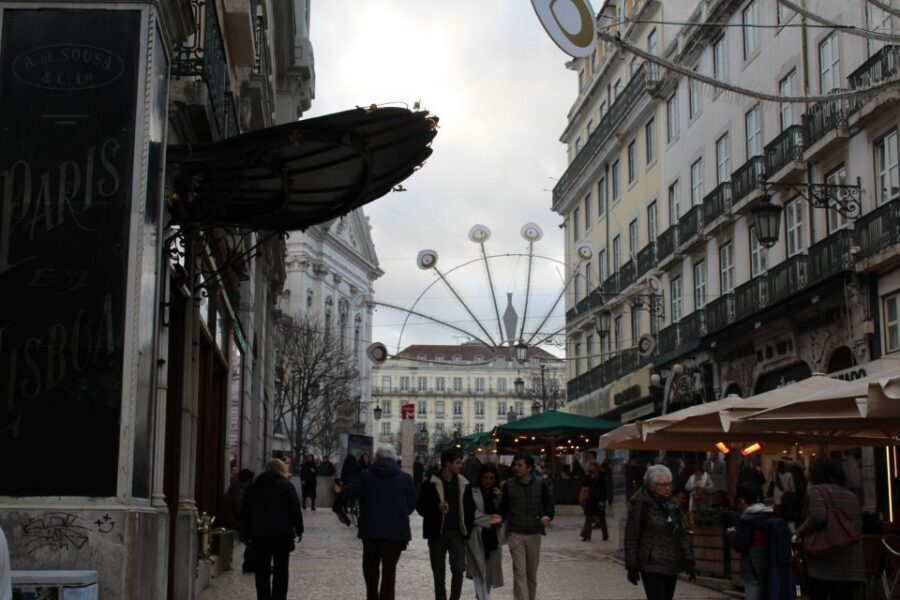
- Alfama, Baixa, and Chiado: the tour moves through Lisbon areas tightly connected to Jewish presence and Portuguese culture
- Sephardic and Marranos stories: learn how people adapted when religious rules became dangerous
- The 16th-century expulsion fallout: see how the story stretches beyond Portugal to places like England, Holland, and the United States
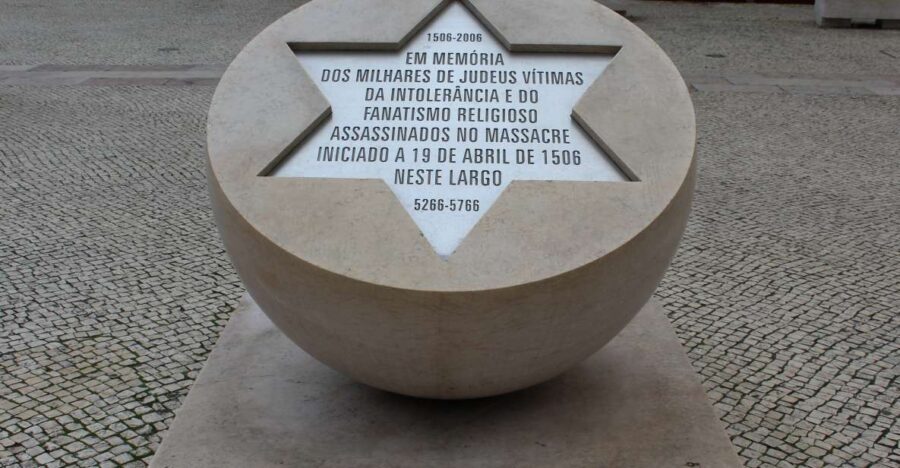
- In-the-streets details: you may pass views over port areas, plus stops tied to Jewish neighborhoods and even a wall marked with a star of David and archaeological sites
- Guide-driven explanations in Portuguese or English: a live guide keeps you oriented and answers what you’re wondering
- Walking-only format: you get water and guidance, but not transportation
Lisbon’s Jewish history is written in the streets
If you’ve only seen Lisbon’s postcard scenes, you’ll still get them here. But you’ll also notice something else: Lisbon holds stories in its streets, not in a museum case. This tour connects Jewish life in Portugal to everyday geography—so the city starts to make more sense, not less.
What I like most is how it treats history as a lived experience. The Jewish story in Portugal is not one smooth line. It’s a push-pull between being included and being rejected, then forced to adapt again and again. That “in-between” reality shaped how people survived—through learning, practical skills, and entrepreneurship.
And that’s where the bigger Portuguese connections click. You’ll hear how Jewish communities contributed to areas like agriculture, finance, medicine, and crafts tied to the period of the Portuguese discoveries in the 1500s. Even if you’re not a history buff, those topics help you understand why certain families, professions, and networks mattered.
You can also read our reviews of more walking tours in Lisbon

Getting started at A Padaria Portuguesa (and finding your footing)
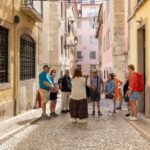
The meeting point is simple: A Padaria Portuguesa, a bagel shop. Plan to arrive a few minutes early so you can settle in before you start moving.
From the start, expect an easy rhythm: the guide sets the stage, then you walk and connect the dots city block by city block. Since the tour lasts 3 hours, it’s long enough to get real context, but short enough that you won’t feel like you’re trapped all day inside one narrative.
Because this is a walking tour, comfort matters. Lisbon’s old neighborhoods come with slopes and uneven streets. If you have even mild ankle issues, wear shoes you trust. Don’t count on your best outfit to survive cobblestones.
Alfama: narrow streets, big ideas, and the view from above
Alfama is where Lisbon’s older soul shows up, and it’s also one of the key areas tied to Jewish presence. On this walk, it’s not just about pointing out sights. It’s about explaining why places like Alfama mattered to real communities—where people lived, worked, worshiped, and negotiated their place in society.
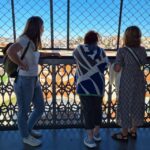
You’ll also get moments that help you “see” Lisbon beyond the street-level details. One review described taking in views over the port area from higher points during the walk. That kind of pause is more than scenery. It helps you understand why neighborhoods developed the way they did in a city built on hills.
Alfama can be a satisfying stop for anyone who likes history with a sense of location. It also comes with the practical downside: it’s hilly. If your legs start protesting, you’ll want to take it slow and let the guide know early. Good guides pace with the group.
Baixa and Chiado: where Lisbon’s power connects to Jewish influence
After Alfama, you shift toward areas like Baixa and Chiado, where Lisbon’s life looks more open and urban. This part of the walk is where the story often turns toward influence—how economic and cultural life shaped what Portugal became.
The tour’s framing is useful here. It doesn’t treat Jewish history as a separate island. It shows how Jewish communities contributed while living under pressure and changing rules. That’s a big theme: contribution alongside constraint.
If you’re the kind of traveler who likes your history with practical outcomes, this is the portion that tends to land. You’ll hear about sectors tied to finance, medicine, and trade, and you’ll start to recognize how those roles could ripple through a city.
And Chiado adds a nice contrast. It helps you feel the scale of Lisbon—how neighborhoods that look different on a map were connected by movement, commerce, and social networks.
The Sephardic and Marranos thread: surviving faith under pressure
A standout feature of this tour is how it handles the human side of religious change. You’ll learn terms like Sephardic and Marranos, and you’ll hear how people navigated life when acceptance and rejection swung back and forth.
The story goes beyond theology. It’s about social reality—what happens when someone’s identity becomes a risk, and the consequences spill into daily work, family life, and public standing. That context matters because it explains why “religious history” in Portugal can’t be separated from politics and the economy.
You’ll also connect that story to bigger waves of conversion and forced conformity. The tour notes how sheltered converts to Catholicism shaped how people understood religions and how societies decided who counted as acceptable. That kind of explanation helps you read Portugal’s religious past with clearer eyes, instead of treating it like a distant debate.
If you’re curious about ancestry, this part can feel especially personal. One guest shared a Sephardic heritage connection, and the tour’s focus on Sephardic life and survival makes it a natural fit for those conversations.
You can also read our reviews of more guided tours in Lisbon

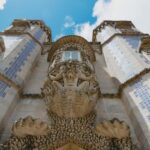



A star of David and archaeological clues in the city
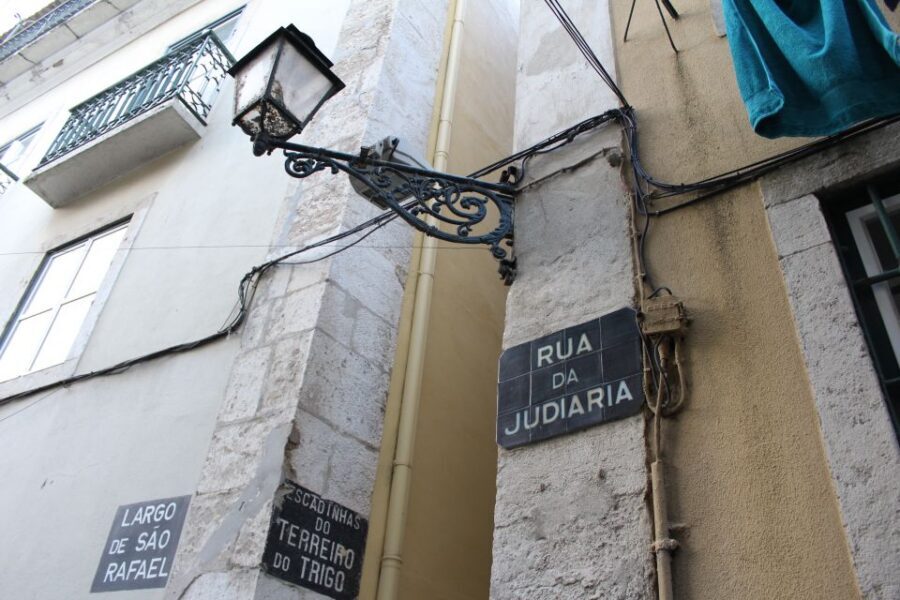
Not every city tells Jewish history in obvious signage. Lisbon does it in fragments: street-level hints, markers, and physical traces that only make sense when someone puts them into context.
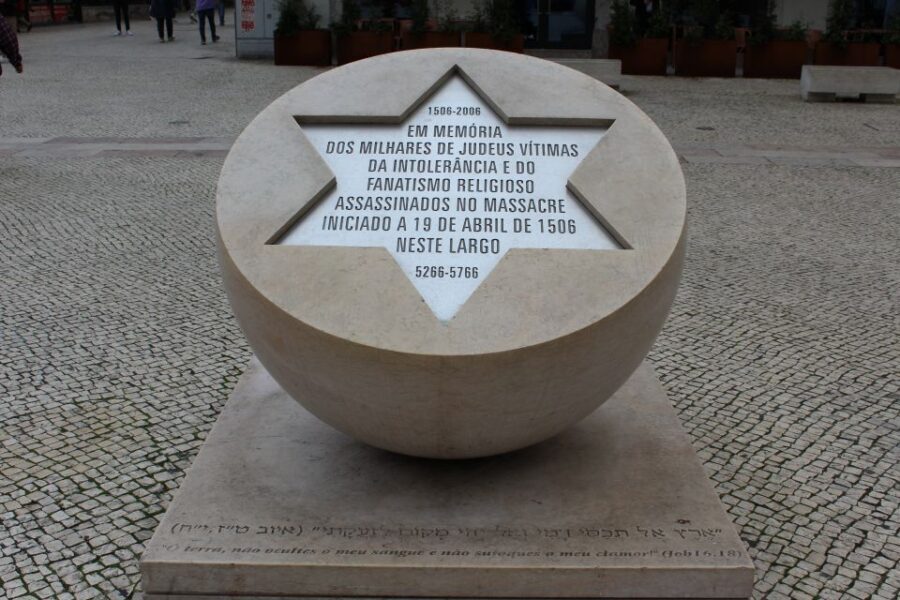
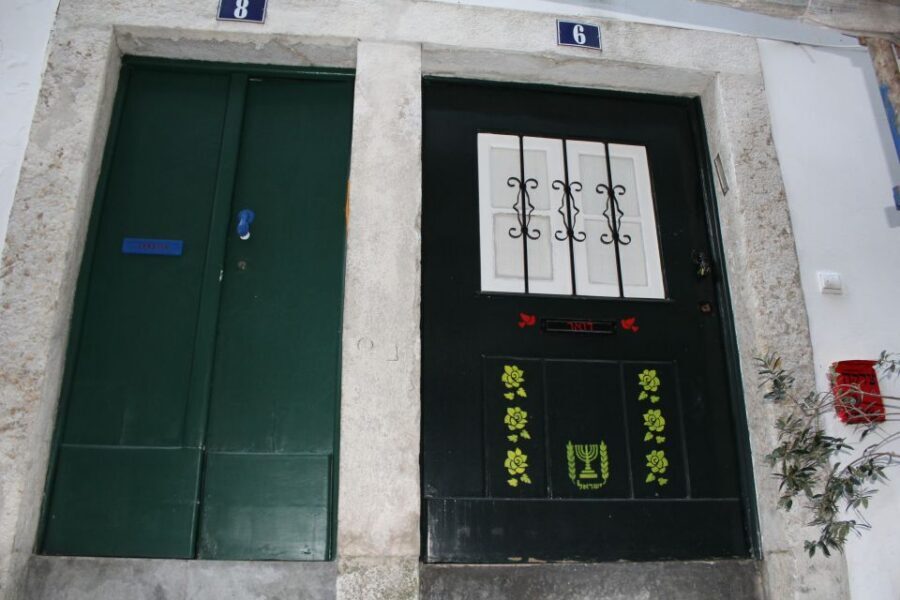
On this walk, you may see a wall marked with a star of David, along with stops linked to archaeological sites. What matters isn’t just the objects. It’s the explanation around them: what they represent, why they stayed or changed, and how they fit into Lisbon’s shifting social landscape.
This is where a skilled guide earns their keep. Without the spoken context, you might walk past these details and never notice their significance. With it, you start to see how the city preserves memory in plain sight.
If you like “detective travel,” you’ll enjoy this portion. Just remember: you’re on foot, so keep your phone battery charged and your questions ready.
Beyond Portugal: expulsion, and the story spreading elsewhere
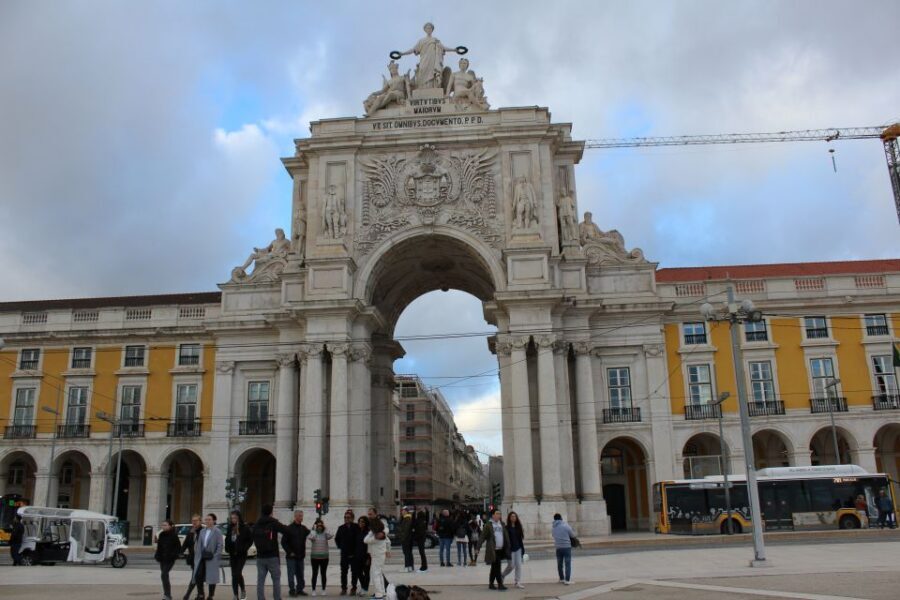
A major narrative point in the tour is the 16th-century expulsion. You’ll learn how that moment didn’t end the story—it redirected it.
The guide connects Portugal’s expulsion history to communities in countries like England, Holland, and the United States. That broader lens is valuable for you if you want context beyond Lisbon. It shows how one event can reshape identities and networks across continents.
This part also helps you understand why Jewish history in Portugal matters internationally. It’s not only about what happened locally. It’s about what those people carried with them—skills, cultural traditions, languages, and ways of managing risk.
If you’ve spent time in other European cities, this may make your earlier stops feel more connected. It gives you a mental map of how diaspora history links places that never share a border.
Price and logistics: is $141 worth 3 hours on foot?
At $141 per person for a 3-hour guided walking tour, you’re paying for two things: a live guide and focused context in a city that can be hard to interpret on your own.
Walking tours can be overpriced when they turn into a quick hit of photos and vague facts. This one has a stronger value angle. The route connects neighborhoods like Alfama, Baixa, and Chiado to the Jewish story, and the guide helps you understand why those connections matter. You also get a bottle of water, which sounds minor until you’re climbing in the sun.
What you should weigh is your tolerance for hills and time on your feet. The tour is not built around museum-style comfort, and it doesn’t include transportation. If your plan already includes lots of walking, bring your best stamina and treat this like a key chapter, not a bonus side quest.
A smart strategy: if you’re short on time, fit this early or mid-trip. It helps you see Lisbon differently afterward, which is when the city starts paying you back.
Who this tour suits best (and who might want a different option)
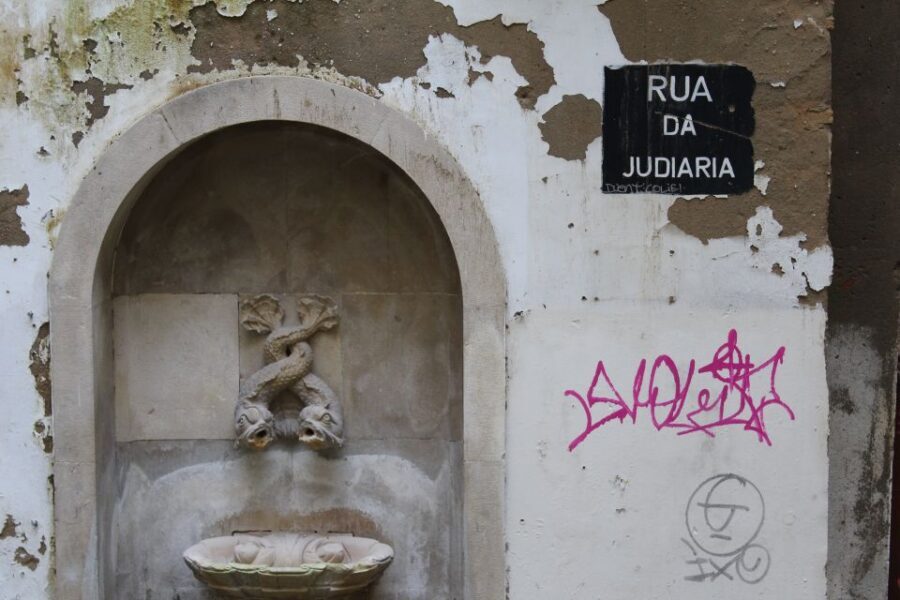
This tour is a great match if you want:
- a guided way to understand Jewish influence in Portuguese culture
- real neighborhood context in Alfama, Baixa, and Chiado
- explanations of Sephardic and Marranos history with social meaning
It’s also a good choice if you care about ancestry or family ties to Lisbon. The tour is built to handle that kind of curiosity without turning it into a lecture.
It’s not ideal if:
- you need mobility support, since it’s not suitable for mobility impairments
- you hate steep walking routes
- you want mostly indoor stops (this is streets first, buildings second)
Tour pacing: what you’ll feel during the walk
From the way guides are described, pacing is a real part of the experience. People have talked about guides adjusting to needs, and that matters on a route that can feel steep even when it’s slow and thoughtful.
Expect a mix of storytelling and site-based commentary. The best parts are usually when the guide explains why a street or building matters to the larger story. That’s how you end up remembering the points, even days later.
Also, you’re moving for 3 hours, so you’ll want to drink the included water and take short pauses when you need them. If you feel tired, speak up. A good guide will help you keep the experience enjoyable rather than rushed.
Should you book this Lisbon Jewish History walking tour?
Book it if you want Jewish history connected to real Lisbon neighborhoods, not just a list of dates. I especially recommend it if you like walking tours that explain context, and if you want Sephardic and Marranos history with the social pressure points made clear.
Skip it or choose something else if you can’t handle a hilly walking route or you need more accessibility. For everyone else, it’s a strong value for an experience that turns Lisbon into a readable story—one you can actually follow on foot.
If your Lisbon trip includes religious history, Portuguese culture, or genealogy research, this tour can be the connector that ties it together.
FAQ
How long is the Lisbon Jewish History guided walking tour?
The tour lasts 3 hours.
What is the price per person?
The price is $141 per person.
Where do I meet the guide?
Meet at A Padaria Portuguesa (a bagel shop).
Is transportation included?
No. Transportation is not included.
What languages is the tour offered in?
The tour is offered in Portuguese and English.
What is included in the tour price?
A bottle of water, a guide, and the walking tour are included.
Is it refundable if I change my plans?
Yes, it offers free cancellation up to 24 hours in advance for a full refund.