REVIEW · LISBON
Lisbon: Jewish Quarter Guided Walking Tour
Book on GetYourGuide →Operated by CLOTHO · Bookable on GetYourGuide
Lisbon’s Jewish story hides in plain sight. This guided walking tour strings together the city’s medieval and modern Jewish presence through small group streets, squares, and viewpoints, with Amber leading many groups through the details. You get a fast, coherent path from the waterfront and downtown core up toward the Castle Hill area, then back down—built for people who want meaning, not just dates.
What I like most is the way the guide connects major moments to real places (Praça do Comércio to the Exodus theme, and Rossio to the 1506 Pessah massacre). I also like the pacing: two hours with limited walking pressure, plus plenty of Q&A so you can ask the stuff that actually matters to you. One thing to consider is that Lisbon hills are part of the experience, so comfortable shoes help, especially when you’re working up toward Alfama.
In This Review
- Quick Take: What You’ll Remember
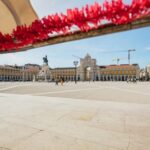
- Entering The Story at Praça do Comércio
- Baixa to the Waterfront: Rua do Comércio, Casa dos Bicos, Ribeira
- Resistance Museum Stop: WWII Refugees and Modern Lisbon
- Mouraria’s Streets: A Living Quarter Where History Clings
- Alfama and Medieval Segregation: Seeing the Impact in the Layout
- Forced Conversions in Baixa: The New Christian Thread
- Rossio and the 1506 Pessah Massacre
- The Route’s Full Sweep: Praça da Município, Praça da Figueira, and Back
- How the 2-Hour Format Works (and Why It’s a Good Length)
- Price and Value: What $57 Buys You Here
- Who This Tour Suits Best
- A Few Practical Comfort Notes Before You Go
- Should You Book This Lisbon Jewish Quarter Walk?
- FAQ
- How long is the Lisbon Jewish Quarter guided walking tour?
- What language is the tour guide?
- How large is the group?
- Is food or drinks included?
- Where do we meet the guide?
- What if plans change?
Quick Take: What You’ll Remember
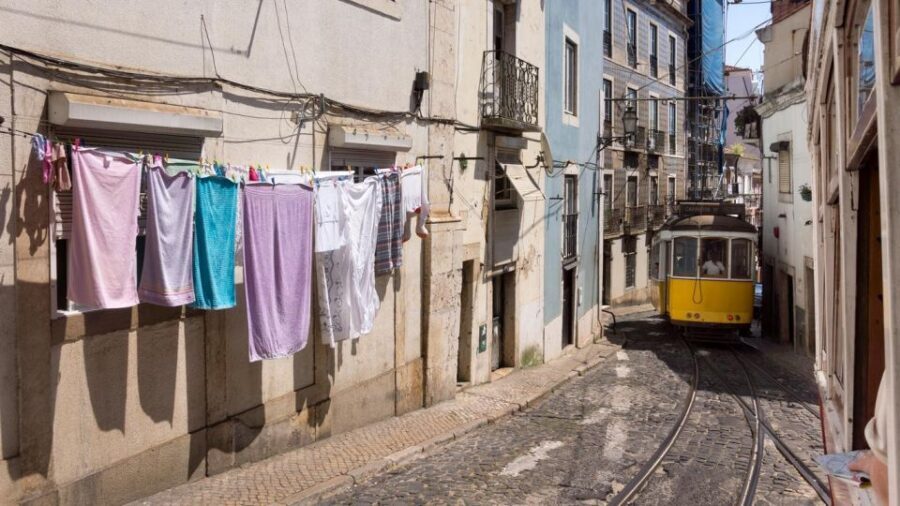
- Praça do Comércio as the starting point for big Exodus-related symbolism and context
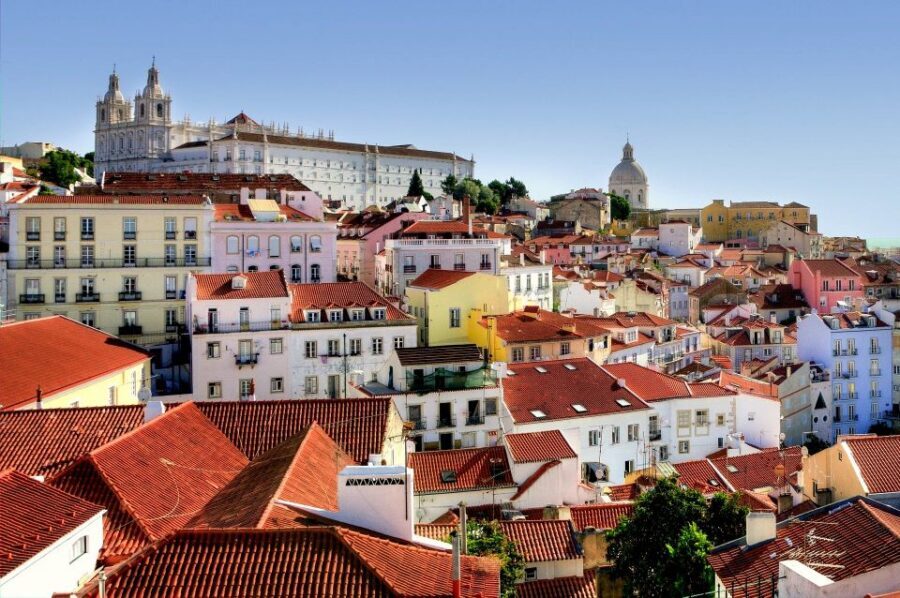
- Alfama’s medieval Jewish quarter and the idea of segregation you can still “see” in the street layout
- Baixa forced conversions and the New Christian thread tied to later reforms
- Rossio and the 1506 Pessah massacre placed right into the walk’s flow
- Mouraria plus WWII-era refugees history, including Lisbon’s role in the 1940s passage
Entering The Story at Praça do Comércio
Most Lisbon history tours start with a building or a viewpoint. This one starts where the city’s power and movement feel easiest: Praça do Comércio, on the edge of the water. You begin by orienting yourself in the Baixa waterfront area, then your guide links the square to the tour’s broader Exodus theme—less a lecture and more a way to frame what you’re about to see.
From here, the route is designed to help you understand Lisbon as a layered city. The guide brings you through places that once mattered for community life, enforcement, and survival. Even if you’ve only skimmed the topic before, this starting point helps you keep the story straight as the walk climbs and bends.
You can also read our reviews of more walking tours in Lisbon
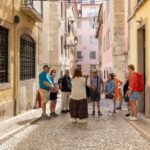

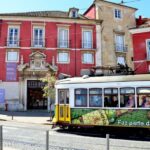
Baixa to the Waterfront: Rua do Comércio, Casa dos Bicos, Ribeira
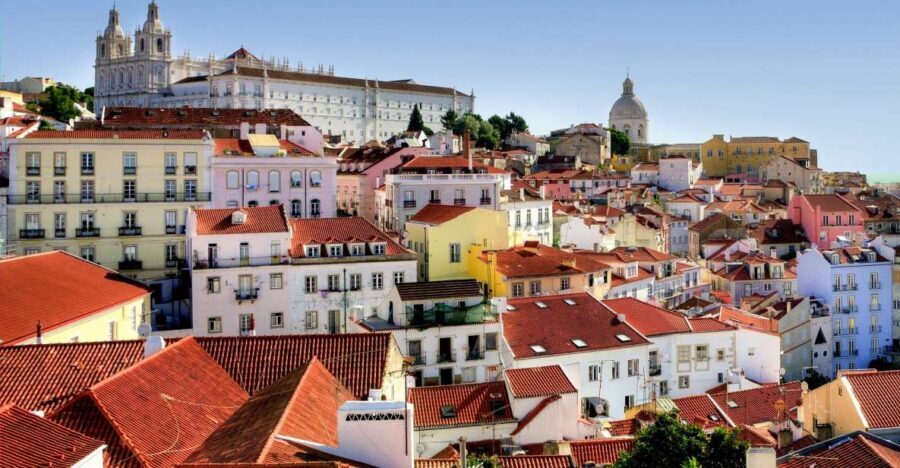
After Praça do Comércio, you move through Rua do Comércio and nearby streets that keep the urban grid tight. That matters because much of Lisbon’s Jewish-related history is tied to how people were placed, moved, and controlled within the city.
One stop that tends to stick is Casa dos Bicos—a building you notice even when you’re not trying. Your guide uses the site as a springboard into the broader pattern of who lived where and why. Then you swing toward Ribeira, the waterfront zone, where Lisbon’s relationship to ports and travel becomes part of the conversation.
This part of the tour is also a good reality check. Lisbon isn’t all grand vistas and tiled façades—it’s streets shaped by trade, rules, and the constant movement of people. The walk through the Baixa and Ribeira areas helps you feel that motion before the tour turns toward the older, more constrained quarters.
Resistance Museum Stop: WWII Refugees and Modern Lisbon
Lisbon’s Jewish history doesn’t end in the Middle Ages. One of the most important modern elements in this tour is the WWII-era refugee passage in the 1940s, covered as part of the city’s twentieth-century role. You get this through the route’s stop at the Resistance museum, which gives you a context layer before you move into Mouraria and the older maze of streets.
This is where the tour gains emotional weight without turning into doom-and-gloom. The point is to show continuity: communities face pressures, people seek safety, and Lisbon becomes a corridor. If you care about how cities connect to global events, this segment gives you something practical to carry into the rest of your trip—especially if you’re pairing the walk with other WWII-related stops in Lisbon.
Mouraria’s Streets: A Living Quarter Where History Clings
After the museum stop, you enter Mouraria—a neighborhood that feels busy even when you’re standing still. The value here isn’t that you’ll find one single memorial. It’s that the guide uses the streets to explain how neighborhoods can hold memory even after the original community changes.
Mouraria is also a good match for the tour’s method: story first, then place. As you walk, you’re not just memorizing facts—you’re learning how to read a city. The guide links the Jewish presence to the broader city fabric, including how different groups moved through Lisbon over time.
If you’re the type who likes asking why a neighborhood is shaped the way it is, you’ll probably enjoy this portion. And with a small group, there’s room for clarifying questions as you go.
Alfama and Medieval Segregation: Seeing the Impact in the Layout
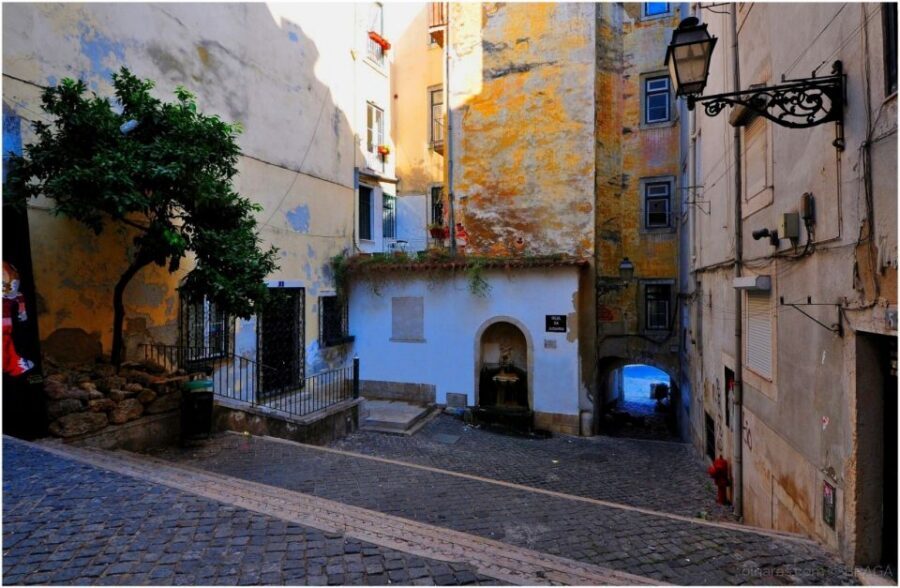
The walk’s heart is the shift into Alfama and the wider historic hillside areas (often described as Castle Hill–adjacent). Here, the guide connects medieval segregation to what you can actually experience: tighter street patterns, steep grades, and the way the urban form can enforce separation.
This is also where you get the tour’s strong emphasis on the Alfama Jewish quarter. The guide frames it not as a vague neighborhood label but as a specific way communities were organized and restricted. When you’re walking, you feel the physical side of that story, which makes the historical points easier to remember later.
One practical tip: if your legs are already tired, slow down on the climbs. The tour is built for a steady walk, but Lisbon doesn’t do flat for long. Comfortable footwear is a must—not for comfort only, but for confidence when streets get steep.
You can also read our reviews of more guided tours in Lisbon



Forced Conversions in Baixa: The New Christian Thread
Back in the lower city, the tour addresses forced conversions and the evolution of how Jewish identity was treated over time. The important idea isn’t only that conversion happened—it’s how that change reshaped family life and community status.
This is where the guide’s pacing and explanations really help. You’re taken through the logic of what was lost, what was hidden, and what later reforms tried to change. One of the standout angles in this tour is how it connects Iberian Jewish history to later Portuguese policy and identity shifts.
In particular, the story includes the role of Marquis de Pombal and reforms that reduced the centuries-old division between Old Christians and New Christians/Conversos. The tour also touches the era under King José I, including what that meant for power and society. Even if you came thinking you’d only cover medieval Jewish communities, you’ll get a longer view of how Lisbon dealt with identity and control.
Rossio and the 1506 Pessah Massacre
Then you reach Rossio, one of Lisbon’s central public squares. This stop is about the 1506 Pessah massacre, and the guide’s job is to make a painful event feel grounded rather than abstract.
Rossio is a good choice because it’s a place of everyday movement. You can stand in a bright, busy space and still understand how brutal events were carried out in the same city. The contrast helps the message land: Lisbon’s history is not locked away in old stones. It’s tied to real public life.
This is also the moment when the tour’s timeline starts feeling less like a list. The guide ties earlier themes—segregation, pressure, conversion—to the reality of violence and its consequences. If you’ve been hoping for context you can connect across centuries, this part does that work.
The Route’s Full Sweep: Praça da Município, Praça da Figueira, and Back
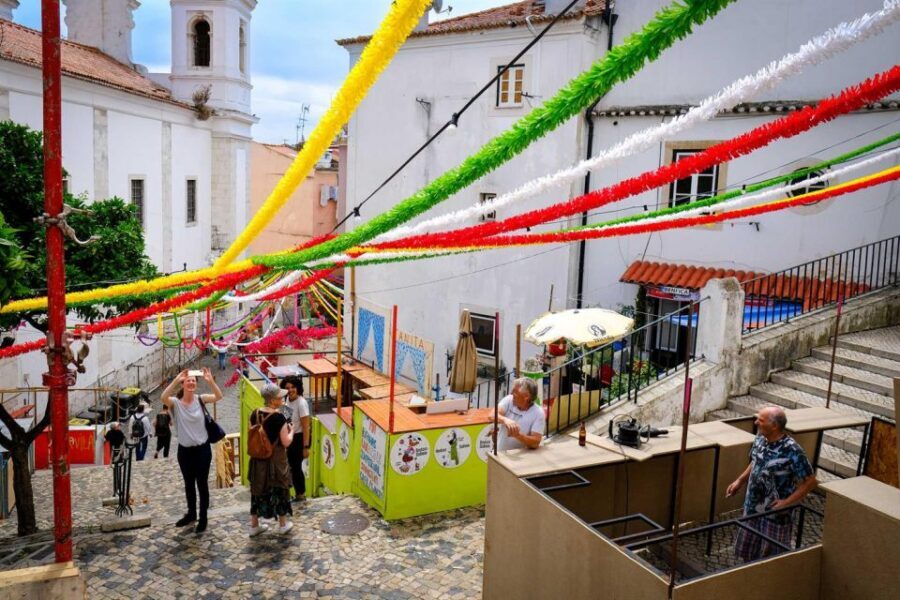
The walk links multiple anchor points so you can map what you’re learning onto the city. After Praça do Comércio, you pass Praça do Município, then you continue through streets that funnel you toward major squares again.
Praça da Figueira is part of that “reset” in your mental map. It helps you shift from one historical zone to another without feeling like you’ve lost the story. By the time you’re on the route to Rossio, you’ve seen enough different street characters—tight and old, wider and administrative—that the guide’s connections start to click.
And then, like many well-planned Lisbon walks, the tour ends back at the meeting area. That’s useful if you want to keep exploring on your own right after, or if you’re planning a meal nearby with enough daylight left.
How the 2-Hour Format Works (and Why It’s a Good Length)
Two hours can be tight in Lisbon, but this tour uses that time well. You cover key districts—Castle Hill–side historic areas, Alfama, and Baixa—without wandering into “we might as well” territory.
The small group size helps a lot. With limited participation (up to 10), the pace stays conversational. I like that the tour isn’t designed to be a silent march. You’re encouraged to ask questions, and the guide answers in a way that keeps the story moving.
Also, the tour is described as tailor made, with adaptation possible for different time frames and starting points. That’s handy if you’re juggling museum schedules or you want the guide to adjust focus based on your interests.
If you’re the type who likes history but hates feeling trapped in a classroom, this format is a good match. And if you’re short on time in Lisbon, it’s a smart way to get bearings fast while still feeling like you learned something real.
Price and Value: What $57 Buys You Here
At about $57 per person for a 2-hour guided walk, you’re paying for more than a route. You’re paying for an organized storyline that ties specific Lisbon locations to Jewish and related Portuguese history, including medieval segregation, forced conversion themes, the 1506 Pessah massacre, and the 1940s refugee passage.
This is where value comes from: you don’t have to stitch the narrative together yourself. Instead, you walk the city while a guide supplies the connections. The tour also includes the guide only, so the cost is focused on interpretation rather than added attractions or meals.
One practical trade-off: there’s no food included. If you’re the kind of person who gets hungry mid-walk, plan a snack or a later meal. Because the tour ends back near the central meeting area, it’s usually easy to keep the day flowing afterward.
Who This Tour Suits Best
This is a strong choice if you want Lisbon history that’s specific and place-based. If you like knowing what you’re looking at—rather than just taking photos—you’ll appreciate how the guide uses buildings, squares, and neighborhood shape to teach the story.
It’s also a good fit for couples and small groups who enjoy conversation. With the small group limit, you’re more likely to get your questions answered clearly, and the pacing doesn’t feel rushed.
If you’re traveling with kids, you’ll want to judge the group’s interest level first. This walk focuses on historical events and community experiences, so it’s best for older teens and adults—or younger kids who are genuinely into history and willing to walk and listen.
A Few Practical Comfort Notes Before You Go
This tour is a walking experience, so treat it like one. Wear comfortable shoes for Lisbon’s grades, and keep water in your day bag even though food isn’t provided.
Meet-up is straightforward but do plan ahead: your guide is identified with a dark red umbrella or a sign. You’ll want to contact the number on your voucher via WhatsApp or iMessages to confirm.
Also, the tour is English-language. If you prefer other languages, check availability details first since only English is explicitly listed.
Should You Book This Lisbon Jewish Quarter Walk?
Book it if you want a focused, two-hour route that connects major Jewish-related moments to the actual Lisbon streets and squares you’ll walk anyway. The best reason to choose it is the way the guide ties together medieval segregation, forced conversion themes, the Rossio massacre, and the 1940s refuge story—so you leave with a coherent mental map.
Skip it only if you’re looking for a purely visual tour with minimal walking, or if you don’t want emotionally heavy topics like mass violence and persecution. Otherwise, this is exactly the kind of Lisbon experience that turns “I’ve heard of that” into “I know where and why it mattered.”
FAQ
How long is the Lisbon Jewish Quarter guided walking tour?
The tour lasts 2 hours.
What language is the tour guide?
The live tour guide speaks English.
How large is the group?
The group is limited to 10 participants.
Is food or drinks included?
No. Food and drinks are not included.
Where do we meet the guide?
Meet at the agreed starting point where your guide will be with a dark red umbrella and or a sign. You should contact the number linked to your voucher via WhatsApp or iMessages to confirm.
What if plans change?
You can cancel up to 24 hours in advance for a full refund, and there is also a reserve now & pay later option listed.